手机

Search documents
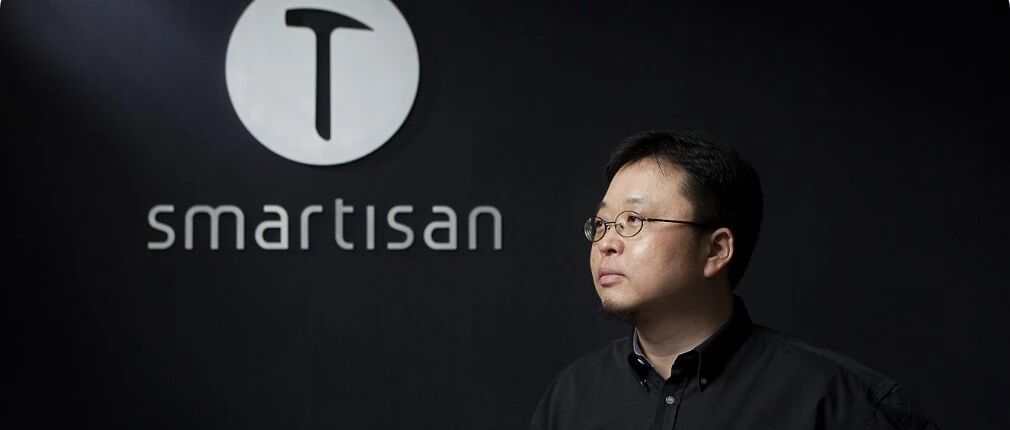
锤子都倒闭 7 年了,罗永浩还有手机和系统的执念:哪怕在大厂打工都行,就怕赔光别人钱
程序员的那些事· 2025-12-27 12:53
Core Viewpoint - The article discusses Luo Yonghao's ongoing interest in the smartphone industry despite past failures and current market challenges, highlighting his cautious approach towards potential future projects in this sector [2][4][5]. Group 1: Luo Yonghao's Perspective on Smartphones - Luo Yonghao expresses a willingness to return to smartphone development, even if it means working for someone else, as long as he can create products that align with his ideals [2]. - Despite being approached by investors to restart his smartphone project, he refrains from accepting funding due to concerns about losing their money, reflecting a more cautious and mature outlook [2][4]. - The loyalty of over a million users still using old Smartisan phones indicates a lasting connection to his previous work, which he finds difficult to let go of [2]. Group 2: Challenges and Past Experiences - Luo's caution stems from his experience with Smartisan Technology, which faced significant challenges, including a complex production process and issues with manufacturing partners, leading to a debt of 600 million yuan [4]. - The smartphone market is now dominated by major players like Huawei, Xiaomi, OPPO, and Apple, making it extremely difficult for new entrants to succeed [4]. - Luo acknowledges a harsh reality where innovative products from startups are often copied by larger companies, leading to a high risk of failure for new ventures in the smartphone space [4]. Group 3: Future Aspirations - Despite his fears of financial loss, Luo has not completely closed the door on smartphone development and is considering a revival if his current venture, Xihongxian Technology, becomes successful [5][6]. - He is exploring potential partnerships with industry giants to ensure that any new products are well-positioned in the market, indicating a strategic shift in his approach [6]. - Luo's current focus on AIOS is seen as a preparatory step that could eventually lead back to smartphone development, especially as he recognizes the potential of AI in the industry [6].

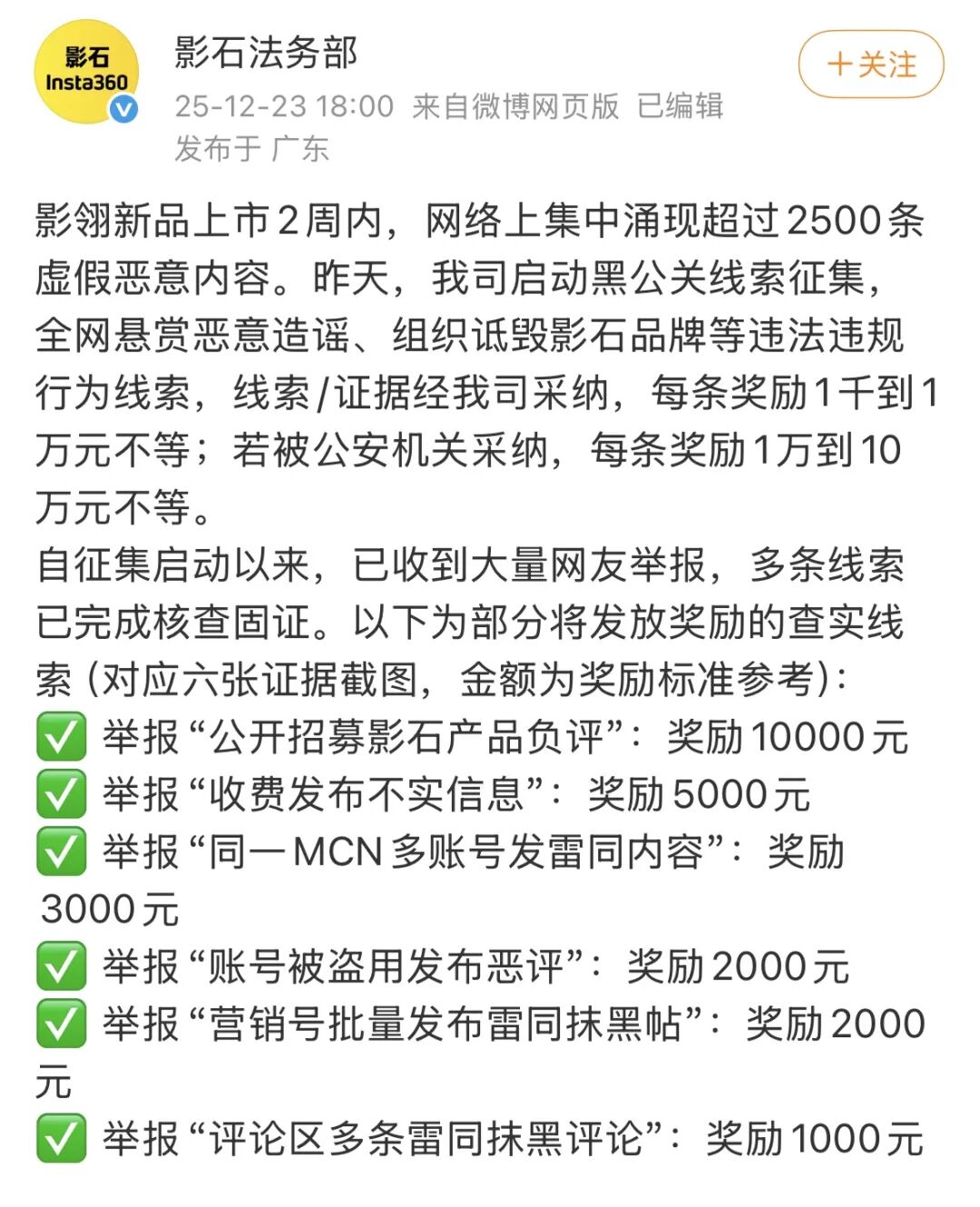
“黑影石,200一条,接单速来”
3 6 Ke· 2025-12-27 01:33
Core Insights - The article highlights the shift in business competition from innovation and technology to manipulation of public opinion and creation of false information through AI-driven tactics [1][2] Group 1: AI and Malicious Tactics - AI technology is being utilized to systematically generate malicious content, leading to organized and industrialized attacks on various sectors, including smartphones, electric vehicles, and imaging hardware [2][9] - The emergence of a network of AI-generated negative comments and videos poses a significant threat to companies, as these tactics can distort public perception and damage brand reputation [12][13] Group 2: Impact on Companies - Companies like Xiaomi and Li Auto have faced extensive online attacks, with Li Auto's CEO acknowledging awareness of the orchestrators behind the negative campaigns but choosing not to retaliate in kind [3][4] - The financial implications of these attacks are severe, with estimates suggesting that companies could incur losses in the billions due to the impact of malicious comments and misinformation [13][14] Group 3: Response Strategies - Companies are compelled to establish cross-departmental teams to combat these attacks, which diverts resources from innovation and product development to defensive measures [16][17] - Legal actions and public awareness campaigns are being initiated to counteract the influence of malicious actors, with some companies offering rewards for information leading to the identification of these networks [8][9] Group 4: Ethical Considerations - The article emphasizes the need for a return to ethical business practices, advocating for a focus on genuine competition rather than resorting to underhanded tactics [14][18] - The evolution of business ethics is highlighted, with a call for industries to collectively reject the use of black public relations and to foster a healthier competitive environment [17][18]
在鸟巢开过发布会的陈凯峰,决定不再做手机品牌
Jing Ji Guan Cha Wang· 2025-12-25 12:11
Core Viewpoint - The article chronicles the evolution of the Chinese mobile phone industry through the experiences of Chen Kaifeng, highlighting the transition from basic feature phones to smart devices and the strategic pivots made by companies like KuSai Intelligent in response to market changes [2][10][22]. Industry Evolution - In the late 1990s, mobile phones were luxury items in China, with high costs for both calls and devices, leading to a burgeoning electronic communication industry [2]. - By the early 2000s, domestic manufacturers primarily acted as intermediaries, lacking core technology and relying on foreign designs for assembly [3][4]. - The introduction of MediaTek's "Turnkey Solution" in 2005 significantly lowered the technical and financial barriers for manufacturers, allowing them to produce phones without extensive R&D [5]. Company Development - Chen Kaifeng founded his company in 2006, initially focusing on a unique product that catered to specific user needs, such as loudspeakers for construction workers and long battery life [6][7]. - The "shanzhai" (copycat) phones, while often viewed negatively, provided affordable access to mobile technology for lower-income consumers, contributing to the growth of the Shenzhen electronics industry [8][9]. - In 2009, the company shifted focus to branding, launching the "Koobee" brand, which initially thrived due to its understanding of the market [10][11]. Market Challenges - The smartphone market began to consolidate around major players like Xiaomi and OPPO, leading to increased competition and pressure on smaller brands [12][14][15]. - By 2017, the company faced significant challenges as the market became dominated by a few key brands, prompting a strategic pivot towards international markets and niche segments [15][21]. Strategic Shift - The company transitioned from a focus on branding to becoming an "invisible factory" for local brands in overseas markets, emphasizing customized solutions for specific regional needs [21][22]. - KuSai Intelligent began to explore specialized markets, such as rugged phones for industrial use, integrating advanced features like thermal imaging and laser measurement [18][19][20]. Future Outlook - The company is now leveraging its engineering capabilities to expand beyond mobile phones into other technology sectors, such as fitness equipment and robotics [24][25]. - Chen Kaifeng emphasizes the importance of surviving and thriving within the industry ecosystem rather than seeking fame, focusing on building a sustainable business model [26].
前11月国内市场手机出货2.82亿部 同比增长0.9%
Zheng Quan Shi Bao Wang· 2025-12-25 09:11
Group 1: Domestic Smartphone Market Performance - In November 2025, the domestic smartphone shipment volume reached 30.16 million units, a year-on-year increase of 1.9%, with 5G smartphones accounting for 27.61 million units, up 1.1%, representing 91.6% of total shipments [1] - From January to November 2025, the total smartphone shipment volume was 282 million units, a 0.9% increase year-on-year, with 5G smartphones making up 244 million units, a 1.3% increase, constituting 86.6% of total shipments [1] - In November 2025, the number of new smartphone models launched was 31, a decrease of 27.9% year-on-year, with 5G models totaling 24, an increase of 26.3%, representing 77.4% of new models [1] Group 2: Domestic Brand Performance - In November 2025, domestic brand smartphone shipments were 23.23 million units, a year-on-year decline of 12.6%, accounting for 77.7% of total shipments [1] - From January to November 2025, domestic brand smartphone shipments totaled 241 million units, a 1.2% increase year-on-year, representing 85.4% of total shipments [2] - The number of new models from domestic brands launched from January to November 2025 was 451, a year-on-year increase of 15.6%, constituting 95.1% of total new models [2] Group 3: Smart Device Market Trends - In November 2025, the smart smartphone shipment volume was 28.75 million units, a year-on-year increase of 2.0%, making up 95.3% of total shipments [2] - From January to November 2025, the smart smartphone shipment volume was 262 million units, a slight decline of 0.1% year-on-year, representing 92.8% of total shipments [2] - The number of new smart smartphone models launched from January to November 2025 was 309, a year-on-year increase of 6.2%, accounting for 65.2% of total new models [2] Group 4: Future Market Outlook - Multiple institutions predict a decline in smartphone and laptop shipments in 2026 due to rising storage prices, with a forecasted year-on-year decrease of 2% for smartphones and 2.4% for laptops [3] - The increase in DRAM and NAND Flash prices is expected to significantly raise the overall cost of smartphones and laptops, leading manufacturers to raise prices, particularly affecting low-end models [3] - If supply-demand imbalances worsen, shipment volumes may face further pressure, with the laptop market experiencing dual pressures from rising costs and weak demand [3]
中国信通院:11月国内市场手机出货量3016.1万部,同比增长1.9%
Zheng Quan Shi Bao Wang· 2025-12-25 07:11
Core Insights - The report from the China Academy of Information and Communications Technology indicates that in November 2025, the domestic smartphone market shipped 30.16 million units, representing a year-on-year growth of 1.9% [1] - Among the total shipments, 5G smartphones accounted for 27.61 million units, showing a year-on-year increase of 1.1%, which constitutes 91.6% of the total smartphone shipments during the same period [1] Summary by Category Market Performance - In the first eleven months of 2025, the domestic smartphone market shipped 282 million units, reflecting a year-on-year growth of 0.9% [1] - The 5G smartphone shipments during this period reached 244 million units, with a year-on-year increase of 1.3%, making up 86.6% of the total smartphone shipments [1]
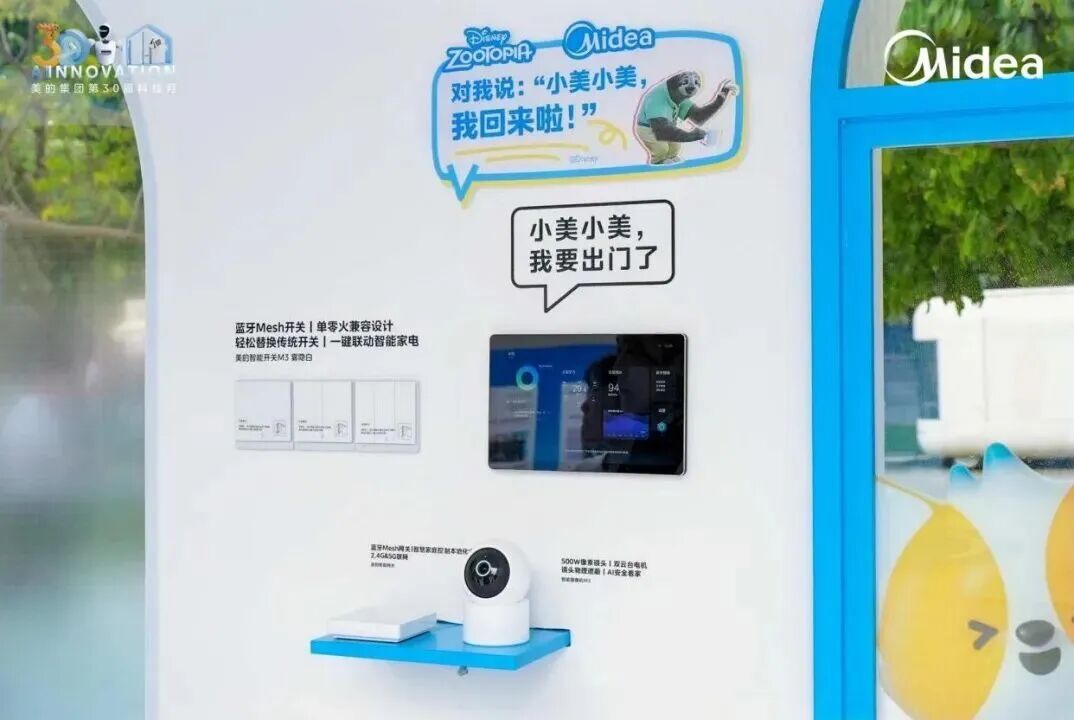
豆包手机声量登顶,豆包家电缘何锦衣夜行?
3 6 Ke· 2025-12-24 03:13
Core Insights - Doubao Mobile's "AI Custody" feature has become a phenomenon in the market, showcasing the practical application of AI terminals [1] - The device can simulate human-like finger movements to complete complex tasks across multiple applications, significantly enhancing user convenience [2] - Despite the popularity of Doubao Mobile, the AI home appliance sector remains relatively stagnant, raising questions about the disparity between mobile and home appliance AI adoption [3][4] Industry Analysis - The AI home appliance market is facing challenges due to hardware compatibility issues, as many appliances are not designed for advanced AI interactions [6] - The practical application of AI in home appliances is limited by the need for effective user demand matching and value communication [7] - The commercial monetization of AI home appliances is indirect, with current revenue models primarily focused on hardware sales rather than AI service monetization [11] Company Strategies - Major players like Midea and TCL are investing heavily in AI technology, with Midea integrating its "Meiyan" model into various appliances, while TCL focuses on enhancing user interaction through AI [12][13] - Emerging brands like Tineco are innovating in specific segments, such as cleaning appliances, by combining improved hardware design with proprietary AI models [14][16] - The industry is moving towards a more interconnected AI ecosystem, with companies exploring cross-platform and cross-device integration to enhance user experience [18][20] Cost and Market Dynamics - The introduction of AI technology in home appliances significantly increases hardware costs, which poses a barrier to widespread adoption [21][23] - Companies are exploring strategies to balance the high costs of AI integration with the need for practical, user-friendly applications [24] - The future of AI home appliances hinges on achieving cost-effective solutions, establishing industry standards, and effectively communicating the value of AI features to consumers [25]
nova 15系列发布,华为用影像、AI与通信重构中端机格局
Xin Lang Cai Jing· 2025-12-23 09:49
Core Viewpoint - Huawei's nova 15 series introduces significant advancements in imaging technology and AI integration, targeting the mid-to-high-end smartphone market amidst intense competition in the mobile industry [1][2][3] Group 1: Product Features - The nova 15 series features the "Red Maple Lens" for the front camera, enhancing color accuracy by 120% and improving selfie quality with advanced algorithms [1] - The nova 15 Ultra includes a 50MP RYYB Red Maple imaging system for superior portrait photography [1] - The series runs on HarmonyOS 6, incorporating AI capabilities for enhanced user experience, including features like "AI Color" for photo style replication and "Xiao Yi Help" for automating daily tasks [1][2] Group 2: Communication and Performance - The nova 15 Ultra supports dual satellite communication (Tiantong and Beidou) and 2.4GHz seamless communication without internet access [2] - Performance improvements are notable, with the nova 15 Ultra and Pro using the Kirin 9010S chip, showing an 18% performance increase, while the nova 15 with the Kirin 8020 shows a 62% increase compared to previous models [2] - The nova 15 Ultra and Pro feature a 6500mAh battery with 100W wired and 50W wireless fast charging capabilities [2] Group 3: Market Positioning and Pricing - The nova 15 series is set to launch on December 25, 2025, with prices starting at 2699 yuan for the nova 15, 3499 yuan for the nova 15 Pro, and 4199 yuan for the nova 15 Ultra [3] - The series aims to resonate with young consumers' desires for trendy aesthetics and personalized experiences, potentially leading to an upgrade in overall user engagement [3]
直播预告 | 12月26日15:00,盘点2025下半年AI市场的技术发展与应用方向
QuestMobile· 2025-12-23 02:02
Group 1 - The article discusses the current popularity of large models in the AI market and their implications for technology and corporate strategies [2][3] - It highlights the trending applications that reflect the technological advancements and strategic directions of companies in the AI sector [2][3] - The article also covers the latest developments in AI deployment by mobile manufacturers, indicating shifts in their strategies [2][3]

晚报 | 12月22日主题前瞻
Xuan Gu Bao· 2025-12-21 14:24
Group 1: Supercritical CO2 Power Generation - The world's first commercial supercritical CO2 power generation unit has successfully commenced operation in Guizhou, marking a significant milestone in the application of this technology [1] - The "Super Carbon No. 1" project enhances power generation efficiency by over 85% and net power output by more than 50% compared to existing steam power generation technologies [1] - This technology is expected to create a market worth trillions by efficiently utilizing industrial waste heat and contributing to carbon neutrality goals [1] Group 2: Optical Computing Chips - Researchers at Shanghai Jiao Tong University have achieved a breakthrough in optical computing chips, developing the LightGen chip that supports large-scale semantic media generation models [2] - LightGen demonstrates a performance improvement of two orders of magnitude in computing power and energy efficiency compared to top digital chips, even with less advanced input devices [2] - The development of optical computing chips represents a transformative opportunity for China in the high-end AI computing chip sector, shifting competition from traditional metrics to energy efficiency and parallel processing [2] Group 3: AI Smartphones - ByteDance is collaborating with hardware manufacturers like Vivo, Lenovo, and Transsion to pre-install AIGC plugins on their devices, aiming to enhance user engagement and shift AI from a passive to an active role [3] - The partnership with these manufacturers, which collectively have a potential user base exceeding 1 billion, is expected to accelerate the commercialization of AI smartphones, with a projected penetration rate of over 50% by 2026 [3] Group 4: Robotics in Entertainment - The introduction of humanoid robots by Yushu Technology at a concert in Chengdu marks the first instance of robots performing on stage in a commercial concert setting [4] - This event signifies a shift in the application of humanoid robots from mere technological showcases to integral components of entertainment, with potential market growth as technology advances and costs decrease [4] - IDC forecasts that the shipment of commercial humanoid robots in China will reach approximately 50,000 units by 2030, with a compound annual growth rate exceeding 95% [4]
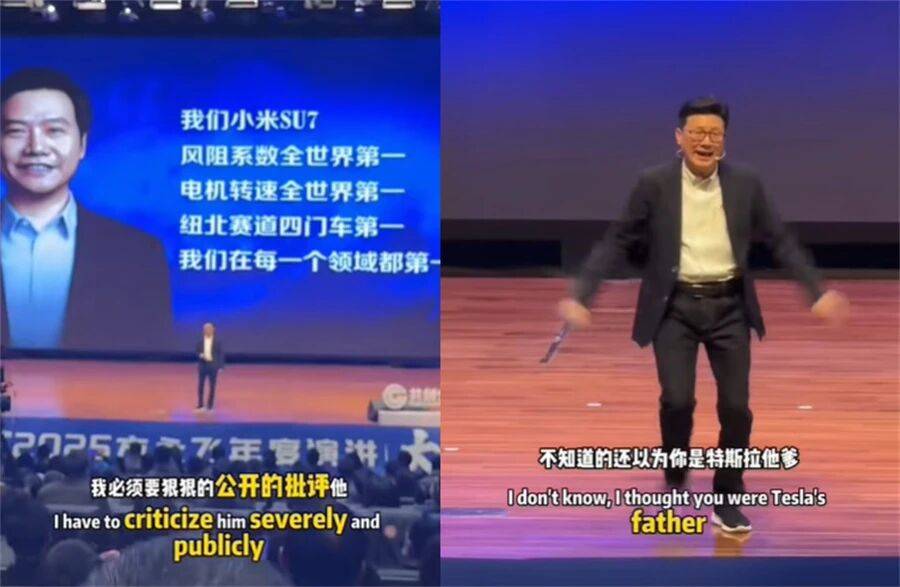
方永飞怒怼雷军背后:小米多少个“第一”在拿消费者当“脑残”?
Sou Hu Cai Jing· 2025-12-20 03:53
Core Viewpoint - The controversy surrounding Lei Jun and Xiaomi's marketing strategies highlights a growing consumer fatigue with exaggerated claims and a lack of sincerity in the automotive industry [3][20]. Group 1: Marketing Strategies - Xiaomi's approach of using terms like "global first" and "best" in marketing has been criticized for being misleading and overly reliant on technical jargon, which may not translate to real-world performance [4][6]. - The backlash against Xiaomi's marketing tactics reflects a broader societal frustration with brands that prioritize flashy claims over genuine consumer value [11][19]. Group 2: Consumer Perception - The public's reaction to Xiaomi's marketing has shifted from discussing product specifications to questioning the credibility of Lei Jun as a brand figure, indicating a loss of trust [15][16]. - The automotive industry is characterized by high stakes, where consumer trust is paramount, and any misstep can lead to significant reputational damage [19]. Group 3: Brand Identity and Leadership - Lei Jun's personal brand is deeply intertwined with Xiaomi, serving as both a strength and a vulnerability; his credibility directly impacts consumer perception of the company [12][16]. - The reliance on a single figure for brand identity can lead to a low tolerance for errors, as consumers may hold Lei Jun personally accountable for any shortcomings [16]. Group 4: Industry Expectations - The automotive sector demands a focus on practical performance and reliability rather than mere marketing hype, as consumers expect tangible results from their investments [18][19]. - The current situation suggests that Xiaomi must transition from a focus on marketing gimmicks to delivering real value and reliability in its products to maintain consumer trust [20][22].