智能穿戴

Search documents
实现供需双向奔赴、形成3个万亿级消费领域……多部门联合印发促进消费新方案
Yang Shi Xin Wen Ke Hu Duan· 2025-11-27 11:44
Core Viewpoint - The Ministry of Industry and Information Technology, along with five other departments, has introduced a plan to enhance the adaptability of supply and demand in consumer goods, aiming to stimulate consumption and align production with consumer preferences [1][2]. Group 1: Key Measures and Goals - The plan outlines 19 key tasks focused on five areas: accelerating the application of new technologies and models, expanding the supply of unique and new products, cultivating new consumption scenarios and business formats, and enhancing scene empowerment [2][3]. - By 2027, the plan aims to establish three trillion-level consumption sectors and ten hundred-billion-level consumption hotspots, with a vision for a high-quality development pattern of mutual promotion between supply and consumption by 2030 [7][8]. Group 2: Targeted Consumption Areas - The trillion-level consumption sectors identified include elderly products, smart connected vehicles, and consumer electronics, with the elderly products market projected to grow from 2.6 trillion yuan in 2014 to 5.4 trillion yuan by 2024, reflecting a compound annual growth rate of 7.3% [7][8]. - The hundred-billion-level consumption hotspots include baby products, smart wearable devices, cosmetics, fitness equipment, outdoor products, pet food and supplies, civilian drones, trendy toys, jewelry, and national trend clothing, indicating strong growth potential [9][11]. Group 3: Supply and Demand Dynamics - The current supply of consumer goods has entered a new development stage characterized by quality and price, although structural mismatches in supply and demand still exist in certain areas [12][13]. - The government plans to address these mismatches by increasing resource investment and efforts to achieve a higher level of dynamic balance in supply and demand over the next five years, ensuring consumers have access to better quality products and services [14].

“3个万亿级和10个千亿级消费热点” 有哪些,工信部回应
2 1 Shi Ji Jing Ji Bao Dao· 2025-11-27 06:42
Core Insights - The document outlines a plan to enhance the adaptability of supply and demand in consumer goods, aiming for significant structural optimization by 2027, with the creation of three trillion-level consumption sectors and ten hundred-billion-level consumption hotspots [1][5]. Group 1: Trillion-Level Consumption Sectors - The three trillion-level consumption sectors identified include elderly products, smart connected vehicles, and consumer electronics, reflecting a comprehensive assessment of consumption trends, industrial foundations, and technological changes [1][2]. Group 2: Hundred-Billion-Level Consumption Hotspots - The ten hundred-billion-level consumption hotspots encompass baby and children's products, smart wearable devices, cosmetics, fitness equipment, outdoor products, pet food and supplies, civilian drones, trendy toys, jewelry, and national trend clothing, all showing strong growth momentum and significant development potential [2][4]. Group 3: Market Dynamics and Growth Potential - The elderly products market is projected to grow from 2.6 trillion yuan in 2014 to 5.4 trillion yuan by 2024, with a compound annual growth rate of 7.3%, highlighting the importance of the silver economy [1][2]. - The implementation plan aims to stimulate the domestic consumption market's resilience and vitality, potentially generating several trillion yuan in new consumption markets by 2027 through supply-side structural reforms [5]. - The strategy includes optimizing existing products by enhancing quality and cultural elements, as well as creating new products and services to meet emerging consumer needs, such as smart home ecosystems and solutions for the elderly [5].
理想汽车将推出智能AI眼镜
Feng Huang Wang· 2025-11-26 05:35
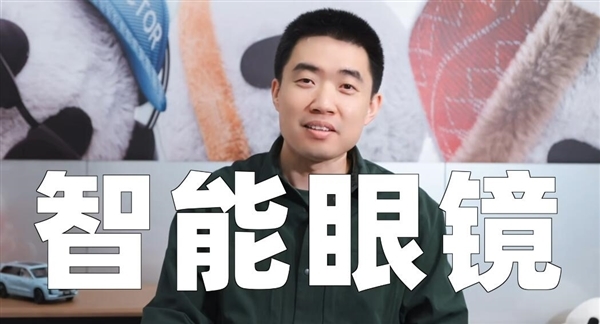
Core Viewpoint - Li Auto's founder Li Xiang announced that the company will not produce smartphones but will introduce ecosystem products, including smart glasses, which he considers the best AI accessory for Li Auto vehicles [1] Group 1: Product Development - Li Auto has discussed the necessity and feasibility of developing self-researched smart glasses since last year's strategic meeting [1] - A new department called "Wearable Robotics" was established in June to potentially develop the smart glasses [1] - Smart speakers are also under consideration, aiming to enhance the AI capabilities in users' lives [1]

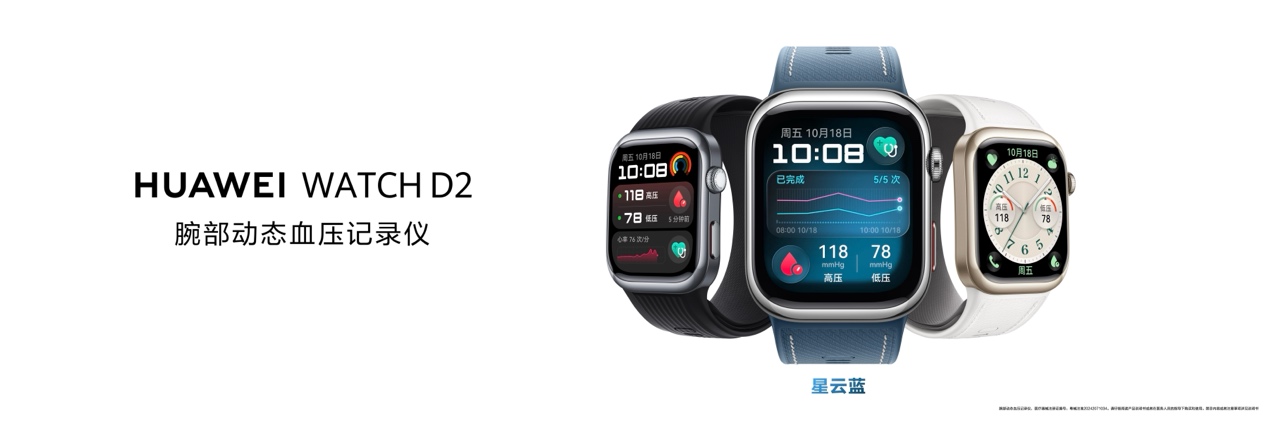
华为WATCH D2专业血压管理升级背后:千亿市场的专业缺口与华为十年深耕
Zhong Guo Jing Ji Wang· 2025-11-26 01:41
Core Insights - The wearable electronic blood pressure monitor market is experiencing explosive growth, with a projected annual growth rate exceeding 20%, expected to surpass 100 billion by 2030 [1] - There is a significant demand for portable and professional blood pressure monitoring devices, as the prevalence of hypertension in China continues to rise, with a patient awareness rate of only 51.6% [1] - Huawei's WATCH D2 represents a significant advancement in wearable blood pressure monitoring technology, combining medical-grade dynamic monitoring capabilities with user-friendly design [3][5] Market Trends - The global medical-grade wearable device market is expanding rapidly, driven by the increasing need for effective hypertension management solutions [1] - The lack of devices that balance accuracy and user experience highlights a gap in the current market, creating opportunities for innovative products [1] Product Development - Huawei has made significant strides in chronic disease management, evolving from the first-generation WATCH D to the WATCH D2, which enhances usability and measurement accuracy [3] - The WATCH D2 features a unique "integrated airbag strap" design, allowing for precise blood pressure monitoring while improving comfort for users [3] Technological Advancements - The WATCH D2 supports both single and dynamic blood pressure monitoring, aligning with industry standards that emphasize the importance of continuous monitoring for effective hypertension management [5] - It is the first smartwatch to receive multiple global medical device certifications, establishing a new benchmark for wearable health technology [5][7] Measurement Accuracy - The device utilizes oscillometric measurement methods combined with a micro airbag cuff, ensuring reliable and accurate blood pressure readings [7] - The WATCH D2 is capable of measuring blood pressure even after high-intensity exercise, expanding the scenarios in which accurate monitoring can occur [7] Industry Position - Huawei's extensive experience and innovation in the wearable health technology sector have created a formidable technical barrier, positioning the company as a leader in the blood pressure monitoring market [7]
理想汽车入局“百镜大战”,李想称将发布智能眼镜
Xin Lang Cai Jing· 2025-11-26 01:38
Core Insights - Li Auto's CEO Li Xiang announced the upcoming launch of the "Li Auto AI Glasses," positioning it as the best AI accessory for the company [1] - The company aims to enhance its AI capabilities across various platforms, including cars, smartphones, and now smart glasses, targeting a user base of approximately 3 to 5 million people [1] - The AI glasses market is becoming increasingly competitive, with significant growth expected in the coming years, as indicated by research from RUNTO [1] Company Developments - Li Auto is not venturing into smartphone production but is focusing on enhancing its AI assistant app, "Li Xiang Classmate," which is already available on mobile devices [1] - The company has previously applied for a patent related to VR glasses, indicating its commitment to innovation in this space [1] Industry Trends - The AI glasses market is experiencing rapid growth, with projections indicating that global sales will reach 5.1 million units by 2025, with a growth rate exceeding 200% [1] - Major players in the AI glasses sector include tech giants like Xiaomi and Alibaba, who have recently launched their own AI glasses, highlighting the competitive landscape [2] - Xiaomi's AI glasses sold 31,000 units in the first week of launch, capturing 12% of the overall AI/AR market, while Alibaba's Quark AI glasses are set to be released soon [2]

供需“双向奔赴” 数字动能激活中国超大市场新消费
Yang Guang Wang· 2025-11-25 13:49
Group 1 - The online retail sales in China from January to October increased by 9.6% year-on-year, reflecting the advantages of a large-scale market and the deep integration of "Made in China" industrial upgrades [1] - Smart wearable products, such as AI glasses and smartwatches, saw a significant growth in online sales, with an increase of 23.1%, indicating a shift from novelty consumption to essential consumption [1] - The strong consumer demand is driving companies to invest more in core technology and product iterations, creating a virtuous cycle where market demand drives technological upgrades and technological progress stimulates consumption potential [1] Group 2 - Recent policies aimed at promoting digital consumption are being released, positioning digital consumption as a new engine for expanding domestic demand [2] - The State Council's recent meeting emphasized leading industrial upgrades through consumption upgrades and achieving a dynamic balance between supply and demand [2] - The market is witnessing structural changes, with digital consumption becoming a significant component, characterized by essential, scenario-based, segmented, and quality-oriented consumption [2] Group 3 - There is an expectation for relevant departments to introduce policies to enhance the adaptability of supply and demand in consumer goods, which will support the expansion of consumption [3] - Fields such as artificial intelligence terminals, ultra-high-definition video, and drones are likely to experience rapid development [3]
晶采观察丨供需“双向奔赴” 数字动能激活中国超大市场新消费
Yang Guang Wang· 2025-11-25 13:47
Group 1 - The online retail sales in China from January to October increased by 9.6% year-on-year, reflecting the advantages of a large-scale market and the deep integration of "Made in China" industrial upgrades [1] - Smart wearable products, such as AI glasses and smartwatches, saw a significant growth in online sales, with an increase of 23.1%, indicating a shift from novelty consumption to essential consumption [1] - The strong consumer demand is driving companies to invest more in core technology and product iterations, creating a virtuous cycle where market demand drives technological upgrades and technological progress stimulates consumption potential [1] Group 2 - Recent policies aimed at promoting digital consumption are being released, positioning digital consumption as a new engine for expanding domestic demand [2] - The State Council's recent meeting emphasized leading industrial upgrades through consumption upgrades and achieving a dynamic balance between supply and demand [2] - The market is witnessing structural changes, with digital consumption becoming a significant component, characterized by essential, scenario-based, segmented, and quality-oriented consumption [2] Group 3 - There is a call for more quality supply to meet new demands, and enhancing supply-demand adaptability is key to unlocking consumption potential and facilitating economic circulation [3] - Relevant departments are expected to introduce policies to enhance the adaptability of consumer goods supply and demand, which may lead to rapid development in fields such as AI terminals, ultra-high-definition video, and drones [3]
AI眼镜元年,SoC厂商抢滩
3 6 Ke· 2025-11-25 10:45
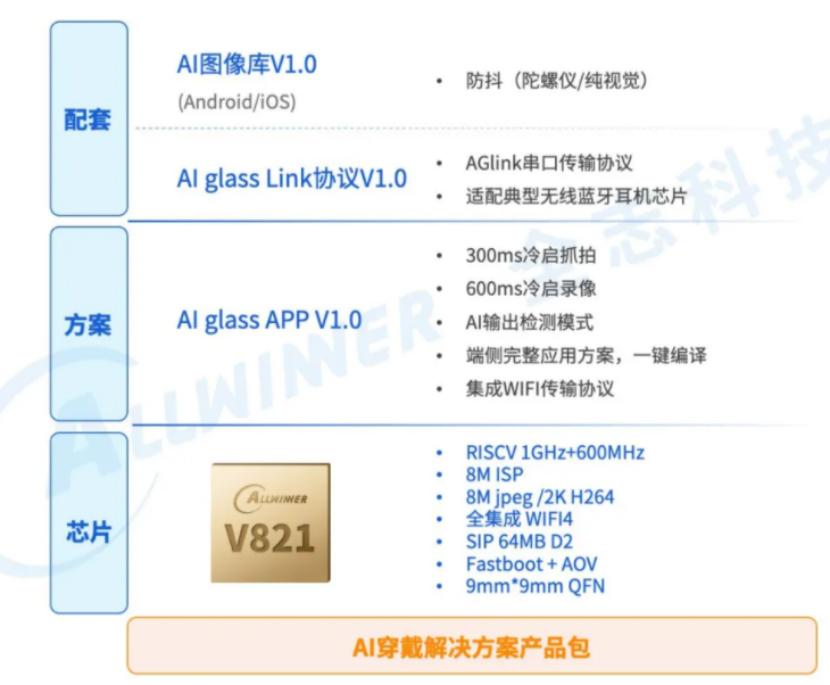
Financial Performance - Meta reported Q3 revenue of $51.24 billion, a year-on-year increase of 26%. However, net profit plummeted from $15.69 billion in the same period last year to $2.71 billion, representing an 83% decline [1] AI Glasses Market Growth - The global smart glasses shipment volume reached 2.555 million units in Q2 2025, a year-on-year growth of 54.9%. The Chinese market showed exceptional performance with shipments of 664,000 units, up 145.5% year-on-year [2] - JD.com reported that the transaction volume of smart glasses in the first half of 2025 increased over tenfold year-on-year, with the number of brands on the platform tripling [2] Technological Advancements - New high-end AI glasses are adopting a "dual-chip" design to meet high-performance AI computing and standby requirements. For instance, Alibaba's Quark AI glasses and Xiaomi's AI glasses both utilize Qualcomm's AR1 flagship chip alongside a co-processor [3] - Qualcomm's AR1 Gen1 chip has become the mainstream platform in the high-end AI glasses market, featuring a multi-core CPU+GPU architecture and supporting high-resolution displays [4] Chip Market Dynamics - The cost of the Allwinner V821 chip, which dominates the mid-to-low-end market, is significantly lower at $3 to $5 compared to Qualcomm's AR1 Gen1 priced around $60. This cost advantage allows for competitive pricing in the AI glasses segment [8] - Various companies are developing AI glasses using different chip solutions, with Allwinner Technology's V821 being widely adopted for its cost-effectiveness and performance [7][8] Industry Trends - The AI glasses industry is expected to see a consumption turning point in the next 3 to 5 years, driven by chip optimization, cloud collaboration, and differentiated application scenarios [14] - Major tech companies are entering the AI glasses market, with products like Baidu's Xiao Du AI glasses and Lenovo's AI glasses V1 being launched at competitive prices [14] Supply Chain Insights - Over 80% of the global smart glasses supply chain manufacturers are based in China, covering key areas such as camera modules and assembly, with significant market shares exceeding 50% in various components [13]


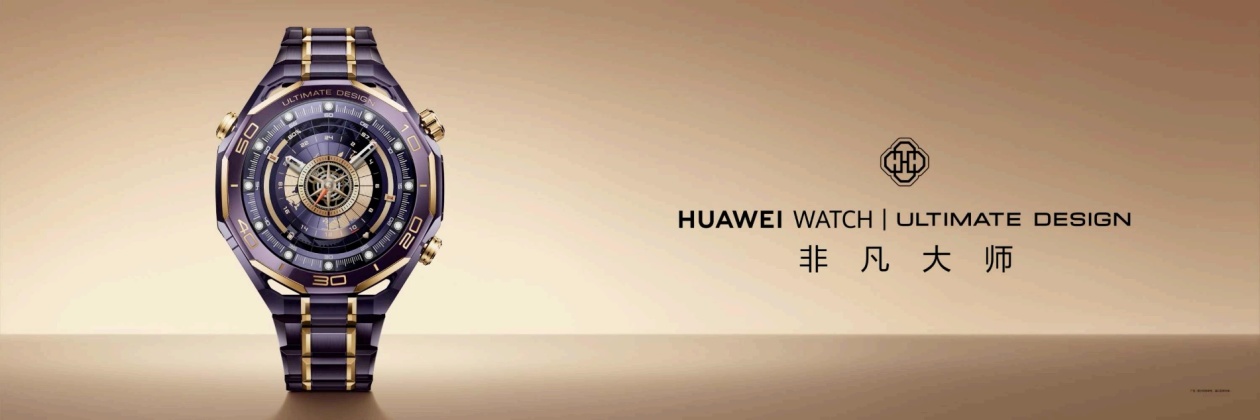
新款华为非凡大师手表发布,以紫金美学与智慧体验改写高端腕表标准
Huan Qiu Wang· 2025-11-25 09:16
Core Insights - Huawei's launch of the WATCH ULTIMATE DESIGN in the purple gold variant signifies a blend of high-end materials, craftsmanship, and innovative technology, aiming to redefine the luxury smartwatch market [1][17] - The traditional watch industry is facing challenges, with Swiss watch exports remaining stable but showing a decline in volume, highlighting the need for innovation and adaptation to modern consumer demands [12] Product Features - The purple gold smartwatch features a unique design that incorporates a dark purple ceramic body and an 18K gold bezel, reflecting a sophisticated aesthetic that resonates with high-end consumers [3][5] - Advanced materials such as non-crystalline zirconium alloy and purple ceramic are used, enhancing durability and resistance to wear, which surpasses typical consumer electronics standards [7][8] - The smartwatch is equipped with the HarmonyOS 6.0 system, offering personalized health and fitness management through AI capabilities, and includes features like satellite communication for emergency messaging [9][11] Market Positioning - Huawei's strategy combines luxury craftsmanship with technological innovation, positioning itself as a disruptor in the high-end watch market, which has been traditionally dominated by mechanical brands [12][17] - The introduction of features like 150-meter water resistance and underwater communication capabilities fills a gap in the smartwatch market, catering to extreme sports enthusiasts [13] Consumer Engagement - The product comes with a comprehensive service package, including a three-year warranty and a buy-back program, enhancing customer confidence and loyalty [15] - Huawei's approach emphasizes the importance of integrating technology with lifestyle needs, allowing users to manage health and luxury seamlessly [11][17]
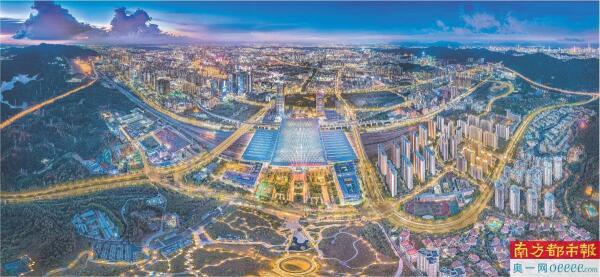
龙华区数字经济核心产业总产出超5600亿元
Nan Fang Du Shi Bao· 2025-11-23 23:15
Core Viewpoint - Longhua District is transitioning from an industrial district to a strong industrial district, showcasing rapid development and significant achievements in various sectors, particularly in advanced manufacturing and digital economy [2][4]. Group 1: Industrial Development - Longhua District has established five provincial-level characteristic industrial clusters, leading the city in quantity, with advanced manufacturing output accounting for over 70% of the industrial total [2][5]. - The digital economy's core industries have surpassed a total output of 560 billion yuan, with the district successfully nurturing two industrial clusters worth over 100 billion yuan and seven clusters worth over 10 billion yuan [2][7]. - In 2024, the total industrial output value in Longhua is expected to exceed 650 billion yuan, with a year-on-year growth of 5.6%, marking a significant leap in the national industrial rankings [4][7]. Group 2: Talent and Innovation - Longhua District has introduced 34 academicians and over 2,800 high-level talents, with a total talent resource exceeding 900,000 [11][12]. - The district has implemented various talent policies, including financial incentives for graduates and support for research and housing, to attract and retain skilled professionals [12]. Group 3: Investment and Projects - Over 200 key projects have been introduced this year, with registered capital exceeding 15 billion yuan, and an expected annual output of over 57 billion yuan [8][10]. - Longhua has signed strategic cooperation agreements with major companies, including Xiaomi, to establish significant operational centers, which are projected to generate substantial annual sales [8][10]. Group 4: Technological Advancements - Longhua District is home to innovative companies like the first commercial pure-blood Harmony self-service coffee machine and a pioneering smart watch, showcasing the district's commitment to technological breakthroughs [3][4]. - The district has successfully nurtured national-level manufacturing champions, with five companies recognized in the national list, accounting for 22.7% of the city's new total [5][6].