新能源

Search documents
在量的高原攀登质的高峰——2025山东经济社会运行情况解读②
Da Zhong Ri Bao· 2026-01-25 01:23
Core Viewpoint - Shandong's economy is projected to reach a GDP of 10 trillion yuan by 2025, emphasizing quality and efficiency improvements alongside growth, showcasing a commitment to high-quality development and innovation [1][4]. Group 1: Economic Growth and Structure - The economic structure has been optimized, with the three primary industries adjusted to 6.6:39.3:54.1, indicating enhanced coordination and balance [7]. - High-tech enterprises have surpassed 35,000, and small and medium-sized technology firms have exceeded 50,000, reflecting a strong innovation drive [7]. - The urban employment rate has increased by 1.249 million, with per capita disposable income reaching 44,180 yuan, marking a nominal growth of 5.0% year-on-year [7]. Group 2: Technological Innovation - The Qingdao Port has implemented an AI-based automatic mooring system, reducing docking time from 30 minutes to 30 seconds, potentially increasing annual throughput by over 10 additional ships per berth [2]. - The Shengli Oilfield has adopted a carbon capture and utilization (CCUS) approach, enhancing oil flow and production while reducing emissions [2]. Group 3: Consumer and Investment Dynamics - The total retail sales of consumer goods in Shandong are expected to exceed 4.2 trillion yuan, growing by 5.1%, which is 1.4 percentage points higher than the national average [20]. - Shandong has implemented 15,000 key projects annually, with over 70% focused on emerging industries like digital economy and healthcare, demonstrating a strong commitment to investment in both physical and human capital [20]. Group 4: Energy Transition - Renewable energy sources contribute significantly to Shandong's electricity consumption, with offshore wind and solar projects leading the way, showcasing a commitment to sustainable energy development [15][16]. - The province has established a comprehensive system for renewable energy development, including the establishment of the first provincial green certificate trading service center in the country [15]. Group 5: Policy and Business Environment - Shandong has conducted extensive outreach to businesses, visiting over 227,000 enterprises and resolving more than 11,000 development issues, indicating a proactive approach to improving the business environment [9]. - The province has launched initiatives to support elderly care, including the issuance of 610,000 service consumption vouchers, enhancing the quality of life for residents [10].
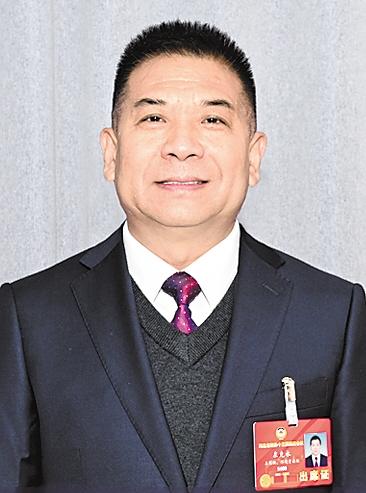
聚焦2026河北两会·两会声音|左克永委员:政企民协同,推动绿色消费提质扩容
Xin Lang Cai Jing· 2026-01-25 00:45
Core Viewpoint - Green consumption is emerging as a new trend under the sustainable development concept, with a call for collaboration among government, enterprises, and citizens to enhance and expand green consumption [3] Group 1: Green Consumption Development - The province has shown initial success in green consumption, with projections indicating that by 2025, installed capacity for wind and solar power will exceed 140 million kilowatts, and certain factories will achieve 100% green electricity production [3] - The total retail sales of consumer goods in the province are expected to grow by 5.6% year-on-year, marking green consumption as a new growth point in the market [3] Group 2: Policy and Market Recommendations - It is suggested to strengthen the policy framework, enhance market supply, and regulate market order to deeply embed the concept of green consumption and promote a green lifestyle [3] - Innovative financial support models are recommended, including the promotion of a "green credit + consumption subsidy" mechanism to encourage financial institutions to offer low-interest green consumption loans [3] Group 3: Certification and Public Awareness - Establishing a local standard certification system for green products and carbon footprint accounting is advised, with a focus on applying green certification results in government procurement and bidding processes to enhance product credibility [4] - A nationwide promotional campaign is proposed, including events like "Green Consumption Month" and "Energy Conservation Promotion Week," to create a societal atmosphere that honors green consumption [4]

扣非净利“四连亏”!申华控股2025年预亏过亿元
Shen Zhen Shang Bao· 2026-01-25 00:12
Core Viewpoint - Shinhua Holdings (600653) expects a significant loss for the fiscal year 2025, projecting a loss between 1.1 billion to 1.85 billion yuan, with a net profit attributable to shareholders, excluding non-recurring gains and losses, expected to be a loss between 1.2 billion to 1.95 billion yuan [1] Group 1: Financial Performance - The primary reasons for the anticipated loss include intensified competition in the automotive market, significant adjustments in the macroeconomic environment and financial policies, leading to escalated price competition among brands [1] - The company has faced dual pressures from the market and the original equipment manufacturer (OEM) as a BMW dealer [1] - Non-operating income for the period is approximately 9 million yuan, a decrease compared to the same period last year, primarily due to the absence of previous gains from the transfer of Jinbei Technician College and repayments from Brilliance Group and Renault Jinbei [1] Group 2: Business Segments - Shinhua Holdings operates in four main business segments: automotive consumer services, new energy, real estate, and financial services [1] - The company has reported a continuous decline in net profit excluding non-recurring items for three consecutive years, with figures of -1.71 billion yuan, -2.44 billion yuan, and -1.32 billion yuan for the years 2022 to 2024 respectively [1] Group 3: Market Position - As of January 23, the stock price of Shinhua Holdings is 2.00 yuan per share, with a total market capitalization of 38.93 billion yuan [2]


“强现实”+“强预期” 碳酸锂期价创阶段新高!市场分歧加大
Qi Huo Ri Bao· 2026-01-24 23:56
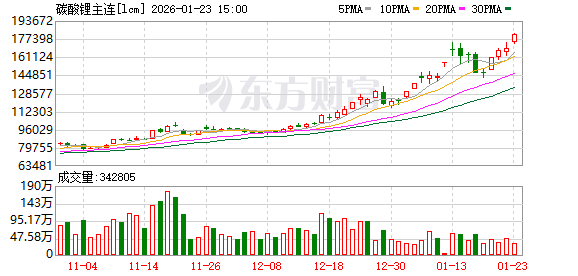
Core Viewpoint - The recent surge in lithium carbonate futures prices, surpassing 180,000 yuan/ton, is driven by expectations of domestic supply contraction and improving demand dynamics [2][4]. Supply Dynamics - Concerns over supply contraction are heightened due to stricter regulations in the Jiangxi production area, with reports suggesting potential mine shutdowns [4]. - The current weekly production of lithium carbonate is approximately 22,200 tons, a decrease of 388 tons from the previous week, while weekly inventory has also declined by 783 tons to about 108,900 tons [6]. Demand Factors - The continuation of subsidies for new energy vehicles has positively influenced market expectations, with the National Development and Reform Commission and the Ministry of Finance announcing policies to extend subsidies for heavy trucks and buses [5]. - Despite a marginal reduction in subsidy strength, the timing of the policy has improved expectations for demand in the first quarter of 2026 [5]. Market Sentiment - There is a growing divergence in market sentiment, with downstream companies showing limited acceptance of high prices and reduced purchasing enthusiasm [7]. - The current high prices are seen as a potential trigger for previously shut-down production capacities to re-enter the market [7]. Inventory and Pricing Trends - The current inventory structure indicates low levels in the lithium salt plants and downstream sectors, while traders hold higher inventories [6]. - The static inventory days for downstream usage have decreased to 7-8 days, compared to the normal level of around 14 days in 2025, indicating strong demand [6]. Future Outlook - Analysts suggest that the market is entering a phase of "weak expectations" versus "strong expectations," with the current price levels stimulating supply increases [9]. - The impact of rising lithium carbonate prices on energy storage costs is significant, potentially affecting the profitability of storage projects [8]. - The market is advised to monitor actual demand developments closely, as the current price surge may not be sustainable without continued strong demand [9].
更高水平开放促更高质量发展
Jing Ji Ri Bao· 2026-01-24 22:08
Group 1 - The core viewpoint emphasizes China's achievement in stabilizing foreign trade and investment while making historic breakthroughs in institutional openness during the "14th Five-Year Plan" period [1] - By 2025, China's total import and export value of goods is projected to reach 45.47 trillion yuan, with actual foreign investment showing steady growth [1] - The proactive alignment with high-standard international trade rules, such as CPTPP and DEPA, is driving deep reforms and breaking through institutional barriers [1] Group 2 - The digital economy is becoming a significant driver of foreign trade growth, with cross-border e-commerce expected to exceed 2.75 trillion yuan by 2025, increasing its share of total goods trade [2] - Full-process digitization is transforming traditional trade models, enhancing efficiency and resilience through smart selection, intelligent logistics, and digital customs clearance [2] - China's actual foreign investment increased by 26.1% year-on-year in November 2025, reflecting global capital's long-term confidence in the Chinese market [2] Group 3 - The Belt and Road Initiative is evolving from hard connectivity in infrastructure to soft connectivity in rules and standards, focusing on health, green, digital, and innovation sectors [3] - By 2025, China's imports and exports to Belt and Road countries are expected to reach 23.6 trillion yuan, with numerous practical cooperation projects yielding comprehensive benefits [3] - The "15th Five-Year Plan" suggests expanding institutional openness and optimizing the business environment to enhance the quality of trade and investment cooperation [3]
山东:加快建设新型能源体系,促进绿色低碳高质量发展
Xin Lang Cai Jing· 2026-01-24 20:40
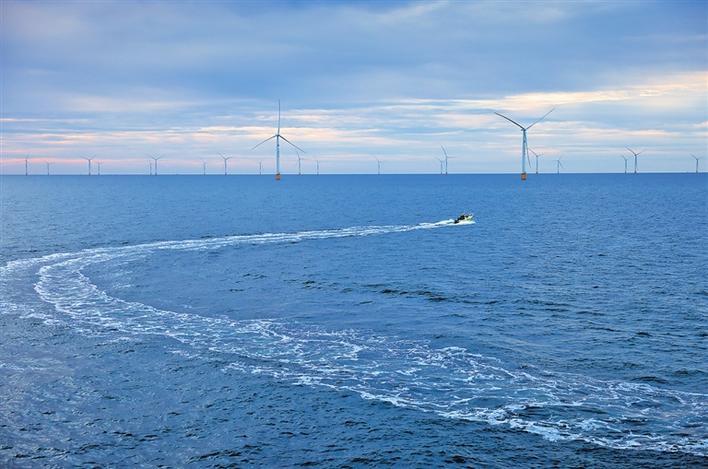
Core Viewpoint - The Shandong energy sector has made significant progress in clean energy development and reform during the "14th Five-Year Plan" period, achieving key milestones and setting a solid foundation for the "15th Five-Year Plan" [4][6]. Group 1: Achievements in Energy Development - Shandong's total installed power capacity reached 250 million kilowatts, ranking second in the country, with non-fossil energy capacity exceeding 139 million kilowatts, which is 2.9 times that of 2020 and accounts for 54.2% of the total installed capacity [4]. - The province has successfully launched the world's first fourth-generation nuclear power plant and developed significant technologies in carbon capture, utilization, and storage (CCUS) and large-scale advanced compressed air energy storage [4][6]. - By the end of 2025, Shandong aims to add 21 million kilowatts of non-fossil energy generation capacity and achieve over 220 billion kilowatt-hours of electricity generation, with a total investment of around 210 billion yuan in key energy projects [4][6]. Group 2: Future Goals and Strategies - In 2026, Shandong will focus on becoming a model for green and low-carbon energy transformation, aiming to lead in economic growth and investment [5]. - The Shandong Energy Bureau has outlined ten major development actions, including optimizing wind and solar energy development, enhancing energy storage capabilities, and promoting nuclear energy utilization [6][7]. - The province plans to establish a new energy system, focusing on the development of clean energy bases and fostering key industries such as nuclear, wind, solar, and hydrogen energy [8]. Group 3: Policy and Governance - The Shandong Provincial Committee emphasizes the importance of achieving carbon peak and building a new energy system as part of the strategic direction for energy work in the new era [7]. - The energy sector will prioritize the integration of energy supply and demand, ensuring safety and stability in energy supply chains while enhancing the overall governance of energy production [9].
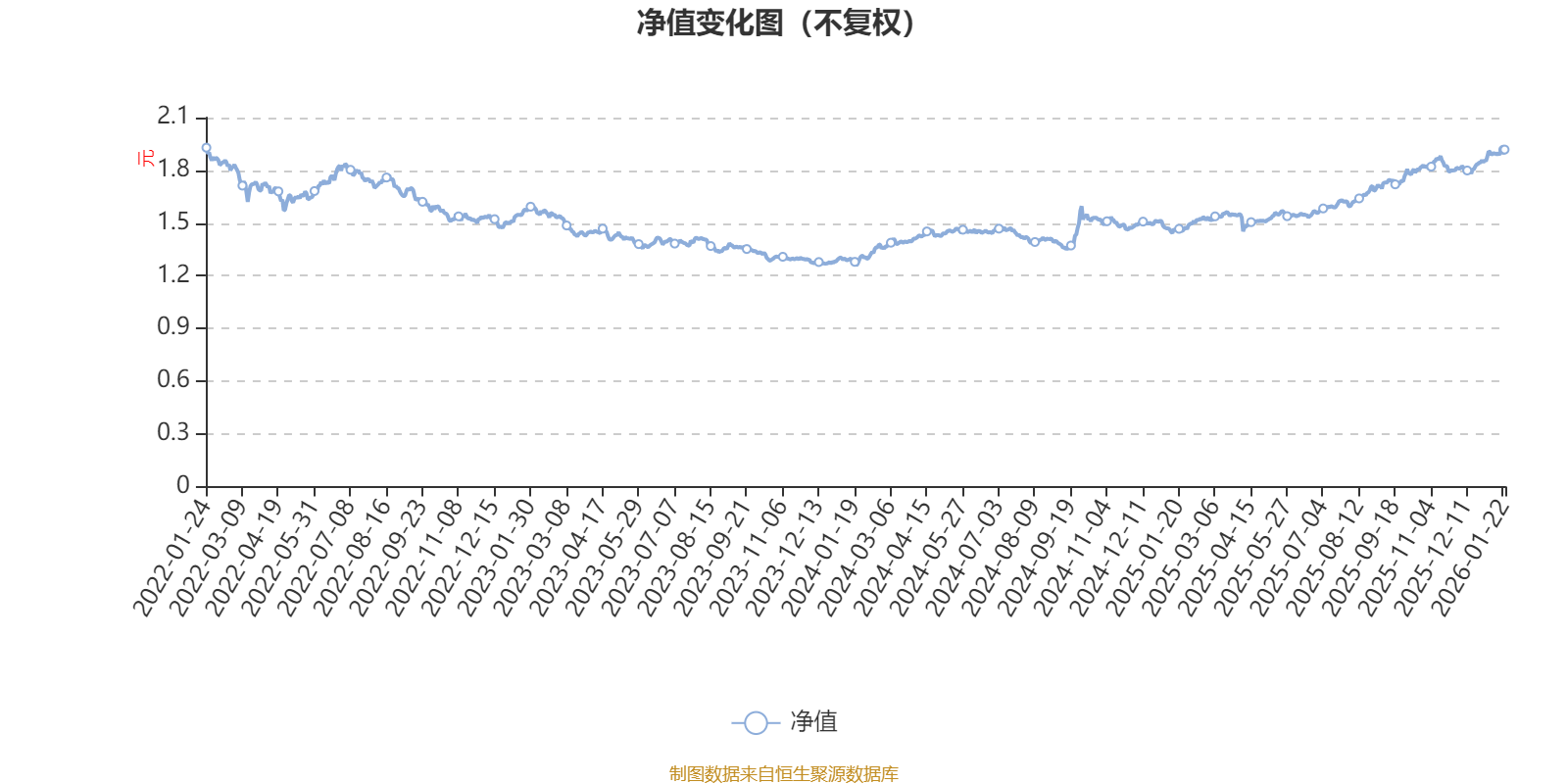
汇添富红利增长混合A:2025年第四季度利润2844.68万元 净值增长率3.97%
Sou Hu Cai Jing· 2026-01-24 15:49
Core Viewpoint - The AI Fund Huatai-PineBridge Dividend Growth Mixed A (006259) reported a profit of 28.4468 million yuan for Q4 2025, with a fund net value growth rate of 3.97% and a total fund size of 735 million yuan as of the end of Q4 2025 [3][17]. Fund Performance - The fund's weighted average profit per share for the reporting period was 0.0718 yuan [3]. - As of January 22, the unit net value was 1.918 yuan, with a one-year compounded net value growth rate of 31.7%, the highest among its peers [3]. - The fund's performance over the last three months showed a compounded net value growth rate of 6.30%, ranking 179 out of 265 comparable funds [4]. - Over the last six months, the compounded net value growth rate was 17.99%, ranking 186 out of 265 [4]. - The three-year compounded net value growth rate was 21.16%, ranking 113 out of 256 [4]. Risk and Drawdown Metrics - The fund's three-year Sharpe ratio was 0.7761, ranking 58 out of 254 comparable funds [10]. - The maximum drawdown over the last three years was 20.97%, with the highest single-quarter drawdown occurring in Q1 2021 at 20.81% [12]. Investment Strategy and Market Outlook - The fund manager anticipates a new macroeconomic environment for Q1 2026, with expectations of improved Sino-U.S. trade relations and stable domestic policy stimulus [4]. - The fund will maintain a balanced industry allocation strategy, focusing on selecting high-quality companies with growth potential and valuation alignment within the dividend portfolio [4]. - The fund's average stock position over the last three years was 77.35%, compared to a peer average of 86.12% [15]. Top Holdings - As of Q4 2025, the fund's top ten holdings included China Ping An, Kweichow Moutai, Zijin Mining, Tencent Holdings, XCMG, Shanghai Bank, China Shenhua, CATL, CNOOC, and China Pacific Insurance [21].
从格陵兰到高关税:欧洲“离不开”美国了吗?难以招架美国压力?
Sou Hu Cai Jing· 2026-01-24 14:58
Group 1 - The core issue revolves around the geopolitical struggle between the US and the EU over Greenland, highlighting a shift in transatlantic relations [1][13] - The US is applying pressure through tariffs to gain special rights in Greenland, while the EU's response is characterized by strong rhetoric but weak actions [3][9] - The EU's economic dependency on the US, with a bilateral trade volume exceeding €700 billion annually, limits its ability to respond effectively to US threats [3] Group 2 - Greenland holds significant strategic value for the US due to its rich mineral resources, including world-class rare earth deposits and potential oil and gas reserves [6][8] - The control of Arctic shipping routes is becoming increasingly important, with Greenland positioned at a critical juncture for future Eurasian trade [8] - The US aims to secure resource development rights and influence over shipping regulations rather than territorial annexation, thereby consolidating its strategic advantage [8] Group 3 - The EU's internal divisions, stemming from the differing interests of its 27 member states regarding Arctic affairs, hinder a unified response to US pressure [5] - The most likely outcome is that the EU will make substantive concessions while maintaining a facade of sovereignty, seeking a "face-saving" resolution [9][11] - Potential concessions may include granting resource development rights to US companies, yielding rule-making authority in Arctic negotiations, and tacitly allowing an expanded US military presence in Greenland [11]

马斯克在达沃斯上夸了中国
21世纪经济报道· 2026-01-24 13:40
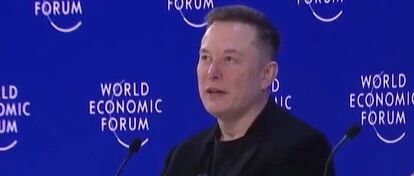
Core Viewpoint - Elon Musk emphasizes the concept of "Abundance" during his discussion at Davos, suggesting that a future with an overflow of goods and services is imminent. He outlines a clear path to achieving this abundance through advancements in robotics and AI [1][2]. Group 1: Robotics and AI Development - Tesla has updated its mission statement to focus on building a "remarkable abundant world," with a clear timeline for its humanoid robot, Optimus, to perform complex tasks by the end of this year and to be available to the public by the end of next year. Musk predicts that within three to five years, the number of robots will surpass the human population [1]. - Musk forecasts that by the end of this year or next, AI will surpass human intelligence, and by 2030, AI will be smarter than all humans combined. He presents a formula for economic output based on the productivity of robots and their quantity, suggesting that AI-driven robots will lead to explosive economic growth [2]. Group 2: Energy Supply Challenges - Musk identifies electricity supply as the primary constraint for AI and future developments, stating that while chip production is rapidly increasing, the energy grid's expansion is lagging significantly. He warns of a potential scenario where there are sufficient chips but insufficient electricity to power them [2]. - He proposes a solution to the energy issue by suggesting that a solar panel installation in Utah or Nevada could meet the entire electricity demand of the United States. Musk praises China's solar energy deployment, which exceeds 1,000 gigawatts annually, as a model for stable power supply [2]. Group 3: Space-Based Solutions - Musk introduces the idea of deploying solar-powered AI data centers in space, where solar energy efficiency is five times greater than on Earth, and operational costs could be significantly reduced with the advent of reusable spacecraft. He anticipates the first solar AI data centers to be launched within two to three years [3][4]. - This approach could bypass terrestrial limitations such as land use, electrical grid constraints, and environmental regulations, allowing for rapid advancements in energy and data processing capabilities [4].

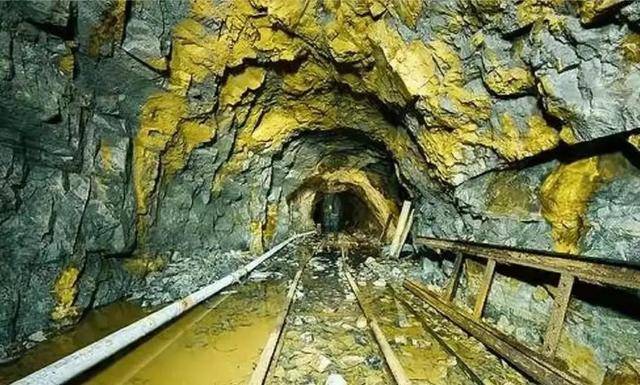
比稀土还珍贵?广西发现“特富”新矿物,含镍量超常规80倍!
Sou Hu Cai Jing· 2026-01-24 13:22
Core Insights - The discovery of a new mineral named "Jinxiuite" in Guangxi, China, reveals a nickel content 80 times higher than conventional industrial standards, highlighting a significant potential resource for China's strategic needs [1][36][44]. Group 1: Discovery and Research Process - In 2021, a team from the China Geological Survey collected 400 kilograms of rock from the Longhua mining area to investigate its rich nickel and cobalt content [3][36]. - The research involved meticulous processes, including slicing the rock into 0.03 mm thin films and using advanced techniques to isolate a tiny particle that exhibited unique spectral properties [5][7][17]. - The mineral's structure was confirmed through rigorous international voting, leading to its official recognition [12][13]. Group 2: Significance of Jinxiuite - Jinxiuite is not just a new mineral; it represents a breakthrough in mineral exploration techniques, moving from traditional methods to advanced imaging and analysis [16][19]. - The mineral's unique atomic arrangement offers a "perfect formula" for material scientists, potentially aiding in the development of new materials for high-tech applications [25][30]. - The discovery indicates that there are untapped resources in South China, challenging previous geological assumptions about mineral deposits [36][49]. Group 3: Strategic Implications - China currently relies heavily on imports for nickel, with a dependency rate of 92.5%, primarily from the Philippines, which poses strategic risks [43][44]. - The discovery of Jinxiuite provides a crucial signal that China has valuable nickel resources, potentially reducing reliance on foreign supplies [48][50]. - The presence of cobalt alongside nickel in the Longhua deposit, with cobalt content 75 times higher than conventional levels, further enhances the strategic value of this find [52][54]. Group 4: Future Directions - The research team advocates for the establishment of a "mineral marker model" to guide future exploration efforts, indicating that similar deposits may exist beneath the surface [49][50]. - The ongoing efforts in mineral discovery reflect China's commitment to securing its resource base and enhancing its position in the global resource landscape [56][61].