文旅

Search documents
提质扩容,发力新领域新赛道(评论员观察)
Ren Min Ri Bao· 2025-12-11 22:11
Core Viewpoint - The article discusses the recent implementation plan by the Ministry of Industry and Information Technology and five other departments to enhance the adaptability of supply and demand in consumer goods, aiming to stimulate consumption and economic growth. Group 1: Consumption Trends - The article highlights the emergence of new cultural and tourism products related to winter sports and heritage experiences, which are contributing to the "hot economy" from "cold resources" [2] - The release of the Beijing Winter Olympics mascot "Bing Dwen Dwen" has seen a significant consumer demand, indicating a robust market for cultural products [2] - The film "Zootopia 2" has outperformed expectations in the Chinese market, showcasing the potential of the large domestic market [2] Group 2: Supply and Demand Adaptation - The article emphasizes the shift in consumer demand from mere availability to quality, as outlined in the "14th Five-Year Plan," which calls for expanding the supply of quality consumer goods and services [2] - It points out the structural mismatch in supply and demand, particularly in the elderly products market, where the market size is expected to grow from 2.6 trillion yuan to 5.4 trillion yuan from 2014 to 2024 [3] - The need for businesses to align their production with consumer preferences is highlighted, suggesting that policies should focus on fostering high-end brands and innovative products [3] Group 3: Innovation and Quality - The article stresses the importance of innovation in driving consumption, with new products and services being essential for meeting consumer demands [4] - It mentions the role of technology and digitalization in enhancing production capabilities and developing high-quality consumer goods [4] - The expansion of international markets for Chinese brands, such as the significant growth of overseas stores for brands like Mixue Ice City, is noted as a way to elevate consumption levels [4] Group 4: Market Opportunities - The article identifies potential in traditional consumption sectors, suggesting that there are still opportunities for growth through innovative approaches [5] - New consumption hotspots are emerging, with cities like Shanghai integrating international brands and outdoor economies to boost local consumption [6] - The rise of health-focused brands and technology in sectors like wearable devices and elder care is highlighted as a response to changing consumer needs [6] Group 5: Economic Impact - The article concludes that consumption is a crucial engine for economic growth, and the current period of rapid consumption structure upgrade is vital for unleashing market potential [6] - It emphasizes that enhancing supply-demand adaptability will stimulate domestic demand and support sustainable economic development [6]
增强绿色发展战略定力
Ren Min Ri Bao· 2025-12-11 22:03
Group 1 - The core viewpoint emphasizes the importance of accelerating comprehensive green transformation in economic and social development to build a beautiful China, as highlighted in the 20th Central Committee's Fourth Plenary Session recommendations [1] - The "14th Five-Year Plan" period is identified as a critical time for achieving fundamental improvements in ecological and environmental protection, presenting both challenges and opportunities for green development [1] - The current scale of China's green low-carbon industry is approximately 11 trillion yuan, indicating significant potential for growth and the need for continuous healthy development [1] Group 2 - Technological innovation is recognized as a core element for developing new productive forces and is essential for driving industrial upgrades, with a focus on collaborative innovation to address key challenges in green low-carbon technology [2] - The need for a mechanism to realize the value of ecological products is emphasized, as current difficulties in measurement, collateralization, and monetization hinder the positive transformation of green low-carbon industries [2] - Successful projects, such as the 4 million kilowatt wind and solar project in Xinjiang and the event-driven tourism in Zhejiang, demonstrate the effective integration of ecological advantages into economic development [2] Group 3 - Green development is portrayed as an integrated approach that spans various aspects of society, including industry, community building, and consumer behavior, creating a closed loop of green production, product, and consumption [3] - The company has achieved 29 certifications related to zero carbon, net zero carbon, and carbon neutrality through its "double carbon" demonstration projects, showcasing its commitment to green development [3] - The company aims to deepen its understanding of Xi Jinping's economic and ecological civilization thoughts, positioning itself as a benchmark for promoting comprehensive green transformation and building a beautiful China during the "14th Five-Year Plan" [3]
提质扩容,发力新领域新赛道(评论员观察) ——供需更适配 消费活力足①
Ren Min Ri Bao· 2025-12-11 21:57
Core Insights - The article discusses the recent implementation of a plan by six departments, including the Ministry of Industry and Information Technology, aimed at enhancing the adaptability of supply and demand in consumer goods, with a focus on five key tasks to stimulate consumption [1] Group 1: Consumption Trends - The article highlights the emergence of new cultural and tourism products, such as ice and snow sports experiences, which are contributing to a "hot economy" from previously underutilized "cold resources" [2] - The success of the Beijing Winter Olympics mascot "Bing Dwen Dwen" and the strong box office performance of "Zootopia 2" in China indicate a robust consumer market that exceeds expectations [2] - The shift in consumer demand from mere availability to quality reflects a growing emphasis on high-quality products and services, as outlined in the "14th Five-Year Plan" [2][3] Group 2: Supply and Demand Adaptation - The article emphasizes the importance of addressing structural mismatches in supply and demand, particularly in the elderly care market, where the market size is projected to grow from 2.6 trillion yuan to 5.4 trillion yuan from 2014 to 2024 [3] - It suggests that businesses should focus on producing what consumers want, such as high-end brands in jewelry and cosmetics, to better meet diverse consumer needs [3] Group 3: Innovation and New Consumption - The article stresses the significance of innovation in driving consumption, highlighting the need for new products, services, and experiences to meet evolving consumer demands [4] - It notes that the integration of technology and digitalization is crucial for enhancing existing production capacities and developing high-quality products [4] - The expansion of international brands and the success of Chinese brands in global markets, such as the rapid growth of overseas stores for brands like Mixue Ice City, demonstrate the potential for increased consumption levels [4] Group 4: Market Opportunities - The article identifies opportunities in traditional consumption sectors, suggesting that there is still potential for growth through innovative approaches, such as the production of yoga apparel and low glycemic index food products [5] - It highlights the emergence of new consumption hotspots, particularly in urban areas, where brands are adapting to health trends and cultural heritage [6] - The article concludes that the acceleration of consumption structure upgrades is critical for stimulating domestic demand and supporting economic stability [6]
夯实东北全面振兴基础
Jing Ji Ri Bao· 2025-12-11 21:37
Group 1 - The core objective is to achieve a 500 billion yuan target for the silver economy industry in Jilin Province during the "14th Five-Year Plan" period, indicating a strong push for economic revitalization in Northeast China [1] - Northeast China is recognized as a crucial industrial base, grain production area, and ecological protection barrier, playing a vital role in national security and development [2] - The region has made significant progress in various fields, including state-owned enterprise reform in Liaoning, record grain production in Jilin, and notable achievements in the "4567" modern industrial system in Heilongjiang [2] Group 2 - The transformation of traditional industrial areas is a global challenge, with examples from Germany and the United States showcasing successful transitions to modern service and high-tech centers [3] - Northeast China possesses rich strategic resources and deep technological foundations, providing a strong basis for development in the context of China's modernization [3] - Challenges include the need to enhance technological innovation capabilities and the relatively slow development of emerging industries [3] Group 3 - There is a call to accelerate industrial structure adjustments, focusing on upgrading traditional industries and fostering strategic emerging industries such as aerospace and new materials [4] - Strengthening technological innovation is essential, with an emphasis on high-end machine tools and fine chemicals, and promoting local transformation of scientific achievements [4] - Environmental protection efforts are highlighted, including the preservation of black soil and the development of a circular economy to promote green and low-carbon transitions in industries [4]
天津渤轻集团这样串联起“存量”“增量”“质量”
Sou Hu Cai Jing· 2025-12-11 19:52
Core Insights - The article emphasizes the importance of leveraging existing assets to drive economic growth and improve development quality during the "14th Five-Year Plan" period [2][4][11] Group 1: Economic Development Strategies - Tianjin Bohai Light Industry Investment Group (Bohai Light Group) focuses on "three new" and "three quality" strategies to promote high-quality development, integrating into the city's overall framework [2] - The group achieved a leasing income of 585 million yuan during the "14th Five-Year Plan," supporting its reform and development initiatives [2] - Bohai Light Group has successfully revitalized old factories by introducing high-quality industries and advanced business models, such as a fully automated wear-resistant steel ball production line with an annual output value of 350 million yuan [4] Group 2: Community and Cultural Services - The group has transformed old industrial sites into community service hubs, such as the "Golden Rooster Ming Garden" project, which serves around 50,000 residents [5] - Collaborations with local enterprises have led to the establishment of a one-stop service platform for ride-hailing operators and a medical health industry park [4][5] - Bohai Light Group is committed to preserving historical and cultural assets, exemplified by the renovation of the Tianjin Dagong Newspaper site into a cultural experience space [7] Group 3: Urban Renewal Initiatives - The group actively participates in urban renewal projects, with successful integration of old industrial areas into city improvement plans, enhancing urban functionality and quality [11] - The group has facilitated the establishment of a health and elderly care service system, supporting the national strategy to address population aging [11] - Looking ahead to the "15th Five-Year Plan," Bohai Light Group aims to shift from property-focused to industry-focused operations, promoting diverse business models and creating "small but beautiful" projects [11]

中央经济工作会议部署产业政策:培育新动能,深入整治“内卷”
2 1 Shi Ji Jing Ji Bao Dao· 2025-12-11 14:45
Group 1: Economic Policy Focus - The core focus of the Central Economic Work Conference is to adhere to innovation-driven development and accelerate the cultivation of new growth drivers [1][3] - The shift in policy from "leading new quality productivity development through technological innovation" to "accelerating the cultivation of new growth drivers" reflects a deeper emphasis on implementation pathways and practical results [2][4] - The conference highlights the importance of optimizing the service industry structure through a dedicated action plan, which aligns with the strategy to expand domestic demand [5][6] Group 2: Service Industry Development - The service industry is recognized for its strategic importance in the national economy, with a projected contribution of 56.7% to GDP by 2024, although structural imbalances exist [6][7] - The action plan for enhancing the service industry aims to improve service quality, thereby boosting consumer confidence and creating a virtuous cycle of service upgrades, consumption growth, and industrial expansion [7][8] - The government plans to support private capital in the production service sector, focusing on high-value service industries such as industrial design and quality certification [7][8] Group 3: Artificial Intelligence Governance - The policy regarding "Artificial Intelligence+" has evolved from "initiating actions" to "deepening and expanding" while also emphasizing the need for improved governance [8][9] - The focus on AI reflects its critical role in driving productivity across various industries, necessitating a balance between innovation and risk management [9][10] - The governance framework aims to address challenges such as data misuse and algorithmic bias, ensuring that the development of AI aligns with ethical standards and societal needs [9][10] Group 4: Competition Regulation - The conference reiterates the need for deeper regulation of "involutionary competition," transitioning from a broad initial assessment to targeted governance measures [10][11] - The establishment of a national unified market construction regulation is aimed at eliminating local protectionism and market fragmentation, which are key contributors to involutionary competition [11] - The emphasis on precise governance reflects an understanding of the complexities involved in addressing the root causes of involutionary competition, promoting high-quality development through enhanced competition standards [11]
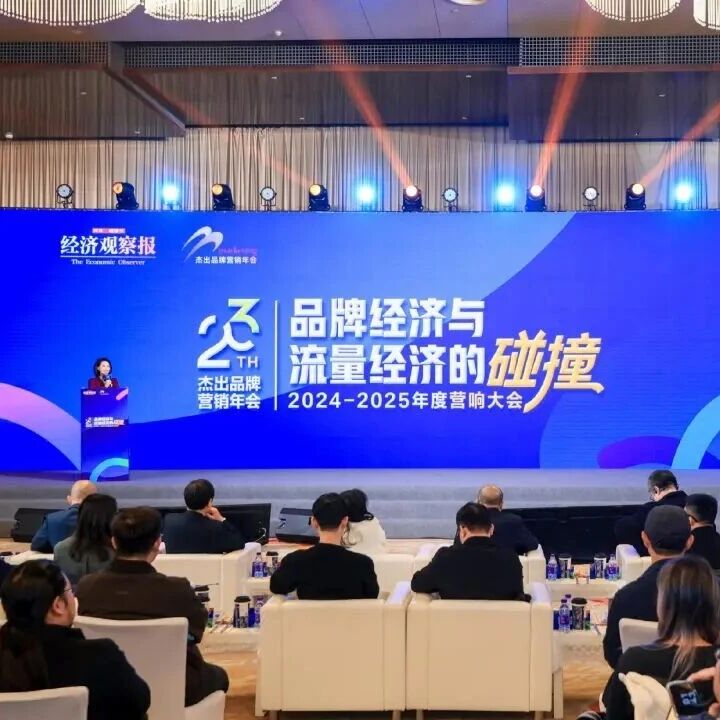
品牌经济与流量经济的碰撞——2024-2025年度营响大会暨(第二十三届)杰出品牌营销年会圆满举行
经济观察报· 2025-12-11 11:57
Core Insights - The brand marketing industry is at a new crossroads, balancing the maturity of the traffic system and the awakening of brand assets, with a focus on long-termism [1] - The 2024-2025 Annual Brand Marketing Conference aims to explore new growth methodologies amidst these changes [2] Group 1: Brand Value and Long-term Strategy - The traditional approach of relying on short-term gains to create hit products is becoming ineffective as media channels diversify and traffic costs rise [4] - Brands are recognized as the core competitive asset of a company, embodying emotional connections and trust with consumers, which cannot be achieved through fragmented communication [6][7] - The shift from "traffic" to "retention" is essential, emphasizing the need for deep connections between brands and users [13] Group 2: Evolving Consumer Engagement - The focus of brand competition is shifting from understanding users to understanding contexts, with multi-touchpoint collaboration becoming a new growth engine [15] - Brands like LILY are leveraging functional value, aesthetic expression, and emotional storytelling to build new brand premium systems [17] - The sports sector is highlighted as a key emotional engagement area, with brands like Jitu leveraging events for natural consumer interaction [19] Group 3: Cultural Integration and Emotional Connection - Brands are redefining their long-term assets by integrating cultural elements into their core values and product offerings [22][23] - Natural堂 emphasizes creating emotional connections through traditional culture and new consumer interactions, positioning itself as a bridge for emotional expression [25] - 恒洁 is establishing lasting recognition by extending its brand narrative into various consumer scenarios, enhancing its market presence [27] Group 4: Industry Perspectives and Future Directions - A roundtable discussion highlighted the importance of vertical brand asset anchoring and horizontal traffic sourcing for sustainable growth [29] - The core values of companies like 鲁南制药 and 华侨城 emphasize a commitment to quality and cultural integration as essential for brand longevity [29] - The 2025 brand competition landscape will focus on user relationships, cultural connections, and long-term trust rather than mere attention [40]
“祥源系”兑付爆雷前夕,仍掷22亿大手笔收购
Xin Lang Cai Jing· 2025-12-11 09:31
拥有140亿身家、手握多家上市公司的浙商传奇大佬,为何突然之间撑不住了?祥源集团执行总裁沈保 山近日在投资者面前公开称,公司现在确实已无力兑付了,原来一年地产销售两三百亿,现在卖不动 了。"公司总资产600亿元,包括地产、股票等;总负债400多亿元,包括银行、施工单位和投资者投的 产品。" 对此,广东知恒(广州)律师事务所高级合伙人、香港律师会注册律师耿宏伟告诉时代财经,当前祥源 系可快速变现的优质资产严重不足,资产变现能力远不足以覆盖兑付缺口。 其进一步指出,"祥源系"的核心资产多为房地产存货和重资产文旅项目,在当前房地产下行周期中,这 些资产流动性差,变现难度极大,实际价值可能严重缩水;而祥源控股持有的上市公司股权是其最优质 的流动性资产,但质押率极高,这意味着这些股权已基本被冻结,短期内通过处置股权回血的空间非常 有限。 来源:时代财经APP 近日,浙商大佬俞发祥旗下"祥源系"金融产品出现逾期兑付,这场风波至今仍在发酵。 "祥源系"金融产品由浙江金融资产交易中心(浙金中心)备案,不乏有投资者投入上百万元。自12月初 以来,不少投资者发现到期资金未能到账,他们奔赴杭州、绍兴等地寻求本金追索,"基本上来登记 ...

数读中国 六组税收数据看消费市场活力释放
Ren Min Wang· 2025-12-11 05:30
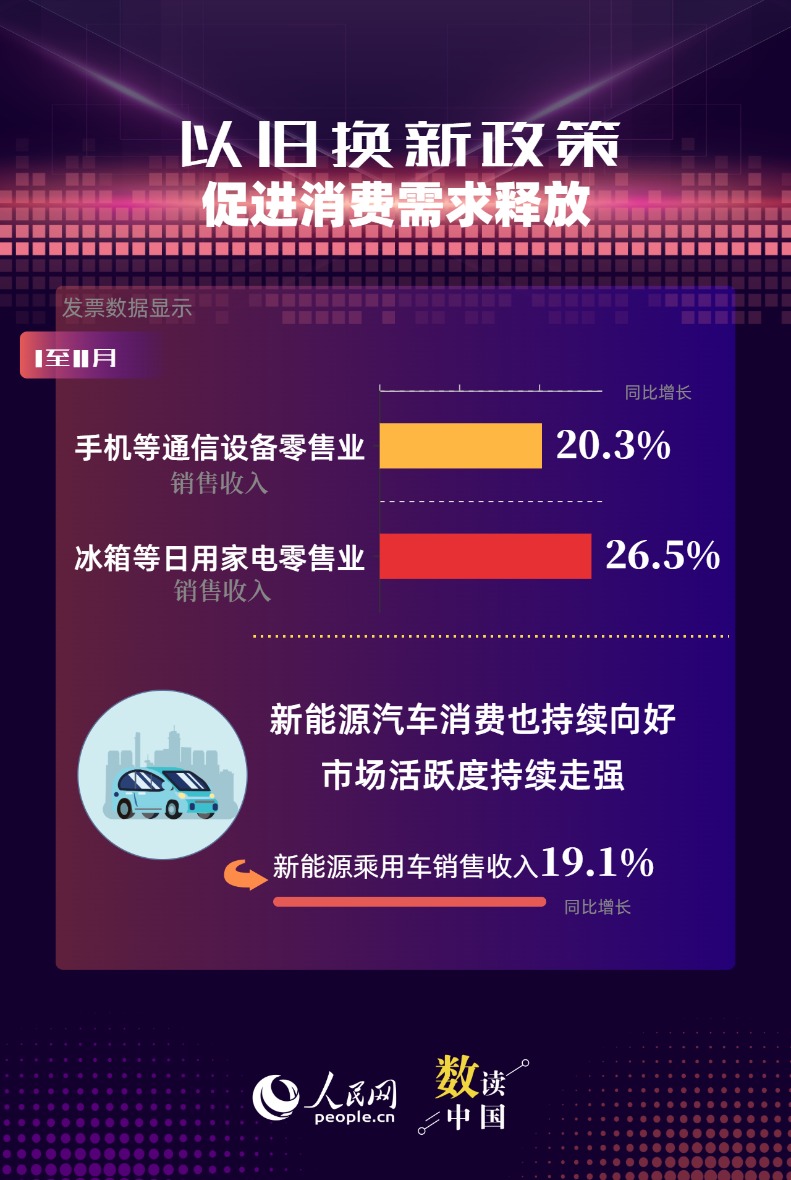
Group 1 - Consumption is the main driver for expanding domestic demand and stimulating growth, supported by various policies and new consumption scenarios [1] - The retail sales revenue of communication devices, such as mobile phones, increased by 20.3% year-on-year, while daily household appliances like refrigerators saw a 26.5% increase [3] - The sales revenue of new energy passenger vehicles grew by 19.1% year-on-year, indicating a strong market activity [3] Group 2 - The integration of culture and tourism has stimulated new consumption vitality, with sales revenue from artistic performances and film screenings increasing by 15.6% and 19.1% year-on-year, respectively [4] - The tourism industry has benefited from this integration, with sales revenue from travel agencies and scenic spots growing by 29.4% and 10.8% year-on-year [4] Group 3 - The sports sector has seen an increase in events, contributing to a noticeable "event economy" and a significant multiplier effect on consumption [5] - Retail sales of sports goods and services have also experienced growth, reflecting the rising interest in sports [5] Group 4 - Health-related consumption has shown a year-on-year growth of 14.1%, with sales revenue from health consultation services and auxiliary treatment products increasing [6]
“祥源系”理财兑付危机背后:旗下上市公司一边收购,一边抵押融资
Sou Hu Cai Jing· 2025-12-11 04:07
Core Viewpoint - The financial products under the "Xiangyuan System" led by Zhejiang businessman Yu Faxiang have defaulted on payments, causing significant distress among investors, many of whom have invested substantial amounts, leading to a crisis that is still unfolding [1][2]. Group 1: Financial Product Default - The "Xiangyuan System" financial products, registered with the Zhejiang Financial Assets Exchange Center, have seen overdue payments since early December, prompting investors to seek recourse [1]. - Investors reported amounts ranging from hundreds of thousands to over 60 million yuan, indicating a wide range of financial exposure [1]. - The Zhejiang Financial Office has formed a special team to investigate and address the situation, indicating official recognition of the crisis [1]. Group 2: Company Financial Health - Xiangyuan Group's total assets are reported at 60 billion yuan, with liabilities exceeding 40 billion yuan, highlighting a precarious financial situation [1]. - The company’s core assets are primarily real estate and heavy asset tourism projects, which are illiquid and difficult to monetize in the current real estate downturn [2]. - The high pledge rate of listed company shares held by Xiangyuan Group limits the ability to liquidate these assets quickly to cover payment defaults [2]. Group 3: Market Impact - The default crisis has severely impacted the stock prices of three listed companies associated with Xiangyuan, with declines of 27.64% for Jiaojian Shares, 20.81% for Xiangyuan Culture, and 36.23% for Haichang Ocean Park from December 4 to 10 [2]. - Despite the financial turmoil, Xiangyuan Group continued to expand its business, acquiring Haichang Ocean Park for over 2.2 billion HKD shortly before the crisis [2][8]. Group 4: Asset Management and Risks - The financial products were structured to transfer risks from internal real estate projects to external investors, exposing them to significant risks when cash flows from these projects ceased [5]. - The company has a high proportion of inventory in its assets, with 275.02 billion yuan in inventory out of 392.50 billion yuan in current assets, indicating potential liquidity issues [6]. - The company has been engaging in significant borrowing and asset pledging, with various projects and shares under mortgage to secure financing [9][10].