稀土

Search documents
美、澳签署百亿美元稀土协议,发达经济体稀土供应链快速整合
Sou Hu Cai Jing· 2025-10-21 11:27
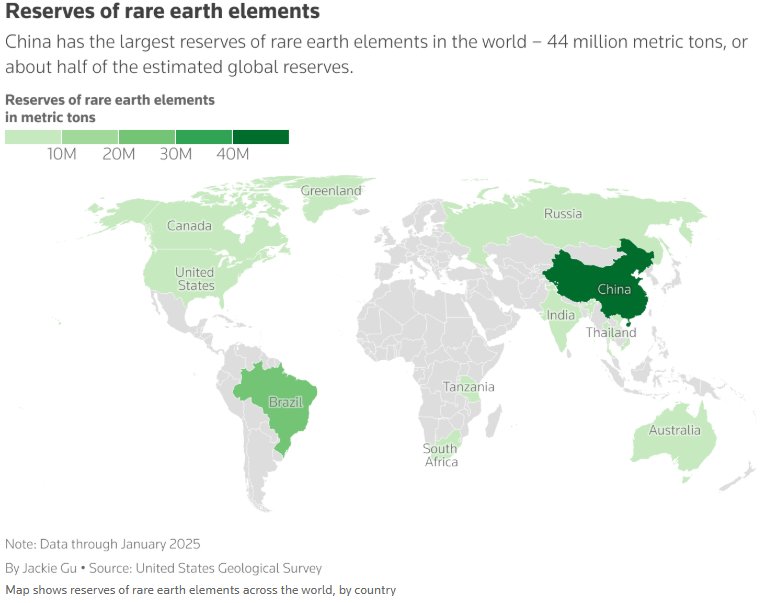
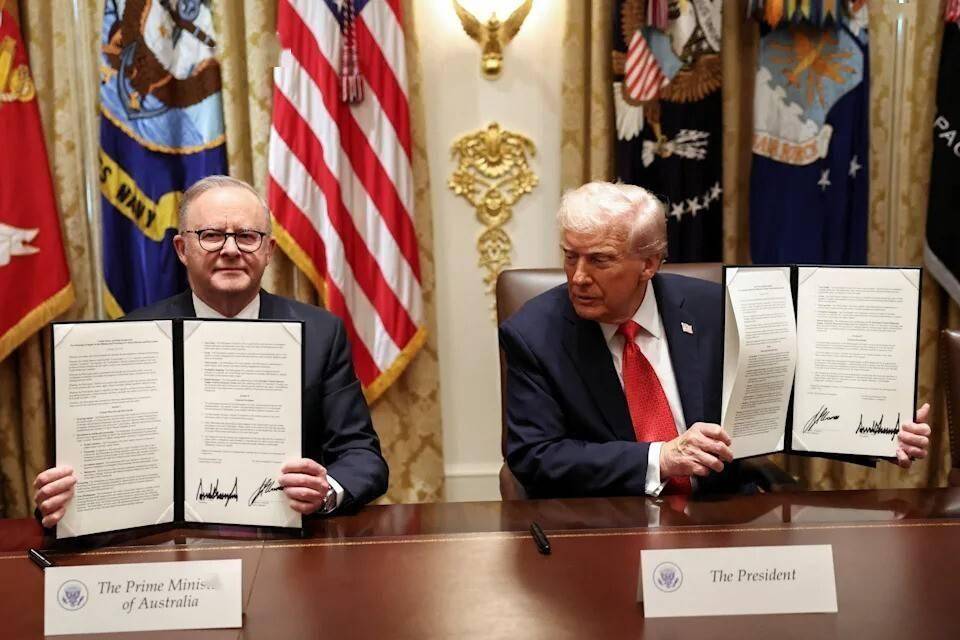
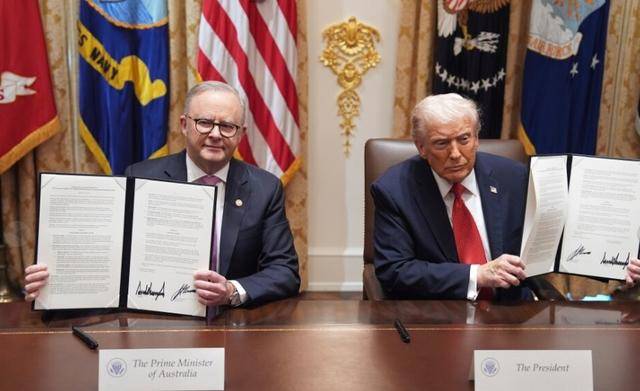
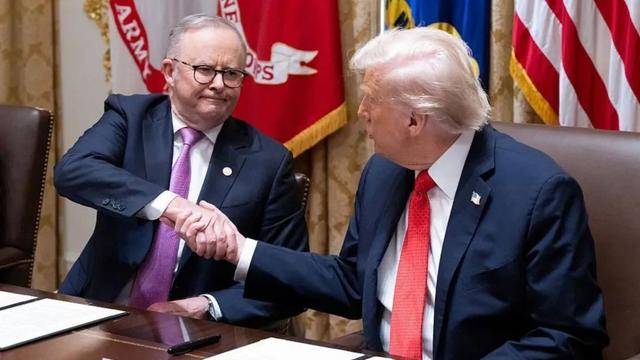
内容提要: 美澳签署百亿美元稀土协议,特朗普与阿尔巴尼斯会晤,推动发达经济体供应链整合,以化解中国出口限制。协议承诺各投资10亿美元 开发采矿与精炼项目,并设最低价格下限。澳利用稀土资源换取美核潜艇承诺,奠定AUKUS框架。特朗普随后将出访马来西亚、韩国、 日本等国,补牢供应链;澳大利亚则与英、法、德、加洽谈稀土供应链合作。 一、周一美国总统与澳大利亚总理白宫会面,特朗普整合了美澳稀土供应链,阿尔巴尼斯获得了美国提供核潜艇的承诺。 美东时间10月20日周一,美国总统特朗普和澳大利亚总理安东尼·阿尔巴尼斯签署了一项关键矿产框架协议,该协议旨在促进美国获得澳 大利亚稀土资源的开采和加工。此举意味着发达经济体的稀土供应链整合正在快速推进。 白宫提供的一份协议副本称,两国将在未来六个月内各投资 10 亿美元用于采矿和稀土精炼 项目。他们还为关键矿产设定了最低价格下限,这是西方矿商长期以来一直在寻求的举措。 在美国和其他国家正在争先恐后地实现关键矿产供应的多样化时,澳大利亚将该国拥有的大量稀土资源作为解决中国稀土限制的解决方 案,被视为一场及时雨。 而接下来的一些行动,将奠定发达国家稀土供应链的基本框架——特朗普在白宫 ...

特朗普签下85亿大单,一年后稀土多到用不完?没中国技术难成事
Sou Hu Cai Jing· 2025-10-21 10:31
Core Viewpoint - The recent agreement between Trump and Australian Prime Minister Albanese aims to counter China's dominance in the rare earth sector, involving an investment of $8.5 billion in key mineral extraction projects [1][4]. Group 1: Agreement Details - The agreement includes a $1 billion investment from both the U.S. and Australia in rare earth projects over the next six months [1]. - Plans to construct an advanced gallium refining plant in Western Australia with an annual production capacity of 100 tons are part of the deal [1]. - Approximately $2.2 billion in financing will be provided through the Export-Import Bank [1]. Group 2: Challenges in the Rare Earth Sector - Despite the ambitious plans, the U.S. faces significant challenges in disrupting China's established dominance in the rare earth industry, which controls over 85% of global refining and separation capacity [4][11]. - The U.S. once held 90% of the global rare earth supply in the 1980s, but policies led to a decline in its domestic industry, resulting in a fragmented supply chain [4][6]. - Current U.S. efforts to rebuild the rare earth supply chain have not yielded successful projects, with the Mountain Pass mine still relying on China for refining [6][9]. Group 3: Historical Context and Economic Factors - Previous attempts to reduce reliance on Chinese rare earths, such as the "Rare Earth and Critical Materials Revitalization Act" initiated by Obama, have not succeeded due to high production costs in the U.S. [9][11]. - U.S. rare earth production costs are reportedly 50% higher than those in China, impacting competitiveness [11]. - The systemic challenges in the U.S. rare earth supply chain reflect broader issues within American manufacturing, where high costs hinder domestic production [9][11].
西方应战中国稀土管制,妄图一举改变全球稀土格局
Sou Hu Cai Jing· 2025-10-21 10:24
Core Viewpoint - The control of rare earth resources is crucial for high-tech industries, with China currently holding a dominant position in both resource availability and technological capabilities [1][10]. Group 1: China's Dominance in Rare Earths - China is not only a major resource holder but also a technological leader in the rare earth sector, having developed a complete industrial chain from extraction to manufacturing [9][10]. - The country has implemented stringent management and export control measures, ensuring it retains significant influence over the global supply chain [12][14]. - China's approach has shifted from merely selling raw materials to emphasizing technological sovereignty, enhancing its strategic position in the rare earth market [12][21]. Group 2: Challenges for Western Countries - The U.S. and Australia have committed $8.5 billion to create a new rare earth supply chain to reduce dependence on China, but significant technical and operational challenges remain [3][8]. - While Australia has substantial rare earth reserves, the processing and refining of these materials are complex and require advanced technology that is currently lacking in Western countries [6][17]. - The high costs and technical barriers associated with rare earth refining in the West make it difficult to establish a competitive supply chain [17][19]. Group 3: Long-term Investment and Policy Stability - Investors are hesitant to commit to long-term projects in the rare earth sector due to the lengthy return periods and the uncertainty of political policies in Western countries [8][19]. - In contrast, China has consistently invested in rare earth technology since the 1970s, resulting in a robust industrial ecosystem that supports ongoing advancements [19][24]. - The integration of smart manufacturing and green technologies in China's rare earth industry positions it at the forefront of modern manufacturing [15][24]. Group 4: Future of Global Rare Earth Competition - The competition for rare earth resources is not merely a zero-sum game; it involves finding regional roles within the supply chain [22]. - While resources are widely distributed, the actual processing and manufacturing capabilities remain concentrated in countries with established industrial systems, with China maintaining an irreplaceable role [22][24]. - For Western nations to establish a foothold in the rare earth sector, they must build a comprehensive industrial framework and gain decades of experience in the field [24].

稀土大战2.0:中国稀土的3个致命漏洞,这次终于全堵上了
Hu Xiu· 2025-10-21 10:04
Core Viewpoint - The latest rare earth export control policy introduced on October 9 is a significant measure aimed at closing existing loopholes in China's rare earth industry, which have been described as critical and increasingly harmful [1] Group 1 - The article highlights three major illegal gaps in China's rare earth industry that pose serious risks [1] - The new policy is compared to a high-grade concrete that effectively seals these loopholes, indicating a strong regulatory approach [1] - The implications of this policy are said to impact not only the domestic market but also international relations, particularly with the United States [1]
美国封存稀土矿23年,如今90%依赖中国,求取消限制被拒
Sou Hu Cai Jing· 2025-10-21 09:27
Core Viewpoint - The article discusses the escalating trade tensions between the U.S. and China, particularly focusing on the U.S. demand for China to lift restrictions on rare earth exports, highlighting the strategic importance of these resources for national security and technological advancement [1][15][39]. Group 1: U.S. Trade Policy and Strategy - Trump's assertion that "tariffs equal national security" reflects a desperate political maneuver rather than a solid strategy, indicating a loss of confidence in his administration's trade policies [3][5]. - The trade war has not yielded the expected benefits for the U.S., with rising costs for American businesses and dissatisfaction among allies, leading to a decline in Trump's domestic support [6][8]. - The focus on rare earths as a singular demand illustrates a shift from broader trade negotiations to a more desperate, point-specific strategy, revealing the diminishing options available to the U.S. [24][32]. Group 2: Importance of Rare Earths - China controls over 80% of global rare earth production, while the U.S. relies on imports for 90% of its rare earth needs, making this a critical issue for U.S. military and technological sectors [15][21]. - The U.S. has faced significant delays in developing domestic rare earth processing capabilities, with projects pushed back to 2026, underscoring the challenges in establishing alternative supply chains [15][17]. - The competition for rare earths is not merely an economic issue but a matter of national security, as these resources are essential for modern technology and military applications [15][33]. Group 3: China's Position and Strategy - China's restrictions on rare earth exports are part of a broader strategy to manage its resources sustainably and assert its position in global trade, rather than a targeted response to U.S. demands [17][19]. - The Chinese government has maintained a calm and resolute stance in negotiations, indicating a strong position in the face of U.S. pressure [19][39]. - The ongoing struggle over rare earths reflects a larger contest for defining future technological and industrial standards, with China increasingly positioning itself as a rule-maker rather than a rule-taker [35][39].
泉果基金:全球大类资产的配置有望更加多元化
Sou Hu Cai Jing· 2025-10-21 09:02
Group 1 - The Federal Reserve lowered the federal funds rate target range by 25 basis points to 4.00%-4.25%, aligning with market expectations due to a weak job market and easing inflation pressures [1] - There is a widespread expectation that the Federal Reserve will cut rates twice more in October and December 2025, driven by concerns over U.S. debt and economic growth [1] - The "Big and Beautiful Act" introduced by the Trump administration has exacerbated concerns regarding the sustainability of U.S. dollar credit and government debt, leading to a more diversified global asset allocation [1] Group 2 - The AI sector continues to lead the technology market, with domestic computing power and storage emerging as standout segments, while Hong Kong internet companies are experiencing valuation recovery [1] - Huawei's Ascend announced a three-year roadmap, and DeepSeek released a model supporting domestic accelerators, reinforcing market expectations for "China's computing power independence and domestic substitution" [1] - OpenAI's significant computing power orders with Oracle and CoreWeave, along with the introduction of new AI models, are driving competition and innovation in the AI space [1] Group 3 - In the short term, the technology sector faces increased volatility due to accumulated gains, but the mid-term outlook for AI infrastructure remains strong, with a push for domestic chip replacement [2] - The energy storage sector is experiencing explosive domestic demand driven by economic factors, while the lithium battery sector is seeing a price turning point amid three years of upstream price deflation [2] - The non-ferrous metals sector is witnessing price breakthroughs due to various demand factors, with expectations for continued price support driven by supply constraints from previous capital expenditure shortages [2]
印度稀土认怂背后:莫迪战略转向中国,美国急了?
Sou Hu Cai Jing· 2025-10-21 08:42
Group 1 - India's sudden decision to cooperate with China's rare earth regulations and refuse to export to the US has sparked global debate about its strategic shift [1][3] - Despite having rare earth mines, India's extraction technology is outdated, leading to a dependency on China for 60% of its rare earth materials by 2024 [3][4] - The US tariffs on Indian steel and aluminum have pressured India, prompting a reevaluation of its stance towards China in the rare earth sector [3][4] Group 2 - Major Indian companies like Tata and Reliance have publicly stated they will not resell rare earth materials imported from China to the US, indicating a coordinated effort between industry and government [4][6] - Modi's political strategy reflects a commitment to "strategic autonomy," allowing for flexibility in alliances based on current pressures [6][9] - The global rare earth market is shifting, with China maintaining control over upstream resources while countries like India and Vietnam face the dilemma of reliance on China or high-cost self-research [7][9] Group 3 - The situation highlights the vulnerabilities in global supply chains and the complexities of great power competition, particularly in the context of rare earth resources [7][9] - The ongoing "mining wars" among companies like Tesla and Apple indicate a frantic effort to secure rare earth supplies, which could have significant implications for the industry [7][9] - India's maneuvering serves as a calculated political display, signaling cooperation with China while leaving room for negotiation with the US [9]
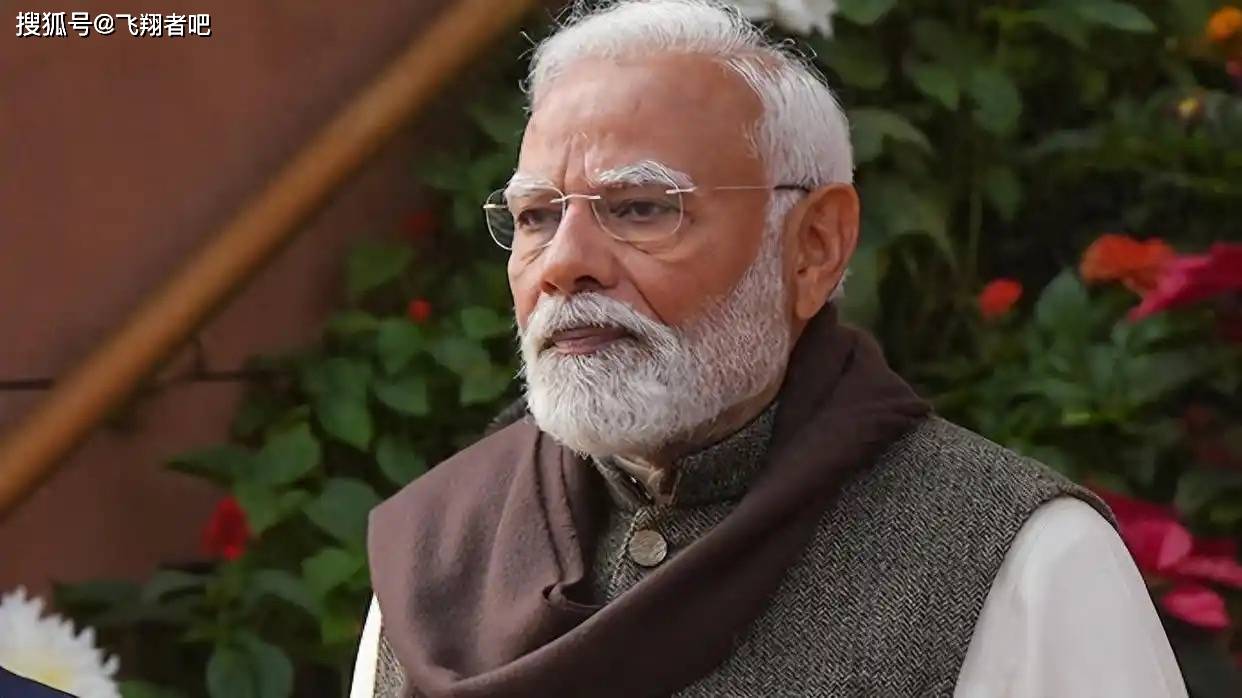
莫迪做出选择,大幅买俄油,还通告全球,绝不将中国稀土卖给美国
Sou Hu Cai Jing· 2025-10-21 07:50
Group 1: Oil Imports and Economic Impact - India's reliance on Russian oil has become more pronounced, with the country increasing its imports despite U.S. pressure, resulting in a nearly 30% reduction in India's trade surplus with the U.S. due to a 50% tariff on Indian goods [5][9] - The average price of oil imported from Russia is $12 per barrel lower than the international market, allowing India to earn an average profit of $89 per ton by refining and reselling it to Western markets, totaling over $6 billion in profits in the first nine months of the year [7][9] - India's private refining companies, such as Reliance Industries, are the primary beneficiaries of this profitable model, which has significantly contributed to the country's energy revenue [7] Group 2: Rare Earth Elements and Strategic Choices - Indian companies have committed to using rare earths sourced from China solely for domestic production, explicitly stating they will not resell to the U.S., indicating a strategic choice amid U.S.-China tensions [3][11] - Approximately 60% of India's rare earth imports come from China, valued at over 3 billion rupees, highlighting India's dependency on Chinese resources for critical manufacturing [11][14] - Despite deepening cooperation with China in rare earths, India is also negotiating with Australia for rare earth mining and plans to invest $2 billion in domestic production capabilities, reflecting a pragmatic approach to balancing relationships [13][14] Group 3: Geopolitical Implications - The U.S. pressure on India to reduce oil imports from Russia has backfired, leading to an increase in Russian oil imports beyond initial plans, demonstrating India's firm stance against external coercion [9][16] - The U.S. military plans have been affected by India's rare earth decisions, with delays in the F-35 upgrade program and a 30% reduction in production at Tesla's Texas factory due to rare earth shortages [11][17] - India's approach of balancing relations with both the U.S. and China, while prioritizing national interests, showcases its traditional strategy of "hedging" in international relations [13][17]
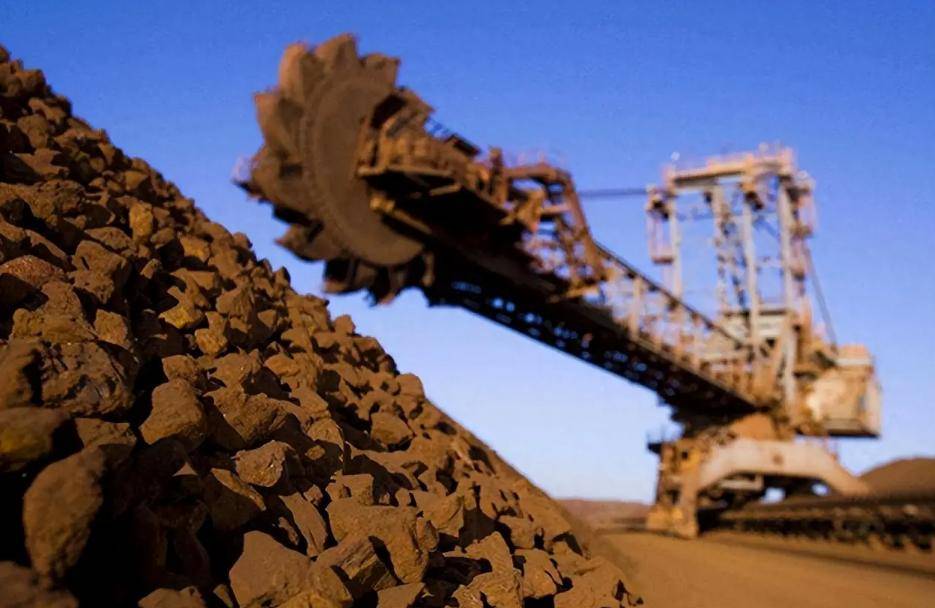
莫迪否认放弃俄油进口,还通告全球,绝不将中国稀土卖给美国
Sou Hu Cai Jing· 2025-10-21 07:16
Core Insights - India's strategic decision to continue importing oil from Russia and halt rare earth exports to the US has garnered global attention, challenging previous commitments made by US President Trump [1][11]. Group 1: Oil Imports from Russia - India has significantly increased its crude oil imports from Russia, defying earlier statements from the US and highlighting its need for energy diversification amid geopolitical tensions in the Middle East [5][6]. - The Indian government is enhancing cooperation with Russia by investing in infrastructure projects, such as modernizing the Murmansk port and expanding the Visakhapatnam port's oil handling capacity, which is expected to increase from 30 million tons to 50 million tons by 2025 [8]. - Plans are underway for joint ventures in natural gas processing, including converting pipeline gas into LNG to meet domestic energy needs [10]. Group 2: Rare Earth Export Policy - India has approximately 36 million tons of identified rare earth reserves, accounting for 6% of the global total, and has shifted its export policy to impose stricter controls on rare earth exports to the US [13][14]. - The new policy includes a suspension of primary rare earth exports to the US and a special licensing system for processed rare earth products, limited to countries with which India has signed technology cooperation agreements [13][14]. - This strategic move aims to enhance India's position in the global value chain and support domestic high-tech industries, with plans to invest $5 billion in five national rare earth processing parks by 2030 [19]. Group 3: International Reactions and Global Impact - The US has expressed strong concerns over India's rare earth export restrictions, indicating potential impacts on its renewable energy and semiconductor supply chains, and has placed India on a "critical rare earth supply chain watch list" [23]. - Russia has welcomed India's increased oil imports, viewing it as a strengthening of bilateral strategic ties, while European nations have expressed worries about the stability of global supply chains [25]. - Southeast Asian countries like Vietnam and Indonesia have shown understanding and support for India's energy cooperation, seeing it as a means to alleviate global market tensions [25]. Group 4: Strategic Considerations - India's export restrictions on rare earths are not merely a response to US demands but are driven by long-term strategic considerations, particularly in light of the growing importance of rare earths in high-tech manufacturing and electric vehicles [17]. - The Indian government aims to leverage these strategic moves to bolster its economic development and energy security while navigating complex international relations [27].
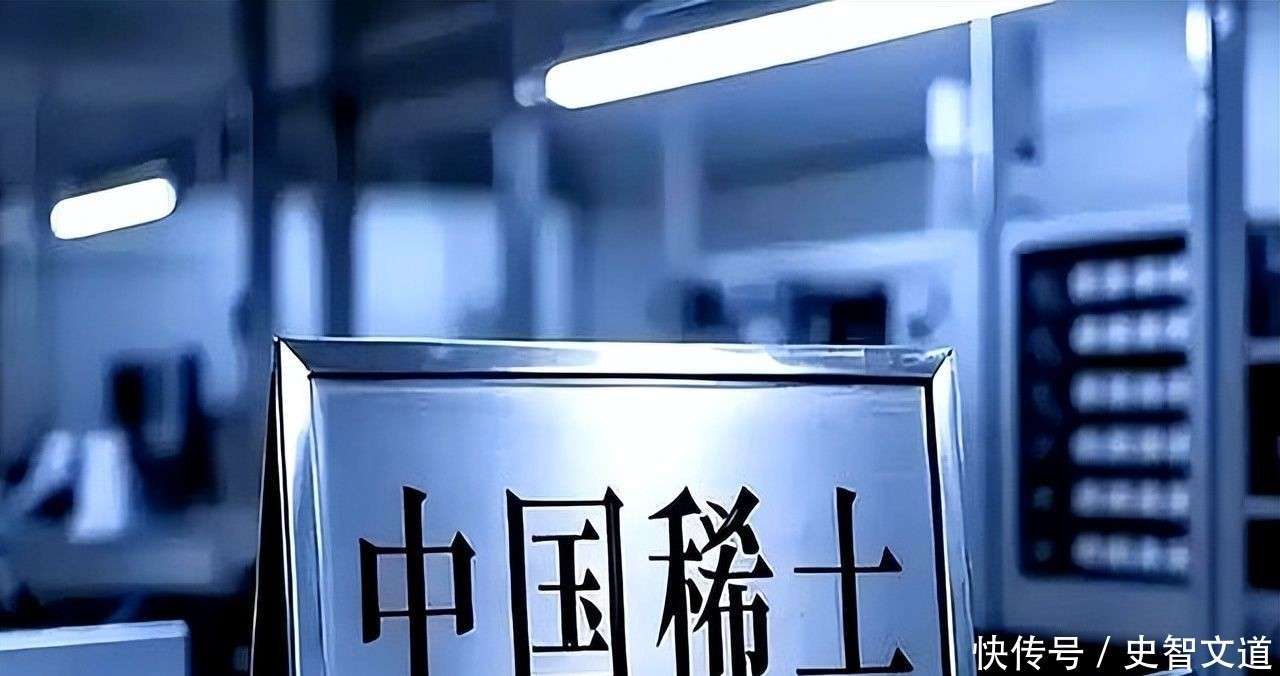
争分夺秒下单稀土!全球车企在中国稀土出口管制之前满世界采购
Zhi Tong Cai Jing· 2025-10-21 07:07
Core Viewpoint - The global automotive industry is facing significant challenges due to China's export controls on rare earth elements, which are critical for various automotive components, particularly in electric vehicles. This situation raises concerns about potential shortages and production halts in the automotive sector [1][6]. Group 1: Supply Chain Concerns - Automotive executives are worried that China's export restrictions could lead to shortages of essential components and factory shutdowns [1]. - China controls approximately 70% of global rare earth mining, 85% of refining capacity, and about 90% of rare earth metal alloys and magnet production [1]. - The new export control list from China includes elements like yttrium, holmium, and europium, which are also used in automotive manufacturing [2]. Group 2: Inventory and Production Challenges - Suppliers are experiencing tight inventory levels, with some reporting that their products are nearly sold out [2]. - Even if new orders are fulfilled before the export controls take effect, shipping delays could exacerbate supply issues, as it takes about 45 days to transport goods to Europe [5]. - The automotive industry is expected to stockpile rare earth materials before the November 8 deadline, but many companies have already depleted their inventories [6]. Group 3: Industry Adaptation and Innovation - Automakers are actively seeking to reduce their dependence on rare earth elements by developing electric motors with low to zero rare earth content [7]. - Companies like General Motors, ZF, and BorgWarner are working on new motor technologies, while BMW and Renault have already produced rare earth-free motors [7]. - Despite these efforts, industry experts indicate that it will take years for these new technologies to be fully implemented, and the plans to develop new rare earth mines and processing facilities outside China face significant challenges [7]. Group 4: Competitive Landscape - The U.S. government is reportedly more focused on the threat posed by China's control over rare earth supplies compared to Europe [7]. - Supply chain experts note that China is likely to continue undercutting competitors on price, making it difficult for automakers to justify the higher costs of rare earth-free components [7]. - The ongoing export controls from China are expected to persist, maintaining the country's dominance in the rare earth market [7].