
量子计算

Search documents
未来产业潜力企业获40多亿金融支持
Sou Hu Cai Jing· 2025-12-27 19:19
记者了解到,在这9场路演活动中,累计近200家投资机构、30家金融机构与150家企业开展对接,其中 脱颖而出的83家企业获得市级财政资金支持。路演活动后续,市经信局还与中国人民银行北京市分行联 合举办了3场金融对接活动,通过金融产品接续赋能企业发展。 据经信局方面介绍,"创赢未来"公开路演活动是北京市建立未来产业投入增长机制的重要举措,聚焦未 来产业重点领域多技术路线布局,持续引导社会资本投入,形成"企业发现—助推成长—产业集聚"的全 链条机制,支持未来产业领域潜力企业成长。 下一步,市经信局将持续组织开展"创赢未来"公开路演活动,发现和支持一批高成长潜力的未来产业企 业,并依托产业链上下游合作机制、中小企业服务体系等,对纳入培育范围的企业实施全周期跟踪服 务。 本报讯(记者 杨天悦)资本赋能是推动未来产业发展的重要因素。记者近日从市经信局获悉,"创赢未 来"公开路演活动已陆续举办9场,搭建起创新企业与社会资本精准对接的桥梁。据统计,共有83家企业 通过上述路演活动获得市级财政资金支持,在后续举行的融资对接活动中,数十家未来产业潜力企业又 获得超40亿元的金融支持。 获得支持的未来产业潜力企业,主要覆盖未来信 ...
国家科技创新中心,高新企业1.7万家总量倍增
Chang Jiang Ri Bao· 2025-12-27 03:09
Core Insights - Wuhan is emerging as a significant global innovation hub, with a rapid increase in high-tech enterprises and innovative achievements driven by application demand [1][2] - The city has seen a substantial rise in the number of academicians and high-tech enterprises, indicating a strong foundation for innovation [2][6] - A comprehensive innovation ecosystem is being established in Wuhan, integrating various resources and breaking traditional research barriers [3][4] Group 1: Innovation and Research Growth - The number of high-tech enterprises in Wuhan has surpassed 17,000, which is 2.72 times that of 2020, showcasing a robust growth trajectory [1] - Wuhan ranks fourth nationally in the number of academicians, with 91 academicians contributing to its talent pool, which is crucial for fostering innovation [2] - The city has been recognized as the 8th in the global "Nature Index - Research Cities" ranking, reflecting its status as a key innovation growth pole [2] Group 2: Infrastructure and Facilities - Wuhan has established 41 national key laboratories, leading the nation in terms of quantity, which serve as foundational engines for basic research [4] - The city is developing 10 large scientific facilities that will enable original innovations, including a pulsed strong magnetic field facility that can generate a magnetic field 2 million times stronger than Earth's [4][5] - The construction of the Han River National Laboratory is expected to attract over 2,000 high-end research talents and drive related industry investments exceeding 10 billion [5] Group 3: Commercialization and Application - The "Han Yuan 1" quantum computer, developed in Wuhan, has entered commercial application, securing over 40 million in orders, marking a significant step in the commercialization of quantum computing [7] - Collaborative efforts among hospitals, universities, and enterprises have led to the successful development of a multimodal imaging surgical robot, achieving a 100% success rate in surgeries [7] - Wuhan has established a nurturing ecosystem for over 500 enterprises across seven new sectors, supported by 210 municipal pilot platforms and 32 concept validation centers [8]
科学有答案 创新无止境(院士讲科普·年终特别报道)
Ren Min Wang· 2025-12-26 22:21
Core Insights - By 2025, China is expected to achieve significant breakthroughs in various scientific fields, including quantum technology and lunar research, contributing to the nation's technological self-reliance and innovation [3][5]. Group 1: Space Exploration - The Chang'e 6 mission is set to return samples from the moon's far side, revealing new insights into lunar oxidation mechanisms and marking a major scientific breakthrough in lunar research [4]. - The Tianwen-2 probe will conduct close-range exploration of a near-Earth asteroid, with a sample return expected by the end of 2027, indicating a shift towards long-term space exploration and resource utilization [4]. - China plans to advance its lunar research station, manned lunar missions, Mars sample return, and Jupiter system exploration, enhancing its capabilities in deep space exploration [4]. Group 2: Quantum Computing - Quantum computing is identified as a critical future technology, with China focusing on achieving full autonomy in quantum computing through the development of hardware and software systems [7]. - The third-generation superconducting quantum computer "Benyuan Wukong" has been launched, participating in numerous collaborations across key industries and achieving international cooperation in quantum computing [8]. - The development of quantum computing is likened to building a rocket, emphasizing the importance of integrating hardware and software for effective functionality [7]. Group 3: Brain-Computer Interfaces - Brain-computer interface technology is evolving to connect biological intelligence with machine intelligence, utilizing advanced decoding and encoding techniques to interpret brain signals [9]. - Clinical advancements in brain-computer interfaces are being made, with the establishment of comprehensive clinical trial centers and the initiation of global trials [11]. - The technology aims to redefine the boundaries of intelligence by merging carbon-based and silicon-based systems, enhancing cognitive capabilities [10]. Group 4: Digital Intelligence Technologies - Digital intelligence technologies, including cloud computing and artificial intelligence, are seen as essential tools for enhancing innovation across various industries [13]. - The integration of digital technologies into industrial processes is expected to significantly improve production efficiency and transform manufacturing paradigms [13]. - Open collaboration and resource sharing are highlighted as accelerators for technological advancement, contributing to global challenges [14]. Group 5: Hydrogen Energy - Hydrogen energy is recognized as a vital component of the renewable energy revolution, complementing electricity and supporting sustainable development [16]. - China has made significant progress in hydrogen fuel cell technology and is establishing a related industrial chain to enhance the role of hydrogen in the energy transition [17]. - The future of hydrogen energy will focus on tailored solutions that meet specific regional needs, ensuring its benefits for society [16]. Group 6: Research Talent Development - Universities are positioned as key players in nurturing research talent, aligning educational programs with national strategic needs [19]. - The emphasis is on practical applications of research, encouraging scientists to engage with industry and address real-world challenges [19]. - A supportive environment for young researchers is essential, promoting innovation and allowing for flexible evaluation of research outcomes [20]. Group 7: Basic Research Support - Basic research in China is gaining increased attention and funding, although it still lags behind developed countries in terms of investment [22]. - Continuous support for basic research is necessary, including funding stability and diverse investment channels to foster groundbreaking discoveries [22][23]. - A positive research culture is crucial for sustaining long-term engagement in basic research, promoting a supportive atmosphere for scientists [23]. Group 8: Science Popularization - The relationship between scientific innovation and public science education is emphasized, with efforts to enhance public understanding of science [24][25]. - Initiatives aimed at improving scientific literacy among youth are seen as foundational for future technological advancements [25][26].

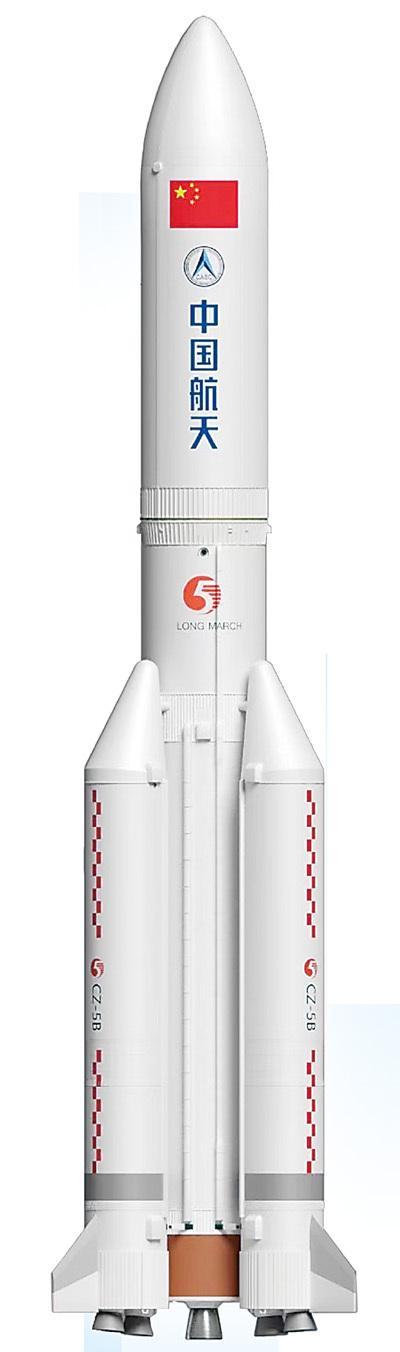
科学有答案 创新无止境(院士讲科普·年终特别报道) ——八位院士眼中的二〇二五
Ren Min Ri Bao· 2025-12-26 22:15
Group 1: Technological Innovation and Achievements - In 2025, China made significant advancements in scientific research, particularly in quantum technology and lunar studies, achieving original breakthroughs [1] - The global innovation index ranked China 10th, reinforcing the foundation for high-level technological self-reliance [1] - Major breakthroughs in lunar science were achieved with the Chang'e 6 mission, revealing new lunar oxidation reaction mechanisms [2][3] Group 2: Quantum Computing Developments - Quantum computing is identified as a key future technology, with China focusing on achieving full autonomy in its development [4] - The third-generation superconducting quantum computer "Benyuan Wukong" has been launched, participating in numerous application collaborations across various sectors [4][6] - The development of quantum computing is likened to building a rocket, emphasizing the importance of both hardware and software integration [4] Group 3: Brain-Computer Interface Technology - Brain-computer interface technology is evolving to connect biological intelligence with machine intelligence, with significant clinical advancements reported in 2025 [7][9] - The technology is moving from unidirectional reading to bidirectional interaction, enhancing its potential applications [7] Group 4: Digital Intelligence and Industrial Transformation - Digital intelligence technologies, including cloud computing and AI, are seen as essential tools for enhancing innovation capabilities across industries [10][11] - The integration of digital technologies into industrial processes is expected to transform manufacturing paradigms and improve efficiency [10] Group 5: Hydrogen Energy and Renewable Resources - Hydrogen energy is recognized as a crucial component of the renewable energy revolution, complementing electricity and promoting low-carbon transitions [12][13] - China has made progress in mastering hydrogen fuel cell technologies and establishing related industrial chains [12][13] Group 6: Research Talent Development - The cultivation of research talent is emphasized as critical for supporting high-level technological self-reliance, with a focus on aligning educational programs with national strategic needs [14][15] - Young researchers are increasingly contributing to scientific advancements, with a significant proportion of key research personnel being under 45 years old [15] Group 7: Support for Basic Research - Basic research in China is receiving increased attention and support, although challenges remain in funding and stability [16][17][18] - The government is implementing reforms to enhance the support for basic research, including funding mechanisms and cultural improvements [16][17][18] Group 8: Science Popularization and Innovation - The relationship between scientific innovation and public science education is highlighted, with efforts to engage the public in scientific knowledge [19][20] - Enhancing public understanding of science is seen as foundational for fostering future research talent and innovation [19][20]
中国正能量|每一个“奋斗的你我”,都是奋进中国的生动注脚
Huan Qiu Wang· 2025-12-26 13:34
Group 1 - The core theme of the event is "The Striving You and the Advancing China," aiming to collect and showcase impactful online content that embodies positive energy [1] - The event coincides with a critical historical moment as China wraps up its 14th Five-Year Plan and prepares for the 15th, emphasizing the importance of uniting public consensus and inspiring a spirit of struggle [1][4] - The event highlights China's economic resilience, with an expected GDP growth of around 5% in 2025, reaching a total economic volume of approximately 140 trillion yuan [2] Group 2 - The event aims to showcase the achievements of various sectors, including innovation in artificial intelligence and quantum computing, with China ranking in the global top 10 for innovation indices and surpassing 5 million effective invention patents [2][3] - It emphasizes the continuous improvement of people's livelihoods, with over 12 million new urban jobs created annually and over 600 million people benefiting from direct settlement of cross-province medical expenses [3] - The event also focuses on green development, with forest coverage exceeding 25% and renewable energy surpassing coal power in electricity generation [3] Group 3 - The event serves as a platform to strengthen mainstream ideological discourse and promote unity and confidence among the public, showcasing the resilience in preventing systemic risks and the commitment to independent development and openness [4][5] - It aims to inspire collective efforts towards the realization of the Chinese Dream, highlighting the spirit of labor, struggle, and dedication [3][4] - The event is seen as a significant mobilization towards a brighter future, encouraging a united front to tackle challenges and advance the goals of national rejuvenation through Chinese-style modernization [5]
2025年度十大科技突破:DeepSeek带来“Aha Moment”,脑机芯片滑入大脑皮层
Xin Lang Cai Jing· 2025-12-26 06:24
Core Insights - 2025 is designated as the "International Year of Quantum Science and Technology" by UNESCO, marking a pivotal moment in China's "14th Five-Year Plan" and a shift in computational paradigms towards quantum computing and advanced materials [1][22] Quantum Computing Breakthroughs - The DeepSeek-R1 model, released on January 20, 2025, utilizes reinforcement learning to enhance reasoning capabilities and achieves performance comparable to OpenAI's models at a low computational cost [3][24] - The Nobel Prize in Physics awarded in October recognizes the foundational role of superconducting quantum circuits in modern computing, highlighting the work of John Clarke, Michel H. Devoret, and John M. Martinis [5][26] - The Helios quantum computer, launched by Quantinuum, features 98 physical qubits with a fidelity of 99.9975% for single-qubit operations, making it the most precise commercial quantum computer to date [9][30] Advanced Materials and Technologies - The BISC chip, developed by a collaboration between Columbia University and Stanford, integrates 65,536 electrodes into a flexible CMOS chip, enabling unprecedented wireless data transmission rates of up to 100 Mbps [8][29] - A new type of hollow-core optical fiber, reported by the Lumenisity research team, demonstrates a loss of only 0.091 dB/km at a wavelength of 1550 nm, promising advancements in long-distance communication [11][32] - The development of "atomic manufacturing" techniques has pushed metal materials to the Ångström scale, opening pathways for new quantum and electronic devices [13][34] Environmental and Energy Innovations - SSAB's Zero™ steel has become the first product to meet the near-zero emissions threshold set by the International Energy Agency, utilizing hydrogen reduction technology to eliminate carbon emissions [17][38] - The EAST nuclear fusion experiment achieved a world record of 1 billion degrees Celsius for 1066 seconds, demonstrating the feasibility of future fusion reactors [18][39] - Research on the Bennu asteroid samples revealed the presence of essential life-building components, suggesting that the building blocks of life may have been distributed across early Earth and other planets [21][42]


科技自强、出海深化
SINOLINK SECURITIES· 2025-12-26 05:44
Investment Rating - The report suggests a positive outlook for the high-end equipment manufacturing industry in China, emphasizing a "dual-driven" growth model characterized by strong domestic demand and robust international expansion [3][5]. Core Insights - The high-end equipment industry in China is experiencing a structural transformation, with a focus on technological advancements and brand development, leading to increased global market share [3]. - The report highlights two main investment themes: the technological self-reliance driven by AI and the deepening international expansion of Chinese equipment manufacturers [4][5]. - Key sectors to watch include gas turbines, industrial mother machines, controlled nuclear fusion, quantum computing, robotics, and 3D printing, which are expected to drive future growth [4][41]. Summary by Sections Domestic Manufacturing and Investment - Manufacturing investment in China is under short-term pressure, but high-end manufacturing and equipment sectors are emerging as growth engines, with a 1.9% year-on-year increase in manufacturing fixed asset investment [15][19]. - The report notes that high-tech manufacturing and equipment manufacturing sectors maintain high levels of activity despite overall investment slowdowns [15][22]. Export Performance - China's high-end equipment exports are performing well, driven by the global AI investment boom and recovery in demand from developed markets [28][31]. - In the first ten months of 2025, China's exports of electromechanical products reached 13.43 trillion yuan, marking an 8.7% year-on-year increase [28][31]. Technological Self-Reliance - The report emphasizes the importance of technological self-reliance, particularly in sectors like gas turbines and quantum computing, which are expected to see significant growth due to increasing global demand [4][48]. - The global gas turbine market is projected to grow significantly, with sales expected to rise from 44.1 GW in 2023 to an average of 60 GW from 2024 to 2026, reflecting a 36% increase [49][50]. International Expansion - Chinese equipment manufacturers are poised for further international growth, particularly in emerging markets, with sectors like engineering machinery and agricultural equipment expected to see substantial export growth [5][41]. - The report highlights the potential for Chinese companies in the oil and gas equipment sector, particularly in the Middle East, where demand is expected to rise significantly [5][13].


2026年权益市场展望:结构性机遇凸显,多主线值得关注
Zheng Quan Shi Bao Wang· 2025-12-26 04:42
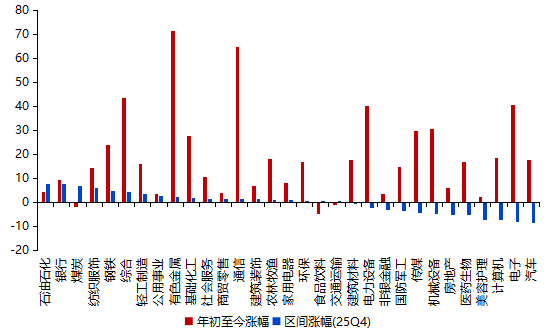
Core Viewpoint - The market is increasingly focused on investment opportunities for 2026 as the A-share market approaches the end of 2025, with sectors like metals, TMT, and power equipment performing well, while dividend stocks and real estate are under pressure [1] Group 1: Global Economic Environment - The global macroeconomic landscape is expected to show positive changes in 2026, with the U.S. likely to adopt more accommodative fiscal and monetary policies, potentially increasing the federal deficit by approximately $3.4 trillion over the next decade [4] - The anticipated fiscal expansion in the U.S. may require a low-interest-rate environment, which could improve global liquidity and stabilize the external environment for the A-share market [4] Group 2: Domestic Economic Policies - The Central Economic Work Conference at the end of 2025 has set a policy direction of "seeking progress while maintaining stability," indicating a focus on quality and efficiency improvements [5] - Industrial enterprises are at the bottom of the inventory cycle, with a narrowing decline in PPI suggesting an approaching recovery phase for corporate profits, as evidenced by a 3.2% year-on-year growth in net profit for all A-shares in Q3 2025 [5] Group 3: Investment Opportunities for 2026 - The A-share market is expected to remain structurally driven, with five key areas for investors to focus on: 1. AI Super Cycle: Continued growth in domestic and international computing power chains, with a focus on new technology iterations and the gaming industry [9] 2. High-end Manufacturing Overseas: Attention on sectors like energy storage and lithium batteries, as well as heavy-duty vehicles and engineering machinery that offer growth potential [11] 3. Strategic Resource Revaluation: Long-term focus on precious and industrial metals, with particular attention to energy and lithium carbonate showing signs of stabilization [11] 4. Frontier Technology Breakthroughs: Ongoing interest in industries such as robotics, solid-state batteries, and quantum computing [11] 5. New Consumption and Innovative Pharmaceuticals: Focus on sectors with solid fundamentals in consumer and technology spending, as well as innovative medical devices [11] Group 4: Market Liquidity - The degree of asset allocation migration towards equity markets is still in its early stages, with significant room for growth as indicators remain at historical lows [10] - Institutional investors, including insurance funds and bank wealth management products, are expected to become important sources of marginal capital in 2026, further enhancing market liquidity [10]
“合肥科技”闪耀2025十大科技新闻榜单
Xin Lang Cai Jing· 2025-12-25 17:23
Core Insights - Hefei has emerged as a focal city in the technology sector due to breakthroughs in nuclear fusion and quantum computing, as highlighted by the Central Radio and Television General Station's announcement of the "Top Ten Science and Technology News of 2025" [1][2] - The achievements include the "artificial sun" nuclear fusion device setting a record of "hundred million degrees for a thousand seconds" and the "Zuchongzhi No. 3" quantum computing prototype achieving a new world record [1][2] - China's initiation of an international scientific program in the field of fusion energy underscores its leading position in global technological competition [1] Nuclear Fusion Developments - The world's first fully superconducting Tokamak EAST device achieved significant results on January 20, successfully maintaining a high-confinement mode plasma operation at over a hundred million degrees for 1066 seconds, setting a new world record [1] - This achievement marks a critical turning point in fusion research, transitioning from basic scientific research to engineering practice, and significantly advances the development of fusion energy [1] Quantum Computing Advancements - On March 3, the University of Science and Technology of China announced the successful construction of the 105-qubit superconducting quantum computing prototype "Zuchongzhi No. 3," which solved the "quantum random circuit sampling" task at a speed one trillion times faster than the current fastest supercomputer [2] - This breakthrough reinforces the superiority of superconducting quantum computing systems [2] International Collaboration in Fusion Research - On November 24, the International Scientific Program for Burning Plasma initiated by the Chinese Academy of Sciences was launched, introducing the compact fusion energy experimental device BEST research plan [2] - Scientists from over ten countries, including France, the UK, Germany, and Italy, signed the "Hefei Fusion Declaration," advocating for enhanced international cooperation and a spirit of open sharing in fusion research [2]
中国正能量|手绘长图:指尖聚光,让奋进力量直抵人心
Huan Qiu Wang· 2025-12-25 09:21
Group 1 - The event "2025 China Positive Energy Network Boutique Exhibition" has been officially launched, focusing on the theme "You Strive, China Advances," aiming to collect and showcase impactful positive energy content [1] - The initiative encourages participation from diverse creators, transforming the network space into a vibrant platform for collective voices, as seen during the 15th National Games and the 13th World Games [2][4] - The positive energy content reflects the spirit of the times, showcasing significant achievements in technology and innovation, such as the DEEPSEEK AI model and advancements in quantum computing [6][9] Group 2 - The narrative of China's progress is illustrated through various real-life stories, including efficient logistics by delivery personnel and the global sales of agricultural products through cross-border e-commerce [8] - Technological innovations, such as the CR450 high-speed train achieving a record speed of 453 km/h, serve as emotional connections between content and audiences, enhancing engagement [10][11]
