
智能手机

Search documents
苹果跌出中国手机市场前五,iPhone 17难掩整体疲软?
Xi Niu Cai Jing· 2025-11-12 00:34
Core Insights - The Chinese smartphone market is projected to see a year-on-year decline of 2.7% in sales by Q3 2025, according to Counterpoint Research [2] - Apple holds a market share of 13.6%, ranking sixth among major manufacturers and failing to enter the top five [2] - Apple has faced continuous growth pressure in the Chinese market for several consecutive quarters [2] Sales Performance - In Q1 of this year, Apple sold 9.8 million units, with a market share of 13.7%, reflecting a year-on-year decline of 9% [4] - Although the decline in sales has narrowed from Q1 to Q3, Apple's market share continues to decrease [4] - The iPhone 17 base model's sales in China have nearly doubled compared to the iPhone 16 during the same period last year [4] Revenue Trends - In October, the year-on-year growth rate of the iPhone 17 Pro exceeded that of the iPhone 16 Pro by nearly two-thirds [4] - Despite the excitement around the iPhone 17, Apple's sales still experienced a 2% year-on-year decline in Q3, aligning with the overall market trend but showing weaker growth compared to other major manufacturers [4] - Apple's Q4 revenue from the Greater China region was $14.493 billion, down 3.6% from $15.033 billion in the same period last year, marking it as the only region with declining revenue globally [4]


机构:折叠屏手机正成为智能手机市场的全新增长极
Zheng Quan Shi Bao Wang· 2025-11-12 00:30
Core Viewpoint - The Chinese foldable smartphone market is experiencing significant growth, with a notable increase in shipments and a positive outlook for future sales [1] Group 1: Market Performance - In Q3 2025, the shipment of foldable smartphones in China reached 2.63 million units, representing a year-on-year growth of 17.8% [1] - The cumulative shipment of foldable smartphones in China for the first three quarters of this year reached 7.62 million units, showing a year-on-year increase of 14.3% [1] Group 2: Future Projections - According to Jin Yuan Securities, foldable smartphones are becoming a new growth driver in the smartphone market, with global shipments expected to reach 54.7 million units by 2025, and China's market share rising to 31% [1] - Huaxi Securities anticipates that global shipments of foldable smartphones will reach 17.8 million units in 2024 and could grow to 70 million units by 2027 [1] Group 3: Industry Trends - The industry is witnessing a shift as traditional smartphones enter a saturation phase, with foldable screens defining a new form of smartphones [1] - There is optimism regarding core components such as UTG cover glass and hinges, as well as new technologies like liquid metal and 3D printing [1]
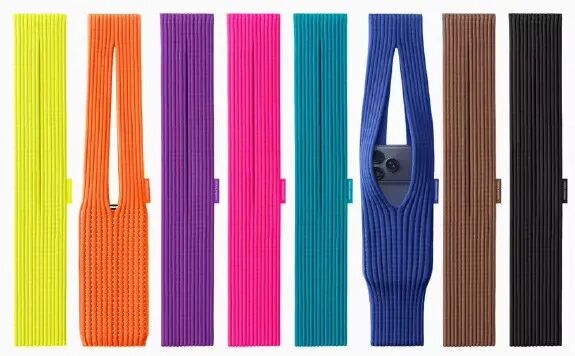
8点1氪:云南通报“赤裸小孩”事件;小米回应SU7改款涨价;苹果推出新配件,售价1299元起
36氪· 2025-11-12 00:12
Group 1 - The article discusses the investigation into the "naked child" incident in Yunnan, where a child was photographed crawling naked, leading to public concern about potential child abuse or trafficking [4][5][7] - A joint working group was established to investigate the situation, ensuring the family's well-being and conducting health assessments for the children [5][6] - The parents expressed gratitude for public concern and confidence in their ability to raise their children properly, hoping for a resolution to the media frenzy [7] Group 2 - The article highlights the significant growth in China's new energy vehicle (NEV) sales, with October 2025 marking the first month where NEV sales exceeded 50% of total new car sales, reaching 51.6% [15][16] - The total production and sales of automobiles in China from January to October 2025 were reported at 27.69 million units, with NEV production and sales showing a year-on-year increase of 33.1% and 32.7% respectively [15][16] Group 3 - The article mentions that SoftBank sold all its shares in Nvidia for $5.83 billion to fund its investment in OpenAI, indicating a strategic shift in investment focus [18] - Tesla's sales in China saw a significant decline, with October sales dropping 63.64% month-on-month, leading to a drop in brand ranking from 7th to 27th [17] - The article also notes that Apple has delayed the release of the next-generation iPhone Air due to lower-than-expected sales, impacting its supply chain [18]
8点1氪|云南通报“赤裸小孩”事件;小米回应SU7改款涨价;苹果推出新配件,售价1299元起
3 6 Ke· 2025-11-12 00:05
Group 1 - The incident involving the "naked child" in Yunnan has sparked widespread public concern and discussion regarding child welfare and parental responsibilities [2][3] - A joint working group was established to investigate the situation, ensuring the family's well-being and conducting health assessments for the children [2][3][5] - The parents of the children, identified as Li and Wan, have been confirmed as the biological parents through DNA testing, and they are now in the process of obtaining necessary legal documents for their children [5][6] Group 2 - The children, Pingping and Anan, are reported to be in good health, with Pingping showing normal development and engaging in social activities [9][10] - The parents have expressed their commitment to improving their parenting practices and integrating their children into society, acknowledging past shortcomings in their approach [12] - Local authorities have initiated ongoing support and education for the family to ensure the children's well-being and proper development [12] Group 3 - The incident has raised questions about the parents' lifestyle and educational methods, with some allegations of neglect and abuse being investigated [6][7] - Investigations revealed no evidence of abuse or illegal activities, with community members supporting the family's care for their children [7][8] - The parents have been criticized for their unconventional parenting style, which includes a lack of social interaction for the children, but they maintain that their approach respects the children's natural tendencies [6][11] Group 4 - The incident has led to discussions about the importance of child protection laws and the role of community support in ensuring children's welfare [12] - Local government has committed to enhancing child protection measures and providing resources for families in similar situations [12] Group 5 - The news highlights the growing concern over child welfare in China, prompting discussions on parenting practices and societal expectations [2][3] - The case has drawn significant media attention, reflecting the public's interest in child safety and parental accountability [2][3]
早报|胖东来“柴怼怼”诋毁案宣判,获赔260万元;常州小米汽车拖下高速后起火;软银清仓英伟达套现58.3亿;巴菲特发表“谢幕信”
虎嗅APP· 2025-11-11 23:53
Group 1 - The U.S. Navy's Ford aircraft carrier strike group has entered the Caribbean Sea, marking a significant military deployment in the region [2] - Meta's Chief AI Scientist Yann LeCun plans to leave the company to start his own venture, coinciding with a major restructuring of Meta's AI operations [3] - SoftBank has fully divested from NVIDIA, raising $5.83 billion, and has also reduced its stake in T-Mobile, generating $9.17 billion [4] Group 2 - Apple has decided to delay the release of the next-generation iPhone Air due to lower-than-expected sales, impacting its supply chain [7][8] - Foxconn has dismantled a significant portion of its production lines in response to Apple's decision, with plans to cease operations by the end of the month [8] - The next iPhone Air is now expected to be redesigned and potentially launched in spring 2027 alongside other new models [9] Group 3 - The "Chai Dui Dui" defamation case against Pang Donglai resulted in a court ruling that ordered the defendants to pay a total of 2.6 million yuan in damages [10][12] - The court found that the defendants had spread false information about Pang Donglai's business practices, which misled the public and disrupted market order [12] Group 4 - Berkshire Hathaway's CEO Warren Buffett announced he will step down by the end of the year and accelerate his philanthropic efforts [13][14] - Buffett's departure marks a significant transition for the company, as he has been a key figure in its management for decades [14] Group 5 - The 2025 World Power Battery Conference will take place in Yibin, Sichuan, focusing on new opportunities in the battery industry [35] - The Shanghai Stock Exchange will host its International Investor Conference, providing a platform for foreign investors to engage with domestic entities [36]



资金动向 | 北水抢筹港股近45亿港元,连续10日加仓小米
Ge Long Hui· 2025-11-11 12:15
Group 1: Market Activity - Net buying activity included Xiaomi Group with 1.176 billion, Yinhua Fund with 0.65 billion, China Mobile with 0.357 billion, China National Offshore Oil Corporation (CNOOC) with 0.333 billion, and Pop Mart with 0.305 billion [1] - Net selling activity included XPeng Motors with 2.266 billion, Alibaba with 2.024 billion, Tencent with 0.464 billion, SMIC with 0.437 billion, Hua Hong Semiconductor with 0.344 billion, and Meituan with 0.216 billion [1] - Southbound funds have continuously net bought Xiaomi for 10 days, totaling 6.54435 billion HKD; net bought CNOOC for 3 days, totaling 2.40999 billion HKD; and net sold Alibaba for 4 days, totaling 3.34684 billion HKD [4] Group 2: Company Developments - China Mobile's Beijing Zhongyi Digital New Economy Industry Fund participated in the D-round financing of New Stone Technology, focusing on AI and autonomous driving technology collaboration [6] - XPeng Motors' new humanoid robot IRON has gained significant attention, with endorsements from major institutions and notable figures like Elon Musk [7] - Tencent is expected to announce its earnings soon, with a focus on AI development and potential impacts on its gaming and financial technology sectors due to domestic economic conditions [7] Group 3: Industry Insights - CNOOC and other major oil companies are enhancing their production and cost management strategies in response to oil price fluctuations, with long-term growth potential highlighted [8] - The three major oil companies (CNOOC, China National Petroleum Corporation, and Sinopec) are expected to increase their oil and gas equivalent production over the next 25 years, with respective growth rates of 5.9%, 1.6%, and 1.5% [8]

机圈“Air”大战,苹果已经折戟
Hua Er Jie Jian Wen· 2025-11-11 12:00
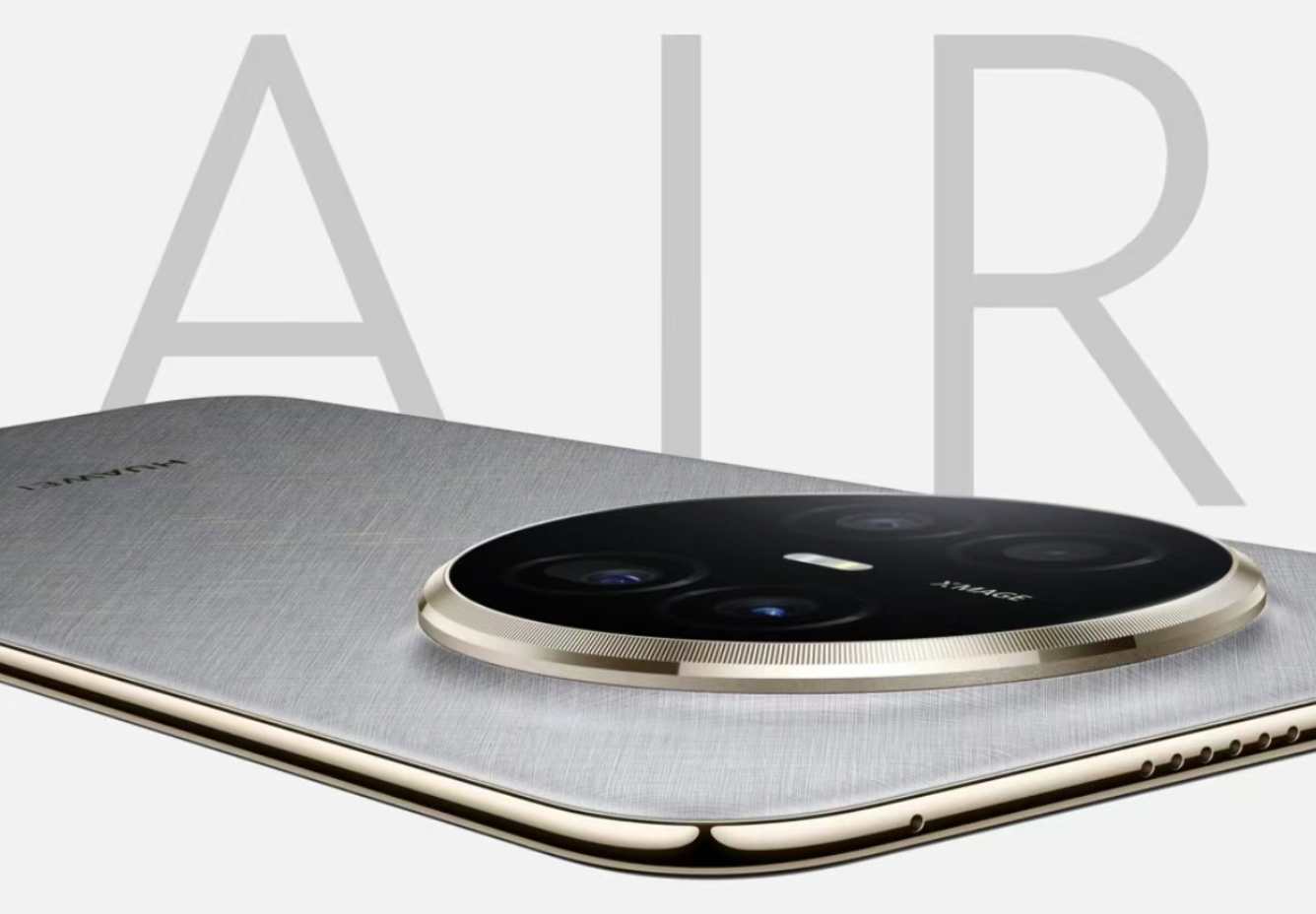
Core Viewpoint - The introduction of the "Air" smartphone trend, initiated by Apple's iPhone Air, has not met market expectations, leading to a delay in the next generation's release due to poor sales performance [2][3][4]. Group 1: Market Performance - Apple's iPhone Air, despite its innovative design, has seen disappointing sales, with initial sales in China reported at over 50,000 units during its first week [3]. - Analysts indicate that the demand for iPhone Air is lower than anticipated, resulting in supply chain reductions of over 80% by Q1 2026 [2][3]. - The iPhone Air's pricing starts at 7,999 yuan, which may contribute to its lackluster sales performance [5]. Group 2: Product Features and Competition - The iPhone Air is noted for its extreme thinness at 5.6 mm and weight of 165g, but compromises on battery life and camera capabilities [4][5]. - Competing brands like Samsung and Huawei have also launched their own "Air" models, with Huawei's Mate 70 Air focusing on balancing thinness with performance by offering a larger screen and better battery life [9][10]. - The trend of ultra-thin smartphones has attracted various manufacturers, but the overall market response has been tepid, with Xiaomi's president acknowledging the challenges of maintaining user experience with such designs [12][13]. Group 3: Future Outlook - The success of the "Air" smartphone segment will depend on finding a balance between lightweight design and practical usability [14]. - Current technological limitations make it difficult for ultra-thin smartphones to provide a satisfactory user experience, leading to skepticism about further market entries [13].
南向资金今日净买入44.67亿港元,小米集团-W净买入11.76亿港元
Sou Hu Cai Jing· 2025-11-11 11:51
Core Viewpoint - The Hang Seng Index rose by 0.18% on November 11, with southbound capital recording a total transaction amount of HKD 898.49 billion, resulting in a net inflow of HKD 44.67 billion [1][2] Group 1: Southbound Capital Transactions - Total southbound capital transactions amounted to HKD 898.49 billion, with buy transactions at HKD 471.58 billion and sell transactions at HKD 426.91 billion, leading to a net buy of HKD 44.67 billion [1] - The Hong Kong Stock Connect (Shenzhen) had a cumulative transaction amount of HKD 354.12 billion, with net buying of HKD 17.86 billion, while the Hong Kong Stock Connect (Shanghai) recorded a cumulative transaction amount of HKD 544.37 billion with net buying of HKD 26.81 billion [1] Group 2: Active Stocks - Alibaba-W had the highest transaction amount among southbound stocks at HKD 75.18 billion, followed by Xpeng Motors at HKD 57.58 billion and SMIC at HKD 48.50 billion [1] - Xiaomi Group-W led in net buying with HKD 11.76 billion, while the highest net selling was seen in Xpeng Motors at HKD 22.66 billion, despite its stock price increasing by 17.93% [1][2] Group 3: Continuous Net Buying and Selling - Xiaomi Group-W and CNOOC were the only two stocks with continuous net buying for more than three days, with Xiaomi Group-W having a total net buy of HKD 65.44 billion over ten days [2] - The stocks with the highest continuous net selling included Alibaba-W, Tencent Holdings, and Meituan, with net selling amounts of HKD 33.47 billion, HKD 10.64 billion, and HKD 4.61 billion respectively [2]


手机走向“瘦身”:华为入局苹果受挫,轻薄机困于小众
Xin Jing Bao· 2025-11-11 11:01
Core Viewpoint - Huawei has launched the Mate 70 Air, a lightweight smartphone with a thickness of 6.6mm and a starting price of 4199 yuan, entering the ultra-thin smartphone market alongside competitors like Apple and Samsung [1][2]. Group 1: Product Features and Market Position - The Mate 70 Air features a 6500mAh battery and retains a physical SIM card slot, unlike the iPhone Air which only supports eSIM [1][4]. - The smartphone is positioned in the mid-range market, priced between 4000 to 5000 yuan, which is a highly competitive segment in China [7]. - The device includes a 50MP triple-camera system and a 7-inch display, aiming to provide a balance between lightweight design and user experience [4][7]. Group 2: Market Trends and Competitor Analysis - The trend of ultra-thin smartphones has been growing, with major brands like Samsung and Apple releasing models with thicknesses below 6mm [3]. - Despite initial sales success, the iPhone Air has shown disappointing performance, activating only 50,000 units in its first week in China, which represents just 3% of the total iPhone 17 series sales [5][6]. - Analysts suggest that the demand for ultra-thin smartphones may be limited due to compromises in performance, battery life, and user experience [4][7]. Group 3: Challenges and Consumer Sentiment - The ultra-thin smartphone segment faces challenges in balancing aesthetics with practical functionality, as consumers prioritize battery life and performance [7]. - The complexity of eSIM activation in China has also been highlighted as a barrier to the adoption of models like the iPhone Air [7]. - Industry experts believe that the future of ultra-thin smartphones will depend on manufacturers finding a balance between design and practical value for consumers [7].
机构:三季度中国折叠屏手机市场同比增长17.8%
Bei Jing Shang Bao· 2025-11-11 09:47
Core Insights - The Chinese foldable smartphone market is experiencing a significant recovery, with Q3 2025 shipments reaching 2.63 million units, representing a year-on-year growth of 17.8% [1] - Cumulatively, the foldable smartphone market in China saw shipments of 7.62 million units in the first three quarters of 2025, marking a year-on-year increase of 14.3% [1] - IDC forecasts that the foldable smartphone market in China will approach 10 million units in 2025, continuing its growth trend [1] Brand Performance - Huawei maintains a dominant position in the market with nearly 70% market share, showcasing its absolute leadership [1] - Honor ranks second in the industry with an 11.2% market share, driven by the performance of its new products, Magic V5 and Magic V Flip series [1] - The third to fifth positions in the market are held by vivo, OPPO, and Samsung, respectively [1]