
商业航天

Search documents
收评:沪指冲高回落涨0.08% 有色金属板块领涨
Xin Hua Cai Jing· 2026-01-21 07:44
Market Overview - The market experienced a pullback after an initial rise, with the Shanghai Composite Index closing at 4116.94 points, up 0.08%. The Shenzhen Component Index rose by 0.70% to 14255.12 points, while the ChiNext Index increased by 0.54% to 3295.52 points. The total trading volume in the Shanghai and Shenzhen markets was 2.6 trillion yuan, a decrease of 177.1 billion yuan compared to the previous trading day [1]. Sector Performance - The precious metals sector led the gains, with stocks like Sichuan Gold and Zhaojin Mining hitting the daily limit. The chip industry chain continued to strengthen, with companies such as Huatian Technology and Loongson Technology also reaching the daily limit. The lithium mining sector saw a rebound, with Shengxin Lithium Energy and Dazhong Mining hitting the daily limit. The oil and gas sector was active, with Huibo Technology and Intercontinental Oil & Gas also reaching the daily limit. Conversely, the consumer sector weakened, particularly in the liquor segment, and the banking sector experienced fluctuations and declines [2]. Institutional Insights - CITIC Securities noted that Meta has initiated the AI glasses era in September 2023, with an expected product explosion in the industry by 2025. Companies like Google are anticipated to launch AI glasses products between 2026 and 2027. The inclusion of AI glasses in national subsidies by 2026 is expected to further boost consumer demand. The current challenges in AI glasses involve trade-offs among cost, weight, performance, and battery life. The optical display system is a critical component, with waveguide technology expected to become the mainstream direction in the future, potentially replacing smartphones as a comprehensive personal terminal. Lens manufacturers are currently focusing on sales channels and custom lenses to enhance average transaction value, with future opportunities in areas like waveguides and eye-tracking technology [3]. - CICC highlighted positive changes in real estate policies and supply-side dynamics. Since the second half of 2025, the transaction volume of new and second-hand homes has stabilized at a low level after adjusting for seasonal and year-on-year effects. On the supply side, there are signs of improvement, with a decrease in the volume of new land supply and a reduction in the number of high-tier cities offering land for sale [3]. Industry Developments - China's first offshore liquid rocket launch and recovery test platform is under construction in Yantai, Shandong. This platform is expected to be completed and begin testing around February 5, coinciding with the launch of a mainstream commercial liquid rocket. The Eastern Spaceport, as the only offshore launch mother port in China, has already successfully launched 137 satellites. This initiative is part of a broader strategy to develop a comprehensive commercial aerospace industry chain in Shandong, centered around cities like Yantai, Jinan, and Qingdao [4]. - Hangzhou aims to cultivate more than three internationally top-tier open-source foundational models by 2030, with the core AI industry revenue expected to exceed 600 billion yuan. The city plans to achieve a research and development investment intensity of 4.5% and support over 50,000 technology-based small and medium-sized enterprises [5]. ETF Trading Activity - There was a significant increase in trading volume for broad-based ETFs, with the SSE 50 ETF exceeding 15 billion yuan, marking the highest volume in ten years. Other ETFs, including the CSI 300 ETFs from various fund houses, also saw trading volumes surpassing 10 billion yuan [6].
站在4100点“路口”
Xin Lang Cai Jing· 2026-01-21 07:43
Market Overview - The A-share market is experiencing an upward trend, with the Shanghai Composite Index surpassing 4000 points and reaching 4100 points, while daily trading volume exceeds 3 trillion yuan [1][8] - The market is undergoing a "stress test" as the Shanghai and Shenzhen Stock Exchanges announced an adjustment to the financing margin ratio to 100%, indicating an intention to cool down the market [1][12] Investment Trends - Investors are actively seeking opportunities in sectors like commercial aerospace, with significant gains reported; for instance, the Wind Commercial Aerospace Index saw a daily increase of over 10% [1][9] - The commercial aerospace theme has attracted attention due to supportive government policies, including plans to launch 200,000 satellites, which has heightened investor interest [1][9] Investor Sentiment - Some investors, like Tao Ye, are optimistic about the market and are recommending funds to friends, believing in a significant market rally [2][9] - Conversely, other investors, such as Zhou Yun, express anxiety over missed opportunities in previous market rallies, particularly in AI technology, and are cautious about their current investments [2][10] Market Dynamics - The market is characterized by frequent rotations among sectors, including commercial aerospace, AI applications, and power, making it challenging for investors to identify strong stocks [4][12] - The recent policy change to increase the minimum financing margin ratio is interpreted as a measure to prevent irrational speculation and manage the active leverage in the market [12] Personal Investment Strategies - Investors are adopting varied strategies; some, like Tao Ye, view investing as a game and are willing to take risks, while others, like Zhou Yun, are more conservative and focused on stability [5][11] - The emotional impact of market fluctuations is evident, with some investors feeling the pressure of managing family assets and the fear of disappointing loved ones [11][13] Future Outlook - Despite recent market corrections, investors maintain a long-term confidence in the market trends, drawing parallels between current conditions and previous successful rallies [5][13] - The market's volatility is acknowledged, with investors preparing to adapt their strategies in response to ongoing changes [15][16]
“天、地、端、火箭、应用” ,五层解构商业航天产业链
Hua Er Jie Jian Wen· 2026-01-21 07:33
Core Viewpoint - The aerospace industry is undergoing a paradigm shift from a cost-agnostic "engineering narrative" to a profit and market-driven "industrial narrative," with a focus on commercial viability rather than just technological milestones [1] Group 1: Industry Transition - China's commercial aerospace is at a "dawn moment," transitioning from an engineering-driven model to an industry-driven one, with low Earth orbit satellite constellations becoming marketable infrastructure [1] - The competition between China and the U.S. is intensifying, with China attempting to catch up to SpaceX's cost barriers through initiatives like the "GW constellation" and "Thousand Sails constellation" [1] Group 2: Satellite Manufacturing - The satellite manufacturing sector is shifting to a mass production model, akin to the automotive industry, with China's market expected to grow from approximately 7.1 billion yuan in 2025 to 39.4 billion yuan by 2030 [2] - The urgency to secure orbital and frequency resources is driving a transition from sporadic research models to continuous, batch engineering deliveries [3] Group 3: Ground Systems - Ground systems are evolving from a supporting role to a core hub in the satellite constellation, with the market projected to grow from 1.2 billion yuan in 2025 to 39.1 billion yuan by 2030 [6] - The complexity of data access, forwarding, and scheduling will increase exponentially with the rise in satellite numbers, making ground systems critical for operational success [6] Group 4: Terminal Market - The terminal segment is expected to see explosive growth, with market size projected to surge from 0.5 billion yuan in 2025 to approximately 141.9 billion yuan by 2030 [7] - The current market is limited to specialized industries, but the potential for consumer markets exists, particularly with advancements in satellite and WiFi integration [7] Group 5: Rocket Launch Costs - The primary constraint in commercial aerospace is launch costs, with current Chinese prices ranging from 50,000 to 100,000 yuan per kilogram, while SpaceX has reduced costs to about 20,000 yuan per kilogram [8] - The market for rocket launch services is expected to grow from 10.7 billion yuan in 2025 to 34.3 billion yuan by 2030, driven by advancements in reusable rocket technology [9] Group 6: Application Market - The application segment is projected to grow from a mere 0.2 billion yuan in 2025 to 525 billion yuan by 2030, with applications expected to account for over 67% of revenue [10] - The strategy involves targeting specialized industries first before expanding into consumer markets, similar to SpaceX's approach with Starlink [10]

“十五五”开好局起好步 | “向海问天”首个海上液体火箭发射回收试验平台将投用
Yang Shi Wang· 2026-01-21 07:23
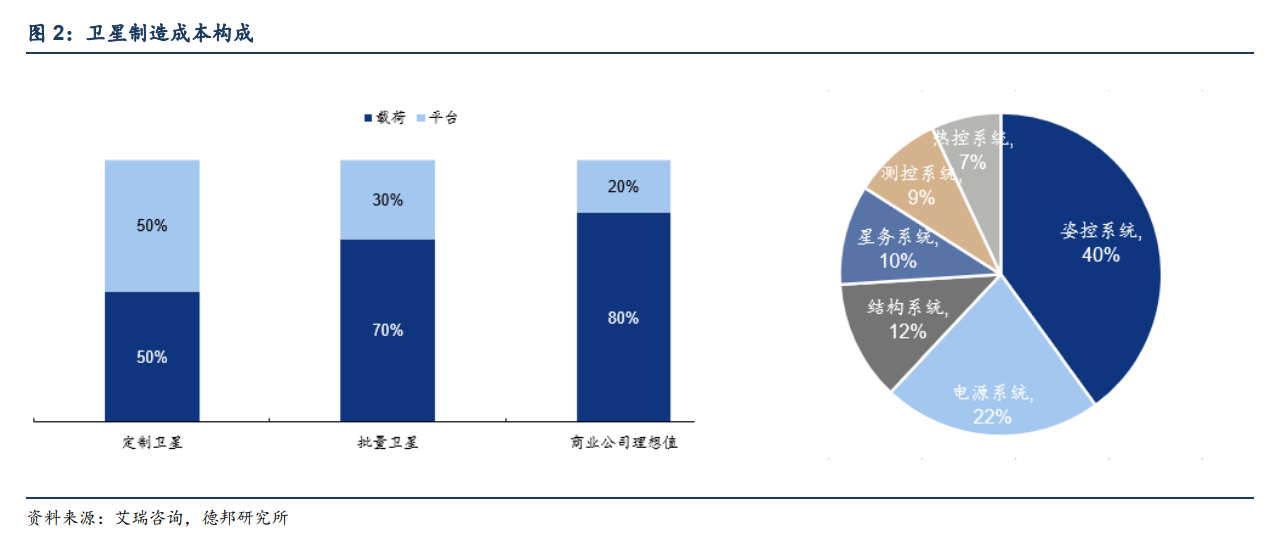
Core Insights - The year 2026 marks the beginning of the "14th Five-Year Plan," with the goal of "accelerating the construction of a strong aerospace nation" included as a key task in the national five-year plan [1] - The first domestic offshore liquid rocket launch recovery test platform is under construction in Haiyang, Shandong, which is the only commercial aerospace offshore launch mother port in China [1][3] Group 1: Construction Details - The construction site at Dongfang Aerospace Port in Haiyang features a hydraulic pit that is eight meters deep, equipped with hydraulic cylinders capable of rotating hundreds of tons of liquid rockets from horizontal to vertical positions [7] - The platform includes a 17-meter deep flow channel designed to direct the high-temperature rocket exhaust during ignition, along with a circular nozzle to quickly cool the exhaust and reduce noise [7] Group 2: Workforce and Timeline - Over 150 workers are currently engaged in the construction, aiming to complete the platform by February 5, with testing and rehearsals to follow [9] - The upcoming launch will be the first domestic liquid rocket offshore launch recovery test, following 22 previous offshore missions that utilized solid rockets [11] Group 3: Industry Context - Liquid rockets offer greater payload capacity and reusability compared to solid rockets, which are limited in capacity and cannot be recovered, making them more cost-effective for satellite deployment [11] - The Dongfang Aerospace Port has successfully launched 137 satellites into space, positioning Shandong as a leader in the commercial aerospace industry with a comprehensive industrial chain [18]
A股收评:四大指数集体上涨 科创50指数涨3.53%,存储芯片概念爆发,贵金属概念全天领涨
Jin Rong Jie· 2026-01-21 07:15
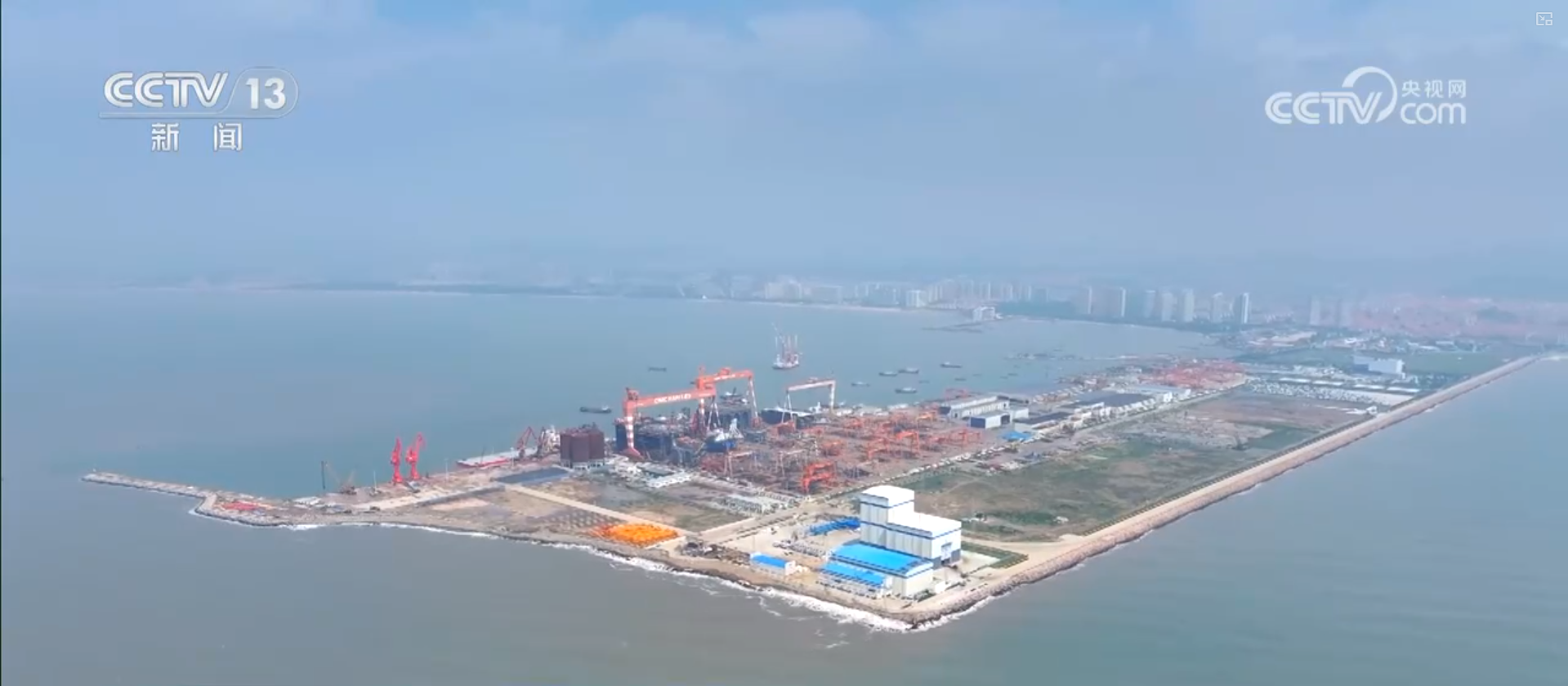
Market Performance - The four major A-share indices collectively rose, with the Shanghai Composite Index up 0.08% at 4116.94 points, the Shenzhen Component Index up 0.7% at 14255.13 points, the ChiNext Index up 0.54% at 3295.52 points, and the STAR Market 50 Index up 3.53% at 1535.39 points [1] - The total trading volume in the Shanghai, Shenzhen, and Beijing markets was 26.236 billion yuan, a decrease of 1.805 billion yuan from the previous day, with over 3000 stocks in the three markets showing gains [1] Sector Performance - Precious metals led the gains, with Sichuan Gold and Zhaojin Gold hitting the daily limit [1] - The storage chip sector saw a resurgence in the afternoon, with Jin Sun, Xingsen Technology, and others hitting the daily limit, while Zhaoyi Innovation rose over 6%, reaching a new historical high [1] - The commercial aerospace sector also surged, with stocks like Jili Rigging and Aerospace Electronics hitting the daily limit [2] - The sports sector was active, with Jinling Sports rising over 10% [3] Institutional Insights - Huatai Securities noted that industries with sustained growth after increased trading volume are often supported by fundamental market trends, suggesting a potential upward trajectory for A-shares if there are catalysts related to fundamentals and liquidity [4] - CITIC Securities highlighted that the acceleration of AI applications is expected to continue, with significant growth potential in both hardware and software sectors, driven by advancements in consumer technology and enterprise-level AI [5] - CITIC Jiantou emphasized the importance of the upcoming release of Tesla's Optimus Gen3 robot, which is expected to maintain market interest in the robotics sector, while also noting the ongoing positive outlook for semiconductor equipment [6]
IPO进展突破,2026年商业航天高速发展,航空航天ETF(159227)同类规模最大
Sou Hu Cai Jing· 2026-01-21 06:58
航空航天ETF(159227):紧密跟踪国证航天指数,成分股覆盖战斗机、航空发动机、火箭、导弹、卫 星、雷达等全产业链龙头,完美契合"空天一体"的战略方向,涵盖大飞机、商业航天、低空经济等新兴 领域,商业航天含量高达70.19%。 每日经济新闻 1月21日消息,天兵科技、星河动力、星际荣耀三家商业航天企业更新了IPO辅导进展。据证监会官 网,北京星河动力航天科技股份有限公司(简称星河动力)于近日更新IPO辅导进展,辅导机构为华泰 联合证券有限责任公司。星际荣耀航天科技集团股份有限公司(简称星际荣耀)也于近日更新IPO辅导 进展,其辅导机构为天风证券股份有限公司、中信证券股份有限公司。此外,江苏天兵航天科技股份有 限公司公示IPO上市辅导进展报告(第一期),中信建投为辅导机构。 东兴证券指出,"十五五"时期,商业航天将成为国内推动新质生产力和科技高质量发展的重要引擎。为 了抢占宝贵的轨道和频谱资源,2026年我国星座卫星发射数量有望进一步加速增长;民营商业火箭公司 有望深入参与,成为国家队的有效补充,共同支撑起高频发射需求。看好2026年我国卫星互联网产业链 投资机会。 1月21日午后,A股三大指数继续飘红,商 ...
“十五五”开好局起好步 | 商业航天串“新”成“链”绘就“天陆海地”产业图景
Yang Shi Wang· 2026-01-21 06:44
Group 1 - The core objective of the 14th Five-Year Plan includes accelerating the construction of a strong aerospace nation, with commercial aerospace being a key driver of innovation across various industries [1] - Commercial aerospace is activating the entire industrial chain, leading to significant advancements in new materials, precision manufacturing, electronic information, and data applications [1] - The new industrial ecosystem is characterized by a comprehensive integration of aerospace activities, including satellite launches, rocket manufacturing, and maritime operations [1] Group 2 - Multiple commercial aerospace companies are currently engaged in intensive preparations for the first flights of new rocket models, including Lijian-2, Tianlong-3, and Shuangkuo-3 [3] - Automation in satellite production lines is being accelerated in locations such as Nantong, Tianjin, and Shanghai, while rocket recovery vessels are also under rapid construction in Jiangsu and Jiangxi [3] - The intelligent manufacturing base of Blue Arrow Aerospace in Jiaxing, Zhejiang, showcases significant efficiency improvements, reducing component retrieval time from 3 minutes to 30 seconds [5] Group 3 - The supply chain supporting the aerospace industry is robust, with the Zhuque-3 rocket requiring over 600 suppliers across various sectors, including new materials and precision manufacturing [7] - Key components like the grid fin, essential for reusable rockets, highlight the depth of technological innovation within the industry, with contributions from smaller enterprises [9][10] - A welding company named "New Super Alloy" in Wuxi, Jiangsu, is successfully manufacturing grid fin components, overcoming significant technical challenges [11][15] Group 4 - The successful test of the Zhuque-3 rocket on December 3, 2025, marked a significant milestone for the welding company, leading to increased collaboration with commercial aerospace firms [17] - The construction of the second phase of the commercial aerospace launch site in Hainan is progressing, with new facilities designed to accommodate larger rockets and double the launch capacity [21] - The Hainan launch site has attracted over 700 aerospace companies, fostering a collaborative ecosystem that includes rocket, satellite, and data chains [25] Group 5 - The "Aerospace+" model in Hainan is gaining popularity, with rocket launches becoming a significant attraction for tourists, contributing to over one million visitors since 2025 [27]
招商证券:商业航天能源系统将快速增长并迎来升级迭代 晶硅与钙钛矿开始光伏发电试用
智通财经网· 2026-01-21 06:34
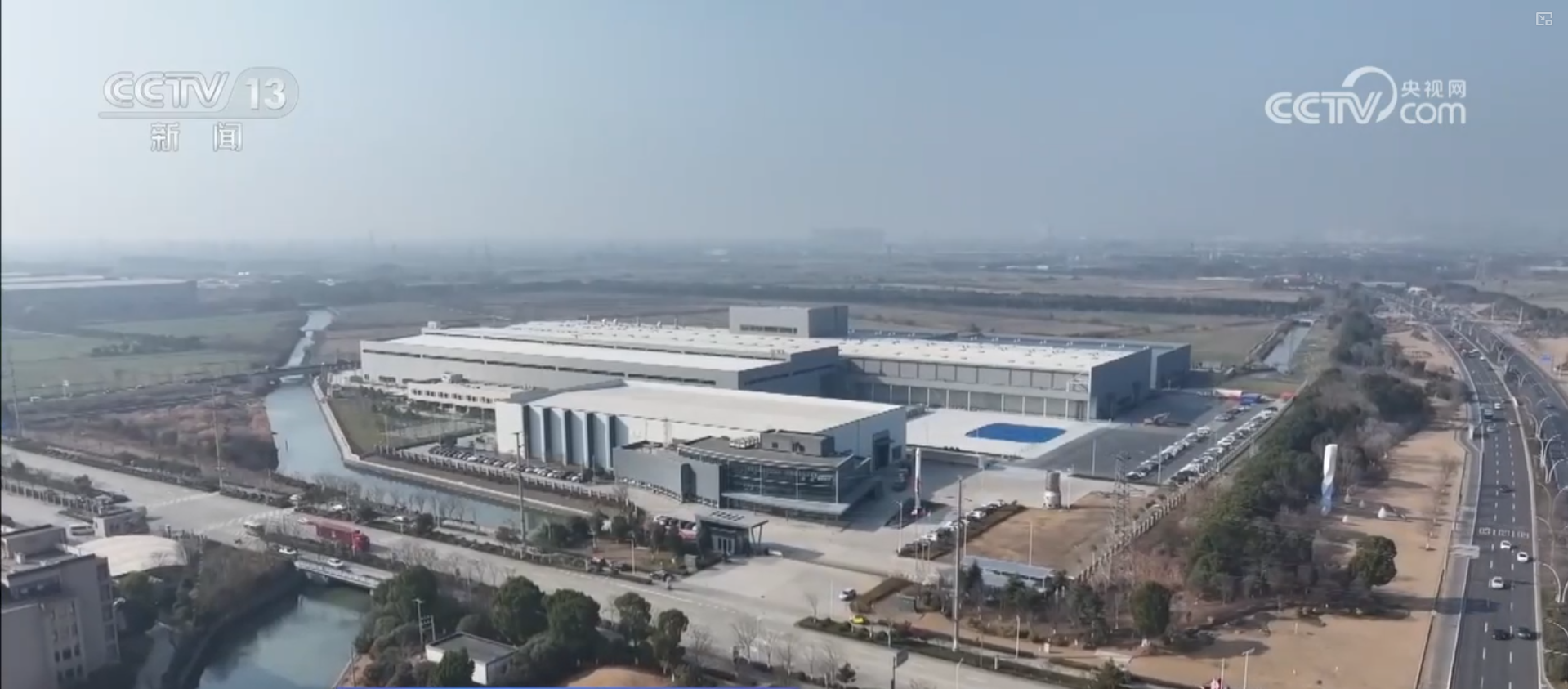
Core Viewpoint - The commercial aerospace sector is entering a rapid development phase, with low Earth orbit (LEO) satellites becoming a focal point of competition between the US and China, leading to significant growth in supporting energy systems and potential upgrades in technology [2]. Group 1: Commercial Aerospace Development - The US leads the world in the number of operational spacecraft, with China closely following. LEO satellites, due to their low latency and wide coverage, have become a key focus globally, with nearly 70% of satellites in orbit being LEOs. Both countries plan to deploy tens of thousands of satellites to secure scarce frequency and orbital resources [2]. - Both the US and China are encouraging deep participation of commercial capital in the aerospace sector through policies such as establishing funds, simplifying approvals, and opening infrastructure [2]. - Leading companies like SpaceX, Amazon, and China's Xingwang are accelerating the deployment of satellite constellations and expanding into new business areas such as space data centers and in-orbit computing [2]. Group 2: Satellite Power Systems - Satellite power systems, which ensure stable power supply throughout the satellite's lifecycle, consist of solar power generation, lithium battery storage, and power management modules. These systems face unique challenges in space, including strong radiation, extreme temperature variations (over 300°C), and low Earth orbit atomic oxygen erosion [3]. - The cost of satellite power systems accounts for about 20% of the total satellite cost, with nearly two-thirds of that attributed to solar power generation. Reducing costs in this area is a significant industry demand [4]. Group 3: Technological Advancements in Photovoltaics - The current mainstream choice for LEO satellites is gallium arsenide batteries, known for their radiation resistance and thermal performance. Future applications may include two-junction solutions that reduce germanium usage [4]. - P-type PERC silicon products are already in use overseas, while P-type HJT solutions are in testing or trial phases. Perovskite-silicon tandem batteries are also undergoing testing, with the potential to become important or even mainstream solutions in the future [4]. Group 4: High-Performance Batteries and Power Systems - Satellite batteries require high energy density, reliability, and cycle performance, while power modules must withstand radiation, manage extreme heat, and feature efficient DC-DC architectures, indicating high technical barriers [5]. - Key participants in these high-barrier segments are expected to achieve significant profit returns in the future [5]. Group 5: Investment Recommendations - Companies related to photovoltaic power generation include Junda Co., Dike Co., Dongfang Risheng, Maiwei Co., Aotwei, Shanghai Port Bay, Ruihua Tai, and Jingsheng Mechanical [6]. - Companies involved in batteries and power systems include Xinle Energy, Yiwei Lithium Energy, and Weilan Lithium Core [7].

商业航天行业系列五:太空光伏:逐日天穹,叩问千亿星辰市场
GF SECURITIES· 2026-01-21 06:27
Investment Rating - The industry investment rating is "Buy" [2] Core Insights - The report highlights that the development of reusable rocket technology has significantly reduced launch costs, creating a golden opportunity for space photovoltaics [5] - The competition in commercial space between China and the US is accelerating, with low Earth orbit (LEO) communication satellites driving short-term demand for solar wings [5] - AI giants are increasingly recognizing the potential of deploying computing power in space, which is expected to benefit space photovoltaics [5] - The report emphasizes the importance of gallium arsenide as the current mainstream technology for space photovoltaics, while also highlighting the potential of silicon-based batteries and perovskite technology in the long term [5] - Investment recommendations include focusing on HJT/perovskite equipment suppliers and companies covering various segments of the photovoltaic supply chain [5] Summary by Sections 1. Space Photovoltaics: The Main Energy Source in Space - Space photovoltaics convert solar energy into electrical energy in space environments, which are harsher than ground conditions [12][13] - Solar panels are the core component of spacecraft power systems, essential for converting solar energy into the electricity needed for satellite operations [12][13] 2. Downstream Scenarios: Commercial Space Boom Leading to a Trillion-Dollar Market - The report notes a significant increase in global satellite launches since 2020, with a projected 4000 launches by 2025, driven by reduced costs from reusable rockets [38] - The US currently dominates the satellite market, with 11,688 satellites in orbit, while China and Russia lag behind [38] - The competition for orbital resources is intensifying, with both the US and China making substantial satellite deployment plans [44][45] 3. Technology Pathways: Gallium Arsenide as the Current Mainstream, with Potential for Silicon-Based Batteries and Perovskite Breakthroughs - Gallium arsenide solar cells are currently the most efficient option for space applications, with over 30% efficiency [65] - The report discusses the evolution of solar cell technologies, including silicon and multi-junction cells, and the potential for future advancements in perovskite technology [65] 4. Investment Recommendations: Focus on HJT/Perovskite Core Equipment Suppliers - Companies such as Maiwei, Aotwei, and Jiejia Weichuang are highlighted as key players in the HJT/perovskite equipment supply chain [5] - The report suggests monitoring companies that cover the entire photovoltaic supply chain, including polysilicon, batteries, and modules [5]





恒实科技(300513.SZ):辽宁育能科技有限公司暂不涉及商业航天业务
Ge Long Hui· 2026-01-21 05:47
格隆汇1月21日丨恒实科技(300513.SZ)在投资者互动平台表示,辽宁育能科技有限公司暂不涉及商业航 天业务。目前公司子公司辽宁邮电持有辽宁育能公司60%的股份。 ...
