
餐饮

Search documents
邯宝坊里年货足 邯郸味道美食香
Xin Lang Cai Jing· 2026-02-03 01:15
Group 1 - The article highlights the preparations for the upcoming Spring Festival in Handan, focusing on the vibrant atmosphere created by local markets and food streets, particularly the Handan Specialty Sales Area and Handan Flavor Food Street [1][3] - The Handan Specialty Sales Area will host a "New Year Goods Fair" from February 7 to 23, featuring various promotional activities, including special discounts and a lucky draw for shoppers [3][5] - The article notes a 30% increase in daily foot traffic at the Handan Specialty Sales Area compared to normal times, indicating a growing enthusiasm for New Year shopping among residents [7] Group 2 - The Handan Flavor Food Street, set to officially operate in December 2025, aims to enhance the local culinary experience by featuring 24 stores that showcase renowned snacks and traditional foods from across the city [9][11] - The management of the food street emphasizes quality control in ingredient selection and aims to create a clean dining environment, enhancing the overall consumer experience [11][12] - During the Spring Festival, the food street will organize themed events and performances to attract visitors and create an immersive cultural experience [12]


库迪咖啡回应取消9.9元活动;老乡鸡投资十五亿元建设供应链基地
Sou Hu Cai Jing· 2026-02-03 00:57
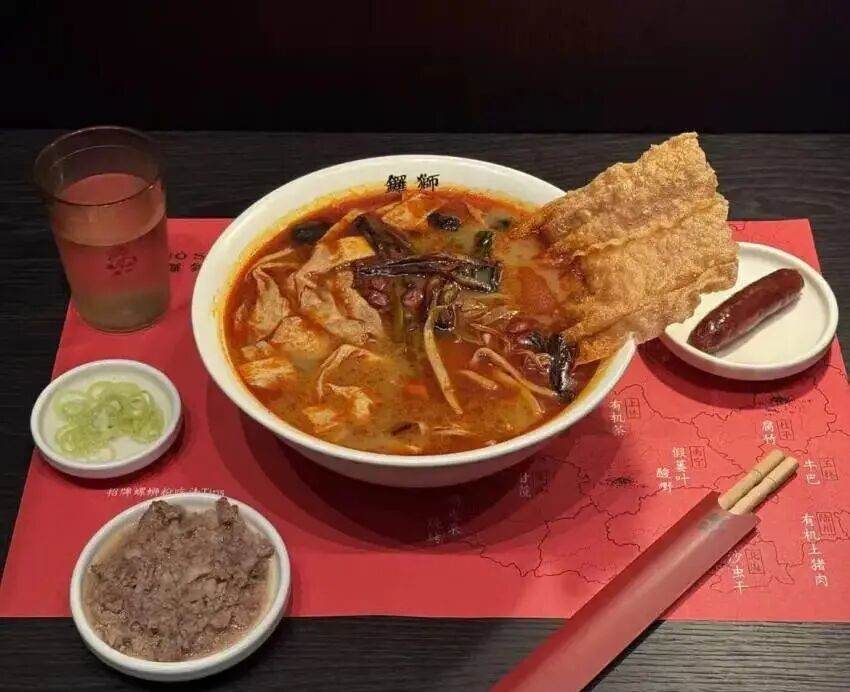
Group 1: New Restaurant Launch - A new restaurant named "鑼獅LUÓ SHĪ" has opened in Shanghai, specializing in螺蛳粉 (snail rice noodles) with a starting price of 55 yuan per bowl [2] - The restaurant has received positive consumer feedback, with reports of long queues lasting nearly 1.5 hours [2] - The menu includes various dishes such as吊龙炒螺蛳粉 and other Guangxi-style handmade dishes, positioning the restaurant as mid-to-high-end [2] Group 2: Coffee Pricing Strategy - Kudi Coffee has announced the end of its "全场9.9元不限量" promotion, effective January 31 [4] - The company will continue to offer a special price section for some products at the 9.9 yuan price point and will participate in various subsidy activities on delivery platforms [4] Group 3: Financial Forecasts - Quanjude has projected a net profit of 6 to 7.8 million yuan for 2025, representing a year-on-year decline of 82.42% to 77.15% [5] - The company anticipates a loss of 6 to 8.5 million yuan when excluding non-recurring gains and losses, marking a significant decline of 152.66% to 137.17% year-on-year [5][6] Group 4: New Production Facilities - Wei Family Catering has launched its first hamburger processing base in Yangling, which will supply the Northwest and North China regions [7] - The facility is expected to produce around 100,000 hamburgers daily, with a full capacity of 200,000 [7] - The project is anticipated to generate annual revenue of 40 million yuan and create 100 local jobs [7] Group 5: Sales Growth in the U.S. - Paris Baguette has reported a 30% increase in restaurant sales in the U.S. for 2025 [9] - New York accounted for the largest share of sales at 32%, followed by San Francisco at 17% [9] - The launch of an online ordering platform in August 2025 has contributed to this sales growth [9]
两会对话|如何承接英国首相“带货”热度?黄震委员:将上海豫园打造成“国际友好”消费新地标
Xin Lang Cai Jing· 2026-02-02 23:54
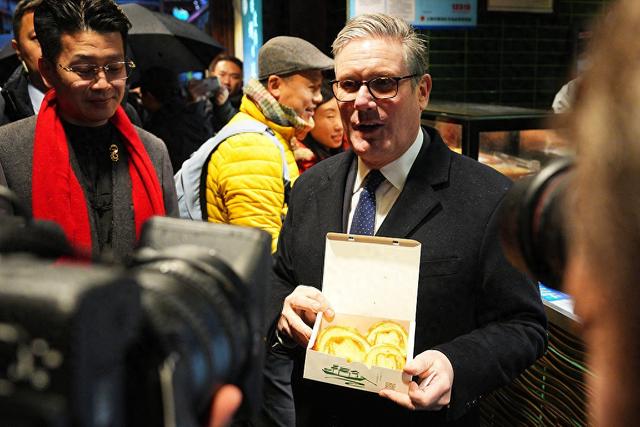
Core Viewpoint - The visit of UK Prime Minister Starmer to Yuyuan Garden and his purchase of the butterfly crisp signifies recognition of the Yuyuan brand and Chinese cultural influence, highlighting the need for Yuyuan to maximize its cultural value and promote Chinese culture globally [1] Group 1: Yuyuan's Role in International Consumption - Yuyuan Garden is a key player in Shanghai's development as an international consumption center, focusing on upgrading the jewelry fashion industry and enhancing urban consumption capabilities [1] - Yuyuan plans to enhance its appeal to international tourists by improving payment convenience and language services, aiming to create a welcoming experience for overseas visitors [3] Group 2: Brand Expansion and Cultural Promotion - Yuyuan has initiated cultural and brand expansion through events like the "Lantern Festival," with plans to open its first flagship store in London by 2025 and expand its presence in Southeast Asia [5] - The company emphasizes the importance of a solid business model and industry chain layout for successful international expansion, with a focus on key regions and replicable business models by 2026 [5] Group 3: Lantern Festival Enhancements - The Lantern Festival this year will see significant upgrades, including an expanded geographical area and the introduction of a "ticket root economy" model, where tickets serve as both entry passes and redeemable vouchers at local merchants [6] - The expected visitor count for this year's festival is projected to exceed 4 million, with a focus on enhancing the overall experience rather than just increasing numbers [6] Group 4: Jewelry Fashion Functional Zone Development - The establishment of the International Jewelry Fashion Functional Zone is seen as a significant opportunity for Yuyuan, aiming to enhance the cultural and aesthetic appeal of jewelry products [6] - The company is working on integrating the jewelry industry with cultural elements, focusing on reducing the financial attributes of gold products while enhancing their wearable and aesthetic qualities [7] Group 5: Revitalizing Traditional Brands - To invigorate the consumption vitality of traditional brands, Yuyuan suggests enhancing product cultural integration, creating immersive cultural consumption experiences, and establishing a robust system for Shanghai's signature gifts [8][9] - The company advocates for collaborative efforts between market entities and government to ensure the jewelry fashion functional zone becomes a hub for top brands and consumer experiences [7]

烟火气拉满,江苏消费“上新”了
Xin Hua Ri Bao· 2026-02-02 23:33
□ 本报记者 王梦然 陈珺璐 消费是畅通经济循环的关键环节,是增进民生福祉的重要载体。围绕省"十五五"规划纲要中"全方位扩 大内需"的具体部署,代表委员们纷纷建言献策,从政策引导、企业实践、产业融合等多个维度,勾勒 出江苏以"新消费"点亮美好生活的生动图景。 "人民商场的核心竞争力,不只是商品本身,还有那沉淀了90多年的情感链接和信任基石。"省人大代 表、苏州人民商场女装部副经理沈黎萍介绍,为打破传统零售边界,商场加速数字化转型,通过微商 城、会员体系直播带货,将线下服务延伸至线上场景。新的一年,商场将着力把首店做成"恒店",让网 红焕发"长红"活力。她表示,将继续创新服务路径,将苏式文化元素融入现代消费场景,让购物与社 交、文化体验深度融合,在首发经济、旅游经济、银发经济、美丽经济、宠物经济等"新赛道"上发 掘"新增长",扩大优质商品和服务供给,满足不同年龄段的个性化消费期待。 在省政协委员,扬州瘦西湖旅游度假投资管理集团董事长,江苏扬城一味餐饮管理有限公司董事长、总 经理陈万庆看来,文旅行业特别是住宿餐饮业,既是拉动消费的重要领域,也是实现产业联动、畅通经 济循环的重要纽带,在推动消费结构升级、促进内需持 ...
诺德基金姜禄彦:消费板块呈现企稳复苏态势
Xin Lang Cai Jing· 2026-02-02 19:04
Core Viewpoint - Traditional consumption sector has undergone adjustments since 2023, with supply-demand structures gradually aligning and inventory depletion being relatively sufficient. Signs of recovery are expected to emerge from Q3 2025, with a potential revival in 2026 driven by policy support, cyclical patterns, and a low base effect [1] Group 1: Market Trends - Offline payment data from internet giants is expected to turn positive in Q2 and Q3 of 2025, with accelerated growth in Q3 [1] - The dining sector shows signs of recovery, with the turnover rate of leading hot pot brands narrowing its decline and stabilizing after August 2025 [1] - Major hotel groups have seen their Average Daily Rate (ADR) turn positive since September 2025, with a continuous narrowing of RevPAR decline [1] - Major airlines have experienced a narrowing decline in ticket prices, turning positive in September and maintaining growth in Q4 [1] Group 2: Investment Opportunities - The consumption goods investment sector presents numerous structural investment opportunities in 2026, driven by new industrial trends such as hard discount retail, which offers lower prices through direct sourcing and reduced channel costs [2] - The snack category is highlighted as a strong candidate for hard discount models due to its impulsive consumption nature and high channel markup [2] - New product cycles are emerging as leading companies continue consumer education and product innovation, with significant scale effects expected from flagship products [2] Group 3: Alcohol Sector Insights - The alcohol sector exhibits a pyramid structure with clear brand positioning, indicating substantial market share growth potential for top-tier brands [3] - The demand for alcohol is expected to recover during the 2026 Spring Festival, with a likelihood of positive sales growth in the second half of the year due to a low base effect [3] - Leading alcohol companies are undergoing significant reforms at the cycle's bottom, focusing on product concentration and channel improvements, which are expected to enhance consumer reach and drive incremental demand [3] - Current valuations of leading companies are at historical lows, suggesting potential for performance and valuation recovery [3]
2026“乐购新春”活动将启
Xin Lang Cai Jing· 2026-02-02 16:59
Core Viewpoint - The Ministry of Commerce and nine other units have launched the "2026 'Happy Shopping Spring Festival' Special Activity Plan" to stimulate holiday consumption and enrich cultural life during the Spring Festival from February 15 to 23, 2026 [1][2]. Group 1: Activity Overview - The activity will cover six areas: "Good Food," "Good Accommodation," "Good Transportation," "Good Travel," "Good Shopping," and "Good Entertainment" [1]. - Events will include a Chinese Food Fair and a Time-Honored Brand Carnival, featuring special meal packages for family reunions and promotions from local specialty food vendors [1]. Group 2: Consumer Engagement Strategies - The plan encourages cities with prize invoice trials to design schemes that increase prize money during the Spring Festival, while other regions are urged to organize shopping lotteries, consumption subsidies, and cash-back activities [2]. - There will be an emphasis on increasing the number of trade-in subsidies for consumer goods during the festival and enhancing support for offline retail [2]. Group 3: Infrastructure and Payment Enhancements - The initiative aims to improve payment environments by focusing on key scenarios, enhancing services for bank cards, mobile payments, and cash transactions to facilitate payments for inbound tourists [2].
春节促消费迎来政策大礼包!商务部等九单位:开展有奖发票,加大春节期间奖金投放力度
Mei Ri Jing Ji Xin Wen· 2026-02-02 16:30
距离2026年春节假期只剩2周左右时间,春节促消费迎来了重磅利好! 《每日经济新闻》记者梳理发现,去年末,财政部、商务部、国家税务总局对外发布通知称,为进一步 激发消费需求,释放消费潜力,三部门将支持50个左右城市开展有奖发票试点工作,政策实施期为6个 月。 2月2日,据商务部官网消息,近日,商务部等9单位印发了《2026"乐购新春"春节特别活动方案》的通 知(以下简称活动方案),活动时间从2月15日至23日。 通知称,试点城市对个人消费者以本人名义向零售、餐饮、住宿、文化艺术、娱乐、旅游、体育、居民 服务业等行业的经营主体购买商品和服务,且取得的票面金额在一定额度以上的发票组织抽奖。 值得关注的是,活动方案包含好吃、好住、好行、好游、好购、好玩六个部分,聚焦与老百姓生活息息 相关的中华美食、交通出行、旅游消费、文艺展演等多方面组织丰富多彩的活动。并从以旧换新、金融 支持、跨界融合等方面推出系列支持举措。 中国消费经济学会副理事长、北京工商大学商业经济研究所所长洪涛接受《每日经济新闻》记者电话采 访时表示,首先,与往年相比,2026年春节假期时间更长,人们有更加充裕的时间规划旅游出行,更好 满足人们吃穿住行等 ...
打造春节消费盛宴 “乐购新春”即将启动
Zheng Quan Ri Bao· 2026-02-02 16:25
Core Insights - The "2026 Spring Festival Special Activity Plan" aims to stimulate holiday consumption and enrich cultural life during the Spring Festival from February 15 to 23, 2026, by creating a nationwide consumption event [1] Group 1: Activity Overview - The plan covers six key areas: "Good Food," "Good Accommodation," "Good Transportation," "Good Tourism," "Good Shopping," and "Good Entertainment" [1] - Five support measures are proposed, including prize invoices, enhanced trade-in programs, increased financial support, cross-industry integration, and facilitation of inbound consumption [1] Group 2: Consumer Engagement - The plan encourages cities to design prize invoice schemes with increased prize funding during the Spring Festival, promoting shopping lotteries, consumption subsidies, and cashback activities [2] - It aims to enhance the consumer experience by integrating various sectors, such as combining accommodation with scenic spots and dining with entertainment [3] Group 3: Economic Impact - The initiative is expected to stimulate immediate consumption through prize invoices and trade-in subsidies, particularly for durable goods like automobiles and home appliances [3] - It also aims to create a positive consumption cycle by fostering collaboration among government, market entities, and consumers, while addressing trends in green, smart, and healthy consumption [3]
年夜饭+年货礼盒 北京餐饮老字号花式创新迎热潮
Bei Jing Shang Bao· 2026-02-02 15:43
北京作为春节期间热门目的地城市,餐饮消费同样也将迎来新一轮消费热潮。美团数据显示,截至1月 29日,Top5年夜饭预订及用户搜索城市为上海、北京、杭州、广州、南京。北京一些老字号品牌年夜 饭已"一厢难求"。同春园、同和居两家名店除夕午、晚两餐共四个时段的所有包间均已订满,大厅也近 乎满座;马凯餐厅两堂包间更是早早告罄,一桌难求;西四惠丰饺子楼春节年夜饭预订也已全满。 2月2日,商务部等九部门印发《2026"乐购新春"春节特别活动方案》提出,结合开展中华美食荟、老字 号嘉年华活动,组织餐饮名店、老字号餐饮企业、地方特色小吃等,推出年夜饭套餐、新春团圆宴,推 出美食增值服务,如现场表演、免费小吃、幸运抽奖等。 海底捞相关负责人也表示,近期团年聚餐的预订正在快速增加,为了更好承接春节期间的聚餐需求,海 底捞将有超过1000家门店在除夕正常营业,超过1200家门店在大年初一开门迎客;从大年初二起,全国 超过1300家门店将恢复正常营业。与去年相比,海底捞今年除夕和大年初一正常营业的门店数量有所增 加。 苏商银行特约研究员武泽伟表示,节日假期消费不仅直接带动了门店营收的显著增长,更反映出节日背 景下聚集性消费与体验性需 ...
今日,汉堡王中国进入合资时代
Shang Hai Zheng Quan Bao· 2026-02-02 14:37
Core Viewpoint - Burger King China officially enters a joint venture phase with CPE Yuanfeng, marking a new stage of rapid development in the Chinese market [1] Group 1: Joint Venture Details - CPE Yuanfeng injected an initial capital of $350 million into Burger King China, acquiring approximately 83% of the shares, while RBI retains about 17% [2] - A 20-year master franchise agreement has been signed, granting exclusive rights to operate and develop the Burger King brand in China [2] - The plan aims to expand the number of Burger King stores in China from around 1,250 to over 4,000 by 2035, with a focus on sustainable same-store sales growth [2] Group 2: CPE Yuanfeng Background - CPE Yuanfeng, established in 2008, is an asset management firm focused on innovative investment solutions in key sectors such as technology, consumer health, and infrastructure [3] - The firm has a cumulative asset management scale exceeding 150 billion yuan and has invested in several industry-leading companies [3] Group 3: Localization Strategy - Burger King China has been implementing localization strategies since early 2025, including building a local management team and optimizing store networks [4] - The brand has seen significant improvements in operations and marketing, leading to strong same-store sales growth [4] - A new local executive team has been established, focusing on supply chain management and digital marketing [4] Group 4: Empowerment and Development - CPE Yuanfeng is enhancing Burger King China's capabilities by introducing top talent, strengthening product innovation, and improving digital systems [5] - The focus is on high-quality store expansion and enhancing marketing and brand-building capabilities [5] Group 5: Industry Context - The joint venture reflects a broader trend of foreign restaurant brands in China moving towards local partnerships and operations [6][7] - Recent changes in ownership among major foreign brands like Starbucks and Yum China indicate a shift towards localized strategies in response to competition from domestic brands [7][8] - Experts suggest that this collaboration aims to leverage local resources and insights for more effective market expansion [8]