制鞋

Search documents
刘宁到民权县睢县调研
He Nan Ri Bao· 2025-08-04 10:37
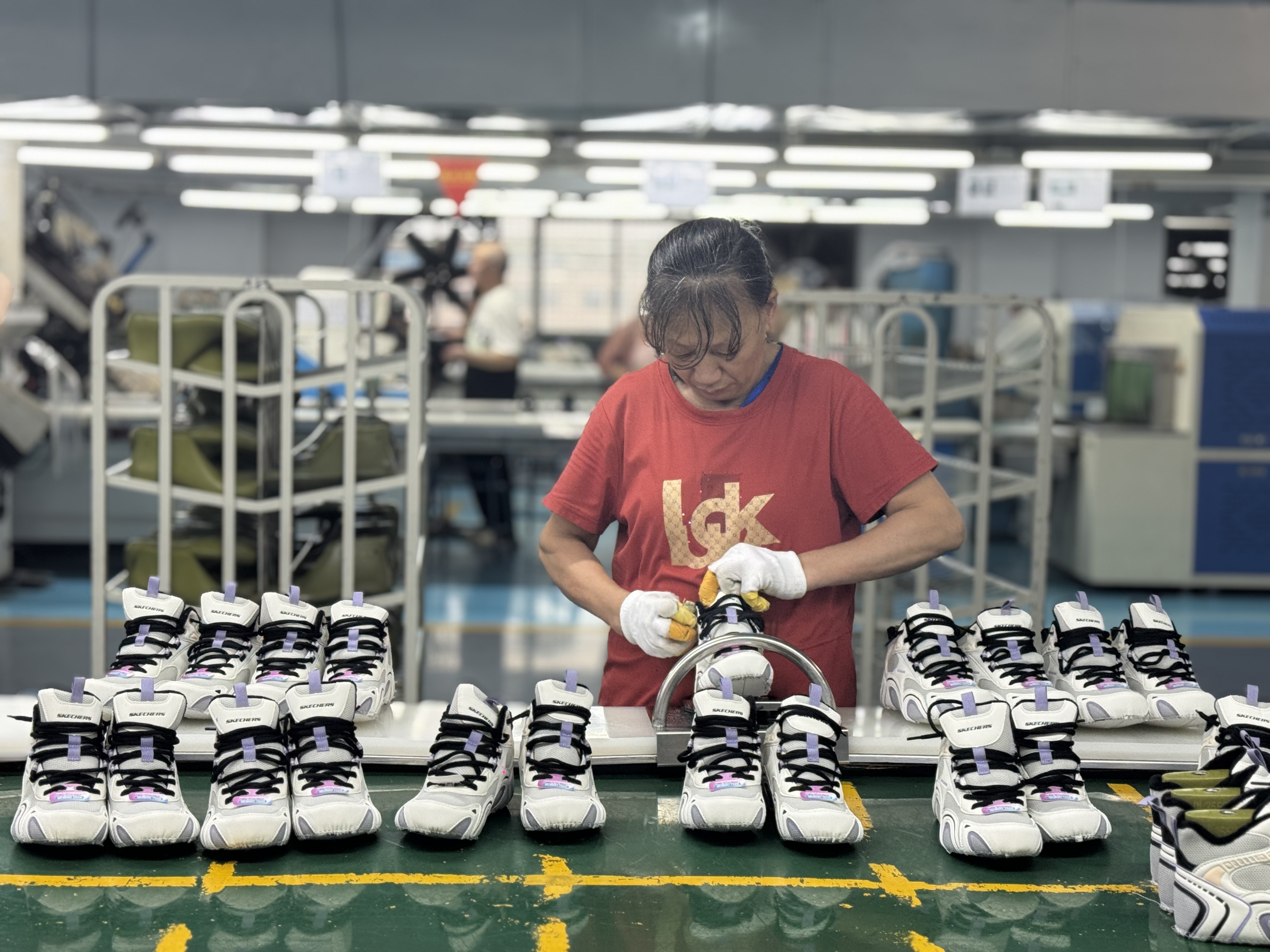
Group 1: Economic Development and Industry Transformation - The cooling industry is a leading sector in Minquan County, with the establishment of Henan Asbella Refrigeration Co., Ltd. addressing the shortage of key components in refrigeration products [3] - Liu Ning emphasized the importance of leveraging the "Minquan-Qingdao Port" sea-rail intermodal transport to expand the reach of locally produced goods [3] - The county aims to strengthen its industrial ecosystem and innovation environment while promoting low-carbon and energy-efficient products [3] Group 2: Shoe Industry Insights - Suixian is recognized as a major shoe manufacturing base in China, producing over 30% of the country's leisure and sports shoes [5] - Liu Ning praised local efforts to enhance the shoe industry by focusing on product quality and modernizing production techniques [5] - The integration of big data and IoT technologies is encouraged to advance smart manufacturing and elevate the industry to higher value chains [5] Group 3: Ecological Protection and Green Development - The province has made significant progress in ecological civilization construction, adhering to the principle that "lucid waters and lush mountains are invaluable assets" [6] - Liu Ning highlighted the need for continuous ecological protection and pollution prevention efforts, aligning with Xi Jinping's directives [6] - The focus is on developing green industries and accelerating the construction of modern water and transportation networks to promote sustainable development [6] Group 4: Strategic Planning and Community Engagement - Liu Ning called for the implementation of the "1+2+4+N" target task system to enhance local economic and social development [6] - Emphasis was placed on the importance of community engagement to gather public opinions and insights for high-quality planning [6] - The need for preparedness against drought and flood risks was also highlighted to ensure the safety of people's lives and property [6]


金融调研 | 关税冲击外贸企业资金链,融资协调机制拆弹搭桥解困局
Di Yi Cai Jing· 2025-07-31 11:56
Core Viewpoint - The article highlights the challenges faced by small and micro foreign trade enterprises in China due to rising costs, tariff barriers, and currency fluctuations, while emphasizing the importance of a newly implemented financing coordination mechanism to alleviate these issues [1][2][3]. Group 1: Challenges Faced by Foreign Trade Enterprises - Foreign trade enterprises are experiencing significant pressure due to high tariff barriers, increased costs, and currency volatility, which collectively threaten their survival [1][3]. - Companies like Zhejiang Dingbo Plumbing Manufacturing Co., Ltd. are struggling with rising export costs and operational burdens, necessitating increased investment in technology and capacity upgrades [3]. - The global trade environment is marked by protectionism, leading to heightened operational risks for enterprises reliant on international markets [3][18]. Group 2: Financing Coordination Mechanism - The comprehensive rollout of the financing coordination mechanism aims to address the funding challenges faced by foreign trade enterprises, providing essential financial support [13][14]. - This mechanism focuses on breaking down information barriers and facilitating precise connections between banks and enterprises, thereby delivering crucial financial resources [14][17]. - Specific initiatives include tailored financial products and services for foreign trade enterprises, such as the issuance of loans based on order volumes to alleviate cash flow pressures [17]. Group 3: Case Studies of Implementation - In Wenzhou, a targeted approach led to the issuance of a 5 million yuan loan to Dingbo Plumbing, enabling the company to enhance its technology [16]. - In Fujian, a monitoring program for foreign trade enterprises resulted in the development of a financial service manual to meet increasing financing demands [17]. - In Shandong, a bank utilized blockchain technology to expedite loan approvals, providing 15 million yuan in funding to a trading company, thus converting export data into working capital [17]. Group 4: Ongoing Concerns and Future Outlook - Despite the support from the financing mechanism, uncertainties in the foreign trade environment persist, leading to banks' hesitance in lending due to concerns over repayment [18]. - Companies express that the primary challenge remains securing adequate funding to navigate the complexities of international trade [18]. - The need for banks to enhance their service capabilities and provide effective currency risk management solutions is increasingly recognized as vital for supporting foreign trade enterprises [19].
齐鲁银行威海分行:金融活水畅流,赋能民营经济发展
Qi Lu Wan Bao· 2025-07-30 09:41
Core Insights - The article highlights the digital transformation and financial support provided to Jin Hou Group, a shoe manufacturing company, by Qilu Bank's Weihai branch, emphasizing the importance of financial services in enhancing operational efficiency and production capacity [1] Group 1: Digital Transformation - Jin Hou Group's digital workshop features fully automated production lines with robotic arms, showcasing advanced industrial technology [1] - The introduction of a new intelligent shoe production line has increased efficiency by 50% [1] - The company exports products to over 30 countries and regions globally [1] Group 2: Financial Support - Qilu Bank Weihai branch has included Jin Hou Group in its key service "white list" and formed a specialized service team to assess the company's financial needs [1] - The bank has provided over 100 million yuan in credit to Jin Hou Group, facilitating smooth operations and raw material procurement [1] - The innovative "Quanxin Chain" accounts receivable financing solution allows suppliers to convert receivables into liquid funds quickly, improving cash flow across the supply chain [1]

浙江奥康鞋业股份有限公司关于控股股东部分股份质押的公告
Shang Hai Zheng Quan Bao· 2025-07-28 20:00
Core Viewpoint - The announcement details the pledge of shares by the controlling shareholder of Zhejiang Aokang Shoe Industry Co., Ltd., indicating a significant portion of shares are pledged, but it does not impact the company's operations or governance. Group 1: Share Pledge Details - The controlling shareholder, Aokang Investment Holding Co., Ltd., holds 111,181,000 shares, accounting for 27.73% of the total share capital, with a cumulative pledge of 89,610,100 shares, representing 80.60% of its holdings [2][3] - Aokang Investment and its concerted actor, Mr. Wang Zhentao, collectively hold 171,737,717 shares, which is 42.83% of the total share capital, with a total pledge of 149,610,100 shares, equating to 87.12% of their holdings [2][3] Group 2: Specifics of the Pledge - On July 25, 2025, Aokang Investment pledged 12,500,000 shares to Shanghai Wankexin Biotechnology Partnership [3] - The pledged shares are not used for major asset restructuring or performance compensation guarantees [3] Group 3: Impact on the Company - The share pledge will not affect the company's main business, financing credit, financing costs, or ongoing operational capabilities [5] - There will be no impact on corporate governance, as the controlling shareholder and its concerted actor operate independently from the company [6] - The pledge does not involve any performance compensation obligations from the controlling shareholder [7] - The pledge is classified as a non-financing pledge [8] Group 4: Financial Health of the Controlling Shareholder - Aokang Investment was registered on October 10, 2009, with a registered capital of 100 million RMB [9] - The controlling shareholder has no bond issuance and is not involved in significant litigation or arbitration related to debt issues [10] - Aokang Investment maintains normal operations and has established good relationships with major securities firms and commercial banks for financing [10] Group 5: Transactions with the Company - In the past year, there have been no significant financial transactions, related party transactions, or external guarantees between Aokang Investment and the company, aside from the company's equity distribution [11]

GDP冲刺千亿 博罗惠东入选百强县
Nan Fang Du Shi Bao· 2025-07-24 23:09
Core Insights - The report highlights that the top 100 counties in China, which represent only about 2% of the land area and 7% of the population, contribute over 10% of the national GDP, showcasing their economic significance [1] - By 2024, the number of counties with GDP exceeding 100 billion yuan is expected to reach 62, indicating a continuous expansion of county-level economies [1] Group 1: Economic Performance - The GDP of county economies has grown from 31.6 trillion yuan in 2015 to 48.3 trillion yuan in 2023, reflecting robust economic growth [1] - The top 100 counties contribute approximately 30% of the secondary industry value added and the number of large-scale industrial enterprises [1] Group 2: Regional Distribution - The distribution of the top 100 counties is uneven, with 67 located in the eastern region, highlighting a significant advantage for eastern provinces [1] - Jiangsu, Zhejiang, and Shandong provinces stand out, with Jiangsu alone holding 6 of the top 10 positions in the rankings [1] Group 3: Specific County Developments - In Guangdong, three counties made it to the top 100 list, with Boluo County ranking 65th, having improved its position by 28 places over six years [3][4] - Huizhou's Hui Dong County made its debut in the top 100 at 100th place, marking a significant milestone in its economic development [4][5] Group 4: Industrial Growth - Boluo County's GDP is projected to exceed 950 million yuan in 2024, with a growth rate of 4%, driven by strong industrial performance [7] - Hui Dong County's GDP is expected to reach 828.5 million yuan in 2024, with a growth rate of 3.5%, supported by advancements in electronic information manufacturing and other industries [8]

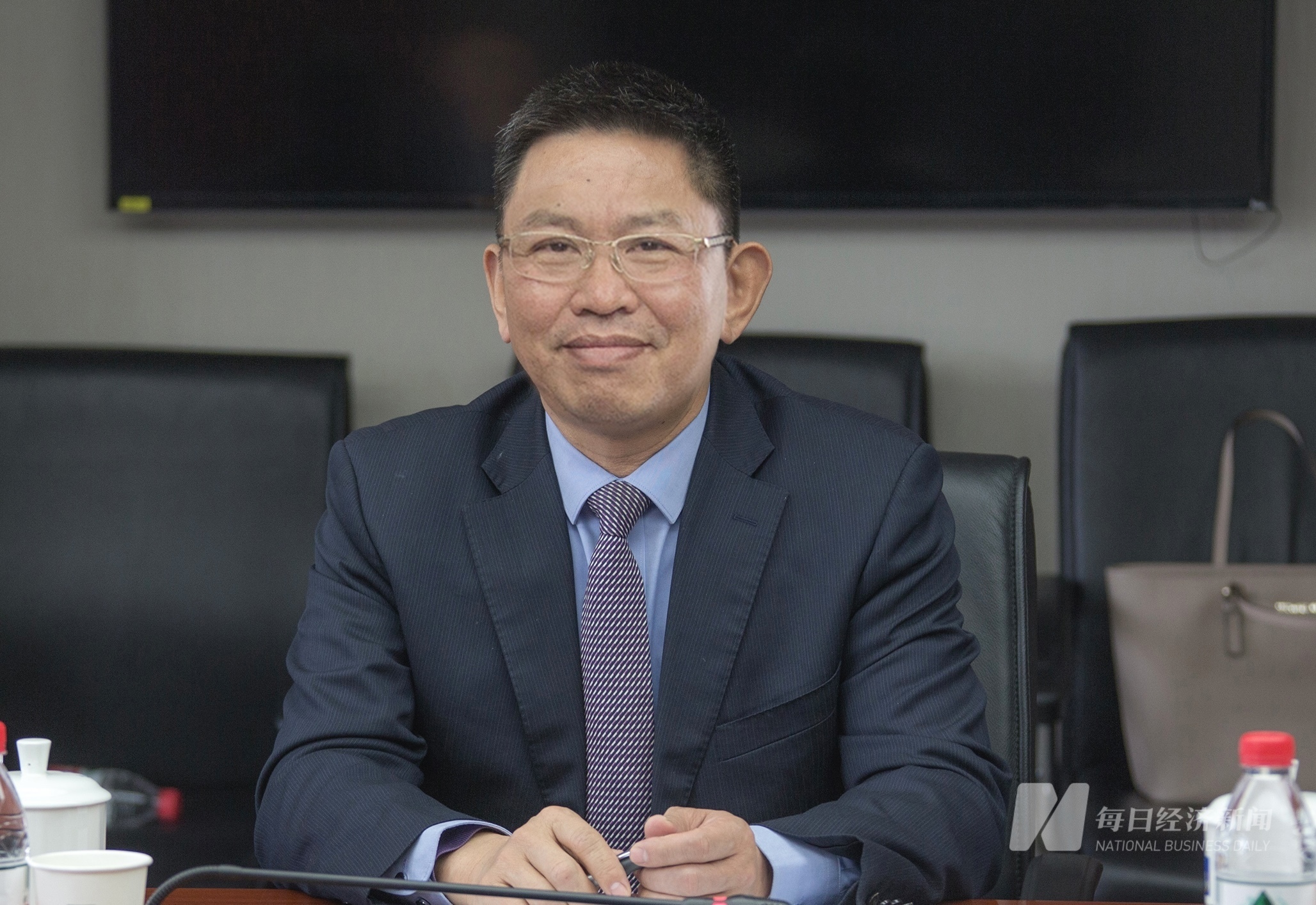
专访“非洲鞋王”张华荣:现在仍是中国企业出海的最佳时机
Mei Ri Jing Ji Xin Wen· 2025-07-22 08:01
Group 1 - The core viewpoint of the articles emphasizes that going global has become a collective choice for Chinese companies to break through growth boundaries, with various companies like Pop Mart and CAT Games leading the way in cultural expansion and product offerings [1] - A survey indicates that 86% of responding companies have plans to expand overseas in the next three years, highlighting the current favorable conditions for Chinese enterprises to venture abroad [2] - Zhang Huarong, Chairman of Huajian Group, shares his philosophy on how companies can survive and thrive in international markets, emphasizing the importance of internal management and cultural adaptation [2][4] Group 2 - Zhang Huarong's journey from a small shoe workshop in Jiangxi to becoming a major player in Ethiopia's shoe manufacturing industry illustrates the potential for success through strategic international expansion [5] - The Huajian Group has achieved significant milestones in Ethiopia, with a peak workforce of 12,000 employees and accounting for 65% of the local shoe industry's exports, demonstrating the impact of effective management and cultural integration [6] - Zhang identifies two key criteria for selecting overseas markets: low labor costs and favorable tariff conditions, which are essential for maintaining competitiveness [7] Group 3 - The current era is characterized by the rise of artificial intelligence and industrial expansion, with Southeast Asia and Africa being highlighted as promising regions for Chinese companies to explore [7] - Singapore is positioned as a strategic hub for Chinese enterprises, with a strong track record of attracting foreign direct investment and facilitating trade agreements, making it an ideal location for regional operations [8] - Zhang plans to establish a research institute in Singapore to support Chinese companies in their overseas endeavors, leveraging the country's resources to foster regional partnerships [8] Group 4 - Zhang Huarong expresses a desire to mentor the next generation of industrial leaders rather than starting a new venture himself, indicating a commitment to sharing his extensive experience in international business [9]
广东中山抢抓“大桥经济”机遇
Jing Ji Ri Bao· 2025-07-20 21:53
Core Insights - The completion of the Shenzhen-Zhongshan Bridge has significantly improved traffic flow, with a total of 31.55 million vehicles recorded in its first year, accounting for approximately 20% of the total daily traffic across the Pearl River estuary [1] - Zhongshan has become a key hub in the Guangdong-Hong Kong-Macao Greater Bay Area, attracting substantial investment and fostering a collaborative development environment [2][3] Group 1: Economic Impact - The bridge has facilitated a "seamless cross-city" commuting experience, with over 3 million passengers transported and a reduction in cargo transport time by about one hour, leading to a 20% decrease in transportation costs [1] - Zhongshan's recent investment promotion conference attracted over 400 participants from more than 20 countries, resulting in 198 signed projects with an intended investment exceeding 100 billion yuan [1][6] Group 2: Infrastructure Development - The integration of Shenzhen and Zhongshan is accelerating, with ongoing projects enhancing transportation networks, including the new Zhongshan passenger port and the South Zhongshan Intercity Railway [3] - Zhongshan is actively transforming low-efficiency industrial land to create a robust manufacturing platform, aiming to strengthen its industrial base [3][5] Group 3: Business Environment - Zhongshan has implemented various measures to optimize its business environment, including the establishment of a dedicated service window for cross-city administrative processes and the acceleration of project approvals for investments over 1 billion yuan [4] - The city has gained a reputation for its efficient government services, attracting both new investments and encouraging former local enterprises to return [4][6] Group 4: Industry Collaboration - The synergy between Shenzhen's innovation and Zhongshan's manufacturing capabilities is expanding, with numerous high-end industries establishing a presence in Zhongshan [5] - The city is focusing on developing a semiconductor industry cluster, leveraging its proximity to Shenzhen to enhance its industrial ecosystem [5][6]
城乡融合发展乡村全面振兴走在前——访商丘市委书记李湘豫
He Nan Ri Bao· 2025-06-26 07:00
Group 1 - The article emphasizes the implementation of Xi Jinping's important speeches and directives regarding Henan, focusing on "two highs and four efforts" for current and future work arrangements [1] - The city of Shangqiu aims to achieve significant progress in "two highs" and remarkable results in "four efforts," with a focus on deepening execution, innovating implementation, and advancing projects [1] - Key areas of focus include enhancing the modern industrial system and strengthening agriculture, with an emphasis on manufacturing and agricultural industrialization [1] Group 2 - The city plans to implement a "leading enterprise + shared factory + farmers" model to promote rural revitalization and urban-rural integration [1] - There is a commitment to improving people's livelihoods and strengthening social governance through risk resolution mechanisms and innovative governance models [2] - Environmental protection efforts include comprehensive governance and projects aimed at ecological restoration, such as the "Three Waters to Commerce" initiative [2] Group 3 - Cultural prosperity is a priority, with actions focused on heritage protection and the integration of culture and tourism to enhance the cultural brand of Shangqiu [2] - The article outlines seven actions to promote high-quality development in the cultural and tourism industry, leveraging historical sites and cultural resources [2]
云南 就业顾家“两不误”
Jing Ji Ri Bao· 2025-06-22 22:06
Core Viewpoint - The article emphasizes the importance of employment in improving the livelihood of the population in Yunnan Province, highlighting various initiatives aimed at enhancing local job opportunities through the development of labor-intensive industries and local resource utilization [1][4]. Group 1: Employment Initiatives - Yunnan Province focuses on rural labor and poverty alleviation by revitalizing local resources and developing highland characteristic agriculture and labor-intensive industrial parks [1]. - In Huize County, measures such as attracting small businesses and establishing micro-factories have been implemented to provide local job opportunities, allowing residents to work close to home [2][4]. - The introduction of 45 labor-intensive enterprises in Huize County, including electronics and textiles, has created significant local employment [2]. Group 2: Local Business Development - Liu Qun, who returned to his hometown, established a weaving workshop that employs over 600 local residents, demonstrating the potential of bringing industries back to rural areas [3]. - The county has developed a mechanism to attract external investment, leading to the establishment of 24 local workshops that facilitate nearby employment [3][4]. - The transformation of idle assets into productive facilities has been a key strategy, with Huize County repurposing over 28,000 square meters of idle factory space for new businesses [4]. Group 3: Employment Support Services - Yunnan Province has enhanced its service quality for job seekers by establishing various employment support centers and optimizing the business environment [7]. - The "奋斗驿站" in Huize County provides a one-stop service for job seekers, including training and recruitment support [7]. - The province has launched the "Ten Actions" plan to promote local employment, aiming to expand labor-intensive industrial parks and increase job opportunities for rural laborers [8]. Group 4: Employment Statistics - As of May, Yunnan Province has facilitated local employment for 855,480 individuals, an increase of 145,500 compared to the previous year [8]. - The province operates 2,338 employment assistance workshops, contributing to the employment of 205,700 rural laborers [8].
一大批“新商帮”,正疯狂涌入拼多多
Sou Hu Cai Jing· 2025-06-19 08:21
Group 1 - Global trade is facing a new round of uncertainty, leading many small and medium-sized enterprises to fight for survival [1] - A businesswoman from Yiwu, Nie Ziqin, exemplifies resilience by refusing to lower prices in response to a halved overseas order volume, instead opting to pivot her business strategy [1] - The emergence of new quality merchants in China, supported by platforms like Pinduoduo, highlights the importance of grassroots entrepreneurship in the private economy [4][5] Group 2 - Wenzhou is recognized as a pioneer in business innovation, having created numerous "national firsts" during the early stages of China's reform and opening up [5] - The "Wenzhou model" is characterized by a market-driven approach that emphasizes small-scale entrepreneurship and community ties [5][13] - New-generation Wenzhou entrepreneurs, like Wang Kai, are transforming traditional business practices through innovative sales strategies, such as live streaming [6][9] Group 3 - The rise of live streaming e-commerce represents a new form of business engagement, allowing merchants to reach a broader audience compared to traditional methods [9][10] - Wang Kai's innovative approach to product testing through live streaming has significantly reduced the time to market for new products [11][13] - The social networks among Wenzhou merchants foster a unique economic ecosystem that enhances collaboration and innovation [13][14] Group 4 - Jinjiang's businesses have thrived by seizing opportunities in traditional manufacturing, demonstrating resilience and a strong work ethic [15][17] - The focus on brand development and innovation has been crucial for Jinjiang enterprises, leading to significant industry growth [19][21] - Entrepreneurs like Chen Qingfu have shifted towards building their own brands, emphasizing the importance of quality and market differentiation [26][30] Group 5 - The rise of the "new merchant group" on platforms like Pinduoduo is attributed to the platform's supportive ecosystem, which encourages innovation and brand development [56][57] - Pinduoduo's initiatives, such as the "new quality merchant support plan," aim to empower small businesses and enhance their market presence [57][59] - The platform's low barriers to entry and vast consumer base provide fertile ground for the growth of new brands and products [58][59]