
农业

Search documents
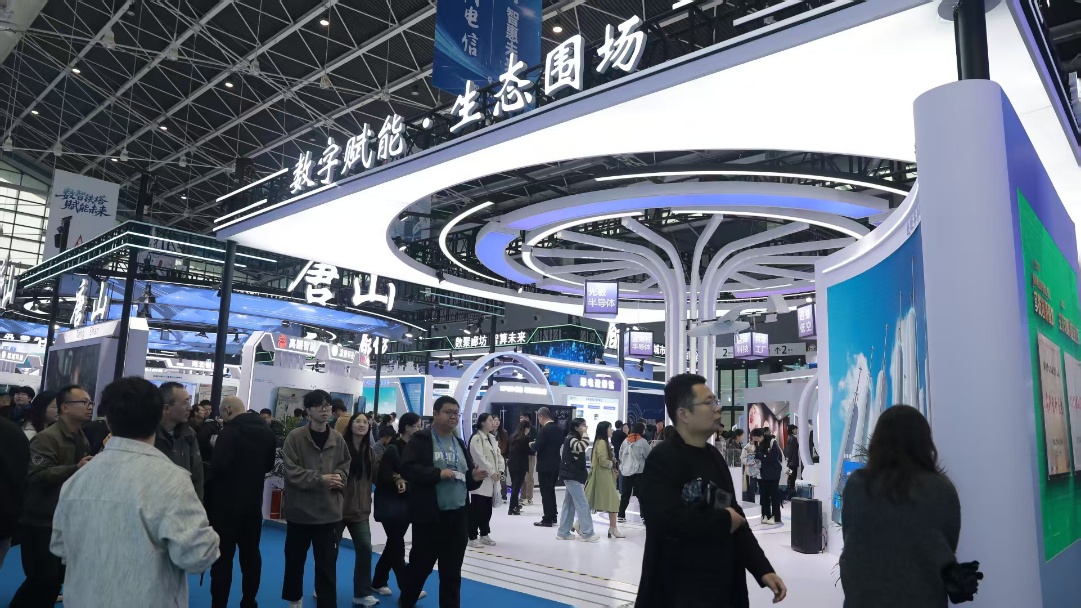
围场携数字产业矩阵亮相2025中国国际数字经济博览会
Xin Hua Cai Jing· 2025-10-18 13:42
Core Viewpoint - The 2025 China International Digital Economy Expo highlights the integration of digital technology and ecological development in Weichang, showcasing its unique approach to transforming local industries through digital empowerment [1][6]. Group 1: Digital Empowerment in Key Industries - Weichang focuses on four core industries: semiconductor new materials, traditional Chinese medicine digitization, full-chain data services for potatoes, and low-altitude economy [1][3]. - Hebei Toshi Crystal Armor Technology Co., Ltd. demonstrates an innovative path with "diamond semiconductor and green electricity," utilizing local green energy resources to optimize production processes for high-precision materials [3]. - Chengde Daze Agricultural Technology Co., Ltd. has developed a "shared cloud platform for traditional Chinese medicine," breaking down data barriers among stakeholders to create an intelligent operation system based on demand data [3]. - The Weichang Potato Research Institute's "Smart Potato Industry" initiative digitizes over 300 germplasm resources and implements standardized management using climate and soil data, optimizing processing and sales through data tracking [3]. Group 2: Low-altitude Economy Development - Hebei Xunjie Low-altitude Economy Co., Ltd. leverages Weichang's geographical advantages to create a closed-loop low-altitude economy ecosystem, focusing on general aviation operations, drone manufacturing, and integrated data services [4]. Group 3: Exhibition Impact and Future Prospects - The expo serves as a platform for showcasing Weichang's digital economy achievements and facilitates connections with the Beijing-Tianjin-Hebei region, enhancing the brand's recognition and industrial influence [6]. - Weichang's development strategy emphasizes the dual drive of ecology and digital technology, aiming to integrate digital infrastructure with ecological protection and rural revitalization [8].

奔赴星辰大海,见证“十四五”中国经济跨越与蝶变
21世纪经济报道· 2025-10-18 13:08
Core Viewpoint - The article highlights the achievements and progress made during China's "14th Five-Year Plan" period, emphasizing economic resilience, innovation, and sustainable development as key drivers for future growth [1][2]. Economic Growth - China's economic increment over the past five years is expected to exceed 35 trillion yuan, with an average growth rate of 5.5%, surpassing the global average and contributing approximately 30% to global economic growth [5]. Innovation - Innovation has become the primary driving force for development, with national R&D investment increasing by nearly 50% compared to the end of the "13th Five-Year Plan." R&D intensity is approaching the OECD average, and China ranks 10th in the global innovation index [7]. Industrial Transformation - The transition from old to new economic drivers is progressing smoothly, with manufacturing value added expected to increase by 8 trillion yuan during the "14th Five-Year Plan," contributing over 30% to global manufacturing growth [9]. Green Development - China has established the world's largest renewable energy system, with installed capacities for hydropower, wind, and solar energy leading globally. By mid-2025, the number of electric vehicles reached 36.89 million, with charging infrastructure also ranking first worldwide [11]. Trade and Global Cooperation - During the "14th Five-Year Plan," China's goods trade volume remained the largest globally, with service trade expected to surpass 1 trillion USD for the first time in 2024. High-tech products accounted for nearly 20% of exports [13][14]. Infrastructure Development - China has built the largest highway, high-speed rail, and port networks globally, with significant growth in new infrastructure sectors such as computing networks and smart cities, achieving a 30% annual growth rate in computing capacity over the past five years [16]. Agricultural Strength - China's grain production has achieved 21 consecutive years of growth, reaching a new milestone of 1.4 trillion jin in 2024, ensuring food security and advancing agricultural technology [18]. Social Welfare - The income gap between urban and rural areas has narrowed, with per capita disposable income reaching 21,840 yuan in the first half of 2025, reflecting ongoing improvements in social welfare systems [20].
刘宁到浉河罗山潢川调研时强调:牢记嘱托推动革命老区振兴发展 更好统筹高质量发展和高水平安全
He Nan Ri Bao· 2025-10-18 10:43
Group 1 - The article discusses the establishment of Luwei Kaiteng (Guangzhou) Consumer Equity Investment Fund Partnership, which is a private equity fund focused on equity investment, investment management, and asset management activities, requiring registration with the China Securities Investment Fund Association before commencing operations [1][3][4] - The fund has a registered capital of 94,001 million RMB, with a business duration starting from October 30, 2024, and no fixed end date [1][3][4] - The partnership includes several contributors, with the largest being Hainan Investment Partnership (Limited Partnership) holding 55.95% of the shares, followed by Guangdong-Hong Kong-Macao Greater Bay Area Cultural Industry Investment Fund Management Co., Ltd. with 29.64% [1][3][4] Group 2 - The article highlights the importance of urban safety and development, emphasizing the need for a systematic approach to fire safety and building security in urban planning and management [2] - It mentions the ongoing efforts to enhance agricultural practices, including the promotion of early-maturing and cold-resistant crop varieties to ensure safe wintering [5][6] - The article also discusses the strategic development of the Yudongnan High-tech Zone, focusing on leveraging its geographical advantages to foster new industries and enhance regional cooperation [5][6]

美联储闭眼降息,经济数据打架,专家泼冷水:通胀失控才是真要命
Sou Hu Cai Jing· 2025-10-18 10:19
Group 1 - The Federal Reserve's interest rate cut expectations are causing significant market reactions, with investors anticipating a reduction to 3.75%-4.00% in October and another cut in December, despite conflicting economic data [1][3] - The U.S. economy is showing signs of division, with GDP growth nearing 4% while employment data indicates job losses, particularly in retail and manufacturing sectors [3][5] - The government shutdown has delayed key economic reports, including the non-farm payroll and consumer price index (CPI), creating uncertainty for policymakers ahead of the October 28 meeting [3][5] Group 2 - There are differing opinions among Federal Reserve officials regarding the need for rate cuts, with some expressing concern over job market stability while others focus on inflation risks [5][10] - The impact of tariffs and immigration policies is evident, as companies are struggling with rising costs and labor shortages, leading to potential profit margin compression [7][8] - Economists note that while companies are currently managing costs through efficiency improvements, this may not be sustainable, and price increases could be necessary in the future, potentially exacerbating inflation [8][10]

商务发布|购在中国·2025山东金秋消费季活动在青岛启动
Qi Lu Wan Bao· 2025-10-18 09:54
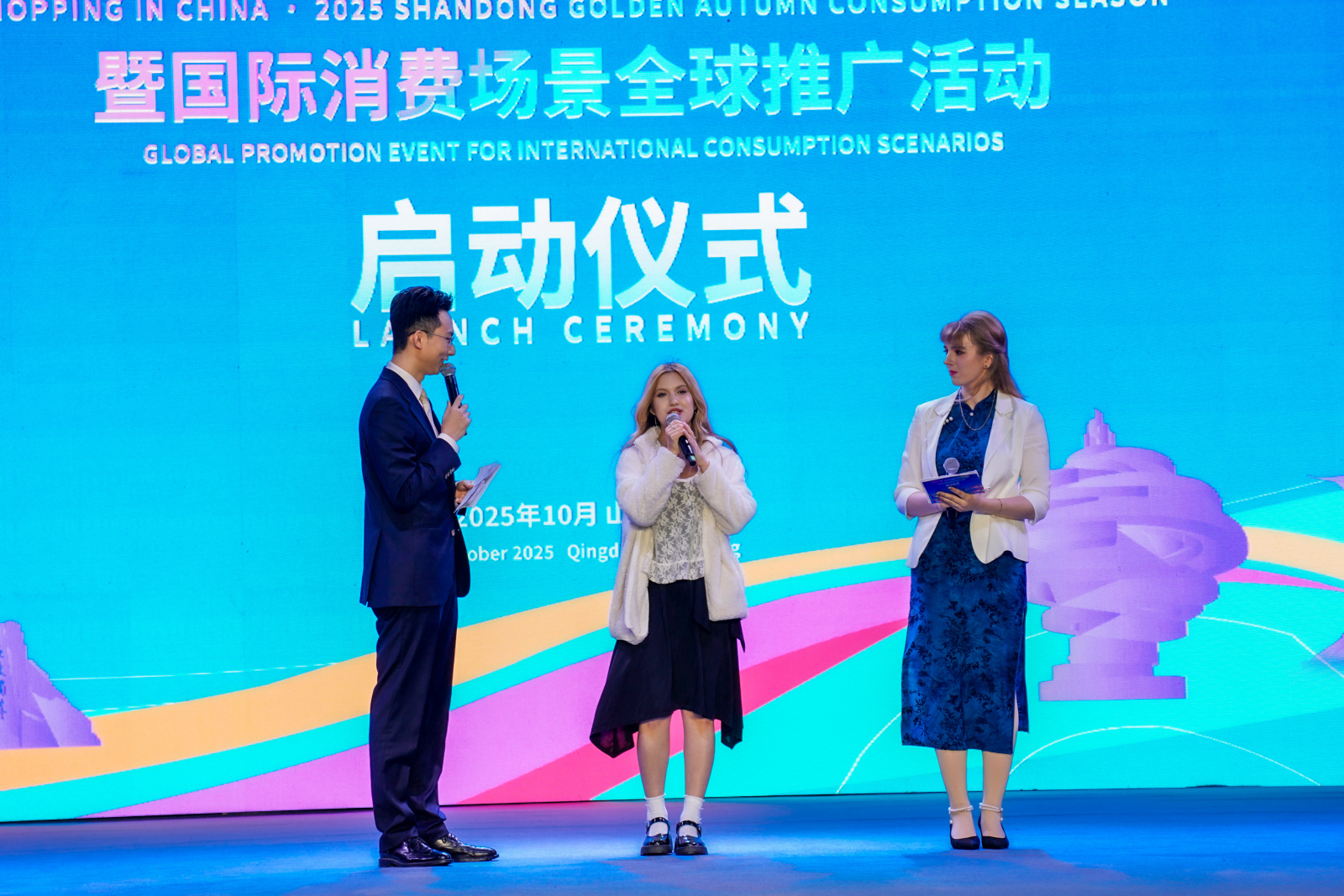
Core Viewpoint - The "2025 Shandong Golden Autumn Consumption Season" and the global promotion of international consumption scenarios were launched in Qingdao, aiming to enhance consumer engagement and attract international visitors to Shandong [2][3][6]. Group 1: Event Overview - The event was co-hosted by the Shandong Provincial Department of Commerce and other departments, featuring the release of the 2025 Shandong Golden Autumn Consumption Season activity schedule and the recommendation of the Shandong International Consumption Scenario List [3]. - Qingdao introduced measures to create an international consumption center city, highlighting unique consumption scenarios characterized by "internationalization, Qingdao flavor, and fashion trends" [3]. Group 2: Economic Impact - The Shandong Provincial Department of Commerce reported that over 6,000 consumer promotion events have been held this year, with a total of 16 billion yuan allocated for subsidies related to the replacement of old consumer goods [6]. - The total retail sales of social consumer goods in Shandong have consistently outpaced the national average growth rate [6]. Group 3: Future Initiatives - The 2025 Shandong Golden Autumn Consumption Season plans to host over 110 themed consumption activities, aiming to create a more diverse and international shopping environment [6]. - The global promotion of international consumption scenarios is seen as an innovative step for Shandong to integrate into the global consumption network, enhancing the supply of quality goods and services [6].
农林牧畜类保险合同免征印花税
蓝色柳林财税室· 2025-10-18 09:20
Group 1 - The article discusses tax incentives for agricultural and livestock insurance contracts, specifically the exemption from stamp duty for these contracts [1] - The beneficiaries of this policy are the taxpayers who enter into agricultural and livestock insurance contracts [1] - The policy is based on two key documents: the National Taxation Bureau's notification regarding stamp duty on insurance companies and a 2022 announcement from the Ministry of Finance and the State Administration of Taxation [1]

中国生产力
Yang Shi Wang· 2025-10-18 06:44
Core Insights - China's manufacturing sector has evolved from relying on imports to becoming the world's largest and most comprehensive manufacturing powerhouse, showcasing significant productivity and development [2] - The country is experiencing rapid advancements across various fields, with impressive economic indicators reflecting its growth [2][3] Economic Performance - China generates an average GDP of 243 million yuan and a goods import-export value of 83.2 million yuan every minute [2] - Daily production includes approximately 35,900 new energy vehicles and an increase of about 6,845 meters in high-speed rail operating mileage [3] Industry Transformation - Over 800 advanced manufacturing national standards are introduced annually, driving industry upgrades, alongside the addition of 919,600 5G base stations [3] - The transformation from a "world factory" to a high-value manufacturing and technology innovation economy is accelerating, with sectors like high-speed rail, nuclear power, 5G, and new energy vehicles leading the way [3]
习近平主席向联合国粮食及农业组织成立80周年致贺信引发热烈反响
Xin Hua Wang· 2025-10-18 01:49
Core Points - President Xi Jinping sent a congratulatory letter to the 80th anniversary of the Food and Agriculture Organization (FAO), highlighting its significant achievements and calling for enhanced global food and agricultural governance [1][2] - The letter emphasizes China's commitment to supporting the FAO's role in ensuring global food security and advancing rural development [1][2] - The FAO Assistant Director-General acknowledged the letter as a recognition of member countries' efforts and a direction for future cooperation [1][2] Group 1: China's Commitment and Cooperation - China will continue to support the FAO and deepen cooperation in areas such as reducing losses, digital agriculture, and climate adaptation [2] - The establishment of the Chinese Permanent Mission to the FAO in Rome signifies a commitment to practical measures in agricultural innovation and technology sharing [2] - China aims to contribute to the "zero hunger" goal through initiatives in hybrid rice, water-saving irrigation, and pest control [2] Group 2: Global Impact and Collaboration - Representatives from various countries expressed admiration for China's achievements in food self-sufficiency and agricultural technology, viewing it as a model for developing nations [3][4] - Colombia is looking to learn from China's experience in poverty alleviation and agricultural modernization, with ongoing cooperation in agricultural technology and machinery [3] - Uzbekistan is collaborating with China on soil restoration and green technology, reflecting a shared responsibility for global ecological issues [4] Group 3: International Development Goals - Xi Jinping's letter calls for collaboration to implement the UN 2030 Sustainable Development Agenda, aiming to enhance the well-being of people worldwide [5] - Chinese companies are actively involved in agricultural projects abroad, contributing to global food security while ensuring sustainable practices [5] - Training programs for agricultural professionals from other countries in China are fostering knowledge transfer and practical skills in modern agricultural techniques [5]
南农晨读 | 风吹稻浪
Nan Fang Nong Cun Bao· 2025-10-18 01:03
Group 1 - The integration of agriculture, culture, and tourism is being promoted in Guangdong's counties, creating new development momentum for towns and villages [3][4][6] - Local councils are actively engaging in initiatives to enhance cultural brands and attract tourism, with significant visitor numbers and revenue reported, such as over 50 million visitors and more than 300 million yuan in tourism income [6][7] - The Guangdong provincial government is focusing on high-quality development in the forestry industry, aiming to transform ecological advantages into developmental benefits and improve livelihoods [8][10][12] Group 2 - New regulations for managing consumer assistance products in Guangdong have been introduced, aiming to facilitate the entry of these products into the Greater Bay Area market and promote rural economic growth [14][15][16] - The regulations will take effect from November 1, 2025, and will be in place for five years, emphasizing the importance of structured management in supporting rural revitalization [17] Group 3 - A marine economy event was held in Yantian to discuss high-quality development in the marine industry, aligning with national strategies and local initiatives [19][21][28] - The event focused on identifying new trends, opportunities, and challenges in the marine industry, with participation from experts and industry representatives [26][27] Group 4 - The Shoujia Agricultural Cooperative in Guangning County has achieved an annual output value exceeding 20 million yuan through innovative mobile technology for managing poultry farming [29][30][31] - The cooperative utilizes IoT sensors to monitor various environmental parameters, enhancing operational efficiency and productivity [31]

“中国的影响力建立在合作的基础上”
Ren Min Ri Bao· 2025-10-17 22:13
10月16日,国家主席习近平向联合国粮食及农业组织成立80周年致贺信。习近平主席在贺信中高度赞扬 联合国粮食及农业组织(粮农组织)成立80年来取得的巨大成就,就加强全球粮食及农业治理发出号召 倡议,充分彰显了中国推动构建人类命运共同体的坚定决心和历史担当。接受本报记者采访的各方人士 表示,习近平主席的贺信体现出对粮农组织和世界粮食安全的高度重视,展现出中国的大国责任担当。 各方愿与中国和粮农组织等共同努力,为应对全球粮食安全挑战、增进人民福祉作出更大贡献。 "期待未来粮农组织和中国进一步深化南南合作" "中国在国内广大农村地区实现的发展变革,为其他发展中国家提供了珍贵的经验和范例。"联合国国际 农业发展基金助理副总裁多纳尔·布朗高度评价中国对全球农业发展所作出的贡献,"中国以积极行动守 护全球粮食安全。中国坚定支持南南及三方合作,在推动全球农业农村发展中发挥了重要作用,为全球 南方国家落实联合国2030年可持续发展议程贡献了力量。" 哥伦比亚驻罗马联合国机构大使、农业和农村发展部前部长珍妮弗·莫西卡表示:"习近平主席贺信展示 出的发展与合作意愿对哥伦比亚等拉美国家十分重要。哥伦比亚与中国有着共同的发展需求,许 ...