咖啡

Search documents
长三角长出“世界咖啡港”
Jing Ji Ri Bao· 2026-01-27 00:59
Core Insights - The city of Kunshan, which does not produce coffee beans, is rapidly developing a coffee industry chain worth billions, leveraging efficient trade and logistics to bring coffee beans from Africa and South America to the Chinese market [1] - The establishment of the Asia-Pacific Coffee Green Bean Distribution Center in Kunshan is a key infrastructure development that supports the coffee industry [2] - The local customs have implemented streamlined processes for coffee bean imports, significantly improving efficiency and reducing costs for businesses [3] Group 1: Industry Development - Kunshan has transformed from not producing coffee beans to handling approximately 60% of the national coffee green bean roasting volume, establishing a complete coffee industry chain [1] - The city has attracted over a hundred leading coffee companies, covering the entire coffee industry chain from trade distribution to brand sales and equipment manufacturing [1] Group 2: Infrastructure and Efficiency - The Asia-Pacific Coffee Green Bean Distribution Center features advanced facilities that maintain optimal conditions for coffee beans, with 90% of imported beans undergoing "arrival inspection" [2] - The customs have reduced the inspection time for imported coffee beans by two-thirds and eliminated the need for re-inspection certificates for transshipment [2] - Overall customs efficiency has improved by approximately 50%, with a 75% reduction in declaration costs and a 20% decrease in logistics costs for companies [2] Group 3: Regulatory Support - The customs have optimized the regulatory framework for coffee bean imports, achieving over 90% of beans being processed with "arrival reporting and inspection" [3] - The local customs have provided support for the first import of Burundian coffee beans, expanding the sources of coffee raw materials in China [3] - By enhancing the customs experience and providing policy support, Kunshan aims to attract more production factors and promote the development of a robust coffee industry ecosystem [3]
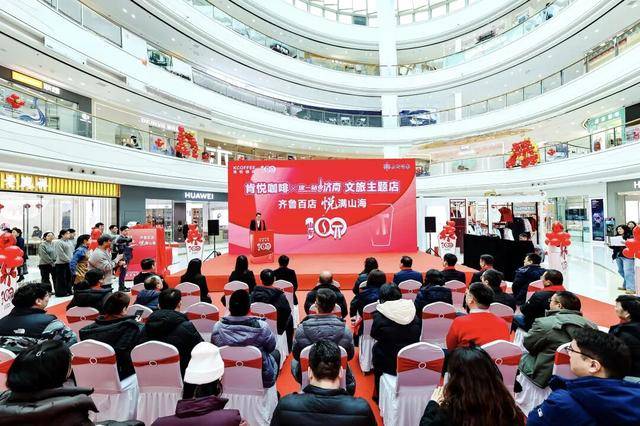
“肯悦咖啡×这一站济南”文旅主题店亮相,文商旅融合再添消费新场景
Sou Hu Cai Jing· 2026-01-27 00:08
Core Viewpoint - The collaboration between Jinan's Cultural and Tourism Bureau and Kenuo Coffee aims to innovate the "Cultural Tourism + New Consumption" model through the establishment of themed coffee shops that reflect the city's cultural essence and enhance the local tourism brand "This Station, Jinan" [3][10]. Group 1: Themed Coffee Shops - Five themed coffee shops will be launched, including locations at Gaoxin Wanda, Jing Shi Road, Jinguang City, Shinuo City Light, and Jinan West Station [3]. - These themed shops will serve as both leisure spaces for coffee enjoyment and mini cultural exhibition halls showcasing Jinan's unique cultural heritage [5]. Group 2: Cultural Integration - The shops will incorporate Jinan elements through various means such as cultural guides, creative products, and interactive installations, creating new touchpoints for storytelling and cultural engagement [5][10]. - The initiative aims to make Jinan's culture more perceivable, experiential, and consumable, positioning the shops as trendy spots for both locals and tourists [10]. Group 3: Future Collaboration - Future collaborations will focus on co-developing products, expanding promotional channels, and planning themed marketing activities to further enhance the cultural tourism landscape [17]. - The Jinan Cultural and Tourism Bureau will continue to explore new scenarios and expressions in cultural tourism integration, aiming to inject new momentum into the local tourism industry [17].

走!喝咖啡去
Xin Lang Cai Jing· 2026-01-26 23:11
(来源:中国旅游报) 转自:中国旅游报 日前正式发布的《2025中国咖啡产业发展报告》显示,2025年中国咖啡市场规模达2181亿元,咖啡门店 数净增4万多家,总数达到21.5万家。 随着咖啡门店运营模式的日趋精细化,咖啡文化正从"社交符号"向"日常饮品"与"生活方式"演进。近两 年,更多的咖啡门店加速进驻景区,成为文旅融合、消费升级与文化传播的有效载体——在北京大大小 小的胡同里、广西崇左的瀑布边、贵州花江峡谷大桥的"云端"……每一杯咖啡,都承载着一次微小而惬 意的旅行记忆。 ...
中国餐饮业年度最大融资诞生,多家明星投资机构同时押注
Sou Hu Cai Jing· 2026-01-26 14:16
Core Insights - NOWWA Coffee completed a multi-billion C round financing on January 26, attracting several investment firms, marking the largest financing in China's restaurant industry over the past year [2][3] Company Overview - NOWWA Coffee, established in June 2019, has become one of the top three coffee brands in terms of domestic store count, with over 10,000 global stores expected by October 2025, covering more than 300 cities [6] - The brand focuses on "healthy coffee," offering products that are low in sugar, fat, and calories, aligning with consumer health trends [6] Investment and Growth Strategy - The recent investment reflects strong confidence from the capital market in NOWWA Coffee's core competitiveness and future growth potential [3] - The company plans to invest in product research and development, brand building, digital operations, and supply chain upgrades to accelerate its global expansion [4] Market Position and Expansion - NOWWA Coffee has achieved rapid growth, with a peak monthly store opening rate of 1,800, expanding its presence in both domestic and international markets, including Australia and Southeast Asia [3] - The company has established its own coffee production and raw material supply system, with a roasting factory set to commence operations in 2025, supported by 15 distribution centers nationwide [3]
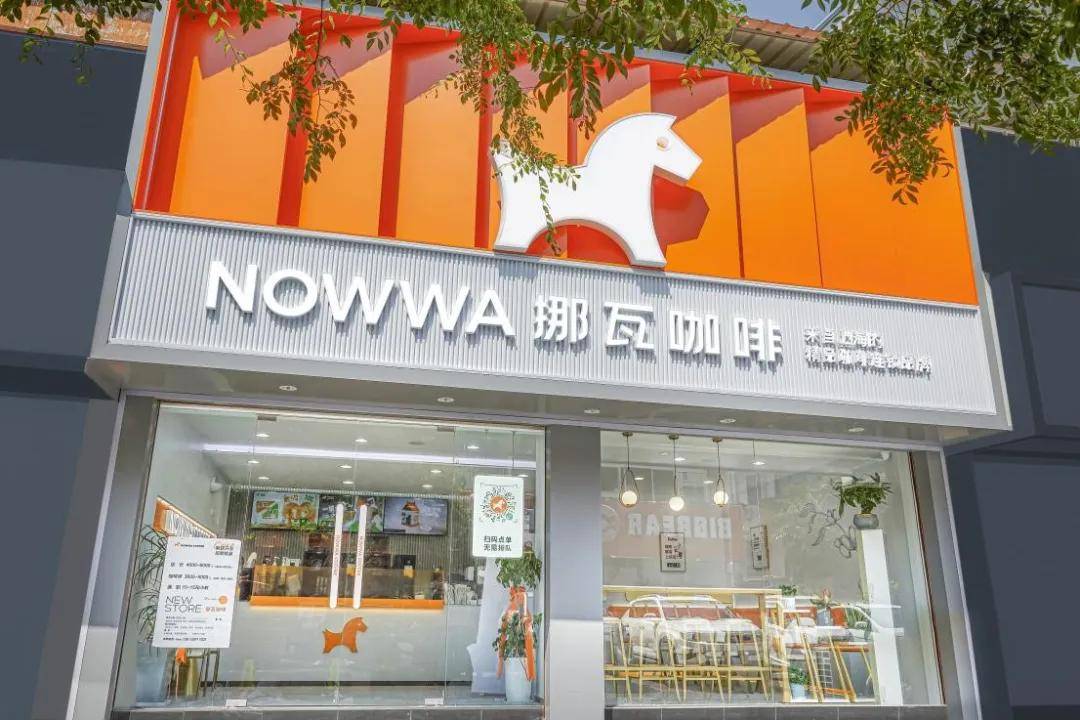
挪瓦咖啡再获数亿融资,多家明星投资机构同时押注
Sou Hu Cai Jing· 2026-01-26 10:35
Group 1 - The core viewpoint of the article highlights that NOWWA Coffee has completed a C-round financing of several hundred million yuan, marking the largest financing in China's catering industry over the past year [2][3] - The investment reflects the confidence of the capital market in NOWWA Coffee's core competitiveness and future development potential, showcasing a differentiated and stable growth path in both the Chinese and global markets [3] Group 2 - On the product side, NOWWA Coffee has positioned itself in the "healthy coffee" segment, establishing a clear health-oriented brand image among consumers with low-sugar, low-fat, and low-calorie product labels, becoming the leading brand in healthy coffee in China [4] - In terms of supply chain, NOWWA Coffee has developed its own coffee production and raw material supply system, with a coffee roasting factory set to commence operations in 2025, supported by 15 distribution centers nationwide and digital operational capabilities for long-term scalable expansion [4] - Over the past year, NOWWA Coffee has achieved rapid and steady growth, with a peak monthly store opening rate of 1,800, expanding its coverage to over 300 cities in China and overseas markets such as Australia and Southeast Asia [5] - Following the completion of the C-round financing, NOWWA Coffee plans to continue investing in product research and development, brand building, digital operations, and supply chain upgrades to accelerate its global expansion and enhance product and service offerings for consumers [5]
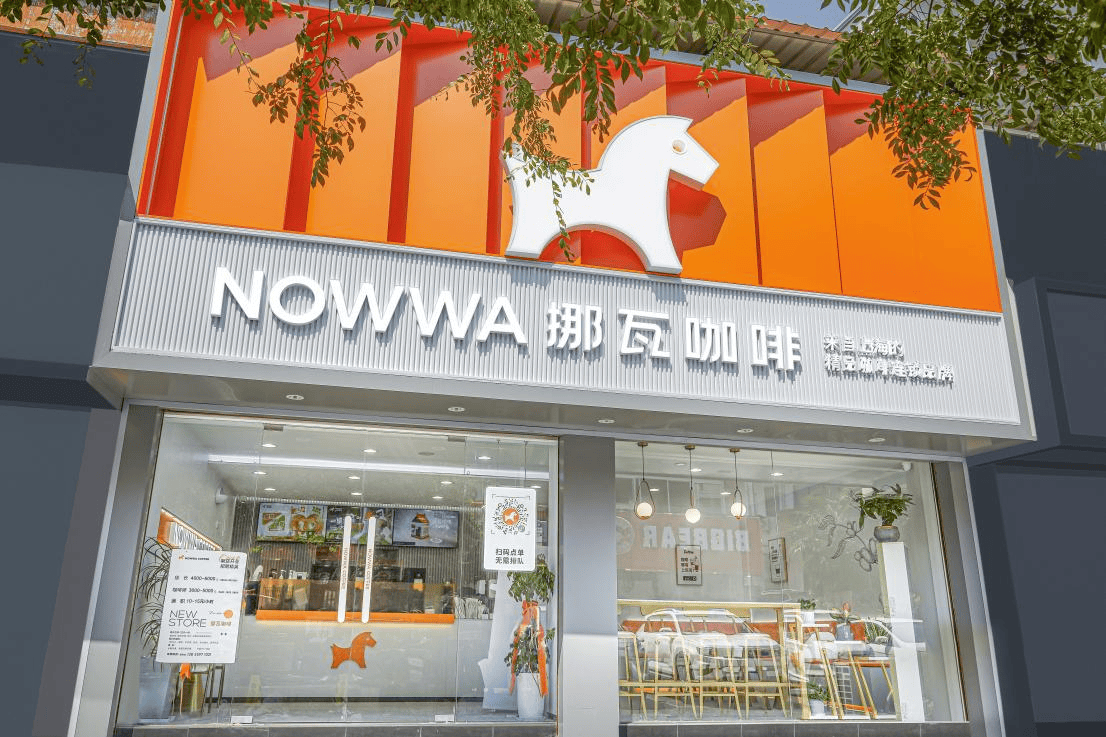
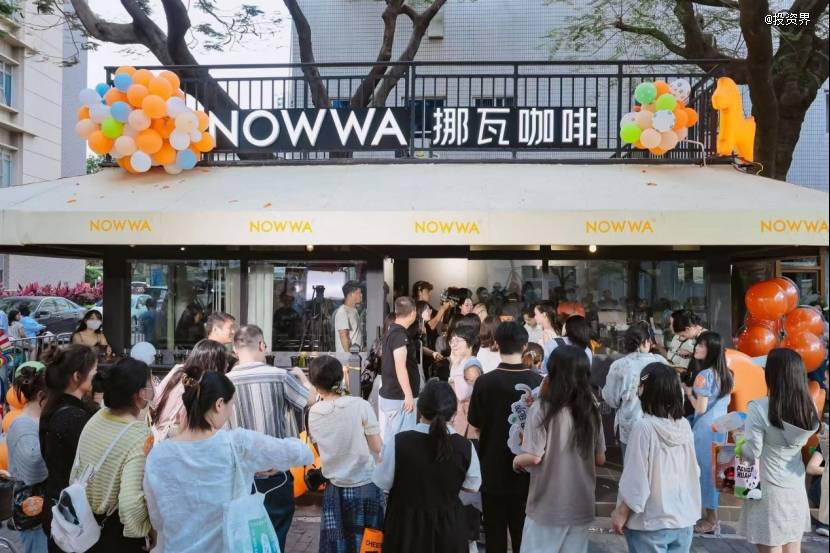
挪瓦咖啡,拿下餐饮年度最大融资
Sou Hu Cai Jing· 2026-01-26 10:29
Core Insights - NOWWA Coffee has completed a C-round financing of several hundred million yuan, marking the largest financing in China's catering industry over the past year [1] - The company has surpassed 10,000 stores, positioning itself among the top global coffee brands, showcasing a unique and robust growth path in both the Chinese and global markets [1][4] Financing and Investment - The C-round financing attracted several prominent investment institutions, including Junlian Capital, Shengwang Fund, Huaying Capital, Challenger Capital, Yuanxing Capital, and GSR Ventures [1][5] - This financing round is notable for the collaboration of various investment giants, indicating strong confidence in NOWWA's business model and growth potential [5] Market Position and Growth - NOWWA Coffee's rapid expansion is highlighted by its growth from over 1,200 stores at the end of 2024 to more than 10,000 stores by the end of 2025, with a peak monthly opening rate of 1,800 stores [4][8] - The company has effectively tapped into the health-conscious coffee market, launching products like low-sugar and lactose-free options, which have resonated well with consumers [10][12] Business Model and Strategy - NOWWA operates a unique business model where it provides raw materials and recipes while partner stores handle the space and preparation, allowing for rapid scalability [8] - The company has focused on digital operations to enhance consumer reach, becoming one of the fastest-growing beverage brands on delivery platforms [8] Industry Context - The Chinese coffee market is experiencing a resurgence, with various brands like Luckin Coffee and Kudi also making significant strides, indicating a vibrant competitive landscape [1][6] - The success of NOWWA and other brands suggests a strong growth potential in the coffee sector, driven by increasing daily consumption and expansion into lower-tier markets [13]
挪瓦咖啡,拿下餐饮年度最大融资
投资界· 2026-01-26 09:51
Core Viewpoint - NOWWA Coffee has completed a significant C-round financing of several hundred million yuan, marking the largest financing in China's catering industry over the past year, and has surpassed 10,000 stores globally, positioning itself among the top coffee brands worldwide [2][3]. Group 1: Company Growth and Financing - NOWWA Coffee's rapid growth is highlighted by its expansion from over 1,200 stores at the end of 2024 to more than 10,000 stores by the end of 2025, with a peak monthly opening of 1,800 stores [5]. - The company has successfully attracted investments from notable venture capital firms, completing at least seven rounds of financing, with the latest round involving several prominent investors [5][6]. - The C-round financing included participation from well-known investment institutions, indicating strong confidence in NOWWA's business model and growth potential [6]. Group 2: Market Position and Strategy - NOWWA Coffee has differentiated itself in a competitive market by addressing consumer pain points related to health and convenience, leveraging digital capabilities to enhance service coverage and customer acquisition [6]. - The company has established a unique operational model where it provides raw materials and recipes while partner stores handle the physical space and preparation, allowing for rapid scalability [7]. - NOWWA has focused on the health coffee segment, launching products like low-sugar and lactose-free options, which have resonated well with consumers, establishing the brand as a leader in healthy coffee [9][11]. Group 3: Industry Trends and Future Outlook - The Chinese coffee market is experiencing significant growth, with the emergence of multiple players and the potential for further expansion into lower-tier cities [12]. - NOWWA's success reflects a broader trend in the coffee industry, where brands are exploring diverse growth strategies beyond traditional pricing competition [9][12]. - The company is also looking to expand internationally, having already entered markets in over 300 cities across China and regions like Australia and Southeast Asia, indicating a strong ambition for global presence [12].
挪瓦咖啡再获数亿元融资 多家明星投资机构同时押注
Zheng Quan Ri Bao Wang· 2026-01-26 09:45
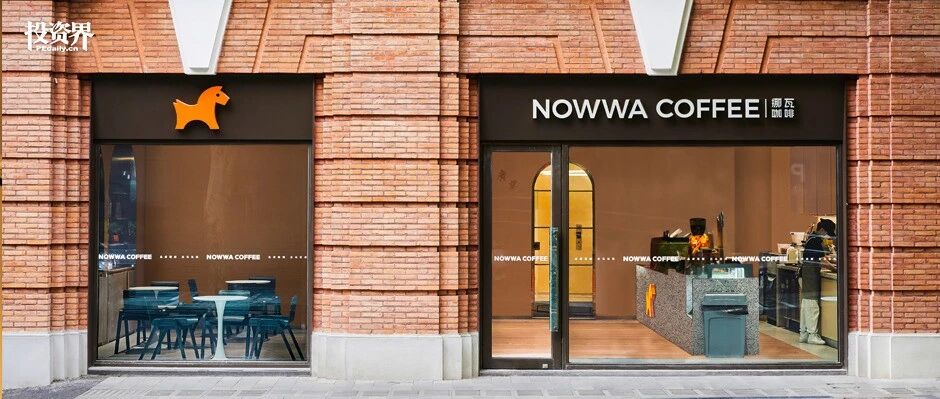
Core Viewpoint - NOWWA Coffee has successfully completed a C-round financing of several hundred million yuan, indicating strong confidence from the capital market in its core competitiveness and future growth potential [1] Group 1: Financing and Investment - The C-round financing attracted multiple institutions including Junlian Capital, Shengwang Fund, Huaying Capital, Challenger Ventures, Yuanxing Capital, and Jinsha River Capital, with Yangxiang Capital serving as the financial advisor [1] - Yuanxing Capital has continuously invested in NOWWA Coffee for four rounds since 2020, while Jinsha River Capital has also increased its investment over multiple rounds [1] Group 2: Product and Market Strategy - NOWWA Coffee has positioned itself in the market with a "healthy coffee" approach, featuring clear product labels that emphasize low sugar, low fat, and low calories, establishing itself as a leading brand in healthy coffee in China [1] - The company has achieved rapid and steady growth over the past year, with a peak monthly store opening rate of 1,800, expanding its coverage to over 300 cities in China and overseas markets including Australia and Southeast Asia [1] Group 3: Supply Chain and Operational Capacity - NOWWA Coffee has established its own coffee production and raw material supply system, with a coffee roasting factory set to officially start production in 2025, supported by 15 distribution centers nationwide and digital operational capabilities [1] - The completion of the C-round financing will enable NOWWA Coffee to continue investing in product research and development, brand building, digital operations, and supply chain upgrades to accelerate its global expansion [1]
挪瓦咖啡已完成数亿元C轮融资 将加速全球化布局
Xin Lang Cai Jing· 2026-01-26 09:43
公开信息显示,公司以"健康咖啡"为定位,已建成自有供应链体系,2025年其咖啡烘焙工厂已正式投 产。过去一年挪瓦开店速度显著,单月最高新增门店达1800家,业务覆盖全国超300城及澳大利亚、东 南亚等市场。 记者了解到,C轮融资完成后,挪瓦咖啡将持续投入产品研发、品牌建设、数字化运营和供应链体系升 级等方面,加速全球化布局,为消费者提供更好的产品和服务。 来源:环球网 【环球网消费报道 记者 李文瑶】1月26日消息,近日,挪瓦咖啡(NOWWA COFFEE)已经完成数亿元 C轮融资,君联资本、昇望基金、华映资本、挑战者创投、源星资本、金沙江创投等多家机构参与投 资。 ...
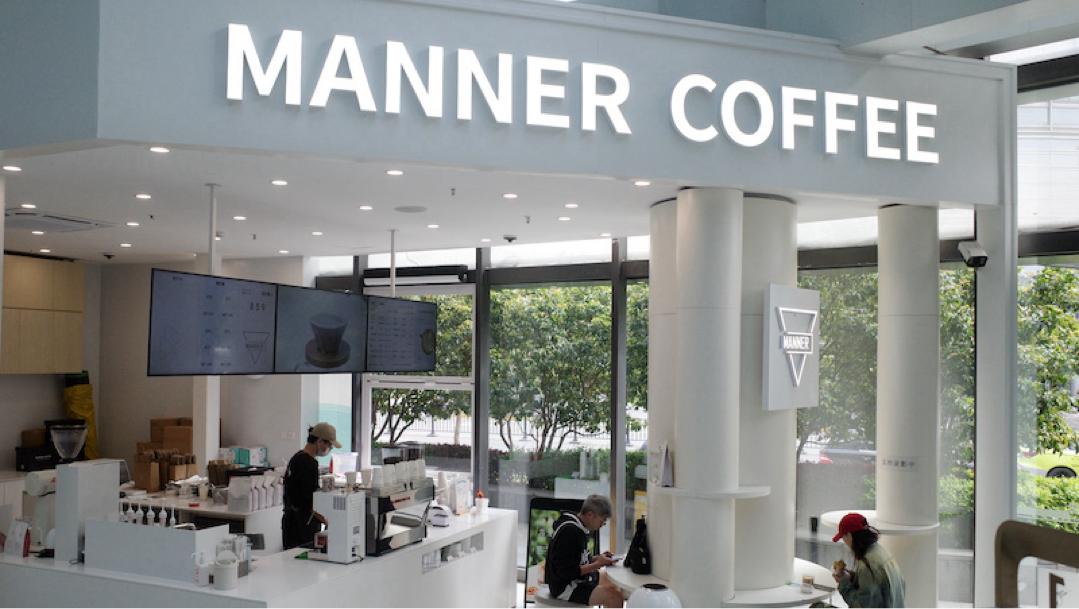
对话独角兽 | Manner的“中国风味”:品质筑基,注入匠人精神
Di Yi Cai Jing· 2026-01-26 09:04
Core Insights - The Chinese coffee market is expanding at a compound annual growth rate of over 15%, with the market size expected to exceed 1.8 trillion yuan by 2025, positioning it as a key driver of global coffee consumption growth [1] Group 1: Manner Coffee's Business Model - Manner Coffee, founded in 2015, has grown from a 2-square-meter kiosk to over 2,200 directly operated stores, showcasing the breakthrough logic of local brands and reflecting common industry challenges [1][2] - The brand operates under a fully direct-operated model, rejecting franchising, which has led to a standardized output of services and products, aligning with its core positioning of making coffee a part of daily life [2][3] - Manner sources 40% of its coffee beans from Yunnan, supporting local coffee production while benefiting from improved quality due to advancements in Yunnan's coffee cultivation techniques [2] Group 2: Quality and Consumer Trends - Manner's model addresses the shift in the coffee market from functional consumption to quality consumption, with its direct-operated model ensuring quality control as a key support for brand differentiation [3] - The brand has innovated its store formats and product structures to create a diverse consumption ecosystem, breaking traditional store layout limitations and enhancing social attributes of coffee consumption [5][6] Group 3: Product and Service Innovation - Manner has introduced on-site baked goods and healthy meal options in key markets like Shanghai, catering to the health-conscious preferences of younger consumers and enhancing customer spending and repeat purchase rates [5][6] - The brand's "coffee + light meal" combination aligns with international trends in dining consumption, further diversifying its product offerings [5] Group 4: Industry Collaboration and Cultural Impact - Manner's development strategy includes empowering local coffee production and promoting Chinese coffee craftsmanship on the global stage, aiming to reshape perceptions of Chinese coffee in international markets [7][14] - The brand's commitment to sourcing high-quality Yunnan coffee beans not only addresses local production challenges but also enhances the value of the coffee region [7][14] - Manner's unique supply chain and environmental initiatives, such as the "bring your own cup" discount, foster consumer loyalty while maintaining brand integrity [14][15]