连锁餐饮

Search documents
锅圈(02517.HK):再次回购彰显信心 重申推荐
Ge Long Hui· 2025-09-27 20:35
Group 1 - The company plans to repurchase up to HKD 100 million of its H shares in the open market, reflecting confidence in its performance and commitment to shareholder returns [1] - The company has announced three repurchase plans since 2024, each not exceeding HKD 100 million, with the first two already completed [1] - The company has prioritized shareholder returns, distributing dividends of RMB 200 million at the end of 2024 and RMB 190 million in mid-2025, indicating strong management confidence [1] Group 2 - The company opened 250 new stores in H1 2025, with a net increase of 270 stores in rural areas, aligning with the trend of expanding into lower-tier markets [1] - The company is expected to successfully achieve its goal of adding 1,000 new stores this year, with strong demand anticipated in Q4 [1] - The company has demonstrated improved operational capabilities, with same-store revenue growth and a significant turnaround of loss-making stores, validating positive operational trends [2] Group 3 - The company's core operating profit margin reached 5.9% in H1 2025, an increase of 1.2 percentage points year-on-year, while the net profit margin also improved to 5.9%, up by 2.7 percentage points [2] - The company is currently valued at less than 20 times earnings for 2025, suggesting a favorable investment opportunity [2] - Revenue projections for 2025-2027 are estimated at RMB 7.29 billion, RMB 8.39 billion, and RMB 9.55 billion, with corresponding net profits of RMB 420 million, RMB 500 million, and RMB 580 million, indicating strong growth [2]
别再“卷”价格了,中餐出海真正的护城河是合规
Hu Xiu· 2025-09-27 12:16
Core Viewpoint - The article discusses the current state and future potential of Chinese cuisine brands going global, emphasizing the importance of legal compliance and strategic planning in the process of international expansion [1][2]. Group 1: Legal Compliance - Legal compliance has become a critical factor for Chinese restaurants expanding overseas, with various legal challenges identified, including intellectual property, overseas investment, taxation, supply chain, labor, store qualifications, data security, and marketing [3][4]. - The first step for Chinese restaurants going abroad is to secure their intellectual property rights, as many brands face issues due to lack of prior planning and registration [5][6]. - Each country has its own trademark registration process, which can take from a few months to several years, necessitating early planning for trademark protection [6][7]. Group 2: Franchise Model - Currently, 80% of Chinese restaurant brands expanding internationally are using the franchise model, which is recommended due to its low cost, high efficiency, and minimal political risk [16][17]. - The franchise model serves as a cultural export vehicle, allowing for the dissemination of Chinese culinary culture without the complexities associated with technology or national security [18][19]. - Legal barriers for franchising are relatively low, as many countries have harmonized their commercial laws, making it easier for brands to operate internationally [20][21]. Group 3: Compliance Risks - Common compliance risks for Chinese brands in international franchising include non-compliance with franchise qualifications and contracts, often due to inadequate legal preparation [27][28]. - Non-compliance can lead to severe consequences, including civil liabilities, administrative penalties, and potential criminal charges in some jurisdictions [34][35]. - Countries like Malaysia and the U.S. have specific legal requirements for franchising that must be adhered to, including trademark registration and disclosure obligations [36][37]. Group 4: Strategic Recommendations - Companies are advised to conduct thorough legal risk assessments and compliance research before entering foreign markets, focusing on intellectual property, franchising, and overseas investment [47]. - The article emphasizes the need for a proactive approach to compliance, suggesting that brands should not rely on last-minute preparations [48][52]. - It is crucial for brands to maintain a cooperative spirit in international markets, avoiding competitive sabotage that could harm the overall image of Chinese cuisine abroad [54][56].





东吴证券:维持锅圈“买入”评级 再次回购股份彰显信心
Zhi Tong Cai Jing· 2025-09-26 05:51
Group 1 - The core viewpoint of Dongwu Securities maintains the previous profit forecast for Guoquan (02517), expecting revenue for 2025-2027 to be 7.29/8.39/9.55 billion yuan, with year-on-year growth of +13%/+15%/+14% and net profit attributable to shareholders to be 420/500/580 million yuan, with year-on-year growth of +81%/+19%/+17%, corresponding to PE ratios of 19/16/14X, and maintains a "Buy" rating [1] - The company has announced multiple share buybacks, which not only enhance shareholder returns but also demonstrate the company's confidence [1] - The company has completed two of the three announced buybacks since 2024, with a total buyback amount not exceeding 100 million Hong Kong dollars, and has also prioritized shareholder returns with cash dividends of 200 million yuan at the end of 2024 and 190 million yuan in mid-2025 [1] Group 2 - The company opened 250 new stores in the first half of 2025, with a net increase of 270 stores in rural areas, aligning with the consumption trend in lower-tier markets [2] - The company has a first-mover advantage and scale advantage in the rural market, where competition on the supply side is insufficient, providing diverse and cost-effective products to rural consumers [2] - Based on grassroots research feedback, the company is expected to successfully achieve its plan of adding 1,000 new stores this year, with expectations for a strong performance in the Q4 peak season [2] Group 3 - The company's same-store revenue has maintained positive growth year-to-date, and loss-making stores have turned profitable, validating the positive trend in store operations [3] - The company's core operating profit margin reached 5.9% in the first half of 2025, an increase of 1.2 percentage points year-on-year, while the net profit margin was also 5.9%, up 2.7 percentage points year-on-year [3] - The current valuation for 2025 is below 20 times earnings, and the company continues to be a key recommendation [3]

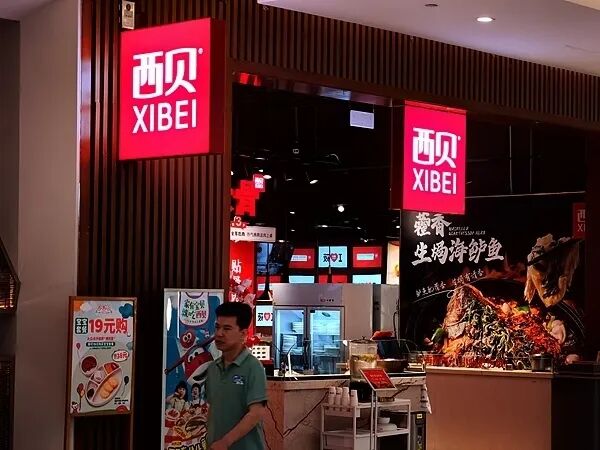
“预制菜”风波后,西贝发放100元堂食代金券
Xin Lang Cai Jing· 2025-09-25 02:54
Group 1 - The core activity "Xibei Treats You to Dinner" was launched on September 24, offering customers a 100 yuan dining voucher for in-store consumption, valid from September 25, 2025, to October 31, 2025 [1] - The promotion aims to thank customers for their support, with no restrictions on the number of vouchers that can be used during subsequent visits [1] - Following criticism regarding the use of pre-prepared dishes, customer traffic at Xibei has significantly declined, with daily revenue dropping by 1 million yuan on September 10 and 11, and an estimated drop of 2 to 3 million yuan on September 12 [1][2] Group 2 - Xibei issued an apology on September 15, acknowledging a significant gap between its production methods and customer expectations, and announced a series of corrective measures [2] - The corrective measures include transitioning from centralized kitchen processing to in-store cooking, using non-GMO soybean oil, and ensuring that children's meals are freshly prepared [2][3] - Adjustments to menu items will be completed by October 1, with changes including using fresh ingredients for various dishes and training for chefs on new preparation processes [3]
同样是预制菜,预制菜之王萨莉亚为什么没人骂?
Xi Niu Cai Jing· 2025-09-23 07:17
Core Viewpoint - The pre-prepared food industry is currently facing scrutiny, with many dining enterprises distancing themselves from it due to negative consumer perceptions associated with freshness and healthiness [2] Group 1: Company Performance - Salvia, a Japanese chain Italian restaurant brand, reported a sales revenue of 188.339 billion yen for the first three quarters of the fiscal year 2024, representing a year-on-year growth of 15.4% [4] - The company achieved a net profit of 7.7 billion yen, with a year-on-year increase of over 50% [4] Group 2: Market Dynamics - Despite the controversy surrounding pre-prepared food, Salvia appears to be largely unaffected, possibly due to its affordable pricing strategy [3] - The negative perception of pre-prepared food among consumers is partly linked to high prices and quality mismatches, as well as the use of frozen meal packages [3] - Salvia employs a transparent approach by allowing customers to see the preparation process in some locations, which may enhance consumer trust [3] Group 3: Industry Trends - The pre-prepared food market has experienced rapid growth in recent years, but has also faced issues of consumer distrust due to low entry barriers leading to unregulated growth [4] - As market regulation tightens, the industry may undergo a new round of reshuffling, favoring leading brands and pushing dining enterprises towards more transparent practices regarding pre-prepared food [5]
云海肴创始人离世,赵晗和他留下的“遗产”
首席商业评论· 2025-09-23 04:00
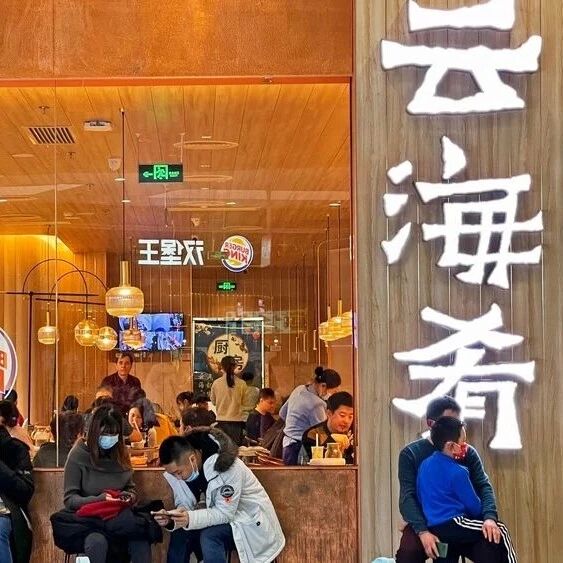
Core Viewpoint - The article reflects on the life and impact of Zhao Han, the founder of Yunhai Yao, highlighting the challenges faced by the restaurant industry and the personal struggles of Zhao as he pursued his dream of promoting Yunnan cuisine globally [4][25]. Group 1: Zhao Han's Legacy - Zhao Han passed away suddenly at the age of 40, leaving behind a significant mark on the Chinese chain restaurant industry with Yunhai Yao, which has expanded to 143 locations in 29 cities and 5 in Singapore by July 2025 [6][9]. - Zhao was known for his idealism and straightforwardness, often expressing his views candidly about the struggles within the restaurant sector, particularly during challenging times [10][11]. - His commitment to Yunnan cuisine and the restaurant's growth was evident, as he aimed to bring authentic Yunnan dishes to a broader audience, despite the industry's difficulties [16][25]. Group 2: Industry Challenges - The restaurant industry has faced severe pressures, with many businesses struggling to maintain profitability. For instance, in the first half of 2024, profits for major restaurants in Beijing plummeted by 88.8% year-on-year, with a profit margin of only 0.37% [10][30]. - Yunhai Yao, primarily focused on dine-in services, has been adversely affected by the rise of low-cost fast food and the shift in consumer behavior towards takeout during the pandemic [29][30]. - The company has also faced operational challenges, including a significant drop in revenue during the pandemic, leading to drastic measures such as closing unprofitable locations and exploring community sales [30][31]. Group 3: Business Model and Growth - Yunhai Yao's growth was accelerated by investments from major firms like Sequoia Capital and Junlin Capital, allowing for rapid expansion and the establishment of a strong brand presence in the market [21][22]. - The brand's signature dishes, such as small pot rice noodles, faced production challenges due to the need for quality control and supply chain management, which Zhao addressed by investing in local production facilities [22][24]. - Despite the challenges, Zhao's vision for Yunhai Yao has set a precedent for the standardization and expansion of Yunnan cuisine, paving the way for future entrepreneurs in the sector [24][25].

百元餐饮品牌的悲歌
虎嗅APP· 2025-09-22 13:35
Core Viewpoint - The article discusses the challenges faced by mid-range dining chains in China, particularly focusing on Yunhaiyao and Xibei, highlighting their struggles in a changing economic environment and consumer expectations [5][6][17]. Group 1: Company Challenges - Yunhaiyao's founder passed away unexpectedly, and the company has recently closed some locations, indicating a decline in business [5]. - Xibei has also faced significant public relations issues, leading to decreased customer traffic despite remaining open [5][9]. - Both companies have been criticized for their handling of food safety and customer service, which has contributed to their current struggles [5][9]. Group 2: Economic Context - The dining industry in Beijing is projected to see a revenue decline of 4.9% in 2024, with significant drops in profitability, as evidenced by a reported 88.8% decrease in profits for large-scale dining establishments [9][10]. - The average profit margin for dining companies has plummeted to 0.37%, with many businesses operating at a loss [9][10]. Group 3: Standardization and Central Kitchen - The push for standardization in Chinese dining has led to the adoption of central kitchens, which aim to reduce costs and maintain consistency across locations [10][11]. - While central kitchens can improve efficiency, they may also compromise the quality and uniqueness of dishes, leading to customer dissatisfaction [10][11]. - The reliance on pre-prepared meals has created a dilemma for dining brands, as consumers increasingly seek fresh, made-to-order options [11][12]. Group 4: Consumer Expectations - Consumers are becoming more discerning, expecting higher value for their spending, which has made it difficult for mid-range dining brands to meet these demands [13][14]. - The article notes that the perception of value has shifted, with customers feeling that the same amount of money now buys less in terms of dining experience [13][14]. Group 5: Future Outlook - There are discussions about the potential for these brands to expand internationally, but past experiences, such as Yunhaiyao's issues in Singapore, suggest that the challenges may outweigh the benefits [16][17]. - The article concludes that many mid-range dining brands are caught in a negative cycle of declining customer satisfaction and revenue, making it difficult to sustain growth [15][18].
复盘西贝风波:连锁餐饮的规模陷阱
远川研究所· 2025-09-21 13:06
Core Viewpoint - The article discusses the ongoing challenges and transformations in the prepared food industry, particularly focusing on the case of Xibei, highlighting the tension between consumer expectations and operational realities in the restaurant sector [4][6][14]. Group 1: Prepared Food Industry Dynamics - The prepared food and central kitchen models are seen as inevitable products of the expansion of chain restaurants [6]. - Despite facing backlash, the sales of prepared foods continue to rise, indicating a complex consumer relationship with these products [5][6]. - The central kitchen model simplifies supply chain management by unifying raw material procurement and pre-processing, allowing restaurants to focus on final cooking [13][14]. Group 2: Xibei's Business Model and Challenges - Xibei's journey reflects a search for the optimal single-store model suitable for expansion, influenced by the success of Haidilao [10][13]. - The company has undergone multiple rebranding efforts to find a focused identity, ultimately adopting a central kitchen approach to enhance efficiency [10][14]. - Xibei's pricing strategy has faced criticism, particularly regarding the perceived value of its prepared dishes compared to fresh ones, leading to consumer backlash [24][28]. Group 3: Market Trends and Consumer Behavior - The article notes a significant increase in investment activity in the restaurant sector post-2015, driven by the central kitchen model's promise of standardization and rapid expansion [14][18]. - Xibei's pricing strategies, including the introduction of children's meals, have aimed to enhance profitability but have also led to public scrutiny over perceived value [20][22]. - The challenges faced by Xibei reflect broader structural issues in the chain restaurant industry, particularly concerning single-store efficiency and consumer expectations [28][34].

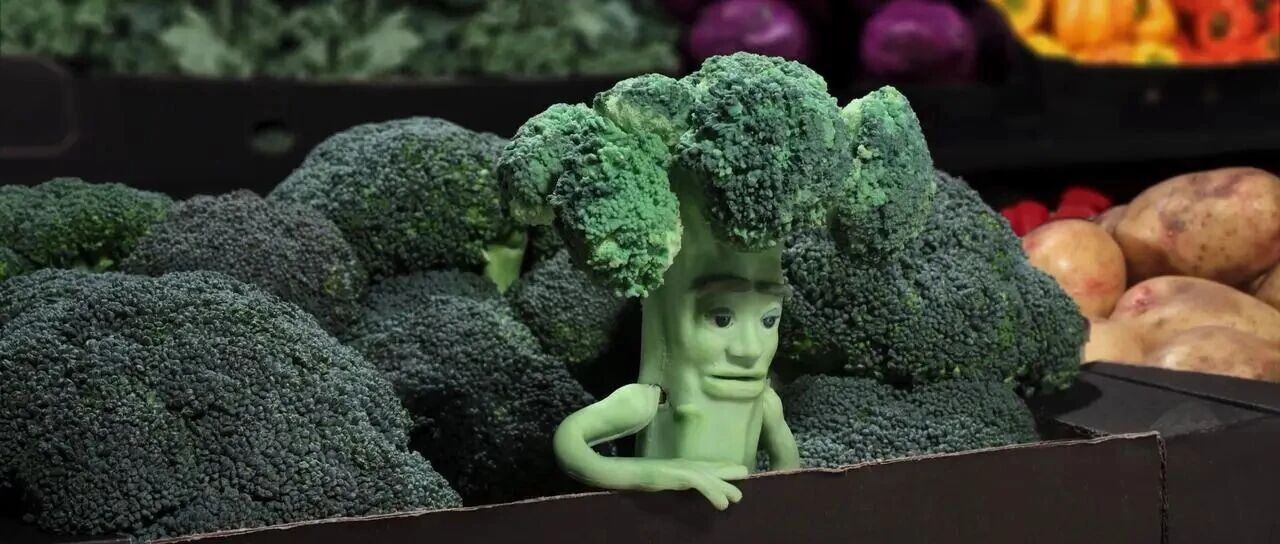
百元餐饮品牌的悲歌
Hu Xiu· 2025-09-21 06:33
Core Viewpoint - The recent incidents involving Yunhaiyao and Xibei highlight the challenges faced by mid-range dining chains in China, indicating that these brands are at a critical crossroads in their business trajectories [2][30]. Group 1: Company Challenges - Both Yunhaiyao and Xibei have faced significant public relations crises, with Xibei's founder struggling to respond effectively to criticism and Yunhaiyao involved in a serious food safety incident in Singapore [2][3]. - The dining industry has seen a decline in customer traffic, with Xibei experiencing reduced footfall despite remaining open [2][9]. - The profitability of the restaurant sector has sharply declined, with Beijing's large-scale dining industry reporting a profit drop of 88.8% in the first half of 2024, leading to a profit margin of only 0.37% [11][12]. Group 2: Economic Context - The dining sector, particularly mid-range brands, thrived during economic upturns but is now facing a downturn, with consumers tightening their spending [8][30]. - The average consumer now perceives 100 yuan as more valuable than before, leading to higher expectations for value and experience from dining establishments [20][30]. Group 3: Standardization and Central Kitchen - Standardization in Chinese cuisine is challenging, and while central kitchens were initially seen as burdensome, they have become necessary for cost reduction and efficiency as brands scale [4][13]. - Both Yunhaiyao and Xibei have invested in central kitchens to maintain consistency and reduce operational costs, but this has led to a compromise in food quality and customer satisfaction [15][16]. Group 4: Market Position and Future Prospects - The number of operational stores for Yunhaiyao has stagnated, remaining at around 150 over several years, indicating a lack of growth [22][24]. - There are discussions about international expansion as a potential solution for these brands, but past experiences, such as Yunhaiyao's challenges in Singapore, suggest that the risks may outweigh the benefits [25][26][27].
情绪消费、质价比、出海等赛道仍有机会,AI破局智慧零售
Nan Fang Du Shi Bao· 2025-09-21 03:05
Core Insights - Companies need to find higher quality growth solutions, focusing on "human-centered" AI and international expansion to drive growth [1] - The retail sector, as a key indicator of the economy, still has growth potential, particularly through AI and internationalization [1][8] - Despite economic fluctuations, retail GDP is leading growth, with new consumption patterns emerging [1][2] Group 1: Growth Opportunities - Four key growth areas identified: emotional value, price-performance ratio, offline consumption, and overseas expansion [2][4] - Notable brands achieving strong growth include those leveraging emotional connections and unique value propositions, as well as those with competitive price-performance [4][5] - The rise of nighttime tourism and local travel indicates a shift in consumer behavior, with significant participation in events like the May Day holiday [4][8] Group 2: AI Integration - Companies are increasingly adopting AI across multiple operational scenarios, with over 50% of enterprises utilizing AI in six or more areas [5][6] - AI is being used not just for cost reduction but also for enhancing operational efficiency and market competitiveness [6] - A case study with a brand shows that AI-driven marketing can significantly outperform traditional methods, achieving 2-3 times the efficiency and higher sales performance [6][7] Group 3: International Expansion - 80% of Chinese retail companies are actively pursuing international markets, despite challenges such as trade barriers [8][9] - Tencent Cloud is supporting companies in their global expansion by addressing compliance, localization, and intelligent upgrades [9][10] - Tencent Cloud's international business has seen significant growth, doubling its overseas customer base and maintaining high double-digit growth for three consecutive years [10]