
稀土

Search documents
奇迹日!特朗普,重大突发!
中国基金报· 2025-10-13 08:02
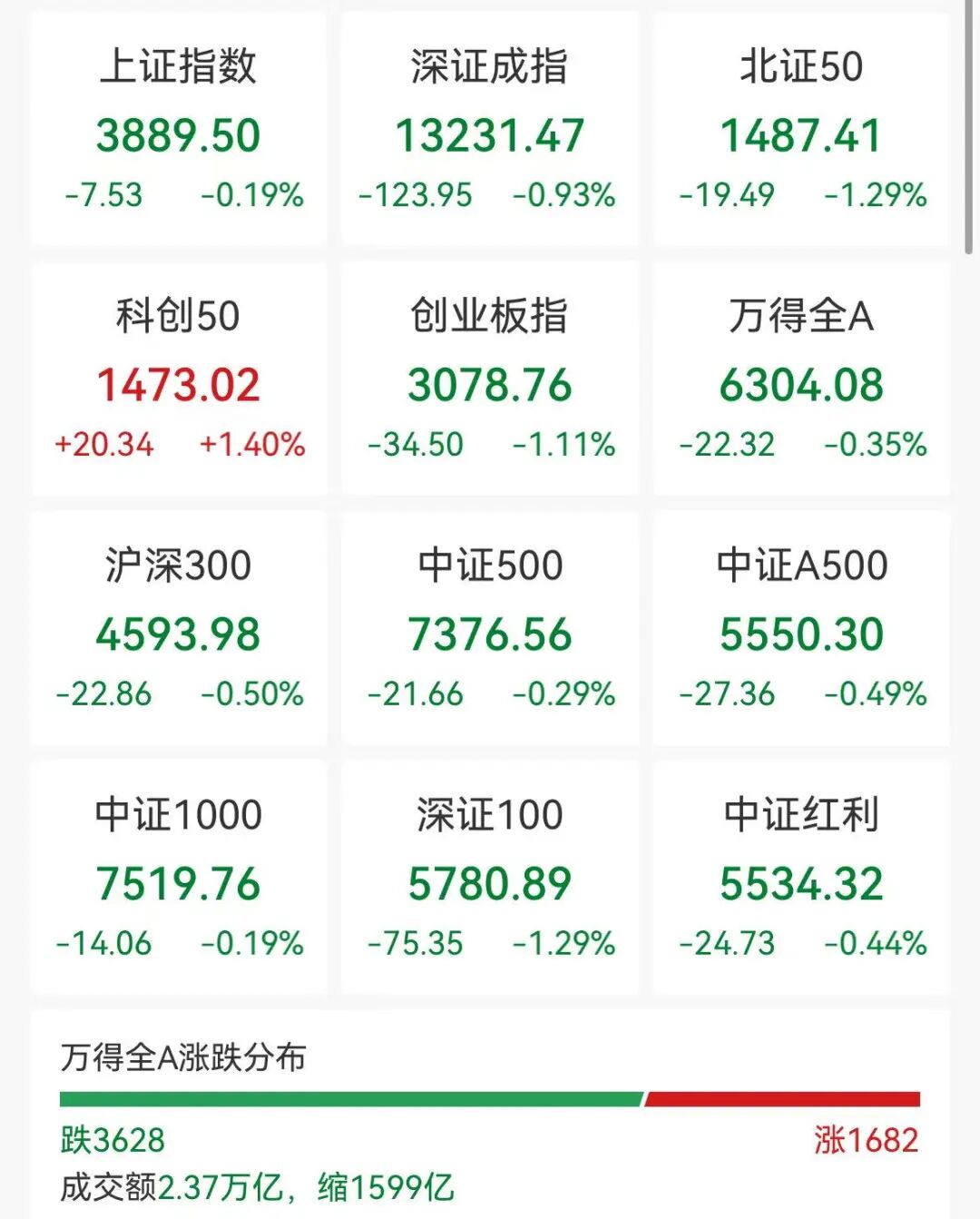
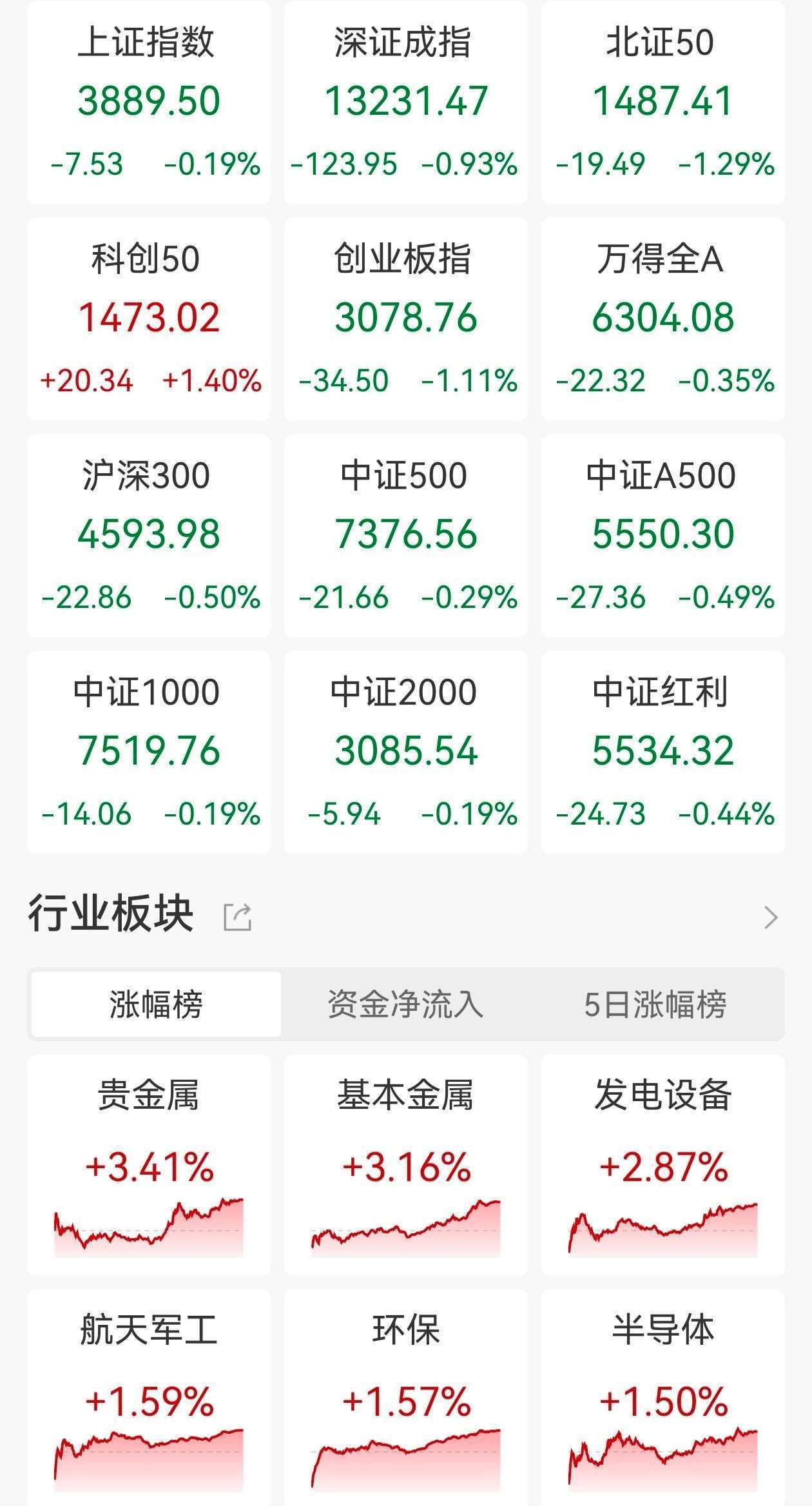
A股回升 10月13日,A股上午大幅度低开,随后一路回升, 沪指尾盘一度接近平盘。截至收盘, 沪指跌0.19%,深成指跌0.93%,创业板 指跌1.11%,表现最好的是科创50指数, 涨1.4%。 | 内地股票 | | | | --- | --- | --- | | | 资金净流入 | 涨跌分布 | | 上证指数 | 深证成指 | 北证50 | | 3889.50 | 13231.47 | 1487.41 | | -7.53 - - 0.19% - - 123.95 - - 0.93% - - 19.49 - - 1.29% | | | | 科创50 | 创业板指 | 万得全A | | 1473.02 | 3078.76 | 6304.08 | | +20.34 +1.40% -34.50 -1.11% -22.32 -0.35% | | | | 沪深300 | 中证500 | 中证A500 | | 4593.98 | | 7376.56 5550.30 | | -22.86 - -0.50% - 21.66 - -0.29% - 27.36 - -0.49% | | | | 中证1000 | 深证100 | ...





稀土出口管制新规点评:稀土出口管制强化,板块战略价值凸显
Shenwan Hongyuan Securities· 2025-10-13 07:57
Investment Rating - The report rates the rare earth industry as "Overweight," indicating an expectation for the industry to outperform the overall market [3][9]. Core Insights - The new export control regulations on rare earths, issued by the Ministry of Commerce and the General Administration of Customs, expand the range of controlled heavy rare earth elements and strengthen the control over export purposes, particularly for military and advanced semiconductor applications [3]. - The regulations create a comprehensive control system over the entire rare earth industry chain, enhancing China's pricing power in the sector [3]. - The report suggests focusing on leading companies with resource integration capabilities and growth potential, such as China Rare Earth, Northern Rare Earth, Baotou Steel, Guangsheng Nonferrous, Jinli Permanent Magnet, and Zhenghai Magnetic Materials [3]. Summary by Sections Regulatory Changes - On October 9, new regulations were announced, expanding the list of controlled rare earth elements from 7 to 12, including holmium, erbium, thulium, ytterbium, and europium [3]. - Export controls will now apply to military uses and advanced semiconductor applications, requiring case-by-case approval [3]. Industry Impact - The new regulations are expected to enhance the strategic value of the rare earth sector amid the ongoing US-China competition, with potential for upward valuation in the sector [3]. - The comprehensive regulatory framework covers all aspects of the rare earth supply chain, including raw materials, auxiliary materials, equipment, technology, export destinations, end users, and final uses [3]. Company Valuations - The report provides a valuation table for key companies in the rare earth sector, highlighting their stock prices, earnings per share (EPS), price-to-earnings (PE) ratios, and price-to-book (PB) ratios for the years 2024 to 2027 [4]. - For instance, China Rare Earth is projected to have an EPS of 0.34 in 2025 with a PE ratio of 162, while Northern Rare Earth is expected to have an EPS of 0.77 with a PE ratio of 68 [4].



出口管控持续强化 稀土永磁概念股机会如何?
Xin Hua Cai Jing· 2025-10-13 07:49
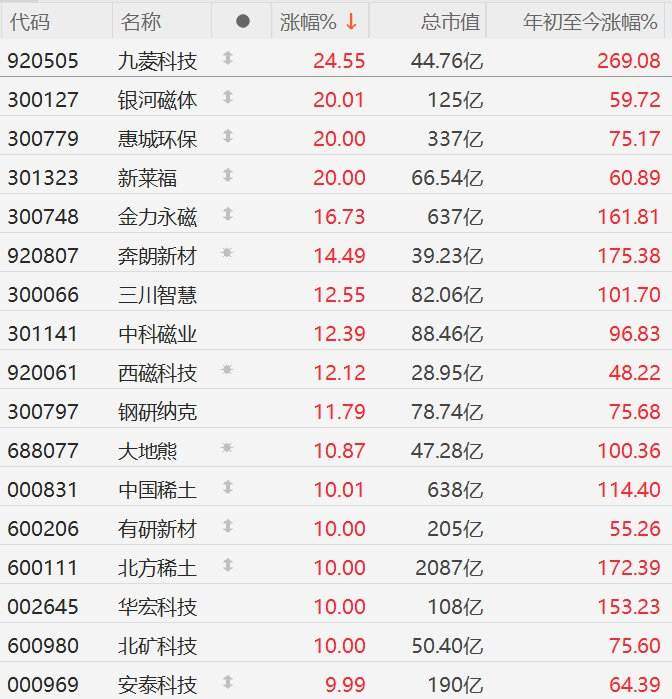
Core Viewpoint - The recent increase in rare earth prices and export controls by the Chinese government has led to a significant surge in the stock prices of rare earth permanent magnet companies, indicating a bullish outlook for the sector [1][2][3]. Export Control Measures - The Ministry of Commerce has intensified export controls on rare earths, with new regulations announced on October 9, which include restrictions on certain overseas rare earth-related items and technologies [3][5]. - The price of rare earth concentrate has been raised by Baotou Steel and Northern Rare Earth, with Northern Rare Earth adjusting its price to 26,205 yuan per ton for Q4 2025, reflecting a 37% increase [2][3]. Market Performance - Companies such as Jiuling Technology and Galaxy Magnet have seen stock price increases of 28% and 20%, respectively, while Northern Rare Earth's stock has risen over 170% this year, with a market capitalization of approximately 208.6 billion yuan [1][2]. - Northern Rare Earth has projected a net profit of 1.51 to 1.57 billion yuan for the first three quarters of 2025, representing a year-on-year growth of 272.54% to 287.34% [1][2]. Industry Dynamics - The rare earth permanent magnet industry encompasses upstream mining, midstream material processing, and downstream applications in various sectors, including electric vehicles and military equipment [4][5]. - China holds over 60% of the global rare earth production and has a significant advantage in refining and extraction technologies, which are crucial for maintaining its market position [5][6]. Strategic Value and Future Outlook - Analysts suggest that the recent export controls will enhance the strategic value of the rare earth industry, potentially leading to improved valuations for listed companies in the sector [5][6]. - The tightening of export controls is expected to strengthen China's pricing power in the global rare earth market, with implications for future supply and demand dynamics [6].
粤开市场日报-20251013
Yuekai Securities· 2025-10-13 07:47
Market Overview - The A-share market saw a majority of major indices decline today, with the Shanghai Composite Index down by 0.19% closing at 3889.50 points, the Shenzhen Component down by 0.93% at 13231.47 points, and the ChiNext Index down by 1.11% at 3078.76 points. The STAR 50 Index, however, increased by 1.40% to 1473.02 points. Overall, there were 1682 stocks that rose while 3628 stocks fell, with a total trading volume of 23547 billion yuan, a decrease of 1609 billion yuan from the previous trading day [1][2]. Industry Performance - Among the 31 first-level industries, only a few sectors such as non-ferrous metals, environmental protection, steel, national defense and military industry, banking, and computing saw gains, with respective increases of 3.35%, 1.65%, 1.49%, 0.86%, 0.74%, and 0.22%. Conversely, the automotive, home appliances, beauty care, media, and pharmaceutical industries experienced the largest declines, with decreases of 2.33%, 1.74%, 1.58%, 1.54%, and 1.47% respectively [1][2]. Concept Sectors - The leading concept sectors in terms of gains today included rare earths, rare earth permanent magnets, photoresists, semiconductor silicon wafers, rare metals, SMIC, lithium battery electrolytes, wafer industry, small metals, operating systems, semiconductor materials, gold and jewelry, continuous boards, pre-increase, and cobalt mines [2][11].
突发逼空!业内大佬:几十年没见过
Ge Long Hui· 2025-10-13 07:45
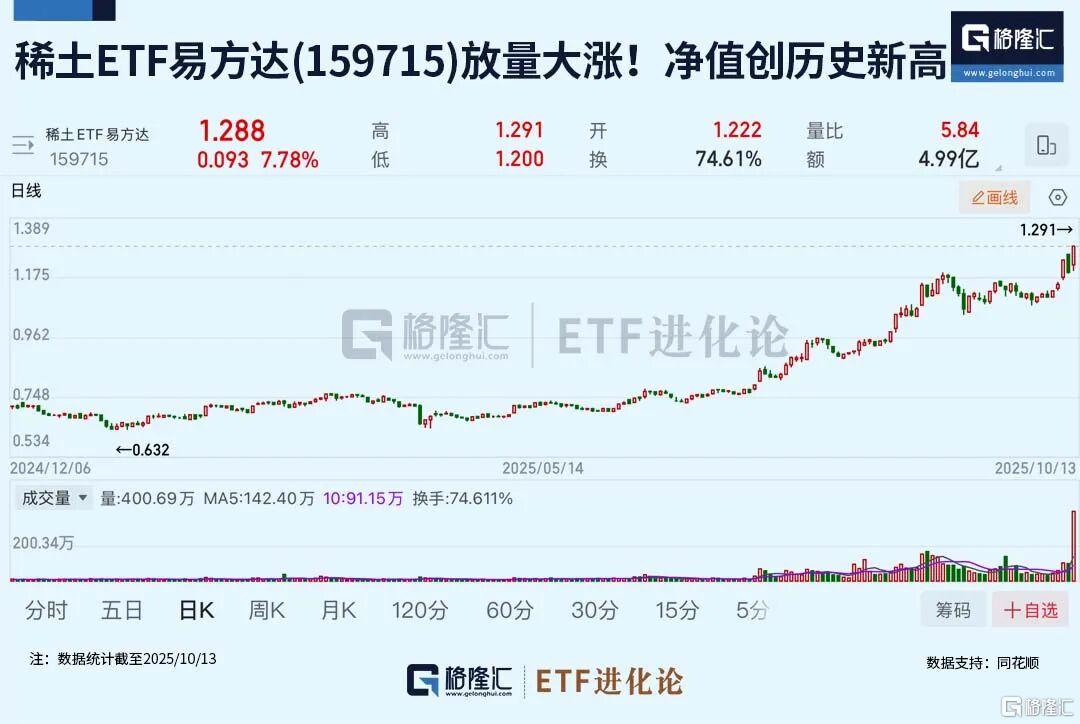
Market Overview - A-shares and Hong Kong stocks opened lower but rebounded during the trading session, with 73 stocks hitting the daily limit up and 10 stocks hitting the limit down by the end of the day [2][6]. Rare Earth Sector - The rare earth sector saw significant gains, with companies like Baotou Steel Rare Earth and Northern Rare Earth experiencing substantial price increases. The rare earth ETF from E Fund surged by 7.78%, marking a 93.39% increase year-to-date, reaching a historical net asset value high [3][5]. - The Ministry of Commerce announced export controls on certain rare earth materials and equipment, contributing to the price surge. Northern Rare Earth and Baotou Steel Rare Earth raised their prices, with rare earth concentrate prices increasing by 37% month-on-month, the highest since Q2 2023 [6]. - Northern Rare Earth projected a net profit of 1.51 billion to 1.57 billion yuan for the first three quarters, representing a year-on-year increase of 272.54% to 287.34% [6]. Gold Market - Gold prices reached a new historical high, with spot gold exceeding $4,060 per ounce. The gold ETF saw a 2.96% increase, with a year-to-date rise of 49.4% and net inflows exceeding 6.9 billion yuan [7][10]. - The demand for gold as a safe-haven asset has increased due to geopolitical tensions, expectations of interest rate cuts by the Federal Reserve, and political instability in various countries [9]. - Since the end of July, gold prices have risen over 20%, with a year-to-date increase of more than 50% [10]. Silver Market - Silver prices have outperformed gold, with London silver prices soaring above $51.5, marking an increase of over 40% since August and over 78% year-to-date [11]. - A liquidity crisis in the London silver market has led to unprecedented premium levels, making it difficult for short sellers to find physical silver for delivery [12][13]. Trade Relations and Market Sentiment - Recent comments from U.S. Vice President Kamala Harris indicated a willingness for rational negotiations with China, which may influence market sentiment [16]. - Analysts suggest that the current trade tensions may have limited impact on the economic fundamentals, viewing recent market adjustments as potential buying opportunities for quality assets in China [17].
稀土尾盘掀涨停潮 港口股集体拉升 金山办公大涨超8%
2 1 Shi Ji Jing Ji Bao Dao· 2025-10-13 07:40
Market Overview - The A-share market experienced fluctuations, with the Shanghai Composite Index closing down 0.19%, the Shenzhen Component Index down 0.93%, and the ChiNext Index down 1.11% [1] - The total trading volume in the Shanghai and Shenzhen markets was 2.37 trillion yuan, a decrease of 159.9 billion yuan compared to the previous trading day [1] Stock Performance - The Shanghai Composite Index closed at 3889.50, down 7.53 points [2] - The Shenzhen Component Index closed at 13231.47, down 123.95 points [2] - The ChiNext Index closed at 3078.76, down 34.50 points [2] - The Wande All A Index closed at 6304.08, down 22.32 points [2] Port and Shipping Stocks - Port stocks saw a collective surge, with Nanjing Port hitting the daily limit, and other stocks like Lianyungang, China National Offshore Oil Corporation, and Ningbo Maritime also rising [3] - Shipping stocks also experienced gains, with China National Offshore Oil Corporation and Ningbo Maritime rising over 6% at one point [3] Rare Earth Sector - The rare earth sector showed strong performance, with multiple stocks, including China Rare Earth, rising by 10% [5] - The rare earth index increased by 9.49%, closing at 3159.19 [6] - The Ministry of Commerce announced export controls on rare earth-related items, expanding the scope to include technologies and equipment, which covers the entire rare earth industry chain [6][7] Company Highlights - Kingsoft Office saw its stock price increase by over 8%, driven by the announcement that the Ministry of Commerce's recent notice would now be in WPS format, trending on social media [9] - Kingsoft Office reported a revenue of 1.748 billion yuan from its WPS personal business, a year-on-year increase of 8.38%, and a significant growth of 62.27% in WPS 365 business revenue [9]


花旗:稀土产业已成为支撑全球能源转型、先进制造与国防战略的关键领域!正处于上升周期的早中期阶段,首予北方稀土“买入”评级,目标价72元
Ge Long Hui· 2025-10-13 07:40
Group 1 - The core viewpoint of the article is that the rare earth industry is crucial for global energy transition, advanced manufacturing, and defense strategies, currently in the early to mid-stage of an upward cycle due to controlled supply from China and favorable policies [1] - The industry is benefiting from strategic positioning in energy transition, despite uneven downstream demand [1] - Short-term price stability is expected due to supply tightness and geopolitical risks, while mid-term price ranges are anticipated to increase but stabilize as new production capacity is gradually released [1] Group 2 - Citigroup initiated coverage on Northern Rare Earth (600111) with a "Buy" rating and a target price of 72 CNY, citing its leading resource position, stable quota acquisition ability, and complete industry chain layout [2] - Citigroup also initiated coverage on China Rare Earth with a "Neutral" rating and a target price of 61.6 CNY, considering its smaller scale, limited industry chain integration, high exposure to heavy rare earth business, and relatively constrained valuation upside [2]
ETF收评 | 三大指数尾盘拉升跌幅收窄,稀土板块掀涨停潮,稀土ETF易方达、稀土ETF涨7%,科创半导体ETF涨3.79%
Sou Hu Cai Jing· 2025-10-13 07:40
Core Viewpoint - The Shanghai Composite Index opened lower but rebounded, closing down 0.19%, while the Sci-Tech Innovation 50 Index rose by 1.4, indicating a mixed market performance with specific sectors showing strength [1]. Market Performance - Shanghai Composite Index: 3889.50, down 0.19% [2] - Shenzhen Component Index: 13231.47, down 0.93% [2] - Sci-Tech Innovation 50 Index: 1473.02, up 1.40% [2] - Other indices such as the CSI 300 and CSI 500 also showed slight declines [2]. Sector Performance - The self-controlled industrial chain experienced a significant surge, particularly in the rare earth permanent magnet sector, which saw a wave of limit-up trading [1]. - Strong performance was noted in sectors such as photolithography machines, lithium batteries, rare metals, and operating systems [1]. - Concepts related to nuclear fusion and solid-state batteries remained active [1]. - Conversely, sectors like robotics, consumer electronics, auto parts, and CRO concepts generally declined [1]. ETF Performance - The rare earth sector ETFs, such as E Fund and Fuguo Fund, surged over 7% [3]. - The non-ferrous metal sector ETFs also saw significant gains, with Huafu Fund's rare metal ETF rising by 6.82% and Jiashi Fund's by 6.55% [3]. - The semiconductor sector ETFs, including Huaxia Fund's Sci-Tech Semiconductor ETF, increased by 3.79% [3]. - In contrast, the innovative drug sector faced declines, with various healthcare ETFs dropping over 3% [3].
收评:沪指午后企稳回升,银行板块拉升,稀土概念再爆发
Zheng Quan Shi Bao Wang· 2025-10-13 07:31
Market Overview - The stock indices of both markets opened significantly lower on the 13th but gradually stopped declining in the afternoon, with the Shanghai Composite Index nearing a positive close and the Sci-Tech 50 Index rising over 1% [1] - By the end of the trading day, the Shanghai Composite Index fell by 0.19% to 3889.5 points, the Shenzhen Component Index dropped by 0.93% to 13231.47 points, and the ChiNext Index decreased by 1.11% to 3078.76 points, while the Sci-Tech 50 Index increased by 1.4% [1] - The total trading volume in the Shanghai and Shenzhen markets reached 23,745 billion yuan [1] Sector Performance - Sectors such as automobiles, media, oil, liquor, pharmaceuticals, and brokerage firms experienced declines, while sectors like non-ferrous metals, semiconductors, and banks saw gains [1] - The rare earth concept stocks surged again, and sectors related to photolithography machines, controllable nuclear fusion, and gold were active [1] Analyst Recommendations - CITIC Securities suggests a neutral approach in response to recent disturbances in the technology sector and Sino-U.S. relations, warning of liquidity risks [1] - If the market opens significantly lower, there may be more opportunities than risks, and investors are advised to seize "golden pit" opportunities [1] - Short-term focus should be increased on non-ferrous metals, banks, steel, and agriculture, while maintaining a long-term focus on technology and gold, with continued recommendations for sectors like batteries, chips, robotics, and innovative pharmaceuticals [1]
稀土尾盘掀涨停潮,港口股集体拉升,金山办公大涨超8%
2 1 Shi Ji Jing Ji Bao Dao· 2025-10-13 07:29
10月13日,A股市场全天震荡回升,截至收盘,沪指跌0.19%,深成指跌0.93%,创业板指跌1.11%。沪 深两市成交额2.37万亿,较上一个交易日缩量1599亿。 消息面上,10月9日,商务部联合海关总署等部门发布多项公告,对稀土相关物项、技术、设备及原辅 料实施出口管制,管制范围从境内扩展至境外,新增稀土二次资源回收利用相关技术及生产线装配、调 试、维护等技术的出口管制,基本覆盖稀土全产业链,并首次涉及半导体及人工智能领域。 中信证券对此表示,稀土资源安全已上升至国家安全体系的核心维度,稀土产业链有望进入高质量发展 新时代。随着传统需求旺季到来,供需格局或持续向好,稀土价格有望稳中有进,预计今年三、四季度 稀土产业链业绩或逐季提升,持续推荐稀土产业链战略配置价值。 港口股、航运股集体拉升 部分港口股出现异动,南京港(002040)直线涨停,连云港、国航远洋、宁波海运(600798)等多股纷 纷跟涨。部分航运股也有拉升动作,国航远洋、宁波海运一度涨超6%,凤凰航运(000520)、华光源 海等跟涨。 从消息面来看,中国交通运输部10日发布公告,决定将于10月14日起对涉美船舶收取船舶特别港务费。 公告称, ...


