
外贸

Search documents
上海财大校长刘元春直言:不是老百姓不花钱,是钱没到他们手上!
Sou Hu Cai Jing· 2025-12-19 18:07
Core Viewpoint - The global economy has shown unexpected resilience in 2025, with trade volumes increasing despite initial pessimistic forecasts due to trade tensions and inflation concerns [2][4][6]. Group 1: Economic Performance - By the end of 2025, China's total import and export volume reached 37.31 trillion yuan, reflecting a 3.6% increase compared to the previous year [6]. - China's share in global trade rose to approximately 15%, indicating a strengthening position in the international market [11]. Group 2: Trade Dynamics - China has shifted its trade focus towards emerging markets such as ASEAN, Africa, and Latin America, which have shown greater demand elasticity, thus supporting trade growth [8][11]. - The adjustment in trade strategy is not merely a replacement but has resulted in new growth increments [11]. Group 3: Technological Advancements - The release of the R1 model by DeepSeek signifies China's capability to advance in technology, challenging the dominance of a few countries in the field of large models [13]. - International investment institutions, including Goldman Sachs, are reassessing Chinese assets based on technological progress, influenced by the contrasting economic conditions between the U.S. and China [13][15]. Group 4: Consumer Behavior - Domestic consumption accounts for less than 40% of GDP, significantly lower than the global average of 55%, indicating weak internal demand [17]. - The income distribution structure in China is imbalanced, with households receiving only 60.6% of national income, which is below the global average, affecting consumer spending [19][21]. Group 5: Policy Recommendations - Short-term measures like trade-in programs have temporarily boosted sales but are not sustainable for long-term structural change [23]. - A focus on improving income distribution mechanisms is essential, particularly for workers in small and medium enterprises, to enhance consumer spending capacity [23][25].



宁夏前11个月外贸稳中有进 进出口总值超191亿元
Zhong Guo Xin Wen Wang· 2025-12-18 08:32
Core Insights - Ningxia's foreign trade showed resilience with a total import and export value of 19.19 billion yuan, a year-on-year increase of 5.8% in the first 11 months of 2025 [1] - Exports reached 14.08 billion yuan, up 5.3%, while imports were 5.11 billion yuan, increasing by 7.2% [1] Trade Structure and Dynamics - General trade accounted for 85.9% of Ningxia's foreign trade, with a total value of 16.49 billion yuan, growing by 1.5% [1] - Processing trade surged by 23.7%, reaching 1.42 billion yuan, indicating strong industrial chain effects [1] - Bonded logistics trade experienced significant growth, with a 80.4% increase to 1.27 billion yuan, emerging as a new engine for foreign trade growth [1] Market Participants and Export Growth - Private enterprises led Ningxia's foreign trade with imports and exports totaling 15.09 billion yuan, a 6.9% increase, representing 78.6% of the total foreign trade value [1] - The expansion of export markets is notable, with Ningxia's products now reaching 146 countries and regions globally, enhancing its trade network [1] Product Performance - Traditional products like basic organic chemicals and ferroalloys maintained stable export shares, while machinery and agricultural products showed remarkable performance [2] - Exports of excavators and loaders skyrocketed by 28.1 times and 15.7 times respectively, indicating strong demand [2] - Agricultural products such as fresh or refrigerated vegetables and dried chili saw significant year-on-year growth in exports [2] - Electrical machinery exports to countries like Ghana, Malaysia, and India experienced explosive growth, while agricultural products gained market share in Hong Kong, Singapore, and Thailand [2]
这个外贸大市官宣,拿下“第一”
3 6 Ke· 2025-12-18 02:12
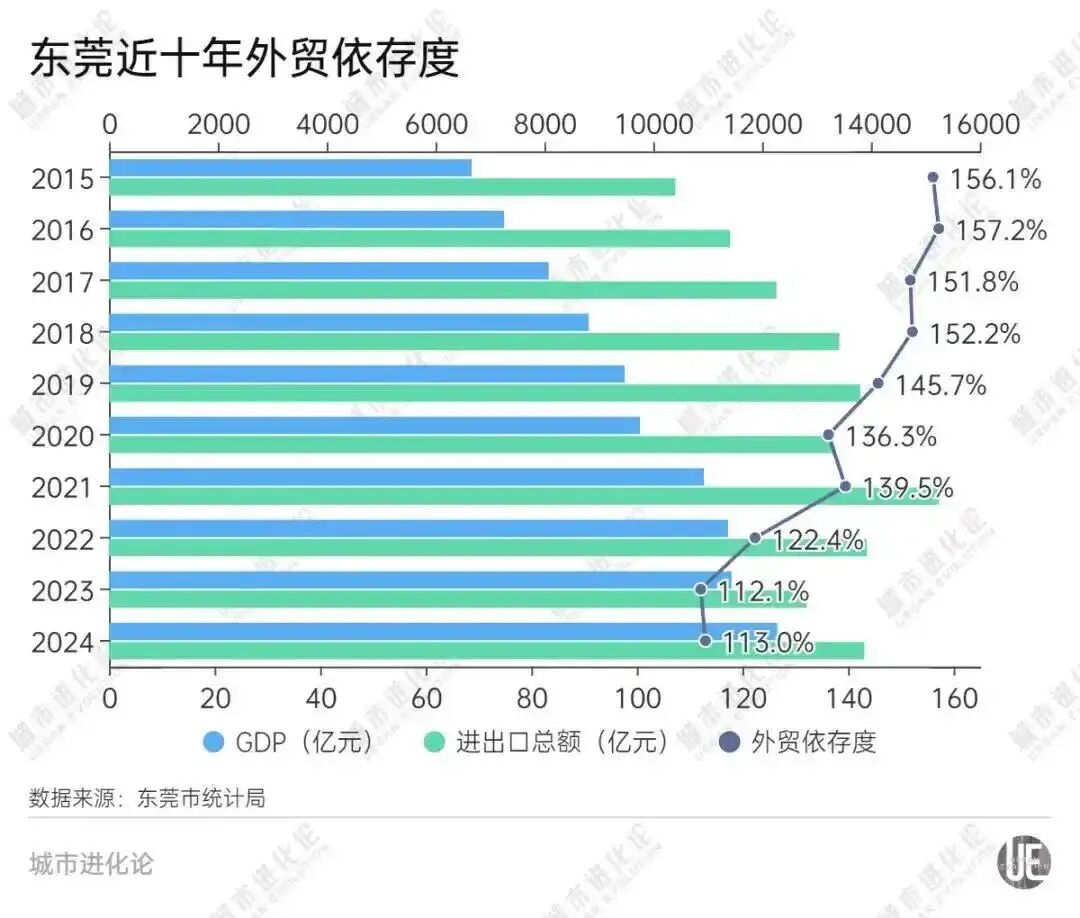
Core Insights - Dongguan's foreign trade import and export value reached 1.44 trillion yuan in the first 11 months of the year, marking a historical high for the same period and ranking fifth nationally, with a year-on-year growth of 14.3% [1] - The city's export value was 878.95 billion yuan, growing by 8.7%, while import value was 557.24 billion yuan, increasing by 24.3% [1] - The number of foreign trade enterprises in Dongguan increased by 15.6% year-on-year to 27,000, surpassing the total for the entire year of 2024 [1] - Private enterprises contributed 900 billion yuan to foreign trade, reflecting a year-on-year growth of 20.9% [1] Trade Dynamics - Dongguan regained its position as the "fifth largest foreign trade city" in China, overtaking Ningbo with a growth rate of 16.5% [1] - Emerging markets are a significant driver of Dongguan's foreign trade growth, with trade with 54 countries and regions increasing by over 50% [1] - Trade with Belt and Road Initiative countries grew by 24.3%, accounting for 30% of total trade, while trade with ASEAN countries surged by 36.8% [1] Industrial Competitiveness - Dongguan is enhancing its industrial competitiveness by upgrading towards high-tech and high-value-added sectors, with electromechanical product exports reaching 617.42 billion yuan, a growth of 12.3% [2] - Exports of integrated circuits, electrical equipment, computers and components, and mobile phones saw significant growth rates of 20.1%, 20.6%, 18.4%, and 6.9% respectively [2] - The foreign trade dependence ratio has decreased to 113%, down from over 400%, yet remains the highest among major cities in China [2] Economic Goals - Dongguan aims for an average annual economic growth rate of around 5% during the 14th Five-Year Plan, targeting a GDP exceeding 1.7 trillion yuan by 2030 [3] - The city plans to enhance foreign trade quality and efficiency by expanding overseas warehouse layouts and establishing more overseas exhibition centers [3] - There is a focus on tapping into domestic market potential and activating consumption to adapt to changing international conditions [3]
中国广告协会会长张国华:企业出海关注度有所回落 战略地位仍不可替代
Jing Ji Guan Cha Bao· 2025-12-17 11:55
Core Insights - The president of the China Advertising Association, Zhang Guohua, stated that the focus on Chinese enterprises going abroad has decreased, but their strategic importance remains irreplaceable [1][2] Group 1: Export Performance - In the first 11 months of this year, China's total goods trade export exceeded the entire export amount of 2024, contributing significantly to economic growth [1] - According to the General Administration of Customs, the total value of China's goods trade import and export reached 41.21 trillion yuan, a year-on-year increase of 3.6%. Exports were 24.46 trillion yuan, up 6.2%, while imports were 16.75 trillion yuan, up 0.2% [1] Group 2: Economic Growth and Challenges - Current predictions suggest that China's economic growth rate will remain around 5%. Without the 1.7 percentage points contribution from foreign trade, achieving the "5% target" would face severe challenges [2] - Despite the decline in market attention towards enterprises going abroad, the recognition and acceptance of Chinese products globally are continuously improving [2] Group 3: Challenges Faced by Chinese Enterprises - Chinese products are still perceived as low to mid-end in the international market, leading to insufficient pricing power and low profit margins for enterprises [2] - There is a need for Chinese enterprises to deeply understand cultural differences in target markets, as many still apply domestic marketing strategies that do not meet overseas market demands [2] - Companies must build a comprehensive localized ecosystem, collaborating with local partners to establish logistics networks, including key nodes like ports and distribution centers, to ensure efficient supply chain operations [2]
数据要素优化口岸营商环境研讨会暨企业数据验核平台启动会在青岛召开
Zhong Guo Jin Rong Xin Xi Wang· 2025-12-17 08:05
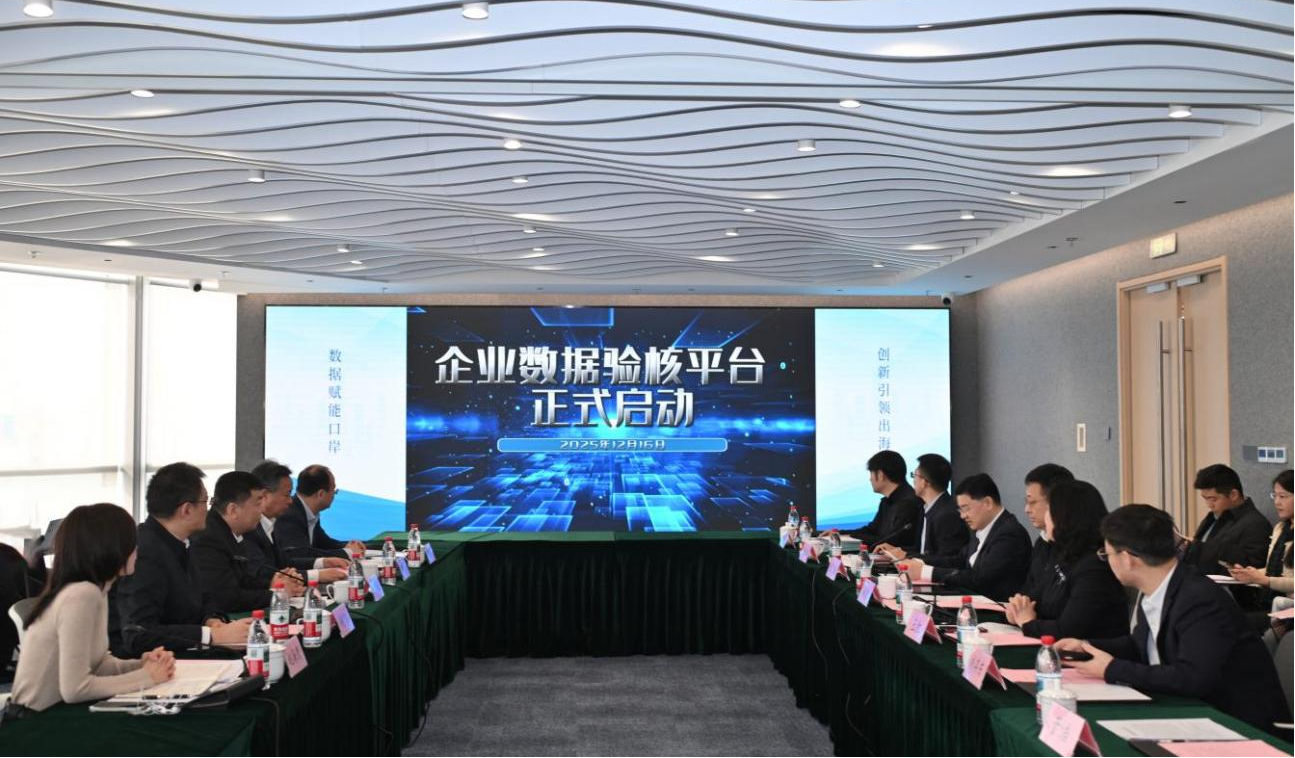
转自:新华财经 近日,数据要素优化口岸营商环境研讨会暨企业数据验核平台启动会在青岛举行。会议以"数据赋能口岸,创新引领出海"为主题,深入研讨数据要素在优化 口岸营商环境、稳定外贸企业预期、促进航运贸易金融融合发展方面的路径与措施,为提升贸易便利化水平、促进航运贸易金融发展提供了新的支撑。 青岛市人民政府副市长高健表示,企业数据验核服务平台的成功上线,不仅提升了贸易数字化水平,也为优化口岸营商环境、促进贸易便利化提供了有力支 撑。青岛将以此为契机,持续深化数字要素与航运物流业融合发展,打造更加智能、安全、高效的数字贸易新生态。 企业数据验核服务平台是在山东省商务厅、青岛市商务局的发起和支持下,由中国电子口岸数据中心、青岛海关数据分中心提供技术支持,青岛外贸赋能中 心负责主体建设,通过权威、便捷、可信的数据验核机制,平台可在 5 秒内完成单笔业务真实性验证,并支持多任务并行处理,有效破解了传统模式下业务 真实性验证难、单据核对周期长、数据来源分散等问题,为企业融资、结算、认证等环节提供了高效支撑。目前,平台已率先试用于外贸赋能中心的物流结 算账期服务,显著提升了交易安全性和结算效率。 下一步,各方将以本次合作为基 ...
中央财办有关负责同志详解中央经济工作会议精神
中国基金报· 2025-12-16 13:22
来源:新华社 在"十四五"即将收官、"十五五"新程待启的关键时点,2025年12月10日至11日召开的中央 经济工作会议备受瞩目。 当前经济形势怎么看?"十五五"新开局重点任务如何推进?聚焦舆论关注的热点问题,中央 财办有关负责同志会后第一时间接受中央主要媒体采访,深入解读中央经济工作会议精神。 问:2025年我国交出怎样的经济"成绩单"?明年经济形势如何? 答: 中央经济工作会议对今年经济工作进行全面总结,指出2025年是很不平凡的一年,我国 经济顶压前行、向新向优发展,展现强大韧性和活力。 一是运行总体平稳、稳中有进。 主要经济指标符合预期,预计全年经济增长5%左右、继续位 居世界主要经济体前列,经济总量有望达到140万亿元左右。就业总体稳定,外贸较快增长、 出口多元化成效明显。 二是现代化产业体系建设持续推进。 新质生产力稳步发展,科技创新成果丰硕,人工智能、 生物医药、机器人等研发应用走在全球前列。 三是改革开放迈出新步伐。 全国统一大市场建设向纵深推进,综合整治"内卷式"竞争成效显 现,资本市场较为活跃,自主开放有序推进。 四是重点领域风险化解取得积极进展。 地方政府隐性债务有序置换,"保交房"任务 ...

聚焦中央经济工作会议·反响|以实际行动推动高质量发展取得新成效——中央经济工作会议激励广大干部群众踔厉奋发开新局
Xin Hua She· 2025-12-14 13:59
Group 1 - The Central Economic Work Conference emphasized the importance of high-quality economic development and the need for collective efforts to achieve a good start for the 14th Five-Year Plan [2][4] - The conference highlighted the necessity of enhancing confidence and leveraging advantages to address external challenges, with a focus on internal capacity building [3][4] - The meeting called for the promotion of county-level economic development, particularly through the cultivation of characteristic industries and extending industrial chains [4] Group 2 - The conference proposed the construction of international technology innovation centers in key regions such as Beijing, Shanghai, and the Guangdong-Hong Kong-Macau Greater Bay Area, aiming to enhance regional collaboration and innovation [5][6] - The meeting stressed the importance of green development, urging key industries to implement energy-saving and carbon-reduction measures [6] - The establishment of the Hainan Free Trade Port is set to commence on December 18, with plans to optimize foreign investment and service trade regulations [7] Group 3 - The conference outlined measures to stabilize employment for key groups, including college graduates and migrant workers, and to improve educational resource allocation [8] - The focus on agricultural development was reinforced, with initiatives aimed at promoting rural revitalization and enhancing farmers' income through integrated agricultural and cultural tourism models [8]
以确定性政策托举信心 让百姓“有钱花、敢花钱”
Sou Hu Cai Jing· 2025-12-14 11:27
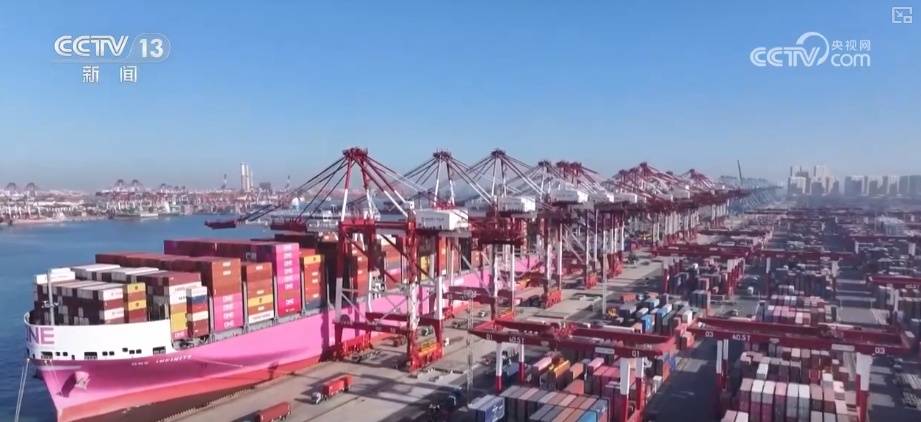
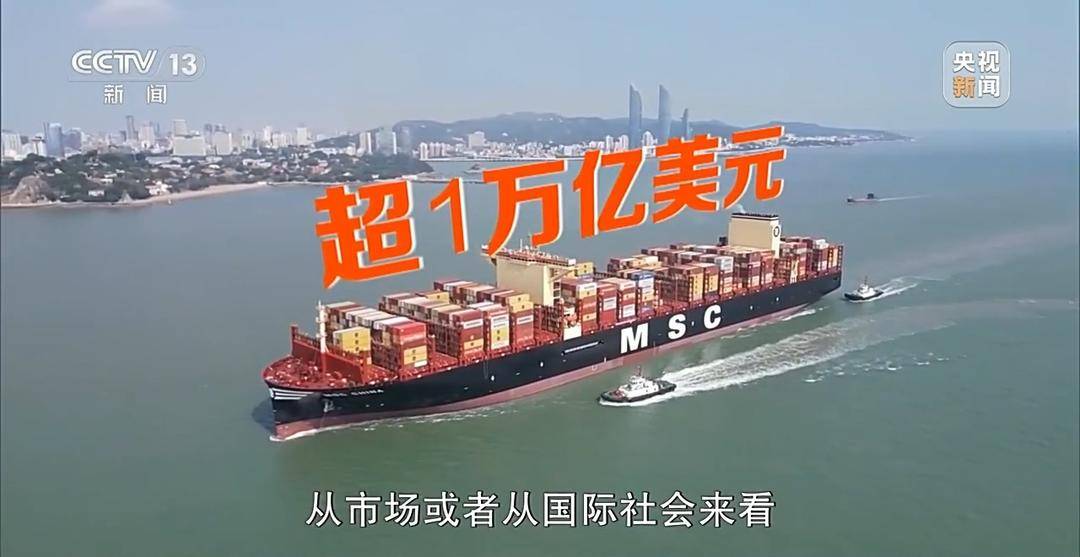
Group 1 - The core focus of the Central Economic Work Conference is to prioritize domestic demand and build a strong domestic market as the main goal for China's economy in the coming year [1] - China's total import and export value reached 41.21 trillion yuan in the first 11 months of 2025, with a year-on-year growth of 3.6%, marking a historic trade surplus of over 1 trillion USD [1][3] - Private enterprises have become the mainstay of foreign trade, with their import and export value reaching 23.52 trillion yuan, a year-on-year increase of 7.1%, accounting for 57.1% of China's total foreign trade [6] Group 2 - Imports showed a weaker performance, with a year-on-year growth of only 0.2%, indicating a lack of domestic demand [8][10] - The current economic challenge is characterized by a strong supply but weak demand, leading to a mismatch that affects both businesses and consumers [15][19] - The Central Economic Work Conference emphasized the need to shift from quantity to quality in production, addressing the structural contradictions in supply and demand [21][23] Group 3 - The conference proposed a comprehensive plan to increase income for urban and rural residents, aiming to enhance consumption capacity and stimulate demand [29][36] - Experts suggest that improving basic public services and investing in human capital are crucial for increasing residents' consumption ability, especially for low-income groups [39] - The government plans to stabilize the real estate market by encouraging the acquisition of existing properties for affordable housing, which is expected to boost consumer confidence [41]
2026年中国经济向“内”求变,让老百姓“有钱花、敢花钱”
Sou Hu Cai Jing· 2025-12-14 02:06
Group 1 - In 2025, China's economy faced significant challenges but showed resilience, with a focus on domestic demand and building a strong domestic market as highlighted in the Central Economic Work Conference [1][16] - The total value of China's goods trade import and export reached 41.21 trillion yuan, a year-on-year increase of 3.6%, with a trade surplus exceeding 1 trillion USD for the first time [1][3] - Private enterprises have become the mainstay of foreign trade, with their import and export value reaching 23.52 trillion yuan, a year-on-year increase of 7.1%, accounting for 57.1% of China's total foreign trade [7][9] Group 2 - The export growth of private enterprises outpaced that of state-owned and foreign enterprises, indicating their crucial role in driving trade growth [9] - Despite a decline in exports to the US by 18.9%, exports to ASEAN and the EU increased significantly, compensating for the drop [3][5] - The overall import growth was sluggish at 0.2%, reflecting weak domestic demand, which the Central Economic Work Conference emphasized needs to be addressed [10][20] Group 3 - The Central Economic Work Conference identified the imbalance between strong supply and weak demand as a major challenge, necessitating a focus on balancing supply and demand [20][22] - The government plans to implement a "rural and urban residents' income increase plan" to enhance consumer purchasing power, indicating a shift towards a more inclusive economic strategy [36][42] - The emphasis on quality over quantity in production is crucial for addressing the current economic challenges, with a focus on enhancing the supply of high-quality goods and services [29][31] Group 4 - The real estate market's stability is vital for consumer confidence, with measures proposed to stabilize the market and support affordable housing [49][51] - The government aims to shift fiscal spending from traditional infrastructure to social services like education and healthcare, which could enhance consumer spending capacity [47][46] - The Central Economic Work Conference set a policy direction of "seeking progress while maintaining stability" and "improving quality and efficiency," indicating a focus on sustainable economic growth [51]
“十五五”东莞GDP剑指1.7万亿元,如何激活增长新潜能?
2 1 Shi Ji Jing Ji Bao Dao· 2025-12-13 03:20
Group 1 - The core economic growth target for Dongguan during the "15th Five-Year Plan" is to maintain an average annual growth rate of around 5%, aiming for a GDP exceeding 1.7 trillion yuan by 2030, with per capita GDP surpassing the threshold of moderately developed countries [1][2] - Dongguan's economic growth has slowed after years of rapid expansion, necessitating higher demands for economic structure and quality improvements [1][2] - The city aims to leverage technology and innovation as key drivers for new productive forces, focusing on AI and technology-driven industries to support economic advancement [2][3] Group 2 - Dongguan recognizes existing challenges in its economic development, including low overall quality, reliance on a single pillar industry, and a small scale of emerging strategic industries [2][3] - To address these shortcomings, Dongguan plans to enhance the integration of technological and industrial innovation, aiming for R&D investment to reach 4.1% of GDP and service industry value added to account for 50% of GDP by 2030 [3] - The city will focus on building a robust AI ecosystem, enhancing capabilities in AI hardware and software, and establishing a national AI application pilot base [5][4] Group 3 - Dongguan's foreign trade has shown resilience, with total import and export volume expected to reach a historical high by 2025, despite a challenging international environment [5] - The city plans to expand its overseas warehouse layout and establish more overseas exhibition centers to enhance trade quality and efficiency [5][6] - Dongguan aims to tap into the domestic market, leveraging its advantages as a key city in the Greater Bay Area to boost internal circulation and expand growth opportunities [6][7]