铁路

Search documents
2025年1-11月全国铁路、船舶、航空航天和其他运输设备制造业出口货值为4570亿元,累计增长24.7%
Chan Ye Xin Xi Wang· 2026-01-04 03:22
Core Viewpoint - The article highlights the significant growth in the export value of China's railway, shipbuilding, aerospace, and other transportation equipment manufacturing industries, indicating a robust market trend and potential investment opportunities in this sector [1]. Group 1: Industry Overview - In November 2025, the export value of the railway, shipbuilding, aerospace, and other transportation equipment manufacturing industries reached 44.55 billion yuan, marking a year-on-year increase of 24.4% [1]. - From January to November 2025, the cumulative export value for these industries was 457 billion yuan, with a year-on-year growth of 24.7% [1]. - The data indicates a consistent upward trend in the export value from 2019 to November 2025, showcasing the industry's resilience and growth potential [1]. Group 2: Related Companies - The article lists several companies involved in the transportation equipment sector, including Shanxi Road and Bridge (000755), Dongguan Holdings (000828), Modern Investment (000900), among others [1]. - These companies are positioned to benefit from the growing export market and may present investment opportunities as the industry expands [1].


后巴菲特时代,阿贝尔可能比巴菲特赚得更狠!
Xin Lang Cai Jing· 2026-01-04 01:24
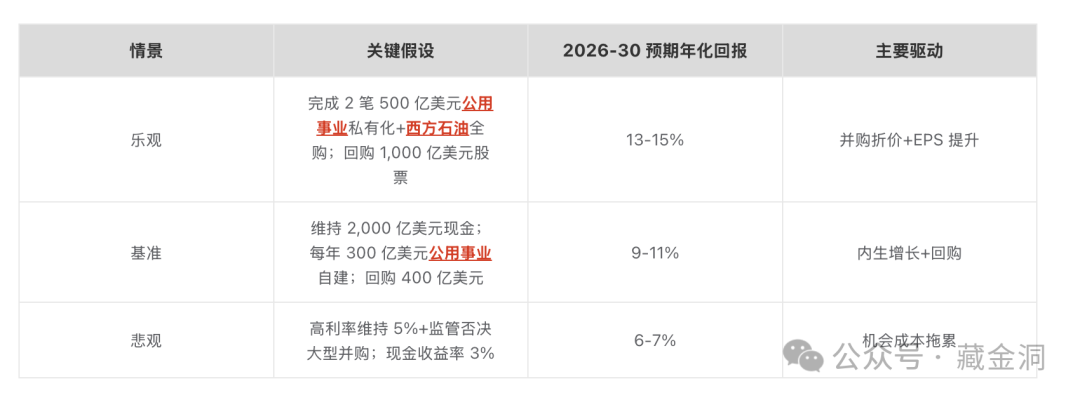
Core Viewpoint - The transition from Warren Buffett to Abel marks a significant shift in Berkshire Hathaway's strategy, moving from brand investment to resource control, with a focus on hard assets and cash management [1][7][30]. Group 1: Financial Position - Berkshire Hathaway's cash reserves have reached a record high of $381 billion, surpassing the total market value of its stock holdings, which stands at $283 billion [17][18]. - This unprecedented cash position indicates a strategic pivot, suggesting that Abel views the current stock market as inflated and prefers liquidity as a strategic asset [19][20]. Group 2: Leadership Transition - Abel, who has a background in energy and railroads, is characterized as a pragmatic and aggressive leader, contrasting with Buffett's more romantic investment philosophy [10][14]. - Abel's approach is expected to focus on acquiring distressed hard assets, such as utilities and infrastructure, rather than traditional consumer brands [21][23][28]. Group 3: Investment Strategy - The investment strategy under Abel is anticipated to shift towards "survival" rather than "pleasure," emphasizing essential services and resources [28][30]. - Abel's recent acquisition of $4.3 billion in Google stock reflects a strategic interest in stable cash flow assets related to AI data centers, rather than speculative technology investments [28]. Group 4: Market Outlook - The current market environment is characterized by high valuations and rising interest rates, which are seen as challenges for companies in utilities and energy sectors [20][21]. - Abel's strategy may involve privatization and full acquisitions of struggling companies, aiming to generate revenue through essential services rather than stock price appreciation [25][26]. Group 5: Future Projections - Projections for Berkshire's annualized returns from 2026 to 2030 vary based on different scenarios, with optimistic estimates suggesting returns of 13-15% through strategic acquisitions and share buybacks [29]. - The company is expected to evolve into a more stable income-generating entity, resembling a super bond or enhanced utility index ETF, with reduced volatility and increased dividend potential [3][30].
喜报 || 中车四方文化科技馆获评青岛市2025年度新型消费应用场景
Sou Hu Cai Jing· 2026-01-03 09:26
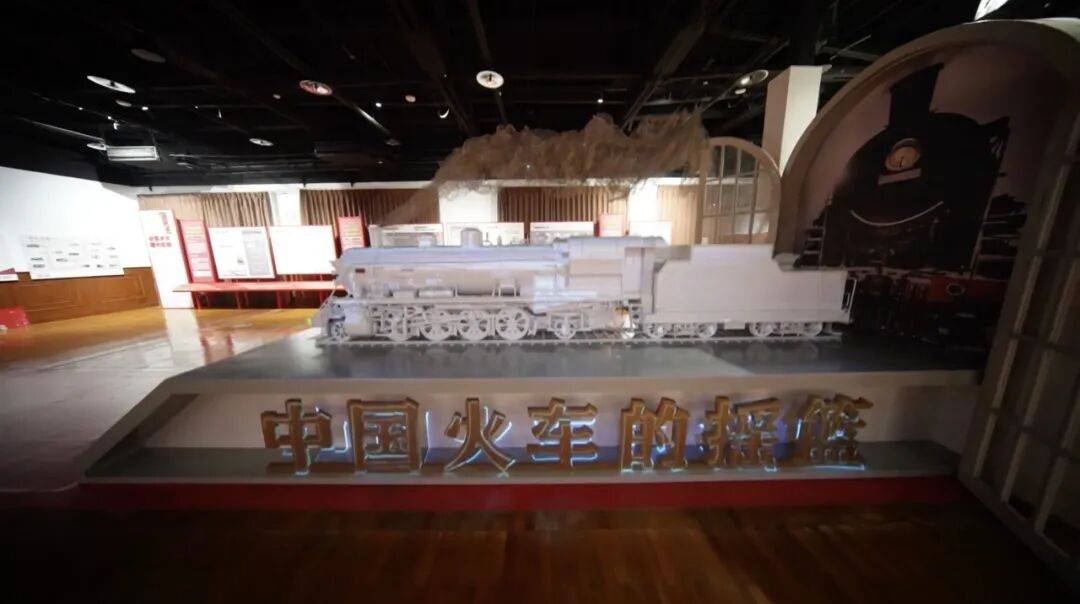
成功获评 "新型消费应用场景" "中车四方文化科技馆"项目位于杭州路16号中车四方智汇港园区内,依托百年工业遗存,以高铁科技为核心,通过沉浸式互动体验,打造集历史展示、科 普教育、文创消费于一体的文旅融合新空间,是国内首个以高铁为主题的探索互动型科技展馆。自2025年9月开馆以来,迅速成为区域文旅消费新热点。 近日 市北区文旅局推荐报送的 "中车四方文化科技馆"项目 在青岛市2025年度 新型消费应用场景 和新型消费领先企业评选中 作为国内首个以"高铁"为主题的探索互动型科技展馆,这里分为历史文化馆与科技体验馆两大板块,系统呈现中国轨道交通从蒸汽机车到高速动车组的蜕 变之路,将尖端科技与趣味科普完美融合,为所有年龄段的观众打开一扇可触摸、可感知的探索之门。 组图|@微市北 走进历史文化馆,时光仿佛倒流至百年前。斑驳的机车零件、复原的工人运动场景,讲述着铁路人艰苦奋斗的创业精神与甘于奉献的敬业情怀。 图|@微市北 来到科技体验馆,便来到了未来的入口。展馆设置了"极创领跑""极速之梦""极效智造""极致探秘""极达未来"和"火车乐园"等几个展厅,涵盖高铁研发、 制造和运行的多个环节,没有枯燥的展板,只有玩不腻的互 ...
厦门最新出台!25条措施真金白银助企惠民
Xin Lang Cai Jing· 2026-01-02 05:02
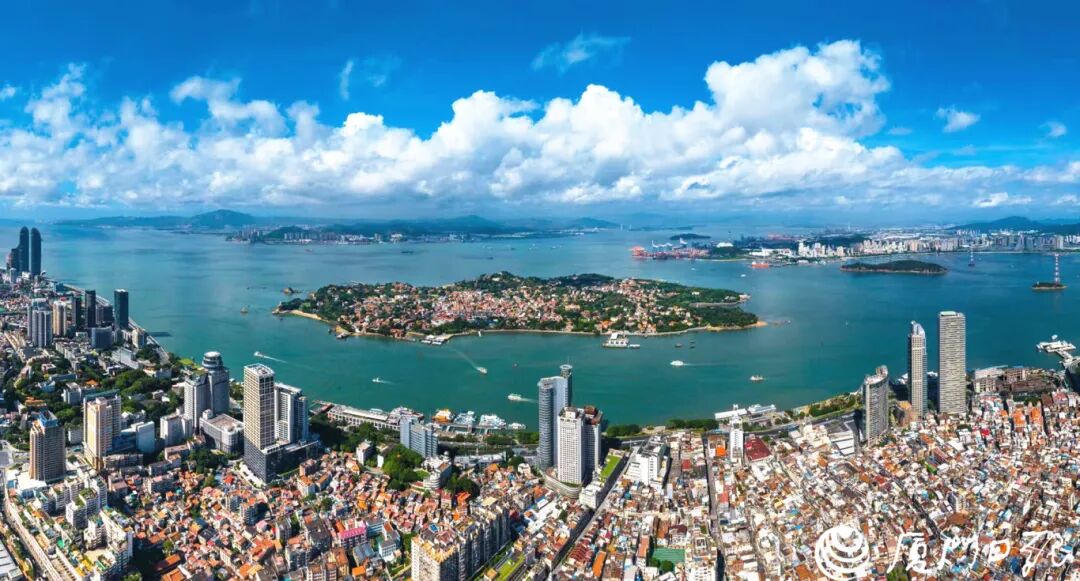
Group 1: Core Initiatives - Xiamen has launched a series of measures to boost economic growth in the first quarter of 2026, focusing on consumption, investment, and support for various sectors [1][2] - The measures include 25 specific actions aimed at stabilizing and improving the economy, aligning with national and local economic policies [2][4] Group 2: Consumer Promotion - A total of 10 million yuan will be allocated for consumer promotion activities in the first quarter, including over 100 events focused on automobiles, home appliances, and clothing [5] - The city plans to implement a consumption upgrade program, encouraging the replacement of old consumer goods with new ones, and optimizing subsidy processes to enhance consumer experience [5] Group 3: Support for the Real Economy - Financial incentives will be provided to districts that excel in industrial electricity consumption, investment, and value-added output, with rewards of up to 400,000 yuan [6][7] - The government aims to enhance the development of the wholesale and retail sectors through financial support and incentives for businesses transitioning to higher operational standards [7] Group 4: Investment Expansion - The scale of the technology innovation fund will increase from 50 billion yuan to 60 billion yuan starting in 2026, broadening the scope of supported industrial projects [10] - Key infrastructure projects, including the Xiamen-Zhangzhou-Quanzhou intercity railway and Xiamen Xiang'an International Airport, are prioritized for expedited implementation [10][11] Group 5: Foreign Trade and Investment - Measures to support foreign trade enterprises include financial assistance for market expansion in emerging markets and incentives for cross-border e-commerce [11][12] - The city aims to simplify foreign debt registration processes and enhance financing options for high-tech and specialized small and medium-sized enterprises [12] Group 6: Agricultural Production and Employment - The government has set a target for spring grain planting across 16,200 acres and aims to stabilize production of key agricultural products [12] - Employment services will be strengthened, with plans for over 200 recruitment events and financial incentives for companies hiring new workers [13]
中船赛思亿取得船舶直流组网瞬态功率补偿控制专利
Sou Hu Cai Jing· 2026-01-02 04:22
国家知识产权局信息显示,中船赛思亿(无锡)电气科技有限公司;中船赛思亿(福建)电气科技有限 公司取得一项名为"一种船舶直流组网的瞬态功率补偿控制方法及系统"的专利,授权公告号 CN120855361B,申请日期为2025年9月。 天眼查资料显示,中船赛思亿(无锡)电气科技有限公司,成立于2011年,位于无锡市,是一家以从事 电气机械和器材制造业为主的企业。企业注册资本8547万人民币。通过天眼查大数据分析,中船赛思亿 (无锡)电气科技有限公司共对外投资了1家企业,参与招投标项目4004次,财产线索方面有商标信息 12条,专利信息196条,此外企业还拥有行政许可16个。 中船赛思亿(福建)电气科技有限公司,成立于2024年,位于福州市,是一家以从事铁路、船舶、航空 航天和其他运输设备制造业为主的企业。企业注册资本2000万人民币。通过天眼查大数据分析,中船赛 思亿(福建)电气科技有限公司参与招投标项目177次,专利信息57条,此外企业还拥有行政许可5个。 声明:市场有风险,投资需谨慎。本文为AI基于第三方数据生成,仅供参考,不构成个人投资建议。 来源:市场资讯 ...
中船赛思亿取得船用锂电池高压互锁保护专利
Sou Hu Cai Jing· 2026-01-02 02:11
国家知识产权局信息显示,中船赛思亿(无锡)电气科技有限公司、中船赛思亿(福建)电气科技有限 公司取得一项名为"一种船用锂电池组的高压互锁保护方法及系统"的专利,授权公告号 CN120879879B,申请日期为2025年9月。 天眼查资料显示,中船赛思亿(无锡)电气科技有限公司,成立于2011年,位于无锡市,是一家以从事 电气机械和器材制造业为主的企业。企业注册资本8547万人民币。通过天眼查大数据分析,中船赛思亿 (无锡)电气科技有限公司共对外投资了1家企业,参与招投标项目4004次,财产线索方面有商标信息 12条,专利信息196条,此外企业还拥有行政许可16个。 中船赛思亿(福建)电气科技有限公司,成立于2024年,位于福州市,是一家以从事铁路、船舶、航空 航天和其他运输设备制造业为主的企业。企业注册资本2000万人民币。通过天眼查大数据分析,中船赛 思亿(福建)电气科技有限公司参与招投标项目177次,专利信息57条,此外企业还拥有行政许可5个。 声明:市场有风险,投资需谨慎。本文为AI基于第三方数据生成,仅供参考,不构成个人投资建议。 来源:市场资讯 ...
一起为梦想奋斗、为幸福打拼——习主席二〇二六年新年贺词引发热烈反响
Yang Guang Wang· 2026-01-02 01:43
Group 1 - The New Year speech by President Xi Jinping emphasizes the achievements of the "14th Five-Year Plan" and encourages the nation to continue striving for modernization in the "15th Five-Year Plan" [1][2] - The speech highlights the importance of innovation in driving high-quality development and creating new productive forces, with a focus on integrating technology such as artificial intelligence into various sectors like ports [2] - Cultural development is underscored, with references to the global popularity of Chinese cultural icons, encouraging creators to share Chinese stories and images on the world stage [3] Group 2 - The speech addresses the significance of improving people's livelihoods, emphasizing that every small aspect of life contributes to the overall prosperity of the nation [3][4] - The rapid recovery and rebuilding efforts in areas affected by disasters, such as the housing situation in Gansu Province, demonstrate the government's commitment to ensuring safety and comfort for its citizens [4] - The maritime sector is highlighted, with officials expressing their dedication to ensuring safe navigation and security along the coastlines, reflecting the broader national goal of maritime safety [5]
越南自2026年1月起生效的重要经济政策
Shang Wu Bu Wang Zhan· 2026-01-01 16:46
Group 1: New Economic Policies in Vietnam - From January 2026, several important new economic policies will take effect in Vietnam, including the Special Consumption Tax Law, Advertising Law, land use fee reductions, minimum wage increases, and a technology transfer mechanism for railway projects [1] Group 2: Special Consumption Tax Law - The new Special Consumption Tax Law, passed on June 14, 2025, aims to increase fiscal budget revenue, adjust consumption behavior, and guide the market towards sustainable development [2] Group 3: Advertising Law Adjustments - The amended Advertising Law, passed on June 16, 2025, focuses on administrative reform, reducing compliance costs for businesses, and enhancing the efficiency of advertising activities in a digital economy context [3] Group 4: International Financial Center Court Law - The National Assembly has passed the International Financial Center Court Law, establishing the court's functions, structure, and procedures, which is a significant legislative achievement [4] Group 5: ODA and Foreign Loan Regulations - New regulations on Official Development Assistance (ODA) and foreign loan transfer mechanisms have been introduced to enhance flexibility and expand access to preferential funding, supporting development investments [5] Group 6: Price Management Mechanism - The amended Price Law focuses on expanding regulatory scope, protecting consumers, and improving market transparency, which is essential for macroeconomic stability [6] Group 7: Macro-Economic Stability and Sustainable Development - The National Budget Law emphasizes maintaining macroeconomic stability and sustainable development, incorporating transparency and social oversight into the fiscal budget framework [7] Group 8: Railway Investment Prioritization - The Railway Law designates railways as a priority investment area, introducing mechanisms to encourage private sector participation in railway infrastructure development [8] Group 9: Statistical Law Adjustments - The amended Statistical Law aims to improve economic and social governance by reducing compliance costs and enhancing data transparency [10] Group 10: Land Use Fee Reductions - A resolution allows for reduced land use fees when converting agricultural land to residential use, aimed at alleviating financial burdens on families and meeting housing demands [11] Group 11: Agricultural Land Tax Policy - A new policy extends the tax exemption period for agricultural land use, encouraging production scale expansion and enhancing agricultural competitiveness [12] Group 12: Minimum Wage Increase - The minimum wage has been set between 3.7 million and 5.31 million VND per month, aimed at ensuring worker income and purchasing power [12] Group 13: Railway Technology Transfer Mechanism - A new decree establishes a special mechanism for technology development and transfer in the railway sector, promoting local capabilities and reducing reliance on foreign technology [13] Group 14: New Accounting Standards - The new accounting standards issued by the Ministry of Finance aim to align with international standards, enhancing financial transparency and financing capabilities for businesses [14] Group 15: Corporate Tax Incentives for Electronics Manufacturing - New standards for corporate tax incentives for electronics manufacturing companies have been introduced, aimed at reducing costs and encouraging investment in high-tech sectors [15]
95岁巴菲特正式交棒!一个时代落幕,留下600亿美元捐赠
Sou Hu Cai Jing· 2026-01-01 14:59
Group 1 - Warren Buffett, the 95-year-old "Oracle of Omaha," officially retired as CEO of Berkshire Hathaway on January 1, 2026, after a remarkable 60-year tenure, during which he achieved a 55,000-fold investment miracle [1] - Buffett has committed to donating over 99% of his personal wealth, and before his retirement, he donated an additional $6 billion in Berkshire stock to the Gates Foundation and family charities, bringing his total donations to over $60 billion, setting a record in personal philanthropy [3] - The transition of leadership to Greg Abel is supported by Buffett, who retains the role of chairman and a significant number of shares, ensuring market confidence as Berkshire's market value exceeds $1 trillion [3] Group 2 - Buffett's investment philosophy emphasizes understanding investments before committing, as he has avoided trends like AI and cryptocurrencies, and has historically acted contrary to market sentiment, such as buying during downturns [4] - The era of wealth accumulation through compounding is concluding, but Buffett's legacy extends beyond financial success to a profound understanding of rationality, patience, and the belief in giving back to society [6] - Buffett's approach to wealth transfer focuses on leaving a positive impact on the world rather than merely passing down financial assets to heirs [6]

巴菲特正式退休,伯克希尔进入阿贝尔时代
第一财经· 2026-01-01 01:24
Core Viewpoint - The article discusses the transition of leadership at Berkshire Hathaway as Warren Buffett prepares to retire, with Greg Abel set to take over as CEO. This change marks a significant moment in the financial world, as Buffett has been a pivotal figure in investing for nearly 60 years [3][4]. Group 1: Buffett's Legacy and Investment Philosophy - Buffett has led Berkshire Hathaway since 1965, transforming it from a struggling textile company into a diversified conglomerate with interests in various sectors, including railroads, energy, and retail [5]. - Under Buffett's leadership, Berkshire achieved an annualized return of nearly 20%, significantly outperforming the S&P 500's 10% during the same period [6]. - Buffett's investment strategy focuses on value investing, favoring stocks that are undervalued compared to peers and those with reasonable pricing that he believes will be recognized by the market in the future [6][7]. Group 2: Transition to Greg Abel - Greg Abel, who has been appointed as Buffett's successor, is currently the Vice Chairman of Berkshire's non-insurance businesses and was designated as Buffett's successor in 2021 [7]. - Following the announcement of Buffett's retirement, Berkshire's stock price fell over 10%, while the S&P 500 rose more than 10%, indicating investor concerns about the leadership change [7]. - Buffett has reassured investors about Abel's capabilities and has committed to remaining involved with the company, which may help stabilize investor confidence [7][8]. Group 3: Current Market Position and Strategy - Despite a cautious outlook on the U.S. stock market, Berkshire is increasing its investments in Japan, indicating a strategic shift towards international markets [8]. - The company has amassed a record cash reserve of $381 billion, significantly exceeding the value of its stock portfolio, which stands at $283 billion [7]. - Buffett's approach to cash management reflects a disciplined strategy of waiting for quality investment opportunities rather than making hasty decisions in a volatile market [11][13].