
外卖

Search documents
“全民薅羊毛”,外卖“0元购”还能持续多久?
Jin Rong Shi Bao· 2025-07-15 09:14
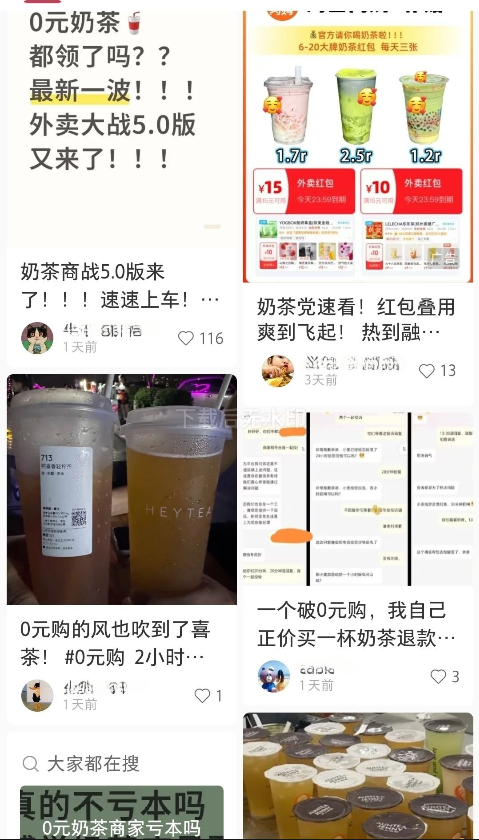
"0元喝奶茶""188元大券包,五顿我全包"……7月12日,也就是上个周六,消费者又迎来新一波外卖补贴"大放送"。美团、淘宝闪购等平台纷纷发放外卖 大额优惠券,不少消费者在社交平台晒出超低价甚至0元奶茶、咖啡等,还有网友火速发布"0元购"攻略。 7月份以来,外卖平台即轮番发放大额补贴。7月2日,淘宝闪购宣布启动规模500亿元的补贴计划,在未来12个月直补消费者及商家。美团和京东外卖也纷 纷发放补贴。消费者的直接感受是,点外卖越来越便宜了。 伴随补贴升级,各平台的订单数量也迎来大幅增长。截至7月12日23时36分,美团即时零售日订单量突破1.5亿单,平均配送时长34分钟。 7月14日,淘宝闪购联合饿了么宣布,在订单结构向全品类深度拓展的同时,日订单量再次突破8000万创新高(不含自提及0元购)。 7月13日,《金融时报》记者通过外卖平台点单,一杯连锁品牌原价17.99元的咖啡,在红包券减免下,仅需3.3元即可拿下。 | 订单已送达 | | | | --- | --- | --- | | 折 | 阳光青提气泡冰萃 | 实付 ¥1.6 | | 不额外加糖(中甜)/冰/标准/金 | | ¥17.99 | | 奖深烘 ...


大牌餐饮出手,重做一遍10元外卖
雷峰网· 2025-07-15 09:10
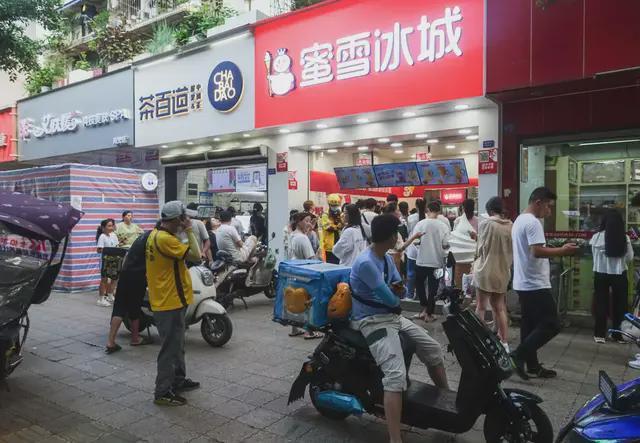
Core Viewpoint - The article discusses the rapid growth of Meituan's low-cost delivery service "Pin Hao Fan," which has surpassed 35 million orders, highlighting its impact on the overall food delivery market and the strategies employed by various brands to adapt to this new model [2][4][19]. Group 1: Growth and Performance - Meituan's total instant retail order volume exceeded 150 million, with "Pin Hao Fan" contributing significantly to this growth by offering affordable meal options priced between 10 to 15 yuan [2][4]. - The peak order volume for "Pin Hao Fan" reached 8 million in Q2 2024, indicating strong consumer demand for budget-friendly meals [2][4]. - Over 5,000 restaurant brands have joined "Pin Hao Fan," including popular chains like KFC and McDonald's, which are in discussions to participate [2][4][19]. Group 2: Business Model and Strategy - "Pin Hao Fan" operates on a "one-price" model, focusing on high-volume sales of popular items, which allows for lower prices through economies of scale [3][4][19]. - Brands like Nan Cheng Xiang and Mi Xue Bing Cheng have reported significant increases in order volumes through "Pin Hao Fan," with some items accounting for up to 13% of their total delivery orders [5][7][19]. - The service has attracted a new customer base, particularly younger consumers, by offering popular items at lower prices without compromising on quality [8][19]. Group 3: Quality Assurance and Cost Management - The article emphasizes that "Pin Hao Fan" maintains the same quality standards as regular delivery services, with all products sourced from the same restaurants [11][16]. - The model reduces operational costs by streamlining the order and delivery process, allowing for concentrated deliveries and lower logistics expenses [13][15][16]. - Meituan has implemented strict food safety standards and regular inspections to ensure the quality of the meals offered through "Pin Hao Fan" [17][19]. Group 4: Profitability and Market Position - Many small businesses have found "Pin Hao Fan" to be a profitable channel, with some reporting stable profits of around 30% due to fixed pricing and no commission fees [19][24]. - The service is seen as a complementary channel for larger brands, while smaller restaurants are increasingly relying on it for significant order volumes [19][23]. - The article concludes that "Pin Hao Fan" represents a successful experiment in the food delivery sector, with potential for further growth as it continues to attract both consumers and restaurant partners [17][19].
外卖大战,终非“免费的午餐”
Bei Jing Wan Bao· 2025-07-15 06:48
Core Viewpoint - The takeaway from the articles is that the food delivery industry is experiencing an intense subsidy war driven by new entrants, leading to increased competition among platforms and significant benefits for consumers, riders, and merchants, but also raising concerns about sustainability and service quality in the long term [3][4][5]. Group 1: Subsidy War Dynamics - The subsidy competition has intensified with new players entering the market, prompting established giants to follow suit in order to retain and attract users [3]. - Recent reports indicate that the subsidy war has led to a surge in order volumes, with Meituan surpassing 100 million daily orders and Ele.me exceeding 80 million, while JD's delivery service has seen rapid growth in brand sales [3]. - The short-term effects of the subsidy war include increased consumer spending, higher earnings for delivery riders, and booming business for merchants, contributing to a significant boost in urban consumption [3][4]. Group 2: Consumer and Merchant Concerns - Despite the apparent benefits, there are underlying concerns regarding consumer expectations for low prices, with some users expressing that their loyalty may diminish if subsidies are withdrawn [4]. - The intense competition is leading to reduced profit margins for merchants, who are forced to lower prices while facing rising operational costs [4]. - Delivery riders are experiencing increased workloads and pressure, with some working excessively long hours, raising concerns about their health and well-being [4]. Group 3: Long-term Sustainability and Industry Outlook - The current "money-splashing" competition is seen as a temporary strategy, with industry experts warning that relying solely on subsidies is not sustainable [5]. - Regulatory bodies have begun to address the issue of "involution" in competition, signaling a need for platforms to focus on quality, service, and innovation rather than just price wars [5]. - The food delivery market has significant potential for growth, and companies are encouraged to shift their focus from merely increasing sales to ensuring long-term viability and quality service [5].

外卖大战硝烟再起,赢家是谁你万万想不到
Xin Lang Cai Jing· 2025-07-15 06:33
Core Viewpoint - The ongoing battle in the food delivery market, driven by aggressive subsidies and price wars, is unsustainable and does not address the real needs of consumers or businesses [14][15][22]. Group 1: Market Dynamics - On July 5, a record of 250 million food delivery orders was placed in China, with Meituan and Ele.me leading the charge [2][3]. - The competition has escalated, with Meituan's daily orders reaching 150 million by July 12, while Ele.me and Taobao Shuangguo reported over 80 million orders on the same day [2][3]. - The battle was initially sparked by JD.com’s aggressive "100 billion subsidy" strategy, prompting Alibaba to respond with its own substantial subsidies [2][10]. Group 2: Consumer Behavior - Consumers are enjoying the benefits of the subsidy wars, sharing experiences of receiving significant discounts and promotions [4][8]. - However, the high volume of orders has led to operational challenges for businesses, with reports of overwhelmed staff and delayed deliveries [5][6]. - The perception of food delivery as a necessity is distorted, as many orders are driven by temporary discounts rather than genuine demand [8][10]. Group 3: Business Implications - The subsidy model creates inequities, favoring large chain brands over small businesses, leading some small vendors to withdraw from platforms [6][10]. - Delivery personnel are experiencing increased workloads and stress, with reports of long hours and high earnings during peak subsidy periods, but also concerns about job security once subsidies end [6][13]. - The competitive landscape is shifting from a focus on customer satisfaction and service quality to a detrimental price war, which could harm all stakeholders involved [10][11][19]. Group 4: Long-term Viability - The current price war is characterized as a "prisoner's dilemma," where all parties may end up worse off despite short-term gains [17][21]. - Experts argue that the focus should shift from price competition to innovation and quality improvement to create a sustainable market environment [22][23]. - The call for collaboration among platforms, merchants, and government entities is emphasized to foster a healthier market ecosystem [22].

巨头们的外卖大战,打的究竟是什么
Qi Lu Wan Bao Wang· 2025-07-15 06:28
Core Insights - The competition in the food delivery industry has intensified since 2025, with major players like JD, Meituan, and Alibaba (Ele.me) engaging in a fierce battle characterized by subsidies and order competitions, focusing on the "last mile" delivery [2] Market Overview - The Chinese food delivery market has seen significant growth, with online food delivery users reaching 545 million and daily spending nearing 3.3 billion yuan. The market size is projected to grow from approximately 1.64 trillion yuan in 2024 to 1.96 trillion yuan by 2027 [3] - Meituan is expected to hold a 65% market share in 2024, while Ele.me is projected to have 33%, with other platforms collectively holding only 2% [3] Consumer Demand Trends - There is a shift in consumer expectations towards "instant gratification," with demands for faster delivery times extending beyond food to all retail categories. This change is reshaping the underlying logic of the retail industry [3] Competitive Strategies - Meituan has demonstrated its strength with a record-breaking daily order volume of 1.2 billion on July 5, 2025, and further increasing to 1.5 billion orders shortly after, maintaining an average delivery time of 34 minutes [5] - JD is leveraging its "warehouse and distribution integration" to enhance its local delivery capabilities, achieving a daily order volume of 25 million by June 18, 2025, and launching initiatives to support brands in reaching significant order volumes [6] - Alibaba's acquisition of Ele.me has positioned it as a core player in local instant delivery, with the launch of Taobao Flash Purchase leading to significant order growth and a daily order volume surpassing 80 million [7] Market Dynamics - The food delivery market is expected to evolve into a "layered satisfaction" structure rather than a winner-takes-all scenario, with platforms like Meituan and Ele.me dominating instant delivery scenarios [8] - For immediate needs, platforms with dense delivery networks will maintain a competitive edge, while JD and Meituan will continue to compete in semi-instant scenarios [9] - Traditional e-commerce remains strong in long-cycle scenarios, particularly for large appliances and home improvement products, where consumers prioritize installation and after-sales service over speed [10] Future Outlook - The competition for efficiency in the "last mile" delivery will persist, as consumer expectations for rapid delivery become ingrained. Companies that can quickly adapt to and meet these evolving demands will secure a competitive advantage in the retail landscape [10]
2025年了,外卖行业为什么还在搞0元购?
东京烘焙职业人· 2025-07-15 05:12
Core Viewpoint - The article discusses the ongoing "burning money war" in the food delivery industry, particularly focusing on the implications of the "0 yuan purchase" strategy employed by major platforms like Alibaba and Meituan, which is leading to unsustainable business practices and consumer behavior changes [2][3][5][9]. Group 1: Industry Dynamics - Major platforms such as Alibaba, Meituan, and JD are heavily investing in subsidies, with cumulative expenditures nearing 100 billion yuan this year, comparable to national consumption subsidies [7]. - The "0 yuan purchase" strategy is a direct and aggressive growth tactic that boosts order volume and user acquisition in the short term, but it risks long-term customer loyalty and retention [9][10]. - The intense competition among platforms leads to a vicious cycle of increasing customer acquisition costs and declining profit margins for all involved [10]. Group 2: Impact on Consumers - Consumers are currently the biggest beneficiaries of the subsidy-driven price wars, enjoying significant discounts and promotions, which distorts their purchasing habits and reduces sensitivity to normal pricing [19]. - The prevalence of "0 yuan purchase" has created a culture of expectation for discounts, which could harm the overall pricing structure of the market in the long run [19]. Group 3: Challenges for Merchants - Merchants face significant operational challenges due to the influx of orders driven by "0 yuan purchase," leading to overwhelmed staff and increased pressure without corresponding financial benefits [14][15]. - Participation in subsidy programs often requires merchants to absorb costs, as they must align with the platforms' pricing strategies, which can lead to a dependency on discounts and reduced profit margins [15][18]. - The long-term reliance on low prices can negatively affect brand positioning and overall business sustainability for merchants [17][18].
订单量再创新高,外卖大战何时休?平台战损几何?
Sou Hu Cai Jing· 2025-07-15 04:41
Core Insights - The intense competition among food delivery platforms has led to record-breaking order volumes, with Meituan reporting 150 million orders and Taobao Flash Sale and Ele.me surpassing 80 million orders in a single day [1][6][8] - The subsidy war, which gained significant attention over the weekend, appears to be cooling down during the weekdays, as evidenced by reduced promotional efforts and foot traffic returning to normal levels [1][5] - The competition is expected to become a regular occurrence, with Alibaba planning to establish a new promotional event called "Super Saturday" to encourage consumer participation [4][5] Company Strategies - Meituan, Taobao, and JD.com are heavily investing in the food delivery sector, with JD.com launching a "Double Hundred Plan" to support quality dining merchants, aiming for significant sales growth [5][8] - Alibaba's strategy involves integrating Ele.me and Fliggy into its e-commerce group to create a unified approach, focusing on expanding its consumer base and exploring new business models [8][9] - JD.com aims to enhance its platform's daily active users through food delivery, thereby driving growth across its e-commerce and instant retail sectors [9] Market Dynamics - The total investment in the food delivery market by major players is expected to reach over 100 billion yuan, with significant losses projected for Alibaba and JD.com in the coming year due to aggressive subsidy strategies [6][7] - Despite impressive order growth, analysts warn that the rapid increase in subsidies may lead to unsustainable business practices and potential long-term financial strain on the platforms [6][10] - The competitive landscape has intensified beyond initial expectations, with significant implications for the industry as a whole [6][7]
餐饮商家,困在外卖大战里
创业邦· 2025-07-15 04:09
Core Viewpoint - The article discusses the intense competition in the food delivery industry, highlighting the impact of promotional activities on both consumers and merchants, leading to a chaotic market environment where many merchants struggle to maintain profitability while trying to attract customers through discounts and promotions [3][4][6]. Group 1: Market Dynamics - The food delivery market has seen unprecedented order volumes, with Meituan reaching 150 million daily orders and Taobao Flash Sale surpassing 80 million [6]. - Promotional activities have led to a surge in orders for some merchants, but the financial burden from platform fees and discounts has significantly reduced their profits [10][12]. - The competition has intensified, with platforms offering aggressive discounts, leading to a situation where merchants feel compelled to participate despite the financial strain [31][40]. Group 2: Merchant Experiences - Many merchants report overwhelming order volumes, with some experiencing a tenfold increase in orders, but ultimately receiving very little profit after expenses [8][10]. - Merchants like Xu Ting and Li Bin express frustration over the unsustainable nature of the promotions, where they end up with minimal earnings after fulfilling orders [10][33]. - New entrants to the market, such as Tang Tang, face challenges with promotional activities that lead to losses, highlighting the pressure from platforms to participate in discount campaigns [25][26]. Group 3: Consumer Behavior - The article notes a shift in consumer behavior, with many users taking advantage of low prices and discounts, leading to a temporary increase in demand for food delivery services [42][43]. - Consumers are increasingly participating in "sheep shearing" activities, where they seek to maximize benefits from promotions, often leading to a lack of loyalty to specific merchants [48][51]. - The influx of new customers attracted by low prices does not translate into repeat business for many merchants, as these customers are primarily motivated by discounts rather than brand loyalty [51][52]. Group 4: Long-term Implications - The article suggests that the current promotional strategies may harm the long-term viability of many restaurants, as low-price expectations could lead to a devaluation of their offerings [57][58]. - Merchants are concerned that the trend of low-cost consumer behavior will persist, potentially damaging their brand reputation and profitability [54][56]. - The competitive landscape is forcing merchants to adapt quickly, with some considering exiting the market due to unsustainable financial pressures [63][64].
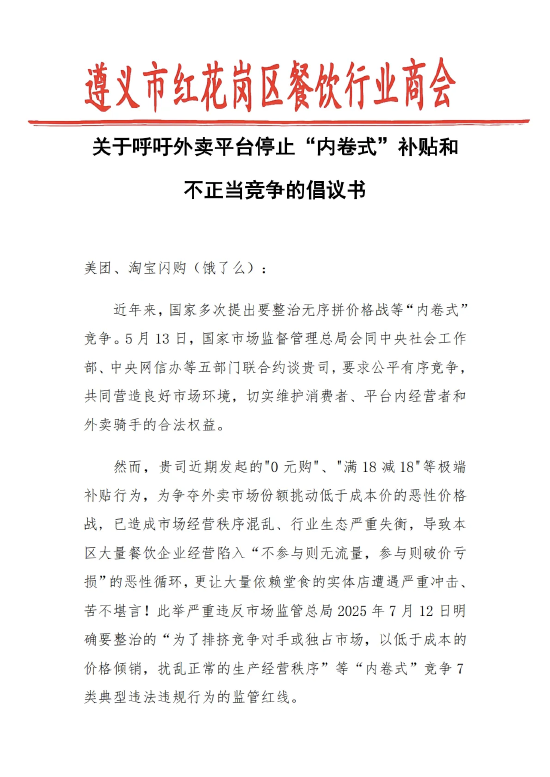
遵义餐饮商会喊话美团淘宝:外卖补贴已造成市场混乱,呼吁停止“反内卷”补贴!
Xin Lang Ke Ji· 2025-07-15 04:04
Core Viewpoint - The recent competition in the food delivery market has intensified, with Meituan and Taobao Flash Purchase (Ele.me) engaging in aggressive subsidy strategies that have led to a chaotic market environment and significant challenges for local restaurants [1][2][3] Group 1: Market Dynamics - As of July 12, Meituan's daily order volume exceeded 1.5 billion, while Taobao Flash Purchase and Ele.me surpassed 80 million orders, indicating a fierce competition for market share [1] - The aggressive subsidy strategies, such as "0 yuan purchase" and "18 yuan off 18 yuan," have triggered a price war below cost, disrupting market order and harming the industry ecosystem [2][3] Group 2: Industry Concerns - The restaurant industry is facing a "lose-lose-lose" situation where merchants sacrifice long-term viability, consumers receive lower quality products, and delivery personnel suffer from overexertion [3][5] - The local restaurant association has called for an end to irrational subsidies and a return to value-based competition, emphasizing the need for sustainable practices in the industry [4][5] Group 3: Recommendations from the Industry - The association has proposed three main initiatives: 1. Stop irrational subsidies and return to value competition, including ceasing loss-leading promotions and establishing a reasonable pricing mechanism [3][4] 2. Protect merchants' legal rights by ensuring voluntary participation in promotions and providing support for non-participating small businesses [4][5] 3. Build a sustainable development ecosystem focused on food safety and fair competition [4][5]

从0元购到负4元购,外卖平台豪爽价格战在榨干谁?
Sou Hu Cai Jing· 2025-07-15 03:35
Group 1 - The recent surge in the food delivery industry has led to extreme price competition, with consumers benefiting from promotions such as meals for as low as 4 yuan [1][8][10] - Some consumers have reported receiving multiple items for free, showcasing the aggressive marketing strategies employed by delivery platforms [2][5][6] - The phenomenon of "negative pricing" has emerged, where consumers can receive money back after using certain coupons, indicating the lengths to which platforms are going to attract users [10][11][19] Group 2 - While consumers and delivery platforms are enjoying the benefits of these promotions, many restaurants are struggling to make a profit, with some reporting earnings of less than 1 yuan per order after costs [13][15][24] - The intense competition has led to a situation where platforms extract significant fees from restaurants, often taking 20-30% of each order, which exacerbates the financial strain on food businesses [22][20] - The long-term sustainability of such aggressive pricing strategies is questionable, as they may lead to compromised food safety and quality, raising concerns among consumers [27][28][32] Group 3 - Delivery platforms are reportedly planning to spend billions on subsidies to maintain their competitive edge, but much of this financial burden is ultimately passed on to the restaurants [17][19][20] - The current market dynamics suggest that restaurants may have to either compromise on quality or exit the market entirely, which could have negative implications for the overall food service industry [25][28][31] - The ongoing price wars in the food delivery sector reflect a broader trend of unhealthy competition that could disrupt market order and harm consumer trust in the long run [29][32][33]
