外卖

Search documents
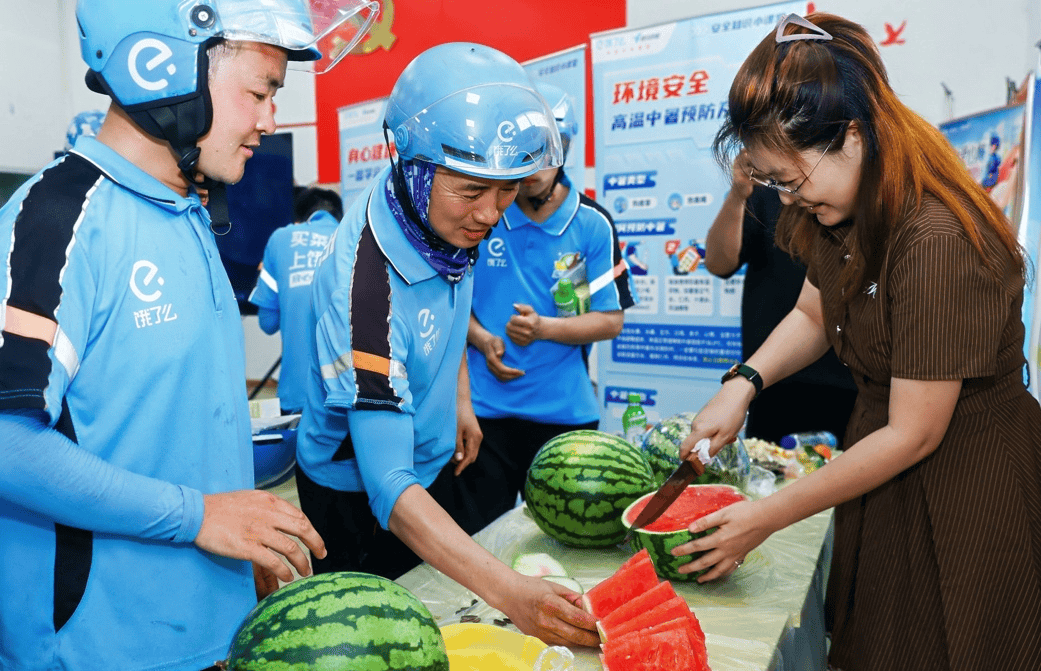
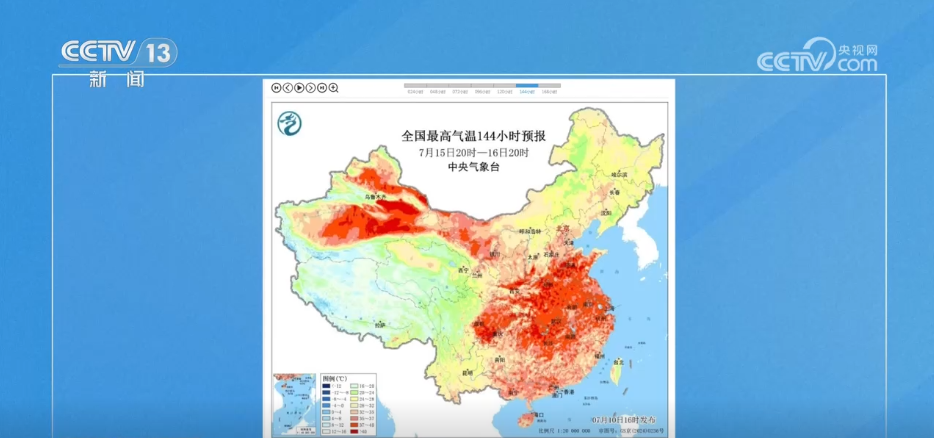
夏日“热”经济拉动“冷”消费升温 新场景“百花齐放”释放消费活力
Yang Shi Wang· 2025-07-12 10:04
Group 1 - The recent high temperatures in China are expected to escalate, with some northern regions potentially reaching or exceeding historical temperature records, impacting consumer behavior and spending patterns [1][5] - The "one-degree effect" in economics suggests that a one-degree change in temperature can significantly influence product sales and market activities [3] - Northern provinces like Heilongjiang, Jilin, and Liaoning have seen a surge in air conditioner sales, with major manufacturers implementing emergency supply plans to meet demand [5][7] Group 2 - The demand for dehumidifiers has skyrocketed, with sales in Beijing increasing over four times year-on-year and nearly six times in Liaoning [7] - Sunscreen products have also seen a dramatic increase in sales, with sunscreen lip balm sales growing by 552.78% [7] - The combination of "ice cups + drinks" has become popular on food delivery platforms, leading to a surge in ice demand, with one ice factory in Wuhan reportedly selling 200 tons of ice daily [9] Group 3 - The trend of high temperatures is expected to continue, leading to increased demand in various sectors such as hardware, logistics, services, and tourism [11] - The rise of night economy and summer tourism is becoming more prominent as consumers seek cooler environments [11]

疯狂星期六,“免费奶茶”爆了!外卖战升级,摩根大通提问:值得吗?
华尔街见闻· 2025-07-12 09:03
Core Viewpoint - The article discusses the intense competition in the food delivery and instant retail market, primarily driven by Alibaba's Taobao Flash Sale, which has prompted major players like Meituan and JD to engage in aggressive subsidy wars [1][10]. Group 1: Competitive Landscape - Alibaba announced a substantial investment of 50 billion RMB for subsidies in the instant retail sector over the next 12 months, significantly escalating competition [10]. - Meituan responded with its own subsidy plans shortly after Alibaba's announcement, while JD also committed over 10 billion RMB for the same period [10]. - As of early July, Meituan's daily order volume reached a record high of 120 million, while Alibaba's daily orders surged to 80 million within two months [10]. Group 2: Financial Implications - Morgan Stanley highlighted that Alibaba's financial strength, with nearly 100 billion RMB in free cash flow and around 600 billion RMB in cash equivalents by March 2025, positions it favorably in this competitive landscape [11]. - The report suggests that the ongoing subsidy war will negatively impact the short-term profitability of all involved companies, including Alibaba, Meituan, and JD [14][18]. Group 3: Market Potential and Valuation - Morgan Stanley predicts that the Chinese instant retail market could reach a gross merchandise volume (GMV) of 4 trillion RMB by 2030, with industry profits estimated at 81 billion RMB [13]. - The report outlines two scenarios: an optimistic one where the market grows as expected, making current investments justifiable, and a pessimistic one where the market only reaches half the expected size, rendering the investments overly aggressive [15]. Group 4: Market Share Dynamics - Prior to the intensified competition, Meituan held approximately 45% of the market share, with Alibaba's Ele.me at 21% and JD at 5% [16]. - Despite the competitive pressures, Meituan is expected to maintain its market leadership, although its market share may decline due to the growth of instant retail, which is a new revenue stream for Meituan but could cannibalize traditional e-commerce for Alibaba and JD [16]. Group 5: Investment Strategy Adjustments - In light of the competitive uncertainties, Morgan Stanley has lowered its earnings forecasts for Alibaba and Meituan, adjusting their target prices accordingly [20]. - The report indicates a preference order for investment in the instant retail sector: Alibaba > Meituan > JD, reflecting the competitive advantages and financial resources of each company [14].




补贴大战继续!美团加码“0元购”,沪上阿姨忙到闭店
第一财经· 2025-07-12 08:38
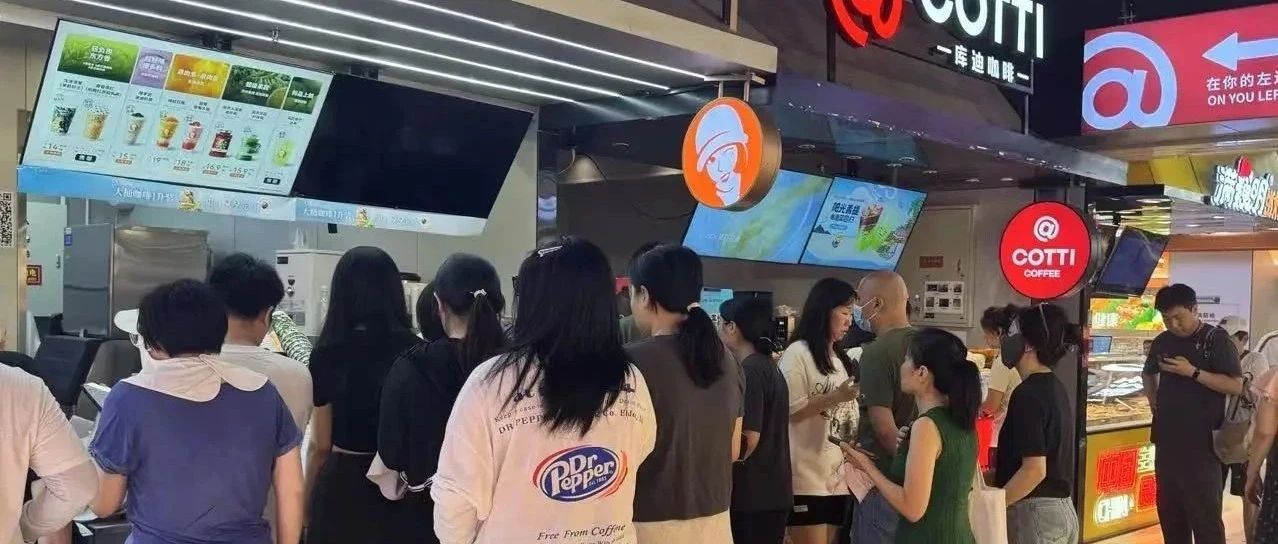
Core Viewpoint - The article discusses the competitive landscape of the food delivery market, highlighting the recent promotional strategies employed by various platforms, particularly Meituan's "0 Yuan Purchase" initiative, which has led to a surge in orders for specific brands like Hu Shang A Yi and Yi He Tang [1][4][5]. Group 1: Market Dynamics - The food delivery market is experiencing intense competition, with platforms like Meituan and Alibaba's Taobao Flash Sale adopting different promotional strategies to attract consumers [5][6]. - Meituan's "0 Yuan Purchase" strategy has resulted in significant order volumes for participating brands, indicating a shift in consumer behavior towards promotional offers [4][5]. - Other platforms, such as JD.com, are also re-entering the market with targeted discounts on high-ticket items, showcasing a diverse approach to capturing market share [6]. Group 2: Consumer Behavior - Consumers are increasingly drawn to promotional offers, as evidenced by the high volume of orders placed using Meituan's "0 Yuan Purchase" coupons, which are primarily for select beverages [4][5]. - The article notes that many customers are utilizing these coupons to make purchases, leading to a backlog of orders at certain stores, particularly Hu Shang A Yi [2][4]. - The competitive environment is prompting consumers to engage with multiple platforms, as they seek the best deals available [6]. Group 3: Operational Challenges - The surge in orders has led to operational challenges for some stores, with staff struggling to manage the influx of orders and maintain service efficiency [2][4]. - Some stores have had to close temporarily to new orders due to overwhelming demand, highlighting the impact of promotional strategies on operational capacity [2][5]. - The article emphasizes the need for platforms to balance promotional activities with operational capabilities to sustain growth in the competitive landscape [6].
爆了!周末“外卖战”又开打,网友急了:我都胖好几斤了!
Huan Qiu Wang Zi Xun· 2025-07-12 08:34
Core Viewpoint - The recent "takeout war" among major platforms like Meituan, Taobao Flash Sale, and JD has intensified, with aggressive promotions and discounts attracting significant consumer attention and engagement [1][2]. Group 1: Promotions and Offers - Taobao Flash Sale launched a promotion of "18.8 off 18.8" while Meituan responded with a "0 yuan milk tea" offer, and JD announced a nightly deal of 10,000 portions of small lobsters at a fixed price of 16.18 yuan [1][11]. - Taobao Flash Sale reported over 800 million daily orders and more than 130 million non-food orders, with daily active users exceeding 200 million [2]. Group 2: Impact on Delivery Riders - The surge in orders has significantly benefited delivery riders, with reports of some earning over 1,000 yuan in a single day due to high platform subsidies and increased order volumes [15]. - A delivery rider noted that on July 5, the platform's subsidies increased delivery fees, allowing them to earn up to 1,700 yuan in one day, which is substantially higher than their usual earnings [15]. Group 3: Consumer Engagement - The promotions have led to a spike in consumer engagement, with "free milk tea" trending on social media and users expressing excitement over the deals [1][11]. - The overwhelming demand even caused temporary service disruptions on the Meituan app due to record-high order volumes [15].
周末,“外卖大战”再起
Zheng Quan Shi Bao· 2025-07-12 04:53
Core Viewpoint - The "takeaway war" has intensified with major platforms like Taobao Flash Sale and Meituan issuing substantial coupons to attract consumers, leading to a surge in orders and competitive pricing in the food delivery market [1][7][9]. Group 1: Promotional Strategies - Taobao Flash Sale has issued various coupons such as "15 yuan off 12 yuan," "25 yuan off 14 yuan," and "38 yuan off 18.8 yuan," resulting in many drinks priced under 10 yuan after discounts [1]. - Meituan has also launched promotional campaigns, including a "Super Saturday" coupon package worth 188 yuan, aimed at boosting weekend orders [7]. - The recent promotional efforts have led to a significant increase in daily orders, with Taobao Flash Sale's daily order count rising from over 10 million in early May to over 80 million by early July, marking a sevenfold increase [7]. Group 2: Market Competition - JD's entry into the food delivery market has intensified competition, with the company implementing a "zero commission" policy and a "100 billion subsidy" plan to attract merchants and consumers [8]. - As of late June 2025, JD's daily order volume surpassed 25 million, covering 350 cities and over 1.5 million quality dining establishments [8]. - Regulatory bodies have expressed concerns over the competitive practices in the food delivery sector, urging platforms to comply with relevant laws and maintain fair competition [8]. Group 3: Market Insights - Analysts suggest that the competition among instant retail platforms will depend on comprehensive supply and delivery stability, with takeaway subsidies favoring high-frequency, low-ticket items like coffee and tea [9]. - The discount strategies from Meituan and Taobao are primarily targeting the low-price segment, particularly around the 20 yuan price point, which is common for tea and low-cost fast food [9].
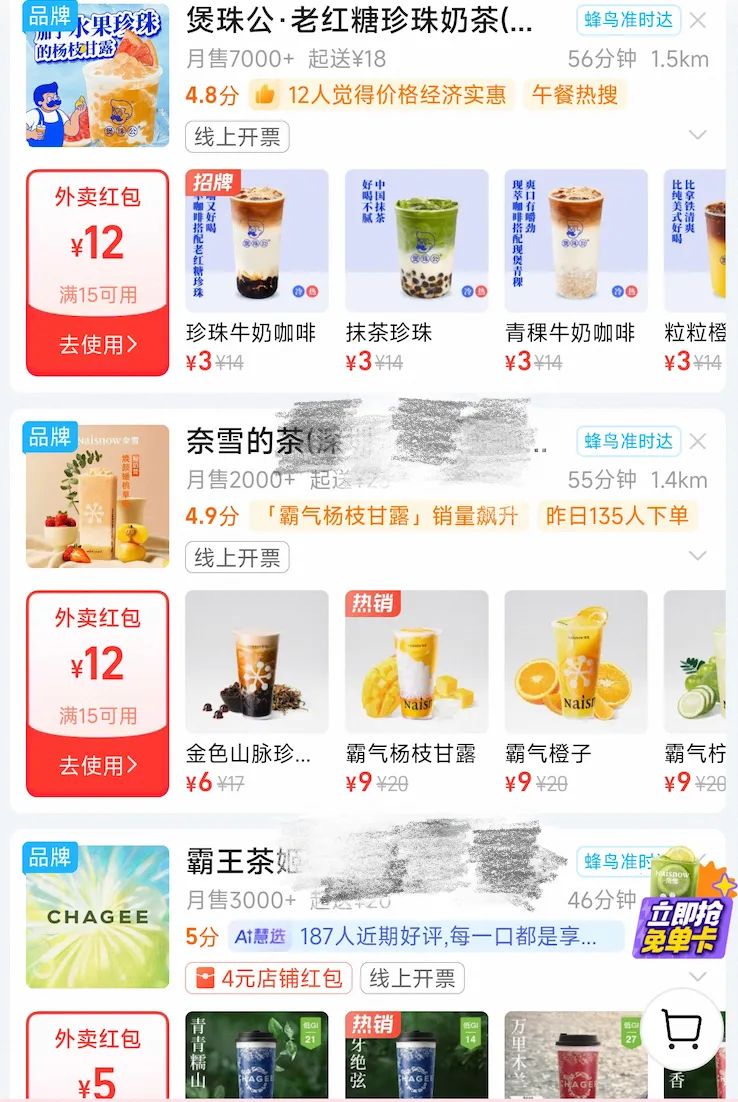
周末,“外卖大战”再起!
证券时报· 2025-07-12 04:50
周末,"外卖大战"再次开启。 记者在多个外卖平台看到,淘宝闪购、美团再次发放外卖大额券,有网友甚至晒出了"0元购"的咖啡订单。 在淘宝闪购平台上,记者看到,该平台派发了多张优惠券,包括"满15元减12元""满25元减14元""满38元减18.8 元"等。在使用优惠券后,多数奶茶、咖啡等饮品的价格在10元以内。 京东外卖自2025年2月上线以来,采取了一系列补贴措施,包括"0佣金"政策吸引商家入驻,以及"百亿补贴"计 划,计划一年内投入超100亿元,面向全体用户发放最高20元的补贴。此外,京东还通过与星巴克等品牌合 作,进一步提升品质外卖的吸引力。根据京东公布的数据,截至2025年6月27日,京东外卖日订单量已突破 2500万单,业务覆盖全国350个城市,超150万家品质餐饮门店入驻。 外卖大战曾引起监管等注意。今年5月,市场监管总局会同中央社会工作部、中央网信办、人力资源社会保障 部、商务部,针对当前外卖行业竞争中存在的突出问题,约谈京东、美团、饿了么等平台企业。 此次多部门联合约谈的背景之一,是京东宣布正式进军外卖市场,激化行业竞争,引发社会广泛关注。 监管部门指出,要求相关平台企业严格遵守《中华人民共和国 ...

三大平台外卖补贴大战升级,美团单日订单破亿
Guan Cha Zhe Wang· 2025-07-12 02:29
Core Insights - The ongoing subsidy war among major internet giants in the food delivery sector has intensified, with significant promotional offers leading to record order volumes [1][2] - Taobao Flash Sale has committed 500 billion yuan in subsidies to stimulate merchant sales and consumer demand, resulting in a substantial increase in order numbers [2] Group 1: Market Dynamics - The food delivery subsidy competition has seen Meituan surpass 1 billion daily orders and Ele.me exceed 80 million orders, while JD's food delivery service has achieved nearly 200 million orders in just four months [1] - Taobao Flash Sale reported over 8 million daily orders within three days of announcing its subsidy program, with non-food orders exceeding 13 million [1] Group 2: Consumer Behavior - The number of cities with daily order volumes exceeding 1 million on Taobao Flash Sale has doubled in the past week, indicating a surge in urban consumer enthusiasm [2] - Cities such as Hangzhou, Wuhan, and Chengdu have experienced over 100% growth in orders since the launch of Taobao Flash Sale, with some third and fourth-tier cities seeing order growth of over 300% [2] Group 3: Economic Impact - The 500 billion yuan subsidy is projected to unlock consumption growth of at least 1 trillion yuan, enhancing urban consumption vitality [2] - The income of delivery riders has increased by 50% compared to five months ago, reflecting the positive economic impact of the subsidy war [2] Group 4: Competitive Landscape - The competition among the three major internet companies has escalated, with a combined investment of 25 billion yuan in the second quarter, surpassing previous price wars [2]

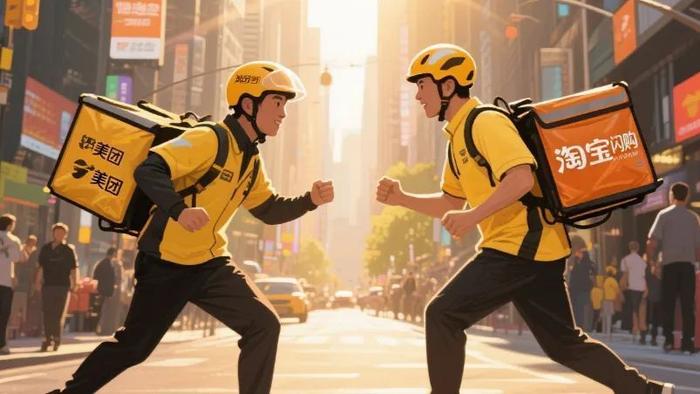
十年过去了,为什么外卖还在大战?
Hu Xiu· 2025-07-12 01:44
Core Insights - The article discusses the resurgence of intense competition in the food delivery market in China, reminiscent of the fierce battles from a decade ago, driven by changing strategic goals among major players [4][30][54] - The focus has shifted from merely competing for market share in food delivery to controlling the broader infrastructure of instant delivery services, which encompasses a wider range of products beyond just food [25][28][56] Group 1: Historical Context - The food delivery market in China has evolved significantly over the past decade, with major players like Meituan, Ele.me, and Baidu competing aggressively for user acquisition through subsidies and promotions [2][10][19] - Initial competition was characterized by heavy spending on subsidies to attract users, with Meituan and Ele.me burning billions to establish their market presence [2][3][8] - The market saw a temporary peace as companies shifted focus towards profitability and sustainable growth, moving away from the "burn money" model [3][21] Group 2: Recent Developments - On July 5, 2025, a significant escalation occurred with Taobao Flash Sale launching a major offensive against Meituan, leading to record-high order volumes in the food delivery sector [4][6][7] - The total daily orders in the food delivery market reached a record 200 million, with Meituan reporting 120 million and Taobao Flash Sale exceeding 80 million orders on the same day [6][7] - The intense competition resulted in estimated combined losses exceeding 1 billion yuan for both companies on that day [7] Group 3: Strategic Shifts - The competition has evolved from a focus on food delivery to a broader battle for control over the instant delivery infrastructure, which includes various consumer goods [25][28][29] - Companies are now vying to establish themselves as the default delivery network for all types of products, not just food, indicating a strategic shift in the market landscape [26][28] - The change in strategic focus has led to a renewed willingness to incur losses in pursuit of long-term market dominance [30][41] Group 4: Consumer Perspective - From a consumer standpoint, the increase in subsidies and promotions has become a normalized expectation, with little awareness of the underlying competitive dynamics [43][46] - The perception of the food delivery service has shifted from a novel convenience to an expected norm, with consumers now viewing the ongoing subsidy wars as a means to benefit from lower prices [47][48] - The relationship between platforms and consumers has transformed into a transactional one, where consumers are more focused on immediate benefits rather than the broader implications of the competition [48][49]
“外卖大战”为何卷土重来,即时零售将走向何方?
Xin Lang Cai Jing· 2025-07-12 00:09
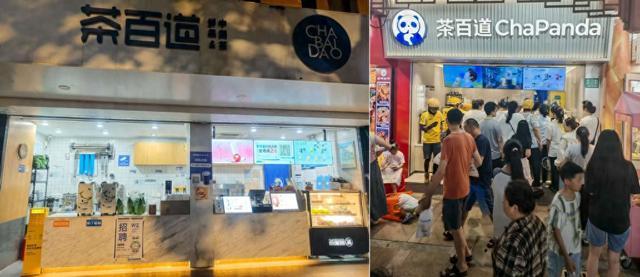
Core Insights - The recent surge in food delivery orders is attributed to a sudden increase in subsidies from platforms like Alibaba and JD, leading to a chaotic situation for restaurants and delivery personnel [1][3][4] - The competition among major platforms, including Alibaba, JD, and Meituan, has intensified, resulting in significant fluctuations in order volumes and delivery rider earnings [3][11][15] Group 1: Market Dynamics - The weekend's order spike was not coincidental; all three major food delivery platforms have been investing resources since Q1, expanding market capacity and increasing consumer engagement [4][10] - The introduction of a promotional event called "Super Saturday" by Alibaba aims to create a new consumer holiday, offering substantial cash redemptions for food delivery [3][12] Group 2: Financial Implications - Following the weekend's subsidy battle, stocks of various food and beverage companies surged, with Cha Bai Dao rising by 15% and Nayuki Tea by over 10% [5] - Despite the apparent increase in order volume, many merchants express concerns about the sustainability of profits due to high fixed costs and the potential for reduced orders once subsidies diminish [5][6] Group 3: Delivery Riders' Perspective - Delivery riders have experienced a temporary boost in earnings due to subsidies, but they face uncertainty as the platforms' subsidy policies fluctuate unpredictably [7][9] - The influx of new riders attracted by high subsidies may lead to increased competition and pressure on earnings once the promotional activities cease [9][10] Group 4: Competitive Landscape - The competition is not limited to food delivery; it extends to the broader instant retail market, with platforms vying for consumer attention and market share [11][15] - New entrants like Pinduoduo are also testing the waters in the instant delivery space, indicating that the battle for market dominance is far from over [15]
外卖订单增长带动多方受益,饿了么骑手保障再升级
Sou Hu Cai Jing· 2025-07-11 13:32
Core Insights - Taobao Flash Sale has achieved over 80 million daily orders within just two months of launch, significantly boosting summer service consumption and increasing rider incomes [1] Group 1: Consumer and Merchant Benefits - Taobao Flash Sale initiated a substantial platform consumption coupon subsidy plan worth 50 billion, providing consumers with large red envelopes, free order cards, and official subsidized products, while merchants receive multiple forms of support [2] - The dual-subsidy model aims to break the "involution" competition among merchants, stimulating urban consumption and benefiting small businesses, thus enhancing the operational vitality of traditional stores [2] - The strategy creates a positive cycle where platform benefits lead to user gains and merchant growth, ensuring reasonable profit margins for merchants and fostering a healthier market environment [2] Group 2: Market Response and Innovation - The emergence of Taobao Flash Sale is seen as a significant innovation to boost consumer activity, aligning with government priorities to enhance consumption [3] - Merchants are exploring new online operational strategies and accumulating digital assets while moving towards more refined operational tactics [3] Group 3: Rider Support and Income Growth - The number of cities with daily orders exceeding one million has doubled since the subsidy launch, leading to a substantial increase in rider incomes by 30% to 50% [4] - Measures to support riders include enhanced order rewards, weather subsidies, and flexible delivery arrangements to ensure their safety and comfort during extreme weather conditions [4][6] - Ele.me has implemented a high-temperature care initiative, providing weather-related subsidies and optimizing delivery routes to reduce outdoor exposure for riders [4][5]