
电动汽车

Search documents
马斯克深陷政治旋涡 特斯拉面临脱轨风险?
Zhong Guo Qi Che Bao Wang· 2025-07-21 01:27
将时间的指针拨回至2025年1月20日,在美国总统特朗普第二任期就职典礼上,特斯拉首席执行官马斯克无疑 是现场最激动、最兴奋的人之一,彼时他不仅是世界首富,还是美国政坛一颗冉冉升起的新星。当时,他在特朗 普就职典礼上志得意满地发言:"这是一次非比寻常的胜利,这是人类文明的岔路口。" 谁也没有想到,还不到半年时间,马斯克与特朗普会闹到如此不可开交的地步,两人彻底反目成仇。已经沦为"政 坛弃子"的马斯克更是心有不甘,开始反击。当地时间7月5日,马斯克在社交媒体平台上发文称,"美国党"即日成 立。7月6日,特朗普在被问及如何看待马斯克成立新政党时表示,马斯克"可以从中找点乐子",但他认为这实 属"荒谬"。随后,特朗普在社交媒体上发文称,看到马斯克在过去5周里彻底"脱轨",感到"很难过"。 马斯克是否"脱轨",谁也说不清楚,但显然其本人已经沉浸在钻营政治的"艺术"中无法自拔,这给本就每况愈下 的特斯拉"埋下巨雷":由于车型阵容陈旧、竞争加剧导致销量不断下滑,而以人形机器人、Robotaxi为代表的新兴 项目进展不如预期,再加上马斯克涉政给品牌带来的负面影响,特斯拉前路可谓荆棘载途。 遭"大而美"法案重创 当地时间7月 ...


特斯拉(TSLA.US)前总裁揭秘企业爆发临界点 40%客户依赖度成关键指标
Zhi Tong Cai Jing· 2025-07-21 00:54
Core Insights - Tesla has achieved rapid growth, particularly around the launch of the Model 3, with revenue scaling from $2 billion to $20 billion in 30 months [1] - Jon McNeill emphasizes two key quantitative metrics for assessing expansion potential: product-market fit and market entry strategy maturity [1] Group 1: Product-Market Fit - McNeill sets a clear benchmark for product-market fit: 40% of customers must indicate they cannot live without the product [1] - Companies should continuously optimize their products until they reach this 40% threshold, which signifies true product-market fit [1] - Research on breakthrough companies shows that they typically experience explosive growth when customer acceptance reaches around 40% [1] Group 2: Customer Lifetime Value and Customer Acquisition Cost - The second key metric is the ratio of Customer Lifetime Value (LTV) to Customer Acquisition Cost (CAC) [2] - Companies should only scale significantly when they can achieve an LTV:CAC ratio of 4:1, meaning they earn four times the cost of acquiring a customer [2] - Tesla exemplified this methodology by achieving a 4.5:1 LTV/CAC ratio post-Model 3 launch, which allowed for rapid market penetration [2]
多家外资机构中期策略出炉聚焦中国科技与消费板块
Shang Hai Zheng Quan Bao· 2025-07-20 15:54
Core Insights - Multiple foreign institutions have released their mid-term investment strategies for 2025, highlighting the attractiveness of Chinese stocks amid global capital reallocation [2][3] - The technology and consumer sectors are identified as key areas of focus, benefiting from AI innovation and policy support, as well as the rise of local brands and digital upgrades [2][4] Investment Trends - There is a strategic rebalancing occurring globally, with investors reassessing their stock exposures and looking beyond the US market [2] - Asian markets, particularly China, are seen as undervalued compared to developed markets, providing a compelling entry point for long-term investors [2][3] Sector Focus - The technology sector is expected to offer excess return opportunities, especially with the increasing prevalence of AI applications and supportive government policies [4] - Specific areas of interest within the technology sector include online gaming, cloud services, online travel services, and electric vehicles, which are viewed favorably due to reasonable valuations and strong profit growth expectations [4]

美国拟对中国石墨加征93.5%关税,叠加税率达160%
Guan Cha Zhe Wang· 2025-07-20 05:48
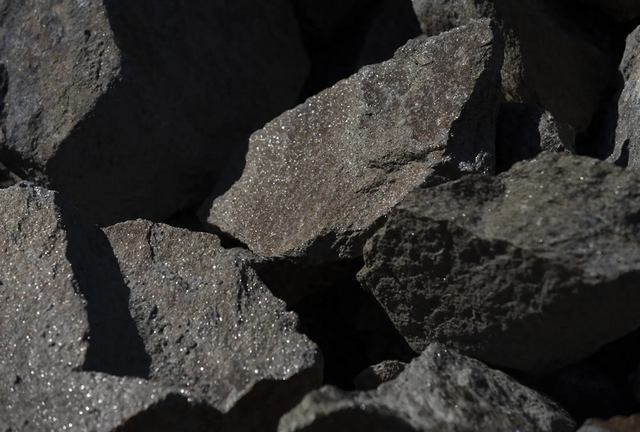
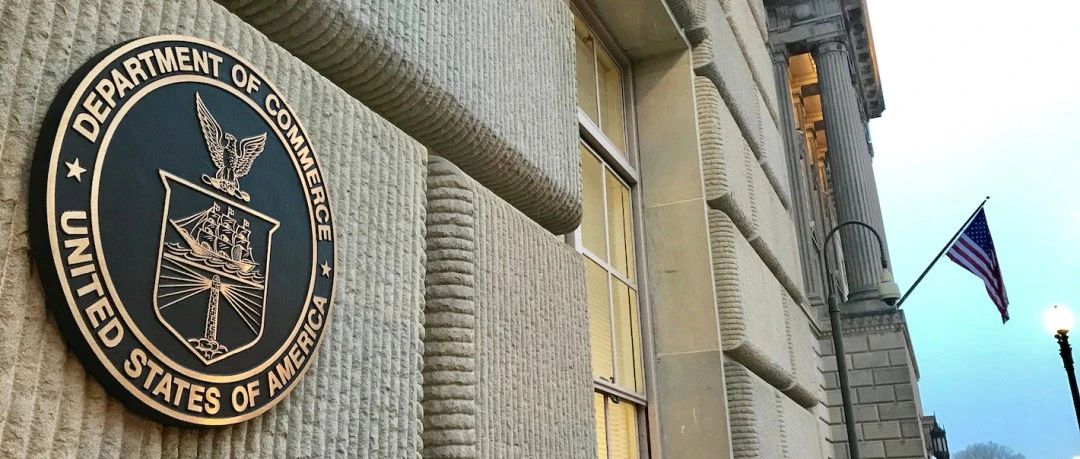
Core Viewpoint - The U.S. Department of Commerce announced a 93.5% anti-dumping duty on imported anode-grade graphite from China, resulting in an effective tax rate of up to 160%, citing that these materials are sold below fair market value [1][3]. Group 1: Impact on Imports and Market - The new tariff will affect approximately $340 million (around 2.44 billion RMB) worth of imports based on 2023 import volumes [3]. - In the previous year, the U.S. imported 180,000 tons of graphite products, with two-thirds sourced from China [3]. - The International Energy Agency (IEA) highlighted that graphite remains a critical mineral with potential supply risks [3]. Group 2: Implications for Battery Manufacturers - The imposition of a 160% tariff is expected to increase the average cost of automotive power batteries by $7 (approximately 50.2 RMB) per kilowatt-hour, potentially eroding battery manufacturers' profits for one to two quarters [3]. - The American Active Anode Material Producers Association had previously warned that increased tariffs on imported anode materials could significantly impact companies like Tesla and Panasonic, which rely on these materials for battery and electric vehicle production in the U.S. [3]. Group 3: Broader Context of U.S.-China Trade Relations - Since the beginning of the year, the U.S. has intensified export controls on critical minerals and battery technologies from China, aiming to reduce dependency on Chinese goods and technologies [3]. - In May, the U.S. Department of Commerce initiated an independent countervailing investigation into Chinese anode-grade graphite, citing "unfair subsidies" [3].
刚刚!美国对华半导体关键材料征税160%
是说芯语· 2025-07-19 08:55
Core Viewpoint - The U.S. Department of Commerce announced a 93.5% anti-dumping duty on imported graphite from China, resulting in a total tariff rate of 160%, significantly impacting $347.1 million worth of imports in 2023 [1][2]. Group 1: Tariff Impact - The anti-dumping duty is based on claims that Chinese graphite products, essential for electric vehicle batteries, are sold below fair market value in the U.S. [1]. - The trade organization representing U.S. active anode material manufacturers argues that this practice undermines the competitiveness of local suppliers [4]. Group 2: Market Dynamics - Graphite is a critical material in the manufacturing of electric vehicle batteries, specifically as the main component of battery anodes [4]. - The U.S. relies heavily on imports for graphite, with approximately 180,000 tons imported last year, two-thirds of which came from China [4]. Group 3: Future Uncertainty - The preliminary ruling by the U.S. Department of Commerce is not final, with a conclusive decision expected by December 5, creating uncertainty for U.S. automakers [4]. - Anticipation of increased graphite prices due to tariffs poses challenges for automotive manufacturers, whose profit margins are already declining [4].
特斯拉Cybertruck销量腰斩
财联社· 2025-07-19 08:35
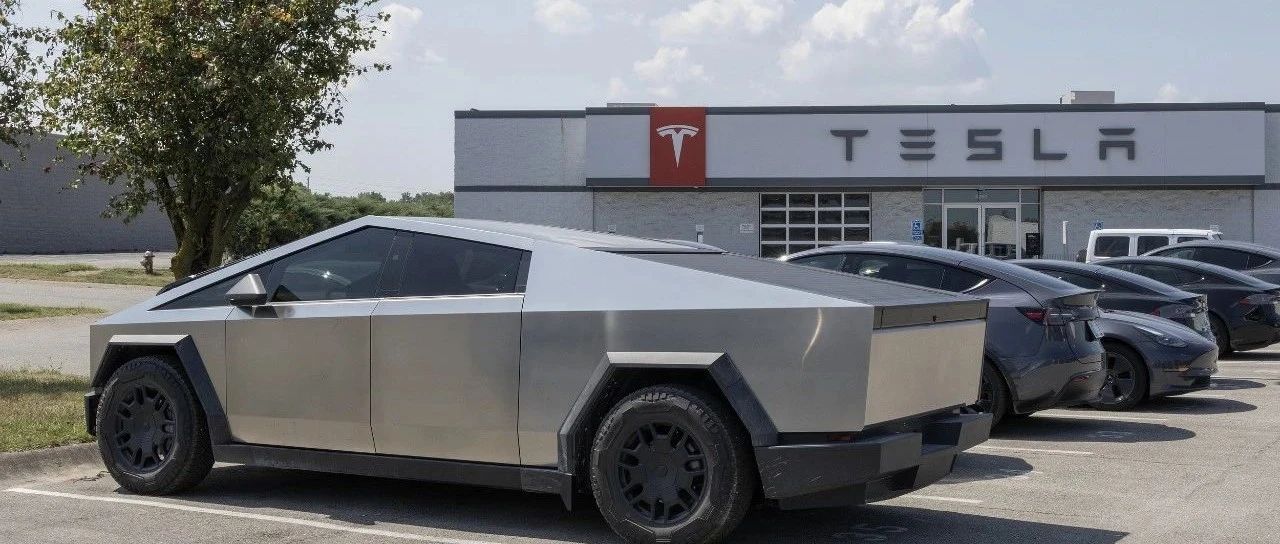
Core Insights - Tesla is facing significant demand issues for its Cybertruck, with Q2 2023 sales in the U.S. dropping to 4,306 units, marking a 32% decline quarter-over-quarter and a 51% decline year-over-year [1][2] - The ambitious delivery target of 250,000 units annually set by CEO Elon Musk has never been achieved, with only 39,000 units delivered in the previous year [1] - High pricing and ongoing manufacturing quality issues have hindered the expansion of demand for the Cybertruck [1] Group 1 - Ford's F-150 Lightning remains the best-selling electric pickup in the U.S. for Q2 2023, with sales of 5,842 units, although it also experienced a quarter-over-quarter decline [2] - General Motors' Hummer EV saw a significant increase in sales, reaching 4,508 units, up from 3,479 units in the previous quarter [2] - The competitive landscape in the electric vehicle market has not alleviated Tesla's demand struggles, as noted by Cox Automotive analysts [2] Group 2 - The second half of the year is critical for electric vehicle demand, with expectations for record sales in Q3, followed by a potential downturn in Q4 [2] - The U.S. federal government will eliminate tax credits for electric vehicle purchases in September, which may prompt consumers to buy before the change [2] - There are doubts about whether the Cybertruck can boost sales, especially after experiencing eight recalls in 2024 and two official investigations by U.S. safety officials [2]
硅谷巨头齐聚链博会:以伙伴力量 迎科技浪潮
Zhong Guo Xin Wen Wang· 2025-07-19 07:23
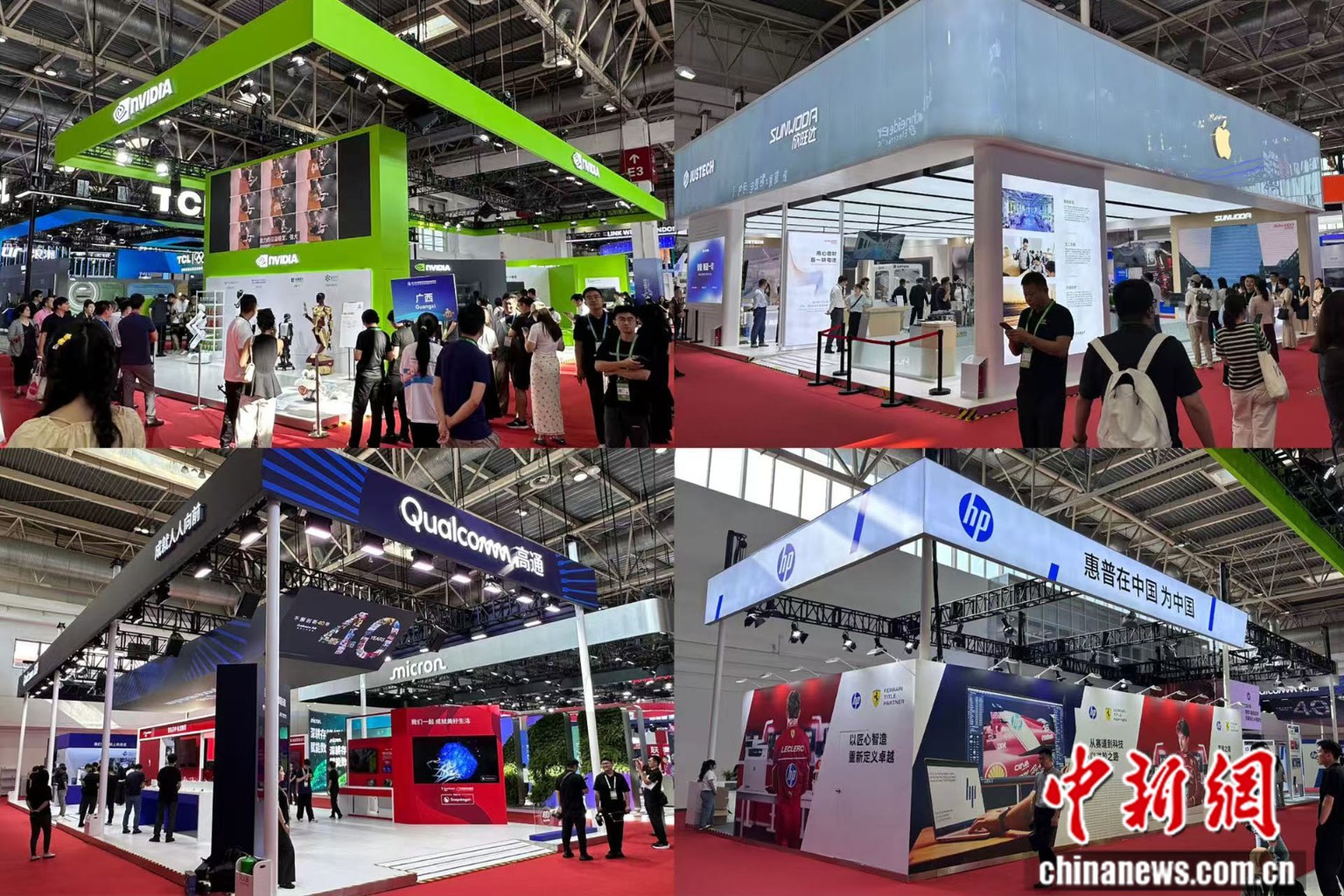
Core Viewpoint - The article emphasizes the importance of deepening cooperation among global technology giants and their Chinese partners to navigate the complexities of the current global economic landscape [1][10]. Company Highlights - Apple showcased its collaboration with three Chinese suppliers at the third Chain Expo, highlighting achievements in smart manufacturing, environmental protection, and employee development. Over 80% of Apple's 200 major suppliers are based in China [4]. - HP presented innovative products such as AI PCs and laser printers, with its largest global production bases located in Chongqing and Weihai. HP's CEO stated that China is one of its most vibrant markets and plans to enhance long-term operations and partnerships in the region [4]. - Qualcomm displayed advancements in 5G-A, AI, smartphones, PCs, automotive, XR, and IoT technologies, expressing a desire to deepen cooperation with Chinese partners to create a smart interconnected future [5]. - Tesla highlighted its Shanghai Gigafactory, which has a localization rate of over 95% for components and has signed contracts with over 400 local suppliers, with more than 60 integrated into the global supply chain [7][6]. - Nvidia made its debut at the Chain Expo, showcasing collaborative robots with Chinese manufacturers. CEO Jensen Huang praised China's supply chain as a miracle and expressed commitment to working with both long-term partners and new friends in the AI era [9]. - Intel presented AI PCs based on its processors and applications in various sectors, collaborating with over 40 Chinese independent software developers to enhance local AI PC applications [9].


黄仁勋交流会15000字实录:谈中美芯片、H20、CUDA兼容
海豚投研· 2025-07-19 02:57
Core Viewpoints - Huang Renxun's visit to China highlights the importance of the country's advanced supply chain and technological ecosystem, which are crucial for global AI hardware and smart factory development [2][3][5] - The CEO emphasizes the significance of collaboration and mutual learning between global competitors, particularly in the AI field, where openness and shared knowledge are essential for progress [16][24][49] Supply Chain and Technological Ecosystem - The complexity and efficiency of China's supply chain, along with its advanced infrastructure and manufacturing capabilities, leave a strong impression on Huang Renxun [3][5] - The global interdependence of supply chains is evident, with many multinational companies participating in events like the China International Supply Chain Expo [5][6] AI Development and Competitiveness - China is recognized as a leader in AI models, engineering talent, and industrial applications, with approximately 50% of the world's AI researchers based in the country [3][23] - Companies like Xiaomi, NIO, and XPeng are praised for their contributions to the electric vehicle market, reshaping global competition [3][31] Product Development and Market Strategy - The H20 chip has been reapproved for sale in China, which is expected to drive the introduction of more Blackwell architecture products [3][41] - The company is committed to continuous investment in China to maintain growth and competitiveness in a rapidly evolving market [7][25] AI Tools and Research - Huang Renxun utilizes multiple AI tools, including OpenAI and Gemini Pro, to enhance information accuracy through cross-validation [3][21] - The development of AI is seen as a multi-stage process, with a focus on reasoning AI as the next frontier [38][40] Collaboration and Competition - The company values collaboration with innovative partners in China, recognizing the unique strengths of local firms like Huawei and Xiaomi [49][50] - The competitive landscape is acknowledged, with respect for all competitors and a focus on continuous improvement and innovation [54][56] Future Outlook - The potential for AI to transform traditional manufacturing and supply chains is highlighted, with AI factories expected to enhance agility and production efficiency [41][55] - The company remains optimistic about the future of the Chinese market, viewing it as a vital area for growth and innovation [25][26]

“十四五”数字彰显中国优势
Sou Hu Cai Jing· 2025-07-19 02:32
Group 1 - China's consumer market remains the second largest globally, with a projected retail sales total of over 50 trillion RMB in 2023, reflecting an average annual growth of 5.5% over the past four years [3][4] - The contribution of consumption to China's economic growth has reached approximately 60%, highlighting the shift towards a domestic demand-driven growth model [3][4] - China's foreign trade has shown resilience, with goods trade expected to reach 6.16 trillion USD by 2024, marking a 32.4% increase from the end of the 13th Five-Year Plan in 2020 [4][5] Group 2 - The structure of China's exports has shifted, with high-tech products accounting for 18.2% of total goods trade by 2024, indicating an upgrade in technological capabilities [5] - The trade relationship with the US remains stable despite challenges, with bilateral trade expected to reach 688.3 billion USD in goods and 155.8 billion USD in services by 2024, reflecting growth since 2017 [6] - China's trade partnerships have diversified, with ASEAN remaining the largest trading partner for five consecutive years, and trade with Belt and Road Initiative countries exceeding 50% [5][6] Group 3 - The recent approval of NVIDIA's H20 chip sales to China marks a shift in US export control strategy, indicating a potential thaw in technology-related tensions [7] - Chinese officials emphasize the importance of foreign investment and the attractiveness of the Chinese market for multinational companies, particularly in the AI sector [7] - The resilience of China's economy against tariffs has exceeded many analysts' expectations, although challenges in imports and domestic demand persist [8][9]

冲击电动汽车,引发多国担忧,美将对中国石墨征重税让美企叫苦
Huan Qiu Shi Bao· 2025-07-18 22:46
Core Viewpoint - The U.S. Department of Commerce has determined that imports of graphite from China are unfairly subsidized, imposing a preliminary anti-dumping duty of 93.5% on anode-grade graphite imports, with a final decision expected by December 5 [1][2]. Group 1: Impact on the Industry - The new tariffs will exacerbate the global electric vehicle supply chain tensions, with the average cost of electric vehicle batteries potentially increasing by $7 per kilowatt-hour, which could negate a significant portion of the tax credits outlined in the Inflation Reduction Act [2]. - China supplies over 90% of the world's graphite, which constitutes about 95% of the anode materials for electric vehicles, leading to a potential increase of approximately $1,000 in battery prices for U.S. manufacturers [2][3]. - The U.S. imported nearly 180,000 tons of graphite products last year, with about two-thirds sourced from China, highlighting China's dominance in graphite processing capabilities [3]. Group 2: Strategic Responses - Tesla and its key battery supplier, Panasonic, have attempted to block the new tariffs, citing their reliance on Chinese graphite due to the underdevelopment of the domestic U.S. graphite industry [3]. - The U.S. government's primary aim appears to be the development of a domestic graphite manufacturing industry, as graphite is predominantly used in the aluminum electrolysis and steelmaking sectors, which consume the majority of graphite [3]. - The imposition of tariffs may lead to significant adjustments for Chinese companies, necessitating the exploration of alternative export markets, while U.S. companies may face supply chain disruptions and increased upstream costs [4].