具身机器人

Search documents
东土科技拟购买高威科100%股份 股票将于11月3日复牌
Zheng Quan Shi Bao Wang· 2025-10-31 14:22
Group 1 - The core point of the news is that Dongtu Technology plans to acquire 100% of Gaoweike through a combination of share issuance and cash payment, which is expected to constitute a major asset restructuring [1] - Gaoweike specializes in industrial automation and digital comprehensive services, providing automation control solutions across various manufacturing sectors including new energy batteries, photovoltaics, and automotive [1] - Gaoweike's financial performance shows revenue of 1.315 billion, 1.635 billion, and 1.524 billion in 2020, 2021, and 2022 respectively, with net profits of 37.05 million, 47.28 million, and 58.60 million [1] Group 2 - Dongtu Technology, established in March 2000, focuses on industrial internet full-stack solutions, contributing over 600 million in annual revenue from traditional industrial network communication, which is projected to account for 64.25% of revenue in 2024 [2] - The company has made strategic investments in the field of embodied robotics, including stakes in Shenzhen Zhujidongli Technology, Chengdu Annu Intelligent Technology, and leading the A-round investment in Beijing Humanoid Robot Innovation Center [2] - By investing in Zhujidongli and Annu Intelligent, the company aims to focus on key areas such as motion control and industrial training scenarios, establishing a collaborative network for technology research and application [3]

最近在具身领域做的一些事情,社区、硬件和求职......
具身智能之心· 2025-09-25 00:04
Core Viewpoint - The article emphasizes the ongoing efforts in the field of embodied intelligence, focusing on community building, hardware development, and job opportunities in the sector [3][4][12]. Group 1: Community Development - The community aims to create a comprehensive platform for technical exchange related to embodied intelligence, facilitating academic and engineering discussions [14]. - The community has established a closed loop in various fields, including industry, academia, job seeking, and Q&A exchanges, providing solutions to encountered problems [6]. - The community is actively working on improving its structure and content to better serve its members, with plans to present enhanced offerings after the holiday [3]. Group 2: Hardware and Product Development - There are ongoing efforts to address complaints regarding the high cost and usability of hardware, with plans to introduce better solutions soon [3]. - The community is testing and developing embodied products, aiming to provide users with effective platforms for their needs [3]. Group 3: Job Opportunities and Academic Guidance - The community has received numerous inquiries from universities regarding recruitment in the field of embodied intelligence, particularly for research assistants, PhD candidates, and postdoctoral positions [3]. - Members are encouraged to prepare for upcoming job opportunities and academic advancements, with the community offering resume submission for internal referrals [3][20]. Group 4: Educational Resources - The community has compiled over 30 technical routes for newcomers, significantly reducing the time needed for research and learning [6][8]. - Various resources, including open-source projects, datasets, and learning paths, are available to assist members in their studies and career development [14][31][37]. Group 5: Industry Insights and Networking - The community has established connections with numerous leading companies in the field, facilitating job referrals and industry insights [20][22]. - Members can engage with industry leaders through forums and live discussions, gaining valuable knowledge about the latest developments in embodied intelligence [6][20].

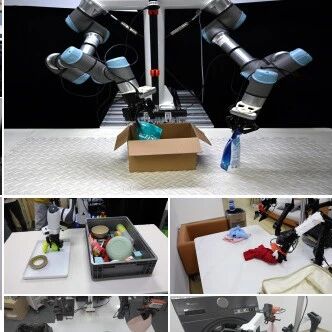
三台机器人开局:康迪闯入储能与机器人,晚了吗?
3 6 Ke· 2025-09-23 10:02
Core Viewpoint - Kandi Technologies Group is entering a new phase of strategic expansion in Southeast Asia by providing three robots to Indonesia's GoTo Group for testing and innovation, marking a significant step in its transformation efforts [1][4]. Group 1: Business Performance - Kandi's total net revenue for the first half of 2025 was $36.3 million, with a net profit of $1.7 million, representing declines of 39.3% and 29.2% respectively compared to the same period last year [1]. - The company has 739 employees, resulting in a low average net profit of $0.23 million per employee, equating to approximately $383 per person per month [2]. Group 2: Strategic Direction - Kandi's CEO expressed concerns about the uncertain global macroeconomic environment and emphasized the need to stabilize existing operations while exploring new growth avenues [1]. - The company is focusing on emerging technologies such as embodied intelligence and new energy battery swap infrastructure, aiming to establish a solid foundation for long-term development [4]. Group 3: Market Opportunities - The global market for humanoid robots is projected to exceed 2 million units by 2035, with a potential market size of $30 billion to $50 billion, and could reach $1.4 trillion to $1.7 trillion by 2050 [6]. - The new energy storage industry is also expected to grow significantly, with targets set for over 240 million kilowatts of new energy storage installations by 2030 [8]. Group 4: Competitive Landscape - Kandi's patent portfolio primarily consists of vehicle-related patents, with very few related to robotics or energy storage, raising questions about its readiness to compete in these new fields [13]. - The company faces intense competition in both the embodied robotics and energy storage sectors, which are already populated with numerous established players and a high level of technological and capital investment [12][13]. Group 5: Partnerships and Collaborations - Kandi has formed partnerships with companies like Cloud Deep and CATL to develop specific solutions for the North American market, leveraging its existing sales channels and market understanding [9][10]. - However, the success of these collaborations is crucial, as ineffective execution could hinder Kandi's transformation efforts and lead to wasted resources [11].

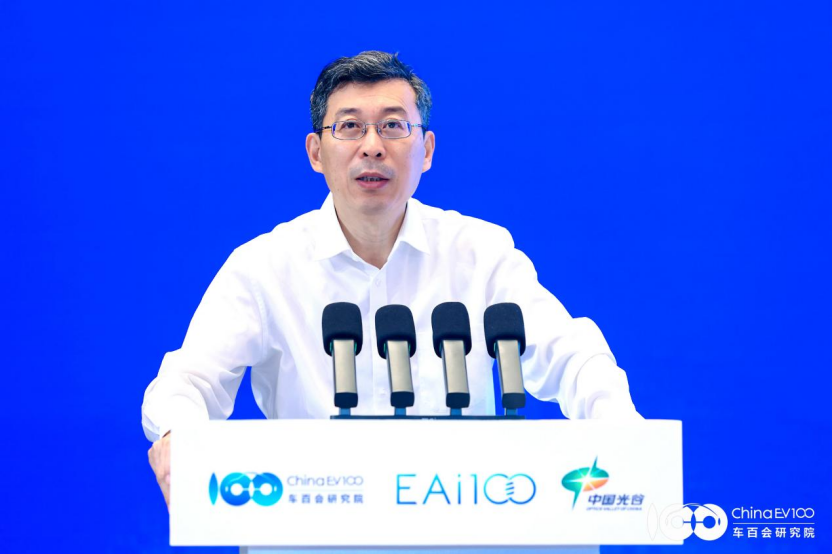
“智能汽车、具身机器人、低空经济”成新引擎,超60%供应链可复用 车百会张永伟:要用聚合思维推动三大产业实现融合协同发展
Mei Ri Jing Ji Xin Wen· 2025-09-19 12:52
Core Insights - The global market for integrated intelligent "three major components" is expected to exceed $200 billion by 2030, with China accounting for a significant share [1] - The three major components—smart vehicles, embodied robots, and low-altitude economy—are seen as key drivers for overseas expansion and economic growth [1] - The essence of integrated intelligence is defined as "technology sharing, interconnected supply chains, and application integration" [1] Industry Overview - Over 60% of the supply chains for smart vehicles, embodied robots, and low-altitude economy can be reused, which can significantly reduce hardware costs and enhance performance [1][2] - As of September 18, the cumulative sales of new energy vehicles in China have surpassed 40 million, maintaining the world's leading position for ten consecutive years [1] - Companies like GAC, Changan, and XPeng are actively exploring cross-industry innovations leveraging the automotive supply chain [2] Technological Developments - The electric aviation and automotive sectors share strong commonalities in technical foundations and supply chains, with aspirations for electric aviation to utilize 80% of the core supply chain from the automotive industry [2] - The cost challenges in the development of embodied robots stem from the lack of integration with the mature automotive supply chain [2] - The price of lidar sensors has dramatically decreased from 100,000 yuan in 2019 to approximately 800 yuan today, showcasing the benefits of scale in the automotive sector [2] Strategic Recommendations - There is a need to shift from a fragmented development approach to a more integrated strategy that emphasizes cross-industry collaboration [4] - Unified planning for application scenarios, infrastructure, and computing power systems is essential to avoid redundancy and resource waste [4] - Proactive policy design and regulatory frameworks are necessary to support innovative integration across these industries [4]

聚合智能融合发展 成新能源产业壮大关键路径
Xin Lang Cai Jing· 2025-09-17 22:42
Core Insights - The rapid development and application of artificial intelligence technologies have positioned smart vehicles, low-altitude travel, and embodied robots as key carriers of AI applications, with a consensus emerging on the importance of scaling smart vehicle components to empower these sectors [1][2] - The concept of "aggregated intelligence" is characterized by the deep coupling of technology, industry chains, and application scenarios, which is seen as a new direction for the renewable energy industry to break through single development bottlenecks and unlock trillion-yuan market potential [1][4] Technology and Industry Chain Interconnectivity - There is significant "homogeneity" among smart vehicles, embodied robots, and low-altitude economy, with AI as the core support for underlying technologies, forming an AI-based terminal industry chain [2][3] - The supply chain overlap exceeds 60%, with some companies estimating it to be as high as 70%, allowing components from smart vehicles to directly support robots and low-altitude aircraft [2][3] - The cost of laser radar has dramatically decreased from 100,000 yuan in 2019 to 800 yuan today, showcasing the potential for cost reduction in robotics and low-altitude economies through supply chain integration [2][3] Practical Applications and Industry Initiatives - Companies like Beijing Horizon Robotics have successfully integrated smart vehicle technology into robotics, with over 10 million units of their chips deployed in vehicles and applications in various robotic platforms [3] - Zhixing Technology has entered the robotics field through acquisitions, developing the world's first domestic mid-to-high computing power robot controller based on intelligent driving technology [3] Scene Integration and Ecosystem Development - The shift from a single product mindset to an ecosystem approach is gaining traction in the renewable energy sector, exemplified by initiatives like the "robot soccer league" that fosters a developer ecosystem [4][5] - The low-altitude economy is being redefined through innovative transportation solutions, with electric flying cars expected to reduce costs significantly from millions to around 200,000 yuan [5][6] - Companies like Sichuan Wofei Chang Kong are actively developing electric flying vehicles and have secured substantial orders, indicating strong market demand for low-altitude travel solutions [5][6] Strategic Collaborations and Future Outlook - Jianghuai Automobile Group is pursuing an "all-chain" ecosystem strategy by collaborating with universities and leading companies in robotics and low-altitude economies to extend the automotive industry chain into new fields [6] - The aggregation of smart vehicles, embodied robots, and low-altitude economies is projected to form a trillion-yuan export force in the next five years, with integrated development being the key to seizing this opportunity [6]
聚合智能融合发展成新能源产业壮大关键路径
Zheng Quan Ri Bao· 2025-09-17 16:09
Core Insights - The rapid development and application of artificial intelligence technologies have made smart vehicles, low-altitude travel, and embodied robots key carriers of AI applications, with a consensus emerging on the importance of scaling smart vehicle components to empower these sectors [1][2] - The concept of "aggregated intelligence" is characterized by deep coupling of technology, industry chains, and application scenarios, which is seen as a new direction for the new energy industry to break through single development bottlenecks and unlock trillion-yuan market potential [1][7] Group 1: Technological Synergy and Industry Chain Interconnectivity - Smart vehicles, embodied robots, and low-altitude economy share significant "homogeneity" in their underlying technologies, all supported by artificial intelligence, leading to a unified terminal industry chain [2][3] - The supply chain overlap exceeds 60%, with some companies estimating it to be as high as 70%, allowing components from smart vehicles to directly support robots and low-altitude vehicles [2][3] - The cost reduction in components, such as LiDAR, has been significant, with prices dropping from 100,000 yuan in 2019 to 800 yuan today, demonstrating the potential for cost-effective solutions in robotics and low-altitude travel [3] Group 2: Scene Integration and Ecological Co-construction - The shift from a single product mindset to an ecological thinking is becoming a consensus among professionals in the new energy sector, with examples like the "robot football league" showcasing developer ecosystems [5] - The low-altitude economy is showing great potential in reconstructing transportation scenarios, with electric flying cars expected to reduce costs significantly from millions to around 200,000 yuan [6] - Companies like Sichuan Wofei Chang Kong Technology are actively developing electric flying vehicles and have plans for commercial operations by 2026, indicating a growing market for low-altitude travel solutions [6][7] Group 3: Strategic Collaborations and Future Outlook - Companies like Jianghuai Automobile Group are exploring collaborative ecosystems by sharing technologies and resources across smart vehicles, robots, and low-altitude travel [7] - The integration of smart vehicles, embodied robots, and low-altitude economy is expected to form a trillion-yuan "new trio" export force in the next five years, emphasizing the importance of fusion development [7]
车百会理事长张永伟:以 “聚合思维” 推动智能产业迈入 “三大件” 时代
Zheng Quan Ri Bao Wang· 2025-09-17 08:28
Core Insights - The speech by Zhang Yongwei at the first Aggregated Intelligent Industry Development Conference emphasizes that "aggregated thinking" will be the core driving force for industrial breakthroughs, with collaborative and shared industrial chains as key pillars for achieving synergistic development [1][6] - The "three major components" (smart cars, embodied robots, and low-altitude economy) are highlighted as new engines for economic growth and overseas market expansion, succeeding the "new three samples" (electric vehicles, power batteries, and photovoltaics) [3][6] Summary by Sections Aggregated Thinking and Industrial Revolution - Aggregated thinking is identified as a hallmark of the Fourth Industrial Revolution, contrasting with the single-core dynamics of previous revolutions. Technologies like new energy and artificial intelligence are accelerating integration, necessitating a shift from single-industry thinking to cross-industry aggregated thinking [2][4] Synergy in the Three Major Components - The three major components exhibit deep coupling in three aspects: 1. Shared technology base, with AI as the core technology for smart cars, robots, and low-altitude vehicles [2] 2. Over 60% supply chain overlap among the three fields, indicating a shared industrial chain [3] 3. Emerging integrated applications and infrastructure, with interwoven application scenarios [2][3] Market Potential and Economic Impact - The global market for core components of smart vehicles (excluding complete vehicles) is projected to exceed $100 billion by 2025, with China accounting for over 50%, approximately $50 billion. By the end of the 14th Five-Year Plan, the market for smart driving components and systems is expected to double to over $200 billion, with China potentially reaching $100 billion [3][6] Development Paths for the Industry - Four development paths are proposed to deepen the synergy among the three major components: 1. Strengthening manufacturing advantages to accelerate cost reduction, aiming to lower robot prices from millions to between 100,000 and 200,000 yuan within five years [5] 2. Encouraging cross-industry expansion and supply chain collaboration, exemplified by Tesla's robot supply chain [5] 3. Expanding into international markets to seize blue ocean opportunities, particularly in the robot sector where trade barriers are minimal [5][6] 4. Innovating governance mechanisms to break down silos and promote integrated planning and policy adaptation across the three fields [6] Conclusion - The integration of smart cars, embodied robots, and low-altitude economy represents a significant opportunity for China to seize a competitive edge in the Fourth Industrial Revolution. By leveraging aggregated thinking and focusing on shared industrial chains, the country aims to create unique advantages in the aggregated intelligent industry, driving high-quality economic development [6]
8月重磅经济数据出炉
21世纪经济报道· 2025-09-15 12:06
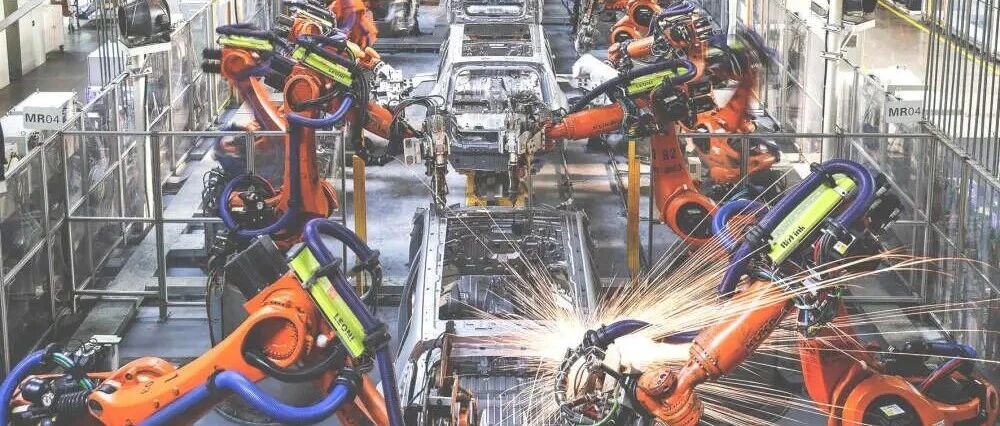
Economic Overview - In August, the industrial added value of large-scale enterprises increased by 5.2% year-on-year and 0.37% month-on-month [1] - The service production index rose by 5.6% year-on-year in August [1] - The total retail sales of consumer goods grew by 3.4% year-on-year and 0.17% month-on-month in August [1] - From January to August, fixed asset investment (excluding rural households) increased by 0.5% year-on-year, while excluding real estate development investment, it grew by 4.2% [1][5] Investment Trends - Manufacturing investment increased by 5.1% year-on-year from January to August, although the growth rate is declining [5] - Infrastructure investment (excluding power, heat, gas, and water production and supply) grew by 2.0%, down 1.2 percentage points from January to July [5] - Real estate development investment decreased by 12.9% year-on-year, with the decline rate widening by 0.9 percentage points compared to the previous period [5][7] Real Estate Market - The real estate market is experiencing fluctuations, but the decline in sales and housing prices is narrowing, indicating progress towards stabilization [7] - Recent adjustments in housing policies in some cities have shown positive effects, leading to improved market transactions [7] - Continued efforts are needed to promote the stabilization of the real estate market, including enhancing the supply of high-quality housing [7] Consumer Market - The retail sales of consumer goods showed resilience, with significant growth in key categories such as furniture and home appliances [10] - The film industry also saw a substantial increase, with box office revenue and audience numbers rising by 48.6% and 66.9% year-on-year, respectively [10] - Despite some downward pressure, the overall consumer market remains stable, supported by various consumption promotion policies [10][11] Export and Import Dynamics - In August, the total goods import and export volume increased by 3.5% year-on-year, with exports growing by 4.8% and imports by 1.7% [11] - Exports to the U.S. saw a significant decline of 32.9%, which was a major drag on overall export performance [11] - However, exports to non-U.S. and non-ASEAN regions increased by 6.4%, indicating efforts to explore new markets amid tariff pressures [11] Price Trends - The Producer Price Index (PPI) decreased by 2.9% year-on-year in August, but the decline rate narrowed compared to the previous month [12] - Factors contributing to the PPI changes include improved market competition, increased demand in emerging industries, and the effects of consumption-boosting policies [12] - The current PPI remains in a declining range, which poses challenges for industrial enterprises [12]
8月经济总体平稳,国家统计局:下一步继续扩内需、稳楼市
2 1 Shi Ji Jing Ji Bao Dao· 2025-09-15 05:13
Economic Overview - In August, the industrial added value of large-scale enterprises increased by 5.2% year-on-year and 0.37% month-on-month [1] - The service production index rose by 5.6% year-on-year in August [1] - The total retail sales of consumer goods grew by 3.4% year-on-year and 0.17% month-on-month in August [1] - From January to August, fixed asset investment (excluding rural households) increased by 0.5% year-on-year, while excluding real estate development, it grew by 4.2% [1][2] - The total import and export volume in August increased by 3.5% year-on-year, with exports rising by 4.8% and imports by 1.7% [1][6] Real Estate Market - Real estate development investment decreased by 12.9% year-on-year from January to August, with the decline expanding by 0.9 percentage points compared to the previous period [2][3] - Despite fluctuations, the sales of commercial housing and residential prices have shown a narrowing decline, indicating progress in destocking [2] - The government is implementing policies to stabilize the real estate market and promote housing demand [3] Consumer Market - The retail sales of consumer goods showed a growth of 4.6% year-on-year from January to August, with service retail sales increasing by 5.1% [5] - In August, key consumer goods such as furniture and home appliances saw significant sales growth, with increases of 18.6% and 14.3% respectively [6] - The film industry also experienced a surge, with box office revenue and attendance increasing by 48.6% and 66.9% year-on-year in August [6] Export Dynamics - Exports to the U.S. fell by 32.9% in August, which was a significant drag on overall export performance [7] - However, exports to non-U.S. and non-ASEAN regions grew by 6.4% year-on-year, indicating successful market diversification efforts [7] Price Trends - The Producer Price Index (PPI) decreased by 2.9% year-on-year in August, but the decline was less severe than in previous months [8] - Factors contributing to the narrowing PPI decline include improved market competition, increased demand in emerging industries, and effective consumption-boosting policies [8]
民间投资为何持续下滑?国家统计局答一财
Di Yi Cai Jing· 2025-09-15 03:43
Group 1 - Private investment growth has faced pressure, with a continuous decline for three months and a year-on-year decrease of 2.3% from January to August [1][3] - Fixed asset investment (excluding rural households) increased by 0.5% year-on-year during the same period, indicating a broader economic context [1][3] - The decline in private investment is significantly influenced by the real estate sector, which saw a 16.7% drop in private investment, pulling down overall private investment growth by 4.5 percentage points [3] Group 2 - Excluding real estate development, private project investment showed a year-on-year increase of 3%, outpacing overall investment growth [3] - Manufacturing sector private investment grew by 4.2%, accounting for 40.6% of total private investment, with 16 out of 31 manufacturing industries experiencing double-digit growth [3][4] - Notable growth in private investment was observed in the automotive manufacturing and transportation equipment sectors, with increases of 22.6% and 16.2% respectively [3] Group 3 - Private enterprises are key players in innovation and have increased investment in emerging industries, contributing to a positive shift in the industry [4] - High-tech industries, particularly information services and professional technical services, saw private investment growth of 26.7% and 17.6% respectively from January to August [4] - Infrastructure private investment rose by 7.5%, surpassing the overall infrastructure investment growth rate by 5.5 percentage points, with significant contributions from the electricity, gas, and water supply sectors [4] Group 4 - The ongoing high-quality development in China is expected to create more space for private investment, particularly in green industries like new energy vehicles and solar power [5] - Private enterprises demonstrate resilience and adaptability, responding effectively to market demands and external challenges [5] - Strong policy support, including the implementation of the Private Economy Promotion Law, is enhancing the environment for private investment and encouraging stable growth [5]