
咖啡业

Search documents
“航空+咖啡”跨界 东航携手星巴克打造“云南咖啡主题航班”
Zhong Guo Min Hang Wang· 2025-10-22 07:40
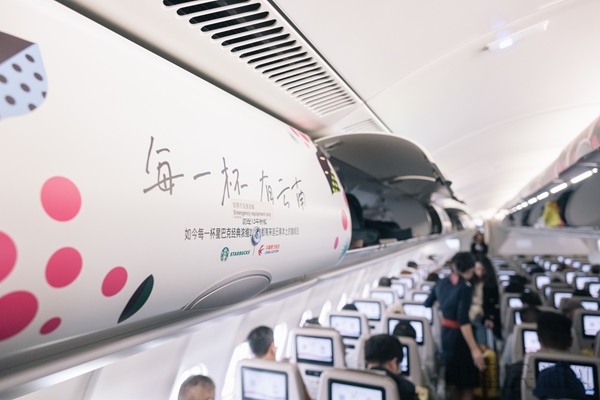
Core Viewpoint - The launch of the "Yunnan Coffee Themed Flight" by China Eastern Airlines and Starbucks China represents a significant step in integrating aviation with cultural tourism, enhancing member services and brand collaboration [1][4]. Group 1: Themed Flight Details - The flight is designed around the theme "Every Cup, from Yunnan," showcasing Yunnan's coffee culture throughout the journey [2]. - Passengers can enjoy cold brew coffee made from Starbucks' selected Yunnan Menglian sun-dried coffee beans, along with exclusive gifts such as themed neck pillows, badges, and coffee manuals [2][5]. - The themed flight will operate for a month, connecting various routes and sharing the story of Yunnan coffee across China [2]. Group 2: Collaboration and Membership Benefits - The themed flight is part of a broader collaboration between China Eastern Airlines and Starbucks China, which began on July 14, 2025, focusing on member integration and shared benefits [4]. - Nearly 200 million members can enjoy mutual points exchange, with specific perks for different membership tiers, such as free coffee for certain cardholders and complimentary in-flight Wi-Fi for Starbucks members [4]. Group 3: Social Responsibility and Future Plans - The launch of the themed flight also emphasizes corporate social responsibility, as it carries 21 medical experts from Shanghai Jiao Tong University to conduct free medical services in rural areas of Yunnan [6]. - China Eastern Airlines plans to continue its partnership with Starbucks to enhance member benefits, create more themed flights, and promote green travel initiatives, contributing to the high-quality development of the aviation and tourism industries [7].


县城消费崛起:山姆抢滩超级县,国际酒店品牌布局小县城
Di Yi Cai Jing Zi Xun· 2025-10-21 10:03
Core Insights - The rise of county-level consumption is driven by economic development and improved infrastructure, leading major brands to expand into these markets [1][2][4] - Sam's Club has opened its fourth store in Suzhou, targeting strong economic counties and cities, with a focus on customized and high-quality products [1] - The county market is becoming increasingly vital, with the county and township market accounting for 38.8% of total retail sales in the first three quarters of the year [2] Group 1: Market Expansion - Major brands, including international hotel chains and coffee shops, are entering county markets due to saturation in first and second-tier cities [3][4] - The hotel industry is seeing significant growth in county tourism, with brands like Hilton and Marriott establishing a presence in these areas [3] - Starbucks has expanded to 7,758 stores in China, covering over 1,000 county-level markets, indicating a competitive push into lower-tier cities [3] Group 2: Economic Factors - The county market offers lower property and operational costs compared to urban centers, making it attractive for businesses [4] - Rapid economic growth, urbanization, and rising income levels in counties are contributing to increased consumer spending [4] - Counties serve as crucial points for rural revitalization, enhancing local attractiveness and investment environments through the presence of high-quality brands [4]


肯上半年对美国出口额创历史新高
Shang Wu Bu Wang Zhan· 2025-09-05 17:34
Core Insights - Kenya's exports to the United States reached 52.59 billion shillings in the first half of the year, marking a significant increase of 27.4% compared to the same period last year [1] Export Performance - Notable growth was observed in specific product categories, including: - Men's knitted underwear, with an export value of over 4.4 billion shillings, experiencing a remarkable growth of 682% [1] - Knitted T-shirts, with an export value of 3.5 billion shillings, showing a growth of 229% [1] - Coffee, with an export value of 3.4 billion shillings, increasing by 65.2% [1] Trade Agreement Context - The growth in exports coincides with the impending expiration of the African Growth and Opportunity Act, as Kenya seeks to establish a new trade agreement with the U.S. [1] - If the act is not extended, products that previously enjoyed zero tariffs may face a 10% tariff, posing a significant risk to Kenya's textile industry [1]
不许对巴西加税!特朗普不留一条后路,50%关税生效前48小时,中方送去5年大单给巴西托底
Sou Hu Cai Jing· 2025-08-11 06:22
Group 1 - The U.S. has imposed a 40% tariff on Brazilian products, raising the total tariff rate to 50%, significantly impacting Brazil's economy [1][3] - Brazil's President Lula has stated that there is no room for direct dialogue with President Trump, indicating a challenging diplomatic situation [1][3] - Approximately 35.9% of Brazilian exports to the U.S. will face a combined tariff of 50%, severely affecting key products like raw coffee beans [3][5] Group 2 - China has approved 183 Brazilian coffee companies to export to China, effective from July 30, 2025, providing crucial support to Brazil's coffee industry [3][5] - Brazil's agricultural sector is facing difficulties, with the coffee export to the U.S. being a significant concern due to the new tariffs [3][5] - The relationship between China and Brazil remains strong, with China being Brazil's largest trading partner for 15 consecutive years, and future investments from China in Brazil are projected to reach 27 billion reais [5][7] Group 3 - Brazil is seeking support from emerging economies and plans to address the tariff issue through the World Trade Organization [5][7] - The unilateral tariff actions by the U.S. are seen as damaging to global trade order and are likely to face resistance from other countries [7]
特朗普威胁无效,50%关税生效前48小时,中方为巴西送去五年大单!各国已经收到信号
Sou Hu Cai Jing· 2025-08-11 06:22
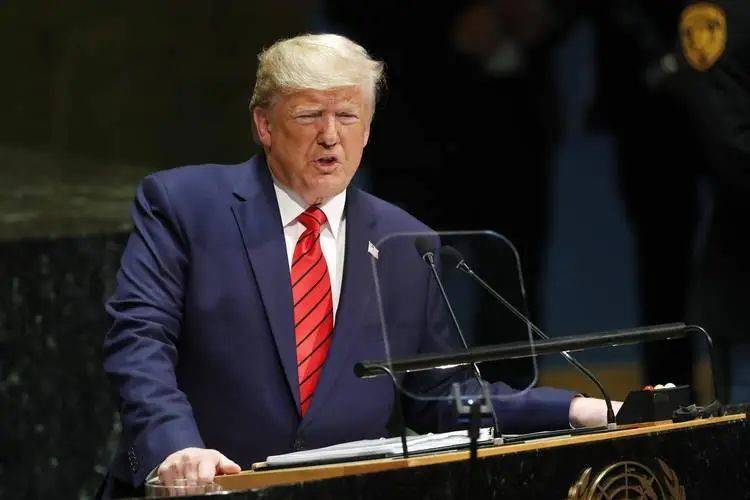
Core Viewpoint - The imposition of a 50% punitive tariff by the U.S. on Brazilian goods has created a tense situation in Brazil, but China's timely support with a five-year trade agreement has provided a significant boost to Brazil's economy and altered the global trade dynamics [1][3][4]. Group 1: U.S. Tariff Impact - The U.S. tariff, effective August 6, targets 35.9% of Brazil's exports to the U.S., including key products like coffee beans and beef, which could lead to significant economic losses for Brazil, estimated at 175 billion Brazilian Reais annually [3][4]. - The tariff is perceived as a political maneuver by the U.S. to influence Brazil's internal politics, particularly regarding investigations into former President Bolsonaro [3][4]. Group 2: Brazil's Response - Brazilian President Lula has publicly denounced the tariff as politically motivated and has indicated the possibility of retaliatory measures against U.S. agricultural and industrial products [4][5]. - Brazil's agricultural sector has highlighted the U.S. dependency on Brazilian exports, advocating for WTO intervention and seeking alternative markets to mitigate the impact of the tariffs [5]. Group 3: China's Support - China has stepped in to support Brazil by granting export qualifications to 183 Brazilian coffee companies, potentially generating over $5 billion in annual exports to China [5][7]. - The collaboration includes logistical support through direct shipping routes and financial assistance via currency risk management, enhancing the trade relationship between China and Brazil [7]. Group 4: Global Trade Dynamics - The situation reflects a broader shift in global trade, with China's actions countering U.S. unilateralism and promoting a more cooperative trade environment among developing nations [8][10]. - The evolving relationship between China and Brazil serves as a model for South-South cooperation, moving beyond simple trade to deeper strategic collaboration [8][10].

让金融活水 润泽绿美山川
Jin Rong Shi Bao· 2025-08-08 07:55
Core Viewpoint - The article emphasizes the integration of ecological protection and high-quality development in Pu'er, showcasing the region's rich ecological resources and the efforts to promote sustainable practices in the tea and coffee industries [2][5][6]. Group 1: Ecological Resources and Cultural Heritage - Pu'er is rich in ecological resources, with 55 types of ecosystems and a forest coverage rate of 68.23%, housing over 5,600 species of plants and 591 species of protected wildlife [1]. - The region is home to 14 ethnic groups, with a minority population of 61.2%, which contributes to a harmonious coexistence of culture and nature [1]. Group 2: Green Development Initiatives - The "brand + base + cooperative + farmer" model is being implemented to transform tea gardens into ecological demonstration sites, promoting a cycle of protection and development [2]. - Local ethnic groups, such as the Blang and Dai, utilize traditional governance systems to manage resources sustainably, reinforcing community-based ecological governance [2]. Group 3: Green Finance Development - The People's Bank of China in Pu'er has established a "policy chain - industry chain - financial chain" mechanism to promote the creation of a green finance demonstration zone [4][5]. - As of March 2025, the green credit balance in Pu'er reached 23.47 billion yuan, an increase of 1.905 billion yuan from the beginning of the year, with a year-on-year growth of 26.29% [5]. - The bank has introduced specialized financial products to support the development of the tea and coffee industries, including loans specifically designed for these sectors [6]. Group 4: Future Directions - The People's Bank of China aims to explore green development paths that integrate biodiversity protection and the realization of ecological product value, focusing on sustainable practices in the region [6].

【环球财经】巴西咖啡业仍期待被列入美方“豁免清单”
Xin Hua Cai Jing· 2025-08-01 00:45
Group 1 - The Brazilian coffee industry hopes to be included in a broader exemption list being drafted by the U.S. government to avoid a 50% import tariff [1] - The U.S. is considering a tariff exemption list based on "natural products not produced domestically," with coffee, cocoa, and some tropical fruits expected to qualify [1] - The Brazilian Coffee Exporters Association (Cecafé) is actively communicating with partners like the National Coffee Association to advocate for coffee's inclusion in the exemption list [1] Group 2 - The U.S. relies almost entirely on imported coffee, with Brazil being the largest supplier, accounting for approximately 35% of U.S. coffee imports [1] - About 76% of the U.S. population consumes coffee, and high tariffs on Brazilian coffee could significantly impact local businesses and consumers [1] - Starbucks sources about 22% of its coffee beans from Brazil, and new tariffs could increase procurement costs, potentially affecting product prices and contributing to U.S. inflation [2] Group 3 - Other Brazilian exports to the U.S., such as mangoes and cocoa, are also considered for exemption, with Brazil being the third-largest supplier of mangoes, accounting for about 8% of U.S. mango imports [2] - Cocoa is among the top ten agricultural products exported from Brazil to the U.S., with an average annual import volume from Brazil representing about 18% of U.S. cocoa imports from 2020 to 2024 [2]
双向奔赴 互利共赢——中非经贸合作持续升温
Xin Hua She· 2025-06-12 07:25
Group 1 - The core viewpoint of the articles highlights the increasing momentum of China-Africa economic and trade cooperation, with significant growth in various sectors, particularly in agriculture and green technology [1][2][3] - The number of passengers on the China Southern Airlines route from Guangzhou to Nairobi has reached 227,000 since its launch in 2019, indicating a strong demand for travel between China and Africa [1] - Coffee imports from Africa to China surged by 70.4% year-on-year in the first quarter, showcasing the growing agricultural trade between the regions [1] Group 2 - The import volume of coffee beans by a Chinese company increased by 30% year-on-year, reflecting a robust market for African coffee in China [2] - Exports of Chinese new energy vehicles, lithium batteries, and photovoltaic products to Africa saw significant year-on-year increases of 291%, 109%, and 57% respectively, indicating a shift towards green technology in trade [2] - The total import and export volume between China and Africa reached 963.21 billion yuan in the first five months of the year, marking a 12.4% increase and setting a historical record for the same period [3]
2025酒业文化论坛丨中国乡村发展基金会资源发展部助理主任高宇:帮扶措施多元化 酒企与乡村振兴同频共振
Bei Jing Shang Bao· 2025-05-29 04:00
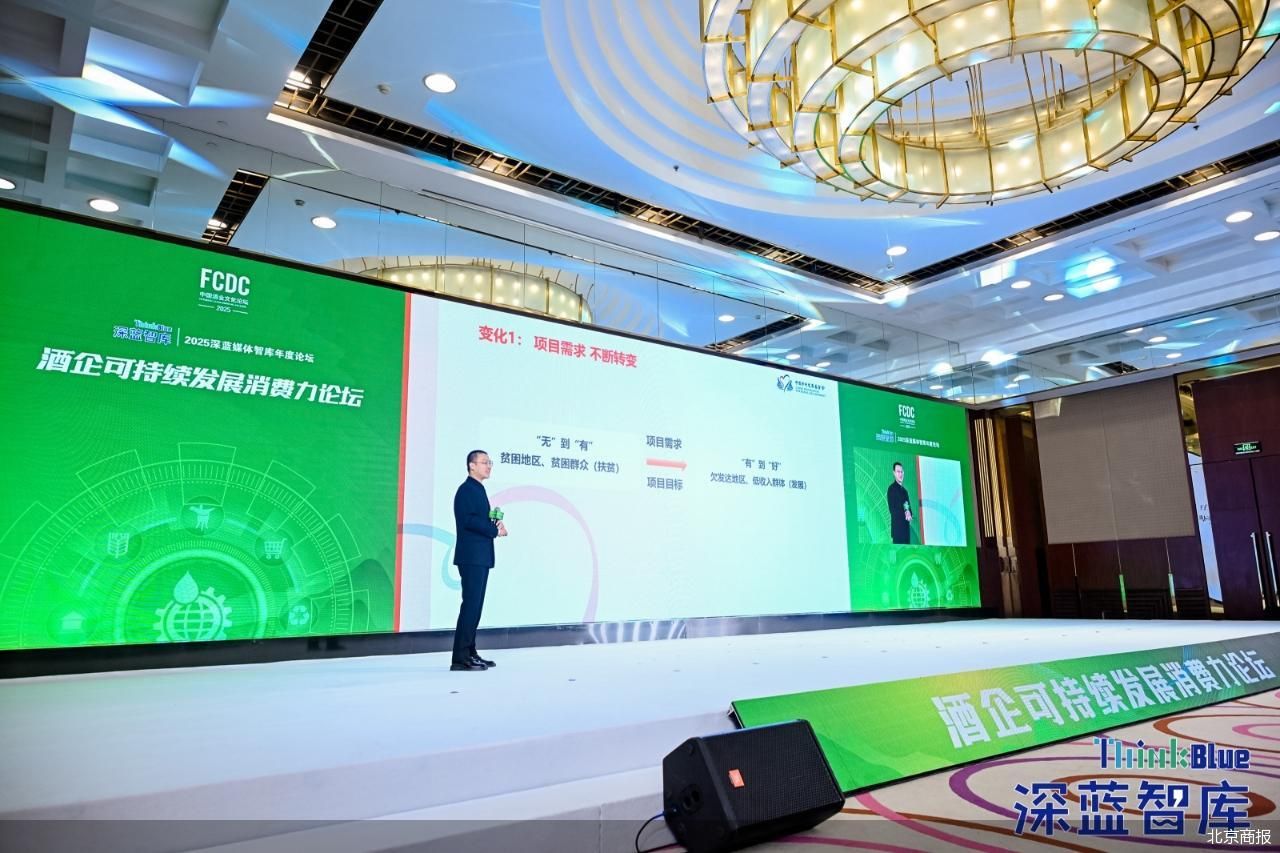
Group 1 - The 2025 Wine Industry Cultural Forum focused on "Sustainable Brewing Future and New Paths for High-Quality Development in the Wine Industry," emphasizing sustainable development planning and cross-industry resource integration to effectively activate consumer spending [1] - The China Rural Development Foundation has raised a total of 12.8 billion yuan since its establishment, with 1.1 billion yuan raised in 2024, highlighting the foundation's commitment to sustainable development in underdeveloped areas [3] - The foundation's assistance projects include cultivating local economic entities, managing production quality, promoting marketing channels, building county brands, and training local talent to achieve social benefits [3] Group 2 - The foundation aims to collaborate more with the wine industry in future assistance activities, focusing on building an industry-wide public welfare ecosystem and establishing a public welfare fund based on shared social responsibility and industry value [4]
尊重准时打烊的咖啡店,也是在守护自己的下班自由
Nan Fang Du Shi Bao· 2025-04-24 09:20
Group 1 - The incident at the coffee shop in Wuhan highlights the tension between customer expectations and business operational hours, with the shop owner emphasizing adherence to labor laws and employee rights [1][3] - The coffee shop's strict closing time of 7:30 PM and the customer's complaint reflect broader societal issues regarding work-life balance and the encroachment of work into personal time [1][3] - The incident has sparked discussions about the evolving standards of "good service" in the service industry, suggesting that it should not come at the expense of workers' rights [3] Group 2 - There are examples from abroad where businesses have implemented strategies to gently remind customers of closing times, such as dimming lights or playing softer music, which could enhance customer experience while respecting staff needs [2] - The trend towards personalized service in the domestic market is evident, with businesses adopting clear operational rules that resonate with their target audience, thereby building trust and loyalty [2] - The coffee shop incident serves as a microcosm of the ongoing evolution in societal values, where the concept of "down time" is increasingly recognized as a right rather than a luxury [3]