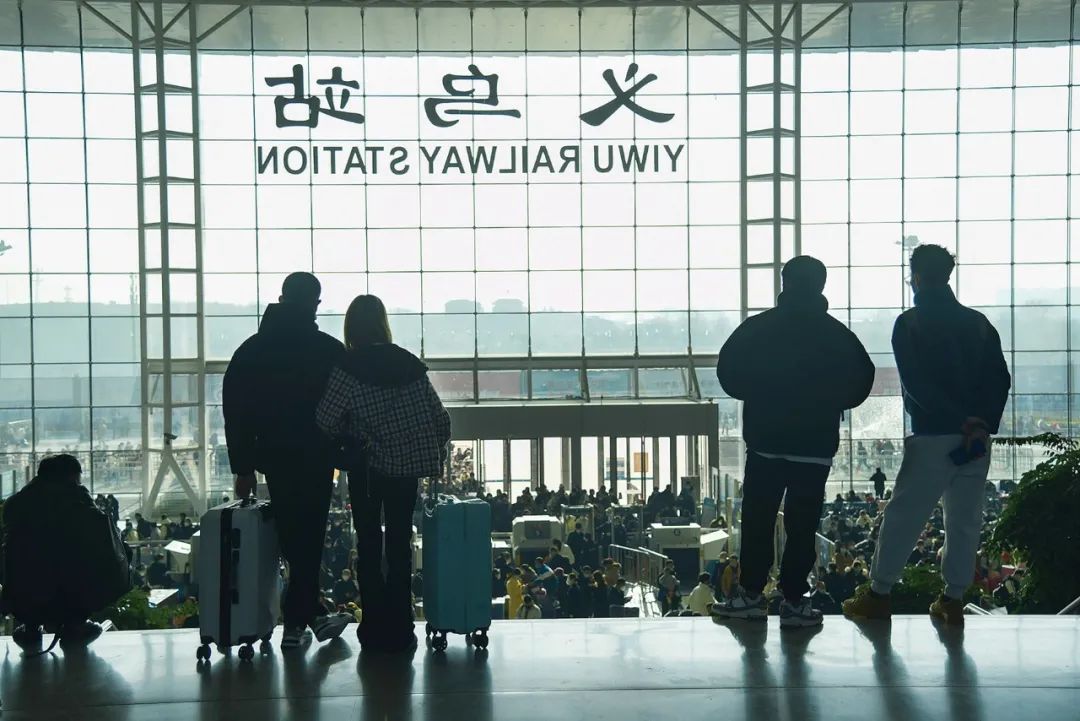
小商品批发

Search documents
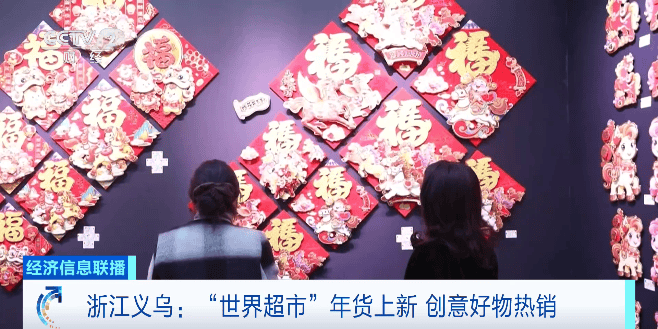
义乌“世界超市”年货上新 马年创意好物热销
Sou Hu Cai Jing· 2025-12-04 15:24
Core Viewpoint - The festive atmosphere in Yiwu, known as the "world supermarket," is intensifying as the Chinese New Year approaches, with a surge in both traditional and innovative festive products being sold [1]. Group 1: Traditional Products - Traditional festive items such as 福字 (Fu character), couplets, and lanterns are being updated with new designs, attracting more buyers [1][3]. - The business performance of stores selling festive goods has improved significantly compared to last year, with increased orders noted [5][7]. Group 2: Innovative Products - There is a trend of cross-border innovation in festive products, with items like hairpins and headbands featuring horse motifs becoming popular among younger consumers [9]. - Products such as refrigerator magnets are also gaining popularity, particularly among the younger demographic [12]. Group 3: E-commerce Influence - Many buyers are e-commerce operators, indicating a shift in purchasing behavior towards online platforms [11]. - Factories are experiencing high demand, with some producing tens of thousands of units daily to meet the needs of large orders from clients [14].

义乌的圣诞商人,盼望世界和平
创业邦· 2025-12-02 10:11
Core Viewpoint - Yiwu, known as the "world supermarket," is facing challenges due to global uncertainties such as wars and tariffs, impacting the business environment for local merchants who have adapted over the years to navigate these changes [5][7][8]. Group 1: Business Environment - Yiwu's international trade city features over 70,000 shops, showcasing a diverse range of products, with a significant portion of global Christmas goods sourced from here [5][6]. - The Christmas season is a critical period for Yiwu, with approximately 80% of the world's Christmas supplies originating from the city [6]. - Merchants are experiencing a decline in customer traffic and sales, with many reporting that business has become increasingly difficult compared to previous years [10][11]. Group 2: Challenges Faced - The current business climate is marked by uncertainty due to geopolitical tensions and economic factors, leading to longer payment terms and reduced profit margins for merchants [10][17]. - Price competition has intensified, with customers comparing prices across suppliers, leading to a price war that affects profit margins [12][13]. - The impact of the COVID-19 pandemic has shifted customer behavior, with many merchants noting that while new customers are scarce, existing clients continue to place orders through digital communication [12][17]. Group 3: Adaptation Strategies - Merchants are focusing on developing unique and complex products to differentiate themselves from competitors who engage in price undercutting [13][14]. - Some businesses are shifting their focus to high-end products, moving away from basic offerings to maintain profitability [13]. - The establishment of overseas warehouses has emerged as a strategic move for some merchants to mitigate risks associated with international trade fluctuations [33]. Group 4: Future Outlook - Despite current challenges, Yiwu merchants remain resilient, leveraging their experience and adaptability to navigate the evolving market landscape [27][39]. - The diversification of export markets and the ability to adjust product offerings based on regional preferences are seen as key strengths for Yiwu businesses [37][39]. - Merchants express a cautious optimism about the future, believing that as long as the market continues to evolve, opportunities will persist [42].

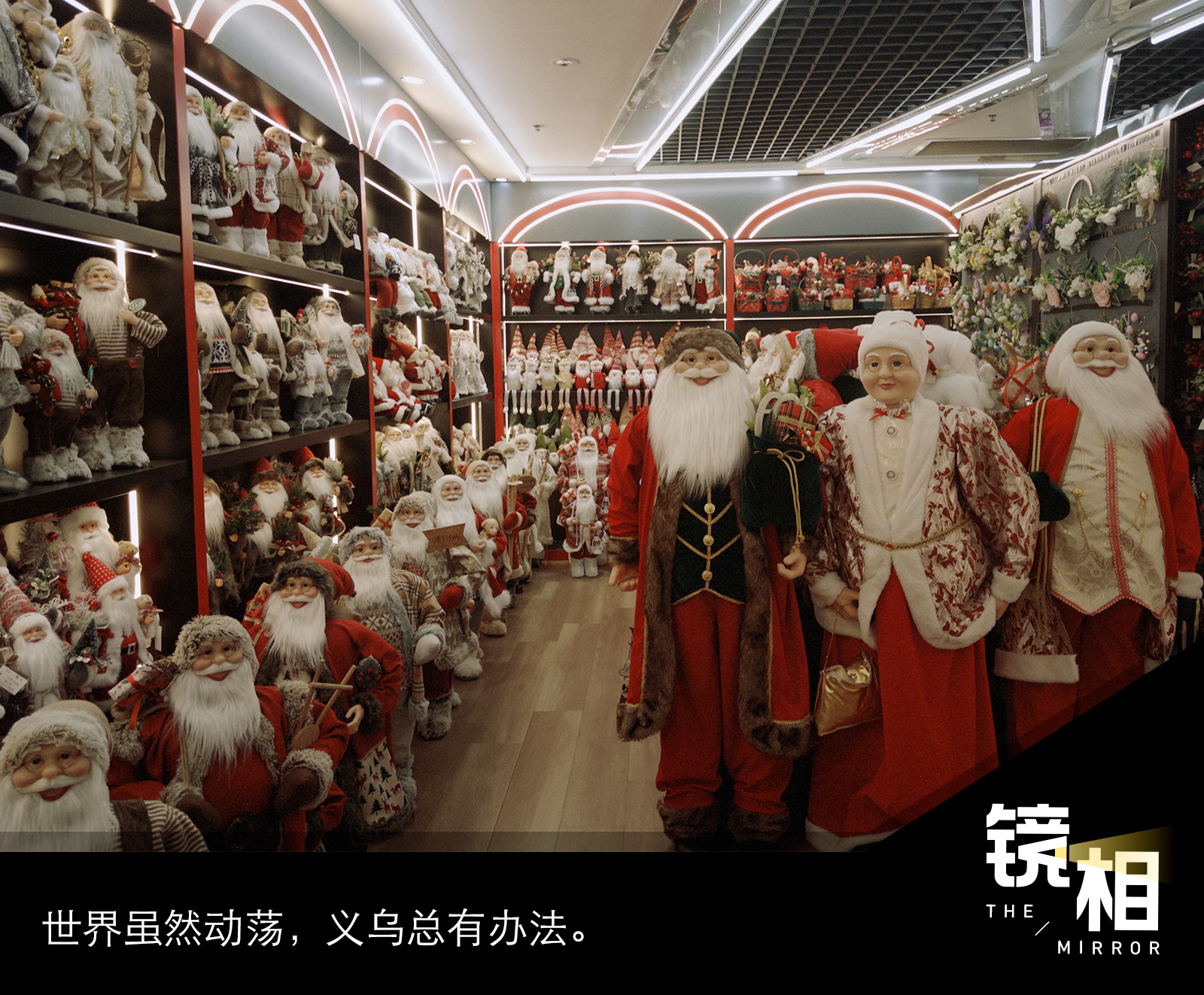
义乌的圣诞商人,盼望世界和平
3 6 Ke· 2025-11-25 06:26
Core Insights - The article highlights the challenges faced by businesses in Yiwu, particularly in the Christmas goods sector, due to global uncertainties such as wars and tariffs, which have led to decreased customer traffic and profitability [3][12][31] - Yiwu's international trade environment is characterized by a diverse customer base and a wide range of products, with the city being a major supplier of Christmas goods globally [2][4][27] Group 1: Business Environment - Yiwu's international trade city is described as highly internationalized, with a significant presence of foreign customers and a variety of global cuisines available nearby [2] - Approximately 80% of the world's Christmas goods are sourced from Yiwu, making it a critical hub for seasonal products [2][4] - The current business climate is marked by uncertainty, with merchants adapting to changes in demand and supply chain disruptions caused by geopolitical events [3][12] Group 2: Sales and Profitability - Many shop owners report a significant decline in customer traffic compared to previous years, with some stores closing early due to lack of business [4][5] - Profit margins have decreased over the years, with historical net profit rates of 40% now reduced to around 15% for many businesses [4][12] - The competitive landscape has intensified, leading to price wars and a focus on product differentiation to maintain market share [8][31] Group 3: Adaptation Strategies - Merchants are increasingly focusing on developing unique and complex products to avoid price competition, with some opting to discontinue lower-end items [8][12] - The establishment of overseas warehouses has been a strategic move for some businesses to mitigate risks associated with international shipping and tariffs [26][27] - Despite the challenges, Yiwu merchants continue to demonstrate resilience and adaptability, leveraging their experience to navigate the changing market dynamics [20][31]
K签落地前,这座中国县城已有1.5万外国人常驻
虎嗅APP· 2025-11-21 14:04
Core Viewpoint - The article discusses how Yiwu, a city in China, has developed a unique model of inclusive governance for international migration, positioning itself as a global trade hub through grassroots globalization practices [5][6][34]. Group 1: Yiwu's Globalization Model - Yiwu has transformed from a poor agricultural county into a prosperous trade city in just 30 years, recognized as the world's largest small commodity wholesale market [6][14]. - The city serves as a case study for a new form of globalization that is inclusive and accessible, contrasting with traditional elite-driven global cities [6][34]. - The influx of international merchants has been a key factor in Yiwu's rapid development, necessitating a focus on inclusive governance as part of the "Yiwu model" [7][34]. Group 2: Economic Impact and Trade Networks - In 2020, Yiwu's total import and export volume reached 312.95 billion yuan, with exports accounting for 300.62 billion yuan, highlighting its significant role in international trade [16]. - Yiwu acts as a critical junction for the "Belt and Road" initiative, with trade volume with countries along the route reaching 136.14 billion yuan in 2020 [9]. - The city has established a unique "bottom-up globalization" model, facilitating trade networks that connect various regions across Eurasia [10][34]. Group 3: Governance and Policy Innovations - Yiwu has implemented continuous policy reforms to create a vibrant and inclusive governance model, which has attracted a large number of foreign merchants [18][22]. - The city has become a pilot for national reforms, gaining special permissions that enhance its capacity to manage international trade and foreign residents [19][20]. - The governance approach in Yiwu emphasizes community involvement and cooperation between local authorities and foreign merchants, fostering a friendly and efficient urban environment [21][22]. Group 4: Cultural and Social Dimensions - Yiwu's appeal extends beyond its market; it also encompasses cultural and social aspects, making it a place where international merchants can build networks and communities [11][12]. - The city has developed a "super diversity" characterized by the coexistence of various cultures, languages, and identities, enriching its social fabric [32][34]. - Yiwu's inclusive governance model serves as a potential blueprint for other regions in China to address international migration and foster economic growth [24][26].

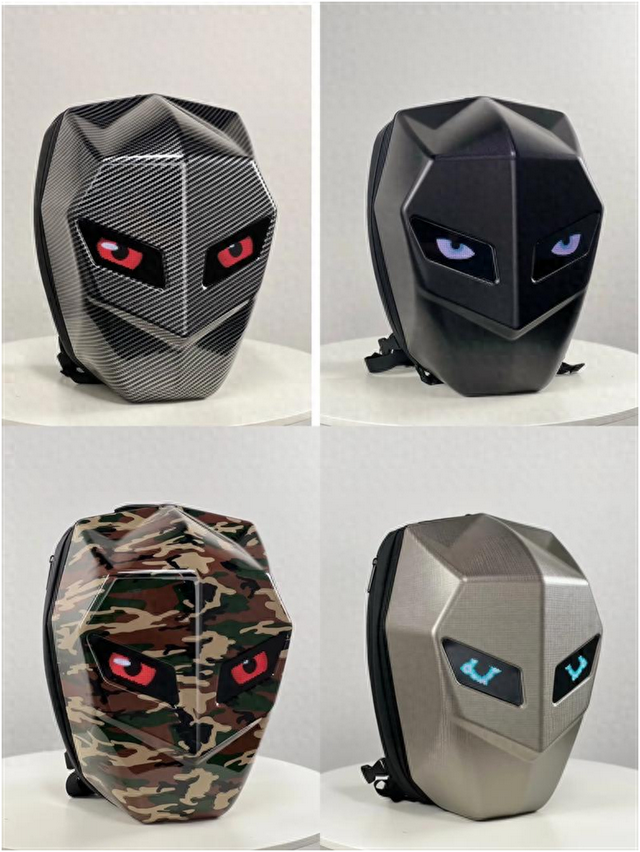
在义乌,一个LED背包的“西游记”
Huan Qiu Wang· 2025-10-24 08:39
Core Insights - The LED backpack has gained significant attention at the 31st China Yiwu International Commodities Fair, showcasing its large display screen capable of showing custom graphics and text, along with a built-in 20,000mAh power bank that can keep the screen lit for three days [3][4] - Yiwu has established stable trade relations with over 230 countries and regions, attracting more than 600,000 foreign merchants annually, highlighting its status as a global hub for small commodities [7][10] - The integration of digital technology in trade processes has streamlined operations, allowing merchants to engage in real-time communication and order processing through mobile platforms, significantly enhancing efficiency [11][12] Trade Dynamics - The LED backpack has generated substantial orders, with one merchant securing over 1 million yuan in orders in just one morning, demonstrating the high demand for innovative products [4][8] - Yiwu's international trade value reached 554.26 billion yuan in the first eight months of the year, reflecting a year-on-year growth of 24.9% [10] - The Yiwu (Suxi) International Hub Port has improved logistics efficiency, reducing transportation time and distance for cross-border trade, thus facilitating faster delivery of goods [13][14] Digital Transformation - Yiwu has developed a comprehensive digital trade ecosystem, connecting with major e-commerce platforms and creating its own platform, Chinagoods, to support international trade for small and medium enterprises [12][18] - The digital payment platform "Yiwu Pay" has been established to address cross-border payment challenges, supporting transactions in 26 currencies across over 170 countries [12] - The use of digital tools has allowed merchants to visualize products in 3D and communicate effectively with international buyers, enhancing the overall trading experience [11][12] Logistics and Infrastructure - Yiwu's logistics network has expanded significantly, with the "Yi Xin Ou" train service connecting to over 50 countries and 160 cities, facilitating efficient trade routes [13][14] - The establishment of the Yiwu (Suxi) International Hub Port has streamlined logistics operations, allowing for seamless integration of various transportation modes [13][14] - The growing logistics capabilities have made Yiwu a preferred destination for international buyers seeking faster delivery times compared to other ports [14][16]
世界老乡@义乌丨世界何以信赖义乌?答案藏于人海
Zhong Guo Xin Wen Wang· 2025-10-21 05:42
Core Viewpoint - Yiwu has established itself as a global hub for small commodities, driven by the efforts of its laborers, entrepreneurs, and their partnerships with global counterparts, creating a vibrant community that fosters innovation and opportunity [1]. Group 1: Economic Development - Yiwu merchants have adapted their business strategies from traditional trade to modern methods such as e-commerce and live streaming, transforming "small commodities" into a "large market" [5]. - The manufacturing quality in Yiwu is emphasized through meticulous attention to detail in production processes, enhancing the reputation of "Yiwu manufacturing" [7]. Group 2: Innovation and Creativity - In Yiwu, creativity is actively integrated into everyday products, with new ideas leading to innovative consumer goods that resonate with buyers [8]. - The blending of traditional craftsmanship with modern practices allows Yiwu to showcase its cultural heritage while meeting contemporary market demands [14]. Group 3: Community and Culture - The community in Yiwu is characterized by its inclusivity, with international volunteers and local residents collaborating to create a welcoming environment, reflecting the city's warmth and openness [13][16]. - Citizens of Yiwu play a crucial role in maintaining the city's cultural roots and daily vibrancy, contributing to its ongoing innovation and liveliness [21].

“世界超市”义乌用“第六代市场”抵御外贸寒冬
Di Yi Cai Jing· 2025-10-15 12:35
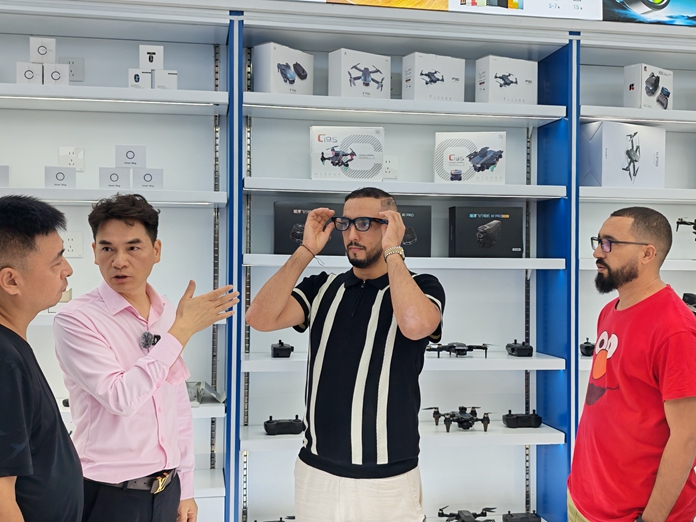
Core Insights - The opening of the Global Digital Trade Center in Yiwu marks a significant shift towards digital trade, aiming to transform traditional business models and enhance the efficiency of trade operations [1][13] - Yiwu merchants are adapting to changes in the market environment, demonstrating resilience and innovation in their business strategies, which has allowed them to thrive even in challenging economic conditions [2][4] Group 1: Market Development - The Global Digital Trade Center spans 1.25 million square meters and houses over 3,700 merchants, attracting more than 30,000 buyers, indicating a robust demand for digital trade solutions [1] - The center integrates various functions, including market spaces, office buildings, commercial streets, apartments, and a digital trade port, promoting a comprehensive ecosystem for trade [1][5] Group 2: Business Adaptation - Yiwu merchants, such as the chairman of Sail Technology, have successfully pivoted their business models in response to market demands, including the introduction of new products and services like AI-powered translation devices [2][4] - The shift from traditional manufacturing to high-tech products, such as drones and AR glasses, reflects a broader trend of innovation among Yiwu businesses [4][12] Group 3: Digital Transformation - The integration of digital tools and platforms is enhancing the procurement experience, with features like precise navigation and product search capabilities being developed to streamline operations [9] - The emergence of AI-driven services and platforms is reshaping the business landscape, allowing for more efficient production and direct connections between creators and manufacturers [12] Group 4: Economic Impact - Yiwu's import and export totals reached 554.26 billion yuan in the first eight months of 2025, with exports growing by 23.7% and imports by 34.0%, showcasing the city's expanding global trade footprint [8] - The establishment of overseas projects in 28 countries and regions demonstrates Yiwu's commitment to enhancing its international presence and supporting local businesses in global markets [8]
“世界超市”磁力四射 一场预料中的“抢铺大战”
Zheng Quan Shi Bao· 2025-07-16 23:35
Core Insights - The Yiwu Global Digital Trade Center, representing the sixth generation of Yiwu's market, is attracting significant interest from businesses, with over 19,000 qualified merchants registering for 900 available commercial spaces in the infant and beauty products sector [1][2] - Despite global trade challenges, Yiwu's market continues to thrive, with an average daily foot traffic of 219,000 and a 4.87% year-on-year increase in foreign visitors [1][9] - The bidding process for commercial spaces involves rigorous qualification checks, ensuring that only serious and capable businesses can participate, which has led to a competitive "space grabbing" environment [2][3] Market Dynamics - The bidding for the infant and beauty products sector saw a starting price of approximately 5 million yuan per square meter, with final bid prices ranging from 134,333 to 136,666 yuan per square meter [3][4] - The value of commercial spaces in Yiwu is closely linked to market maturity, industry type, location, and size, with some spaces listed for transfer at prices exceeding 10 million yuan [6][9] - Yiwu's market has become a critical hub for over 210,000 small and medium-sized enterprises, attracting more than 20,000 foreign merchants and nearly 9,000 foreign-funded entities [9][10] Strategic Initiatives - Yiwu is implementing a "vertical layout" strategy to enhance industry clustering, allowing related products to be grouped together for more efficient procurement [7][8] - The Yiwu Global Digital Trade Center is positioned as a key node for Chinese manufacturing to reach global consumers, integrating market and digital trade services [10][11] - Yiwu's brand overseas expansion plan aims to establish 46 brand projects in 20 countries by 2024, facilitating over 70,000 products for international buyers [11]

“袜都”“纺都”对决篮球,“浙BA”将成下一个“苏超”?
第一财经· 2025-07-08 15:00
Core Viewpoint - The article highlights the successful launch of the "Zhe BA" basketball league in Zhejiang, emphasizing its role in promoting local culture, tourism, and economic development through sports engagement [1][2]. Summary by Sections Event Overview - The "Zhe BA" league kicked off on July 6, 2025, with a match between Zhuji and Keqiao, where Zhuji won 79-60 [1]. - The league is designed as an amateur competition, encouraging broad community participation, with matches scheduled from July 2025 to February 2026 across 11 cities and 90 counties in Zhejiang [2]. Basketball Infrastructure - Zhejiang boasts a strong basketball foundation, with 55,051 basketball courts covering 32.71 million square meters, including 45,652 basketball courts, 5,376 three-on-three courts, and 4,023 basketball gyms [2]. Economic and Cultural Integration - The league serves as a platform to showcase local products and tourism, with events featuring local delicacies and cultural performances [2][3]. - The integration of sports with local culture and economy is emphasized, with the league aiming to create a festive atmosphere that encourages community involvement [3]. Regional Economic Characteristics - Zhejiang's balanced county-level economic development is highlighted, with each region having its own leading industries, contributing to overall economic progress [5]. - Specific examples include Zhuji's sock production, Keqiao's textile dominance, and Yiwu's status as a global small commodity hub [5]. Income and Tourism - The average disposable income for urban residents in Zhejiang's counties is relatively high, with 9 out of 14 counties in China exceeding 80,000 yuan in 2024 [6]. - Zhejiang ranks first in the national county tourism strength rankings, with notable tourist attractions and events driving local economies [7]. Cultural Significance - The "Zhe BA" league is seen as a vehicle for cultural expression, drawing on regional characteristics and fostering community spirit through sports [8].

Labubu爆火之后,去义乌的年轻人赚翻了
3 6 Ke· 2025-07-07 07:44
Core Insights - Yiwu has become a hub for the Z generation, with many young entrepreneurs, referred to as "Wu Piao," contributing to the Yiwu China Commodity Index through practical efforts rather than theoretical discussions [1][2] - The rise of new industries in Yiwu is driven by the increasing interest in entrepreneurship, e-commerce, and cross-border trade among young people [1][2] Group 1: Yiwu's Entrepreneurial Landscape - Yiwu has seen a significant influx of young entrepreneurs, many of whom are exploring various business opportunities, including e-commerce and social media platforms [1][2] - The city has become a breeding ground for small businesses, with a notable statistic indicating that approximately one in every two residents is a business owner, highlighting the entrepreneurial density [16][19] - The concept of "walk-broadcasting" has gained popularity, allowing new entrepreneurs to engage in live-streaming sales with minimal barriers to entry, making it an attractive option for those starting from scratch [9][11] Group 2: Personal Stories and Experiences - The journey of a local entrepreneur, who transitioned from a corporate job to running a family business and leading entrepreneurial study groups, illustrates the practical approach to business in Yiwu [2][3][4] - The entrepreneur's background in various fields, such as travel media and content marketing, has equipped her with skills that are beneficial for her current ventures [7][9] - The success of her live-streaming efforts, including selling over 1,000 products in a single session, showcases the potential for rapid growth in this business model [11][13] Group 3: Community and Cultural Aspects - Yiwu's entrepreneurial culture is deeply rooted in its history, with many young people having familial ties to the local market, fostering a sense of community and continuity in business practices [4][6] - The presence of female entrepreneurs, often referred to as "boss ladies," plays a crucial role in the local economy, with many actively engaging in learning and adapting to new technologies [16][17] - The spirit of Yiwu is characterized by a proactive and open-minded approach to business, attracting young people who are eager to innovate and capitalize on opportunities [19][20]