工艺美术及礼仪用品制造

Search documents
国家统计局城市司首席统计师董莉娟解读2026年1月份CPI和PPI数据
Guo Jia Tong Ji Ju· 2026-02-11 01:39
2026年1月份CPI同比上涨 PPI同比降幅收窄 1月份,居民消费需求持续恢复,居民消费价格指数(CPI)环比上涨0.2%,同比上涨0.2%,扣除 食品和能源价格的核心CPI同比上涨0.8%。受全国统一大市场建设持续推进、部分行业需求增加及国际 大宗商品价格传导等因素影响,工业生产者出厂价格指数(PPI)环比上涨0.4%,同比下降1.4%。 一、CPI同比涨幅回落主要受春节错月影响,核心CPI保持温和上涨 CPI同比涨幅有所回落,主要有以下两方面原因:一是春节错月影响。上年1月份为春节月份,食 品和部分服务价格上涨较多,导致上年同期对比基数较高,带动本月同比涨幅回落较多。分类别看,食 品价格下降0.7%,影响CPI同比下降约0.11个百分点,而上月对CPI的影响为上拉约0.21个百分点。食品 中,鲜菜价格上涨6.9%,涨幅比上月回落11.3个百分点,对CPI同比的上拉影响比上月回落约0.27个百 分点;鲜果价格上涨3.2%,涨幅比上月回落1.2个百分点;猪肉和鸡蛋价格分别下降13.7%和10.6%。服 务价格上涨0.1%,影响CPI同比上涨约0.05个百分点,对CPI同比的上拉影响比上月减少约0.20个百分 ...
国家统计局:PPI出现积极变化 支持价格合理回升积极因素继续累积
Zhong Guo Xin Wen Wang· 2025-12-15 04:20
Core Viewpoint - The Producer Price Index (PPI) in November showed a month-on-month increase for the second consecutive month, indicating a trend of narrowing year-on-year decline since August, with positive changes observed in recent PPI data [1][2] Group 1: PPI Trends - In November, the PPI increased by 0.1% month-on-month, driven by seasonal demand for winter energy and heating, improved market competition, and rising international non-ferrous metal prices [1] - Year-on-year, the PPI decreased by 2.2%, with the decline widening by 0.1 percentage points compared to the previous month, primarily due to a high base effect from the same period last year [1] Group 2: Factors Supporting Price Recovery - Consumer upgrades are increasingly evident, with rising demand for high-quality living leading to price increases in sectors such as sports and cultural goods. In November, the price of arts and crafts and ceremonial goods manufacturing rose by 20.6% year-on-year, an increase of 2.2 percentage points from the previous month; the price of sports balls manufacturing rose by 4.3%, up by 1 percentage point [1] - Emerging industries are experiencing positive development, with accelerated smart and green transformation leading to increased demand for raw materials and finished products. In November, prices in the non-ferrous metal smelting and rolling industry rose by 7.8% year-on-year, an increase of 1 percentage point from the previous month; graphite and carbon product manufacturing prices rose by 3.8%; integrated circuit manufacturing prices rose by 1.7% [2] - The effects of regulating market competition are becoming evident, with prices in photovoltaic equipment and components manufacturing, lithium-ion battery manufacturing, and new energy vehicle manufacturing showing a narrowing decline compared to the previous month [2] Group 3: Future Outlook - Overall, the PPI has shown a month-on-month increase for two consecutive months, with positive factors supporting reasonable price recovery continuing to accumulate. However, the year-on-year PPI remains in decline, indicating that further efforts are needed to solidify the foundation for price recovery [2]
锐财经|物价水平保持企稳态势
Ren Min Ri Bao Hai Wai Ban· 2025-12-12 01:52
Group 1 - The Consumer Price Index (CPI) increased by 0.7% year-on-year in November, the highest since March 2024, driven primarily by a reversal in food prices from a decline to an increase [2][4] - Core CPI, excluding food and energy, rose by 1.2% year-on-year, maintaining above 1% for three consecutive months [2][4] - The Producer Price Index (PPI) saw a month-on-month increase of 0.1% but a year-on-year decline of 2.2%, indicating a mixed price environment influenced by seasonal demand and macroeconomic policies [4][5] Group 2 - Food prices shifted from a 2.9% decline to a 0.2% increase, with fresh vegetable prices rising by 14.5% after nine months of decline, significantly impacting the CPI [2][3] - Service prices and industrial consumer goods prices increased by 0.7% and 2.1% respectively, contributing positively to the CPI [2][4] - The demand for coal and gas increased seasonally, leading to price rises in related industries, with coal mining prices up by 4.1% [4][5] Group 3 - Emerging industries such as new materials and intelligent technology are driving price increases in related sectors, with prices for external storage devices rising by 13.9% year-on-year [5][6] - Consumer demand is being revitalized through targeted actions, with prices in sectors like arts and crafts rising by 20.6% [5][6] - The government plans to enhance domestic demand and consumption through various initiatives, especially as the year-end approaches, which is traditionally a peak consumption period [7]
物价水平保持企稳态势(锐财经)
Ren Min Ri Bao Hai Wai Ban· 2025-12-11 22:56
Group 1 - The Consumer Price Index (CPI) increased by 0.7% year-on-year in November, the highest since March 2024, driven primarily by a reversal in food prices from a decline to an increase [2] - Core CPI, excluding food and energy, rose by 1.2% year-on-year, maintaining above 1% for three consecutive months [2] - The increase in CPI was influenced by seasonal price rises in services and industrial consumer goods, with household appliances and clothing prices rising by 4.9% and 2.0% respectively [2][4] Group 2 - The Producer Price Index (PPI) saw a month-on-month increase of 0.1% but a year-on-year decrease of 2.2%, with the decline attributed to high comparison bases from the previous year [4][6] - Seasonal demand increases in certain domestic industries, such as coal and gas, contributed to the month-on-month price rise in PPI [4] - New industries, including new materials and intelligent technology, are driving price increases in related sectors, with prices for external storage devices rising by 13.9% year-on-year [6] Group 3 - To stabilize price levels and promote reasonable price recovery, there is a need to continue expanding domestic demand and optimizing market competition [7] - The upcoming year-end and early-year period is seen as a crucial time for consumer spending, with plans for various promotional activities to enhance consumption [7] - Looking ahead to 2026, policies aimed at expanding domestic demand are expected to support a moderate recovery in prices, particularly in service sectors such as dining, accommodation, and health services [7]

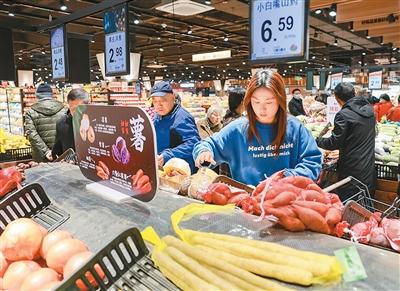
食品价格回升拉动 CPI涨幅创近21个月新高
Zheng Quan Shi Bao· 2025-12-10 18:54
Group 1 - The Consumer Price Index (CPI) increased by 0.7% year-on-year in November, marking the highest growth since March 2024, primarily driven by a turnaround in food prices [1][2] - The core CPI, excluding food and energy, rose by 1.2% year-on-year, maintaining a growth rate above 1% for three consecutive months [2] - Food prices increased by 0.2% year-on-year, while non-food prices rose by 0.8%, with fresh vegetable prices experiencing a significant increase of 14.5% after a decline of 7.3% in the previous month [1][3] Group 2 - The Producer Price Index (PPI) saw a month-on-month increase of 0.1% for two consecutive months, but the year-on-year decline expanded to 2.2%, influenced by high comparison bases from the previous year [2] - The narrowing of year-on-year price declines in certain industries, such as coal mining and photovoltaic equipment manufacturing, indicates the effectiveness of macroeconomic policies [3] - Emerging industries are driving price increases, with external storage devices and components seeing a year-on-year price rise of 13.9%, and arts and crafts manufacturing prices increasing by 20.6% [3]
11月份CPI同比上涨0.7% 物价水平进一步企稳
Zheng Quan Ri Bao· 2025-12-10 16:25
Consumer Recovery - In November, the Consumer Price Index (CPI) decreased by 0.1% month-on-month but increased by 0.7% year-on-year, marking the highest growth since March 2024, indicating a continuous recovery in consumer spending [1][2] - The year-on-year increase in CPI was primarily driven by a shift in food prices from decline to growth, with food prices rising by 0.2% after a 2.9% drop in October [2][3] - Fresh vegetable prices saw a significant turnaround, increasing by 14.5% after a 7.3% decline in October, contributing approximately 0.49 percentage points to the CPI year-on-year [2][3] Core CPI and Industrial Prices - The core CPI, excluding food and energy, rose by 1.2% year-on-year, maintaining a growth rate above 1% for three consecutive months [3] - Prices for services and industrial consumer goods, excluding energy, increased by 0.7% and 2.1%, respectively, contributing approximately 0.29 and 0.53 percentage points to the CPI year-on-year [3] - The expansion of domestic demand policies has positively impacted prices, with household appliances and clothing prices rising by 4.9% and 2.0%, respectively [3] Producer Price Index (PPI) - The Producer Price Index (PPI) increased by 0.1% month-on-month in November, marking two consecutive months of growth, while the year-on-year decline was 2.2%, slightly widening from October [4][5] - The improvement in PPI is attributed to the optimization of supply and demand structures in certain domestic industries and the transmission of international commodity prices [4][5] Policy Impact and Market Dynamics - Continuous macroeconomic policies are showing positive effects, with a narrowing of price declines in key industries due to the ongoing governance of "involution" competition [5][6] - Emerging industries are driving price increases, with significant year-on-year price rises in sectors such as external storage devices (up 13.9%) and graphite products (up 3.8%) [5][6] - Consumer demand is being revitalized, leading to price increases in various manufacturing sectors, including a 20.6% rise in the price of arts and crafts products [6]
创20个月以来新高 11月CPI同比涨0.7%
Bei Jing Shang Bao· 2025-12-10 15:44
Core Insights - In November, the national consumer price index (CPI) rose by 0.7% year-on-year, marking the highest increase since March 2024, with a 0.5 percentage point increase from the previous month [1][2][4]. Price Changes - Food prices shifted from a 2.9% decline in the previous month to a 0.2% increase, contributing positively to the CPI [4]. - Fresh vegetable prices surged by 14.5%, marking the first increase after nine consecutive months of decline, significantly impacting the CPI [4]. - The prices of other major categories showed mixed results, with increases in other goods and services (14.2%), clothing (1.9%), and healthcare (1.6%), while transportation and communication prices fell by 2.3% [3][4]. Core CPI - The core CPI, excluding food and energy, increased by 1.2% year-on-year, maintaining a growth rate above 1% for three consecutive months [4][6]. Producer Price Index (PPI) - The PPI rose by 0.1% month-on-month but fell by 2.2% year-on-year, with the decline attributed to high comparison bases from the previous year [6]. - The prices in key industries such as coal mining and photovoltaic equipment manufacturing showed narrowing declines, indicating improved market conditions [6]. Seasonal Demand Impact - Seasonal demand increases in certain industries, such as coal and gas, have led to price hikes in related sectors, with coal mining prices rising by 4.1% month-on-month [5][6]. - The demand for winter clothing and heating products has also contributed to price increases in textile manufacturing [5]. Consumer Spending - The ongoing consumer spending initiatives have positively influenced prices in various sectors, with notable increases in the manufacturing of arts and crafts (20.6%) and sports equipment (4.3%) [6].

国家统计局:10月份PPI环比首次上涨,同比降幅收窄
Zhong Guo Xin Wen Wang· 2025-11-14 06:35
Core Viewpoint - The Producer Price Index (PPI) in October showed a month-on-month increase for the first time this year, with a year-on-year decline narrowing, indicating positive changes in industrial producer prices due to various factors including domestic demand policies and seasonal energy needs [1][2]. Group 1: PPI Changes - In October, the PPI decreased by 2.1% year-on-year, a reduction of 0.2 percentage points compared to the previous month, while it increased by 0.1% month-on-month, marking the first increase of the year [1]. - The month-on-month increase in PPI is attributed to improved market competition, increased seasonal energy demand, and rising international prices of non-ferrous metals [1]. Group 2: Factors Influencing PPI - Measures to boost consumption have shown effectiveness, with prices in certain sectors rising significantly: - Prices for arts and crafts and ceremonial goods increased by 18.4% - Prices for sports balls rose by 3.3% - Prices for nutritional food manufacturing increased by 2.1% [1]. - The growth of new economic drivers, particularly in the renewable energy sector, has led to increased demand for raw materials, resulting in price increases: - Prices in non-ferrous metal smelting and rolling industries rose by 6.8% - Prices for electronic materials increased by 2.3% [2]. - The effects of capacity governance in key industries are becoming evident, with improved market competition leading to reduced price declines in sectors such as photovoltaic equipment and automotive manufacturing [2]. Group 3: Future Outlook - The overall positive changes in PPI are expected to improve business operations and promote economic circulation. Future strategies include continuing to expand domestic demand, releasing consumption potential, increasing effective investment, and enhancing innovation [2].
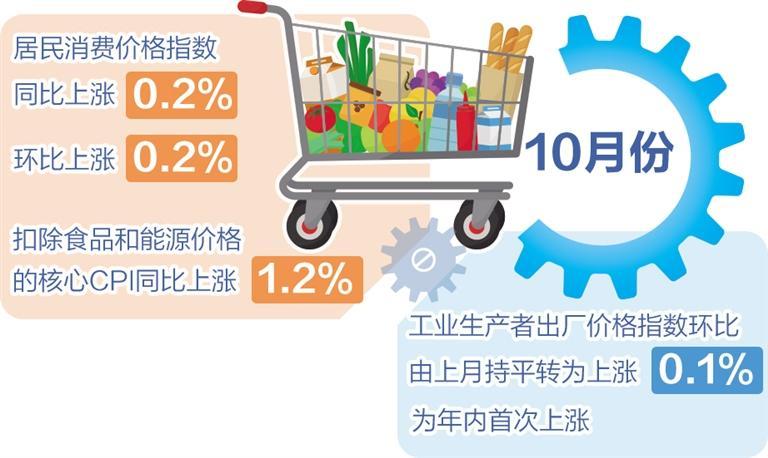
10月份CPI同比涨幅转正,PPI环比年内首次上涨—— 扩内需等政策效应继续显现
Jing Ji Ri Bao· 2025-11-10 04:42
Group 1: CPI Analysis - In October, the Consumer Price Index (CPI) increased by 0.2% month-on-month and year-on-year, marking a shift from a decline of 0.3% in the previous month [2][3] - Service prices rose by 0.2%, driven by increased travel demand during the National Day and Mid-Autumn Festival, with hotel accommodation, flight tickets, and tourism prices rising by 8.6%, 4.5%, and 2.5% respectively [2][3] - Core CPI, excluding food and energy, rose by 1.2% year-on-year, the highest since March 2024, indicating a steady recovery in domestic consumption, particularly in service consumption [2][3] Group 2: PPI Analysis - The Producer Price Index (PPI) saw a month-on-month increase of 0.1% in October, the first rise of the year, influenced by improved supply-demand relationships in certain industries [4][5] - Year-on-year, PPI decreased by 2.1%, but the decline narrowed by 0.2 percentage points compared to the previous month, indicating a trend of price stabilization in key industries [5][6] - Prices in the coal mining and washing industry, photovoltaic equipment manufacturing, and integrated circuit manufacturing have shown upward trends, while international commodity prices have created a mixed impact on domestic prices [4][5] Group 3: Economic Outlook - Experts suggest that the improvement in price data reflects a comprehensive enhancement in the macroeconomic environment and industry sentiment, with a balanced supply-demand relationship [6][7] - The overall price level is expected to rise moderately in the next 3 to 6 months, supported by continued macroeconomic policies and a recovery in market confidence [7] - The construction of a modern industrial system and the expansion of market demand are anticipated to drive price increases in related industries, despite ongoing pressures from the real estate market on certain commodity prices [7]
扩内需等政策效应继续显现——10月份CPI同比涨幅转正,PPI环比年内首次上涨
Jing Ji Ri Bao· 2025-11-10 02:24
Group 1: CPI Analysis - In October, the Consumer Price Index (CPI) increased by 0.2% month-on-month and year-on-year, indicating a recovery in consumer demand, particularly in the service sector [2][3][4] - The core CPI, excluding food and energy, rose by 1.2% year-on-year, marking the highest increase since March 2024 and reflecting a steady recovery in domestic consumption [3][4] - The increase in service prices, which rose by 0.8%, was driven by higher travel-related costs during the National Day and Mid-Autumn Festival, with hotel accommodation, flight tickets, and tourism prices rising significantly [3][4] Group 2: PPI Analysis - The Producer Price Index (PPI) saw a month-on-month increase of 0.1% in October, marking the first rise of the year, driven by improved supply-demand relationships in certain industries [5][6] - Year-on-year, the PPI decreased by 2.1%, but the decline was less severe than in previous months, indicating a narrowing trend in price drops across key sectors [7] - Specific industries such as coal mining, photovoltaic equipment manufacturing, and lithium-ion battery production experienced price increases, while oil and gas extraction faced price declines due to international oil price fluctuations [6][7] Group 3: Economic Outlook - Experts suggest that the improvement in price data reflects a comprehensive recovery in the economy, supported by macroeconomic policies and a balanced supply-demand relationship [8] - The overall price level is expected to rise moderately in the coming months, with CPI anticipated to recover gradually, characterized by strong food prices and weak energy prices [8] - The construction of a modern industrial system and the expansion of market demand are expected to drive price increases in related industries, although the real estate market's adjustment may continue to suppress prices in certain sectors [8]