
数码产品

Search documents
李迅雷:如何提高“以旧换新”受益人口覆盖率 | 立方大家谈
Sou Hu Cai Jing· 2026-01-29 03:49
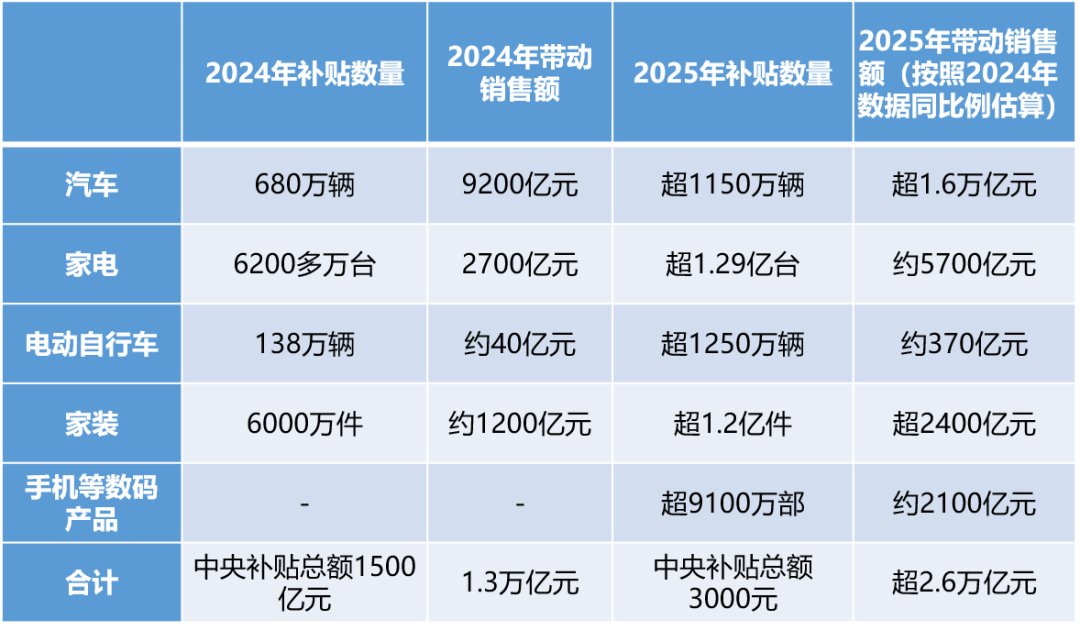
Core Viewpoint - The "old-for-new" policy for consumer goods, implemented from 2024 to 2025, is supported by a total of 450 billion yuan in long-term special government bond funding, aiming to stimulate consumer spending and boost retail sales, although its multiplier effect appears to be less than expected [1][2]. Group 1: Policy Implementation and Financial Support - The State Council issued measures in July 2024, allocating approximately 150 billion yuan in long-term special government bonds for the "old-for-new" policy, with an additional 300 billion yuan planned for 2025, expanding the range of eligible products from 8 to 12 categories [2]. - The estimated sales driven by the subsidies in 2024 and 2025 are projected to exceed 2.6 trillion yuan, with significant contributions from various sectors including automobiles and home appliances [3]. Group 2: Impact on Retail Sales - Retail sales growth for "old-for-new" related products showed an initial acceleration followed by a decline, with significant growth in categories like communication equipment and cultural office supplies, while automotive consumption lagged behind overall consumer spending [4][10]. - The first year after the policy implementation saw a 10% increase in sales for related categories, but the second year showed only a 2% increase, indicating a diminishing effect of the policy [7][10]. Group 3: Consumer Demographics and Coverage - The total number of beneficiaries from the "old-for-new" policy was only 480 million, with a notable drop to 80 million in the second half of 2025, suggesting limited reach among the broader population [25]. - The primary beneficiaries are higher-income groups, as the average price of eligible products, particularly automobiles, is high, limiting participation from lower-income consumers [25]. Group 4: Future Policy Adjustments - The 2026 policy adjustments include expanding the subsidy range to include smart glasses, standardizing subsidy amounts, and shifting from fixed to proportional subsidies for vehicle replacements, aiming to enhance fairness and effectiveness [24]. - To increase the coverage of the "old-for-new" policy, considerations include increasing funding, lowering average product prices, and focusing on job creation and income stability rather than solely on sales volume [26].

以旧换新新政深圳落地:港客买华为三折叠手机能省近2000元
2 1 Shi Ji Jing Ji Bao Dao· 2026-01-26 05:57
Core Insights - The implementation of the old-for-new policy in Shenzhen in 2026 has significantly boosted local consumer spending, particularly benefiting both local residents and visitors from Hong Kong [1][3] - The consumption patterns of Hong Kong visitors have structurally changed, driven by policy incentives such as the departure tax refund, leading to an expansion in the types of products purchased [2][3] Policy Impact on Consumption - The departure tax refund policy has led to a notable increase in the number of tax refund stores in Shenzhen, with over 1,000 new stores added in 2025, bringing the total to over 2,000 [3] - The first duty-free store in Shenzhen opened in August 2025, marking a new phase in the inbound consumption market, with a diverse range of domestic products available [3] Visitor Statistics - In 2025, a total of 264 million people crossed the Shenzhen-Hong Kong land border, with an average of 723,000 daily crossings, a 14% year-on-year increase [4] - Hong Kong and Macau residents accounted for 171 million of these crossings, representing over 60% of total traffic, highlighting their importance in the consumption market [4] Consumption Trends - The share of Hong Kong visitors' spending in Shenzhen has increased from a few percentage points to approximately 20%-30% in certain shopping centers, with some categories nearing 40% [5][6] - The sales of departure tax refund items in shopping centers have seen a year-on-year growth of over 200%, with the number of tax refund transactions increasing by 13 times in the first 11 months of 2025 [6] Price Advantages - The departure tax refund provides significant price advantages for Hong Kong visitors, with potential savings of up to 1,040 yuan on high-value items like smartphones and laptops [7][8] - The average spending per transaction for Hong Kong visitors ranges from 5,300 to 6,000 yuan, with higher-priced items like computers driving up the average [8] Enhancements in Consumer Experience - Shenzhen shopping centers are enhancing the consumer experience for Hong Kong visitors by implementing bilingual services, optimizing payment methods, and providing shuttle services from border crossings [10][11] - The establishment of dedicated service teams in shopping centers aims to improve international service levels and facilitate tax refund processes [11] Broader Implications - The consumption trends driven by Hong Kong visitors are influencing other cities in China, with officials from cities like Xiamen and Wuhan seeking to learn from Shenzhen's practices in tax refunds and visitor services [12]
数码智能产品上新,“科技感”消费热度提升
Yang Guang Wang· 2026-01-25 01:46
Group 1 - The new round of "National Subsidy" policy for replacing old home appliances and digital products has officially been implemented, leading to a surge in consumer demand for digital and smart products [1] - Smart glasses have been included in the "National Subsidy" program for the first time, significantly boosting their sales [2] - Sales revenue in an electrical appliance store increased by approximately 60% due to the addition of smart glasses to the product lineup [3] Group 2 - In Qingdao, the sales of smartphones and other digital products have seen a notable increase, with consumers benefiting from substantial discounts through the "National Subsidy" program [3] - Local authorities plan to introduce more region-specific promotional measures to enhance consumer spending and support the real economy [3] - The launch of the "National Subsidy" policy has resulted in a 200% increase in customer traffic and a 120% increase in overall sales revenue in a large home appliance store [3]
“真金白银”优惠礼包释放焕新消费热力 补贴品类向“智”向“新”激发年轻群体消费热潮
Yang Shi Wang· 2026-01-14 06:52
Group 1 - The core viewpoint of the articles highlights the positive impact of the new subsidy policies in China, particularly in Henan and Sichuan, which have stimulated consumer spending in the automotive and electronics sectors [1][8][22] - In Henan, the new national subsidy policy for vehicle trade-ins has led to increased consumer interest, with many taking advantage of the subsidies to purchase new cars [1][3] - Consumers in Henan reported significant savings, with one individual noting a total discount of over 40,000 yuan when combining national and manufacturer subsidies [3] Group 2 - Sichuan's new subsidy policy for home appliances and digital products has also been implemented, offering a 15% discount for consumers who trade in old products [8][11] - The policy has resulted in a surge in consumer activity, particularly in cities like Chengdu and Deyang, where many consumers are actively purchasing new appliances [14][20] - The focus on energy-efficient and smart products has led to a shift in consumer preferences, with younger demographics showing increased interest in new categories such as smart glasses and watches [17][22]
2026年云南省数码和智能产品购新补贴活动来了!领券方式→
Xin Lang Cai Jing· 2026-01-10 20:33
Group 1 - The core announcement is about the 2026 Yunnan Province digital and smart product purchase subsidy program, detailing consumer coupon collection methods and the first batch of participating merchants [1] - The program aims to implement large-scale equipment updates and promote the replacement of old consumer goods as per national directives [1] - Consumers can collect electronic coupons through three methods: store coupons, rural exclusive coupons, and e-commerce platform coupons [1] Group 2 - Coupons will be distributed on a first-come, first-served basis starting from January 10, 2026, with specific collection times for different types of coupons [2] - Each consumer can collect a maximum of two coupons per month for a single product, with a total limit of five during the activity period [3] - The electronic coupons will be redeemed through a "payment reduction" method, where the subsidy amount is automatically deducted from the total price at checkout [4] Group 3 - The subsidy standard allows for a 15% discount on eligible products, with a maximum subsidy of 500 yuan for each item priced at or below 6000 yuan [5] - A total of 2,569 merchants and 7,043 stores are participating in the first batch of the program, with ongoing enrollment and dynamic adjustments planned [7] - Further details and updates will be provided through official channels, including the Yunnan Provincial Department of Commerce's website and app [7]
图拉斯甲马礼盒:千年创造礼,造梦新一年
Sou Hu Wang· 2026-01-09 14:10
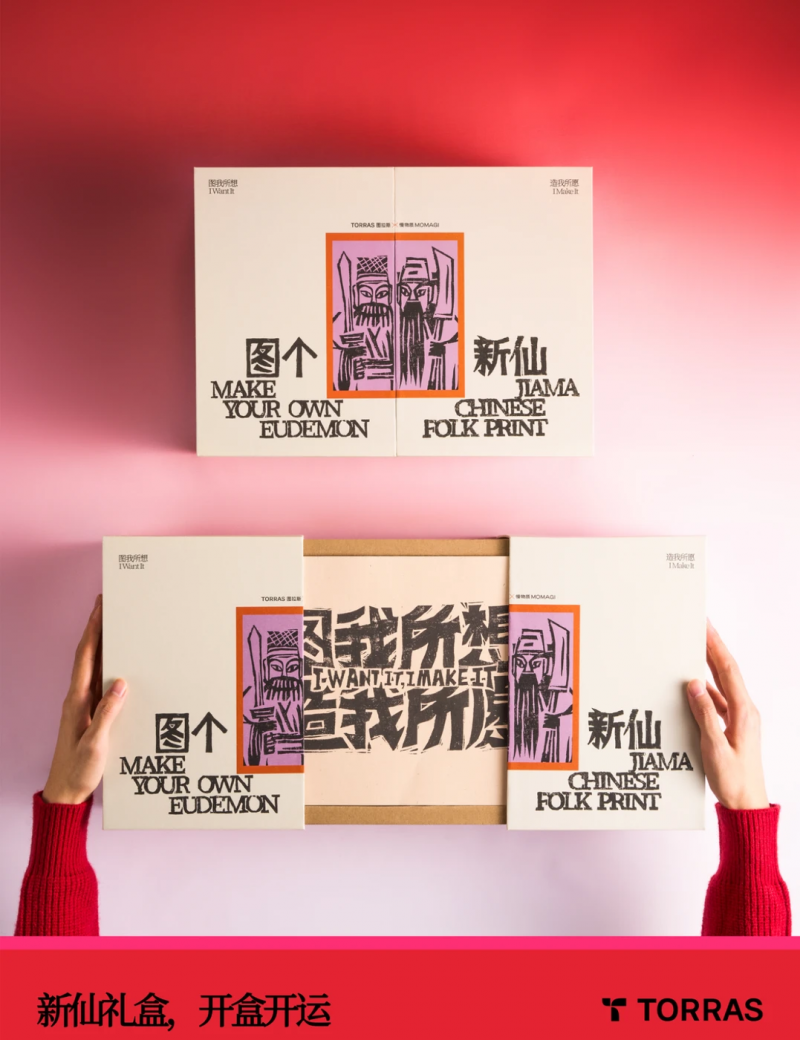
Core Concept - The article highlights the launch of the Tulas Horse Culture Gift Box, which merges ancient Bai ethnic culture with modern innovation, aiming to inspire creativity and provide practical digital products for users in the new year [1][6]. Group 1: Product Features - The gift box includes high-quality digital products designed for portability and efficiency, featuring strong battery life and fast charging capabilities, suitable for various occasions such as travel, family gatherings, and daily work [3]. - Accompanying accessories are designed to be both protective and aesthetically pleasing, seamlessly integrating into different lifestyle scenarios while showcasing personal taste [3]. Group 2: Cultural Significance - The gift box incorporates interactive materials themed around the Horse culture, allowing users to engage in creative activities such as DIY projects, which transform abstract concepts into tangible experiences [5]. - Elements like auspicious stickers and red envelopes combine traditional motifs with New Year blessings, promoting the sharing of joy and creativity among users [5]. Group 3: Brand Philosophy - Tulas emphasizes user value by embedding innovation in every detail of the gift box, encouraging users to imagine boldly and act courageously in their creative pursuits [6]. - The brand's mission is to redefine life through action and creativity, making aspirations accessible and tangible for users in 2025 [6].
史无前例的小米之怒,一只熊引发的“血案”
Xin Lang Cai Jing· 2026-01-08 00:54
Core Viewpoint - The article discusses a significant public relations crisis involving Xiaomi and its fans, triggered by the company's collaboration with a controversial figure known as "Big Bear," leading to widespread backlash from the Xiaomi fan community [3][19]. Group 1: Background of the Incident - Xiaomi's collaboration with Big Bear, a figure who has had a contentious relationship with Xiaomi fans, sparked outrage when he was invited to a product launch and received a new phone from the company [7][19]. - The situation escalated when Big Bear publicly praised Xiaomi, which fans interpreted as a betrayal, leading to a wave of anger within the community [10][19]. Group 2: Fan Reactions - Xiaomi fans expressed their discontent on social media, with many threatening to unfollow the brand if the situation was not addressed [3][9]. - A prominent influencer, known as "Afternoon Sleep," publicly severed ties with Xiaomi, further igniting fan outrage and leading to a broader discussion about the company's public relations strategies [13][14]. Group 3: Company Response - In response to the backlash, Xiaomi issued unprecedented penalties, including the dismissal of the employee who coordinated with Big Bear and significant performance deductions for senior executives [19][20]. - The management's reaction indicates a serious concern over the brand's image and the loyalty of its fanbase, highlighting the delicate balance between influencer partnerships and community sentiment [21][22].

【渭南】2025年消费品以旧换新拉动消费36.9亿元
Shan Xi Ri Bao· 2026-01-07 23:16
Core Insights - The core strategy of Weinan City for 2025 is to implement a "trade-in" policy for consumer goods to stimulate consumption, projected to generate an additional 3.69 billion yuan in consumer spending [1][2] Group 1: Policy Implementation - The "trade-in" policy targets key sectors such as automobiles, home appliances, and digital products, providing direct subsidies to enhance market activity [1] - The Weinan City Commerce Bureau is focused on optimizing the application process and ensuring effective policy execution, allowing consumers to benefit from discounts while helping businesses increase sales [1] Group 2: Market Performance - From January to November 2025, the retail sales of consumer goods in Weinan increased by 7.3% year-on-year, which is 2.8 percentage points higher than at the beginning of the year [1] - The total retail sales of social consumer goods grew by 5.8% year-on-year in the first three quarters, indicating sustained resilience in the consumption market [1] Group 3: Future Plans - Weinan City plans to further adjust and optimize the scope and standards of the trade-in subsidies to maximize policy effectiveness [1] - The city aims to integrate the trade-in policy with e-commerce promotions, production and sales connections, and cultural tourism to expand consumption growth opportunities [2]
策略周报:跨年波动或有上升,不改高景气主线-20260104
HWABAO SECURITIES· 2026-01-04 13:16
Group 1 - The report indicates that post-New Year, the bond market sentiment is expected to ease, but a neutral approach is recommended due to low likelihood of interest rate cuts in the short term, suggesting a maintenance of a neutral duration strategy [2][12] - In the stock market, increased volatility is anticipated due to institutional rebalancing at year-end, but the focus on high prosperity sectors remains unchanged, with a positive outlook for the spring market in January-February [3][12] - Investment opportunities are highlighted in sectors with upward trends, specifically AI, semiconductors, new energy, non-ferrous metals, chemicals, and the ChiNext board, with a recommendation to patiently await the upcoming spring market [3][12] Group 2 - The report reviews significant events, including the announcement of a 625 billion yuan special bond to support consumer upgrades and the exemption of VAT on housing sold after two years of ownership, which may stimulate economic activity [9] - The report notes that the official manufacturing PMI for December rose to 50.1, indicating a return to expansion, with both production and demand showing significant recovery [9] - The bond market is described as experiencing weak fluctuations, with long-term bonds underperforming due to concerns over fiscal stimulus and stronger-than-expected PMI data [10]
范围扩大了!2026年,国补大变局
Jin Tou Wang· 2026-01-04 09:31
Group 1 - The core viewpoint of the article is that the national subsidy policy for 2026 has undergone significant changes, particularly in the automotive and home appliance sectors, shifting from broad subsidies to more targeted support [1][4][5]. - The automotive subsidy structure has changed from a gradient fixed subsidy in 2025 to a proportional subsidy in 2026, with new energy vehicles receiving 12% of the purchase price as a subsidy (up to 20,000 yuan) and fuel vehicles receiving 10% (up to 10,000 yuan) [3][4]. - For vehicle trade-ins, the subsidy for new energy vehicles is 8% (up to 15,000 yuan) and for fuel vehicles is 6% (up to 13,000 yuan), indicating that only higher-priced vehicles will match or exceed last year's subsidy levels [4][5]. Group 2 - The home appliance subsidy has been significantly reduced, now covering only six types of products compared to twelve last year, with stricter eligibility criteria requiring products to be of at least first-level energy efficiency [4][5]. - Digital products maintain their subsidy levels at 15% of the purchase price, with a maximum of 500 yuan, and new categories like smart glasses have been added [5]. - The overall subsidy approach has shifted from a broad distribution model to a more precise targeting strategy, focusing on public infrastructure and essential consumer goods [5]. Group 3 - The 2026 subsidy policy will be implemented uniformly across the country, eliminating regional disparities in subsidy standards for vehicle and appliance trade-ins [7]. - Measures have been introduced to address issues of "funding accumulation" and "delayed payments," with penalties for regions that fail to distribute subsidies promptly [8][9]. - A combination of manual review and technological oversight will be employed to ensure that subsidy funds reach consumers and businesses effectively, with strict monitoring of the entire process [11][12].