西式快餐

Search documents
创立仅1年,又一网红汉堡品牌多地关店?
东京烘焙职业人· 2025-12-06 08:32
Core Viewpoint - The article discusses the rapid decline of the Taichi Burger brand, which has faced significant challenges leading to the closure of multiple locations shortly after opening, highlighting the difficulties of maintaining a high-end burger brand in a competitive market [3][26]. Group 1: Company Overview - Taichi Burger was established in 2024 and quickly gained popularity with its "Oriental Burger" concept and new Chinese aesthetic design, being referred to as the "King of Burgers" by netizens [7][16]. - The brand aimed to redefine burgers through a high-end positioning and a focus on quality ingredients, such as Inner Mongolia beef and premium local spices [18][19]. - Despite initial success, with 17 locations opened within a year, the brand has faced a rapid decline, with 10 out of 17 locations closing within three months, resulting in a closure rate of nearly 60% [22][25]. Group 2: Challenges Faced - High operational costs due to a focus on handmade burger preparation and a large store model in prime urban locations have created significant financial pressure [27][29]. - The competitive landscape has intensified, with mainstream burger prices decreasing, putting Taichi Burger at a disadvantage as its average price remains around 30 yuan, while competitors are engaging in aggressive price wars [30][32]. - Major players like KFC and McDonald's continue to expand aggressively, increasing market saturation and making it difficult for new entrants like Taichi Burger to establish a foothold [37][38]. Group 3: Market Dynamics - The hamburger market has shifted from a "blue ocean" to a highly competitive environment with numerous established brands, making differentiation increasingly challenging for newcomers [36][40]. - Local brands have gained traction due to their cost-effectiveness and rapid scalability, posing additional threats to Taichi Burger's market position [39][40]. - The article suggests that the future of Taichi Burger will depend on its ability to optimize its business model, focus on regional concentration, or innovate its product offerings [40].

吃出生肉、头发、虫子……塔斯汀卫生沦陷,盲目扩张显隐忧
Xin Lang Cai Jing· 2025-12-06 07:07
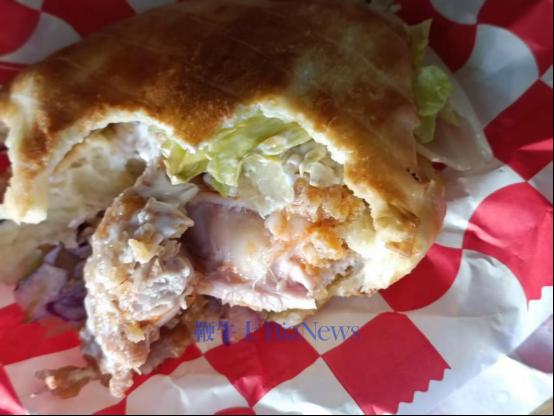
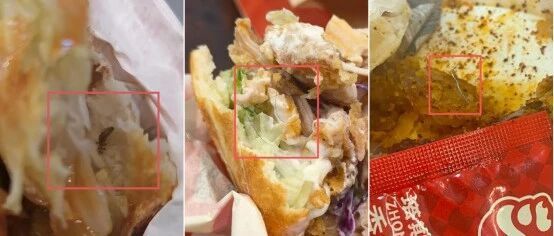
Core Viewpoint - The company Tasting is facing significant consumer backlash due to food safety issues, including reports of finding raw meat and foreign objects in their burgers, leading to health concerns and a surge in complaints [1][7][5]. Group 1: Food Safety Concerns - Tasting has accumulated over 4,300 complaints on the Black Cat Complaints platform, with many consumers reporting finding raw meat, hair, and insects in their food [1][7]. - A specific incident involved a consumer who experienced acute gastroenteritis after consuming a burger containing raw meat, leading to hospitalization [3][5]. - Tasting has previously faced penalties for food safety violations, including a fine of 20,000 yuan for having foreign objects in food [7]. Group 2: Store Opening and Closing Data - In the past 90 days, Tasting reportedly opened 968 new stores but also closed 907, raising concerns about its operational stability [1][12]. - Tasting disputed the closure data, claiming that as of November 2025, it has 11,124 operational stores, with only 67 closures in the same period [12][10]. Group 3: Market Competition and Expansion - Tasting is preparing for a potential IPO, with significant changes in its ownership structure and capital increase, indicating a strategic move towards public listing [15]. - The company is facing intensified competition from major fast-food chains like KFC and McDonald's, which are expanding into lower-tier cities and introducing low-priced products to counter Tasting's market position [16][14]. - Tasting's low-price strategy is under threat as competitors launch similar pricing initiatives, potentially eroding its competitive edge [16].
吃出生肉、头发、虫子……塔斯汀卫生沦陷,盲目扩张显隐忧 | BUG
新浪财经· 2025-12-06 06:57
Core Viewpoint - The article highlights significant food safety issues faced by Tasiting, a fast-food chain, including numerous consumer complaints about finding foreign objects in their products, which has led to a public outcry and potential damage to the brand's reputation [2][7]. Group 1: Food Safety Concerns - Tasiting has received over 4,300 complaints on the Black Cat Complaints platform, with many reports of finding raw meat, hair, and insects in their hamburgers, raising serious concerns about food hygiene [2][7]. - A specific case involved a consumer who found raw meat in a Tasiting hamburger, resulting in acute gastroenteritis and a hospital visit, highlighting the potential health risks associated with the brand's products [4][6]. Group 2: Store Opening and Closing Data - In the past 90 days, Tasiting reportedly opened 968 new stores but also closed 907, indicating a turbulent expansion phase [11]. - Tasiting has disputed these figures, claiming that as of November 2025, they have 11,124 operational stores, with only 67 closures in 2025, suggesting a more stable growth than reported [11][14]. Group 3: Market Competition and Challenges - Tasiting is facing intensified competition as major fast-food chains like KFC and McDonald's are expanding into lower-tier cities and launching low-priced products, eroding Tasiting's competitive pricing advantage [15][16]. - The company is reportedly preparing for an IPO, with significant changes in ownership structure, which may be aimed at supporting its long-term strategic development [14]. Group 4: Brand Reputation and Future Outlook - The ongoing food safety issues and the recent store closures could jeopardize Tasiting's reputation and its plans for a successful IPO, as consumer trust is critical in the fast-food industry [16].
纠结的外卖大战:瑞幸净利润下滑 三季度同比降2.7%
Cai Jing Wang· 2025-11-20 11:18
Core Insights - Luckin Coffee's revenue increased by 50.2% year-on-year to 15.287 billion yuan in Q3 2025, while net profit attributable to shareholders decreased by 2.7% to 1.278 billion yuan [1][6] Revenue and Profitability - The primary reason for the revenue growth without corresponding profit increase is the fierce competition in the food delivery market [2] - In Q3, Luckin Coffee added 3,008 new stores, reaching a total of 29,214 stores, marking an 11.5% quarter-on-quarter growth [3] - The average monthly active users reached a historical high of 112 million, a 40.6% year-on-year increase, with 42 million new users added in the quarter [3] Cost Structure and Efficiency - The proportion of raw material costs to total net revenue decreased from 39% in the same period of 2024 to 36%, with raw material costs increasing by 41% to 5.5 billion yuan [4] - Rent and other operating costs as a percentage of total net revenue fell from 22% to 20%, with these costs rising by 36% to 3.1 billion yuan [4] - Sales and marketing expenses as a percentage of total net revenue decreased from 6% to 5%, with these expenses growing by 28% to 751 million yuan [4] - General and administrative expenses also saw a reduction in proportion from 6% to 5%, increasing by 25% to 793 million yuan [4] Delivery Costs and Profit Impact - Delivery costs surged to 2.89 billion yuan, a 211.4% increase, leading to a rise in delivery cost percentage from 9.1% to 18.9%, which reduced operating profit margin to 11.6% [5] - The increase in delivery costs contributed to the decline in net profit, contrasting with Yum China, which saw a 7.8% increase in operating profit [6] Competitive Landscape - The coffee and tea beverage sector is characterized by high-frequency consumption, necessitating competitive pricing to maintain market share [7] - Yum China's higher average transaction value and stronger membership system provide a competitive edge, allowing them to mitigate delivery commission costs [8] Strategic Direction - Luckin Coffee is exploring structural solutions, emphasizing in-store pickup as a primary consumption method, while viewing delivery as a supplementary channel [9] - The company anticipates short-term fluctuations and pressures on same-store sales growth as delivery subsidies decrease [9]

纠结的外卖大战:瑞幸净利润下滑
2 1 Shi Ji Jing Ji Bao Dao· 2025-11-20 02:08
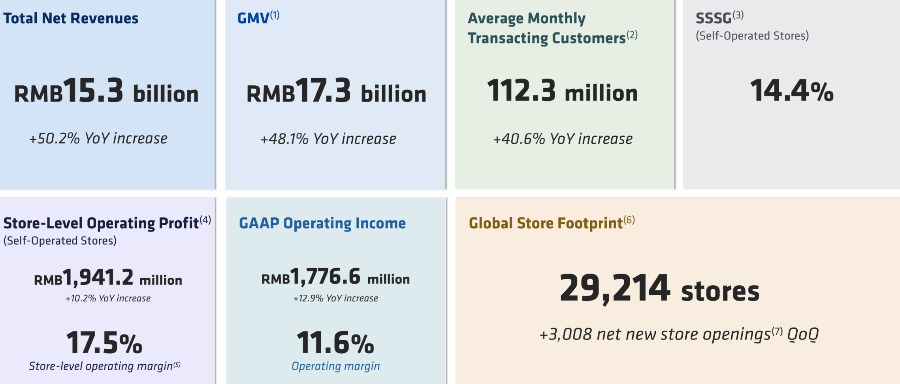
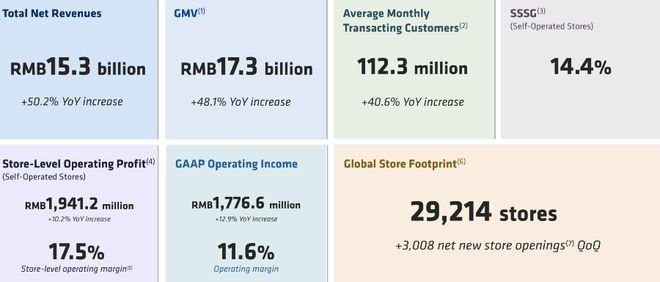
Core Insights - Luckin Coffee's revenue increased by 50.2% year-on-year to RMB 15.287 billion in Q3 2025, but net profit decreased by 2.7% to RMB 1.278 billion, primarily due to the impact of the delivery battle [1][5]. Financial Performance - Total net revenues reached RMB 15.3 billion, with a year-on-year increase of 50.2% [2]. - Gross Merchandise Volume (GMV) grew by 48.1% year-on-year to RMB 17.3 billion [2]. - Average monthly transacting customers increased by 40.6% year-on-year to 112.3 million [2]. - Store-level operating profit rose by 10.2% year-on-year to RMB 1.941 billion, with an operating margin of 17.5% [2]. - GAAP operating income increased by 12.9% year-on-year to RMB 1.777 billion [2]. Store Expansion - The company added 3,008 new stores in Q3, reaching a total of 29,214 stores, marking an 11.5% quarter-on-quarter growth [3]. - Self-operated stores accounted for 18,882, while franchise stores numbered 10,332 [3]. Customer Engagement - Monthly average transacting users hit a record high of 112 million, with 42 million new users added in the quarter [3]. - Same-store sales increased by 14.4% year-on-year, recovering from previous declines [3]. Cost Structure - Raw material costs as a percentage of total net revenue decreased from 39% to 36% year-on-year, despite a 41% increase in absolute value to RMB 5.5 billion [3]. - Rent and other operating costs as a percentage of total net revenue fell from 22% to 20%, with a 36% increase in absolute value to RMB 3.1 billion [4]. - Sales and marketing expenses decreased from 6% to 5% of total net revenue, with a 28% increase in absolute value to RMB 751 million [4]. Delivery Costs - Delivery expenses surged by 211.4% year-on-year to RMB 2.89 billion, accounting for 18.9% of total revenue, which negatively impacted operating profit margins [5]. - The company’s net profit decline was attributed to the rising delivery costs associated with the competitive landscape [5]. Competitive Landscape - The delivery battle has intensified, with competitors like KFC and Pizza Hut showing more stable profit margins [6]. - Luckin Coffee is compelled to engage in price competition to maintain market share in the high-frequency coffee consumption sector [7]. Strategic Direction - The company is exploring structural solutions, including a shift towards in-store pickup as a primary consumption method [9]. - The CEO emphasized that delivery costs are too high relative to the pricing sensitivity of coffee, and the focus will return to in-store consumption over time [10]. - The company anticipates short-term fluctuations in same-store sales growth due to the tapering of delivery subsidies [11].
纠结的外卖大战:瑞幸净利润下滑丨咖啡财报观察
2 1 Shi Ji Jing Ji Bao Dao· 2025-11-20 02:05
Core Insights - Luckin Coffee's revenue increased by 50.2% year-on-year to RMB 15.287 billion in Q3 2025, while net profit attributable to shareholders decreased by 2.7% to RMB 1.278 billion, primarily due to the impact of the delivery battle [1][6]. Financial Performance - Total net revenues reached RMB 15.3 billion, with a year-on-year increase of 50.2% [2]. - The company's gross merchandise volume (GMV) grew by 48.1% year-on-year to RMB 17.3 billion [2]. - Average monthly transacting customers increased by 40.6% year-on-year to 112.3 million [2]. - Store-level operating profit rose by 10.2% to RMB 1.941 billion, with a store-level operating margin of 17.5% [2]. - GAAP operating income increased by 12.9% to RMB 1.777 billion [2]. Store Expansion - In Q3, Luckin Coffee added 3,008 new stores, reaching a total of 29,214 stores, marking an 11.5% quarter-on-quarter growth [3]. - The number of self-operated stores is 18,882, while franchise stores account for 10,332 [3]. Cost Structure - The proportion of raw material costs to total net revenue decreased from 39% in 2024 to 36% in 2025, despite a 41% year-on-year increase in absolute value to RMB 5.5 billion [3][4]. - Rent and other operating costs as a percentage of total net revenue fell from 22% to 20%, with absolute costs rising by 36% to RMB 3.1 billion [4]. - Sales and marketing expenses decreased from 6% to 5% of total net revenue, with absolute expenses growing by 28% to RMB 751 million [4]. - General and administrative expenses also decreased from 6% to 5% of total net revenue, with absolute expenses increasing by 25% to RMB 793 million [5]. Delivery Costs and Profitability - Delivery costs surged by 211.4% year-on-year to RMB 2.89 billion, accounting for 18.9% of total net revenue, which negatively impacted operating profit margin, reducing it to 11.6% [6]. - The increase in delivery costs is attributed to the competitive delivery battle, contrasting with Yum China, which reported a 7.8% increase in operating profit [6][8]. Market Dynamics - The coffee and tea beverage sector is characterized by high-frequency consumption, necessitating competitive pricing strategies to maintain market share [7]. - Luckin Coffee is exploring structural solutions, emphasizing in-store pickup as a primary consumption method, while delivery serves as a supplementary channel [9].
顶级资本正在“抄底”消费
Xin Lang Cai Jing· 2025-11-16 02:14
Core Insights - The recent surge in mergers and acquisitions in the consumer sector contrasts with the sluggish growth of the consumption market, raising questions about the underlying investment logic of top-tier capital [1][4]. Group 1: Current Market Conditions - The retail sales of consumer goods in China reached 36.59 trillion yuan in the first three quarters, growing by 4.5% year-on-year, which is still below the 8% growth rate seen in 2019 [1]. - The performance of listed consumer companies shows significant divergence, with major players like Kweichow Moutai and Yum China experiencing slowed growth compared to previous years [2]. - Smaller food and beverage companies are facing considerable operational pressure, with many reporting declines in both revenue and net profit [2]. Group 2: Investment Logic Behind Mergers - The first logic is that target companies possess strong cash flow and a solid foundation, making them attractive despite slower growth rates [4]. - The second logic highlights the brand influence of the target companies, which have established networks and consumer loyalty, making them appealing for capital investment [5]. - The third logic suggests that the current market downturn presents a "buying opportunity" for capital, allowing for acquisitions at reasonable prices [5]. - The fourth logic emphasizes the ongoing opportunities in the consumer sector, as the majority of production activities ultimately cater to consumer needs [5]. Group 3: Future Trends in the Consumer Market - Companies face challenges in understanding new consumer demographics, adapting to new marketing methods, and embracing innovative organizational structures [6]. - Three key trends to watch include a focus on cost-effective innovation, the rise of niche products that provide immediate satisfaction, and growth in self-improvement sectors such as health investments and knowledge-based services [6]. - The exit strategies for capital in the consumer market are evolving, with a shift towards long-term investment approaches rather than relying solely on rapid growth and IPOs [7].





继星巴克后,汉堡王中国也“被卖”了
Sou Hu Cai Jing· 2025-11-13 12:20
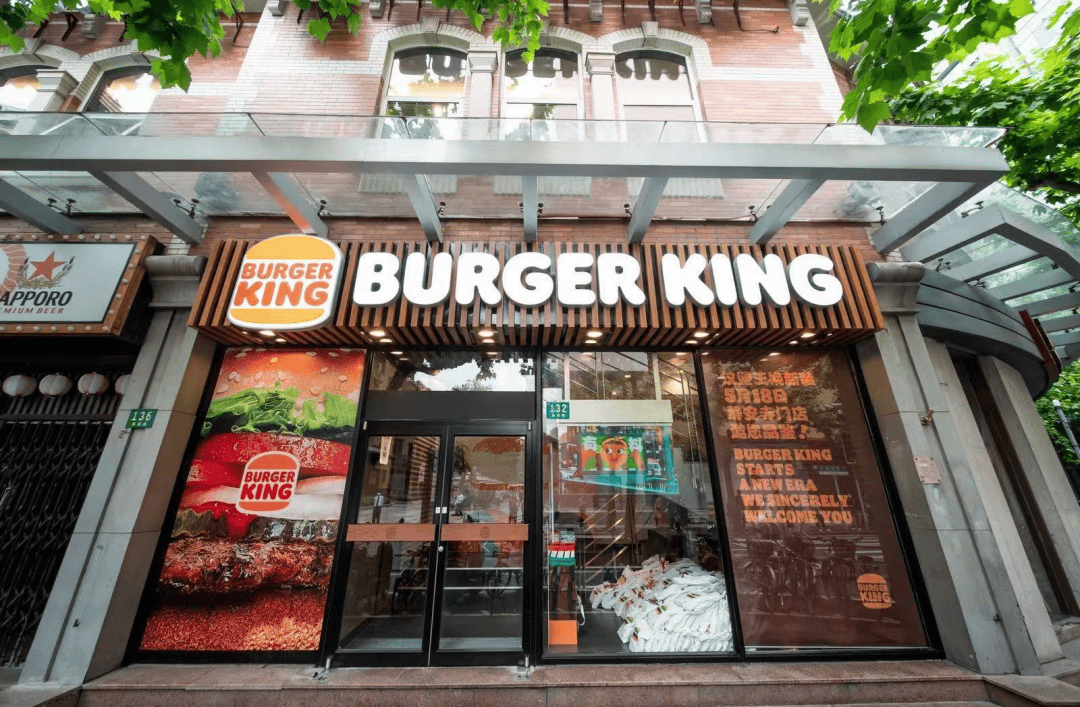
文 | 红餐网 继星巴克后,汉堡王中国也"被卖"了。 近日,汉堡王母公司RBI集团与中国私募股权公司CPE源峰共同宣布,双方将成立合资企业"汉堡王中国",来经营汉堡王品牌在中国市场的业务。 根据协议,CPE源峰将注入3.5亿美元(折合人民币约24.91亿元)初始资金,并获得汉堡王中国约83%的控股权,RBI则保留约17%的股份。这笔交易预计 将于2026年第一季度完成。 入华20载,汉堡王和对手的差距越来越大 先来看汉堡王在中国市场的最新经营情况。 据RBI集团2025年Q3财报数据,汉堡王中国该季度同店销售额同比增长10.5%,系统销售额也持续环比提升,约为1.72亿美元(折合人民币约12.25亿 元)。 自2023年起,汉堡王中国已连续两年未能达到管理层预期的门店扩张目标,甚至在2024年出现了负增长。 值得一提的是,今年二季度,其同店销售额才终于结束了连续多个季度的负增长。 而实现这一成绩重要因素措施之一,是关店。今年6月,汉堡王中国对外披露,将关闭部分选址及运营不佳的门店。根据财报,截至第三季度末,汉堡王 中国门店数量为1271家,过去半年共减少了196家门店。 △图片来源:汉堡王中国官方微博 事实上 ...
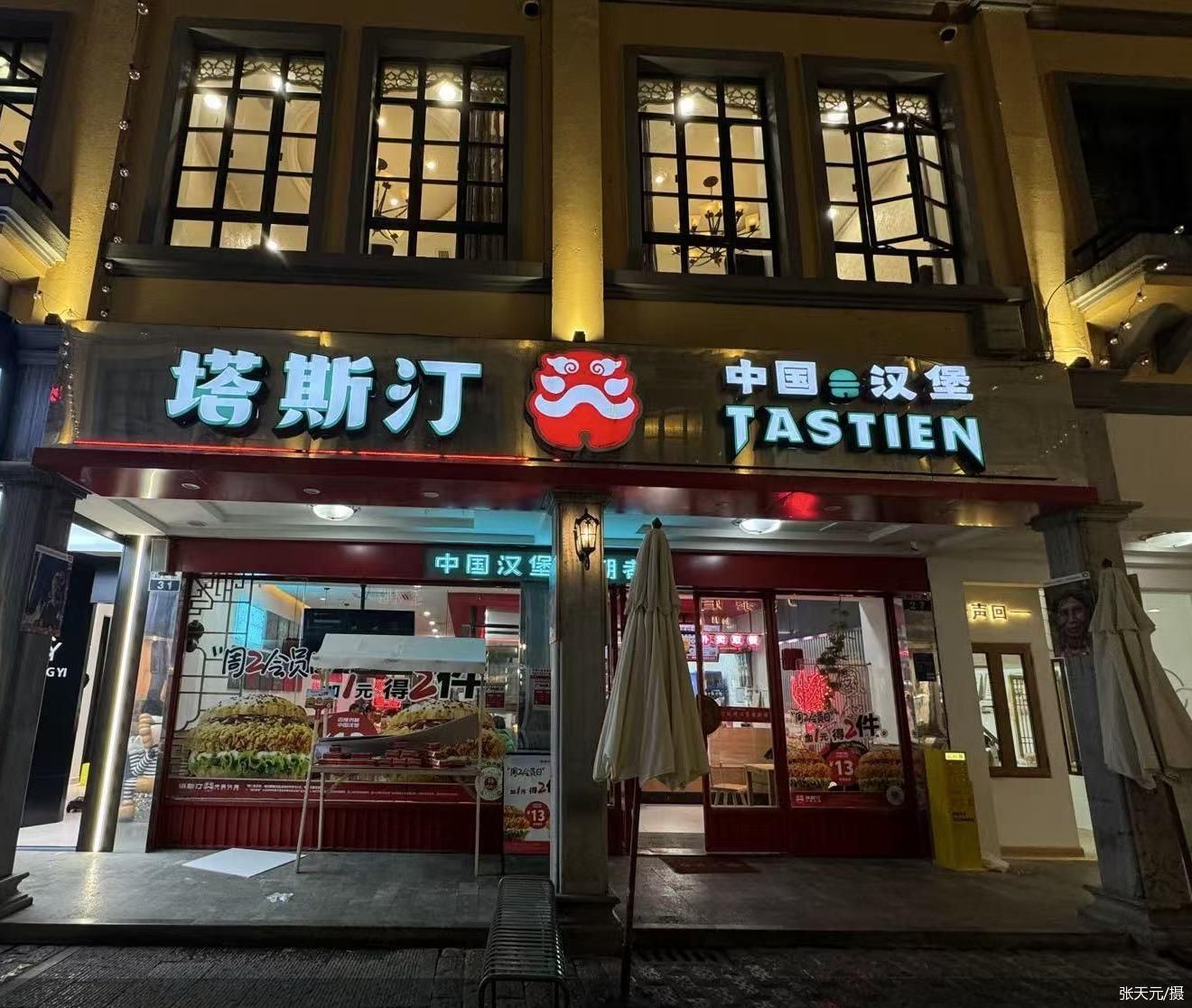
万店规模后 塔斯汀陷入高开高关困局
Bei Jing Shang Bao· 2025-11-12 15:47
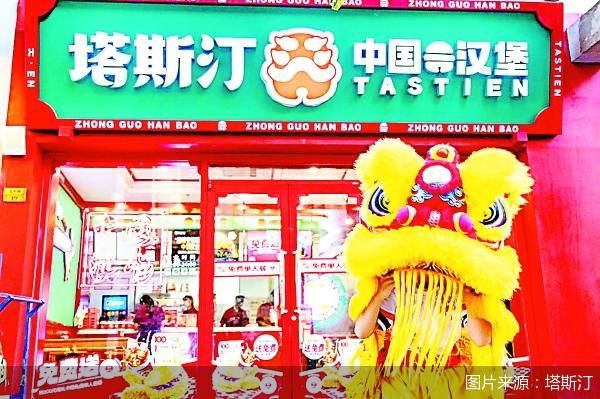
Core Insights - Tasting has surpassed 10,000 stores in China, achieving rapid growth but facing challenges with a high rate of store closures, indicating a "high open, high close" trend [1][5][9] - The brand's expansion strategy includes targeting lower-tier cities and experimenting with smaller store formats to penetrate first-tier markets [3][6] - Recent corporate changes, including a significant increase in registered capital and a shift in ownership, have led to speculation about a potential IPO, likely in Hong Kong [7][8] Expansion and Market Position - Tasting ranks third among Western fast-food brands in China, with 10,700 stores, surpassing McDonald's China, which took over 30 years to reach its scale [3][5] - The majority of Tasting's stores are located in lower-tier cities, with over 48% situated in residential areas, while only 7.5% are in first-tier cities [3][5] - The brand is also focusing on campus stores, which have grown from a few to over 500 in the past year [3] Operational Challenges - Tasting's rapid expansion has led to a significant number of closures, with 1,012 new openings and 755 closures in the last 90 days, raising concerns about operational stability [5][6] - Food safety issues have emerged, including incidents of customers finding raw meat in burgers, which have damaged the brand's reputation [6][9] - The company must address these food safety concerns and improve operational management to maintain consumer trust and brand integrity [6][9] Financial and Strategic Considerations - Recent changes in Tasting's corporate structure suggest preparations for an IPO, with a focus on enhancing brand reputation and ensuring sustainable profitability [7][8] - The capital market is increasingly valuing restaurant brands based on profitability rather than just store count, making it essential for Tasting to demonstrate the sustainability of its franchisee profitability [8][9] - To succeed in the competitive fast-food market, Tasting needs to convert its scale advantage into profitability by addressing food safety, optimizing its franchise model, and enhancing supply chain efficiency [9]
“开停双高”引争议 塔斯汀万店规模下的“闯关”难题
Bei Jing Shang Bao· 2025-11-12 13:27
Core Insights - Tasting has surpassed 10,000 stores in China, achieving rapid growth but facing challenges with a high rate of store closures, indicating a "high open, high close" trend [1][4][5] - The brand ranks third among Western fast-food chains in China, with 10,700 stores, surpassing McDonald's China, and primarily focuses on new first-tier and lower-tier cities [3][4] - Recent changes in Tasting's corporate structure and capital increase have led to speculation about a potential IPO, likely in Hong Kong [6][7] Expansion and Market Strategy - Tasting's store distribution shows that over 48% of its locations are in residential areas, with a significant presence in lower-tier cities [3][4] - The company is experimenting with smaller store formats in first-tier cities to reduce costs and increase market penetration [3][5] - Tasting has rapidly expanded its campus store presence, growing from a few locations to over 500 in less than a year [3] Operational Challenges - The brand has faced food safety issues, including incidents of serving undercooked meat, which have raised concerns about its operational management and brand reputation [5][6] - The high rate of store closures alongside rapid openings highlights potential instability in store management and operational quality [5][7] Financial and Market Position - Tasting's recent corporate changes, including a significant capital increase from approximately 1.03 million to 118 million yuan, suggest preparations for potential public listing [6][7] - The market is shifting focus from store quantity to the profitability of individual locations, emphasizing the need for Tasting to demonstrate sustainable profitability for its franchisees [6][7] Competitive Landscape - Tasting faces intense competition in the fast-food sector, particularly in the hamburger category, with both established and new brands entering the market [7] - The company must balance rapid expansion with maintaining quality and addressing food safety to convert its scale advantage into profitability [7]