西餐

Search documents
上海知名西餐老店暂停营业,“老味道”输给了新市场?
Sou Hu Cai Jing· 2025-12-06 08:46
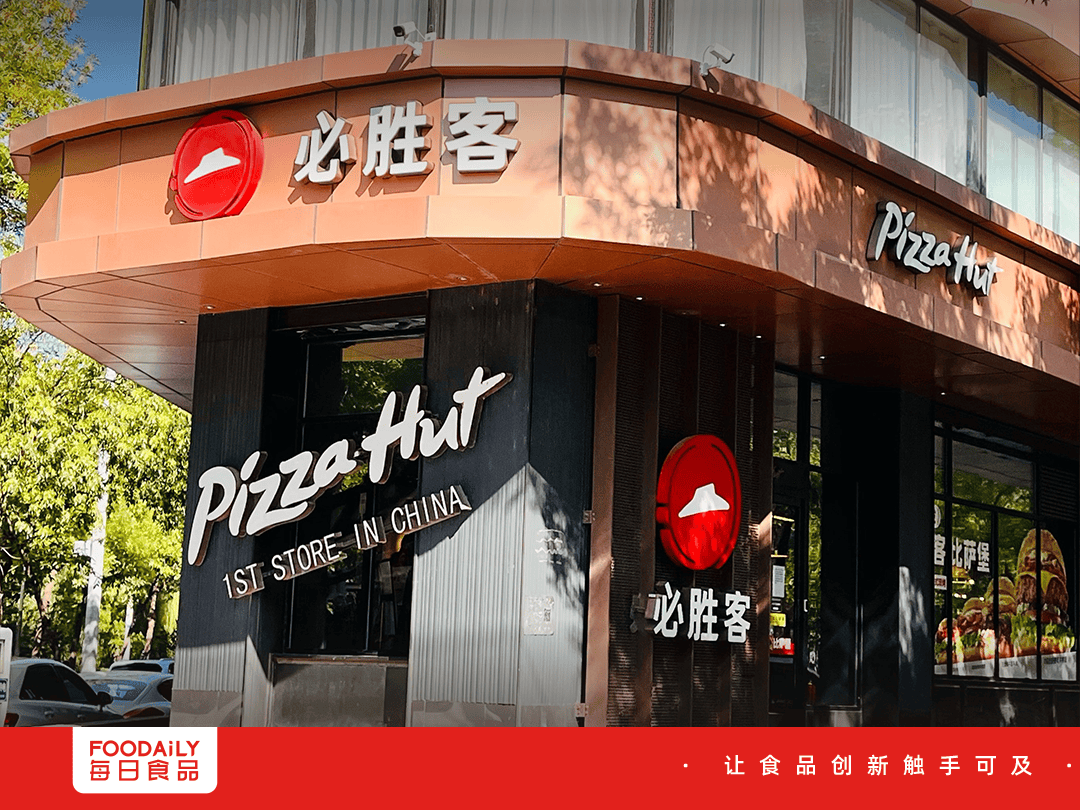
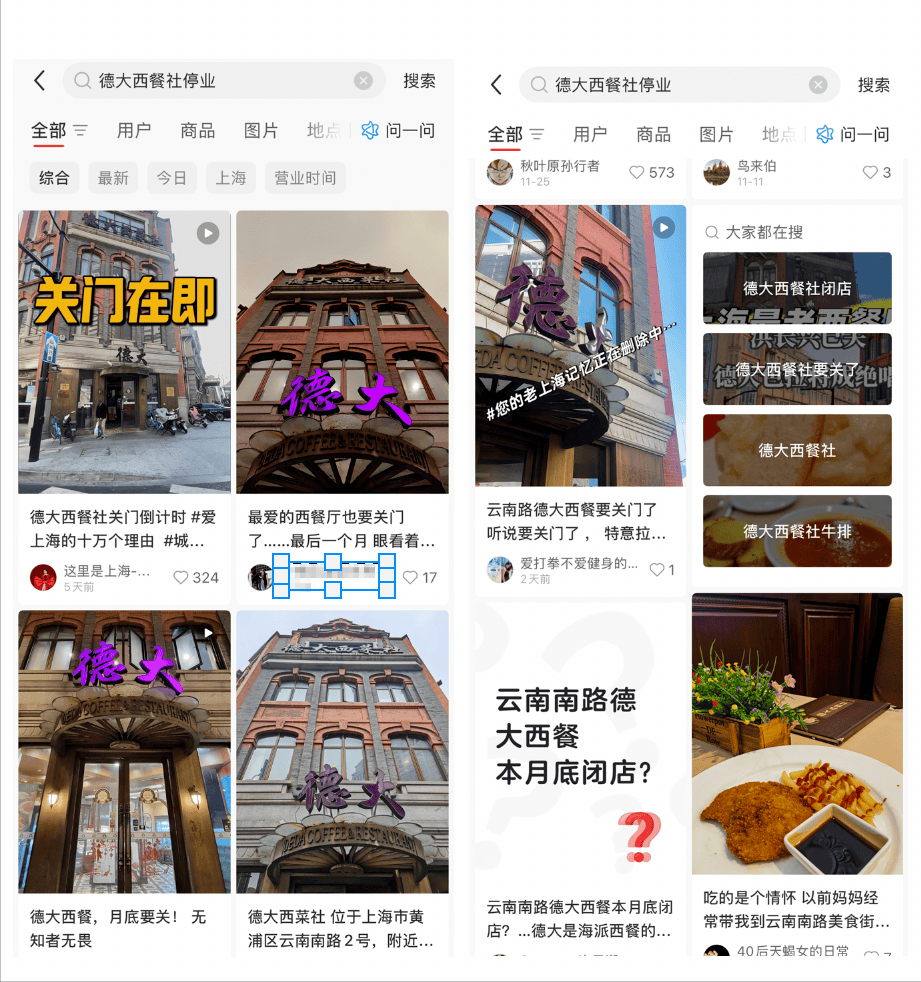
Core Viewpoint - The closure of the De Da Western Restaurant on Yunnan Road by the end of December highlights the challenges faced by traditional dining establishments in adapting to modern consumer preferences and market dynamics [1][2]. Group 1: Market Dynamics - The growth of the domestic Western dining market is slowing, with a projected year-on-year growth of 4.5% in 2024, down from previous years [4]. - The rise of high-value meal options, such as fast food and casual dining, has led to a decrease in average spending per person to around 870 RMB, putting pressure on traditional high-end restaurants like De Da [4]. - De Da faces competition from chain brands like Sally's and Haokelai, which attract families and younger consumers with their high value and numerous locations [5]. Group 2: Product and Quality Challenges - De Da is known for its classic dishes but has neglected continuous innovation, while leading brands like Pizza Hut introduce nearly 9 new products each month to maintain customer interest [6]. - The restaurant has received 722 negative reviews on platforms like Dianping, primarily concerning food taste and quality, indicating issues with product consistency [7]. Group 3: Brand and Consumer Disconnect - De Da's brand image does not resonate with younger consumers who prioritize social media engagement and unique experiences, leading to a loss of this demographic [9]. - Only about 10% of the existing over a thousand Chinese time-honored brands are performing well, with many struggling to connect with younger consumers [9]. Group 4: The Essence of "Old Flavor" - The concept of "old flavor" encompasses both culinary techniques and cultural significance, with a need for innovation rather than mere replication of traditional dishes [10][11]. - Consumers seek stable, high-quality products while also valuing the unique historical and cultural aspects of dining experiences [12][13]. Group 5: Reasons for Decline of Traditional Brands - De Da's narrative has stagnated; its historical significance as a symbol of modernity and internationalization no longer aligns with current consumer expectations [15][16]. - Younger consumers are more inclined towards "emotional consumption," focusing on engaging brand stories and novel experiences rather than traditional craftsmanship [18][19]. Group 6: Strategies for Transformation - Traditional brands must enhance internal innovation, as demonstrated by successful examples like Chen Lijie, which leverage new platforms and technologies for revitalization [20]. - To attract younger consumers, Western dining establishments should focus on visually appealing dishes and increase the frequency of menu updates, as seen with brands like Pizza Hut and Sally's [24]. - Implementing diverse marketing strategies, such as promotional events and collaborations with popular IPs, can help traditional brands engage with younger audiences [25]. Conclusion - The closure of De Da Western Restaurant reflects a broader challenge faced by traditional brands, emphasizing the need for adaptation and innovation to thrive in a changing market landscape [26].

不遭骂的“预制菜之王”萨莉亚,开始没人去了
3 6 Ke· 2025-11-18 09:55
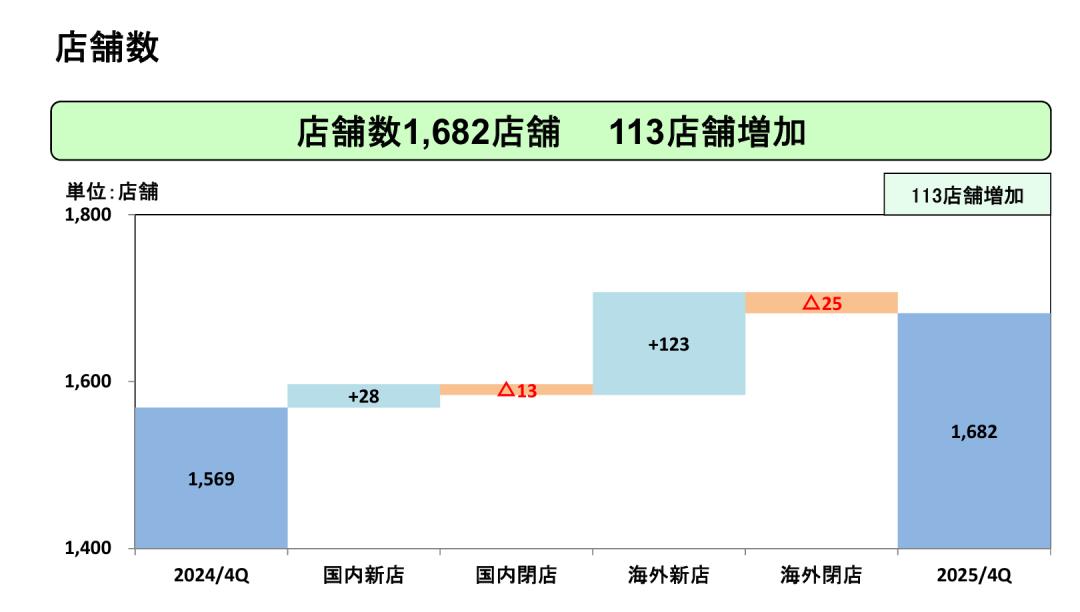
Core Insights - The core identity of Salvia in the Chinese market, characterized by low prices, is beginning to weaken as the company faces increased competition and rising costs [1][17][19]. Financial Performance - In the fiscal year 2025, Salvia's global sales reached 256.71 billion yen (approximately 12.1 billion RMB), a year-on-year increase of 14.3%, with net profit rising by 37% to 11.16 billion yen (approximately 530 million RMB) [2]. - However, revenue from the Chinese market was only 70.96 billion yen (approximately 3.3 billion RMB), reflecting a modest growth of 6.3%, primarily driven by new store openings [2][22]. - The operating profit in key markets like Beijing, Shanghai, and Guangzhou has declined significantly, with drops exceeding 20% [2][22]. Pricing Strategy - Salvia has historically been known for its affordability, but recent years have seen a shift with price increases. The average customer price in overseas markets rose from 627 yen (approximately 30 RMB) in 2021 to 886 yen (approximately 42 RMB) in 2025 [17]. - Despite a previous commitment to not raise prices in China, Salvia has begun to increase prices on select menu items, with cumulative price hikes reaching 16.7% over two years [18][19]. Market Challenges - The competitive landscape in the Chinese restaurant industry has intensified, with many brands lowering prices while Salvia has raised them, leading to a potential erosion of its value proposition [4][34]. - Consumer dissatisfaction has emerged due to perceived reductions in portion sizes and quality, contributing to a decline in customer visits [20][21]. Expansion and Strategy - Salvia plans to expand its presence in China, aiming to increase the number of stores from 615 to nearly 1000 by 2035, with a focus on lower-tier cities [33]. - The company is also adapting its strategy by exploring delivery options, albeit cautiously, to address changing consumer behaviors [27][31]. Supply Chain and Operational Efficiency - Salvia has invested in local supply chain capabilities, including a new factory in Guangzhou, to reduce reliance on external suppliers and maintain its pricing advantage [36]. - The company employs a central kitchen model to enhance operational efficiency, which has been a key factor in its ability to offer low prices [12][36].
“尔滨”的浪漫西餐
Jing Ji Ri Bao· 2025-11-09 01:30
Core Insights - Harbin's unique culinary identity is shaped by its rich blend of Russian and local flavors, making Western cuisine an integral part of the city's culture and dining experience [1][3][11] Culinary Heritage - The introduction of Russian cuisine in Harbin dates back to the late 19th century, with dishes like red soup and kvass becoming local favorites [2][3] - Iconic dishes such as red soup, kvass, and canned braised meat reflect a fusion of Russian and Northeast Chinese culinary traditions [2][3] Historical Significance - Established in 1901, the Tadas restaurant is recognized as Harbin's first Caucasian-style restaurant, symbolizing the city's long-standing connection to Russian cuisine [3] - Old brands like Qiu Lin, Ma Die Er, and Ha Rou Lian have become cultural landmarks, representing the city's culinary memory [3][5] Production and Distribution - The production of Harbin's famous red sausage involves advanced processing techniques, ensuring high quality and widespread distribution [6] - Local companies are actively promoting Harbin's culinary products at national food expos, expanding their reach beyond the local market [7][8] Tourism and Culinary Experience - Harbin's tourism is closely linked to its culinary offerings, with restaurants serving as attractions that enhance the visitor experience [9][10] - The city's historical restaurants, such as Ma Die Er and Hua Mei, contribute to the cultural tourism landscape, providing a unique dining experience that reflects Harbin's heritage [10][11] Innovation and Modernization - Recent trends show a shift towards modern dining experiences, with restaurants adapting to younger consumers' tastes while preserving traditional flavors [10][11] - The reopening of the Agrof restaurant aims to blend traditional Russian cuisine with local ingredients, showcasing a commitment to innovation while honoring culinary roots [10]
必胜客亮相图书市集,餐饮品牌为何越来越热衷“文化味”?
Bei Ke Cai Jing· 2025-10-20 07:39
Core Insights - The article highlights the innovative approach of Pizza Hut in integrating cultural experiences with dining, particularly showcased at the Beijing Book Fair in Fall 2025, where new menu items and creative cultural products were well-received by attendees [1][5][10]. Group 1: Cultural Integration - Pizza Hut's new menu items, such as the secret sauce grilled beef burger and French butter chicken pizza, served as popular "energy stations" among over 300 cultural and creative booths at the book fair [1][5]. - The company has created unique postcards featuring iconic Beijing landmarks alongside its food offerings, merging Eastern aesthetics with Western cuisine [5][9]. - DIY keychains made from various food themes allowed attendees to engage in hands-on experiences, enhancing their overall enjoyment of the event [5][9]. Group 2: Consumer Experience Evolution - The shift in consumer expectations from mere sustenance to comprehensive sensory and emotional experiences is emphasized, with immersive dining and cultural products becoming key factors in dining choices [10][12]. - The immersive dining market in China has seen significant growth, with a project count increase of 303.4% and a market size growth of 266.8% from 2019 to 2023 [11]. - Young consumers are increasingly willing to pay for emotional value, with nearly 60% expressing a preference for experiences that enhance their emotional connection [12]. Group 3: Localization Strategy - Pizza Hut's localization strategy goes beyond menu offerings, incorporating traditional Chinese festivals and themes into its restaurant concepts, such as the "Chinese New Year" themed restaurants [9][13]. - The brand has developed various themed restaurants that resonate with younger consumers, creating social spaces that blend food, environment, and activities [9][14]. Group 4: Brand Evolution - Over 35 years in China, Pizza Hut has transitioned from being known solely as a "pizza expert" to a "lifestyle leader," reflecting a broader cultural journey that redefines dining and its cultural significance [17]. - The company has adapted its strategy to meet the emotional value demands of new consumer groups, transforming restaurants into spaces that combine dining, lifestyle, and social interaction [14][16].

汇聚五大洲43个国家近万家环球美食餐厅 门店密度全国最高 上海“西餐+”创新消费场景亮眼
Jie Fang Ri Bao· 2025-10-09 01:45
Core Insights - The article highlights the strong recovery and growth of the Western dining industry in Shanghai, driven by international influences and local adaptations [1][2][3] Group 1: Industry Growth and Trends - Shanghai has seen a significant increase in Western restaurant establishments, with a total of 9,793 locations projected for 2024, marking a year-on-year growth of 4.17% [3] - The Western dining scene in Shanghai is characterized by a diverse array of international cuisines, with nearly 10,000 global restaurants from 43 countries [2] - The shift in consumer preferences is evident, as dining trends move towards lighter, more casual meals rather than traditional high-end dining experiences [3][4] Group 2: Local Adaptations and Innovations - Many Western restaurants in Shanghai are operated by foreign nationals, contributing to the authenticity and variety of offerings [2] - Local adaptations of Western cuisine are prevalent, with dishes being modified to incorporate local flavors, such as the integration of Guizhou sour fish into Western-style burgers [2][3] - The concept of "Western+" is emerging, where Western dining experiences are combined with retail environments, enhancing customer engagement and driving sales [5][6] Group 3: Consumer Behavior and Market Dynamics - The consumer base for Western dining in Shanghai is evolving, with a focus on balancing quality and price, appealing primarily to white-collar workers and tourists [3] - The integration of dining spaces within retail environments, such as MUJI's restaurants, is creating a symbiotic relationship that boosts both dining and retail sales [6] - The trend of casual dining and the popularity of bistro-style restaurants reflect a broader acceptance of Western cuisine in everyday life [4][5]
初代网红餐厅开全国首家烘焙店
Di Yi Cai Jing Zi Xun· 2025-09-05 14:21
Group 1 - The company Blue Frog has opened its first bakery store in China, replacing the beverage bar at its Guomao location with a display of baked goods [2] - The new menu includes items such as banana cake, cranberry walnut European bread, and oatmeal red date country bread, with prices ranging from 12 to 42 yuan per item, making them more affordable compared to their typical burgers priced in the dozens of yuan [2] - As of early 2023, Blue Frog has expanded to 83 locations across 23 cities in China, with a projected total of 84 operational stores by August 2025 [2] Group 2 - In March 2023, Blue Frog faced food safety issues at its Beijing Youtang store, prompting the company to establish a special task force for internal inspections and to conduct thorough checks across all locations [3] - The company publicly apologized to consumers and committed to regular and surprise inspections to address food safety risks [3]
增设烘焙店 蓝蛙餐厅上演“变形记”
Bei Jing Shang Bao· 2025-09-04 16:11
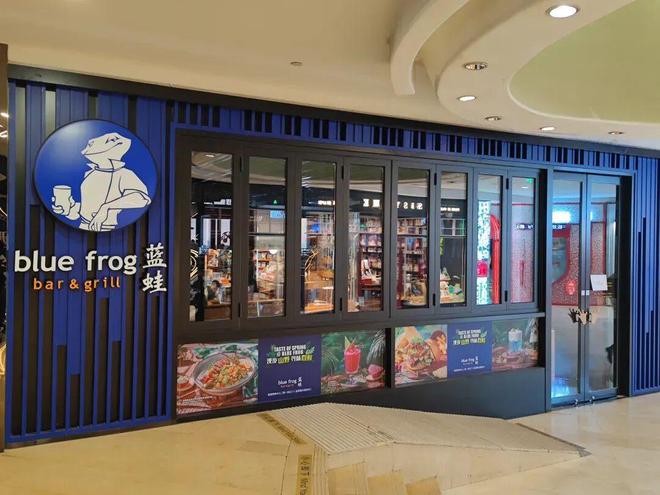
Core Viewpoint - Blue Frog, a restaurant chain specializing in Western cuisine, has opened its first Bakery store in Beijing, indicating a strategic shift to explore new growth opportunities amid slowing growth in recent years [1][4]. Company Summary - Blue Frog has transformed its original beverage bar at the China World Trade Center location into a bakery showcase, offering baked goods priced between 12 to 42 yuan, which is relatively affordable compared to its higher-priced burgers [1][2]. - The new Bakery store retains its traditional menu items like burgers and steaks while introducing a separate menu for baked goods, including banana cake and cranberry walnut bread [2]. - As of early 2023, Blue Frog operates 83 stores across 23 cities in China, but has faced growth challenges, with only 84 operational stores reported by mid-August 2023 [4]. Industry Summary - The bakery market in China is projected to grow, with a forecasted market size of 1,105 billion yuan in 2024, reflecting a year-on-year increase of 5.2% [5]. - The competitive landscape in the bakery sector is intensifying, with both international and local brands entering the market, necessitating a clear differentiation strategy for Blue Frog to avoid homogenization [5]. - Blue Frog's established brand recognition in the Western dining sector provides a foundational customer base for its new bakery offerings, leveraging its experience in quality ingredients and product design [5].
餐厅增设烘焙店 初代网红餐厅蓝蛙上演“变形记”
Bei Jing Shang Bao· 2025-09-04 12:53
Core Viewpoint - Blue Frog has opened its first Bakery store in Beijing, aiming to diversify its offerings and attract more customers amid slowing growth and previous food safety issues [1][4][9]. Company Developments - The new Bakery store replaces the beverage bar at the original location, offering baked goods priced between 12 to 42 yuan, which is considered affordable compared to their higher-priced burgers [1][4]. - The Bakery menu includes items like banana cake, cranberry walnut bread, and various beverages such as coffee and tea, while still retaining traditional menu items like burgers and steaks [4][8]. - Blue Frog has expanded its store count from 79 in November 2022 to 83 by early 2023, but growth has slowed, with projections indicating only 84 stores by August 2025 [8]. Market Positioning - Blue Frog's brand positioning is in the mid-to-high-end segment, with burger prices often exceeding 100 yuan, prompting the need for promotional activities to attract price-sensitive consumers [8][9]. - The company has implemented various promotional strategies, such as "buy one get one free" offers on Mondays and discounted steak meals on Wednesdays, to enhance customer engagement [8]. Industry Context - The bakery market is experiencing significant competition, with both international and local brands entering the space, making it crucial for Blue Frog to establish a clear differentiation strategy [10][11]. - The bakery market is projected to grow, with estimates suggesting a market size of 1,105 billion yuan in 2024, increasing to 1,160 billion yuan by 2025, driven by consumer demand for quality baked goods [11]. Challenges and Opportunities - Blue Frog's entry into the bakery segment is seen as a strategic move to broaden its consumer base and enhance profitability, but it must navigate the challenges of a crowded market [10][11]. - The company needs to focus on maintaining product quality and safety, especially after facing food safety issues in the past, to build consumer trust and sustain competitive advantage [9][12].

萨莉亚中国新掌门上任,能否守住“穷鬼餐厅”的性价比招牌?
Xi Niu Cai Jing· 2025-07-03 09:52
Core Insights - The appointment of Nagao Shin as the new president of Salia's China operations marks a strategic shift for the brand, indicating ambitions for accelerated expansion in the Chinese market [2] - Salia's revenue from its Chinese operations exceeded 2.5 billion RMB in FY2024, with a year-on-year operating profit growth of 32.58%, highlighting its significance as a profit source for the group [2] - However, in Q1 FY2025, Salia faced challenges with "increased revenue but decreased profit," as operating profits in major cities like Beijing, Shanghai, and Guangzhou declined, and same-store sales fell by approximately 10% [2] - The brand's reputation is being affected by consumer complaints regarding food quality and price increases, which could impact its market position [2] Competitive Landscape - The market competition is intensifying, with Pizza Hut launching a "WOW store" targeting an average spend of 40 RMB, directly competing with Salia [3] - The emergence of local budget Western dining brands further escalates the competitive environment [3] Strategic Initiatives - To address these challenges, Salia is investing in a new factory in Guangzhou, expected to be operational by 2026, to support its future "thousand-store plan" supply chain needs [4] - The company plans to consolidate its operations in China by establishing a headquarters for unified management, aiming to enhance operational efficiency [4] - The new management faces the challenge of maintaining a sustainable low-price strategy while avoiding quality compromises due to cost-cutting measures [4] Market Positioning - Salia's initial success was attributed to its positioning of "premium Western cuisine for the masses," but this advantage is diminishing as consumer interest wanes and local competitors rise [5] - The ability of the new leadership to identify new growth opportunities in the Chinese market will be crucial for the future of this "budget king" [6]
一块饼底吃掉半个中国市场!00后追捧的“老网红”凭啥火35年?
Sou Hu Cai Jing· 2025-06-22 01:41
Core Viewpoint - The article discusses the evolution of Pizza Hut in China over the past 35 years, highlighting its transformation from a high-end dining experience to a popular and affordable option for the masses, and its strategies for maintaining its leading position in the pizza market [2][29]. Group 1: Initial Market Entry - When Pizza Hut entered China in 1990, the concept of pizza was largely unknown, and dining at such establishments was considered a luxury [4][5]. - The initial menu was limited, featuring items like the Super Supreme Pizza and basic sides like borscht and garlic bread, which shaped early consumer perceptions of Western dining [6][7]. Group 2: Market Adaptation and Strategy - In 2003, Pizza Hut launched the "Happy Restaurant" concept, marking a significant shift towards a more inclusive and festive dining experience [9][11]. - The restaurant's decor and operational strategies were revamped to create a joyful atmosphere, including hosting events and interactive experiences for customers [14][15][18]. - The introduction of themed food festivals and innovative pizza flavors helped to localize the brand and attract a broader customer base [21][22][26]. Group 3: Competitive Landscape - As consumer spending increased, competition in the pizza market intensified, prompting Pizza Hut to innovate and differentiate itself from emerging competitors [29][33]. - Instead of lowering prices, Pizza Hut focused on upgrading its menu and enhancing the dining experience to maintain its market leadership [40][41]. Group 4: Menu Innovation - Pizza Hut's strategy included frequent menu updates, with a focus on incorporating local flavors and preferences, such as the Peking Duck Pizza [43][46]. - The brand has continuously expanded its menu to include a variety of dining options, from breakfast to afternoon tea, catering to diverse consumer needs [58][60]. Group 5: Recent Developments - In recent years, Pizza Hut has embraced new trends, launching innovative products like the "snowing pizza" and collaborating with cultural icons to attract younger consumers [74][75]. - The brand has also ventured into the "one-person meal" market, reflecting changing consumer dining habits [76]. Group 6: Conclusion - Over 35 years, Pizza Hut has successfully adapted to the evolving Chinese market by embracing consumer preferences, maintaining a diverse menu, and fostering a brand image that resonates with a wide audience [93][100]. - The company's ability to innovate and respond to market trends has solidified its position as a leading player in the Chinese dining landscape [99][102].