钢铁生产

Search documents
朝闻国盛:固收+为势,科技为王
GOLDEN SUN SECURITIES· 2025-12-16 23:55
Group 1: Macro Overview - The main theme for the 2026 overseas market is "weak recovery + rebalancing," driven by factors such as "balance sheet repair + loose monetary policy + fiscal stimulus + AI investment wave," with a gradual economic recovery expected, albeit with weak momentum due to high interest rates and tariff impacts [2] - Different countries and industries are expected to transition from divergence to convergence, with economic, policy, and asset prices influenced by multiple factors reaching a balance point [2] Group 2: Fixed Income Strategy - The report emphasizes that the industrial wave of AI computing power and robotics is gradually being realized, supporting a high level of performance in equity markets, which underpins the high valuation of convertible bonds [3] - The supply-demand dynamics for convertible bonds are tightening, with continuous inflows into fixed income, further supporting their valuation; "pan-technology" is identified as a strategic allocation focus for equities and convertible bonds [3] - Recommended convertible bond targets include Guowei Convertible Bond, Xinfeng Convertible Bond, Weier Convertible Bond, Lianang Convertible Bond, Yiwai Convertible Bond, and Jianfan Convertible Bond [3] Group 3: Real Estate Sector - From January to November, the cumulative sales amount of new homes decreased by 11.1% year-on-year, with a total sales amount of 751.3 billion yuan, and the sales area decreased by 7.8% [6] - The report indicates that the new housing market is expected to remain under pressure in 2026, with a low performance due to the lack of significant policy changes [7] - The report suggests maintaining an "overweight" rating on real estate-related stocks, highlighting the importance of policy-driven dynamics and the potential benefits for quality real estate companies in a changing competitive landscape [7] Group 4: Steel Industry Insights - The quality of steel production statistics has declined since May, affecting the assessment of steel demand due to discrepancies between reported and actual production data [10] - The report notes that the weak reality continues to unfold against strong expectations in the steel sector, indicating challenges in demand and production regulation [10] Group 5: Company-Specific Analysis - Sutonju Chuang reported a Q3 2025 shipment of 186,000 laser radars, a year-on-year increase of 34%, with significant growth in the robotics sector [11] - The company's revenue for Q3 2025 reached 410 million yuan, a slight decrease of 0.2% year-on-year, with a gross margin of approximately 23.9% [11] - The report maintains a "buy" rating for Sutonju Chuang, projecting total revenues of 2.3 billion, 3.5 billion, and 4.4 billion yuan for 2025-2027, with a target market value of approximately 21.14 billion yuan [14]
加拿大总理公开示好中国,特朗普当场撕破脸:停止贸易
Sou Hu Cai Jing· 2025-12-13 02:51
Group 1 - Canada has shifted its stance towards China, now referring to it as a "strategic partner," which has angered the United States and led to the termination of all trade negotiations by Trump [1][3] - Historically, Canada has been a close ally of the U.S., with over 70% of its exports going to the U.S., amounting to over $400 billion in exports in 2024 [3][5] - The U.S. has imposed significant tariffs on Canadian imports, starting with a 25% tariff in February 2025, which was later increased to 35%, severely impacting the Canadian economy [5][7] Group 2 - The Canadian canola industry, heavily reliant on the Chinese market, faced a crisis due to trade tensions, with exports to China reaching CAD 5 billion in 2024, supporting over 40,000 farmers [9][11] - Other key Canadian industries, including automotive, steel, and aluminum, have also suffered due to U.S. tariff policies, prompting the Canadian government to seek economic independence from the U.S. and turn towards China [11][12] - Recent communications between Canadian and Chinese officials indicate a willingness to improve bilateral relations and achieve mutually beneficial outcomes in trade and energy [12][14] Group 3 - The U.S. responded swiftly to Canada's overtures towards China by terminating trade negotiations, citing a violation related to an advertisement from the Ontario government [14][16] - The U.S. has longstanding grievances against Canada, particularly due to competitive tensions in agriculture and energy sectors, which have been exacerbated by Canada's pivot towards China [16][18] - The shift in Canada's foreign policy reflects a broader trend where countries are recognizing the need for open cooperation rather than protectionism, suggesting a potential increase in partnerships with China [20]


成材:需求偏弱,钢价回调
Hua Bao Qi Huo· 2025-12-12 02:27
Group 1: Report Industry Investment Rating - No information provided Group 2: Core View of the Report - The steel price is expected to operate at a low level [4] Group 3: Summary According to the Catalog Steel Production and Inventory - The weekly output of rebar decreased by 105,300 tons to 1.7878 million tons, hot-rolled coil output decreased by 56,000 tons to 3.0871 million tons, and the total output of five major steel products decreased by 227,300 tons to 8.0622 million tons [3] - The total inventory of rebar decreased by 243,100 tons to 4.795 million tons, hot-rolled coil total inventory decreased by 32,600 tons to 3.9709 million tons, and the total inventory of five major steel products decreased by 335,000 tons to 13.3209 million tons [3] Steel Apparent Demand - The apparent demand for rebar decreased by 138,900 tons to 2.0309 million tons, hot-rolled coil apparent demand decreased by 28,900 tons to 3.1197 million tons, and the apparent demand for five major steel products decreased by 244,500 tons to 8.3972 million tons [3] Automobile Production and Sales - In November, China's monthly automobile production exceeded 3.5 million for the first time, setting a new record. In the first 11 months of this year, the production and sales of automobiles both exceeded 31 million, with a year-on-year increase of over 10%. Among them, the production and sales of new energy vehicles were both close to 15 million, with a year-on-year increase of over 30% [3] Real Estate Transaction Area - In November 2025, the total transaction area of newly built commercial housing in 10 key cities was 6.7731 million square meters, a month-on-month increase of 10.1% and a year-on-year decrease of 36.6%; the total transaction area of second-hand housing was 9.1397 million square meters, a month-on-month increase of 12.9% and a year-on-year decrease of 15.3% [3] Reasons for Steel Price Decline - The apparent demand in the weekly data decreased significantly, reaching a low level in recent years, and construction at construction sites will be further affected after the temperature drops in many places [3] - The double cokes at the raw material end continued to decline significantly, dragging down the finished products [3] - It is gradually entering the winter storage period, and traders have a weak willingness to store for winter and a strong wait-and-see attitude [3]
钢厂旧址蝶变医疗器械创新城,昌平医药健康产业再添新动能
Bei Jing Ri Bao Ke Hu Duan· 2025-12-02 09:28
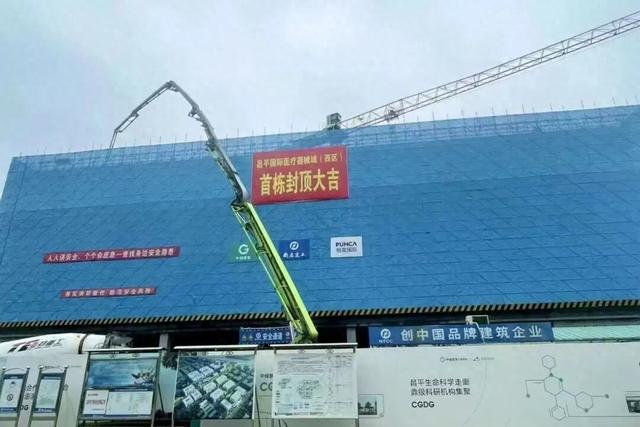
Core Viewpoint - The Changping International Medical Device City (West District) has completed the topping-out of its first phase, transforming the former Hongye Steel Plant site into a high-tech innovation hub for the medical and health industry in Changping [1][3]. Historical Context - The Hongye Steel Plant, established in 1958, was a significant part of China's industrial development, producing over 300,000 tons of steel products annually at its peak [3]. - The plant was a complete industrial community, providing housing, healthcare, and recreational facilities for workers, reflecting the industrial heritage of the region [3]. Transformation and Development - The site has been repurposed to meet the dual needs of industrial upgrading and urban renewal, with a focus on creating the Changping International Medical Device City [12]. - The project covers an area of 886,000 square meters and is designed with the concept of "industrial relics + technological innovation," preserving parts of the historical fabric of the Hongye Steel Plant [12][14]. - The park aims to create a beautiful innovation park that retains the historical essence while meeting modern demands for high-end medical device research and production [14]. Future Prospects - Upon completion, the medical device city is expected to become a significant source of innovation for high-end medical devices globally [17]. - Future phases of the project are planned to expand the industrial scale to 850,000 square meters by 2029, focusing on high-end medical equipment and artificial intelligence in healthcare [17].
华菱钢铁:子公司华菱湘钢生产的核电用钢有供应国家某钍基熔盐堆核能项目
Mei Ri Jing Ji Xin Wen· 2025-11-21 09:17
Core Viewpoint - Hualing Steel's subsidiary, Hualing Xianggang, is supplying nuclear-grade steel for a unique thorium-based molten salt reactor project, marking a significant advancement in nuclear energy technology [1] Group 1: Company Developments - Hualing Xianggang has developed various products for the nuclear power sector, including fourth-generation nuclear steel, thick nuclear steel, and nuclear composite plates [1] - These products are utilized in key domestic and international nuclear projects such as the Xiapu Fast Reactor Demonstration Project, Guangxi Bailong Nuclear Power Station, and the Dabaa Nuclear Power Plant in Egypt [1] Group 2: Industry Impact - The thorium-based molten salt reactor project is currently the only operational reactor globally that has successfully incorporated thorium fuel, highlighting a significant innovation in the nuclear energy industry [1]

热轧卷板周度数据(20251114)-20251114
Bao Cheng Qi Huo· 2025-11-14 02:55
Report Summary 1. Report Industry Investment Rating - Not provided in the given content 2. Core View of the Report - The supply - demand pattern of hot - rolled coils has not changed significantly. The supply is still at a relatively high level with production cuts by plate mills, and the inventory is high, so the supply pressure remains. The demand shows weakening resilience, with a slight decline in weekly apparent demand and continued low daily trading volume. The contradictions in the main downstream cold - rolled products have not been resolved, which may drag down the demand for hot - rolled coils. Overall, both supply and demand are weakening, and the industrial contradictions are alleviated only to a limited extent. The coil price is under pressure, but the cost provides some support. The subsequent trend will continue to fluctuate at a low level, and the production situation of steel mills should be monitored [1] 3. Summary by Relevant Catalogs Supply - The weekly output of hot - rolled coils decreased by 45,000 tons compared with the previous week, and the supply continued to shrink but remained at a relatively high level. The weekly output of cold - rolled coils was 839,600 tons, an increase of 12,000 tons from the previous week, and a decrease of 20,100 tons from the end of last month. The blast furnace capacity utilization rate was 88.80%, an increase of 0.99 percentage points from the previous week [1] Demand - The weekly apparent demand for hot - rolled coils decreased by 7,100 tons compared with the previous week, and decreased by 183,000 tons compared with the end of last month. The high - frequency daily trading volume also remained low, and the demand showed a weakening trend. The contradictions in the main downstream cold - rolled products have not been resolved, which may drag down the demand for hot - rolled coils, and the improvement in external demand is limited [1] Inventory - The total inventory of hot - rolled coils was 4.1052 million tons, an increase of 7,000 tons from the previous week and an increase of 39,300 tons from the end of last month. The in - plant inventory was 775,200 tons, an increase of 9,000 tons from the previous week and a decrease of 1,400 tons from the end of last month. The social inventory was 3.33 million tons, a decrease of 2,000 tons from the previous week and an increase of 40,700 tons from the end of last month [1]
螺纹钢周度数据(20251107)-20251107
Bao Cheng Qi Huo· 2025-11-07 02:41
Report Summary 1) Report Industry Investment Rating - Not provided in the given content 2) Report's Core View - The supply and demand of rebar have both weakened. The supply has contracted but remains at a relatively high level this year with high inventory and unrelieved supply pressure. The demand has also declined, with weekly apparent demand dropping and speculative demand being weak. In the situation of weak supply - demand, the industrial contradiction remains unsolved, inventory reduction is limited, and steel prices continue to be under pressure. However, the cost provides some support, and the subsequent trend is expected to continue the shock - bottoming pattern [3]. 3) Summary by Related Categories Supply - The weekly output of rebar is 208.54 tons, a week - on - week decrease of 4.05 tons. The blast furnace capacity utilization rate is 87.81%, a week - on - week decrease of 0.80 percentage points. The supply has contracted again but is still at a relatively high level this year [1]. Demand - The weekly apparent demand for rebar is 218.52 tons, a week - on - week decrease of 13.66 tons. The speculative demand is weak under the weak steel price, and both the apparent demand and speculative demand are at low levels in recent years. With the approaching off - season and no improvement in downstream, the demand is likely to continue to weaken [1][3]. Inventory - The total inventory of rebar is 592.54 tons, a week - on - week decrease of 9.98 tons. The in - plant inventory is 166.84 tons, a week - on - week decrease of 4.87 tons, and the social inventory is 425.70 tons, a week - on - week decrease of 5.11 tons. The inventory level is high, and the supply pressure is not relieved [1].
美媒:中国从未拥有过这般程度海运铁矿石定价权,将开始掌控局面
Sou Hu Cai Jing· 2025-11-05 09:38
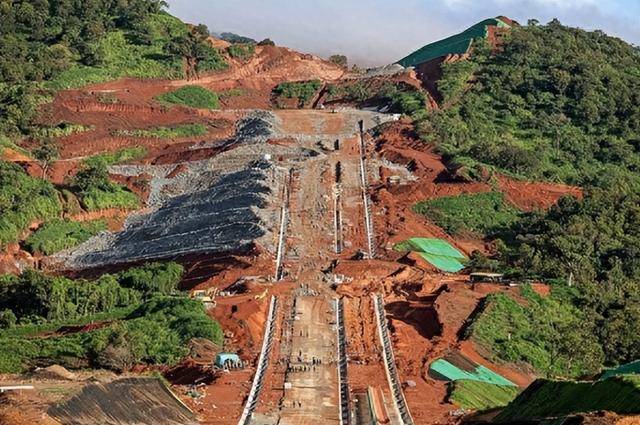
Core Insights - The international commodity market has seen significant developments, particularly with BHP signing an agreement with China Mineral Resources Group to settle iron ore trades in RMB starting from Q4 of this year, indicating China's growing influence in the iron ore sector [1] - Guinea's Simandou iron ore reserve, with 2 million tons of high-grade iron ore set for its first shipment to China in mid-November, further emphasizes China's control over iron ore resources [1] Group 1: China's Position in Iron Ore Market - China is the largest steel producer and iron ore importer globally, purchasing over a billion tons annually, yet it has historically lacked pricing power due to market dominance by three major companies [3][5] - In 2021, iron ore prices surged above $200 per ton, severely impacting Chinese steel companies' profitability, with foreign mining companies earning significantly more [3][5] Group 2: Challenges Faced by China - China's domestic iron ore is of low quality, leading to high processing costs, making it uncompetitive against high-grade foreign ores [5] - The concentration of imports from Australia and Brazil has left China with limited options, resulting in a lack of bargaining power [5] Group 3: The Simandou Iron Ore Project - The Simandou mine in Guinea has over 4 billion tons of high-grade iron ore, with an average grade exceeding 65%, making it a valuable resource for low-carbon steel production [7][9] - Chinese companies are deeply involved in the development and operation of the Simandou mine, allowing China to dictate terms based on domestic demand [9] Group 4: Infrastructure Development - The development of the Simandou mine faced historical challenges, including transportation issues and ownership disputes, until Chinese enterprises initiated infrastructure projects, including a railway and deep-water port [11][13] - The railway is now operational, and the first shipment of iron ore to China is imminent, with plans for full production to supply over 80 million tons annually [13] Group 5: Market Dynamics and Future Implications - The shift to RMB pricing for iron ore by BHP indicates a recognition of China's emerging influence and the potential for changing market dynamics [15] - The high-grade ore from Simandou will significantly reduce carbon emissions in steel production, aligning with China's dual carbon goals and enhancing resource security [15][17] - The awakening of Simandou signals a transformation in the global iron ore market, moving from a passive to an active role for China in price negotiations [17]
中国隐忍20年打赢翻身仗!中澳铁矿之争大反转,攻守出现大变化
Sou Hu Cai Jing· 2025-10-28 09:11
Core Viewpoint - The article discusses a significant shift in the iron ore negotiation dynamics between China and Australia, highlighting China's strategic moves to leverage its position as the largest steel producer and buyer of iron ore, ultimately leading to a successful negotiation with BHP for pricing in RMB instead of USD [2][15]. Group 1: Historical Context - For 20 years, China has been at a disadvantage in iron ore pricing, paying significantly higher prices compared to the production costs of Australian mines, which are around $19 per ton, while China was paying up to $109 per ton [4][5]. - In 2024, the average profit margin for Chinese steel companies was only 0.71%, with many companies facing losses, contrasting sharply with the high profits earned by Australian miners [6][7]. Group 2: Strategic Moves by China - China established the China Mineral Resources Group in 2022, consolidating purchasing power and representing nearly 40% of the country's iron ore imports, allowing for more effective negotiations with suppliers [10]. - China has secured contracts with Brazilian mining giant Vale and other Australian companies for RMB-denominated transactions, reducing reliance on USD [11]. - The development of the Simandou iron ore project in Guinea, which has higher quality ore than Australian sources, positions China to further reduce dependence on Australian iron ore [12]. Group 3: Negotiation Outcomes - The negotiation in October 2025 resulted in a shift to 30% of transactions being settled in RMB, marking a significant change in the pricing structure and reducing the influence of the Platts index, which has been criticized for benefiting Western interests [14][15]. - The article emphasizes that this negotiation is not just about immediate price savings but represents a broader challenge to the dominance of the USD in global commodity trading [15][17]. Group 4: Future Implications - With the upcoming availability of Simandou iron ore and the increasing recycling of steel, China's position in the global steel market is expected to strengthen, allowing for more flexibility in sourcing and pricing [17]. - The article concludes that this shift marks a turning point in the relationship between China and Australia, with China now able to dictate terms rather than being at the mercy of Australian suppliers [17].

金融工具为钢铁产业链筑牢价格“防护网”
Qi Huo Ri Bao· 2025-10-21 01:15
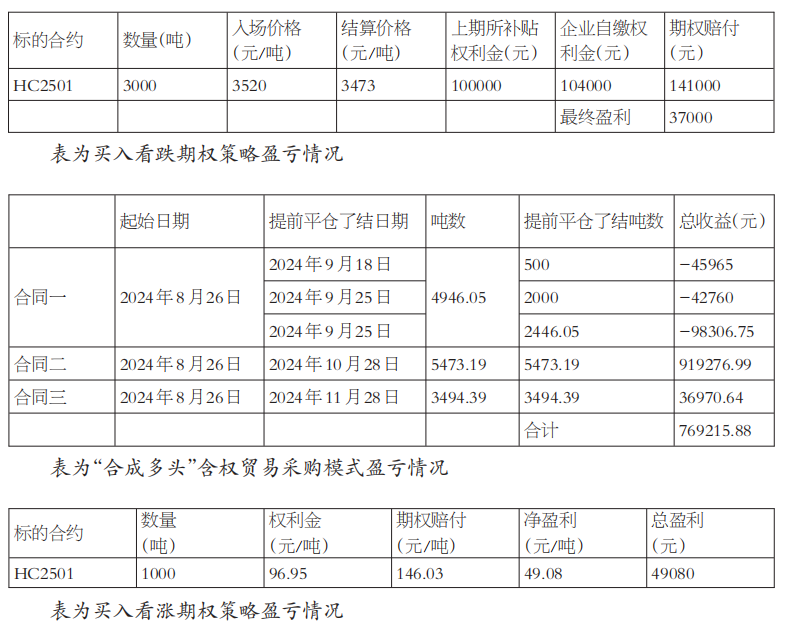
Core Viewpoint - The article emphasizes the importance of risk management in the steel industry, showcasing innovative practices and typical experiences using futures tools to manage price volatility and optimize business decisions, ultimately supporting high-quality development of the real economy [1]. Group 1: Project Background and Company Overview - The case study involves upstream, midstream, and downstream companies in the steel industry, each with different needs such as high-price sales, inventory preservation, and low-price procurement [3]. - The upstream company is a steel production enterprise in Xinjiang with an annual capacity of approximately 3 million tons, focusing on high-strength rebar and other products [4]. - The midstream company is a digital service platform for the steel industry based in Henan, connecting over 100,000 steel producers and traders with an annual transaction scale exceeding 100 billion [4]. - The downstream company is a construction steel service provider in Jiangxi, specializing in efficient matching of steel demand and service innovation, with a processing and distribution capacity of over 800,000 tons annually [4]. Group 2: Industry Demand and Market Conditions - In 2024, the global steel demand is projected to grow by 1.7%, with China's infrastructure investment driving a 2.3% increase in demand for construction steel [6]. - Domestic consumption of rebar and hot-rolled coils showed a slight increase of 0.8% year-on-year in the first half of 2024, with prices fluctuating between 3,400 and 3,900 yuan/ton [6]. - By September 2024, with the approval of 1.2 trillion yuan in infrastructure projects and proactive production cuts by steel manufacturers, prices rebounded, with a notable 5.2% increase in rebar futures on September 19 [6]. Group 3: Risk Management Solutions - The "Strong Source to Assist Enterprises - Futures Price Stabilization Orders" project was implemented to secure sales profits for upstream steel producers, generating a profit of 37,000 yuan [7]. - The midstream trade company utilized a "synthetic long" strategy to stabilize operations, resulting in a profit of 769,215.88 yuan [11][15]. - Downstream processing companies employed European call options to reduce actual procurement costs, achieving a profit of 49,080 yuan [13][15]. Group 4: Advantages and Highlights - The project allows steel industry enterprises to lock in profits and establish stable sales/purchase channels, effectively managing price risks [16][17]. - The process is simplified, meeting the risk management needs of enterprises with a lower understanding barrier [18]. - Futures prices provide precise pricing, enhancing the accuracy of sales/purchase price positioning and mitigating risks from price fluctuations [19]. Group 5: Experience and Future Outlook - The use of options to lock in sales/purchase profits represents a new business model for steel industry enterprises, with increasing participation from small and medium-sized enterprises [20]. - Future development of the OTC derivatives market is expected to enhance the targeting and precision of risk management solutions for enterprises [20].