
消费品

Search documents
Bausch + Lomb (NYSE:BLCO) 2025 Earnings Call Presentation
2025-11-13 13:30
Financial Targets and Growth - Bausch + Lomb projects a constant currency revenue CAGR of 5-7% from 2025-2028[18] - The company aims for an adjusted EBITDA margin of approximately 23% by 2028, excluding acquired IPR&D, representing a 600 bps increase from 2025[18, 38] - Bausch + Lomb targets double-digit adjusted EPS growth from 2026-2028, excluding acquired IPR&D[18] - The company anticipates an adjusted cash flow from operations to adjusted EBITDA conversion of approximately 50% in 2028[18] - Bausch + Lomb aims to reduce net leverage to approximately 35x by the end of 2028[18] Pipeline and Innovation - The company's pipeline has a potential peak sales of approximately $7 billion[40] - AREDS3 vitamins are expected to expand the AMD market, with a franchise peak sales of approximately $600 million[50] - Lumify Luxe, with enhanced comfort, is projected to have franchise peak sales of approximately $450 million[50] - A dual-action DED eye drop is expected to launch in approximately 2029, with peak sales of approximately $07 billion[55] - A first neurosensory agent for OSP is expected to launch in approximately 2030, with peak sales of approximately $14 billion[55]

河南今年前10个月进出口超7400亿元
Zheng Quan Shi Bao Wang· 2025-11-13 13:01
Core Insights - In the first ten months, Henan Province's total import and export value reached 741.12 billion yuan, a year-on-year increase of 14.5%, surpassing the national growth rate of 10.9% [1] - Exports amounted to 488.17 billion yuan, growing by 21.8%, while imports were 252.95 billion yuan, with a growth of 2.6% [1] - In October alone, the province's import and export value was 97.81 billion yuan, marking a month-on-month increase of 5.2%, the highest monthly value of the year [1] Trade Partners - ASEAN was the largest trading partner for Henan, with a total trade value of 99.45 billion yuan, an increase of 11.7% [1] - The EU ranked as the second-largest trading partner, with trade reaching 98.58 billion yuan, growing by 20.1% [1] - Trade with countries involved in the "Belt and Road" initiative totaled 353.04 billion yuan, up by 14.3%, while trade with other RCEP member countries was 218.77 billion yuan, increasing by 14.9% [1] Export and Import Composition - Exports of electromechanical products reached 317.23 billion yuan, accounting for 65% of total exports, with significant growth in agricultural machinery (31.8%), machine tools (34.7%), and industrial robots (200.3%) [2] - The "new three samples" products exported amounted to 23.35 billion yuan, a remarkable increase of 163.2%, with electric vehicle exports alone reaching 21.35 billion yuan, growing by 254.4% [2] - Imports of consumer goods totaled 16.03 billion yuan, increasing by 13.4%, with notable growth in textiles (29%), food and beverages (19.9%), and daily chemical products (3.2%) [2] Open Platforms - The province's five comprehensive bonded zones collectively achieved an import and export value of 402.92 billion yuan, a growth of 19.7%, representing 54.4% of the total import and export value [2] - The free trade pilot zones recorded an import and export value of 74.73 billion yuan, growing by 6.2% [2] - The four bonded logistics centers in the province saw a significant increase in import and export value, reaching 6.27 billion yuan, up by 65.3% [2] Regional Performance - All 12 prefecture-level cities and the Jiyuan Demonstration Zone in Henan achieved positive growth in import and export values during the first ten months [3]
克罗地亚8月工业增加值同比增长5.7%
Shang Wu Bu Wang Zhan· 2025-11-11 15:59
Core Insights - Croatia's industrial output in August increased by 5.7% year-on-year, according to the Croatian Bureau of Statistics [1] - However, there was a month-on-month decline of 1.4% compared to July [1] Domestic vs. Foreign Market Performance - In the domestic market, industrial revenue rose by 6% year-on-year [1] - Conversely, revenue from foreign markets decreased by 1.2% [1] Sector-Specific Sales Performance - Energy sales fell by 9.8%, non-durable goods by 4.6%, intermediate goods by 3.2%, and capital goods by 1.1% compared to July [1] - Durable goods sales, however, increased by 4.3% [1] Year-on-Year Comparisons - Compared to August 2024, capital goods sales grew by 10.1%, intermediate goods by 8.5%, and durable goods by 0.4% [1] - Energy sales saw a significant decline of 17.4%, while non-durable goods decreased by 0.4% [1]
巴菲特“最后一封信”全文:我“纯属运气好”,但“时间老人”追上来了,我将“保持安静”
混沌学园· 2025-11-11 11:58
Core Insights - Warren Buffett announces his retirement as CEO of Berkshire Hathaway by the end of the year, marking a significant transition for the company after his 60-year leadership [2][3] - The next annual letter to shareholders will be written by someone else, although Buffett will continue to communicate with shareholders through his annual Thanksgiving letter [2] - Since Buffett's initial announcement of his retirement in May, Berkshire's Class A shares have dropped approximately 8% [2] Succession and Leadership Philosophy - Buffett emphasizes the importance of avoiding greed in corporate leadership, particularly criticizing the excessive competition among CEOs regarding compensation [3][40] - He warns against hiring CEOs who seek to retire at 65 or aim to create a dynasty, highlighting the negative impact of jealousy and greed in corporate culture [3][40] Investment Philosophy - Buffett's long-term value investment approach contrasts sharply with the rise of speculative assets like cryptocurrencies and the rapid trading environment of today [5] - The company’s operational philosophy is designed to ensure its status as a valuable asset in America, avoiding activities that could lead to dependency [7][40] Charitable Contributions - Buffett announces a donation of 2.7 million shares of Berkshire Class B stock, valued at approximately $1.3 billion, to family foundations, continuing his commitment to philanthropy [7][8] - He has pledged to donate all his Berkshire stock for charitable purposes, promoting the "Giving Pledge" alongside Bill and Melinda Gates [8] Company Performance and Future Outlook - Berkshire's future prospects are viewed as slightly better than average, with several significant and unrelated business units contributing to its overall performance [40] - The company is expected to face challenges in the long term, with the possibility of other companies outperforming it in the next decade or two [40]

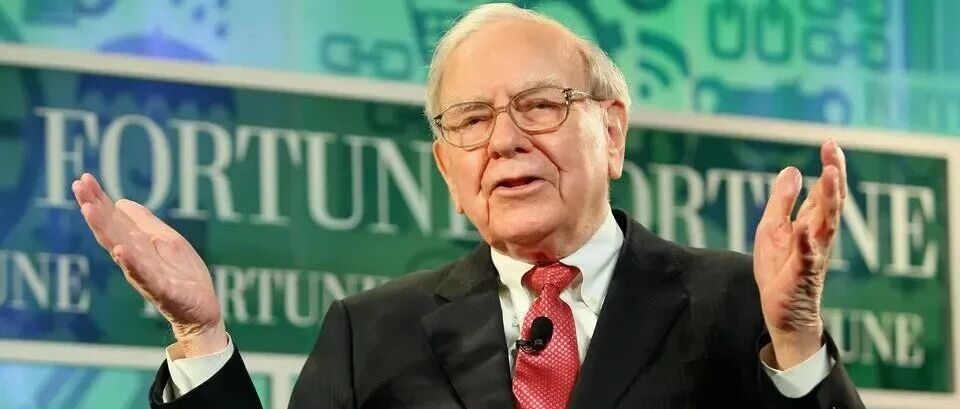
巴菲特“最后一封信”全文:我“纯属运气好”,但“时间老人”追上来了,我将“保持安静”(完整原文中文版)
美股IPO· 2025-11-11 04:48
Core Insights - Warren Buffett announces his retirement after a 60-year career, emphasizing the importance of long-term thinking and criticizing corporate greed, particularly in executive compensation [3][4][5] - Buffett plans to donate $1.3 billion worth of Berkshire Hathaway shares to charity, continuing his philanthropic legacy [6] Group 1: Transition of Leadership - Buffett will step down as CEO of Berkshire Hathaway by the end of the year, marking a significant transition for the company [3][4] - The next annual letter to shareholders will be written by someone else, but Buffett will maintain communication through his Thanksgiving letters [3][6] - Since the announcement of his retirement plan, Berkshire's Class A shares have dropped approximately 8% [3] Group 2: Critique of Corporate Culture - Buffett criticizes the competitive nature of executive compensation, stating that it leads to a race among CEOs to earn more [4][45] - He warns against hiring CEOs who are overly focused on personal wealth and fame, advocating for a culture of humility and long-term commitment [4][42] Group 3: Investment Philosophy - Buffett's investment philosophy contrasts sharply with the rise of speculative assets like cryptocurrencies, emphasizing the value of long-term investments [5] - He has built Berkshire Hathaway into a diversified empire, spanning various industries, and believes the company's management style will continue to be an asset [6][46] Group 4: Philanthropy - Buffett has donated 2.7 million shares of Berkshire Class B stock, valued at approximately $1.3 billion, to family foundations [6] - He has committed to donating all his Berkshire shares to charity, promoting the "Giving Pledge" alongside Bill and Melinda Gates [6]
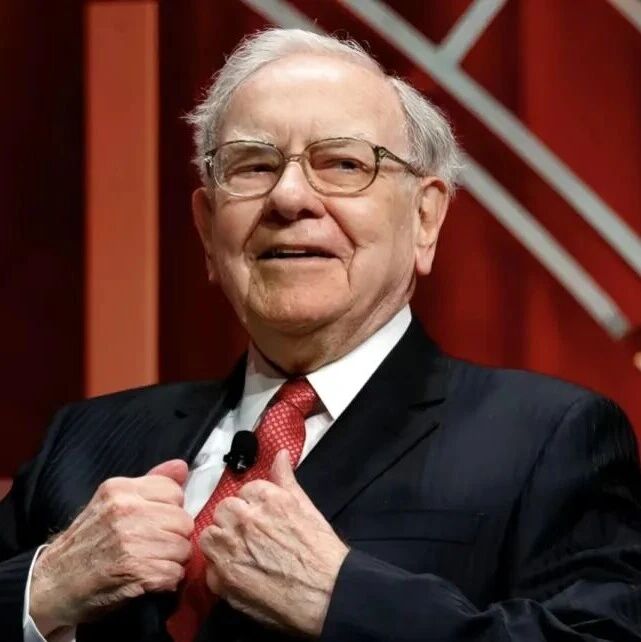
巴菲特布局伯克希尔CEO交班过渡期:捐13亿、不再写年度股东信、保留大量A类股
美股IPO· 2025-11-11 00:04
Core Insights - Warren Buffett plans to donate over $1.3 billion worth of Berkshire Hathaway Class B shares to four family foundations while retaining a significant amount of Class A shares until shareholders establish long-term confidence in successor CEO Greg Abel [1][3][5] - The Thanksgiving letter marks Buffett's first major statement since announcing his retirement as CEO, indicating the end of his 60-year management era at Berkshire [4] - Buffett emphasizes that the accelerated donations are not indicative of a change in Berkshire's outlook, but rather a consideration of his children's age and the need for them to manage their inheritance [5] Group 1: Donation Plans - Buffett will convert 1,800 shares of Berkshire Class A stock into 2.7 million Class B shares, donating 1.5 million shares to the Susan Thompson Buffett Foundation and 400,000 shares each to the Sherwood, Howard G. Buffett, and NoVo foundations [3][5] - The total value of the donation is over $1.3 billion, reflecting Buffett's ongoing commitment to philanthropy [3][8] Group 2: Leadership Transition - Greg Abel, currently the Vice Chairman of non-insurance operations, will take over as CEO in early 2024, while Buffett will remain as Chairman [4] - Buffett expresses confidence in Abel, stating that his children and the board fully support him, and that it won't take long for shareholders to develop the same level of trust [5] Group 3: Company Performance and Outlook - Berkshire's core business remains strong, with a 34% year-over-year increase in operating profit for Q3, and a record cash holding of $381.7 billion as of September 30 [7] - Buffett acknowledges that while Berkshire's size is an advantage, it also presents limitations, predicting that many companies may outperform Berkshire in the next 10 to 20 years [7] - The stock price has increased approximately 10% year-to-date, although it has lagged behind the S&P 500 index during a tech-driven market rebound [7] Group 4: Health and Communication - Buffett shares that he feels generally well despite some physical limitations, continuing to work five days a week in the office [6][7] - He intends to maintain the tradition of writing Thanksgiving letters to shareholders, emphasizing the unique relationship with Berkshire's individual shareholders [8]

私营行业数据:美国10月份消费品价格涨幅三个月来首次放缓
Hua Er Jie Jian Wen· 2025-11-10 15:12
Core Insights - The price index for consumer durable goods and personal items in the U.S. showed a slowdown in growth for the first time in three months, indicating increased discounting by retailers [1] - The OpenBrand index reported a 0.22% increase in October, down from 0.48% in September, with all categories except communication equipment experiencing a deceleration in price increases [1] - The discount rate rose slightly to 20.4%, nearing the highest level since July of the previous year, while the frequency of discounts by retailers decreased [1] - Prices for appliances and personal care items declined, while another inflation indicator from PriceStats showed that categories with higher import shares, such as household equipment, furniture, and electronics, still exhibited some resilience in pricing [1]
从可持续发展到创新引领,德企期待与中国市场高质量发展同频|欧洲企业在上海
Di Yi Cai Jing· 2025-11-10 08:34
Group 1: Investment Trends - German companies are increasingly investing in Shanghai, with over 40% of nearly 6000 German enterprises operating in China based in the city, many of which have been established for over 15 years [5][6] - Henkel's adhesive technology innovation experience center in Shanghai has been inaugurated with an investment of approximately 500 million RMB, making it the second-largest innovation center globally outside of Germany [5] - The Chinese market is viewed as having long-term attractiveness and development potential, with 92% of German companies planning to continue operations in China [6] Group 2: Innovation and Sustainability - Henkel has showcased its innovative products and sustainable solutions at the China International Import Expo, emphasizing its commitment to the Chinese market and its alignment with local economic growth [4] - The company has developed advanced materials solutions for semiconductor packaging and electric vehicle battery packs, which enhance performance and reduce development cycles [4] - Henkel has also launched the first carbon footprint calculation standard for adhesive products in collaboration with local institutions, responding to the demand for green supply chains and low-carbon consumption [4] Group 3: Industry Insights - The technology and equipment exhibition area at the China International Import Expo has expanded to 65,000 square meters, featuring over 300 exhibitors, including more than 30 Fortune 500 companies [1] - The exhibition focuses on three core areas: technology, industry, and environmental protection, with five cutting-edge sections dedicated to digital industrial automation, low-carbon energy and environmental technology, integrated circuits, artificial intelligence, and new materials [1]
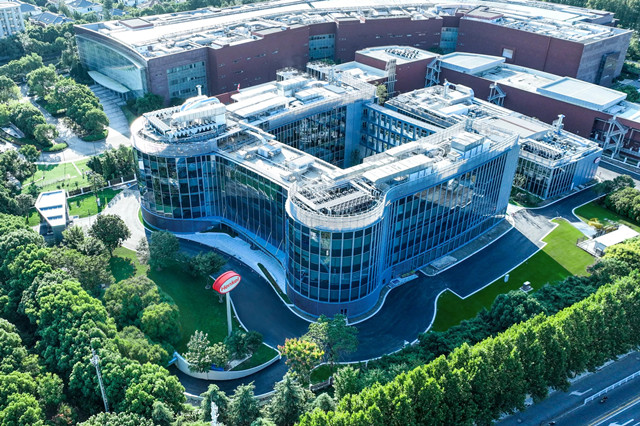
突破420万户!广州跃居全国第二
2 1 Shi Ji Jing Ji Bao Dao· 2025-11-10 04:06
Core Insights - Guangzhou's total number of operating entities has surpassed 4.2 million, ranking second among cities in China, reflecting strong investor confidence and the effectiveness of the city's business environment optimization [1][18][17] Group 1: Growth of Operating Entities - As of October 2025, Guangzhou has 4.2174 million operating entities, with a year-on-year growth rate of 15.86%, marking a significant increase over the past 12 years [1][18] - In the first ten months of this year, 884,600 new operating entities were registered, representing a 71.28% increase compared to the previous year, positioning Guangzhou among the top cities in the national business environment innovation pilot program [1][20] Group 2: Strategic Industry Growth - The growth in operating entities is not only quantitative but also qualitative, with significant increases in strategic industry clusters: low-altitude economy and aerospace (161.74%), artificial intelligence (109.03%), and fashion consumer goods (100.87%) [3][21] - Emerging industries are also experiencing rapid growth, with future networks and quantum technology seeing a 243.36% increase, and deep-sea and deep-space industries growing by 160.22% [3][21] Group 3: Business Environment Optimization - The time to obtain a business license has been reduced to under 10 minutes, with a high online application rate of 99%, significantly improving the ease of doing business [5][8] - Continuous iterations in government services, including full electronic business registration and AI-assisted processes, have enhanced the efficiency of administrative services [7][8] Group 4: Investment Attraction - Guangzhou has introduced 2,174 high-quality industrial projects in the first nine months of this year, with an expected total investment exceeding 430 billion yuan, indicating a robust investment climate [9][22] - The city has established a favorable environment for businesses, with significant support from government policies and resources, attracting major projects like the South China industrial base of AVIC [9][10] Group 5: Future Outlook - Guangzhou aims to continue enhancing its business environment, focusing on intelligent governance and precise services to support the growth of operating entities [14][16] - The city is positioned to welcome more entrepreneurs and businesses, striving towards a target of 5 million operating entities while sharing development benefits [16]
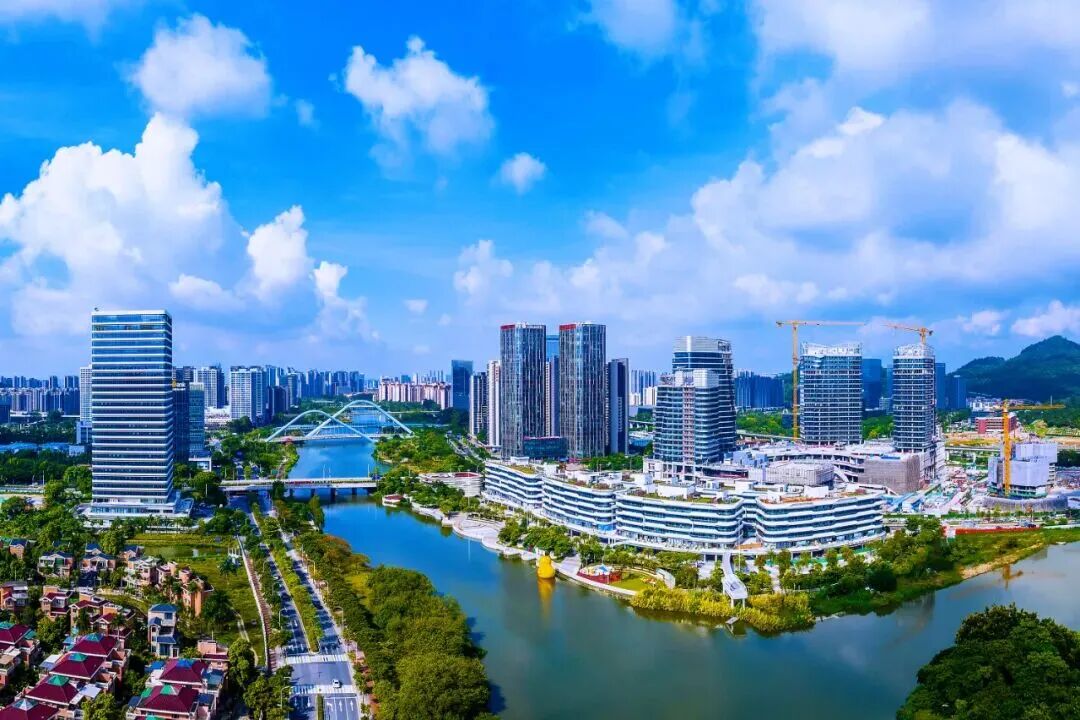
小进博”接力“大进博”,12月“进博优品”喊你“下单
Xin Jing Bao· 2025-11-10 03:23
Core Points - The eighth China International Import Expo (CIIE) is concluding, with a new event called "Small CIIE" scheduled for mid-December [1] - The 2025 CIIE Quality Products Trade Fair will take place from December 19 to 21 at the National Exhibition and Convention Center in Shanghai, featuring a variety of new products [1][2] - The event aims to extend the impact of the CIIE and maintain consumer interest, with activities including product showcases, ordering, and cultural performances [1] Industry Insights - The CIIE Quality Products Trade Fair is designed to target specific high-quality products, focusing on consumer sales while attracting various stakeholders such as buyers, service providers, and channel distributors [2] - The event will facilitate both online and offline ordering, aiming to convert new products into marketable goods and drive sales [2] - The exhibition will feature two main halls: Hall 3H for food products (fruits, dairy, meat, seafood, beverages, alcohol, and condiments) and Hall 4.1H for consumer goods and health products, including beauty products from France and home appliances from Germany, Japan, and the USA [2]