
物流

Search documents
【申万宏源研究春节见闻】在沪过年,看服务消费的潜力与未来
Xin Lang Cai Jing· 2026-02-22 04:49
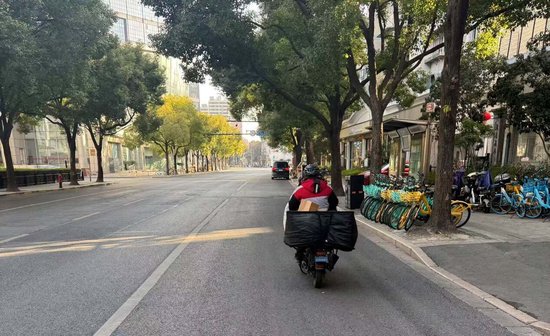
Core Viewpoint - The article emphasizes the significant shift towards service consumption in China, driven by technological advancements and changing consumer preferences, particularly during the Spring Festival period [1][17]. Group 1: Service Consumption Trends - There is a growing demand for service consumption that provides emotional value and deep interpersonal connections, which is seen as a key driver for future economic growth and employment absorption [17]. - The logistics sector demonstrated resilience during the Spring Festival, with express delivery services maintaining operations and adjusting prices to reflect demand, thereby ensuring income for frontline workers [18][20]. - The increase in service consumption is linked to a positive economic cycle, where higher demand leads to increased income for service providers, which in turn boosts consumer spending capacity [20][5]. Group 2: Experiential Consumption in Physical Retail - Physical retail spaces are evolving from mere shopping venues to hubs for experience and social interaction, reflecting a shift in consumer behavior towards experiential consumption [21][22]. - During the Spring Festival, various cultural and interactive activities in commercial districts attracted consumers, enhancing their overall experience and increasing spending [21][22]. Group 3: Macro Data Supporting Service Consumption - Macro data indicates a robust growth in travel and cultural consumption, with Shanghai receiving 2.56 million visitors on the first day of the Spring Festival, a 38.97% increase year-on-year, highlighting a shift from traditional goods consumption to service-oriented spending [24]. - This trend signifies a structural transformation in consumer behavior, where service consumption is becoming a necessity rather than an option [24]. Group 4: Future of Service Consumption - The future of service consumption is expected to be multifaceted, driven by technological innovations and demographic changes, which will create new service demands and opportunities [26][28]. - Innovations like generative AI tools are anticipated to democratize content creation, fostering a vibrant cultural service sector and personalized digital consumption [26][28]. - The aging population is prompting institutional innovations in service delivery, such as short-term care services, addressing the growing demand for elder care and creating new job opportunities that are less susceptible to automation [28].


贵州省2025年国民经济和社会发展计划执行情况与2026年国民经济和社会发展计划草案的报告
Xin Lang Cai Jing· 2026-02-20 22:46
Group 1: Traditional Industry Optimization - The strategy focuses on enhancing traditional industries, particularly in mineral resource processing and the development of the liquor industry, with expected growth rates of over 12% in chemical and 10% in non-ferrous industries [1] - The initiative includes the establishment of new coal washing plants and the expansion of coal production to reach 190 million tons, alongside the development of renewable energy projects [1] - The liquor industry aims to strengthen its brand and expand international markets, with plans for a three-year action plan for overseas marketing [1] Group 2: Emerging Industry Cultivation - The digital economy is targeted for growth, with a goal for its core industries to contribute 5.5% to the regional GDP, supported by the establishment of data centers and the implementation of the "East Data West Computing" project [2] - The electric vehicle and new energy materials sectors are expected to see a 10% increase in value, with significant investments in battery production and infrastructure [2] - The advanced equipment manufacturing sector is being developed to support national strategic industries, including aviation and emergency rescue equipment [2] Group 3: Development Zone Enhancement - The management reform of development zones is being implemented, with a focus on increasing the utilization rate of standard factory buildings and establishing a digital management platform [3] - The construction of high-level development zones is underway, with two zones expected to reach a scale of 50 billion and 22 zones at 10 billion [3] Group 4: Service Industry Growth - The logistics sector is being enhanced with the establishment of national logistics hubs and a reduction in logistics costs, aiming for a ratio of logistics costs to GDP to drop to 13.8% [5] - The retail and hospitality sectors are encouraged to innovate, with support for digital supply chains and the introduction of new business models [6] - The tourism industry is being promoted through the development of key scenic areas and the integration of cultural and tourism sectors, with a target of 8% growth in tourist numbers and spending [7] Group 5: Agricultural and Rural Development - The agricultural sector is focused on improving quality and efficiency, with a target of a 2% increase in grain yield and the establishment of emergency supply bases for vegetables [21] - Rural revitalization efforts include enhancing infrastructure and public services, with a goal of covering 53% of the rural population with water supply projects [22] Group 6: Green Transition Initiatives - The implementation of carbon emission control measures aims to reduce CO2 emissions per unit of GDP, with a focus on energy efficiency and low-carbon projects [23] - Pollution prevention and ecological restoration efforts are being intensified, with specific targets for air and water quality improvements [24] Group 7: Risk Management and Stability - Financial risk management is prioritized, with measures to control local government debt and ensure the repayment of existing debts [26] - Safety production measures are being enhanced to prevent major accidents, with a focus on high-risk sectors such as mining and transportation [27] - Social stability is being maintained through comprehensive governance and public safety initiatives [28] Group 8: Social Welfare and Public Services - Employment stabilization measures are being implemented to support key groups, with a focus on enhancing job opportunities and skills training [29] - Public service quality is being improved, particularly in healthcare, with the establishment of regional medical centers and enhanced community health services [30] - Social security measures are being reinforced to ensure basic living standards and support for vulnerable populations [32]
返乡创业带动就业市场,共绘乡村振兴新图景丨新春走基层
Xin Lang Cai Jing· 2026-02-20 10:22
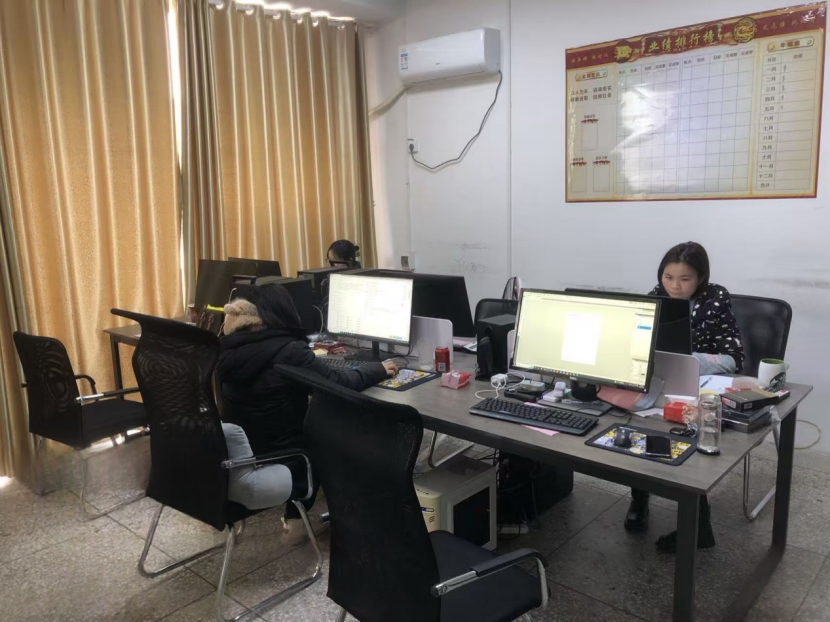
Core Viewpoint - The rise of e-commerce entrepreneurship among returnees is revitalizing rural areas, particularly in Taihe County, Jiangxi Province, by leveraging local agricultural resources and improving logistics infrastructure [1][6]. E-commerce Development - Returnee entrepreneur Li Xiaodong has successfully launched an e-commerce platform selling toys, clothing, decorations, and local agricultural products, primarily targeting domestic and overseas markets [3][6]. - Initial challenges included intense market competition and logistics issues related to agricultural product freshness, which were addressed through improved product presentation, customer service, and partnerships with logistics companies [3][6]. Logistics Infrastructure - Taihe County is prioritizing the development of its e-commerce sector, as outlined in the "Implementation Plan for High-Quality Development of the Ganjiang Ecological Economic Belt" [4]. - The plan includes the establishment of a comprehensive logistics center that integrates various logistics services and enhances connectivity with major economic regions [5][6]. Economic Impact - The collaboration between e-commerce and logistics has significantly expanded sales channels for local agricultural products, with annual online sales exceeding 300 million yuan [8]. - The initiative has created job opportunities for 73,000 farmers, with an average annual income of 32,000 yuan, contributing to rural revitalization and economic growth [8][10].

返乡创业带动就业市场,共绘乡村振兴新图景丨新春走基层
证券时报· 2026-02-20 09:16
Core Viewpoint - The article highlights the revitalization of rural areas in Jiangxi Province's Taihe County through the rise of e-commerce entrepreneurship by returnees, showcasing how this trend is transforming the local economy and community [1][10]. Group 1: E-commerce Entrepreneurship - Returnee entrepreneur Li Xiaodong leveraged his e-commerce experience to start a business in his hometown, focusing on selling toys, clothing, decorations, and local agricultural products [3][4]. - The initial challenges included intense market competition for non-agricultural products and logistical issues for agricultural goods, which required innovative solutions [4][8]. - Li Xiaodong collaborated with logistics companies to ensure the quality of agricultural products during transportation, establishing a stable supply chain with local farmers [4][5]. Group 2: Policy Support and Infrastructure Development - Taihe County has prioritized the development of the e-commerce industry, as outlined in the "Implementation Plan for High-Quality Development of the Ganjiang Midstream Ecological Economic Belt," which emphasizes the integration of logistics with agriculture and commerce [5][8]. - The plan includes building a comprehensive logistics center and enhancing logistics services, which are crucial for supporting e-commerce growth [5][7]. - The construction of the JD (Taihe) Logistics Ecological Industrial Base aims to create a multifunctional industrial park that improves logistics efficiency and reduces costs for local businesses [7]. Group 3: Economic Impact and Community Development - The annual online sales of agricultural products in Taihe County have surpassed 300 million yuan, establishing e-commerce as a vital channel for agricultural sales and rural income generation [8]. - The rise of e-commerce and logistics has led to the creation of stable employment for 73,000 local farmers, with an average annual income of 32,000 yuan per person [8][10]. - The overall atmosphere in Taihe County reflects optimism and enthusiasm among returnee entrepreneurs, contributing to the broader narrative of rural revitalization [10].
首次访华前,德国总理默茨找中国问题专家吃饭,想问这个问题
Xin Lang Cai Jing· 2026-02-20 08:22
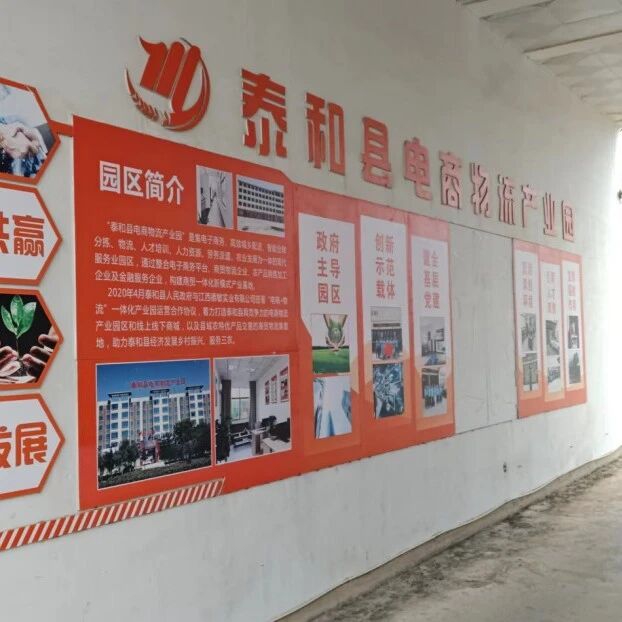
Group 1 - German Chancellor Merz is preparing for his first visit to China from February 24 to 27, aiming to establish connections with Chinese leadership and discuss future cooperation between Europe, Germany, and China [1][3] - Merz has engaged with six China experts, including scholars and business figures, to gather insights on how to effectively communicate with Chinese leaders and to advocate for a fairer trade environment for German industries [3][4] - Approximately 30 business executives from major companies such as Bayer, Volkswagen, Siemens, Adidas, and BMW are expected to accompany Merz on his visit, indicating strong interest from the German business community in enhancing ties with China [3][4] Group 2 - German companies are facing increasing competition from Chinese counterparts, leading to heightened concerns about the "China impact" within Germany, while there are diverging interests between the political and business sectors regarding China policy [4] - Despite concerns, many German firms are expanding their investments in China and relocating production capacities there, benefiting from the growing exports of Chinese companies [4] - The current economic relationship between Germany and China is marked by significant friction, and establishing a "new normal" in bilateral relations could lay the groundwork for future cooperation [5][6]
1月广州白云机场进口年货超3.6亿元
2 1 Shi Ji Jing Ji Bao Dao· 2026-02-19 14:10
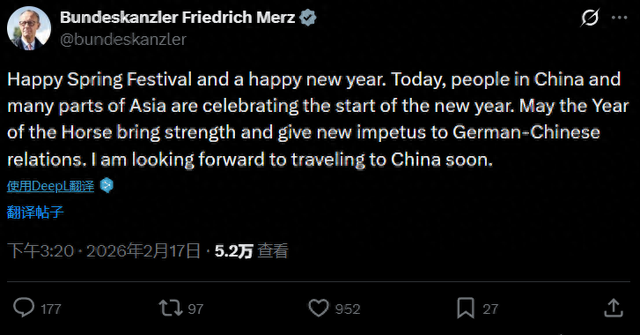
Group 1 - During the Spring Festival holiday in 2026, national consumption reached a new peak, with key retail and catering enterprises showing a daily sales increase of 10.6% compared to the same period in 2025 [1] - The foot traffic and sales in 78 monitored pedestrian streets increased by 23.2% and 33.2% respectively on the first day of the holiday compared to the previous year [1] - The import of "foreign New Year goods" surged, with Guangzhou Customs reporting over 1,200 batches of fresh seafood, seasonal fruits, and fresh-cut flowers valued at over 360 million yuan in January 2026 [1] Group 2 - From February 9 until the Spring Festival, over 10 tons of mangosteen were flown daily from Malaysian orchards to Guangzhou [2] - Since the start of the Spring Festival travel season, the volume of imported fresh cold chain goods handled by Southern Airlines Logistics in Guangzhou has increased by over 10% compared to before the travel season, covering various categories including fruits and seafood [2] - In addition to Malaysian mangosteen, other premium fresh products such as Australian cherries, New Zealand salmon, and North American lobsters are being imported through air logistics channels, enhancing the variety of New Year goods available in the domestic market [2]

此心安处是吾乡!马驹桥市场留守零工吃上“守岁暖心饭”
Xin Lang Cai Jing· 2026-02-18 06:59
Core Viewpoint - The article highlights the efforts made by the Majia Bridge labor market to support migrant workers during the Chinese New Year, providing a sense of community and warmth through organized meals and job opportunities. Group 1: Community Support Initiatives - The "New Year's Warm Meal" event was organized by local human resources departments to provide a festive meal for migrant workers staying in Beijing during the holiday, creating a sense of togetherness [1][3] - Over 70 companies participated in the "Warm Winter Job Delivery" initiative, offering 3,395 job positions across various sectors, attracting over 1,100 migrant workers [5] Group 2: Employment Stability Measures - Various government departments collaborated to provide support for migrant workers, including winter supplies, holiday gifts, and employment training, ensuring job stability during the festive season [6] - The labor market maintained continuous job supply during the holiday, offering approximately 300 job positions daily to meet the employment needs of migrant workers [6] Group 3: Safety and Well-being - Market management emphasized safety for workers, ensuring a secure environment while providing meals and additional treats during the festive period [8] - The event fostered a warm atmosphere, allowing workers to connect and share experiences, reinforcing the labor market's role as a supportive community hub [8]

有大奖,速来
Xin Lang Cai Jing· 2026-02-18 05:55
Group 1 - The article discusses a fan interaction activity organized by a financial news outlet, which will run from February 16 to February 21, coinciding with the Chinese New Year [4] - Participants can answer a daily question posted by the outlet, and those who answer correctly will have a chance to win prizes, with the first ten correct answers being eligible for rewards [4] - The activity has specific rules to ensure fairness, such as limiting participation to one entry per account and requiring personal information for prize distribution [4]
“这个动作,真正的变盘信号!”美银Hartnett最新警告
Hua Er Jie Jian Wen· 2026-02-17 10:50
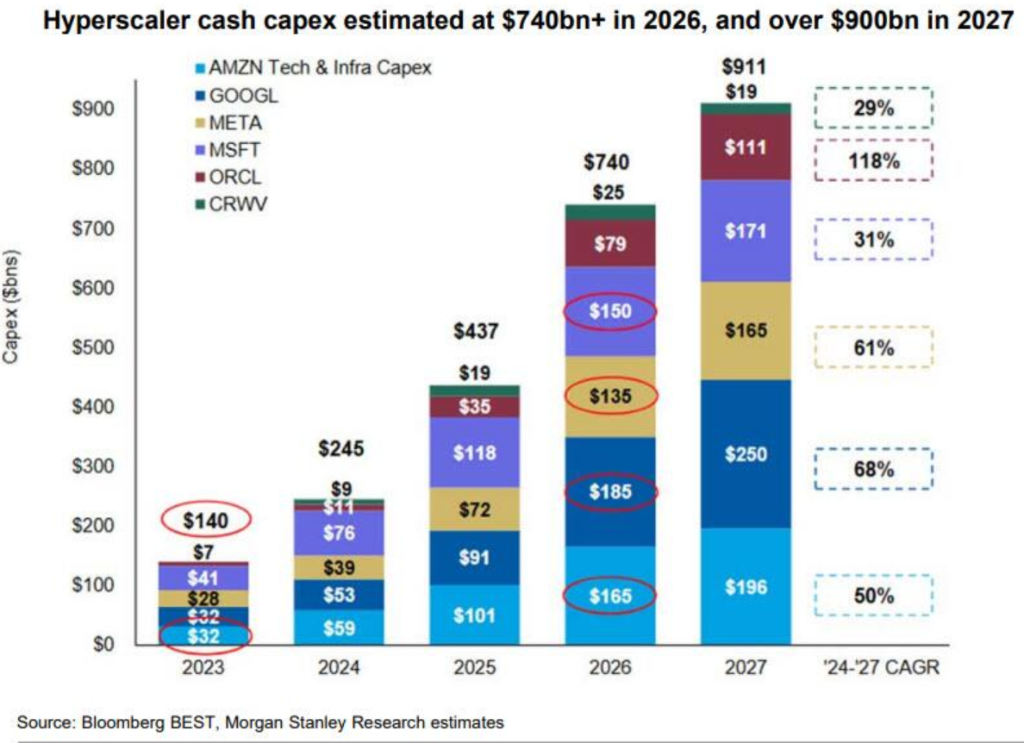
Group 1 - The core message of the report indicates a significant shift in AI capital expenditure from a "money printing machine" to a "money shredding machine," suggesting potential liquidity and asset pricing upheaval [1] - The expected capital expenditure for hyperscalers has surged to $740 billion by 2026, up from a previous estimate of $670 billion, highlighting the alarming financial implications of such spending [2][3] - This excessive investment could push the free cash flow of the "Magnificent 7" tech companies towards zero or even negative values, indicating severe financial strain [3] Group 2 - To sustain this level of capital expenditure, tech giants may be compelled to engage in large-scale bond issuance, indicating a shift from previously strong balance sheets to a more credit-dependent model [5] - The narrative in the market is shifting from "awe of AI" to "being impoverished by AI," reflecting growing concerns over the financial sustainability of such investments [6] - A clear catalyst for reversing this trend would be an announcement from a major AI hyperscaler regarding a reduction in capital expenditure, which could trigger a significant rotation of assets from tech giants to Main Street [7] Group 3 - The disruptive effects of AI are rapidly spreading beyond the tech sector into traditional service industries, with significant impacts observed in sectors such as insurance, wealth management, real estate services, and logistics [8][9] - The first sector to be disrupted by AI, Indian tech stocks, has not seen any buying support since being labeled as "AI victims," indicating a prolonged period of price recovery challenges [10] Group 4 - Political factors are intensifying the asset rotation, with upcoming events such as the State of the Union address on February 24 being highlighted as critical moments for market sentiment [14][15] - The report suggests that if there is no significant boost from political figures, the government may adopt more aggressive affordability policies to address public concerns over inflation, which could favor small-cap stocks over large tech companies [16] Group 5 - The report notes a historical shift in the correlation between the Japanese yen and the Nikkei index, indicating a potential long-term bullish signal for Japanese equities [18][19] - Despite recent inflows into global equities, the Bull & Bear Indicator remains in the "sell" zone, suggesting that the adjustment in risk assets is not yet complete [23][24] - The analysis of the past 50 years of asset leadership transitions indicates that significant political and financial events often redefine market leaders, with emerging markets and small-cap stocks poised to be the next leaders [26][29]
淘宝年货节海外销额增超40%;比亚迪进入埃及市场丨出海周报
2 1 Shi Ji Jing Ji Bao Dao· 2026-02-17 06:33
Industry Overview - The global humanoid robot market is expected to see a shipment of approximately 17,800 units by 2025, representing a year-on-year growth of 508%, with a market sales value of around $440 million [1] - Chinese manufacturers dominate the market, with Zhiyuan Robotics and Yushu Technology shipping about 5,000 units combined, leading the industry [1] - The commercial application of humanoid robots is primarily focused on entertainment, education, and data collection [1] Digital Trade - China's digital service trade surplus is projected to double by 2025, reaching approximately $33 billion, driven by the expansion of cloud computing and AI sectors [2] - The surplus in telecommunications, computer, and information services is expected to be around $31.8 billion, with a year-on-year increase of nearly 30% [2] - Major Chinese tech companies like Alibaba and ByteDance are establishing robust overseas business systems in e-commerce, gaming, and social networking [2] E-commerce and Logistics - Taobao's overseas sales during the New Year festival increased by over 40% compared to the previous year, with significant growth in pet and automotive accessories [3] - JD.com has launched its self-built logistics network, JoyExpress, in Europe, covering major cities and offering same-day and next-day delivery services [7] - Cainiao has initiated Spring Festival logistics guarantees, providing rapid delivery services across over 200 cities in China [8] Automotive Industry - BYD has officially entered the Egyptian market, aiming for overseas sales of 1.3 million units by 2026, a nearly 25% increase from the previous target [6] - AITO Wenjie has partnered with Abu Dhabi Motors to enter the UAE market, marking a significant step in its global strategy [9] - The collaboration between Tencent and Uber expands Tencent's ride-hailing service to over 20 countries, enhancing user accessibility [10] Strategic Partnerships - Midea Group has signed a strategic agreement with CMA CGM to enhance cross-border logistics and technology innovation between China and the U.S. [13] - Temu has partnered with DEKRA to improve compliance and safety standards for electronic products on its platform [11][12] - Miaokelando has collaborated with SADAFCO to explore the children's cheese snack market in Saudi Arabia, leveraging local distribution channels [14]
