高技术制造

Search documents
上半年24省份经济“中考”交卷:区域增速分化 动能加速向“新”丨时报经济眼
证券时报· 2025-07-24 00:00
Core Viewpoint - The article highlights that as of July 23, 24 provinces in China have reported their economic performance, showing a stable economic growth with a shift towards new productive forces, while also indicating the need for further regional collaboration and ongoing attention to real estate risks [1]. Economic Growth Analysis - The national GDP grew by 5.3% year-on-year in the first half of the year, slightly above last year's 5.0% and better than the 2025 government target of around 5% [3]. - Among the provinces that have reported, 19 achieved GDP growth at or above the national average, indicating a generally positive economic trend across most regions [3]. - Eastern provinces showed steady growth, with Guangdong, Jiangsu, Shandong, and Zhejiang leading in total economic output, with GDP figures of 6.87 trillion, 6.70 trillion, 5 trillion, and 4.5 trillion yuan respectively, and growth rates of 4.2%, 5.7%, 5.6%, and 5.8% [4][3]. Regional Performance - The central provinces, except for Shanxi, exhibited GDP growth rates significantly above the national average, with Hubei at 6.2% and others like Henan, Hunan, and Anhui in the 5.6%-5.7% range [5]. - Western provinces showed a clear divergence in growth rates, with Tibet at 7.2% and Qinghai at 4.0% [6]. - The economic performance of major provinces has been crucial in stabilizing the national economy, with Jiangsu narrowing the gap with Guangdong in terms of economic output [6]. Quality of Economic Growth - There is a notable shift towards new economic drivers, with a focus on boosting consumption and investment efficiency as key tasks for 2025 [8]. - The "old for new" policy has significantly impacted consumption, with retail sales in categories like home appliances and communication devices increasing by over 30% in many provinces, and wearable smart device sales in Henan soaring by 95.3% [8][9]. - High-tech industry investments surged, with Beijing's high-tech sector growing by 72.9%, and other provinces like Henan, Anhui, and Jiangxi also showing double-digit growth in high-tech manufacturing investments [9]. Challenges Ahead - Despite a robust economic performance in the first half, challenges remain for the second half, including external tariff uncertainties and ongoing geopolitical conflicts [11]. - Key factors influencing the economic outlook include real estate, foreign trade, consumption, and prices, with a notable decline in real estate investment across most provinces [11]. - The need for quality land supply to stimulate the real estate market is emphasized, as declining investment could lead to reduced new supply [11][12].

从“稳”到“进”再向“新” 四川亮出半年经济答卷
Zhong Guo Chan Ye Jing Ji Xin Xi Wang· 2025-07-22 22:19
Economic Overview - In the first half of 2025, Sichuan's GDP reached 31,918.2 billion yuan, with a year-on-year growth of 5.6% [1] - Major economic indicators showed a continuous recovery, with the growth rate accelerating compared to the first quarter [2][3] Key Economic Characteristics - Four key characteristics define Sichuan's economic foundation: steady growth, strong support, accumulated momentum, and released vitality [2] - The first industry, industrial output, and service sector all experienced accelerated growth compared to the first quarter [2] - High-tech manufacturing investment increased by 10.2%, and its output value grew by 13.1%, leading the industrial sector [2] Consumer Trends - The retail sales of consumer goods reached 1.42 trillion yuan, with a year-on-year growth of 5.6% [4] - Consumption is shifting from "can buy" to "willing to buy and dare to buy," with significant growth in various categories such as home appliances and communication devices [5][6] - The retail sales of household appliances and audio-visual equipment grew by 20.2%, while communication devices saw a 50.8% increase [5] Industrial Dynamics - Sichuan is focusing on developing emerging industries, with high-tech manufacturing and green industries becoming new growth engines [7][8] - The output value of the high-tech manufacturing sector increased by 13.1%, accounting for over 15% of the total industrial output [8] - The clean energy sector is rapidly growing, with the power battery industry increasing by 36.5% and the new energy vehicle industry by 11.0% [8]
辽宁大连上半年GDP增长6.0% 全市经济保持平稳运行
Zhong Guo Xin Wen Wang· 2025-07-22 17:26
Economic Performance - Dalian's GDP for the first half of the year reached 464.7 billion yuan, with a year-on-year growth of 6.0%, surpassing the national average by 0.7 percentage points [1] - The city's industrial production continued to be a stabilizing force, with the industrial added value of large-scale enterprises increasing by 12.5% year-on-year, an improvement of 7.8 percentage points from the previous year [1] - Key industries such as equipment manufacturing grew by 16.9%, with the railway and shipbuilding sector experiencing a significant increase of 52.3% [1] - High-tech manufacturing also showed robust growth, with a year-on-year increase of 20.1% [1] Investment and Revenue - Dalian's fixed asset investment grew by 1.2% year-on-year, while manufacturing investment saw a notable increase of 12.8% [1] - The general public budget revenue for the first half of the year was 42.12 billion yuan, reflecting a year-on-year growth of 0.3% [1] - Per capita disposable income for residents reached 26,739 yuan, marking a year-on-year increase of 4.2% [1] Energy Consumption - Total electricity consumption in Dalian was 24.46 billion kilowatt-hours, with a year-on-year growth of 2.7%, which is an increase of 2.2 percentage points compared to the first quarter [1] Tourism Sector - Dalian's cultural and tourism sector continued to thrive, with domestic tourist arrivals and tourism revenue increasing by 18.04% and 20.01% year-on-year, respectively [2]
浙江经济半年报:5.8%增速领跑,新动能稳健
2 1 Shi Ji Jing Ji Bao Dao· 2025-07-21 12:04
Economic Overview - Zhejiang's GDP for the first half of the year reached 45,004 billion yuan, with a year-on-year growth of 5.8%, surpassing the national average [1] - The growth rates for the primary, secondary, and tertiary industries were 3.5%, 5.6%, and 6.0% respectively [1] - Industrial added value increased by 7.6%, while the service sector grew by 6.0% and agriculture by 3.6% [1] Export Performance - Zhejiang contributed 19.8% to the national export growth, the highest in the country [3] - Total import and export volume reached 2.73 trillion yuan, a 6.6% increase year-on-year, with exports at 2.07 trillion yuan, growing by 9.1% [3] - The export of mechanical and electrical products was 970.54 billion yuan, up 10.7%, accounting for 46.8% of total exports [4] Consumption Trends - Social retail sales in Zhejiang totaled 18,979 billion yuan, with a growth of 5.3%, accelerating by 0.8 percentage points from the first quarter [6] - E-commerce played a significant role, with online retail sales increasing by 27.4%, outpacing overall retail growth by 22.1 percentage points [7] - New retail formats, such as instant retail and flash sales, have emerged as key growth drivers [7] Industrial Development - The added value of industrial enterprises above designated size grew by 7.6%, with private enterprises contributing 77.9% to this growth [9] - Key manufacturing sectors, including computer communication electronics and automotive, saw growth rates of 18.0% and 17.6% respectively [9] - High-tech manufacturing and digital economy sectors also demonstrated robust growth, with increases of 12.7% and 12.0% respectively [10] Price Trends and Income Distribution - Consumer prices in Zhejiang saw a slight decline, with a year-on-year decrease of 0.2% [11] - The per capita disposable income for urban residents was 43,293 yuan, growing by 4.7%, while rural residents saw a 5.7% increase to 25,986 yuan [11] - The income gap between urban and rural residents has narrowed, indicating improved income distribution [11]
坚决打赢决胜之年决胜之战
Liao Ning Ri Bao· 2025-07-21 01:13
Economic Overview - The province's GDP reached 15,707.9 billion yuan, with a year-on-year growth of 4.7%, indicating a steady but slowing trend compared to the first quarter [4] - Concerns about economic growth prospects and the ability to meet annual targets are present [5] Economic Resilience - The province's economy is characterized by resilience and vitality, with three key trends remaining unchanged: steady progress, a positive outlook, and a focus on high-quality development [8] - Key indicators show collaborative growth across three industries, sustained investment, robust consumption, and rising exports [8][9] Employment and Income - Urban employment increased by 281,000, achieving 59.8% of the annual target, surpassing the national average [10] - Per capita disposable income grew by 5.1%, outpacing economic growth [8][10] Consumption and Logistics - Retail sales of consumer goods increased at a rate higher than the national average for 28 consecutive months, with tourism revenue growing by 16.92% [9][10] - The logistics sector showed recovery, with increases in freight turnover across various transport modes [9] Innovation and Industry Transformation - The province is experiencing accelerated industrial transformation, with significant growth in key industries such as shipbuilding and high-tech manufacturing [13] - Innovation capabilities are improving, with numerous research projects underway and a focus on new technologies [13] Business Environment - The province is actively improving its business environment, with policies aimed at reducing bureaucratic hurdles and lowering financing costs [14] - The average processing time for business-related matters has been reduced by 74% [14] Future Outlook - The second half of the year is critical for achieving economic goals, with a strong emphasis on high-quality development and proactive measures to seize opportunities [17] - The government is committed to completing annual targets and fostering a stable economic environment [17][18]
工信部:实施新一轮钢铁、有色金属、石化等重点行业稳增长行动
2 1 Shi Ji Jing Ji Bao Dao· 2025-07-18 09:39
Core Insights - The industrial sector in China showed a robust performance in the first half of 2023, with a year-on-year growth of 6.4% in industrial added value, surpassing GDP growth by 1.1 percentage points [1] - Manufacturing investment increased by 7.5% year-on-year, supported by major engineering projects and technological upgrades [1] - Key industries such as electrical machinery, automotive, electronics, and chemicals contributed significantly to industrial growth, with high-tech manufacturing accounting for 16.4% of the total industrial added value [1][4] Group 1: Industrial Growth and Performance - All 31 provinces in China reported growth in industrial added value, with notable increases in Fujian, Anhui, Henan, and Hunan exceeding 8% [2] - Eight major industrial provinces achieved profit growth rates above the national average, with Henan, Hunan, Hubei, and Jiangsu recording double-digit growth [2] - The equipment manufacturing sector played a stabilizing role, representing 35.5% of total industrial added value, with profits increasing by 7.2% from January to May [4] Group 2: Policy and Future Directions - The government plans to implement a new round of growth stabilization measures across ten key industries, focusing on structural adjustments and eliminating outdated production capacity [2][5] - Emphasis will be placed on enhancing development quality through technological innovation and promoting high-end manufacturing [3] - Initiatives will be taken to support small and medium enterprises, reduce their burdens, and improve the overall business environment [3]
外媒观察丨中国经济增长超预期 出口强劲彰显经济韧性
Sou Hu Cai Jing· 2025-07-16 15:35
Economic Growth - China's GDP for the first half of the year reached 66,053.6 billion yuan, with a year-on-year growth of 5.3%, exceeding market expectations [2] - The performance of China's economy indicates a strong resilience against the impacts of the US-China trade war, supported by increased domestic investment in large projects and robust export growth [2][3] - The data suggests that China is on track to achieve the government's annual growth target of around 5% [2] Trade Performance - In the first half of the year, China's total goods trade (imports and exports) reached 21.79 trillion yuan, marking a year-on-year increase of 2.9%, setting a historical high for the same period [3] - Despite ongoing trade tensions with the US, China's export resilience is highlighted, with exports accounting for 16% of the global total [3] - China's high-tech manufacturing sector has shown significant growth, with an increase of 9.7%, indicating a successful transition to higher value-added production [3] Export Dynamics - Following the trade truce agreement in May, China's exports grew by 5.8% year-on-year in June, demonstrating strong export resilience [2] - Chinese automotive sales in the EU continue to rise, despite the upcoming additional taxes on electric vehicles from China, reflecting the growing demand for Chinese cars in the European market [2]
中国经济展现强劲韧性 国际政商人士看好中国发展前景
Sou Hu Cai Jing· 2025-07-16 13:45
Group 1 - China's economy is showing stable growth amidst increasing global trade barriers and rising protectionism, with key growth engines in equipment manufacturing, high-tech industries, and renewable energy [1] - The Chinese government is promoting open cooperation and leading green technology transformation, creating "irreplaceable opportunities" for the global economy [1] - In the first half of the year, China's manufacturing sector has made significant progress in transformation and upgrading, particularly in equipment manufacturing and high-tech manufacturing, with a notable 36.2% year-on-year increase in new energy vehicle production [3] Group 2 - China is the world's second-largest economy and is actively promoting opportunities to its members, especially in the context of global trade barriers and protectionism [3] - China has become the largest global manufacturer and user of renewable energy equipment, with 74% of the world's wind and solar projects located in the country [5] - The electric vehicle market in China is experiencing explosive growth, with expectations that Chinese electric vehicles could capture over 30% market share in Navarra, Spain, within three years [7]

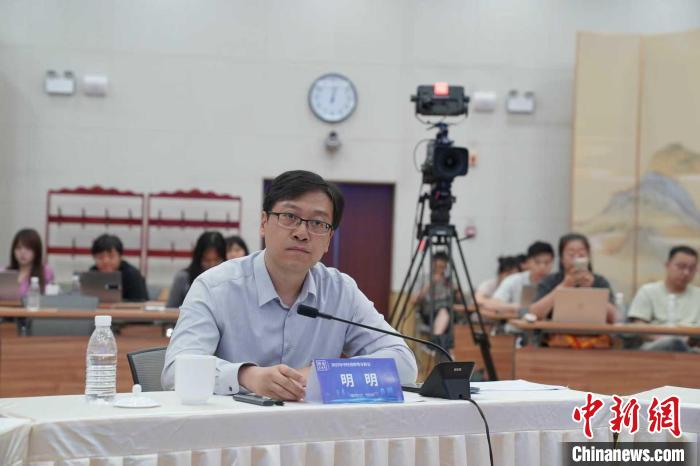
明明:财政、金融政策发力助上半年中国经济温和回升
Zhong Guo Xin Wen Wang· 2025-07-15 09:41
Core Viewpoint - The Chinese economy showed a moderate recovery in the first half of 2025, achieving a growth rate of 5.3%, supported by proactive fiscal and monetary policies [1][3]. Fiscal Policy - The fiscal policy has become more aggressive, with the issuance of special government bonds increasing from 1 trillion yuan to 1.3 trillion yuan, and the support for the trade-in program doubling from 150 billion yuan to 300 billion yuan [3]. - New special bonds amounting to 4.4 trillion yuan are expected to focus primarily on real estate acquisition [3]. - The government has maintained a high utilization rate of public fiscal deficits in the first quarter, indicating a continued expansion of fiscal spending [3]. Monetary Policy - Short-term interest rates have been lowered, with market interest rates declining more than benchmark rates since the second half of the first quarter [3]. - A series of financial support policies, including reserve requirement ratio cuts and interest rate reductions, have been implemented since May 7, which are expected to boost credit expansion and demand [3]. Consumption Sector - The consumption sector has seen a rebound in retail sales growth, driven by the trade-in policy, particularly in automobiles, home appliances, and digital products [4]. Manufacturing Sector - The industrial added value for large-scale enterprises grew by 6.4% year-on-year, with equipment manufacturing and high-tech manufacturing increasing by 10.2% and 9.5%, respectively [5]. - Manufacturing investment is projected to grow by approximately 8.4% in 2025, supported by policies aimed at enhancing new productive forces and equipment upgrades [5]. Future Outlook - The government is expected to implement expansionary policies in the second half of the year to support growth, particularly in weak areas such as real estate, services, and consumption [5]. - There is strong confidence in achieving a GDP growth rate of over 5% for the year, given the positive results from the first half [6].
32543.6亿元、9200.5亿元,增长、活跃!“关键词+数据”透视经济活力
Yang Shi Wang· 2025-07-06 03:33
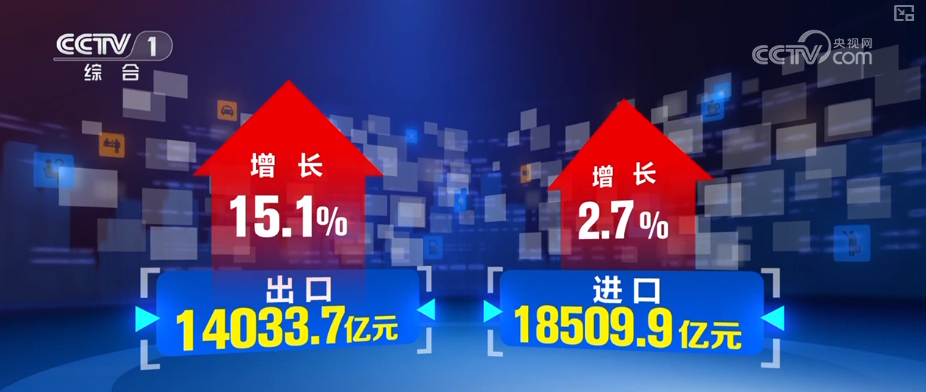
Economic Growth and Trade - China's service trade showed a steady growth with a total import and export value of 32,543.6 billion RMB, marking a year-on-year increase of 7.7% in the first five months of 2025, with exports growing by 15.1% and imports by 2.7% [1] - Knowledge-intensive service imports and exports reached 12,492.7 billion RMB, growing by 5.0% [3] - Travel services continued to grow rapidly, with imports and exports reaching 9,200.5 billion RMB, an increase of 12.2%, making it the largest sector in service trade [5] Policy Support and Manufacturing - The main policies supporting technological innovation and high-quality development in manufacturing resulted in tax reductions and refunds amounting to 636.1 billion RMB in the first five months of 2025 [7] - High-tech industry sales revenue increased by 14.2%, significantly outpacing the overall national growth rate, while manufacturing sales revenue grew by 4.2% [8] Commodity Prices and Futures Market - The commodity price index in China rose to 110.8 points in June, reflecting a 0.5% month-on-month increase, indicating a recovery in production and business activities [10] - The futures market saw a cumulative trading volume of 4.076 billion contracts and a trading value of 339.73 trillion RMB in the first half of 2025, with year-on-year increases of 17.82% and 20.68% respectively [10] Renewable Energy Development - The Jiangsu Dafeng offshore wind power project, the farthest offshore wind project in China, has begun grid-connected power generation with a total installed capacity of 800 MW, capable of supplying over 2.6 billion kWh of clean electricity annually [13] International Trade and Logistics - The "Zheng He" international multimodal transport train service launched from Kunming, Yunnan, to Vientiane, Laos, with new routes to Thailand, Singapore, and Bangladesh, significantly reducing transportation distance and time [14][17]