
母婴

Search documents
响应“健康中国”战略 爱婴室全面重塑企业文化品牌战略
Zheng Quan Shi Bao Wang· 2025-07-15 01:57
Core Viewpoint - The company, Aiyingshi, has announced a comprehensive upgrade of its corporate culture and brand strategy, aiming to inject new vitality into its brand story and lead a new chapter in China's maternal and infant health lifestyle [1][2] Group 1: Brand Strategy and Vision - The upgraded strategy will enhance various aspects of the company, including product development, service experience, supply chain management, team building, and sustainable development, with the goal of becoming a leading maternal and infant health brand in China [1] - Aiyingshi's vision is to "become China's leading maternal and infant health brand," with a mission of "guarding healthy living with craftsmanship," and core values of "responsibility, quality, professionalism, and innovation" [1] Group 2: Market Position and Business Model - Aiyingshi has established itself as a professional chain enterprise in maternal and infant products and services, operating under a "product + channel + service" business model, providing high-quality maternal and infant products and related services for families with children from pre-pregnancy to 6 years old [1] - The company has developed its own brands, including Lan Shi, Bao Bei Yi Can, Duo You, Yi Bi, Cucutas, Qin Bei, and Kids Royal [1] Group 3: Response to National Health Strategy - The upgrade of the company's slogan to include "health" reflects Aiyingshi's active response to the "Healthy China" strategy, which aims to improve maternal and child health levels and implement various health initiatives [2] - The "Healthy China 2030" plan presents unprecedented development opportunities for the maternal and infant health industry, and Aiyingshi's strategic upgrade signifies its serious commitment to the future development of maternal and infant health in China [2]

“卷”时代品牌创新路:与消费者共鸣,共探增长新机遇
Sou Hu Cai Jing· 2025-07-13 05:26
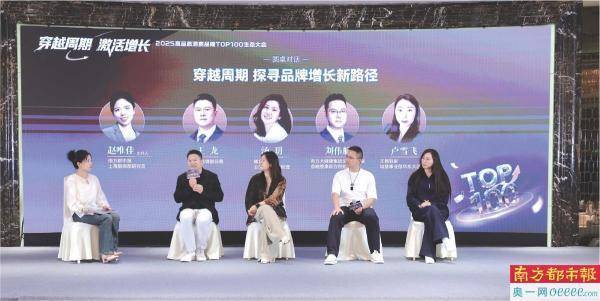
Core Insights - The "2025 High-Quality Consumption Brand TOP100 Innovation Ecosystem Conference" held in Shanghai focused on enhancing the quality of consumption brands in China [1] - The conference highlighted four major trends in high-quality consumption brands: increased health awareness driving wellness and sports consumption, AI technology upgrading products and services, novel experiences igniting consumer enthusiasm, and emotional value unlocking new consumption scenarios [1] Industry Trends - The report released at the conference indicates that health consciousness is a significant driver for the rise of wellness and sports consumption [1] - AI technology is playing a crucial role in the enhancement of products and services within the consumption market [1] - The experience economy is gaining traction, with immersive consumption and cultural tourism becoming new growth areas [1] Expert Insights - Economist Teng Tai emphasized the need to shift from a focus on investment and production to a greater emphasis on consumption to stimulate demand [3] - Teng Tai suggested that new products, services, and consumption scenarios can create new consumer demand, which entrepreneurs should actively pursue [3] - Xu Ruyi from Mintel discussed the importance of emotional connections between brands and consumers, highlighting that the concept of "childlike fun" resonates across all age groups [3] Digital Transformation - Panelists at the roundtable discussion agreed on the necessity for companies to leverage digital tools to enhance operational efficiency in uncertain market conditions [4] - Wang Long suggested that companies could find growth opportunities by going against current trends or the strategies of larger competitors [4] - The importance of digital transformation was emphasized as a means to meet the needs of younger consumers and improve service delivery [4] Brand Recognition - The conference revealed the "2025 High-Quality Consumption Brand TOP100" list, showcasing brands like L'Oréal China, MUJI, and Starbucks China as leaders in high-quality consumption [5] - The success of these brands reflects the vitality of the Chinese consumption market and provides valuable insights for other brands [5] Future Development - The conference served as a platform for in-depth discussions on the future of the Chinese consumption market, providing insights and inspiration for participants [7]

Z 世代妈妈消费观:为情绪价值买单
Sou Hu Cai Jing· 2025-07-11 05:26
Group 1 - The core viewpoint is that Generation Z mothers prioritize self-care alongside parenting, breaking traditional norms of self-sacrifice in motherhood [3][12][13] - Generation Z mothers are characterized by a strong individual consciousness, emphasizing the balance between caring for their children and themselves [3][11] - Emotional value is a significant factor in their consumption decisions, with a focus on products that enhance their quality of life and provide emotional satisfaction [4][12][13] Group 2 - Skincare and makeup have become essential parts of daily consumption for Generation Z mothers, with a preference for natural and safe products [4] - When selecting products for their children, these mothers exhibit a detailed approach, prioritizing health and ergonomic designs, such as lightweight backpacks that support spinal health [4][12] - The rise of social media platforms has transformed how Generation Z mothers seek parenting information and share experiences, creating a community for emotional support and product recommendations [11][12] Group 3 - Generation Z mothers are rational consumers who emphasize quality and safety over brand loyalty, often conducting thorough research before making purchases [12][13] - Over 70% of consumers prioritize safety and quality in their purchasing decisions, with significant attention given to product performance and reputation [12] - This unique consumer behavior is influencing the development trends in the maternal and infant market, prompting businesses to innovate and cater to the diverse needs of these mothers [13]

5公里消费圈重构:一张团购券如何撬动新增量?
雪豹财经社· 2025-07-11 05:14
Core Viewpoint - The article discusses the successful integration of online and offline sales channels by Feihe, a leading infant formula brand, through a brand joint operation model on Douyin, resulting in significant sales growth and customer acquisition [4][10][51]. Group 1: Online and Offline Integration - Feihe has achieved impressive results in just two months, with single live-stream sales exceeding 3.5 million yuan, ranking first on Douyin's national brand sales list [4][10]. - The brand joint operation model launched by Douyin on April 29 supports retail brands with offline sales but no independent stores, offering incentives such as commission waivers and local advertising support [4][11]. - The strategy involves selling popular products and vouchers in live streams, directing users to nearby supermarkets and chain stores for redemption, thus converting online traffic into offline sales [4][16][19]. Group 2: Customer Engagement and Acquisition - During a two-week live streaming event, Feihe collaborated with over 80 stores in South China, showcasing popular products and large vouchers to attract online users to physical stores [8][9]. - The live streams featured high engagement, with peak online viewers exceeding 8,300, driven by a combination of executive endorsements, cultural aesthetics, and attractive offers [7][8]. - The promotional strategy included offering vouchers like "600 yuan off 700 yuan," making it convenient for consumers to redeem them at local stores, similar to group buying platforms [9][19]. Group 3: Support and Incentives - Douyin's support measures include zero commission and 1:1 local advertising matching for brands that join by June 30, allowing for rapid market entry and cost reduction [26][27]. - The local push advertising tool is designed to target specific geographic areas, enhancing the effectiveness of marketing efforts for brands like Feihe [33][34]. - The financial support from Douyin helps brands lower operational costs while increasing GMV and accumulating more offline consumers [36][30]. Group 4: User Retention and Long-term Value - Feihe's strategy has resulted in a significant influx of new customers, with 90% of viewers being new users and 95% of them visiting stores, indicating effective customer acquisition [38][46]. - The high average first-order value of over 450 yuan reflects the brand's ability to attract quality customers who are likely to return [38][50]. - The partnership with chain stores like Aiying Island and Kidswant not only boosts immediate sales but also fosters long-term customer loyalty, as parents tend to stick with trusted brands for essential products like infant formula [50][51].
母婴用品品牌TOP15,“悦己”消费理念盛行|世研消费指数品牌榜Vol.51
Sou Hu Cai Jing· 2025-07-10 13:01
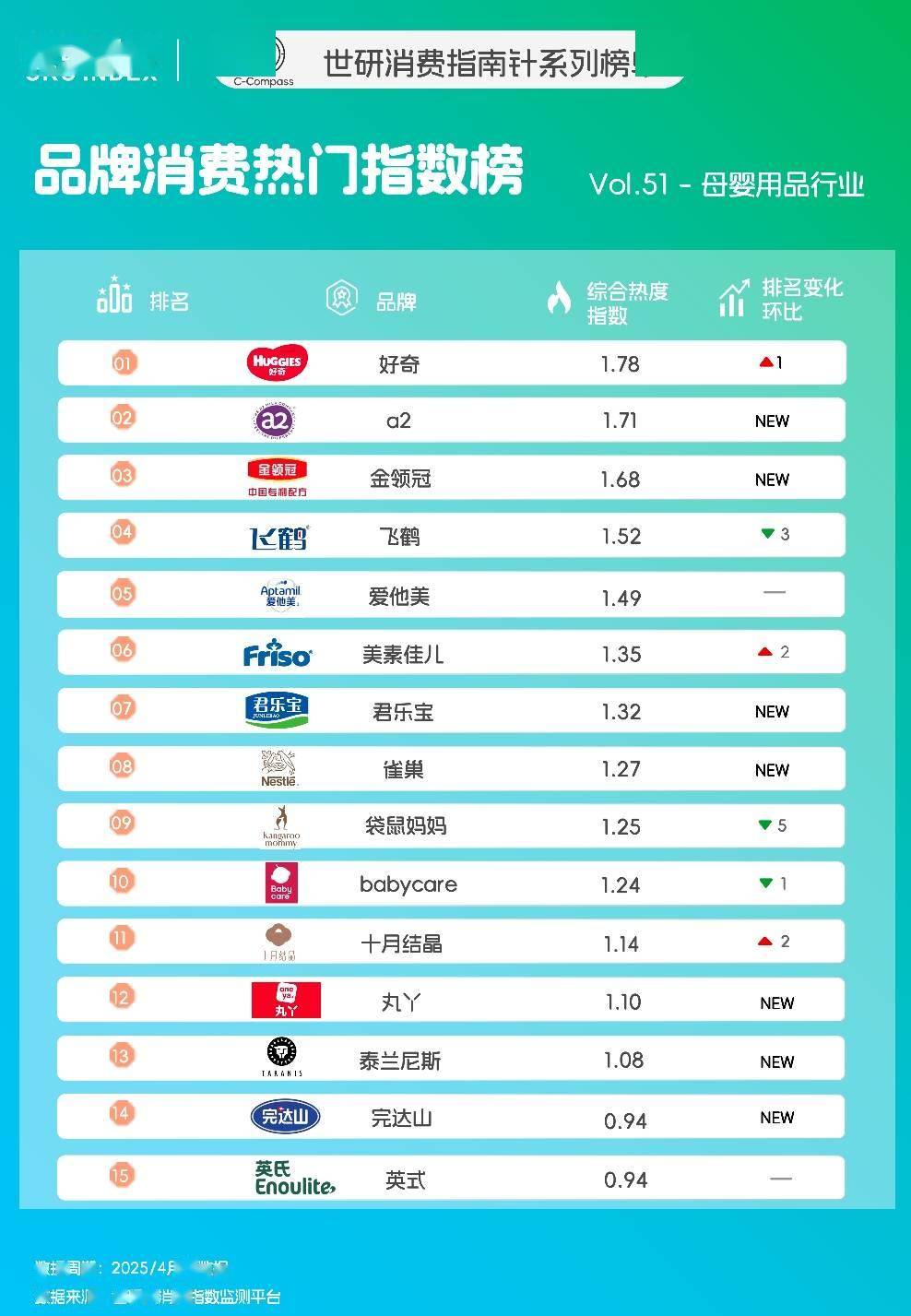
Group 1 - The core viewpoint of the articles highlights the integration of product innovation with national fertility incentive policies in the maternal and infant industry, creating a dual value system of "scientific feeding + social support" [3][4] - The ranking of brands in the maternal and infant sector shows a competitive landscape, with notable entries such as Yili's Jinling Crown and Feihe, which have launched new products catering to specific consumer needs [2][3] - The introduction of substantial fertility subsidy plans by brands like Feihe (1.2 billion yuan) and Junlebao (1.6 billion yuan) indicates a strategic move to enhance customer engagement and support for expecting families [3][4] Group 2 - The new generation of parents is shifting the focus from traditional self-sacrificial parenting to a more self-comforting approach, influencing their purchasing decisions [4] - Brands like Babycare are innovating by introducing products that cater to the aesthetic and practical needs of modern parents, reflecting a broader trend in maternal and infant consumption [4] - The market is witnessing a transformation where the essence of maternal and infant consumption is evolving from merely "raising children" to a "shared family growth experience," emphasizing the importance of parental satisfaction [4]
健合集团合生元多举措推进儿童营养素养提升,助力健康中国2030
Jiang Nan Shi Bao· 2025-07-09 03:07
Group 1 - The "Second China Health Promotion Conference" was held in Shanghai, focusing on the "National Nutrition Literacy Improvement Plan" to enhance public nutrition health literacy [1][2] - Ganen Group's high-end infant nutrition brand, Ganen, and children's nutrition brand Little Swisse were recognized as excellent units in the children's nutrition literacy improvement initiative [1][2] - The conference featured a strategic cooperation ceremony for the "Children's Nutrition Literacy Improvement Action 2025," highlighting the importance of children's nutrition in national population quality development [2][3] Group 2 - Ganen actively supports the "National Nutrition Literacy Improvement Plan" by collaborating with the China Health Promotion and Education Association to enhance children's nutrition literacy [2][4] - The initiative involves over a hundred maternal and infant chain institutions and includes the launch of a "Children's Precision Nutrition Guide" certification program [2][4] - The "0-6 Years Children's Precision Nutrition Guide" was published to provide scientific and precise nutritional guidance for children aged 0-6 [4][5] Group 3 - Ganen has established a comprehensive nutrition education system based on the guide, including various public awareness campaigns and events [5][6] - The company aims to strengthen the influence of the "0-6 Years Children's Precision Nutrition" initiative and the guide through a multi-level nutrition health education system [6] - Future efforts will focus on optimizing products and creating diverse nutritional combinations to meet the refined parenting needs of the new generation of parents [6]
北交所消费服务产业跟踪第二十一期(20250706):生育政策密集出台或将刺激行业发展,关注北交所母婴行业相关标的
Hua Yuan Zheng Quan· 2025-07-07 09:17
Investment Rating - The report suggests a positive outlook for the maternal and infant industry, driven by government policies aimed at encouraging childbirth and stimulating market growth [2][3]. Core Insights - The implementation of various supportive policies by the government is expected to boost the maternal and infant industry, with a projected increase in birth rates and consumer spending in this sector [6][9]. - The maternal and infant consumption market in China is anticipated to grow significantly, reaching approximately 76,299 billion yuan in 2024, with a potential increase to 89,149 billion yuan by 2027 [9][11]. - The report highlights the rapid development of the infant food market, with a compound annual growth rate (CAGR) of 8.9% from 2019 to 2024, leading to a market size of about 55.91 billion yuan in 2024 [25][29]. - The maternal and infant retail chain market is also expanding, with a projected growth from 587.4 billion yuan in 2019 to 906.2 billion yuan in 2024, reflecting a CAGR of 9.1% [32][34]. Summary by Sections Policy Impact - The Chinese government has introduced various policies to encourage childbirth, including subsidies and tax reductions, which are expected to stabilize and potentially increase the birth rate [6][7]. - The focus on modern parenting and quality of life among younger parents is driving demand for diverse maternal and infant products [6][9]. Market Growth - The maternal and infant consumption market is projected to grow to 76,299 billion yuan in 2024, marking a significant recovery in birth rates with 9.54 million births expected [9][11]. - The infant food market is experiencing rapid growth, with a projected market size of 55.91 billion yuan in 2024 and a CAGR of 8.9% from 2019 to 2024 [25][29]. Industry Segmentation - The report outlines the structure of the maternal and infant industry, which includes upstream food production, midstream manufacturing of products, and downstream retail channels [13][14]. - The dairy industry is also highlighted, with a projected market size of 5,216.70 billion yuan in 2024, despite a slight decline in milk production due to market imbalances [16][20]. Company Analysis - The report identifies key companies in the maternal and infant sector listed on the Beijing Stock Exchange, including Knight Dairy and Wuxi Jinghai, along with potential listings such as Southern Dairy and Ying's Holdings [44][45]. - The overall market capitalization of the consumer service sector on the Beijing Stock Exchange has increased, with a median market cap of 123.92 billion yuan [52][54].
不同集团IPO:BeBeBus成立仅4年就靠营销做到第一?高端定位或并不稳、频因品控问题遭控诉
Xin Lang Cai Jing· 2025-07-04 01:32
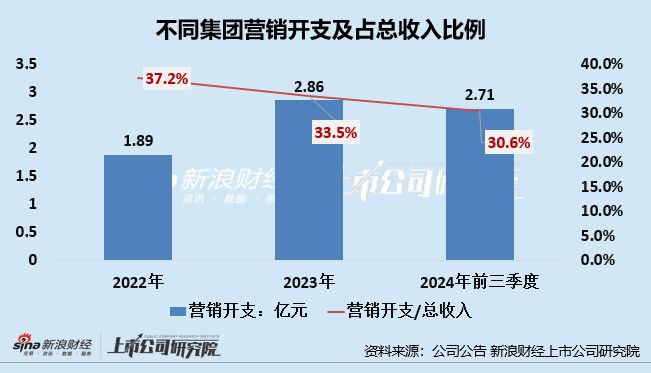
Core Viewpoint - The company, Different Group, has rapidly established its core brand BeBeBus in the high-end maternal and infant product market, aiming for an IPO in Hong Kong to raise funds for production capacity, overseas market expansion, brand activities, new product development, and working capital [1][2]. Group 1: Company Growth and Marketing Strategy - BeBeBus was founded in 2019 and has quickly become the best-selling high-end durable baby product brand in China, according to GMV data for 2023 [2]. - The rapid rise of BeBeBus is attributed to effective marketing strategies, particularly heavy investment in social media platforms like Xiaohongshu (Little Red Book) [2][3]. - The company has spent significant amounts on sales and distribution, with expenses of 189 million, 286 million, and 271 million yuan for 2022, 2023, and the first three quarters of 2024, respectively, accounting for 37.2%, 33.5%, and 30.6% of revenue [3]. Group 2: Product Quality and Market Challenges - Despite its high-end positioning, BeBeBus faces challenges related to product quality and consumer perception, with many users questioning the brand's authenticity and quality due to reliance on social media marketing [5][10]. - The company has expanded its product range from four core products to include various items for different parenting scenarios, but this rapid expansion has led to quality control issues, particularly as many products are produced through outsourcing [11][13]. - Complaints regarding product design and quality have surfaced on platforms like Xiaohongshu and Black Cat Complaints, with 252 complaints recorded related to product quality and false advertising as of July 3, 2025 [14].
Babycare出海“镀金”的真相
Sou Hu Cai Jing· 2025-07-03 15:15
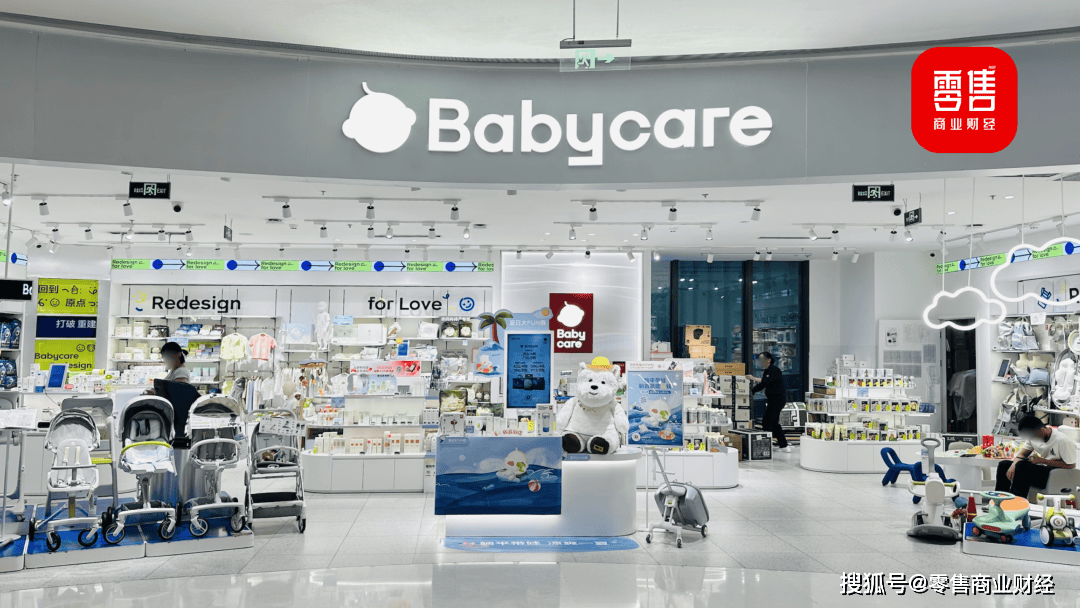
Core Insights - Babycare, a Chinese maternal and infant brand, has announced its entry into the Japanese market, aiming to establish its brand through product exports rather than traditional retail expansion [2][3] - The company faces significant challenges in gaining consumer trust in Japan, a market known for its high standards and preference for local brands [2][6] - Babycare's strategy appears to be a response to stagnation in its domestic market, seeking to enhance its brand image and prepare for an upcoming IPO [3][26] Market Positioning - Babycare's flagship product, the purple cover wet wipes, has been introduced in 8,000 stores across Japan, including major retail chains like 7-ELEVEn [2][6] - The Japanese maternal and infant market is valued at 12 trillion yen, making it a critical target for Babycare's growth strategy [6] - The company aims to leverage its product's physical attributes, such as thickness and liquid absorption, to differentiate itself in a competitive market [6][10] Challenges and Risks - Babycare's reliance on an outsourcing model for production has raised concerns about quality control, especially given past controversies regarding product safety [11][16] - The Japanese market has stringent compliance requirements, and any quality issues could lead to significant repercussions for Babycare's brand reputation [16][22] - The company must navigate a complex landscape of established competitors, including local brands with strong market presence and consumer loyalty [27][28] Strategic Insights - Babycare's approach to product design and marketing may not fully align with Japanese consumer expectations, which prioritize safety and durability over mere aesthetic appeal [22][30] - The brand's previous controversies and shifting market positioning could hinder its ability to establish a clear identity in Japan [28][30] - The case of Babycare highlights the need for Chinese brands to focus on genuine product innovation and quality assurance rather than superficial marketing strategies [30][31]
财信证券晨会纪要-20250703
Caixin Securities· 2025-07-03 05:56
Market Overview - The A-share market is experiencing a volume contraction with the overall market indices showing slight declines, particularly the ChiNext Index and the Sci-Tech 50 Index, which fell by 1.13% and 1.22% respectively [7][9] - The total market capitalization of the Shanghai Composite Index is 6715.52 billion, with a price-to-earnings (PE) ratio of 12.37 and a price-to-book (PB) ratio of 1.28 [3] Industry Dynamics - The Chinese logistics industry experienced a slight increase in the logistics prosperity index, reaching 50.8% in June, indicating a continued expansion in business volume [16][17] - The engineering machinery export market showed a divergence in performance, with Africa leading in growth at 49.52%, while exports to Europe and North America faced declines of 12.30% and 10.42% respectively [28][29] - In July 2025, China's battery production is projected to increase by 37% year-on-year, with a total output of 138 GWh across various battery types [30] - The top three companies in global energy storage cell shipments for the first half of 2025 are CATL, EVE Energy, and BYD, with market shares of 30.7%, 13.2%, and 10.7% respectively [32][33] - The first customs support measures for the cosmetics industry were implemented in Shanghai, aimed at enhancing the quality and scale of domestic cosmetics brands [35] Company Updates - Woge Optoelectronics announced the results of its stock option incentive plan, with 724,100 shares exercised, representing 53.66% of the total options available [40][41] - Nanjing Julong released its second stock incentive plan, aiming to bind core personnel with 785,000 shares allocated [43][44] - Bull Group has repurchased shares worth 2.47 billion, accounting for 0.27% of its total share capital [45][46] - Kid King projected a net profit of 119.64 million to 159.52 million for the first half of 2025, reflecting a year-on-year increase of 50% to 100% [47][48] - Water Sheep Group reported progress on its share repurchase plan, having bought back 8,097,150 shares, which is 2.08% of its total share capital [50][51]