科技股

Search documents
业绩超预期股价却大跌 H股科技股将会怎么走?|市场观察
Di Yi Cai Jing· 2025-11-19 07:05
11月18日晚间,小米集团(01810.HK)公布了超预期的第三季度业绩,然而19日上午却大跌4.32%,中 午报收39.02港元,恒生科技指数跌0.98%,报收5590点。 中金公司则分析,2025年的市场,从多个维度看,都是超出预期的,称之为牛市毫不为过。这背后,既 有实实在在的产业趋势(AI)和基本面改善。展望2026年,不论是越来越多A股和中国优质资产赴港上 市,还是南向资金持续涌入,对港股市场长期是大有裨益的。 (文章来源:第一财经) 关于多家科技股业绩超预期却继续下跌,李泽铭认为,现在困扰港股的因素,包括美联储12月份是否减 息的忧虑,目前委员投票情况来看,赞成减息跟反对减息的票数相当接近;另一方面,市场更加担心 AI投资所造成的泡沫,最近领跌的板块,基本上都是跟AI相关的,美股和港股都是类似情况,这个情 绪进一步蔓延也导致了市场下跌。近日港股成交比较低迷,预计12月美联储议息结果落地后,港股成交 额及波动幅度有望重新放大。 港股其他科技股也存在类似情况,包括腾讯控股(00700.HK)、京东集团(09618.HK)都是业绩超预 期,然后连跌五天。 华金证券策略分析师邓利军认为,市场短期风险偏好可 ...

美股四连跌+比特币破9万?帮主郑重:中长线投资者别慌,这3个信号才关键
Sou Hu Cai Jing· 2025-11-19 01:13
Core Viewpoint - Recent declines in the U.S. stock market, particularly in technology stocks, are attributed to concerns over inflated valuations, especially related to AI, and changing interest rate expectations from the Federal Reserve [3][4]. Market Dynamics - The recent drop in the Dow Jones by nearly 500 points and the S&P 500's four-day decline reflect a broader market correction, particularly in tech stocks that had previously surged due to AI hype [2][3]. - Amazon's recent issuance of $15 billion in bonds and issues faced by Blue Owl fund have heightened investor concerns, leading to a sell-off in tech stocks [3]. - The decline in Bitcoin is seen as a signal of reduced market risk appetite, as many tech investors also hold cryptocurrencies [3]. Federal Reserve Influence - A month ago, there was a strong expectation for a rate cut in December, but current probabilities have dropped below 50%, leading to market adjustments [4]. - Recent fluctuations in U.S. employment data have added to economic uncertainty, contributing to the market's downward trend [4]. Investment Strategy - Long-term investors are advised to focus on company fundamentals rather than short-term market fluctuations, viewing recent declines as opportunities to acquire undervalued stocks [5]. - Key upcoming data points include the Federal Reserve's meeting minutes and non-farm payroll data, which are crucial for understanding future interest rate directions [5]. - Investors should differentiate between companies that genuinely leverage AI for profitability and those that are merely riding the hype, focusing on firms with solid fundamentals [5].


美股齐跌,道指跌近500点,“七巨头”全线下挫
第一财经· 2025-11-18 23:42
2025.11. 19 本文字数:1096,阅读时长大约2分钟 美国劳动力市场呈现更多疲态。劳工部数据显示,在截至10月18日的一周内,持续申领失业救济人 数增加1万人至195.7万人,较9月中旬的191.6万人明显上升。 由于政府停摆影响统计流程,劳工统计局未能正常完成10月就业调查。白宫警告,10月失业率大概 率无法公布。 High Frequency Economics首席经济学家卡尔·温伯格(Carl Weinberg)认为,持续申领人数的 变化并未显示"大规模裁员潮",市场无需过度解读。他表示,"这应有助于缓解对12月降息的押注"。 作者 | 第一财经 胡弋杰 美国股市周二(11月18日)继续下行,科技板块的进一步调整使大盘延续跌势,标普500指数连续 四个交易日收跌,为8月以来最长连跌纪录,围绕AI估值的担忧持续发酵。与此同时,银行与信贷领 域的压力同步升温,市场承压面扩大。 截至收盘,道琼斯指数跌498.50点,跌幅1.07%,收报46091.74点;标普500指数跌0.83%,至 6617.32点,为连续第四个交易日下跌;纳斯达克指数跌1.21%,至22432.85点。 盘中,道指一度跌近70 ...
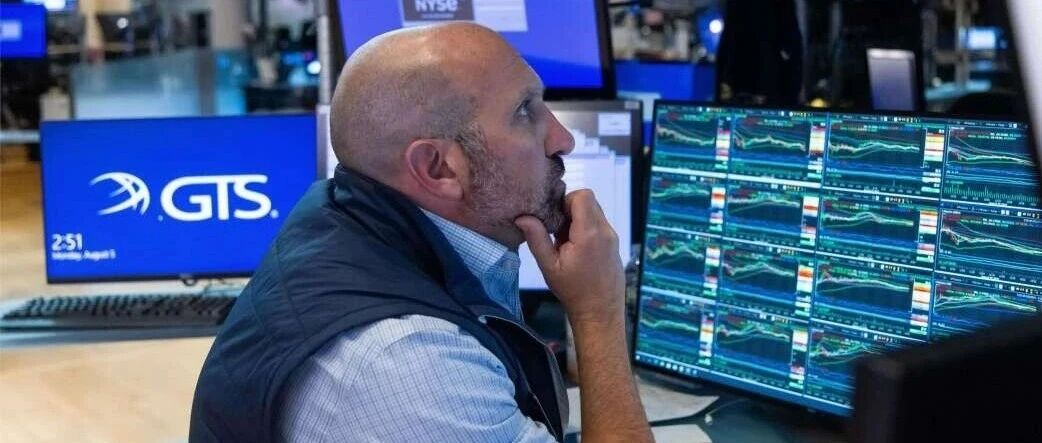
美股存储芯片涨60%,周一A股迎科技消费双主线,投资机会大爆发
Sou Hu Cai Jing· 2025-11-18 18:02
与此同时,政策层面也在积极发力。财政部门正积极推动扩大内需,支持消费贷款的贴息政策已经落地,海南免税商品的范围也扩大至47大类。传统消费品 正积极去库存,新消费场景也在不断拓展。这些政策举措,如同托起消费板块的双手,也在不断增强市场信心。 市场情绪在周末被彻底点燃,一场由存储芯片巨头三星引发的价格风暴,正悄然酝酿着周一A股市场的爆发。三星突然宣布将其32GB DDR5模组的价格大幅 上调近60%,从149美元直接飙升至239美元,犹如一颗重磅炸弹,瞬间引爆了整个行业。 与此同时,美股科技股也经历了一场惊心动魄的过山车行情。英伟达盘中一度暴跌5%,随后又奇迹般地强势反弹,最终以超过1%的涨幅收盘。这一幕无疑 为即将到来的A股市场增添了更多想象空间。 为何三星敢于如此大幅度提价?究其根本,是AI数据中心对高性能内存的渴求已经达到了前所未有的程度。海量数据和庞大算力的需求,迅速消耗着高端 内存的库存,导致供应链出现紧张信号。面对供不应求的局面,客户们纷纷恐慌性下单,厂商订单簿瞬间爆满,价格自然水涨船高。 值得注意的是,国内存储芯片厂商并非孤立于全球市场之外。事实上,它们与三星、美光等国际巨头在供应链上早已形成了紧密 ...
美银调查:投资者现金头寸跌破关键阈值触发股市卖出信号 潜在AI泡沫为最大尾部风险
智通财经网· 2025-11-18 13:39
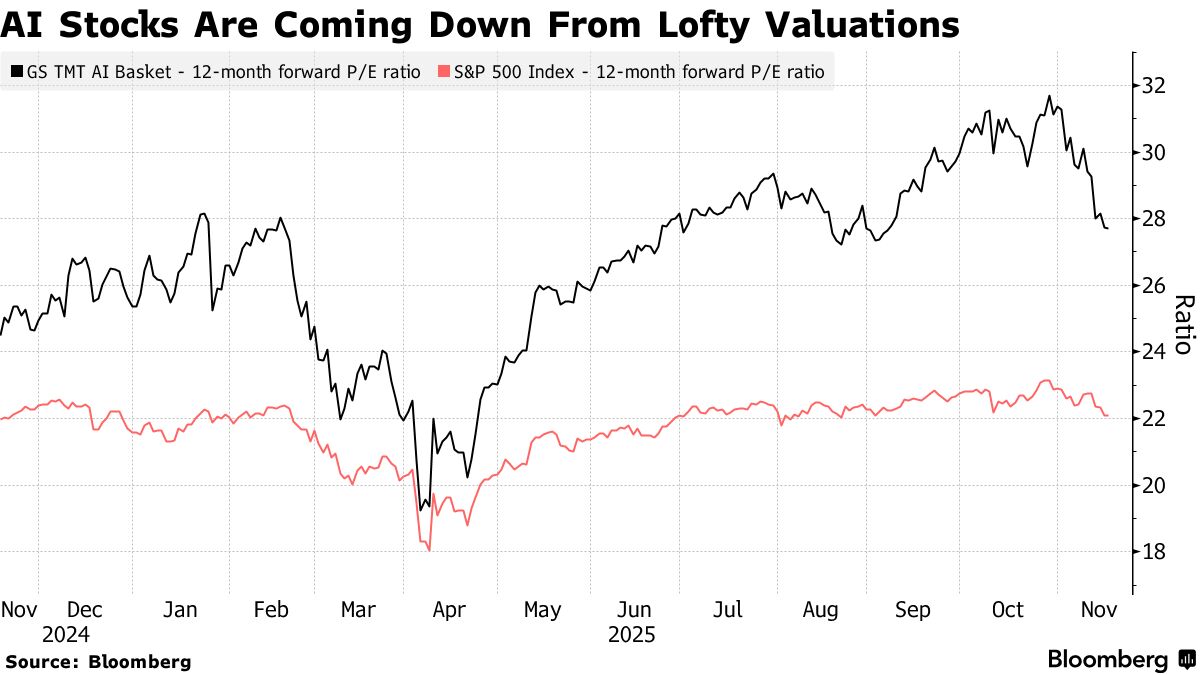
Group 1 - A monthly survey by Bank of America indicates that investor cash positions have fallen below a critical threshold, triggering a sell signal in the stock market amid rising concerns over the overvaluation of tech stocks [1] - The average cash holding of global fund managers has dropped to 3.7%, a level that has only been seen 20 times since 2002, historically leading to stock market declines within one to three months [1] - The MSCI Global Index, which has risen 17% this year, is showing signs of pressure, while the S&P 500 index has dropped approximately 3% from its October peak [1] Group 2 - Investors' exposure to the stock market is at its highest level since February, with concerns that if the Federal Reserve does not cut rates in December, the market may face further adjustments [4] - The survey identifies a potential AI bubble as the largest tail risk, with investors believing for the first time in two decades that companies are over-investing [4] - Approximately 42% of respondents expect international stocks to be the best-performing asset class next year, while only 22% believe U.S. stocks will lead [4] Group 3 - As tech giants continue to invest heavily in AI, investors are reassessing economic growth prospects, leading to increased pressure on financial markets [5] - The S&P 500 index has experienced a significant sell-off, with a decline of 3.2% since reaching a historical high on October 28, marking the largest drop since the February to April downturn [5] - The index has closed below its 50-day moving average for the first time in 139 trading days, breaking a record of the second-longest period above this trend line in the century [5] Group 4 - The Nasdaq index has also fallen below its 50-day moving average, ending the longest streak above this level since October 1995 [6] - There are concerning signals within the Nasdaq, as the number of stocks hitting 52-week lows exceeds those reaching new highs, indicating weak market internals and low chances for a rebound [6]

港股收评:全天弱势!恒指跌1.72%失守26000点,科技金融等权重集体低迷
Ge Long Hui· 2025-11-18 08:18
受多重因素影响市场风险情绪恶化,全球金融市场集体下挫。港股三大指数今日全天弱势,且午后跌幅 进一步加大,恒生指数跌1.72%失守26000点大关,国企指数、恒生科技指数分别下跌1.65%及1.93%。 另一方面,存储景气上行价格涨幅扩大,设备等受益于下游扩产趋势,半导体芯片股逆势活跃,权重股 中芯国际涨1.44%。此外,全市场仍有近40只个股涨幅在10%以上。(格隆汇) 盘面上,市场对人工智能估值过高的担忧,导致近期科技股持续走低,快手、百度、小米、京东等多数 权重科技股创下近期低价;现货黄金盘中一度跌破4000美元,黄金股领衔有色金属股下跌,灵宝黄金大 跌近9%;年内钢材价格经历显著下跌,钢铁股跌幅明显;Q4营收指引不及预期,小鹏汽车大跌超10% 领衔汽车股走低;保险股、内房股、军工股、锂电池股、苹果概念股、新消费概念股、中资券商股、石 油股等纷纷下跌。 ...
港股午评:恒指跌1.47%失守26000点,科技股继续承压,半导体股逆势活跃
Ge Long Hui· 2025-11-18 04:09
Group 1 - The Hong Kong stock market continues to decline, with the Hang Seng Index dropping 1.47% and falling below 26,000 points, marking three consecutive days of losses [1] - The technology sector remains under pressure, with major companies like Xiaomi, JD.com, and Kuaishou hitting new lows [1] - Bitcoin has fallen below $91,000, erasing over 30% of its gains for the year, leading to a decline in cryptocurrency-related stocks [1] Group 2 - Semiconductor stocks are performing well despite the overall market downturn, with leading company SMIC rising by 1.5% due to increased demand from downstream expansion trends [1] - Other sectors such as steel, coal, automotive, gold, and copper are also experiencing declines [1]
港股早评:恒指低开0.8%,科技股低迷,黄金等有色金属股走低
Ge Long Hui· 2025-11-18 01:26
Core Viewpoint - The U.S. stock market experienced significant sell-offs, with the Dow Jones Industrial Average dropping over 550 points, indicating a bearish trend in the market [1] Group 1: Market Performance - The Nasdaq China Golden Dragon Index fell by 1.21%, reflecting a decline in Chinese tech stocks listed in the U.S. [1] - Hong Kong's three major indices opened lower, with the Hang Seng Index down by 0.8%, the Hang Seng China Enterprises Index down by 0.72%, and the Hang Seng Tech Index down by 1.25% [1] Group 2: Sector Performance - Large technology stocks continued to show weak performance, contributing to the overall market decline [1] - The Ministry of Culture and Tourism in China advised tourists to avoid traveling to Japan, leading to a drop in tourism stocks, with Hong Kong China Travel falling over 14% [1] - The non-ferrous metals sector, including aluminum and gold stocks, also experienced notable declines [1] - Xpeng Motors led the decline in automotive stocks following its earnings report [1] - Software, biopharmaceutical, and building materials sectors showed some activity amidst the overall market downturn [1]
超550点大跌!
中国基金报· 2025-11-18 00:02
【导读】美股尾盘跌幅扩大,道指下跌超550点 中国基金报记者 赵刚 综合整理 美东时间11月17日周一,美股收跌,道指跌超550点,科技股领跌。英伟达将在周三盘后发布三季度业绩;巴菲特大幅抛售苹果,建仓谷 歌母公司 Alphabet,Alphabet 大涨超3%;油价微跌,金价走弱。 美股大跌,市场等待经济数据 综合香港万得通讯社消息,美国财政部长贝森特表示,唐纳德·特朗普向美国公民发放2000美元关税分红的提议需要国会批准。特朗普大力 鼓吹美国今年通过关税获得高额收入,但随着公众对生活成本的不满情绪升高,他提出了关税分红。 特朗普上周五在空军一号上对记者说,支票将于明年某个时候发放给"除富人外的所有人"。"这是一大笔钱,但我们从关税中抽出来了这一 大笔钱。关税使我们能够发放分红,"他还补充说,"我们还将减少债务。" 巴菲特建仓 Alphabet,股价大涨 大型科技股多数下跌,谷歌涨超3%,特斯拉涨逾1%,苹果跌近2%,英伟达跌近2%,脸书跌超1%,亚马逊跌0.78%,微软跌0.53%。 截至收盘,道指跌557.24点,跌幅为1.18%;纳指跌192.52点,跌幅为0.84%;标普500指数跌61.70点,跌 ...




欧美齐跌,道指重挫超500点,苹果、英伟达低迷
Di Yi Cai Jing Zi Xun· 2025-11-17 23:56
Market Overview - Major U.S. stock indices faced pressure, with the Dow Jones Industrial Average dropping 557.24 points, a decline of 1.18%, closing at 46590.24 points. The Nasdaq Composite fell 0.84% to 22708.07 points, and the S&P 500 decreased by 0.92% to 6672.41 points, marking the first drop below the 50-day moving average since April [2] - The Cboe Volatility Index (VIX) surged by 12.97%, reaching 22.39, indicating increased market volatility [2] - European indices also weakened, with the Stoxx 600 down 0.54%, the DAX 30 down 1.20%, and the CAC 40 down 0.64% [2] Company Performance - Nvidia's stock fell by 1.8% after Peter Thiel's fund liquidated all its shares in the company [3] - Apple also dropped 1.8% following a court ruling that required the company to pay $634 million in damages for patent infringement related to certain Apple Watch models [3] - Other tech stocks like Oracle, Meta, Amazon, and Microsoft experienced declines, while Tesla saw a slight increase of 1.1% [3] - Alibaba's stock rose by 2.6% as the company announced its "Qianwen" project aimed at entering the AI to C market, with the app's public beta launched [3] Economic Indicators - The U.S. government is set to release key economic data, including the delayed September employment report, which is expected to confirm a trend of slowing job growth [3] - Federal Reserve officials indicated a cautious approach to potential interest rate cuts, with a 25 basis point reduction anticipated in December [3][4] - The yield on the 2-year U.S. Treasury bond fell by 0.4 basis points to 3.609%, while the 10-year bond yield decreased by 1.5 basis points to 4.132% [4] Upcoming Earnings Reports - The earnings season is approaching its peak, with major retailers like Walmart, Home Depot, and Target set to report their financial results [4] - Nvidia's earnings report, scheduled for release after the market closes on Wednesday, is highly anticipated as it will assess the sustainability of the remarkable gains in AI-related stocks [4] - Analysts predict a potential 6% price volatility for Nvidia's stock following its earnings announcement [4] Commodity Prices - International oil prices saw a slight decline, with WTI crude oil down 0.30% to $59.91 per barrel and Brent crude oil also down 0.30% to $64.20 per barrel [5] - Gold prices faced pressure, with COMEX gold futures for November delivery dropping 0.47% to $4068.30 per ounce, and after-hours trading saw prices dip to around $4040 [5]