
网络文学

Search documents
聚焦文化强省建设:借“苏超”经验推动长江文旅升级,筑牢非遗人才根基
Yang Zi Wan Bao Wang· 2026-02-04 15:35
Group 1 - The core discussion at the Jiangsu Provincial Political Consultative Conference focused on building a culturally strong province and leveraging culture to empower economic and social development [1] - The success of "Su Chao" is attributed to the integration of sports, culture, and consumer resources, suggesting a need for a similar approach in Jiangsu's tourism and cultural sectors [3] - A proposal was made to systematically integrate the 433 kilometers of cultural and ecological resources along the Yangtze River in Jiangsu to create premium tourism routes [3] Group 2 - Successful cases of intangible cultural heritage (ICH) activation were shared, highlighting the integration of traditional arts into tourism, such as the transformation of Huai Opera into a tourist attraction [3] - Recommendations were made to modernize traditional operas like Kunqu and Xiju by making them more accessible and appealing to younger audiences, emphasizing the need for innovative and experiential offerings [3] - A call for establishing a cross-disciplinary curriculum in higher education focused on ICH, combining skills in craftsmanship, digital innovation, brand management, and cultural tourism [4] Group 3 - The rise of online literature as a significant cultural form was acknowledged, with suggestions to support original projects that reflect Jiangsu's cultural heritage [4] - Emphasis was placed on the importance of AI technology in new media formats like AI dramas and comics, advocating for policy support in these emerging fields [4]

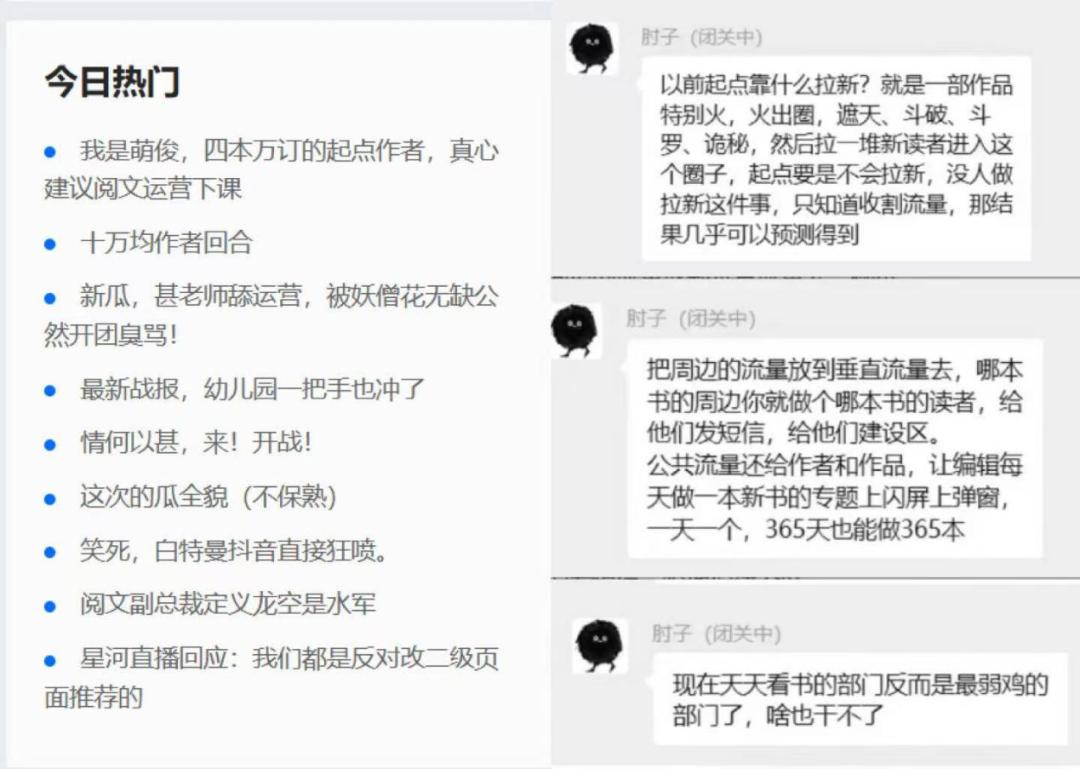
阅文的“番茄内乱”
3 6 Ke· 2026-02-04 11:13
阅文的压力,还是被捅到了台面上。 2026年1月24日,拥有四本万订作品的作者"萌俊"在网文论坛发文,直指新推荐机制存在"黑箱操作",并建议"阅文运营下课"。他认为新机制下,新人作 者流量受限,给了运营弄虚作假的空间、中层作者生存空间挤压,推荐位被头部IP垄断。 随着越来越多的头部作者加入讨论,舆论逐渐发酵。 近日的矛盾起源于起点中文网在2025年7月进行的一次新书推荐机制改革。其中影响最大的一条为:免费期新书从固定推荐位的四轮"PK模式"改为个性化 推荐展示的"流量包模式"。 此前,新书通过"爆更"与同期作品竞争,以在固定的四轮推荐位中晋级。改革后,新书推荐变为算法驱动的"流量包"个性化推荐模式,与番茄小说等免费 网文平台的逻辑更为接近。 接着起点总编"胡说"的一段话流传网络,将矛盾推向高潮。他表示"写作是一个奢侈品、一个艺术",并认为"如果把写作当成养家糊口的手段,追求每个 月挣了多少钱,会很痛苦"。 这一发言进一步点燃舆论,很快情何以堪、会说话的肘子、妖僧花无缺等起点白金、大神作者也陆续发文,对起点运营表示不满,认为起点正在偏离网文 平台本质,应该把流量还给作者和作品本身。 最终阅文副总裁杨晨出面回应, ...
文化“新三样”出海,杭州谋领跑
Zhong Guo Xin Wen Wang· 2026-01-24 10:11
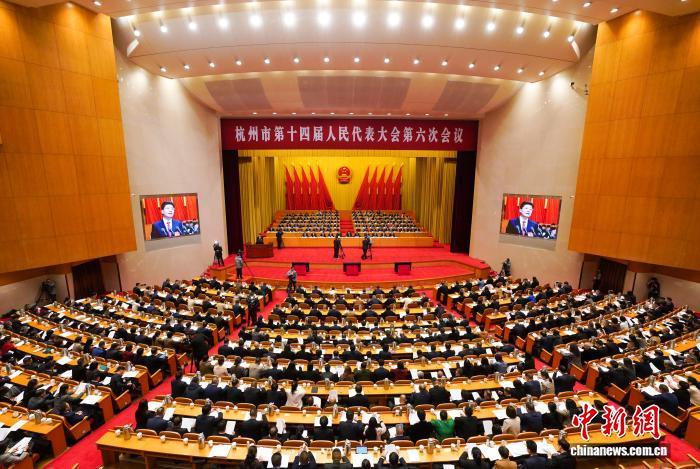
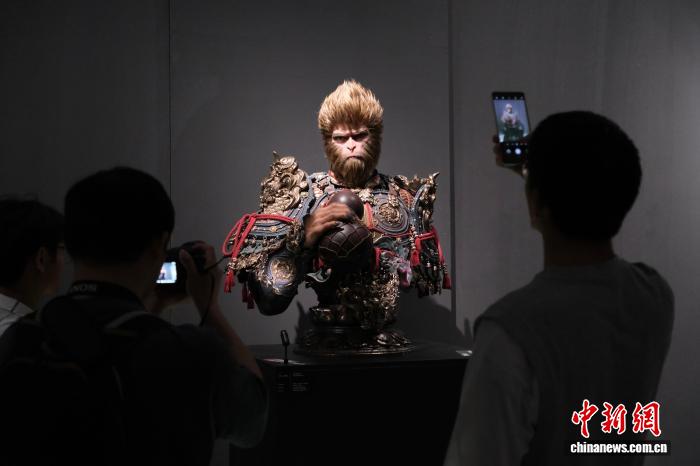
中新网杭州1月24日电(鲍梦妮)2026年,杭州将打造全国文化"新三样"高质量发展引领地和出海示范 地。 杭州市十四届人大六次会议正在此间举行。杭州市市长姚高员在作政府工作报告时如上表示。 杭州市十四届人大六次会议开幕。法鑫 摄 近年来,以网络文学、网络影视剧、网络游戏为代表的文化"新三样"成为中华文化出海的重要载体。 在"十五五"开局之年,杭州提出上述目标,"引领""示范"字眼无不彰显其谋划领跑之意。 杭州的文化"新三样"成果有许多高光时刻。 2024年,游戏《黑神话:悟空》成为全球现象级作品。 2025年,影视剧《藏海传》破圈出海,登陆海外190个国家和地区。 2026年,微短剧《盛夏芬德拉》凭借亮眼表现被写入浙江省政府工作报告。 据统计,"十四五"期间,杭州全市入选国家文化出口重点企业31家(次)、项目9个,累计分别达95家 (次)、54个,居全国同类城市首位。同时,688部杭产网络剧片获发行许可,其中杭产网络动画491部、 占全国比重的31%,居全国同类城市第一。目前,从杭州出发的文化"新三样"覆盖海外用户数已超过10 亿人。 1月23日,《黑神话:悟空》IP吸引大量游人参观。吴君毅 摄 近日,浙江华 ...
后疫情时代,网文生长出哪些新类型?
3 6 Ke· 2026-01-22 10:55
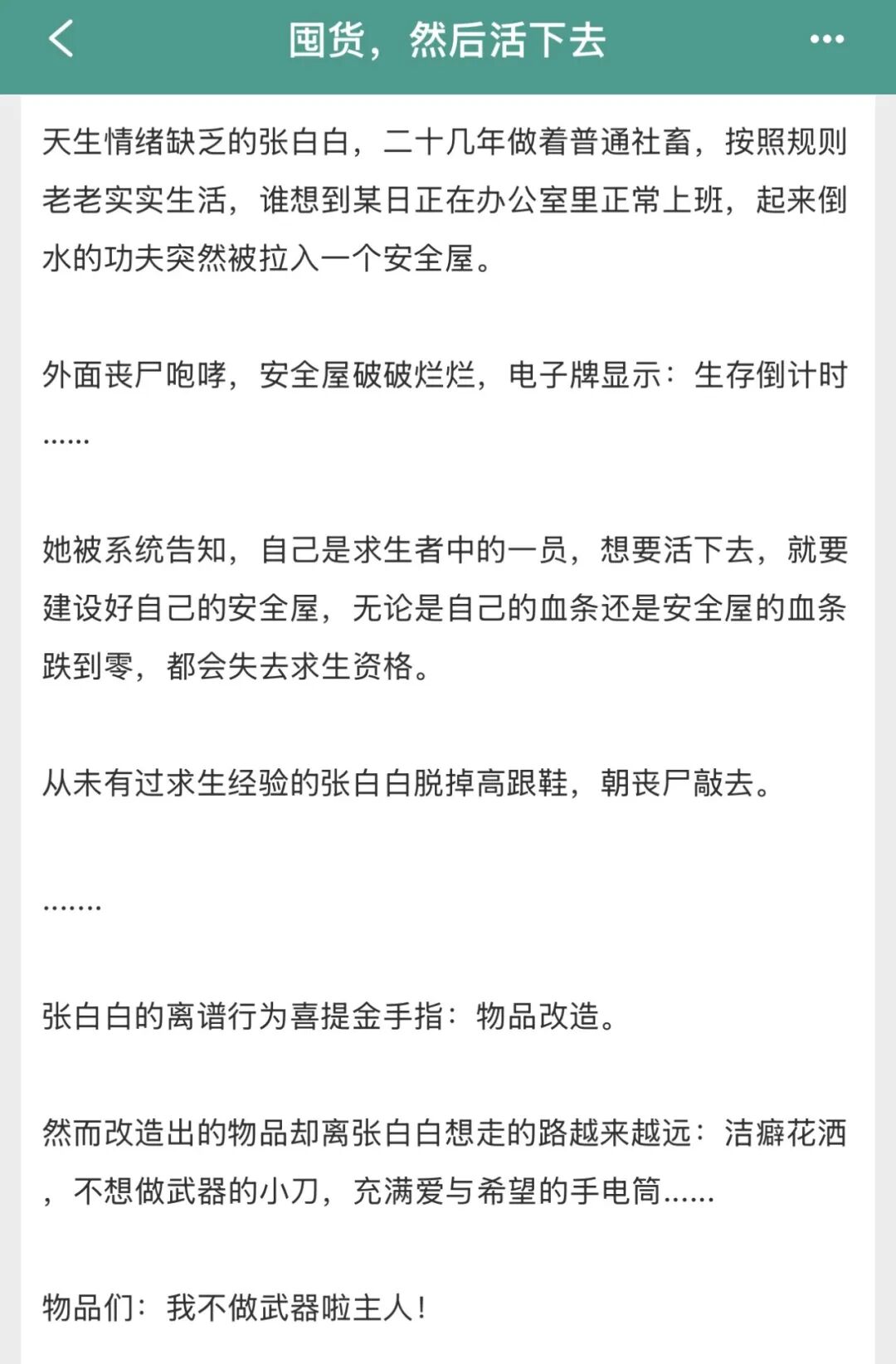
Core Insights - The online literature market is undergoing a structural adjustment, with traditional genres being challenged by new narratives that resonate with contemporary emotions and user needs [1] - The shift from external conflict-driven narratives to internal, construction-focused storytelling reflects a broader societal desire for stability and emotional release in the post-pandemic era [1][2] Group 1: Emerging Narrative Trends - The rise of "end-of-the-world" narratives has shifted from heroic sacrifice to personal survival, focusing on self-preservation and the creation of safe spaces [2][4] - Genres emphasizing practical achievements, such as "business building" and "civil service examination," reflect a growing desire for security and stability among younger generations [4][8] - "Game invasion" narratives simplify chaos into structured tasks, appealing to readers' need for clear rewards and safety [7][8] Group 2: Emotional Expression and Rebellion - The emergence of "madness literature" represents a shift towards active emotional expression, where protagonists reject societal norms and expectations [18][19] - Works like "Madness, Just Madness" illustrate a rebellion against traditional narratives, allowing readers to vicariously release their frustrations [18][19] - The complexity of narratives like "The Strange Path of the Immortal" explores deeper psychological themes, reflecting the struggles of contemporary youth with their realities [19][20] Group 3: Industry Implications - The rising popularity of these new genres indicates a significant shift in content consumption, moving from escapism to emotional compensation [21] - Many successful online literary works are being adapted into films and series, highlighting their potential for cross-media value [20][21] - The evolution of online literature mirrors societal emotional currents, suggesting a new phase in content creation that directly addresses the challenges faced by modern readers [21]
从笔尖到镜头:网文IP穿越短剧的黄金窄门
3 6 Ke· 2026-01-16 00:22
Core Insights - The traditional model supporting web authors, based on word count for "full attendance" and "subscriptions," is nearing its limits due to the saturation of traffic growth. The short drama market's emergence in 2025 has opened new avenues for value creation in the crowded web literature ecosystem [1][2] Group 1: Market Dynamics - Over 6,000 web novels have been adapted into short dramas, resonating with audiences through relatable life details and emotional depth, providing substantial financial returns for authors [1] - The short drama industry is experiencing a revival, with the adaptation of web novels leading to significant viewership, as seen with the hit short drama "盛夏芬德拉," which surpassed 4 billion views [2] - The competition in the short drama sector has shifted towards the acquisition of IP resources, with platforms investing heavily to encourage the production of high-quality adaptations [3] Group 2: Financial Opportunities for Authors - In the first half of 2025, many authors reported earning substantial income from copyright adaptations, with some receiving tens of thousands of yuan, despite low initial novel royalties [3][10] - The adaptation of web novels into short dramas has democratized opportunities for lesser-known authors, allowing them to benefit from the booming market [8][11] - The revenue model for authors has shifted from traditional ad revenue and reader tips to primarily relying on copyright fees and profit-sharing from adaptations, regardless of the original work's popularity [7][10] Group 3: IP Resource Competition - By 2025, over 6,700 web works had been adapted into short dramas, with more than 3,600 already available, indicating a significant resource pool for high-quality content [11] - The inherent traffic of web IPs provides a solid audience base for short dramas, with quantifiable metrics aiding in the selection of IPs for adaptation [11] - The experience of web authors in narrative structure and character development enhances the quality of adaptations, reducing development costs and time [11][12] Group 4: Industry Evolution - The rise of short dramas represents a shift in the content creation landscape, allowing for quicker, lower-cost adaptations compared to traditional long-form dramas, thus enabling more creators to participate [19] - The integration of web literature and short dramas is creating a new cycle of value, where successful adaptations not only generate revenue for authors but also boost the original works' readership and IP value [16][21] - The current environment is seen as a turning point for creators, transforming writing from a gamble into a multi-dimensional investment opportunity [23][24]

浙江省两会观察:文化“新三样”如何高质量出海?
Zhong Guo Xin Wen Wang· 2026-01-15 14:01
Core Viewpoint - The "new three samples" of culture, namely online literature, online film and television, and online games, are becoming prominent symbols in China's cultural export process, with a focus on achieving high-quality overseas expansion during the Zhejiang Provincial Two Sessions [1][3]. Group 1: Cultural Export Strategies - Enhancing the ability to create high-quality cultural products is crucial for successful overseas expansion, emphasizing the need to explore traditional Chinese culture and present it in forms that resonate with international audiences [3][4]. - The diversification of cultural export forms is highlighted, with a push for quality IP from the "new three samples" to extend into various fields such as film, animation, esports, music, and trendy toys [3][4]. - The importance of breaking down barriers between online literature, online dramas, and online games is emphasized, advocating for collaborative efforts to achieve greater impact through synergy [3][6]. Group 2: Technological Innovation - Technological innovation is viewed as a key driver for cultural export, with Zhejiang aiming to become a hub for AI development to facilitate multilingual distribution and cultural localization [4][6]. - Companies like NetEase are investing heavily in R&D, with a 15% annual investment intensity over the past five years, supporting high-quality game development and contributing to the real economy [4][5]. Group 3: Overcoming Cultural Barriers - Addressing the challenges of crossing cultural divides is essential, with suggestions to shift from a "traffic-driven" model to a "value-driven" approach in cultural exports [6][7]. - The establishment of provincial "cultural export translation centers" is proposed to provide specialized consulting and content adaptation services, fostering innovative international expressions [6][7]. Group 4: Systematic Support Ecosystem - A call for a more systematic support ecosystem for cultural exports is made, leveraging platforms like the China (Shenzhen) International Cultural Industries Fair and the World Internet Conference to promote cultural products [6][7]. - Collaboration among government, market, and educational institutions is recommended to enhance support in areas such as channel development, legal assistance, and talent cultivation for sustainable cultural export [7].
营收超1700亿元!浦东文创出海迈向“全球共创”丨出海观察
21世纪经济报道· 2026-01-15 06:04
Core Viewpoint - The article highlights the rapid growth of China's cultural industry, particularly in the context of cultural products going global, with Shanghai as a key player in this transformation [1][2]. Group 1: Cultural Industry Growth - The significant increase in overseas revenue is a prominent feature of China's cultural industry development, especially in gaming and online literature [3][5]. - The self-developed products generated overseas sales revenue of $20.455 billion (approximately 143.056 billion RMB), marking a year-on-year growth of 10.23% [5]. - The overseas market for Chinese online literature is projected to reach 4.815 billion RMB in 2024, with a year-on-year growth of 10.68% [5]. Group 2: Evolution of Cultural Products - The evolution of online literature has progressed through three stages: translation of content, establishment of overseas platforms, and deep integration into global entertainment industries [5][6]. - The current phase of cultural products going global is characterized by a shift from mere content export to collaborative creation across various cultural sectors [6][7]. Group 3: Localized Strategies and Globalization - Localized strategies are crucial for gaming companies expanding into overseas markets, with teams established in key regions to enhance community engagement and user feedback [11][12]. - The trend of simultaneous global launches and prioritizing overseas versions reflects the growing capabilities of cultural enterprises in international markets [12][13]. Group 4: Regional Support and Policy Framework - Regional policies, such as those from Shanghai's Pudong New Area, provide comprehensive support for cultural enterprises going global, including investment, financial services, and legal assistance [7][13]. - The establishment of the "Micro Short Drama Outbound Base" aims to facilitate the entire industry chain for micro short dramas, enhancing cultural exchange and dissemination [20][24]. Group 5: Industry Collaboration and Ecosystem Building - The cultural industry's success in going global relies on a collaborative ecosystem that supports content creation, distribution, and local operations [16][18]. - The "Cultural IP Industry Development Pudong Initiative" aims to strengthen innovation, reform systems, and enhance global resource allocation capabilities [18][24].

营收超1700亿元!浦东文创出海迈向“全球共创”丨出海观察
2 1 Shi Ji Jing Ji Bao Dao· 2026-01-13 10:33
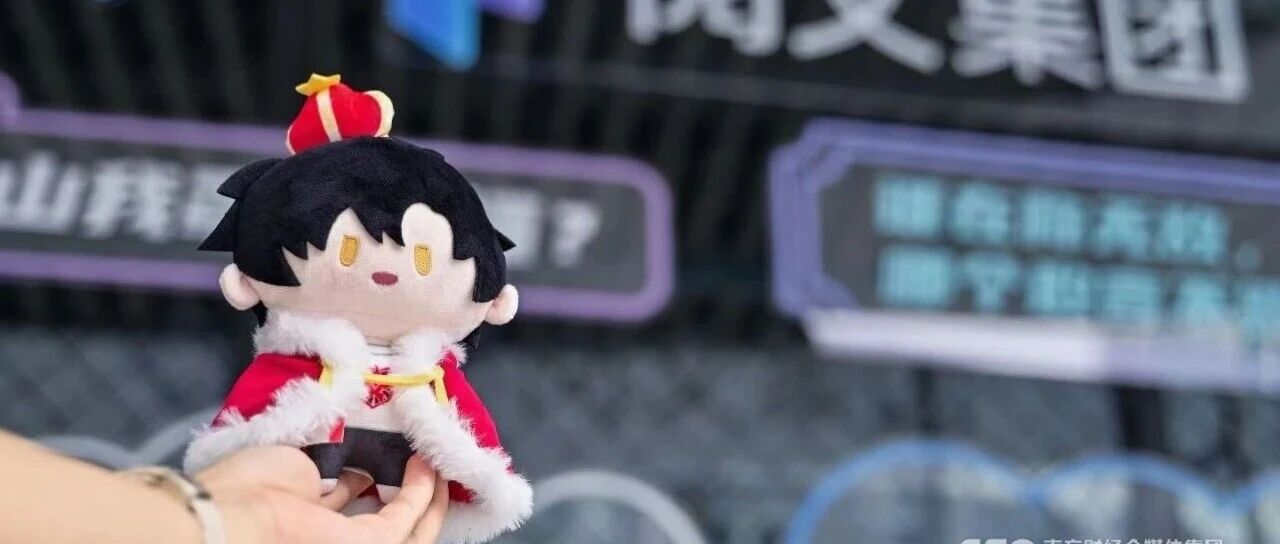
Core Insights - The article highlights the rapid growth of China's cultural industry, particularly in the context of cultural products going global, with Shanghai as a key player in this transformation [1][3][21] Group 1: Cultural Products and Globalization - Shanghai's cultural products, which blend traditional elements with modern creativity, are increasingly popular among international tourists [1] - The overseas revenue of China's cultural industry, especially in gaming and online literature, has seen significant growth, with self-developed games generating $20.455 billion in overseas sales, a 10.23% increase year-on-year [3] - The cultural industry is transitioning from merely exporting content to creating a global collaborative ecosystem, enhancing the value of Chinese IPs in international markets [4][14] Group 2: Industry Evolution and Trends - The evolution of online literature has progressed through three stages: translation, platform establishment for local creators, and deep integration into global entertainment industries [4][5] - The demographic of creators is becoming younger, with 50% of WebNovel's signed authors being born after 2000, indicating a shift in creative dynamics [5] - The cultural industry is increasingly focusing on localizing content for international markets, enhancing user engagement and acceptance [10][11] Group 3: Policy Support and Infrastructure - Shanghai's Pudong New Area has implemented supportive policies for cultural enterprises going global, providing comprehensive services in investment, finance, and legal support [6][12] - The establishment of the "Micro Short Drama Export Base" aims to facilitate the global distribution of Chinese cultural products, leveraging Shanghai's unique policies [17] - The region's cultural industry cluster is rapidly developing, with 603 registered cultural creative enterprises and a total revenue of 172.8 billion yuan in 2024 [21]
营收超1700亿元!浦东文创出海迈向“全球共创”
2 1 Shi Ji Jing Ji Bao Dao· 2026-01-13 10:18
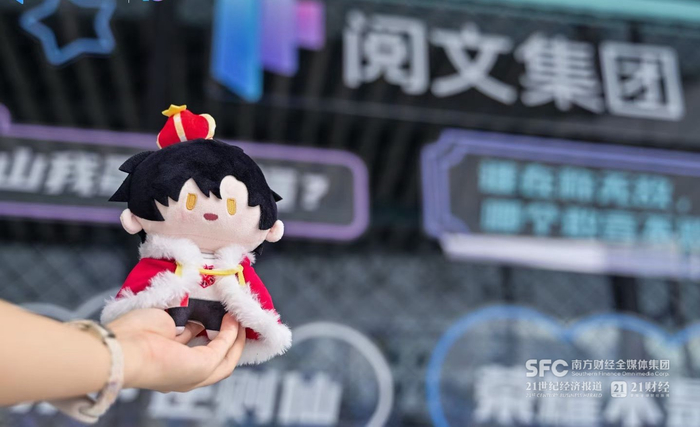
Core Insights - The article highlights the rapid growth of China's cultural industry, particularly in the context of cultural products going global, with Shanghai as a key player in this transformation [1][2][5]. Group 1: Cultural Products and Globalization - Shanghai serves as a vibrant hub for cultural exchange, blending traditional elements with modern creativity, attracting international tourists [1]. - The overseas revenue from China's cultural industry, especially in gaming and online literature, has seen significant growth, with self-developed games generating $20.45 billion (approximately 143.06 billion RMB) in overseas sales, marking a 10.23% year-on-year increase [2]. - The online literature sector is also expanding, with projected overseas revenue of 4.815 billion RMB in 2024, reflecting a 10.68% growth [2]. Group 2: Industry Transformation - The cultural industry's evolution is marked by a shift from mere content translation to a more integrated approach involving local creators and global co-creation [3]. - The CEO of a leading online literature company notes that the industry has progressed through three stages: translation, platform establishment, and global co-creation, enhancing the value of Chinese IP in international markets [3]. - The focus has shifted from simply exporting content to creating mechanisms and platforms that foster deeper engagement with global audiences [3][4]. Group 3: Ecosystem Development - The establishment of supportive regional policies, such as those from Shanghai's Pudong New Area, has been crucial in facilitating cultural enterprises' international expansion [5]. - These policies provide comprehensive support, including investment, cross-border finance, and legal services, enabling cultural companies to focus on creativity and overseas growth [5]. - The cultural industry is increasingly leveraging local insights and experiences to enhance its global operational capabilities, moving towards simultaneous global launches of products [7]. Group 4: Local Adaptation and Global Strategy - Local teams are essential for cultural companies to effectively engage with overseas markets, adapting strategies to fit regional preferences and cultural nuances [7][8]. - The gaming sector exemplifies this trend, with companies developing products from a global perspective to ensure broader acceptance among international users [7]. - The integration of local cultural elements into products, such as the incorporation of Chinese folklore in games, helps bridge cultural gaps and enhances user engagement [8]. Group 5: Collaborative Efforts and Industry Events - The cultural industry's success relies on collaborative efforts across the entire value chain, from content creation to local operations [10]. - The establishment of a micro-short drama export base in Pudong aims to create a comprehensive ecosystem for the micro-short drama industry, facilitating cultural exchange and innovation [11]. - Major international events hosted in Pudong, such as ChinaJoy and various esports tournaments, further enhance the region's role as a key platform for cultural dissemination [13]. Group 6: Future Outlook - The cultural industry in Pudong is poised for a critical transformation, shifting from scale expansion to quality enhancement, driven by digital innovation and consumer upgrades [13]. - The region's cultural creative industry comprises 603 enterprises, employing 77,000 people and generating a total revenue of 172.8 billion RMB, indicating a robust growth trajectory [13].
值得一读的网络佳作
Xin Lang Cai Jing· 2026-01-06 18:32
Group 1 - The article highlights the flourishing growth of online literature, emphasizing the continuous emergence of quality works and the establishment of a platform for communication between authors and readers [1] - The recommendations are curated by professors from Peking University’s Online Literature Research Forum, focusing on works that balance reputation and popularity for the second half of 2025 [1] Group 2 - "The Adventure of the Wang Family" features a protagonist who navigates the chaotic Southern and Northern Dynasties using modern knowledge and historical insights, emphasizing themes of identity crisis and class barriers [2] - "Living Forever" explores the protagonist's journey through a long life, questioning the implications of immortality and the nature of existence, reflecting contemporary readers' desires for a leisurely life [3] - "The Tale of the Great Tang" combines elements of mystery and adventure, showcasing a complex world filled with intricate characters and emotional depth, reminiscent of classic Chinese literature [4][5] - "Auspicious and Fortunate" shifts the narrative focus to the lives of servants in a noble household, providing a unique perspective on social hierarchies and the daily struggles of lower-class characters [7]