
高端装备

Search documents
【中国制造新观察】锻就制造业发展硬实力
Jing Ji Ri Bao· 2025-12-19 05:18
日前召开的中央经济工作会议提出实施新一轮重点产业链高质量发展行动。此前,2023年底召开的中央 经济工作会议部署过一轮制造业重点产业链高质量发展行动。两轮行动侧重点有所不同,标志着产业链 建设进入提升综合竞争力新阶段。 强调重点产业链高质量发展,首先要紧扣重点产业。重点产业可以理解为,对国民经济具有支柱性作 用、对产业链安全具有决定性影响、对未来发展具有引领性意义的领域,比如高端装备、集成电路、新 能源汽车、生物医药等。紧扣重点产业,是基于"抓主要矛盾、以关键突破带动全局"的发展逻辑,将政 策、资本、人才等优质资源集中投向关键环节,发挥集中力量办大事的优势,实现资源高效配置、风险 精准防控和竞争力系统性提升。 此前的制造业重点产业链高质量发展行动更侧重补短板,旨在兜底稳基。2023年底,从外部环境看,全 球贸易保护主义抬头,部分国家加紧技术封锁,产业链关键环节被"卡脖子"导致断链风险加大。因此当 时提出的制造业重点产业链高质量发展行动,侧重点是聚焦薄弱环节集中突破,保障产业链供应链基本 安全。从内部发展看,制造业关键环节短板明显,核心基础零部件、先进基础工艺等进口依赖度高,当 务之急是通过补短板筑牢产业安全底 ...
中经评论:锻就制造业发展硬实力
Jing Ji Ri Bao· 2025-12-19 00:14
新一轮重点产业链高质量发展行动,更侧重提升产业链综合竞争力,培育新质生产力。经过近两年 攻坚,制造业多个短板领域取得突破,新能源汽车、光伏等产业已形成全球优势,链主企业带动上下游 协同的格局初步成型,此时产业发展已具备从单点补短板转向系统升级的基础。同时,培育新质生产力 也需要推动产业链高端化、智能化、绿色化协同转型,实现创新链、产业链、资金链、人才链深度融 合,构建自主可控且具有全球竞争力的现代化产业体系。 开展新一轮重点产业链高质量发展行动,尤其要激活"人工智能+"的赋能价值。在研发端,依托人 工智能技术快速生成产品方案,进行虚拟测试,降低研发成本;在生产端,以人工智能助力关键工艺升 级,通过智能建模与仿真优化生产流程;在供应链端,借助AI驱动的风险预警系统,动态监测产业链 供应链运行态势,精准识别断链隐患;在运维端,以智能化手段突破产业链协同效率瓶颈,实现上下游 企业研发数据、生产参数、市场需求的实时共享与精准匹配,提升产业链韧性。 日前召开的中央经济工作会议提出实施新一轮重点产业链高质量发展行动。此前,2023年底召开的 中央经济工作会议部署过一轮制造业重点产业链高质量发展行动。两轮行动侧重点有所不同 ...
锻就制造业发展硬实力
Jing Ji Ri Bao· 2025-12-18 22:11
Core Viewpoint - The recent Central Economic Work Conference proposed a new round of high-quality development actions for key industrial chains, marking a shift towards enhancing comprehensive competitiveness in industrial chain construction [1][2]. Group 1: Focus on Key Industries - Emphasis on high-quality development of key industries, which are vital for the national economy, industrial chain security, and future development, including sectors like high-end equipment, integrated circuits, new energy vehicles, and biomedicine [1]. - The strategy involves concentrating policies, capital, and talent on critical areas to achieve efficient resource allocation and systematic enhancement of competitiveness [1]. Group 2: Importance of the Industrial Chain - The focus on the "chain" signifies the need for upstream and downstream collaboration within the industrial chain, moving away from isolated efforts by individual enterprises [1]. - The approach aims to break the "each for themselves" model, fostering innovation among large, medium, and small enterprises, while addressing weak links and technological bottlenecks to prevent supply chain disruptions [1]. Group 3: Transition from Shortcomings to Comprehensive Competitiveness - The previous manufacturing action plan focused on addressing weaknesses to ensure basic safety in supply chains, especially in light of rising global trade protectionism and technology blockades [2]. - The new action plan aims to enhance the overall competitiveness of industrial chains and cultivate new productive forces, leveraging breakthroughs achieved in sectors like new energy vehicles and photovoltaics [2]. Group 4: Role of Artificial Intelligence - The new development actions will activate the empowering value of "Artificial Intelligence+" across various stages, including R&D, production, supply chain management, and operations [3]. - AI will facilitate rapid product development, optimize production processes, and enhance supply chain resilience through dynamic monitoring and risk identification [3]. Group 5: Strategic Importance of the New Development Actions - The new round of actions represents a critical battle for the transformation and upgrading of the manufacturing sector, transitioning from merely addressing shortcomings to fostering systemic upgrades and intelligent empowerment [3]. - By seizing opportunities presented by "Artificial Intelligence+" and focusing on industrial chain ecosystem construction, the manufacturing sector can strengthen innovation-driven development and gain a competitive edge in the global market [3].
上证多层次资本市场高质量发展大会走进海安
Shang Hai Zheng Quan Bao· 2025-12-18 15:35
Group 1 - The A-share market is undergoing profound and systematic changes, characterized by five major trends: a shift from quantity to quality in company development, an increase in mergers and acquisitions focusing on new productive forces, the rise of hard technology and "bottleneck" enterprises as core market players, accelerated entry of patient capital, and ongoing optimization of the Shanghai-Hong Kong Stock Connect mechanism [3][4] - Local governments are encouraged to transition from "land finance" to "equity finance," with the potential for billion-dollar market value enterprises to emerge in third and fourth-tier cities [4] - The importance of enhancing the effectiveness of "capital attraction" and "investment banking attraction" is emphasized, with successful practices from cities like Hefei and Shanghai demonstrating the benefits of deep involvement from local industrial investment funds and investment banks [4] Group 2 - Hai'an's GDP is projected to reach 150.7 billion yuan in 2024, with a year-on-year growth of 6%, and a 5.1% increase in the first three quarters of 2025, ranking 23rd among the top 100 counties in the nation [6] - Hai'an has established five major industrial clusters, including high-end textiles and new materials, and has nurtured 30 "specialized, refined, and innovative" enterprises [6] - The Hai'an Electronic Information Industrial Park has attracted 82 companies since its opening in June 2023, with plans to generate 2 billion yuan in revenue and 65 million yuan in tax by 2025 [19] Group 3 - Companies like DeTong Capital focus on high-end manufacturing, new energy, and healthcare, with plans to explore equity investments in quality enterprises in the region [9] - The company Yimei Jia Technology specializes in digital printing inks and has observed a growing competitiveness among Chinese enterprises in both domestic and international markets [27] - The company Yawei Transformer is set to launch a 1000 kV ultra-high voltage production base by the end of next year, aiming to cover a full range of products from 10 kV to 1000 kV [29]

地方政府与城投企业债务风险研究报告:盐城市
Lian He Zi Xin· 2025-12-18 12:18
1. Report Industry Investment Rating - There is no information provided regarding the report industry investment rating in the given content. 2. Core Viewpoints of the Report - Yancheng City, a core city in Jiangsu's coastal development, has significant location advantages, an improving transportation network, and steady economic growth. In 2024, its GDP reached 7779.2 billion yuan, ranking 7th in Jiangsu. The city is transforming its industrial structure, with the new - energy industry being a highlight, and it has received strong policy support [4][7][8]. - Yancheng's general public budget revenue is at a mid - level in Jiangsu, with room for improvement in revenue quality and medium - level fiscal self - sufficiency. The government debt burden is relatively heavy, but it is at a mid - level among Jiangsu's prefecture - level cities [4][12]. - The economic development of Yancheng's districts, counties, and cities is generally high but shows regional differences. Dongtai City has the strongest overall economic strength. In 2024, most areas had high tax revenue ratios, but government - funded revenue in many areas was under pressure. All local governments are strengthening debt management [4][20]. - Yancheng has many bond - issuing urban investment enterprises, mainly at AA and AA+ levels. Affected by debt - resolution policies, the net bond financing scale of most district - level urban investment enterprises has shrunk significantly. The debt scale of bond - issuing urban investment enterprises continues to grow, and they face short - term debt repayment pressure [4]. 3. Summary by Relevant Catalogs 3.1 Yancheng City's Economic and Fiscal Strength 3.1.1 Regional Characteristics and Economic Development - Location: Yancheng is located in the eastern coastal area of Jiangsu, with the longest coastline and rich tidal flat resources. It is an important node connecting the Yangtze River Delta urban agglomeration and northern Jiangsu [5]. - Transportation: It has built a three - dimensional transportation network. By the end of 2024, the total highway mileage was 26382.3 kilometers, and the railway passenger volume increased by 9.0% year - on - year. Yancheng Nanyang International Airport's passenger throughput increased by 4.6% [6]. - Urbanization: By the end of 2024, the permanent urban population was about 4.47 million, and the urbanization rate reached 67%, an increase of 0.7 percentage points [7]. - Economic Aggregate: In 2024, Yancheng's GDP was 7779.2 billion yuan, ranking 7th in Jiangsu, with a growth rate of 5.5%. In the first half of 2025, it was about 3720 billion yuan, with a year - on - year growth of 5.2% [7]. - Industrial Structure: The industrial structure is changing from "secondary - tertiary - primary" to "tertiary - secondary - primary". The new - energy industry is well - developed, with the installed new - energy power generation capacity reaching 16.7572 million kilowatts by the end of 2024. The automobile industry also has a certain scale, with a production value of 120 billion yuan in 2024 [8]. - Policy Support: Yancheng has received national and provincial policy support, such as transfer payment income of about 42.8 billion yuan in 2024, and has introduced a series of local policies [11]. 3.1.2 Fiscal Strength and Debt Situation - Fiscal Revenue: In 2024, Yancheng's general public budget revenue was at a mid - level in Jiangsu, with a tax revenue ratio of 67.6%. The government - funded revenue was affected by the real - estate market. The transfer payment income was about 42.8 billion yuan [12][13]. - Debt: The local government debt balance increased to 196.16 billion yuan in 2024, with a debt ratio of 118.5% and a debt - to - GDP ratio of 25.2%, ranking 5th and 12th respectively among Jiangsu's prefecture - level cities [13]. 3.2 Economic and Fiscal Conditions of Yancheng's Districts, Counties, and Cities 3.2.1 Economic Strength - Regional Planning: Yancheng has 3 districts, 5 counties, and 1 city, and it plans to build a "one - core, one - pole, three - belt" spatial structure [16]. - Industrial Layout: It has built a "5 + 2" strategic emerging industry system. Different areas have different pillar industries, such as new - energy in Dongtai and Dafeng [18][20]. - Economic Development: In 2024, Dongtai was the only county - level city with a GDP exceeding 100 billion yuan. Most areas had an economic growth rate of over 5.00%. Dongtai had the highest per - capita GDP, and Funing had the lowest [20][22]. - Urbanization Level: The overall urbanization level of Yancheng's districts, counties, and cities is high, all exceeding 60.00%, with Tinghu having the highest rate of 88.49% [22]. 3.2.2 Fiscal Revenue and Debt - Fiscal Revenue: In 2024, the fiscal revenue structure showed significant regional differences. Dongtai and Dafeng had the highest general public budget revenues. Most areas had a relatively high tax revenue ratio, but government - funded revenues in many areas declined [23][25][26]. - Debt: In 2024, the government debt balance of all districts, counties, and cities increased. Dongtai had the largest debt scale, and Jianhu had the heaviest debt burden. Governments at all levels are strengthening debt management [30]. 3.3 Debt Repayment Ability of Yancheng's Urban Investment Enterprises 3.3.1 Overview of Yancheng's Urban Investment Enterprises - As of September 30, 2025, there were 54 bond - issuing urban investment enterprises in Yancheng, mainly at AA and AA+ levels. Dafeng had the most bond - issuing urban investment enterprises [39][40]. 3.3.2 Bond - Issuing Situation - In 2024, the bond - issuing scale of Yancheng's urban investment enterprises decreased by 16.35% year - on - year, and most district - level urban investment enterprises' net bond financing scale shrank significantly. In 2025, the net bond financing turned negative [41][42]. 3.3.3 Debt Repayment Ability Analysis - By the end of 2024, the total debt balance of Yancheng's bond - issuing urban investment enterprises was 845.069 billion yuan, with a 3.24% increase. The debt was concentrated in the city - level and Dafeng. Most enterprises' debt - to - capitalization ratios decreased, but the cash - to - short - term - debt coverage ratio was generally low [45][46]. - In 2024, the net cash inflow from financing activities of urban investment enterprises decreased by 45.87% year - on - year, indicating a slowdown in financing [53]. 3.3.4 Support and Guarantee Ability of Fiscal Revenue for Debt - The ratio of "(total debt of bond - issuing urban investment enterprises + local government debt)/comprehensive fiscal revenue" in Yancheng's districts and counties ranged from 330.41% to 838.84%, with Dafeng having the highest ratio [56].
吴世春:看过上万创业者,有这三个特征的更容易做大做强
创业家· 2025-12-18 10:15
Core Viewpoint - The article emphasizes the importance of integrating the qualities of scientists, entrepreneurs, and investors to succeed in today's competitive landscape [1][19]. Group 1: Scientific Foundation - A strong foundation in science is essential, with a belief in technology and respect for "hard tech" [2]. - It is crucial not to be trapped in a "technical ivory tower," as many tech geniuses fail to commercialize their innovations [3][10]. - Technology should address real-world pain points rather than being an isolated achievement [4]. Group 2: Entrepreneurial Skills - Entrepreneurs must possess the ability to transform blueprints into viable businesses and connect isolated entities into a cohesive ecosystem [7]. - Successful entrepreneurs demonstrate a deep understanding of users and business, as illustrated by the example of Li Xiang from Ideal Auto, who proved his capability through profitable ventures [9]. - Without the ability to commercialize technology, even the most advanced innovations remain dormant in laboratories [10]. Group 3: Investment Insight - Investment acumen goes beyond basic calculations; it involves strategically positioning resources at the right time [11]. - The concept of "tengnuo" refers to knowing when to take risks and when to be defensive, maximizing the value of limited funds [12]. - Capital should serve as a fuel for innovation rather than a constraint, and it is vital to control it rather than be controlled by it [14]. Group 4: Personal Attributes of Entrepreneurs - The success of ventures ultimately hinges on the people involved, with strong mental resilience, deep understanding, broad vision, and a calm demeanor being key attributes [16][17]. - Entrepreneurs who can adapt and evolve are more likely to succeed in the face of challenges [18][20]. Group 5: Industry Insights and Opportunities - The company has been managing funds for nearly 11 years, with a fund size exceeding 100 billion, having invested in over 600 companies, many of which are approaching A-share listing standards [22][23]. - There is an upcoming event aimed at connecting entrepreneurs with industry leaders and exploring opportunities in the technology manufacturing sector [24][29].

县域基金群的诞生:昆山高新区的创新资本之路
2 1 Shi Ji Jing Ji Bao Dao· 2025-12-18 09:48
Core Insights - The article discusses how Kunshan High-tech Zone is reshaping its innovation capital ecosystem through a fund system, focusing on the transition from manufacturing to technological innovation [1][2][3] Group 1: Fund System and Investment Strategy - Kunshan High-tech Zone has established a comprehensive innovation capital system over the past decade, despite not being located in a first-tier city or provincial capital [1][2] - Kunshan High-tech Venture Capital is exploring a collaborative model of "direct investment + market-oriented funds + mother funds" to support new productivity projects and industrial upgrades [1][3] - As of October 2023, Kunshan High-tech Venture Capital has established 32 funds, showcasing significant scale advantages and a diverse organizational structure [1][2] Group 2: Role of Local Government and Fund Management - The core goal of local state-owned assets is not just financial returns but to ensure key technologies and enterprises are established in Kunshan [2][3] - Kunshan High-tech Venture Capital acts as a "visible hand" in the local innovation ecosystem, coordinating resources and supporting early-stage teams in their transition from labs to commercialization [2][3] Group 3: Collaborative Ecosystem and Future Directions - The fund system serves as a tool for organizing resources, fulfilling three key tasks: supplementing the industrial chain, opening doors for new productivity, and seizing opportunities in future sectors [3][4] - The company is developing a fund brand called "Yujian" to bridge capital, technology, and industry, aiming to attract more venture capital institutions to the high-tech zone [4][5] - The collaboration with leading institutions enhances Kunshan High-tech Venture Capital's understanding of the fund system, focusing on long-term innovation cooperation and ecosystem building [5][6] Group 4: Comprehensive Service Model - The company is expanding its service model to include "fund + base + incubation," addressing the challenges of project landing and resource coordination [6][7] - A typical example is the robotics industrial park, where the company not only participates as an investor but also entrusts the operation rights to an incubation team [6][7] - This integrated approach creates a virtuous cycle of "fund attraction—project landing—industrial upgrading," distinguishing Kunshan High-tech Zone's strategy from other regions [7][8] Group 5: Future Aspirations - The company aims to anchor its investments in strategic emerging industries, expanding investment scale and enhancing investment quality [8] - The long-term vision is to create a technology innovation ecosystem that is high in quality, depth, and warmth [8]
大鹏新区:坝光片区面临3大挑战
Nan Fang Du Shi Bao· 2025-12-18 07:02
Core Insights - Dapeng New District has not included any enterprises in the latest list of specialized and innovative "little giant" companies, contrasting sharply with Shenzhen's 347 entries, highlighting a significant gap in industrial development [1][2]. Current Situation - Dapeng New District's industrial development shows some positive trends, with the "4+1" industrial cluster projected to reach 92.73 billion yuan in 2024, a year-on-year growth of 5.7%. However, GDP growth rates for 2023 and 2024 are 4.5% and 4.8%, respectively, both below Shenzhen's average of 6.0% and 5.8% [2]. - The district currently has only 6 "little giant" enterprises, primarily in the biomedicine sector, indicating a lag in cultivating specialized and innovative companies [2][3]. Challenges - Dapeng New District faces three main challenges in developing the Bagang area: 1. Weak initial infrastructure and high upfront costs due to its remote location and lack of essential services [5]. 2. Long internal cultivation cycles as the area focuses on high-tech industries like biomedicine, which require significant time and resources for development [5]. 3. Ecological constraints limit industrial density and development, as the area is designated for low-density, high-ecological projects [5]. Future Plans - Dapeng New District aims to transform the Bagang area into a platform for new strategic industries, focusing on marine economy, biomedicine, and low-altitude economy. The goal is to create a synergistic development system that integrates these sectors [7][8]. - Specific initiatives include establishing a marine economy hub, a medical tourism demonstration area, and a low-altitude and aerospace application base, all aimed at enhancing the region's industrial capabilities [8].
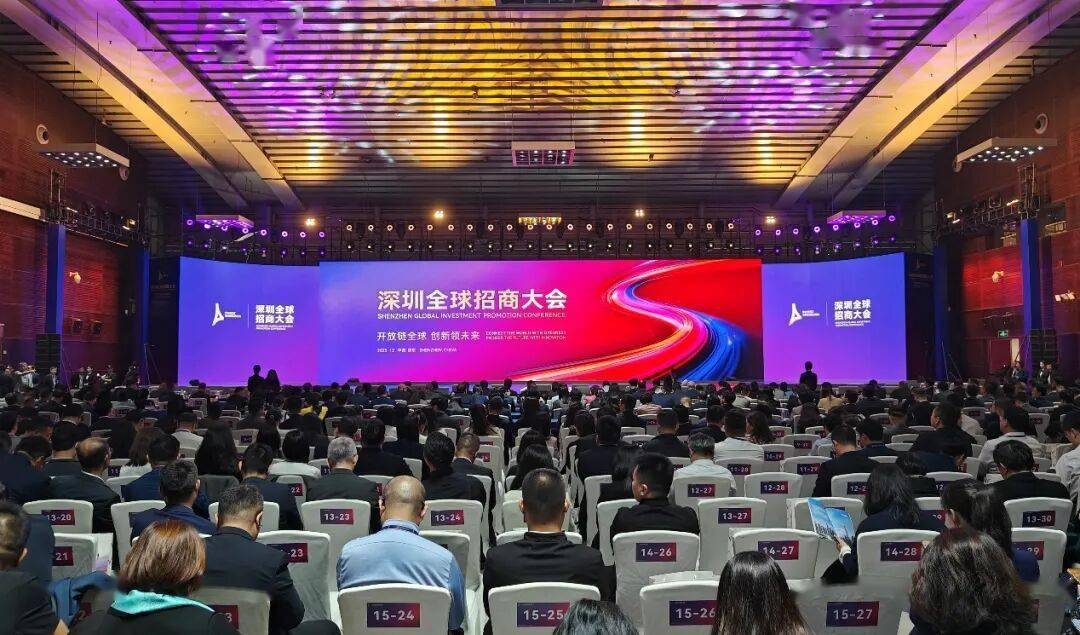
深圳全球招商大会签约7700亿,10+1区落地哪些重点项目?正在放什么大招?
Sou Hu Cai Jing· 2025-12-17 18:05
在这场盛会上,深圳各区集体发力,瞄准新赛道、拥抱新机会,向全球投资者抛出橄榄枝,招引一批优质项目,呈现出"方向准、诚意足、成果丰"的鲜明 特点。 ——靶向发力,各区招商各有专攻。招商引资,方向是关键。深圳各区深谙"有所为有所不为"之道,立足自身资源禀赋与产业优势,精准锚定招商方向, 在差异化发展中抢占产业高地,展现出推动产业跃升的强烈主动性,在金融、人工智能、高端装备、新能源汽车等赛道"各显神通",形成了"各区有专 攻、全域齐发力"的招商格局。 ——诚意加码,真招实策引凤来栖。欲引金凤凰,先栽梧桐树。深圳各区拿出真招实策,从资金支持、空间保障到环境优化,全方位打造营商沃土。同 时,各区也抓住全球招商大会客商云集的契机,开展城区营销,将企业家请到辖地走走看看,企业家们亲身感受到扑面而来的发展机遇,更加坚定"投资 深圳"的信心。 ——硕果盈枝:全球资本青睐鹏城。各区"盆满钵满"、引资规模再创新高,一批投资规模大、科技含量高、发展潜力足的优质项目相继落地,一大批世界 500强、央企国企、上市公司、专精特新"小巨人"企业成为招商主力,战略性新兴产业与未来产业项目占比显著提升,彰显了深圳产业生态对全球资金的 强大吸引力 ...
“2025德勤中国高科技高成长50强及明日之星”榜单在无锡揭晓
Yang Zi Wan Bao Wang· 2025-12-17 10:59
Core Insights - The "2025 Deloitte China High-Tech High-Growth 50" and "Deloitte China Tomorrow's Stars" lists were unveiled, highlighting trends and challenges in the high-tech sector in China [1][2] Group 1: Revenue and Growth - The average three-year cumulative revenue growth rate for the 2025 China 50 Strong companies is 490%, showing a slight decline compared to 2024, while the top 10 companies' growth rates remained stable [3] - Companies with revenues between 50 million and 100 million yuan now account for 38% of the list, while those with revenues over 100 million yuan maintain a 44% share, indicating a rise in mid-sized companies [3] Group 2: Geographic Distribution - The Greater Bay Area accounts for 52% of the companies, followed by Beijing-Tianjin-Hebei and the Yangtze River Delta, with first-tier cities like Shenzhen, Shanghai, Beijing, and Guangzhou being the primary hubs for tech startups [3][4] - Jiangsu province has limited representation, with only one company in the "China 50 Strong" list, indicating a need for improvement in core enterprise development [4] Group 3: Industry Distribution - The hardware sector leads with a 28% share, followed by high-end equipment at 18%, benefiting from growth in the semiconductor field and smart manufacturing [3] - The clean technology sector has increased to 10% due to the inclusion of more renewable energy companies, while software and life sciences have seen declines, reflecting a shift towards hard technology [3] Group 4: AI and Innovation - 23% of the China 50 Strong companies and 66% of Tomorrow's Stars allocate over 50% of their revenue to AI R&D, highlighting the critical role of AI in driving innovation [5] - Companies face challenges such as a shortage of high-tech talent and rising R&D costs, with a focus on core technology development and product diversification as key strategies for resilience [5] Group 5: Regional Development - The event marked the first time the Deloitte project was held in Wuxi, recognizing the city's innovation ecosystem and providing a platform for technology and industry exchange [5][6] - Wuxi has established itself as an innovative demonstration zone, successfully nurturing high-growth companies in sectors like electronic information, renewable energy, and biomedicine [6]
