服务贸易

Search documents
第9届南博会将展示新质生产力成果 引领消费新趋势
Zhong Guo Xin Wen Wang· 2025-06-06 17:30
Group 1 - The 9th China-South Asia Expo will focus on green trade, digital trade, service trade, and showcasing new productive forces to deepen economic cooperation and lead new consumption trends [1] - The expo will feature a Green Energy Pavilion to promote cross-border green electricity trading platforms aimed at South Asia and Southeast Asia, showcasing clean energy technologies and applications [1] - The event will leverage the upcoming Kunming International Communication Hub to empower the development of cross-border e-commerce, finance, logistics, and esports in the digital economy [1] Group 2 - The expo will introduce the "Travel to Yunnan" pavilion, showcasing traditional Chinese medicine services, cross-border health tourism routes, and the integration of business, travel, and sports [2] - The Modern Agriculture Pavilion and South Asia Commodity (Tea) Festival will highlight tea exchange, flower variety research, and smart planting technologies [2] - The expo will host nearly 40 professional economic and trade activities, including the 6th China-South Asia Cooperation Forum and the first "Yunnan International Friendship Cities Cooperation Week" [2]
1月份至4月份我国服务贸易保持较快增长 同比增长8.2%
Zheng Quan Ri Bao Wang· 2025-06-06 12:44
Core Insights - China's service trade showed strong resilience and vitality in the first four months of 2025, with a total import and export value of 26,320.6 billion yuan, a year-on-year increase of 8.2% [1][2] - Knowledge-intensive service trade is steadily growing, indicating significant results from the optimization and upgrading of China's economic structure, positioning service trade as a new growth point in foreign trade [2][3] - Travel services experienced the fastest growth, with imports and exports reaching 7,567.8 billion yuan, a growth of 14.7%, making it the largest sector in service trade [1] Service Trade Performance - Total service trade import and export value reached 26,320.6 billion yuan, with exports at 11,285.2 billion yuan (up 14.6%) and imports at 15,035.4 billion yuan (up 3.9%) [1] - The service trade deficit decreased to 3,750.2 billion yuan, a reduction of 875.6 billion yuan compared to the previous year [1] Knowledge-Intensive Services - Knowledge-intensive service trade reached 10,163.6 billion yuan, growing by 5.5%, with significant contributions from other business services and telecommunications, computer, and information services [1] - Exports of knowledge-intensive services amounted to 5,902.4 billion yuan (up 6.1%), while imports were 4,261.2 billion yuan (up 4.6%), resulting in a surplus of 1,641.2 billion yuan, an increase of 152.6 billion yuan year-on-year [1] Policy and Development - Recent policies from cities like Shanghai, Beijing, and Shenzhen aim to promote high-quality development in digital and service trade, reflecting a commitment to enhancing international competitiveness [2] - Experts suggest that accelerating the development of technology-intensive services and improving the openness of the service sector will be crucial for enhancing international competitiveness and reducing trade deficits [3]
工业数据印证核心资产风格或将长期上行
2025-06-06 02:37
Summary of Key Points from Conference Call Records Industry Overview - The records discuss the **Chinese economy** and its transition from a debt-driven cycle to a more sustainable growth model driven by supply constraints, indicating a healthier economic path with significantly reduced endogenous volatility [1][4][8]. Core Insights and Arguments - **Industrial Output and Resilience**: Despite facing challenges from US-China tariffs, China's industrial output structure is optimizing, with mid and downstream manufacturing showing strong resilience. The data indicates a decline in volume but stable prices and profit growth, suggesting an improving supply landscape [1][5][9]. - **Capital Expenditure Trends**: Capital expenditure by Chinese listed companies has decreased since 2021, currently at low levels. However, as the supply structure improves, the profit weight of midstream manufacturing is increasing, while downstream consumer manufacturing is slowly recovering, indicating potential for stable growth in the future [1][6][7]. - **Technological Development**: The advancement in technology, particularly in robotics, drones, and new drug development, is enhancing China's industrial resilience and promoting stable, sustainable economic growth [1][12]. - **New Consumption Trends**: There is a notable increase in demand from middle and low-income groups, particularly in third and fourth-tier cities, which are leading the consumption recovery. However, the overall recovery remains weak [1][15][16]. - **Profit Expansion Model Shift**: The profit expansion model in China's capital market is shifting from being driven by capital expenditure to being based on supply constraints. This change suggests that industry leaders with stable cash flows will see an increase in valuation levels [1][17][18]. Additional Important Insights - **Global Economic Impact**: The US debt crisis and policy adjustments may lead to a shift in the global economy towards an inflationary logic rather than recession, positively impacting global markets and potentially accelerating the appreciation of the Renminbi [1][13]. - **Supply and Demand Dynamics**: The supply-demand landscape is improving, with a gradual recovery expected in mid and downstream manufacturing. This improvement is not driven by demand but by a rebalancing of supply and demand [1][10][11]. - **Long-term Renminbi Appreciation**: The long-term trend indicates a potential appreciation of the Renminbi due to the gradual decline of the dollar's global dominance, supported by China's manufacturing and geopolitical strengths [1][19][20]. - **Impact on Capital Markets**: The influx of capital from the US into the Chinese market is expected to drive asset prices up, particularly in the Hong Kong stock market, which may also reflect in the A-share market [1][24][25]. This summary encapsulates the key points and insights from the conference call records, highlighting the current state and future outlook of the Chinese economy and its industries.
辽宁—香港投资推广交流会助辽企借港出海
Sou Hu Cai Jing· 2025-06-05 10:33
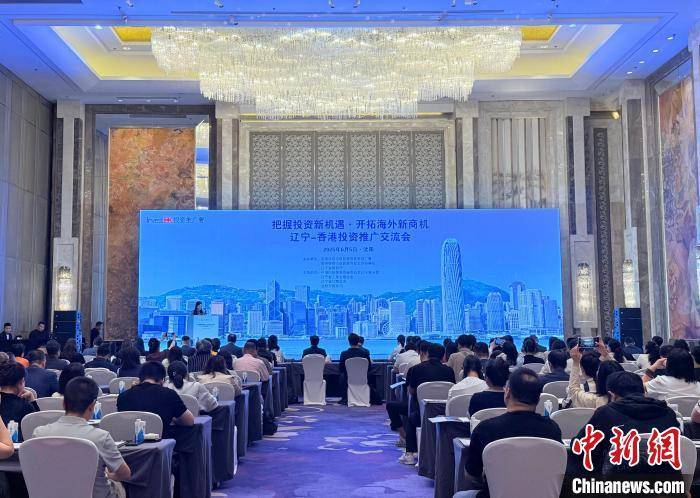
Group 1 - The "Liaoning-Hong Kong Investment Promotion Exchange Conference" was held in Shenyang on June 5, aiming to help Liaoning enterprises leverage Hong Kong for overseas expansion and promote mutual cooperation [2][3][5] - Hong Kong is the largest source of foreign investment for Liaoning, with over 13,000 foreign enterprises established in Liaoning by April 2025, accounting for 46.3% of the province's total foreign investment [5] - There are over 300 Liaoning enterprises investing in Hong Kong, with a registered investment amount exceeding $7.5 billion [5] Group 2 - The event was co-hosted by the Hong Kong Special Administrative Region Government's Invest Hong Kong, the Beijing Office of the Hong Kong Government, and the Liaoning Provincial Department of Commerce [3][5] - The Assistant Director of Invest Hong Kong emphasized the strong performance of mainland enterprises listed in Hong Kong, with 20 companies from Liaoning across various sectors including manufacturing, energy, finance, and healthcare [3][5] - The Liaoning Provincial Department of Commerce expressed the intention to expand trade in machinery, agricultural products, and consumer goods, and to encourage Hong Kong enterprises to invest in advanced manufacturing, new energy, and digital economy sectors in Liaoning [3][5]

拉丁美洲国际商业和类型考试
OECD· 2025-05-30 04:10
Investment Rating - The report does not explicitly provide an investment rating for the industry. Core Insights - The report highlights the participation of women in international trade and the effects of trade and trade policies on women in seven Latin American countries: Argentina, Brazil, Chile, Colombia, Costa Rica, Mexico, and Peru. It examines women's roles in international trade as workers, consumers, and business leaders, proposing recommendations to ensure women benefit from international trade and contribute to regional prosperity [16][19]. Summary by Sections 1. Employment of Women - Women hold fewer jobs directly and indirectly related to trade compared to men, with a 40% lower likelihood of occupying export-related jobs. This disparity is largely due to occupational segregation, with women more prevalent in sectors less involved in international trade, such as health and education [32][60]. - The report indicates that women are less likely to occupy higher-paying, more productive jobs associated with international trade, and this trend has remained stable over time [60][61]. 2. Women Business Leaders in International Trade - Only 10% of women-led businesses engage in international trade compared to 14% of men-led businesses. Women entrepreneurs face challenges such as access to financing and market knowledge, which hinder their participation in international trade [33][34]. - Women-led businesses are more likely to operate in the informal economy, which limits their export potential compared to male-led businesses [36]. 3. Women as Consumers - Lower tariffs benefit low-income households more significantly, with poorer households losing twice as much purchasing power due to price increases from tariffs compared to wealthier households. Spending habits differ slightly between male and female-headed households, but income remains the primary influence [39]. 4. Trade in Services - Women predominantly work and lead businesses in the services sector. Barriers to service trade can increase costs and reduce competitiveness for all businesses, regardless of leadership gender [37]. 5. Trade Facilitation - Women-led businesses are generally smaller and face greater challenges due to cumbersome administrative procedures at borders. However, the report notes improvements in trade facilitation in the studied countries over the past decade, with efficiency gains in customs procedures ranging from 3% to 20% since the implementation of the WTO Trade Facilitation Agreement in 2017 [38]. 6. Trade Agreements and Gender - Latin American countries have been pioneers in including gender equality provisions in trade agreements, with 40 out of 87 agreements signed by the studied countries explicitly addressing gender issues. All countries involved have committed to the Global Arrangement on Trade and Gender, aiming to promote women's access to trade opportunities [40][41]. 7. Recommendations for Action - The report suggests integrating gender considerations into trade agreements, supporting gender-sensitive policy development, and enhancing data collection disaggregated by gender to better support women's economic empowerment through international trade [41][42].
抵离更便利、贸易匹配更精准、活动更丰富,北京向驻华使节及代表推介2025年服贸会
Bei Jing Shang Bao· 2025-05-29 03:14
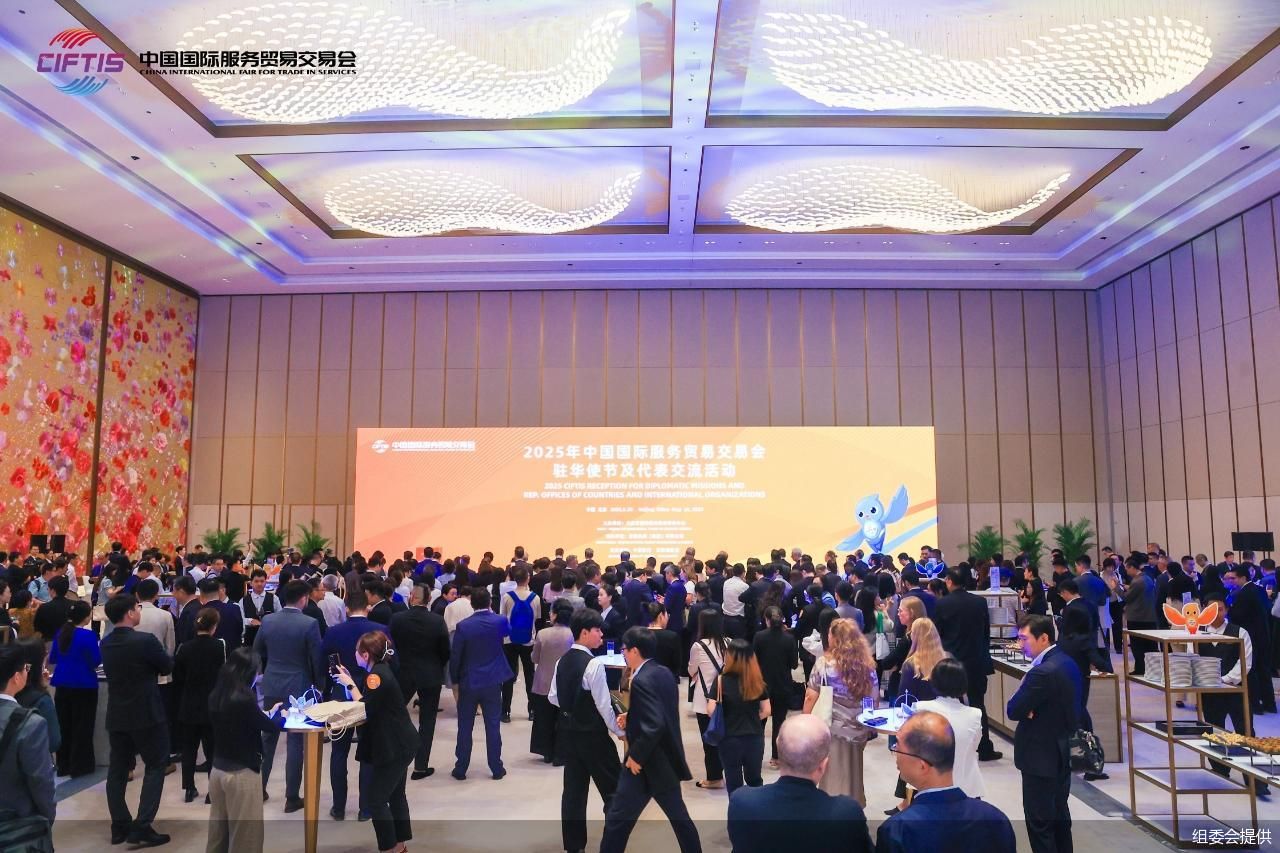
Core Points - The 2025 China International Service Trade Fair (CIFT) will be held from September 10 to September 14, 2025, at the Shougang Park, establishing a fixed annual schedule for the event [3][4] - The fair aims to enhance international cooperation in the service industry and trade, serving as a significant platform for showcasing new technologies and applications [3][4] - Various activities will be organized, including a Global Service Trade Summit, exhibitions, forums, and trade negotiations, with a focus on inviting foreign countries and international organizations [3][4] Group 1 - The CIFT is recognized as an international, comprehensive, large-scale exhibition and trading platform specifically for service trade [3] - The event will feature a series of activities designed to promote interaction and collaboration among participants [3] - The fair will include specialized exhibitions inviting foreign government agencies, international organizations, and representative enterprises from the service trade sector [3][4] Group 2 - Enhanced services will be provided for trade matching, entry and exit convenience, dining guarantees, and registration processes for participants [4] - The event will implement policies to facilitate visa processing and improve transportation connections within the Shougang Park [4] - The organizer encourages participation from various countries and international organizations to share business opportunities and foster development [4]
三亚服务贸易稳健增长 入境游市场表现抢眼
Zhong Guo Xin Wen Wang· 2025-05-24 00:49
Core Insights - Sanya's service trade total reached 4.134 billion yuan from January to April, showing a year-on-year growth of 29.41% [1] - The export value was 3.585 billion yuan, with a significant increase of 52.71% year-on-year [1] - The service trade surplus expanded to 3.036 billion yuan, marking a year-on-year increase of 78.2% [1] Trade Performance - The number of service trade partners in Sanya increased to 74, indicating an expanding international network [1] - The travel service sector led the growth, with an import and export value of 2.913 billion yuan, accounting for 70.45% of the total service trade, and a year-on-year growth of 112% [1] - The inbound tourism market showed remarkable performance, driving service exports to grow by 120% year-on-year [1] Emerging Service Sectors - New service trade sectors, such as computer services, intellectual property fees, and insurance services, demonstrated robust growth [1] - Computer services maintained a scale of over 1 billion yuan, while intellectual property fees grew by 45.76% and insurance services by 87.77% year-on-year [1] International Market Dynamics - Emerging markets like Russia and Serbia showed outstanding performance, with service trade values increasing by 7.53 times and 3.35 times respectively [1] - These markets are becoming new growth points for Sanya's service trade [1] Future Outlook - The Sanya Municipal Bureau of Commerce plans to enhance the development of digital and financial insurance services while optimizing the service trade structure [2] - With the implementation of various policy measures, Sanya's service trade is expected to maintain a positive growth trend [2]
今年前4月海南经济增长保持稳中向好
Hai Nan Ri Bao· 2025-05-23 01:08
建安投资小幅增长,基础设施投资拉动明显。1—4月,全省建安投资增长2%。分领域看,基础设 施投资(不含电力、燃气及水的生产和供应业)同比增长31.4%,拉动全部投资增长6.6个百分点;公共 服务投资增长30.5%。 市场销售稳中提速,"以旧换新"成效明显。1—4月,全省社会消费品零售总额877.77亿元,同比增 长6.1%,较一季度加快1.9个百分点。按消费类型分,商品零售774.89亿元,同比增长6.9%;餐饮收入 102.87亿元,增长0.3%。"以旧换新"加力扩围工作持续推进,全省限额以上家用电器和音像器材类零售 额同比增长7.7%,通讯器材类零售额增长5.6%,家具类零售额增长2.8倍,建筑及装潢材料类零售额增 长3.3倍。汽车类零售额同比增长78.7%,其中新能源汽车零售额增长1.6倍。 服务贸易较快增长,财政金融运行平稳。1—4月,全省服务进出口总额216.26亿元,同比增长 19.2%。全省地方一般公共预算收入359.15亿元,同比增长3.8%。地方一般公共预算支出779.67亿元, 同比增长10.8%。 居民消费价格同比略降,绿色发展持续向好。1—4月,全省居民消费价格同比下降0.4%。全省环 ...
智利积极推动出口多元化 铜仍是出口主力,但水果和服务出口均大幅增长
Ren Min Ri Bao· 2025-05-14 22:18
Group 1 - Chile's total export value is projected to exceed $100 billion for the first time in 2024, reaching $100.163 billion, a year-on-year increase of 5.9% [1] - Copper remains the largest export product, with an export value of $50.858 billion, while non-traditional exports such as fruits and seafood totaled $43.755 billion, remaining stable compared to 2023 [1] - Fresh fruit exports have shown significant growth, reaching $8.245 billion, with an increase of 28.6% [1] - Service exports also reached a record high of $2.869 billion in 2024, marking an 18% year-on-year growth [1] Group 2 - The Chilean government has implemented measures to enhance the competitiveness of agricultural exports, including increasing labor supply and infrastructure investment [2] - In the service trade sector, an electronic platform called "Chile Services" was established to assist service exporters with VAT refunds and market access [2] - The Chilean Export Promotion Agency launched a competition in July 2024 to support entrepreneurship and service industries, providing funding for international exhibitions and legal consulting [2] Group 3 - In 2024, 8,567 Chilean companies engaged in export activities, with 53% being small and medium-sized enterprises (SMEs) [3] - Chile hosted its first Global Solutions Export Matching Conference in 2024 and supported SMEs in participating in international industry meetings [3] - An upgraded free trade agreement with Mexico includes provisions for SMEs, enhancing their participation in foreign trade [3] Group 4 - China remains Chile's largest export destination, with exports to China reaching $37.835 billion, accounting for over 37% of total exports, and a year-on-year increase of 6% [4] - During the ninth "Chile Week" in December, 25 Chilean companies promoted products such as fresh fruits, wine, and meat in China [4] - Two significant agreements were signed with China, facilitating the transport of fresh fruits and including chilled pork in the list of products allowed for export [4]
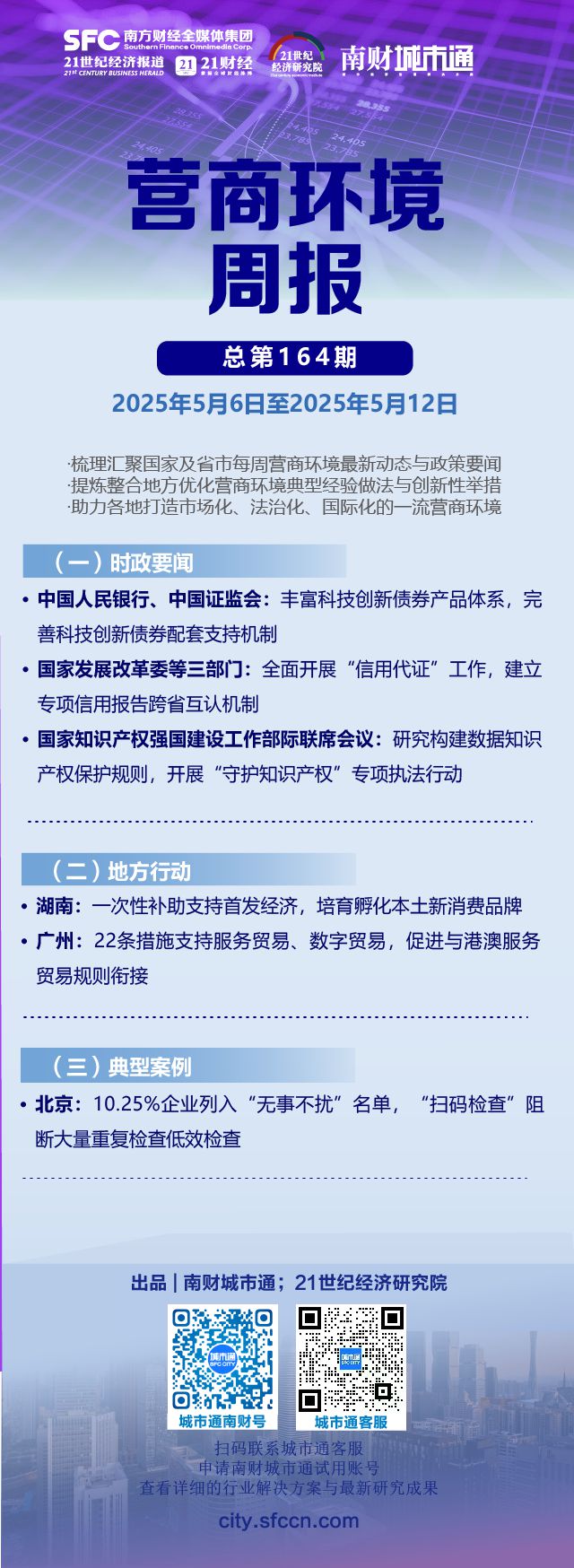
营商环境周报(第164期)|全面开展“信用代证”工作,研究构建数据知识产权保护规则
2 1 Shi Ji Jing Ji Bao Dao· 2025-05-13 07:40
Key Points - The People's Bank of China and the China Securities Regulatory Commission have announced measures to enrich the technology innovation bond product system and improve the supporting mechanisms for these bonds, aiming to broaden financing channels for technology innovation enterprises [5][6] - The National Development and Reform Commission, along with other departments, is implementing a "credit代证" initiative to establish a cross-province mutual recognition mechanism for special credit reports, which will replace multiple administrative certificates [8][9] - The National Intellectual Property Administration is advancing a plan to construct data intellectual property protection rules and is launching a special enforcement action to safeguard intellectual property rights [10][11] - Hunan Province has introduced policies to support the development of a "first launch economy," providing financial assistance for opening new stores and hosting launch events [12][13] - Guangzhou has issued 22 measures to support service trade and digital trade, promoting alignment with Hong Kong and Macau service trade rules [14][15] - Beijing has implemented a "no disturbance" policy for businesses, significantly reducing redundant inspections and promoting the use of electronic business licenses [16][17]