
酒类

Search documents
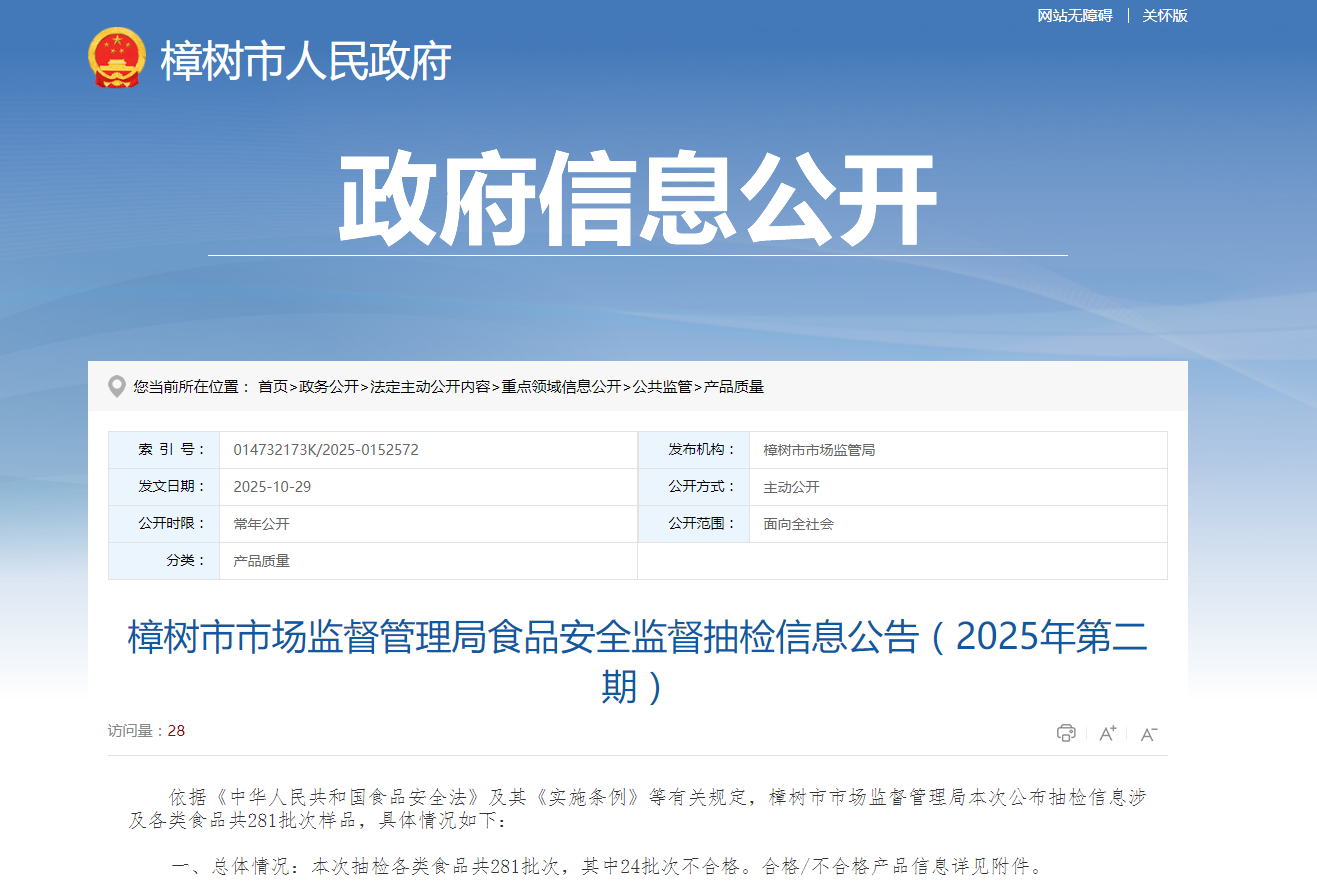
江西省樟树市市场监督管理局食品安全监督抽检信息公告(2025年第二期)
Zhong Guo Zhi Liang Xin Wen Wang· 2025-11-10 06:57
Summary of Key Points - The article discusses the food safety inspection results released by the Zhangshu City Market Supervision Administration, indicating that out of 281 food samples tested, 24 were found to be non-compliant with safety standards [3][10]. Group 1: Overall Inspection Results - A total of 281 food samples were tested, with 24 samples failing to meet safety standards, resulting in a compliance rate of approximately 91.5% [3][10]. - The inspection covered various categories of food products, including processed foods, agricultural products, and health foods [3][10]. Group 2: Inspection Standards - The inspections were conducted based on multiple national food safety standards, including GB 2760-2014 for food additives and GB 2762-2017 for contaminant limits [4][5][6]. - Specific standards for processed foods included GB 7101-2015 for beverages and GB 5009.5-2016 for protein content [5][6]. Group 3: Testing Items - The inspection included a variety of testing items such as preservatives, microbial counts, and pesticide residues [7][9]. - For processed foods, tests were conducted on parameters like protein content, total bacterial count, and the presence of specific additives [7][9]. Group 4: Compliance Details - The report lists several food establishments and their respective products, with most items being compliant, including various types of meat, baked goods, and beverages [10][12]. - Notable compliant products included marinated pork ears, roasted duck, and various types of pastries [10][12].

酒类股强势上扬,舍得酒业、酒鬼酒涨停,泸州老窖等走高
Zheng Quan Shi Bao Wang· 2025-11-10 06:49
Group 1 - The core viewpoint is that the liquor sector has seen a strong rise in stock prices recently, despite ongoing challenges in the industry due to slow domestic consumption recovery and tightening policies [1] - Major liquor companies such as Shede Liquor, Jiu Gui Jiu, and Kweichow Moutai have experienced significant stock price increases, with some reaching their daily limit [1] - The white liquor industry has faced weak demand, with both sales volume and retail prices showing a year-on-year decline, leading to a significant underperformance compared to the market [1] Group 2 - CITIC Securities predicts that while the white liquor industry will continue to face pressure in the short term, the second half of 2025 will mark the bottom of the industry's fundamentals, with the weakest sales and lowest market expectations [1] - The report suggests that the beer industry will see stable revenue and profits in 2026, with a focus on companies that have strong channel management and product potential [1] - Xiangcai Securities highlights that the current valuation of the sector is relatively low, presenting opportunities for bottoming out and recovery, emphasizing the importance of innovation in categories, channels, and consumption scenarios [2]


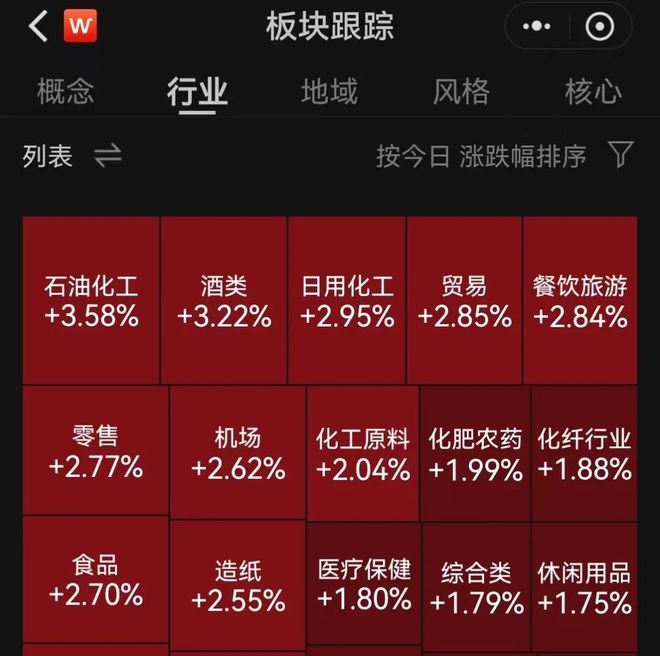
大消费板块,午后大涨
Di Yi Cai Jing Zi Xun· 2025-11-10 05:58
Core Viewpoint - The consumer sector is experiencing a significant rise, particularly in the liquor, restaurant, tourism, and food industries, as evidenced by the performance of various stocks and indices [1][2]. Group 1: Sector Performance - The oil and chemical sector increased by 3.58%, while the liquor sector rose by 3.22% and the restaurant and tourism sector by 2.84% [2]. - Other notable sectors include retail (+2.77%), food (+2.70%), and healthcare (+1.80%) [2]. Group 2: Stock Highlights - Several stocks reached their daily limit, including Shede Liquor, Kweichow Moutai, and Jinjiang Hotels, indicating strong investor interest [2]. - Specific stock performances include: - Shede Liquor at 65.63, up 10.01% - Kweichow Moutai at 23.57, up 9.99% - Luzhou Laojiao at 142.25, up 8.05% [3]. Group 3: Food Sector Insights - The food index increased by 2.80%, with stocks like Gais Food and Sanyuan Holdings showing significant gains of 10.07% and 10.06%, respectively [4]. - The Ministry of Finance announced plans to continue implementing policies to boost consumption, particularly in key areas such as personal consumption loans [4].



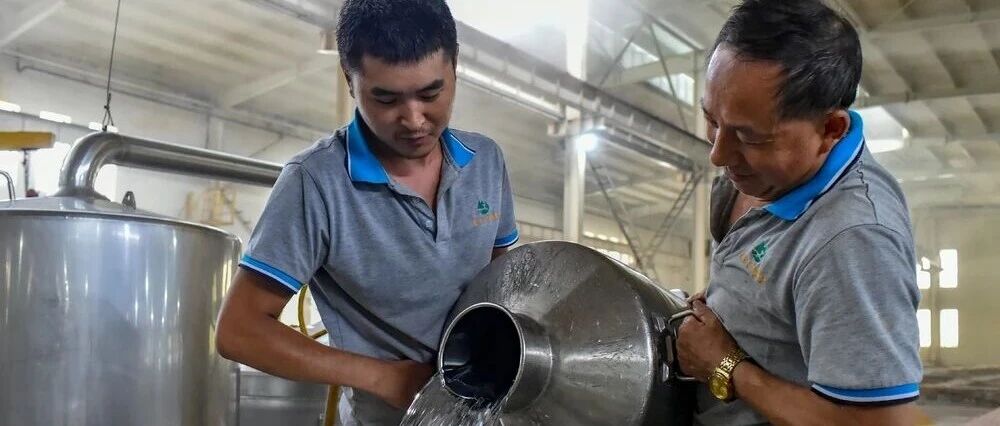
二十一牌酒坊(大理)有限公司成立 注册资本100万人民币
Sou Hu Cai Jing· 2025-11-09 12:11
Core Viewpoint - A new company named "二十一牌酒坊(大理)有限公司" has been established with a registered capital of 1 million RMB, focusing on alcohol and food sales [1] Company Summary - The legal representative of the company is Lin Chengfu [1] - The registered capital of the company is 1 million RMB [1] - The company is involved in licensed projects including alcohol sales and food sales, which require approval from relevant authorities [1] Business Scope - The company’s general business activities include: - Sales of pre-packaged food [1] - Wholesale of edible agricultural products [1] - Sales of agricultural by-products [1] - Sales of health food (pre-packaged) [1] - Import and export of goods [1] - Organization of cultural and artistic exchange activities [1] - Conference and exhibition services [1] - Technical services, development, consulting, exchange, transfer, and promotion [1] - Internet sales (excluding goods that require licenses) [1]
中国人集体戒酒
虎嗅APP· 2025-11-09 02:47
Core Viewpoint - The Chinese liquor industry, particularly high-end liquor, is experiencing a significant downturn, with prices and consumption declining sharply, indicating a shift in consumer behavior and preferences [5][9][11]. Group 1: Liquor Price Decline - The wholesale price of 53-degree Feitian Moutai has dropped below 1600 yuan, reaching a historical low of 1640 yuan, a decline of over 31% since the beginning of the year [6][9]. - Other Moutai variants have also seen drastic price reductions, with some export versions priced as low as 1484 yuan, while dealer acquisition costs remain between 1600 and 1700 yuan [7]. - The overall performance of the liquor industry is suffering, with over half of the 20 listed liquor companies reporting a decline in profits, and some regional companies experiencing profit drops of up to 90% [11][12]. Group 2: Industry-Wide Impact - The crisis has spread throughout the liquor industry, with inventory turnover days exceeding 180 days for most companies, and some reaching 300 days, indicating severe inventory pressure [11][12]. - The financial attributes of high-end liquor are diminishing, reverting to commodity status, as both speculative buyers and regular consumers are increasingly disinterested [14][16]. Group 3: Changing Consumption Patterns - The overall liquor consumption in China is declining, with 2024 white liquor production projected at 414.5 million tons, less than one-third of the 2016 peak of 1358.4 million tons [27]. - Beer production is also on the decline, with a projected 2024 output of over 34 million tons, a 5% decrease year-on-year, and a significant drop from the 2013 peak of 50.62 million tons [32][33]. - The domestic red wine market is facing a severe contraction, with production expected to fall to 260 million liters in 2024, a 17% year-on-year decline, and a staggering 77% drop from its 2015 peak [39][40]. Group 4: Shifts in Consumer Preferences - Younger consumers show a marked preference for beer and other alcoholic beverages over traditional white liquor, with only 19% of 20-35-year-olds expressing a liking for white liquor compared to 52% for beer [76]. - The frequency of white liquor at social events is declining, with 17% of newlyweds opting for "no white liquor" at their weddings in 2025, a 12% increase from 2020 [78]. - The trend of "good liquor without excessive drinking" is emerging, as consumers seek quality over quantity, leading to a rise in craft beer popularity [59][62]. Group 5: Industry Response - Major liquor companies are attempting to adapt by launching new product lines aimed at younger consumers, such as low-alcohol options and creative packaging [81]. - Despite these efforts, the effectiveness of these strategies remains questionable, as the market dynamics continue to shift away from traditional high-end liquor consumption [84].

进博观察:进口酒商押宝低度无醇赛道,转向葡萄酒日常饮用场景
Bei Ke Cai Jing· 2025-11-08 15:00
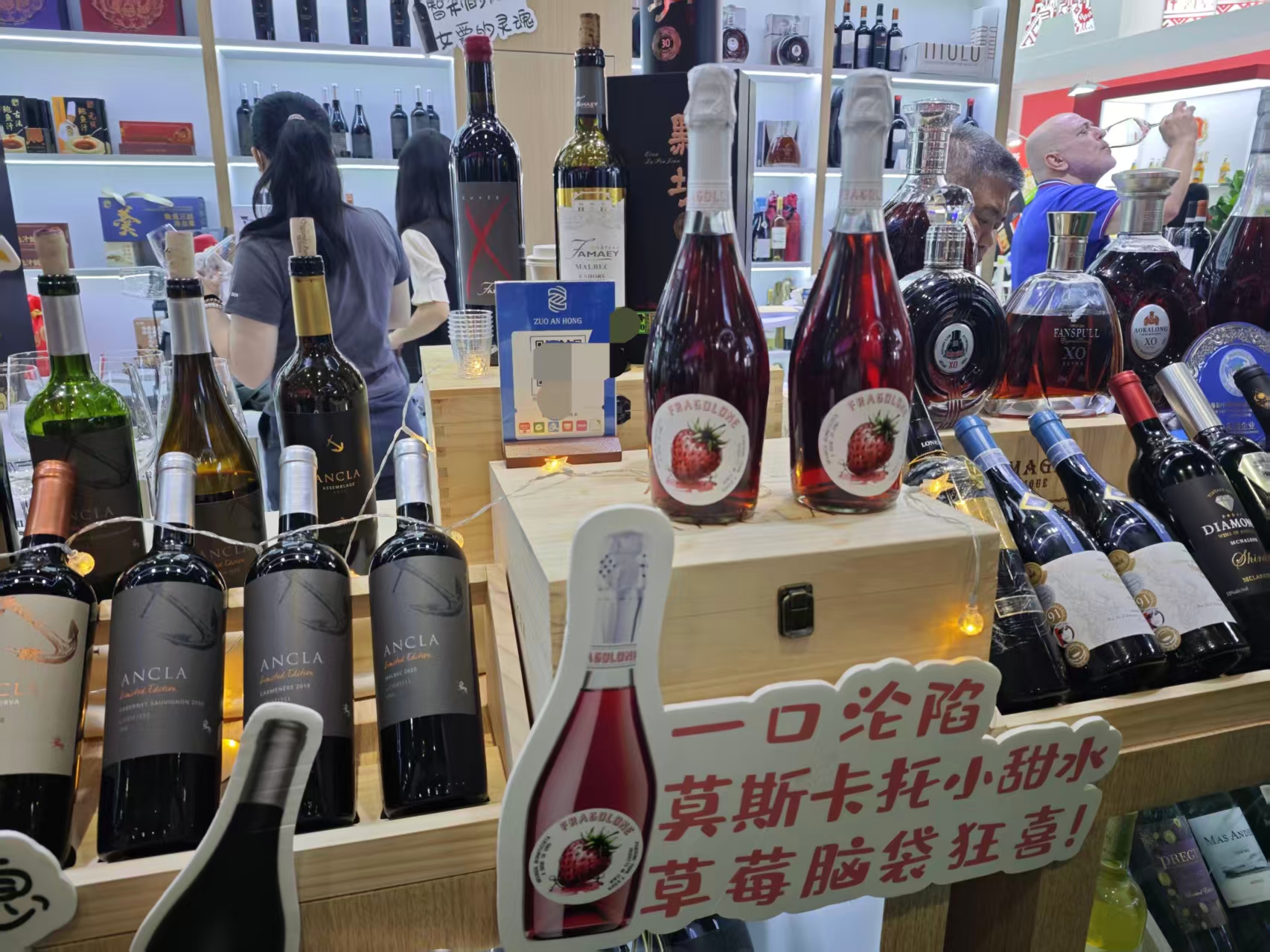
Core Insights - The eighth China International Import Expo (CIIE) has become a platform for wine merchants from countries like France, Australia, and Canada to seek opportunities amid a challenging domestic wine market [1][4] - China's wine market is undergoing significant adjustments, with a 20.1% year-on-year decline in wine imports from January to August 2025, indicating a shift in consumer behavior and market dynamics [1][5] Industry Overview - The Chinese wine market has faced a deep adjustment phase, with mainstream business consumption scenarios shrinking while daily drinking scenarios remain underexplored [1][5] - The overall wine import volume decreased by 20.1% to 1.5 billion liters, while the import value of wine was $10.1 billion, down 2.9% [5] - The average import price of bottled wine under 2 liters increased from $8.7 per liter in 2024 to $9.5 per liter in the first eight months of 2025, reflecting a trend of "less volume, more value" [5][6] Consumer Trends - The decline in wine consumption is attributed to factors such as macroeconomic conditions, generational changes in consumer demographics, and a growing health-conscious mindset regarding alcohol consumption [5][6] - The demand for wine is primarily concentrated in business settings and holiday gifting, with limited growth in household consumption [4][5] Product Innovations - In response to market challenges, wine brands are focusing on low-alcohol and non-alcoholic products to tap into daily consumption scenarios [7][9] - New product launches include low-alcohol wines and non-alcoholic options, such as a strawberry-flavored sparkling wine with 7.5% alcohol and a non-alcoholic wine that retains the flavor of traditional wine [7][9] - The market for non-alcoholic beverages is growing, with imports of such products increasing by 5.17% in volume and 26.94% in value in the first half of 2025 [9][10] Future Outlook - Certain segments within the wine industry, such as sparkling wines, low-alcohol, and organic wines, are expected to see growth despite the overall market challenges [10] - The global trend towards low-alcohol and non-alcoholic products is gaining momentum, with an estimated annual growth rate of 4% in consumption volume from 2024 to 2028 [10]
日本酒要和中餐擦出新火花
第一财经· 2025-11-08 12:43
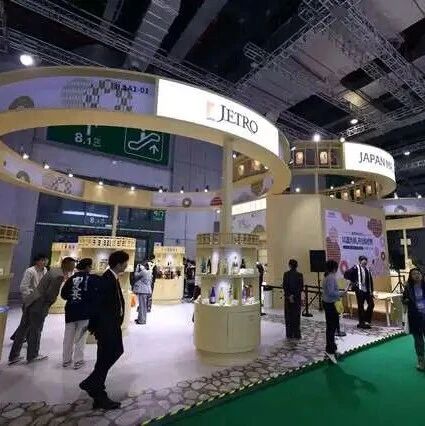
Core Insights - The article highlights the increasing presence of Japanese products, particularly alcoholic beverages, in the Chinese market, showcasing a recovery in exports and a growing interest from Chinese consumers [3][4][5]. Group 1: Japanese Exports to China - Japan's agricultural and food exports to China showed signs of recovery, with a total export value of 116.6 billion yen (approximately 6 billion RMB) in the first eight months of the year, marking a 10% year-on-year increase [3][4]. - In 2024, China is expected to be the largest destination for Japanese exports, particularly in categories such as sake, shochu, and other beverages [3][4]. Group 2: Market Opportunities - The Japan External Trade Organization (JETRO) aims to diversify the consumption scenarios for Japanese sake beyond traditional pairings with Japanese cuisine, seeking to introduce it to various Chinese culinary styles [4]. - Japanese sake is considered a relatively niche market compared to wine, indicating significant growth potential in China [4]. Group 3: Tourism and Economic Impact - Japan welcomed 21.5 million international tourists in the first half of the year, a substantial increase from 17.8 million in the same period last year, with total consumption reaching a record high of 4.805 trillion yen [4][5]. - The Japan National Tourism Organization is promoting lesser-known regions to attract Chinese tourists, which could further boost local economies [4]. Group 4: Japanese Companies in China - A total of 320 Japanese companies participated in the eighth China International Import Expo, covering various sectors such as energy, consumer goods, automotive, and materials, emphasizing the expo's role as a key platform for understanding the Chinese market [5][6]. - The Japan Chamber of Commerce in China reported a slight improvement in the business outlook for Japanese companies in China, with 86% planning to expand or maintain operations in the next 1-2 years [6].
品酒试衣开开车……希腊姑娘体验进博“洋”产品
人民网-国际频道 原创稿· 2025-11-07 08:00
Core Points - The 8th China International Import Expo is held in Shanghai from November 5 to 10, showcasing global products and innovations [2] - The national comprehensive exhibition features diverse international offerings, including Greek ouzo, Mongolian cashmere hats, and Swedish heavy trucks, highlighting the cultural and manufacturing strengths of different countries [2] Industry Insights - The event emphasizes the importance of international trade and cultural exchange, providing a platform for global brands to reach Chinese consumers [2] - The expo reflects China's commitment to opening its market and enhancing cooperation with other countries, potentially leading to increased foreign investment and trade opportunities [2]
金钢山酒业战略新品“孟子之道”隆重发布
Qi Lu Wan Bao· 2025-11-07 07:53
Core Insights - The article highlights the strategic launch of the new product "Mengzi's Way" by Jingshan Distillery, which has received a five-star quality rating in the Shandong liquor industry, marking a significant step in the company's efforts to penetrate the mid-to-high-end market [1][2]. Group 1: Company Background and Challenges - Jingshan Distillery, with a history dating back to 1887, is recognized as a key grain liquor producer in Shandong and holds the intangible cultural heritage of "Steel Mountain liquor traditional brewing techniques" [2]. - The company faces significant challenges in a competitive "stock era," identifying three major bottlenecks: having resources but lacking premium pricing, possessing culture but lacking empowerment, and having quality but lacking benchmarks [2]. Group 2: Strategic Product Launch - The launch of "Mengzi's Way" is not merely a product introduction but represents a comprehensive strategic upgrade for Jingshan Distillery, focusing on three core aspects: cultural empowerment, quality assurance, and a dual-brand strategy [3]. - The brand name "Mengzi's Way" leverages cultural heritage, aiming to transform the brand from a regional product to a cultural icon, thereby capturing a higher value position in the market [3]. - The "Mengzi's Way" series utilizes aged liquor over ten years from the Sacred Spring Cave, introducing a unique "composite strong aroma" style that combines rich flavors with a refreshing finish, enhancing the drinking experience [3]. Group 3: Future Outlook - The recent government guidance on promoting historical classic industries, including liquor, presents new opportunities for growth in the white liquor sector [4]. - Jingshan Distillery plans to deepen its dual-brand strategy while embracing digital transformation and cross-industry integration, aiming to create diverse consumer experiences that reflect its rich cultural heritage [4]. - The introduction of "Mengzi's Way" not only signifies a rebirth for the company but also serves as a model for other traditional liquor enterprises facing transformation pressures, showcasing a dual-driven approach of technology and culture [4].
南阳市醇叶商贸有限公司成立 注册资本50万人民币
Sou Hu Cai Jing· 2025-11-07 06:16
Core Insights - Nanyang Chunye Trading Co., Ltd. has recently been established with a registered capital of 500,000 RMB [1] Business Scope - The company is authorized to operate in various sectors including liquor sales, catering services, food sales, and food management [1] - It also engages in small-scale catering, bar services (excluding performance entertainment activities), and retail of tobacco products [1] - The company is involved in food production and operates small food workshops, subject to necessary approvals from relevant authorities [1] General Operations - The general business activities include sales of daily necessities, retail of fresh fruits, wholesale of edible agricultural products, and sales of aquatic products [1] - Additional services provided by the company encompass delivery services, daily life services for residents, and organization of cultural and artistic exchange activities [1] - The company is also involved in conference and exhibition services, as well as entertainment exhibitions, operating independently under its business license [1]