王子酒

Search documents
茅台酱香酒突发换帅!“80后”女将接任
Guo Ji Jin Rong Bao· 2026-02-02 13:56
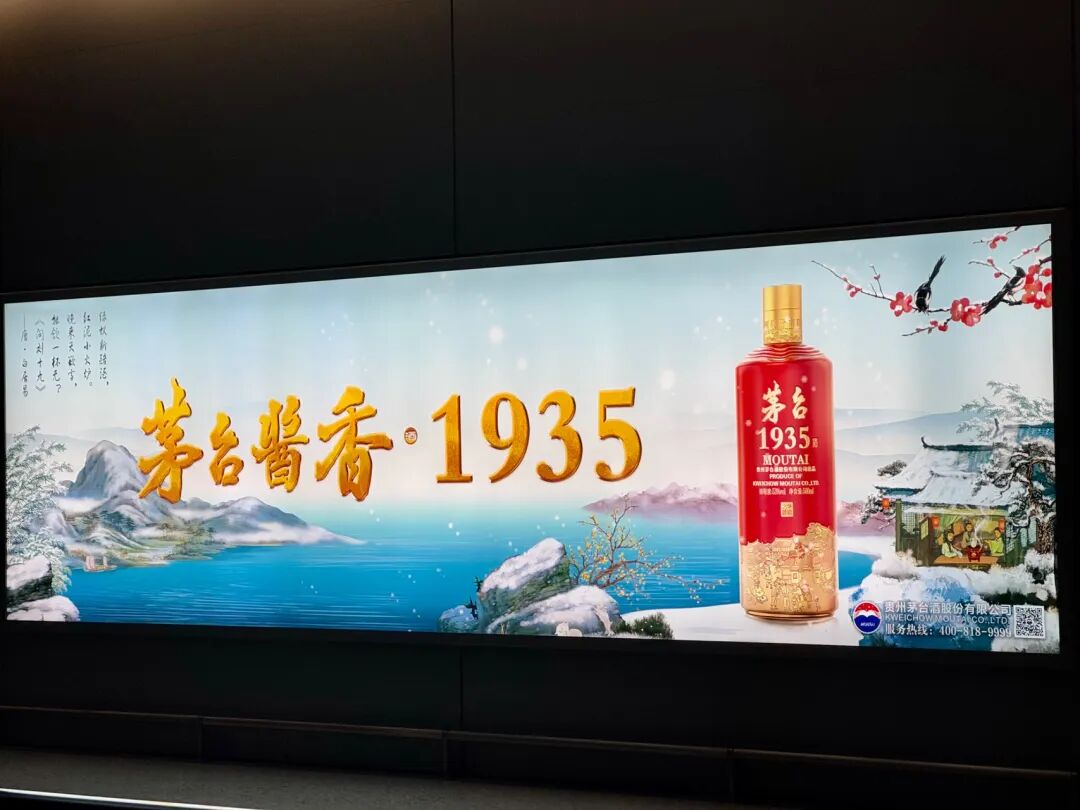
Core Viewpoint - The recent personnel change at Moutai Sauce Fragrance Wine Marketing Co., Ltd. is significant, with the appointment of Xie Qinqing as the new chairperson, replacing Zhang Guichao, who is moving to a higher position within the group. This transition occurs amid challenges in the company's performance and pricing issues in the market [1][5]. Group 1: Personnel Changes - Xie Qinqing, born in September 1982, has a long history within the Moutai Group, having held various positions since January 2021, including roles in the company's governance and development [3]. - Zhang Guichao's tenure as chairman lasted less than a year and a half, which is notably shorter than his predecessors. His leadership saw both opportunities and challenges for the company [4]. Group 2: Company Performance - Before Zhang Guichao took over, the revenue growth rate for the Moutai Sauce series was approximately 30%, but it fell to about 9.4% under his leadership, leading to a decline in growth by the end of the year [5]. - For the first three quarters of 2025, the Moutai Sauce series reported revenue of 17.884 billion yuan, a year-on-year decline of 7.78%, significantly lower than the main Moutai liquor's growth rate of 9.28% [6]. - The Moutai 1935 product, initially priced at 1,188 yuan, has seen its market price drop to between 660 and 700 yuan, indicating a significant price reduction of nearly 38% [7]. Group 3: Market Challenges - The company faces critical issues such as price inversion and declining performance, which will be key challenges for Xie Qinqing in her new role [7][8]. - Analysts predict that Moutai Sauce's total revenue for 2025 may reach around 20 billion yuan, potentially reverting to levels seen before 2023 [7].


茅台跌出机会了吗?
Ge Long Hui· 2026-01-31 09:16
Group 1 - The recent surge in the liquor sector, particularly in the baijiu market, saw an overall increase of over 9% on January 29, with notable gains from companies like Kweichow Moutai and Luzhou Laojiao, while some smaller firms hit their daily limit [1] - The increase in demand for Feitian Moutai, especially as the Spring Festival approaches, has led to a rise in its wholesale price, which recently jumped by 1,000 yuan to exceed 1,700 yuan per bottle [1] - Despite the recent price surge, the fundamentals of the baijiu sector have not fully reversed, with the industry facing significant challenges over the past year, including a decline in the stock price index and numerous companies reporting profit warnings [4][6] Group 2 - The baijiu industry has experienced a significant downturn, with the total production of major baijiu companies halving from 2019 to 2024, while sales revenue has paradoxically increased from 561.8 billion yuan to 796.4 billion yuan, indicating a compound annual growth rate of over 7% [7] - The market sentiment has reached a low point, with only 21.1% of surveyed companies reporting an increase in customer numbers, reflecting a shrinking consumer base [9] - The ongoing price inversion phenomenon highlights the supply-demand imbalance and increasing channel pressures within the industry [12] Group 3 - The historical significance of baijiu as a cultural symbol is being challenged by recent market adjustments, which are shifting focus back to its consumption attributes [17][18] - The competitive landscape is evolving, with a concentration of market share among leading companies, as evidenced by the CR6 firms' profit share rising from 55% in 2014 to 86% in 2024 [15] - The direct sales model adopted by Kweichow Moutai through its iMoutai app is reshaping consumer engagement and pricing strategies, potentially increasing the company's profit margins [20][34] Group 4 - The recent price adjustments and direct sales strategies by Kweichow Moutai are aimed at stabilizing its pricing system while maintaining a degree of premium pricing for older vintages [26][28] - The pressure on other baijiu companies is expected to increase as Moutai's pricing strategies may disrupt the competitive landscape, particularly affecting those in the same price range [41] - The overall outlook for the baijiu industry remains cautious, with expectations for gradual recovery contingent on broader consumer environment improvements [44][45]

茅台跌出机会了吗?
格隆汇APP· 2026-01-31 09:06
Core Viewpoint - The recent surge in the liquor sector, particularly in the baijiu market, raises questions about whether this is a temporary spike or a sign of a fundamental reversal in trends [6][12][15]. Group 1: Market Performance - On January 29, the baijiu sector saw an overall increase of over 9% [3]. - Notable companies like Kweichow Moutai and Luzhou Laojiao experienced significant price movements, with Moutai reaching its largest single-day increase in a while [4]. - However, the following day, most companies, except for Huangtai Liquor, saw a decline in stock prices [5]. Group 2: Price Dynamics - The recent stability in the wholesale price of Moutai is attributed to increased demand as the Spring Festival approaches, with some distributors selling out their quotas for January and February [8]. - The wholesale price of Moutai rose by 1,000 yuan in a single day, exceeding 1,700 yuan per bottle [9]. Group 3: Industry Challenges - The baijiu industry faced significant challenges over the past year, with the Shenyuan Baijiu Index dropping over 13% in 2025, and many companies reporting profit warnings [13][14]. - The industry has been in a downturn for five years, with an overall price-to-earnings ratio below 20, indicating a pessimistic market outlook [16]. Group 4: Structural Changes - The production of large-scale baijiu enterprises has halved from 7.86 million kiloliters to 4.15 million kiloliters from 2019 to 2024, while sales revenue has grown from 561.8 billion yuan to 796.4 billion yuan, with a compound annual growth rate exceeding 7% [22][23]. - The market is witnessing a "Matthew Effect," where the top six companies' profit share has increased from 55% in 2014 to 86% in 2024 [32]. Group 5: Consumer Behavior - The consumption landscape is changing, with a significant decline in the consumer base and a high inventory pressure, leading to an average inventory turnover period of 900 days in 2024 [26][27]. - The shift in consumer behavior is evident as Moutai's direct sales through the i Moutai app have increased, allowing for a more stable pricing structure and a healthier consumption ecosystem [39][43]. Group 6: Future Outlook - The baijiu industry is expected to face a prolonged recovery period, with structural opportunities for companies that can navigate the current challenges [70]. - The potential for a rebound exists, but it may take time for the industry to regain its previous growth trajectory [70].
高端白酒近况跟踪
2025-12-29 15:50
Summary of Key Points from the Conference Call Industry Overview - The conference call primarily discusses the high-end liquor industry, specifically focusing on Moutai, a leading Chinese liquor brand. Core Insights and Arguments - **Product Structure Adjustment**: Moutai is adjusting its product structure by halting the production of rare Moutai, reducing the output of zodiac liquor by half, and decreasing the supply of small packaging and kilogram products by 30%. The supply of Feitian Moutai will remain stable, with a focus on increasing its availability by reducing non-standard product supply to stabilize market prices [1][3][5]. - **Sales Targets and Pricing**: The long-term sales target for boutique Moutai is set at 50 billion yuan, with an expected price adjustment to around 2,100 yuan. The company plans to implement a contract system for selecting distributors starting in 2026 [1][7][6]. - **Order Projections**: The 2026 "opening red" orders have been released, currently covering only 6% of the annual target, with expectations that this could reach 20% during the entire period. Non-standard products will transition to a contract system based on distributor performance [1][8]. - **Distributor Strategy**: Moutai will introduce new distributors focusing on online, e-commerce, special zones, and private domain customers. The company aims to convert distributor stores into offline pickup points to address regional supply and demand imbalances [1][9][10]. - **Price Stability**: The ideal price range for Feitian Moutai is between 1,500 and 1,700 yuan. The cancellation of rigid distribution ratios is expected to help control costs for distributors, thereby accelerating product turnover and stabilizing prices [1][11][12]. - **Non-standard Product Impact**: Non-standard products account for a significant portion of sales, with a reduction of 30% expected. This reduction will be compensated by increasing the supply of Feitian and boutique Moutai [1][13][14]. - **Market Demand**: Despite a decline in traditional industry demand, emerging sectors are beginning to consume Moutai, although not enough to fully compensate for the loss. The company believes that existing demand can still cover the supply of Feitian Moutai [1][24]. - **Consumer Behavior**: The price drop of Feitian Moutai to 1,500-1,600 yuan has stimulated some consumer demand, particularly in family consumption scenarios. The company plans to promote this segment more aggressively in 2026 [1][25]. - **Future Growth Expectations**: The company anticipates a moderate growth target of 3% to 5% for 2026, believing that effective management of supply and pricing will allow for stability despite challenges in traditional demand [1][26]. Additional Important Content - **Distributor Evaluation**: Moutai will enhance the evaluation of distributor capabilities, including hosting tasting events and expanding new enterprise outreach, with performance metrics tied to rewards [1][27]. - **Service Improvement**: The company mandates improvements in service capabilities at distributor stores, requiring professional staff to enhance customer experience [1][28]. - **E-commerce Strategy**: Moutai is expanding its e-commerce strategies, allowing qualified distributors to engage in online sales through platforms like Douyin and JD.com [1][30]. - **Zodiac Liquor Changes**: The upcoming zodiac liquor will feature significant changes aimed at enhancing its collectible value, including potential adjustments in volume and personalized production [1][31].
茅台神话破了,中国人集体戒酒!
Jin Tou Wang· 2025-11-13 07:56
Core Insights - The price of Chinese liquor, particularly Moutai, is experiencing a significant decline, leading to a collapse of the previous consensus on its value [1][3] - The overall liquor industry is facing a crisis, with a notable drop in production and sales across various segments, including red wine [3][5] Group 1: Moutai and Liquor Pricing - Moutai's wholesale price has plummeted from 2200 yuan to 1640 yuan, a decrease of over 26% [3] - The price of Moutai 1935 has dropped by more than two-thirds, now below 600 yuan [3] - E-commerce platforms are reportedly misinterpreted as prohibiting price reductions, but they claim to be combating counterfeit products instead [1] Group 2: Industry Performance and Trends - The production of Chinese liquor fell to 414.5 million tons last year, a 30% decrease from 2016, and further declined to 265.5 million tons in the first nine months of this year, a nearly 10% year-on-year drop [3][5] - Over 90% of liquor companies reported declines in both revenue and profit, with some experiencing profit drops of up to 90% [3][5] - Inventory turnover days exceed 180 days for most companies, with some reaching 300 days, indicating severe inventory pressure across the industry [5] Group 3: Red Wine Market Decline - Domestic red wine production has fallen to 260 million liters, a 17% decrease compared to the previous year, and down over 77% from its peak in 2015 [5] - The consumption of red wine has also dropped by 19.3%, with only 550 million liters consumed last year [5] - The number of domestic red wine companies has decreased from thousands to fewer than 3000, reflecting a significant contraction in the market [5] Group 4: Changing Consumer Behavior - There is a growing awareness among consumers regarding the actual costs of imported wines, leading to a decline in perceived value and pricing power [7] - Health consciousness among consumers is shifting preferences away from alcohol, particularly among younger demographics [7] - The liquor industry is facing a "winter" period, with brands needing to adapt to changing consumer preferences and price sensitivity [7]

茅台价格遭遇三重暴击
Sou Hu Cai Jing· 2025-11-13 04:50
Core Insights - The essence of price control is a collective agreement among brands, distributors, and consumers, but it is fragile and can easily collapse if one party breaks the agreement [1][2] - The price of Moutai has significantly dropped from 2100 yuan to below 1700 yuan, indicating a breakdown in the pricing structure [1][5] - The cultural significance of Moutai as a social symbol is eroding, leading to a decline in its market value [6][10] Pricing Dynamics - Price control measures have been implemented by Moutai, including strict penalties for price violations and incentives for compliant sellers, but these efforts have proven ineffective [3][4] - The market is experiencing a downward spiral where falling prices lead to increased selling pressure, resulting in further price declines [5][14] Cultural Context - The consumption of Moutai has historically been tied to social status and power dynamics, but this cultural relevance is diminishing as younger generations reject traditional drinking customs [7][11][13] - The social function of Moutai as a means of establishing relationships and confirming social hierarchies is collapsing, leading to decreased demand [9][10][14] Investment Perspective - Moutai is losing its status as a reliable investment asset, as younger consumers prioritize liquidity and risk over traditional forms of investment [15][16] - The generational divide in investment attitudes is contributing to a decline in Moutai's perceived value, as younger individuals are less willing to invest in assets that lack immediate cash flow [15][16]
中国人集体戒酒
投资界· 2025-11-11 01:01
Core Viewpoint - The Chinese liquor industry, particularly high-end baijiu, is experiencing a significant downturn, with prices and consumption dropping sharply, indicating a shift in consumer behavior and preferences [5][10][31]. Group 1: Baijiu Market Analysis - The wholesale price of Moutai has fallen below 1,600 yuan, marking a decline of over 31% since the beginning of the year, with some export versions priced as low as 1,484 yuan [5]. - The performance of major baijiu companies has deteriorated, with over half of the 20 listed baijiu companies reporting a decline in profits, and some regional companies facing a 90% drop in net profits [8]. - The overall inventory turnover days for the baijiu industry exceed 180 days, indicating significant inventory pressure across the entire supply chain [8]. Group 2: Consumer Behavior Changes - There is a notable decline in alcohol consumption among Chinese consumers, with the production of baijiu expected to drop to 414.5 thousand tons in 2024, less than one-third of the 1,358.4 thousand tons produced in 2016 [12]. - The younger generation shows a marked disinterest in baijiu, with only 19% of consumers aged 20-35 expressing a preference for it, compared to 52% for beer [29]. - The trend of "no baijiu" at weddings has increased, with 17% of couples opting for alcohol-free tables in 2025, up from 5% in 2020 [29]. Group 3: Beer Market Dynamics - The beer market is also facing challenges, with national production expected to decline by over 10% from its peak in 2013, and major brands like Budweiser experiencing an 8.2% drop in sales [15][21]. - The craft beer segment is growing, with over 7,400 craft breweries established, and the market size reaching 130 billion yuan, indicating a shift towards premium and unique beer offerings [23]. - Traditional beer consumption patterns are changing, with home drinking and outdoor activities becoming more popular, leading to a rise in instant retail orders [24]. Group 4: Future Outlook - The liquor industry is undergoing a transformation, with major companies attempting to adapt by launching new product lines aimed at younger consumers, but the effectiveness of these strategies remains uncertain [31]. - The overall sentiment suggests that the current downturn in liquor prices may not be a temporary cycle, but rather indicative of deeper, long-term changes in consumer preferences and market dynamics [34].

中国人集体戒酒
虎嗅APP· 2025-11-09 02:47
Core Viewpoint - The Chinese liquor industry, particularly high-end liquor, is experiencing a significant downturn, with prices and consumption declining sharply, indicating a shift in consumer behavior and preferences [5][9][11]. Group 1: Liquor Price Decline - The wholesale price of 53-degree Feitian Moutai has dropped below 1600 yuan, reaching a historical low of 1640 yuan, a decline of over 31% since the beginning of the year [6][9]. - Other Moutai variants have also seen drastic price reductions, with some export versions priced as low as 1484 yuan, while dealer acquisition costs remain between 1600 and 1700 yuan [7]. - The overall performance of the liquor industry is suffering, with over half of the 20 listed liquor companies reporting a decline in profits, and some regional companies experiencing profit drops of up to 90% [11][12]. Group 2: Industry-Wide Impact - The crisis has spread throughout the liquor industry, with inventory turnover days exceeding 180 days for most companies, and some reaching 300 days, indicating severe inventory pressure [11][12]. - The financial attributes of high-end liquor are diminishing, reverting to commodity status, as both speculative buyers and regular consumers are increasingly disinterested [14][16]. Group 3: Changing Consumption Patterns - The overall liquor consumption in China is declining, with 2024 white liquor production projected at 414.5 million tons, less than one-third of the 2016 peak of 1358.4 million tons [27]. - Beer production is also on the decline, with a projected 2024 output of over 34 million tons, a 5% decrease year-on-year, and a significant drop from the 2013 peak of 50.62 million tons [32][33]. - The domestic red wine market is facing a severe contraction, with production expected to fall to 260 million liters in 2024, a 17% year-on-year decline, and a staggering 77% drop from its 2015 peak [39][40]. Group 4: Shifts in Consumer Preferences - Younger consumers show a marked preference for beer and other alcoholic beverages over traditional white liquor, with only 19% of 20-35-year-olds expressing a liking for white liquor compared to 52% for beer [76]. - The frequency of white liquor at social events is declining, with 17% of newlyweds opting for "no white liquor" at their weddings in 2025, a 12% increase from 2020 [78]. - The trend of "good liquor without excessive drinking" is emerging, as consumers seek quality over quantity, leading to a rise in craft beer popularity [59][62]. Group 5: Industry Response - Major liquor companies are attempting to adapt by launching new product lines aimed at younger consumers, such as low-alcohol options and creative packaging [81]. - Despite these efforts, the effectiveness of these strategies remains questionable, as the market dynamics continue to shift away from traditional high-end liquor consumption [84].
茅台降速,生态生变
经济观察报· 2025-11-01 06:06
Core Viewpoint - The performance slowdown of Kweichow Moutai has significantly impacted its ecosystem, shifting distributors from a "lying down to earn" mode to a "survival" mode, with various market indicators reflecting this change [1][2]. Financial Performance - Kweichow Moutai's Q3 financial report shows the lowest revenue and net profit growth since 2015, with a revenue growth of 6.3% in the first three quarters. To meet the annual target of 9%, Q4 must achieve approximately 59 billion yuan in revenue, requiring a year-on-year growth of over 17% [2][3]. - The company’s revenue accounts for 22% of the overall sales in the liquor industry, indicating that its slowdown reflects broader industry pressures [2]. Market Dynamics - The pawn price of Feitian Moutai has dropped below 1,000 yuan, leading some pawn shops to suspend alcohol collection. Additionally, scalpers have halted purchases due to daily losses, and the collectibles market has cooled significantly [1][2][5]. - The financial attributes of Moutai are diminishing, with fewer customers willing to pawn Moutai compared to gold, as the latter has retained higher value [6]. Distributor Challenges - Distributors are facing a decline in customer demand, with many transitioning to alternative revenue streams, such as selling cigarettes and lottery tickets, to cope with the downturn [10][11]. - The sales of Moutai series liquor have also declined, with a 7.78% drop in revenue for the first three quarters, marking a significant shift in the market dynamics [11][12]. Leadership Changes - Kweichow Moutai is undergoing its fourth leadership change in five years, with the new chairman expected to bring new strategies and policies, which may create uncertainty among distributors and the market [2][3]. Collectibles and Market Sentiment - The collectibles market for Moutai has seen a significant decline, with prices dropping by at least one-third compared to previous acquisition prices, leading to a shift in management and operational strategies within Moutai's collectible associations [8][9]. - The belief in the value of Moutai is eroding, with former scalpers now shifting their focus to other products, indicating a broader loss of confidence in the Moutai brand [7][8].
茅台降速,生态生变
Jing Ji Guan Cha Wang· 2025-11-01 05:48
Core Viewpoint - Guizhou Moutai's Q3 financial report shows the lowest revenue and net profit growth since 2015, indicating a significant slowdown in performance and potential challenges in meeting annual targets [2] Financial Performance - In the first three quarters, Guizhou Moutai's revenue growth was 6.3%, requiring approximately 590 billion yuan in Q4 to achieve a 9% annual growth target, which translates to over 17% year-on-year growth [2] - The company's revenue accounts for 22% of the overall sales in the Chinese liquor industry, reflecting the broader pressure on the sector [2] Market Dynamics - The slowdown has shifted the Moutai ecosystem from a "lying down to earn" model to a "survival" mode for distributors, with the pawn price of Feitian Moutai dropping below 1,000 yuan [2][4] - The demand for Moutai among traditional high-end clients, such as construction and real estate companies, has decreased due to reduced business activities and tighter fiscal policies [3] Leadership Changes - Guizhou Moutai has undergone its fourth leadership change in five years, with the appointment of Chen Hua as the new chairman, raising concerns about potential market strategy shifts and continuity [2][3] Sales and Distribution Challenges - Moutai's series liquor revenue fell by 7.78% in the first three quarters, with the proportion of series liquor in total revenue declining to 13.89% [10] - Distributors are facing inventory buildup and cash flow issues, with some resorting to selling other products to maintain revenue [10][12] Collectors and Pawn Market - The financial appeal of Moutai has diminished, with pawn shops offering significantly lower prices than before, indicating a loss of confidence in Moutai's value as an investment [5][6] - The restructuring of Moutai's collectors' associations has led to a decline in sales prices for collectible Moutai, with many collectors facing financial losses [8] Stock Market Reaction - Moutai's stock price has been stagnant, with a decline of approximately 0.93% since the beginning of the year, reflecting investor sentiment amid the company's performance challenges [13]