基金

Search documents
总规模超300亿,广州南沙发布“3+N”基金
FOFWEEKLY· 2026-03-03 10:19
Core Insights - The Nansha District held a high-quality development conference on February 28, announcing the "3+N" fund system with a total expected investment of 34.7 billion yuan across 45 quality projects [1] Group 1: Fund System Overview - The "3+N" fund system aims for a total target scale exceeding 30 billion yuan, consisting of three core funds: Nansha Science and Technology Innovation Fund, Nansha Development Fund, and Nansha Listing Support Fund [1] - The Nansha Science and Technology Innovation Fund focuses on early-stage companies with original innovation capabilities, while the Nansha Development Fund targets emerging industries such as biomedicine, semiconductors, integrated circuits, and artificial intelligence [1] - The Nansha Listing Support Fund provides capital support for needs related to mergers and acquisitions, and directed offerings for listed companies [1] Group 2: Investment Strategy and Mechanism - The fund system emphasizes venture capital, private equity investment, and merger investment as core pillars, facilitating an efficient cycle of "technology-industry-finance" through precise allocation and interlinked funds [1] - Nansha aims to cultivate patient capital and establish a comprehensive performance evaluation system along with a scientific fault-tolerance mechanism to enhance the long-term operation of the fund system [1] - The initiative is designed to support the comprehensive and cyclical growth of enterprises, promoting deep integration between manufacturing and service industries [1]


净值化+低利率时代投资优选之一 银华启元债券今起发行
和讯· 2026-03-03 10:11
Core Viewpoint - The article highlights the launch of the YinHua QiYuan Bond Fund, which aims to provide investors with a dual opportunity in both equity and bond markets amidst a low-interest-rate environment and a scarcity of stable income products [1][2]. Fund Characteristics - The YinHua QiYuan Bond Fund is a secondary bond fund with a minimum of 80% of its assets allocated to bond investments, while 5%-20% will be invested in equity assets, convertible bonds, and exchangeable bonds to capture potential equity market returns [1]. - The fund employs a combination of strategic asset allocation and quantitative methods to achieve refined and professional asset management [1]. Investment Strategy - The fund's investment strategy includes a "quantitative index increase" approach for equity assets to achieve excess returns with low correlation over the long term, and a "quantitative pool entry + active enhancement" strategy for convertible bonds [1]. - For pure bond assets, the strategy combines "duration from a portfolio perspective" with "spread rotation to seek excess returns," focusing on global perspectives to determine bond duration and analyze spreads for alpha returns [1]. Fund Management - The proposed fund manager, Feng Fan, has 12 years of experience in the securities industry, with over 5 years as a fund manager, indicating a high level of expertise in asset allocation [2]. - Feng Fan's management capabilities are evidenced by the strong performance of the YinHua Enhanced Income Bond Fund, which achieved a cumulative return of 146.41% since inception, significantly outperforming its benchmark return of 92.19% [2]. Market Outlook - The article suggests that the "fixed income +" products may become a crucial choice for asset allocation, especially with the impending maturity of 50 trillion yuan in high-interest deposits and the influx of institutional funds [2].

黄金ETF,2026年2月复盘与3月展望
Soochow Securities· 2026-03-03 10:06
Market Performance - In February 2026, the Shanghai gold price experienced a "deep correction followed by stabilization and a V-shaped recovery," with a monthly decline of -4.10%[11] - The price initially dropped sharply at the beginning of the month, then gradually stabilized and rebounded, returning to early-month levels by month-end[12] - As of February 28, 2026, the risk level of Shanghai gold reached 63.62, indicating a moderately positive market sentiment[16] Volatility and ETF Analysis - Historical volatility of Shanghai gold increased significantly, with implied volatility dropping from a high of 99% to around 90%[17] - Global gold ETF holdings showed a short-term "high followed by a pullback, then a month-end restart" pattern, indicating a long-term growth trend[24] - As of February 27, 2026, the total market value of Huaan Gold ETF reached 123.82 billion yuan, with a trading volume of 24.74 billion yuan on that day[5] Asset and Currency Value - Actual interest rates remain the core anchor for gold prices, influenced by mixed U.S. economic data and geopolitical risks, leading to adjustments in market expectations for monetary easing[24] - The U.S. dollar exhibited fluctuations due to repeated interest rate cut expectations and mixed economic data, impacting gold's currency value[32] Risk and Commodity Value - Geopolitical tensions and global policy uncertainties have heightened demand for gold as a safe-haven asset, with significant risk premiums supporting gold prices[34] - Central bank gold purchases continue to provide mid-term support, with stable demand from official sectors offsetting short-term investment sentiment fluctuations[41] Future Outlook - The pricing logic for gold will continue to be driven by inflation and employment data, Federal Reserve policy adjustments, and geopolitical tensions, maintaining a high volatility and resilience in prices[44] - Key upcoming events include the U.S. non-farm payroll report and the Federal Reserve's FOMC meeting, which will significantly influence market expectations and gold pricing[46]
关于同意中国银河证券股份有限公司为富国收益宝交易型货币市场基金提供主做市服务的公告
Xin Lang Cai Jing· 2026-03-03 10:02
Group 1 - The core point of the announcement is the approval for China Galaxy Securities Co., Ltd. to provide primary market-making services for the Fuguo Money Market Fund starting from March 4, 2026 [1][2][3] - The decision aims to enhance the market liquidity and stable operation of the Fuguo Money Market Fund, as per the relevant regulations [1] - The fund is identified by its code 511900, and the announcement is part of the Shanghai Stock Exchange's efforts to regulate listed fund market-making activities [1]

量化基金月度跟踪(2026年3月):2月市场上涨,跟踪沪深300的量化基金跑赢基准-20260303
Huafu Securities· 2026-03-03 09:46
Group 1 - The report indicates that in February 2026, active quantitative funds tracking the CSI 300 index achieved an average excess return of 2.2%, while those tracking the CSI 500 index had an average excess return of -0.8% [3][26][44] - Among industry-themed funds, those tracking the China Interconnect A-share strategy, leading enterprises, and specialized and innovative indices ranked highest in excess returns for February [39] - Smart beta funds tracking the CSI 500 Growth Index had the highest excess return for the month [40] Group 2 - The report states that in February 2026, the average excess return for index-enhanced funds tracking the CSI 500 index was -0.2%, with a tracking error average of 5.3% [44][48] - For funds tracking the CSI 300 index, the average excess return was 0.4%, with a tracking error average of 3.6% [48] - The report highlights that the absolute return for hedge quantitative funds in February 2026 was 0.64%, with lower net asset value volatility compared to the year-to-date average [5][59] Group 3 - The report categorizes quantitative funds into three types: active quantitative funds, index-enhanced funds, and hedge quantitative funds, each with distinct characteristics and advantages [10] - As of February 28, 2026, there were 217 active quantitative funds tracking 18 indices, with 69 tracking the CSI 300, 55 tracking the CSI 500, and 38 tracking the CSI 800 [22] - The report notes that the median return for various types of quantitative funds in February 2026 was higher than the median return of the CSI Equity Index, which was 0.65% [13][18]
上海迎来一支百亿数智文化基金 | 科促会母基金分会参会机构一周资讯(2.25-3.3)
母基金研究中心· 2026-03-03 08:57
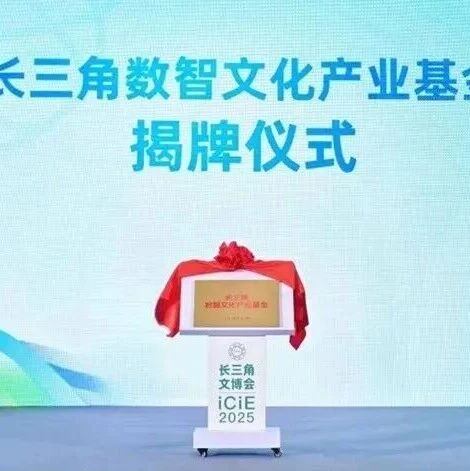
Group 1 - The establishment of the "China International Science and Technology Promotion Association Mother Fund Branch" aims to enhance the role of mother funds in China's capital market and promote the healthy development of the investment industry, particularly the mother fund sector [1][21]. - The Long Triangle Digital Cultural Industry Fund has been established with a total scale of 10 billion yuan, focusing on investments in core digital cultural technology industries, particularly those integrating AI [4]. - The Dongguan Science and Technology Innovation Group has signed agreements for 10 funds totaling 2.7 billion yuan to support the high-quality development of Dongguan's manufacturing industry [5][6]. Group 2 - The National Investment Group's subsidiary conducted a research visit to Qiniu Zhisheng to explore cooperation opportunities in the AI industry, highlighting the company's strengths in dialogue-based AI products [9][10]. - The Central Enterprise Strategic Emerging Industry Development Fund is publicly selecting sub-fund management institutions to support the development of strategic emerging industries and future industries [11]. - Taikang Asset is developing an AI-driven competitive information tracking system to enhance market insight and decision-making efficiency [14]. Group 3 - Guoyuan led a 50 million yuan angel round financing for Anhui Xiandai Jixing Technology Co., focusing on the development of third-generation semiconductor devices [16]. - Haitong Kaiyuan facilitated the merger and restructuring of Jinyi New Energy with Foshan Plastic Technology Group, marking a significant milestone in the integration of the new energy sector [19][20].

3月基金配置展望:关注自由现金流指数
Ping An Securities· 2026-03-03 07:55
Group 1 - The report highlights a divergence in the performance of A-shares and US stocks, with A-shares showing a positive trend while the Nasdaq index declined due to AI replacement fears [2][9][14] - The report indicates that the US Treasury yields have decreased, with the 1-year yield falling to 3.48% and the 10-year yield to 3.97%, reflecting a rise in risk aversion [8][15] - Commodity prices experienced fluctuations, with oil prices rising to $72.5 per barrel, while the CRB commodity index fell by 2.32% [22][24] Group 2 - The report suggests maintaining a high allocation to equity assets despite a decline in sentiment indicators, as momentum factors continue to favor A-shares [2][78] - The report recommends a focus on the Free Cash Flow Index, which has shown strong performance relative to market and growth indices, particularly benefiting from cyclical sectors [2][68][64] - The report advises a reduction in Hong Kong stock positions due to a decline in macro indicators, suggesting a cautious approach to this market [2][72][69] Group 3 - The report emphasizes the importance of the growth-value style rotation model, indicating that while the actual yield of US Treasuries favors value, market factors and style momentum recommend a growth approach [2][59][57] - The small-cap style is recommended based on a favorable credit environment and momentum factors, despite a general recommendation for large-cap stocks [2][63][60] - The report identifies specific funds to consider, including the CITIC Prudential Multi-Strategy Fund and the Southern CSI All-Index Free Cash Flow ETF, highlighting their respective investment strategies and performance [2][77][92]
公募基金3月月报:小盘价值风格表现突出,多只宽基指数ETF呈现资金流出-20260303
BOHAI SECURITIES· 2026-03-03 07:26
1. Report Industry Investment Rating No industry investment rating is provided in the report. 2. Core Views of the Report - In February, the main indices of the Shanghai and Shenzhen markets showed mixed performance. The CSI 500 and the Small and Medium - cap Board Index led the gains with increases of over 3%, while the STAR 50 Index had the largest decline of 1.42%. Among the 31 Shenwan primary industries, 23 industries rose, with the top 5 gainers being comprehensive, steel, building materials, environmental protection, and machinery and equipment, and the top 5 decliners being media, commercial trade, non - banking finance, banking, and pharmaceutical biology [1][14]. - In January 2026, the total number of new individual investor accounts opened in the market reached 4.9058 million, and the number of new institutional investor accounts was 10,600. Individual investor enthusiasm further increased, while institutional investor activity declined [2][21]. - In February, 28 new funds were issued with a total scale of 17.847 billion yuan. The issuance of active equity funds and passive equity funds was 3.354 billion shares and 2.928 billion shares respectively, and the issuance of active equity funds decreased significantly compared to the previous month. Overall, affected by the Spring Festival holiday, the overall issuance rhythm slowed down [3][35]. - In February, except for QDII and commodity - type funds, other types of funds rose to varying degrees. The average increase of equity - biased funds was the largest, at 1.15%. Among different - style funds, the small - cap value style had the largest increase of 4.41%, and the large - cap growth style had the smallest increase of about 0.31% [3][41]. - By calculating the average returns of equity - biased public funds of different scales last month, it can be seen that the mini - funds with a scale of 50 - 100 million yuan had the largest average increase of 1.31%, with a positive - return ratio of 64.75%. Only the super - large funds with a scale of over 10 billion yuan declined, with a decline of 0.33% and a positive - return ratio of 38.71% [3][49]. - Through the calculation of the industry positions of active equity funds, in February, the industries with the highest increase in positions were media, building materials, and comprehensive, and the industries with the highest reduction in positions were electronics, pharmaceutical biology, and non - ferrous metals. As of February 27, 2026, the overall position of active equity funds was 77.23%, an increase of 3.13 percentage points from the previous month [4][52]. - In February, the net outflow of funds from ETFs was 21.106 billion yuan. At the individual - bond level, many broad - based index ETFs showed a trend of capital outflow. Among the most actively traded targets on a daily - average basis, the Grid Equipment ETF, Machine Tool ETF, Rare Earth ETF E Fund, Shipbuilding ETF, and Oil and Gas ETF Huatai - PineBridge had the highest increases of 10.1% - 14.5%; the E Fund China Concept Internet ETF, Huatai - PineBridge Hong Kong Stock Connect Technology ETF, Puyin Game and Media ETF, Artificial Intelligence 50 ETF, and Silver Fund New Economy ETF had the highest declines of 7.3% - 14.0%. In terms of capital flow, the Hang Seng Tech ETF, Satellite ETF, Cathay Gold ETF, Grid Equipment ETF, and Securities ETF had the highest net inflows, and the Southern CSI 500 ETF, Huatai - PineBridge CSI 300 ETF, Southern CSI 1000 ETF, Non - Ferrous Metals ETF Fund, and Huaxia SSE 50 ETF had the highest net outflows [5][60]. - In February, the risk - parity model declined by 0.23%, and the risk - budget model declined by 0.48%. Since 2015, the annualized return of the risk - parity model has been 6.32% with a maximum drawdown of 1.29%, and the annualized return of the risk - budget model has been 8.08% with a maximum drawdown of 2.35%. Next month, the asset - allocation weights of the models remain unchanged [6][70]. 3. Summary According to the Directory 3.1 Domestic Market Situation - In February, the main stock indices in the Shanghai and Shenzhen markets showed mixed performance. The CSI 500 and the Small and Medium - cap Board Index led the gains with increases of over 3%, and the STAR 50 Index had the largest decline of 1.42%. Among the 31 Shenwan primary industries, 23 industries rose, with the top 5 gainers being comprehensive, steel, building materials, environmental protection, and machinery and equipment, and the top 5 decliners being media, commercial trade, non - banking finance, banking, and pharmaceutical biology [1][14]. - The ChinaBond Composite Total Return Index rose 0.01%, the ChinaBond Treasury Bond, Financial Bond, and Credit Bond Total Return Indices ranged from a decline of 0.02% to an increase of 0.14%, the CSI Convertible Bond Index rose 0.89%, and the Nanhua Commodity Index fell 1.32% [14]. - In January 2026, the total number of new individual investor accounts opened in the market reached 4.9058 million, and the number of new institutional investor accounts was 10,600. Individual investor enthusiasm further increased, while institutional investor activity declined [2][21]. - The new - filing scale of private securities investment funds in December increased month - on - month to 54.174 billion yuan, and the existing scale continued to expand, reaching 22.15 trillion yuan as of that month, remaining at a historically high level [22]. 3.2 European, American, and Asia - Pacific Market Situation In February, most of the main indices in the European, American, and Asia - Pacific markets rose. In the US stock market, the S&P 500 declined by 2.13%, the Dow Jones Industrial Average rose by 0.13%, and the Nasdaq Composite Index declined by 3.38%. In the European market, the French CAC 40 rose by 5.59%, and the German DAX rose by 3.04%. In the Asia - Pacific market, the Hang Seng Index declined by 2.76%, and the Nikkei 225 rose by 10.37% [27]. 3.3 Market Valuation Situation - In February, the valuations of the main market indices showed mixed trends. In terms of the historical percentile of price - to - earnings ratio, the CSI All - Share Index led the increase with a rise of 5.4 percentage points. In terms of the historical percentile of price - to - book ratio, the CSI 1000 Index led the increase with a rise of 5.2 percentage points [30]. - Among industries, the top five industries with the highest historical percentile of price - to - earnings ratio of the Shenwan primary index last month were real estate, electronics, building materials, comprehensive, and chemical. The price - to - earnings ratio percentile of the real estate industry was at a high level, and that of the electronics industry reached 96.9%. The bottom five industries with the lowest historical percentile of price - to - earnings ratio were non - banking finance, agriculture, forestry, animal husbandry and fishery, food and beverage, beauty care, and pharmaceutical biology, where the valuation of the non - banking finance industry was close to its historical low since 2013 [30]. 3.4 Public Fund Overall Situation 3.4.1 Fund Issuance Situation In February, 28 new funds were issued with a total scale of 17.847 billion yuan. Affected by holidays, the issuance rhythm slowed down. Among them, 10 equity funds were issued with a scale of 2.939 billion yuan, 9 hybrid funds were issued with a scale of 3.344 billion yuan, 3 bond funds were issued with a scale of 2.459 billion yuan, and 6 FOF funds were issued with a scale of 9.106 billion yuan. The issuance of active equity funds and passive equity funds was 3.354 billion shares and 2.928 billion shares respectively, and the issuance of active equity funds decreased significantly compared to the previous month [35]. 3.4.2 Fund Market Return Situation - In February, except for QDII and commodity - type funds, other types of funds rose to varying degrees. The average increase of equity - biased funds was the largest, at 1.15% [39]. - Different - style funds showed differentiated performance. The value style outperformed the growth style, and the small - and medium - cap styles outperformed the large - cap style. The small - cap value style had the largest increase of 4.41%, and the large - cap growth style had the smallest increase of about 0.31% [41]. - By calculating the average returns of equity - biased public funds of different scales last month, it can be seen that the mini - funds with a scale of 50 - 100 million yuan had the largest average increase of 1.31%, with a positive - return ratio of 64.75%. Only the super - large funds with a scale of over 10 billion yuan declined, with a decline of 0.33% and a positive - return ratio of 38.71% [49]. 3.4.3 Active Equity Fund Position Situation - In February, the industries with the highest increase in positions of active equity funds were media, building materials, and comprehensive, and the industries with the highest reduction in positions were electronics, pharmaceutical biology, and non - ferrous metals [52]. - As of February 27, 2026, the overall position of active equity funds was 77.23%, an increase of 3.13 percentage points from the previous month [54]. 3.5 ETF Fund Situation - In February, the net outflow of funds from ETFs was 21.106 billion yuan. Among them, the net outflow of equity ETFs was 90.586 billion yuan, the net inflow of cross - border ETFs was 47.433 billion yuan, and the net inflow of bond ETFs was 7.818 billion yuan. In terms of liquidity, the average daily trading volume of the overall ETF market this period reached 518.894 billion yuan, and the average daily trading volume reached 186.344 billion shares. The average daily turnover rate was 8.12%, a decrease of 1.05 percentage points from January [59]. - At the individual - bond level, many broad - based index ETFs showed a trend of capital outflow. Among the most actively traded targets on a daily - average basis, the Grid Equipment ETF, Machine Tool ETF, Rare Earth ETF E Fund, Shipbuilding ETF, and Oil and Gas ETF Huatai - PineBridge had the highest increases of 10.1% - 14.5%; the E Fund China Concept Internet ETF, Huatai - PineBridge Hong Kong Stock Connect Technology ETF, Puyin Game and Media ETF, Artificial Intelligence 50 ETF, and Silver Fund New Economy ETF had the highest declines of 7.3% - 14.0%. In terms of capital flow, the Hang Seng Tech ETF, Satellite ETF, Cathay Gold ETF, Grid Equipment ETF, and Securities ETF had the highest net inflows, and the Southern CSI 500 ETF, Huatai - PineBridge CSI 300 ETF, Southern CSI 1000 ETF, Non - Ferrous Metals ETF Fund, and Huaxia SSE 50 ETF had the highest net outflows [60]. 3.6 Model Operation Situation - Four types of large - asset allocation models were constructed using stocks, bonds, commodities, and QDII assets. Among them, the first two are fixed - ratio models, and the ratios of the latter two models are adjusted monthly based on 24 - month data [66]. - In February, the risk - parity model declined by 0.23%, and the risk - budget model declined by 0.48%. Since 2015, the annualized return of the risk - parity model has been 6.32% with a maximum drawdown of 1.29%, and the annualized return of the risk - budget model has been 8.08% with a maximum drawdown of 2.35% [6][70]. - Next month, the asset - allocation weights of the models remain unchanged. For the risk - parity model, the ratio of stocks: bonds: commodities: QDII is 7%: 69%: 11%: 13%; for the risk - budget model, the ratio is 14%: 49%: 8%: 28% [71].
祛魅“中国桥水”
远川投资评论· 2026-03-03 07:06
Core Viewpoint - The article discusses the recent volatility in gold and silver markets, highlighting significant price fluctuations and the impact on various investment strategies, particularly the all-weather strategy, which has faced challenges due to extreme market conditions [2][12]. Group 1: Market Volatility - Silver experienced a short squeeze, leading exchanges to raise margin requirements and limit positions, followed by a dramatic 30% drop in silver prices and the largest single-day decline in gold since 1983 [2]. - Many subjective CTA and macro private equity funds, including notable firms referred to as "China's Bridgewater," faced substantial drawdowns, with some products experiencing declines of over 20% in early February [2]. Group 2: Performance of Investment Strategies - The all-weather strategy, which typically includes low-correlation assets, suffered significant losses during this period, indicating a potential over-allocation to gold and silver [2]. - The article notes that the past year saw the all-weather strategy, quantitative long positions, and public technology beta tools as the most popular categories in the wealth market [3]. Group 3: Bridgewater's Influence - Bridgewater has become a benchmark for all-weather strategies, attracting high-net-worth individuals seeking alternatives to traditional private equity products [4]. - The popularity of all-weather strategies aligns with the market's demand for low-volatility products, but the recent gold and silver turmoil has shattered the idealized perception of these strategies [4][12]. Group 4: Challenges in the Domestic Market - Domestic all-weather strategies face limitations due to a lack of effective inflation-hedged bonds and the impact of policy on commodity liquidity, which can lead to significant market disruptions [12][13]. - The article emphasizes that the domestic macro hedge funds do not strictly adhere to the all-weather framework, often opting for a more flexible approach that does not rely solely on risk parity models [13][17]. Group 5: Future Outlook - The article suggests that as the macro environment becomes increasingly complex, more private equity firms are venturing into multi-asset and multi-strategy approaches to address the allocation anxieties of high-net-worth individuals [17][18]. - The anticipated influx of over 50 trillion yuan in maturing deposits may create new investment opportunities amidst global market volatility [16].

最新公告!这只原油基金,临时停牌
券商中国· 2026-03-03 04:54
Core Viewpoint - The South China Oil Securities Investment Fund (code: 501018) will be suspended from trading on March 3, 2026, as per the announcement from the Shanghai Stock Exchange [1]. Group 1: Fund Performance - The South China Oil LOF fund has a latest net value of 1.2657, with a discount rate of -37.55% and a total share of 740 million [2]. - The fund experienced a near one-year return of 1.29% [2]. - On March 2, multiple oil-themed funds, including the South China Oil LOF, saw significant price increases, with some funds reaching the daily limit up [4]. Group 2: Market Activity - The trading volume for the South China Oil LOF was 916,800, with a total transaction amount of 159 million [2]. - The fund's price opened at 1.741, reaching a high of 1.741 and a low of 1.647 during the trading session [2]. - The fund's price increased by 9.98% during the trading session [2]. Group 3: Risk Alerts - Several oil-themed funds, including the South China Oil LOF, issued premium risk warning announcements due to significant price premiums in the secondary market, cautioning investors against blind investments that could lead to substantial losses [4].