
即时零售

Search documents
京东谈外卖价格战:过度竞争行为“不可持续”
Huan Qiu Wang Zi Xun· 2025-08-15 04:25
Group 1 - JD's Q2 revenue reached 356.7 billion yuan, a year-on-year increase of 22.4% [1] - The company emphasizes a long-term strategy in the competitive food delivery market, focusing on sustainable business models over short-term gains [3] - JD's management highlighted the importance of a "quality delivery" model, distancing itself from unsustainable competitive behaviors that disrupt market order [3] Group 2 - Management noted that while investments in new business areas may impact short-term profit margins, they are expected to create larger growth opportunities and synergize with core operations in the long run [3] - JD aims to maintain investment discipline, focusing on return on investment (ROI) during the investment process [3] - The company expressed a commitment to long-term success in the food delivery business, aiming for sustainability over a period of 5, 10, or even 20 years [3]


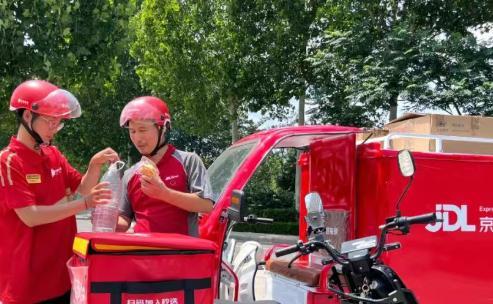
淘宝闪购像做双11一样做「秋奶」,外卖行业正在变天
36氪· 2025-08-14 10:22
Core Insights - The article discusses the unprecedented success of the "Autumn Milk" promotion initiated by Meituan, which saw Taobao Flash Sales surpass Meituan in order volume for the first time during this event [4][5][6] - The promotion period lasted from August 7 to August 10, coinciding with several marketing events, leading to a significant increase in order volume and competition in the food delivery sector [4][6][7] Summary by Sections - **Promotion Overview** - The "Autumn Milk" promotion set a new record with over 100 million orders on Taobao Flash Sales, marking a significant milestone in the food delivery industry [5][6] - The event was strategically timed with traditional seasonal promotions and aimed to test peak order volumes and enhance team capabilities [6][7] - **Market Dynamics** - The competition between Taobao Flash Sales and Meituan has intensified, with market share shifting from a long-standing 70:30 split between Meituan and Ele.me to a more competitive 50:40:10 ratio with the entry of JD.com into the food delivery space [7] - The promotional strategies included extensive marketing efforts, such as live streaming, offline advertising, and significant subsidies, leading to a longer promotional cycle of 10 days [7][9] - **Brand Performance** - Leading tea brands experienced exponential growth during the "Autumn Milk" promotion, with some reporting over 1000% year-on-year growth in GMV [11] - Brands like Yihe Tang prepared extensively for the event, resulting in a substantial increase in order volume and customer engagement [9][10] - **Operational Changes** - The promotion led to increased operational costs for brands due to extended hours and higher staffing needs, although overall profit margins decreased, total profits increased [11] - Taobao Flash Sales focused primarily on food categories during the promotion, with only 10% of subsidies allocated to non-food items, indicating a strategic focus on maximizing efficiency in food delivery [13] - **Future Strategies** - Taobao Flash Sales aims to enhance its non-food supply chain by increasing the density of convenience stores and flash warehouses, particularly in underserved markets [15][16] - The platform is also exploring innovative fulfillment strategies for various product categories, including self-pickup options for larger items to reduce shipping costs [16][19] - **Market Expansion** - The article highlights the significant growth in lower-tier markets, with brands like Yihe Tang expanding their presence and achieving impressive order growth in these regions [19] - The competitive landscape is likened to the early days of Pinduoduo challenging Taobao, with new players leveraging subsidies to capture market share and reshape supply chains [19]


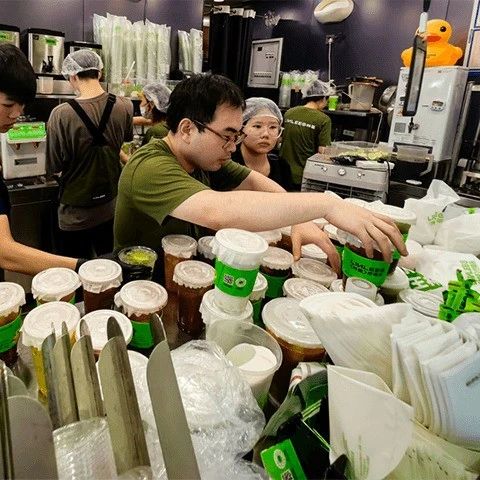
外卖平台砸钱补贴为获客拉新 中小商家不参加则流量减少?
Sou Hu Cai Jing· 2025-08-14 08:52
Core Viewpoint - The competition in the tea and coffee delivery market has intensified due to aggressive subsidies from platforms, leading to concerns about "involutionary" competition characterized by low prices and low quality [3][5][6] Group 1: Involutionary Competition - Involutionary competition is defined as "low-price, low-quality competition," where businesses are forced to lower product quality to compete [5][6] - This phenomenon is prevalent in platform economies, where platforms influence market dynamics, compelling merchants to engage in price wars [6][12] - The ideal competitive progression in an industry should move from price competition to differentiation and ultimately to innovation, but involutionary competition traps businesses at the price level [5][6] Group 2: Market Dynamics and Consumer Behavior - The current focus of competition is on the instant retail market, which aligns with the preferences of younger consumers who favor immediate satisfaction [7][10] - Platforms are using substantial subsidies as a marketing strategy to attract users, effectively reallocating funds from traditional advertising to consumer discounts [9][10] - The surge in orders due to subsidies can overwhelm merchants, leading to operational challenges and potential declines in product quality [11][12] Group 3: Impact on Merchants - Merchants face a dilemma between maintaining quality and meeting increased demand driven by subsidies, which can lead to a cycle of low prices and low quality [11][12] - Small and niche businesses are particularly vulnerable to the competitive pressures created by platform subsidies, as they may not have the resources to participate effectively [12][14] - The initial focus of subsidies on larger brands can disadvantage smaller merchants, even when subsidies are made available to all [13][14] Group 4: Recommendations for Platforms - Platforms should focus on creating long-term value for both merchants and consumers rather than relying solely on price competition [15][16] - Effective use of data analytics to assist merchants in inventory management and demand forecasting can provide more substantial benefits than mere financial incentives [16] - Regulatory approaches should be nuanced, avoiding blanket restrictions while addressing specific issues faced by smaller merchants [17][18][19]

即时零售大战,快递行业慌了
3 6 Ke· 2025-08-14 00:06
Core Insights - The express delivery industry is facing a triple crisis, with growth primarily driven by order splitting rather than value increase, and low-cost e-commerce losing its rapid growth potential [1] - The rise of instant retail by 2025 is expected to impact consumer habits and take away growth space from e-commerce and express delivery [1] Industry Overview - The express delivery market's growth rate has declined, with Q1 2025 showing a year-on-year growth of 21.6%, dropping to 19.3% in the first half of 2025, compared to 21.5% in 2024 [1] - The express delivery industry has experienced significant growth since the early 2000s, with a compound annual growth rate of nearly 50% from 2006 to 2021, but growth slowed to 2.1% in 2022 due to market transformations [4][5] Impact of Instant Retail - Instant retail is expected to explode in 2025, with major platforms like JD.com and Meituan launching aggressive subsidy campaigns to capture market share [5][6] - The combined daily order volume of major platforms could reach 200 million, with total business volume projected to reach hundreds of billions of orders and a GMV of over one trillion [6] Competitive Landscape - The most affected companies in the express delivery sector may not be the traditional e-commerce-focused firms but rather high-end logistics providers like JD Logistics, which cater to premium products [8] - The competition between instant retail and traditional express delivery is intensifying, with companies like Meituan and JD.com vying for dominance in the market [9] Future Outlook - The market consensus suggests that instant retail service providers will benefit in the short term, while traditional express delivery companies must adapt to the evolving landscape [12] - The instant retail market is projected to reach 2 trillion yuan by 2030, with potential growth to 3-4 trillion yuan in the long term [12] Operational Challenges - The express delivery industry is entering a phase of efficiency and service competition, necessitating upgrades in operational models and resource utilization [13] - Companies that fail to innovate and adapt to the new market dynamics may face significant risks before the full impact of instant retail is realized [13]

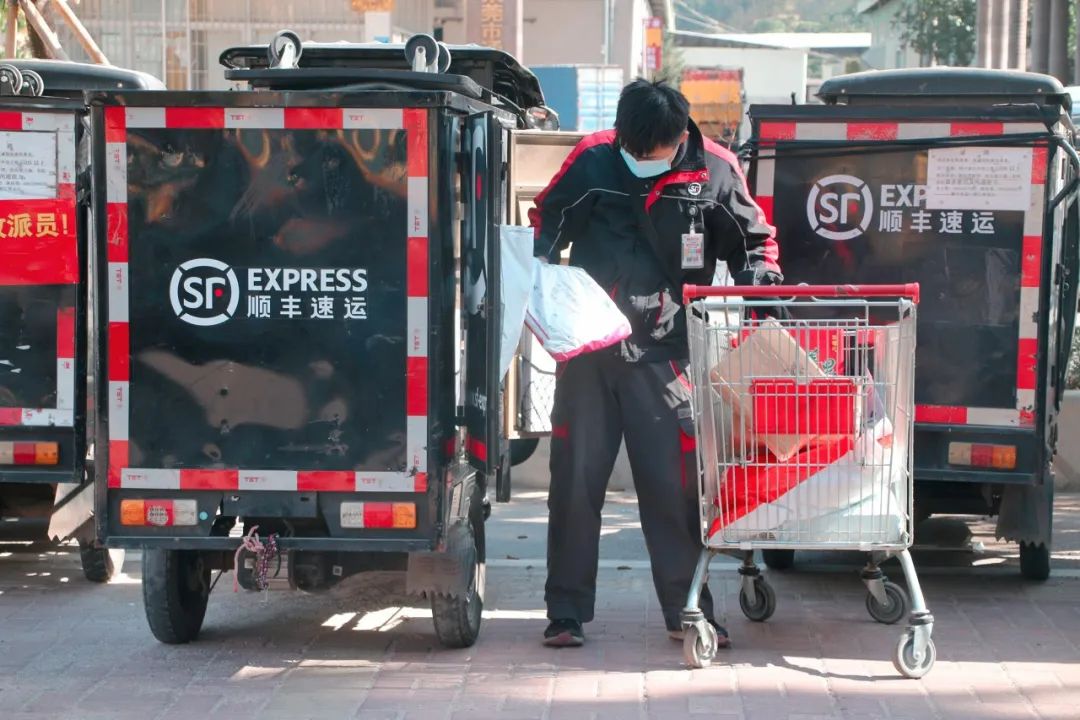
美团闪购与茅台深度合作:首批上线门店超千家
Zheng Quan Shi Bao· 2025-08-13 17:39
Core Insights - Guizhou Moutai's sauce-flavored liquor marketing company has partnered with Meituan Flash Purchase to enhance its retail network and transform sales channels, aiming to provide consumers with a premium buying experience where genuine Moutai can be delivered within 30 minutes [1][2] - The collaboration will focus on authentic product assurance, store operations, customer base expansion, and member integration, with plans to accelerate the onboarding of Moutai stores onto the Meituan platform [1][2] Group 1: Partnership Details - The partnership will see over a thousand officially certified Moutai stores launch on Meituan Flash Purchase, enhancing the availability of Moutai products [1] - Meituan Flash Purchase aims to leverage its digital capabilities to attract new customers and increase sales for Moutai stores, targeting younger consumers [2] Group 2: Market Trends - Instant retail has become a mainstream method for purchasing liquor, with 34.9% of liquor companies prioritizing the expansion of instant retail channels, surpassing live-streaming e-commerce [2] - During the 6.18 shopping festival, Meituan Flash Purchase reported a more than tenfold year-on-year increase in liquor sales, particularly for premium brands like Moutai [2] Group 3: Consumer Focus - The collaboration emphasizes consumer demand, with Moutai's strategy aligning with the instant retail model to better serve diverse consumption scenarios [2] - The initiative aims to enhance consumer confidence in product authenticity and improve the overall shopping experience for liquor buyers [1]

茅台酱香酒官宣合作美团闪购
Jin Rong Jie· 2025-08-13 14:05
Core Insights - The collaboration between Kweichow Moutai Sauce Liquor and Meituan Flash Purchase aims to enhance the consumer experience by providing authentic Moutai products with a quick delivery promise of 30 minutes [1][2] - This partnership is part of Moutai's strategy to build an instant retail network and transform its distribution channels, with over a thousand certified stores set to launch on the Meituan platform [1][3] Group 1: Partnership Details - The initial phase of the collaboration includes over a thousand "Moutai Sauce • Shared by Thousands" certified stores going live on Meituan Flash Purchase [1] - The partnership focuses on product authenticity, store operations, customer base expansion, and member integration [1] - Meituan Flash Purchase aims to leverage its digital capabilities to attract new customers and increase sales for Moutai Sauce Liquor [2] Group 2: Market Trends - Instant retail is becoming the mainstream method for consumers to purchase liquor, with a significant increase in the share of instant retail channels among liquor brands [2] - A report indicates that 34.9% of liquor companies prioritize the expansion of instant retail channels, surpassing live-streaming e-commerce [2] - During the 618 shopping festival, Meituan Flash Purchase reported over a tenfold year-on-year increase in liquor sales, particularly for renowned brands like Moutai [2] Group 3: Consumer Engagement - The collaboration aligns with Moutai's goal to attract a younger consumer demographic and enhance brand penetration [3] - The instant retail model's "buy and drink immediately" feature resonates with Moutai's consumer-centric approach, allowing the brand to reach diverse consumption scenarios [3] - The partnership is expected to create a more engaging shopping experience for consumers, ensuring the availability of quality Moutai products in various life contexts [3]
手机闪购成交额暴增超300%,骑手狂奔15分钟极限配送,谁在推动闪购革命?
Sou Hu Cai Jing· 2025-08-13 09:07
Core Insights - The rapid growth of instant retail in Shenzhen is highlighted, with a significant increase in order volume and transaction value across various product categories [3][5][10] Group 1: Instant Retail Growth - Shenzhen's instant retail orders surged by 1500% from March to July 2025 compared to the previous year, with current orders being 20 times higher than the same period last year [3] - Mobile phone sales increased by over 300% year-on-year since June, while smartwatches and tablets saw growth exceeding 200% [3] - 66 non-food brands on Taobao's flash purchase platform achieved monthly sales exceeding 10 million, with 395 brands surpassing 1 million [3] Group 2: Transformation of Physical Stores - Physical stores are evolving into "front warehouses" to meet the demand for rapid delivery, with major brands like Watsons and Xiaomi integrating into Taobao's flash purchase system [5][7] - The average order volume for Xiaomi stores quadrupled over four months, while over half of Miniso's stores doubled their sales [5][3] Group 3: Consumer Behavior and Demand - Two main consumer segments identified: emergency urban consumers (over 60%) and instant gratification seekers, with the latter willing to pay significantly more for immediate access to products [8][11] - High-repurchase, small-volume, and immediately usable products have seen a 200% increase in conversion rates [8] Group 4: Operational Efficiency - Companies are leveraging technology to enhance efficiency, with Xiaomi reducing packing time from 12 minutes to 7 minutes through system integration [9] - The integration of offline and online sales has proven beneficial, with Watsons achieving a fivefold increase in online orders during promotional events [10] Group 5: Challenges and Market Dynamics - The rise of instant retail has led to the closure of 20% of traditional stores unable to meet the 15-minute packing requirement [11] - The market is witnessing a decline in pure e-commerce growth, with instant retail attracting 78% of new customers [11][12]


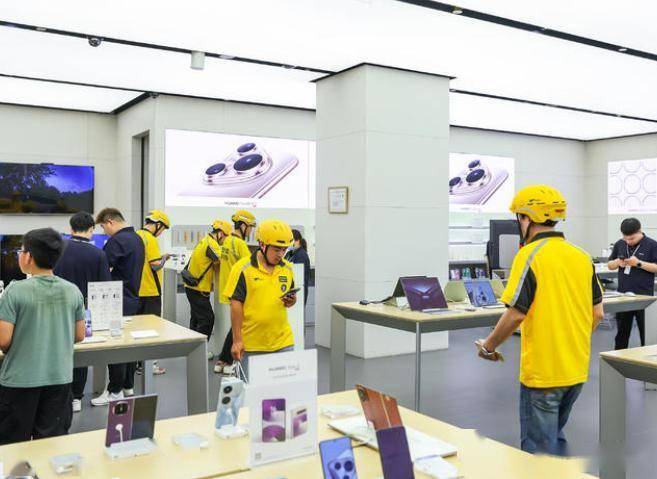
【财经分析】订单新高与补贴争议 淘宝布局即时零售的“AB面”
Xin Hua Cai Jing· 2025-08-13 08:01
Core Insights - Instant retail has seen a significant surge, with Taobao's flash purchase surpassing Meituan in daily order volume for the first time, indicating a competitive shift in the market [1][2] - Taobao's aggressive subsidy strategy has led to rapid order growth, but it has also created challenges for merchants, particularly in the restaurant sector, where they feel pressured to participate in these promotional activities [2][3] - The ongoing subsidy war is fundamentally a battle for market dominance among platforms, with significant implications for the sustainability of the industry and the well-being of small merchants [7][8] Group 1: Market Dynamics - Taobao's flash purchase achieved over 90 million daily orders in late July, indicating a strong competitive response to Meituan [2] - The shift in order volume reflects a broader trend of increasing demand for instant logistics services, with user numbers projected to grow from 293 million in 2017 to 799 million by 2024 [4] - The competition has intensified as platforms like JD and Meituan have ramped up their instant retail strategies, posing challenges to Alibaba's traditional e-commerce model [4][5] Group 2: Merchant Challenges - Merchants report being involuntarily included in promotional activities, leading to price distortions and operational disruptions [2][3] - Many small businesses are experiencing a decline in dine-in customers as consumers shift to cheaper delivery options due to subsidies, resulting in significant revenue losses [2][3] - The pressure on merchants is exacerbated by the platforms' control over pricing and promotional strategies, limiting their ability to operate independently [3][7] Group 3: Regulatory and Compliance Issues - The scale of Taobao's subsidy program, amounting to 500 billion yuan, raises concerns about compliance with anti-competitive regulations, especially given its size relative to previous penalties imposed on Alibaba [6][8] - Experts emphasize the need for regulatory frameworks to ensure fair competition and protect the rights of small merchants, advocating for a balanced approach to platform subsidies [6][8] - The long-term sustainability of the instant retail ecosystem depends on establishing fair practices that benefit all stakeholders, including consumers, merchants, and platforms [8]
美团闪购与茅台酱香酒启动深度合作:首批上线门店超千家 共建正品联盟
Zheng Quan Shi Bao Wang· 2025-08-13 08:01
Core Insights - Guizhou Moutai Sauce Aroma Liquor Marketing Co., Ltd. has initiated a deep cooperation with Meituan Flash Purchase, launching over a thousand officially certified stores for "Moutai Sauce Aroma · Shared by Thousands" [2] - The collaboration aims to enhance instant retail networks and channel transformation, providing consumers with a premium buying experience of authentic Moutai within 30 minutes [2] - Meituan Flash Purchase is focusing on intellectual property protection in the liquor industry and is working with multiple brands to establish the first "Liquor Authenticity Alliance" [2] Group 1 - The partnership significantly enriches Meituan Flash Purchase's liquor offerings, catering to consumer demand for purchasing liquor [3] - Instant retail has become the mainstream method for consumers to buy liquor, with 34.9% of liquor companies prioritizing the expansion of instant retail channels, surpassing live e-commerce [3] - During the 6.18 shopping festival, Meituan Flash Purchase reported a more than tenfold year-on-year increase in liquor transaction volume, with notable growth in premium brands like Moutai [3] Group 2 - The characteristics of instant retail align closely with Moutai Sauce Aroma Liquor's consumer-centric approach, making it a key strategy for market expansion [4] - The collaboration with Meituan Flash Purchase allows Moutai Sauce Aroma Liquor to better reach diverse consumer scenarios and attract a younger demographic [4]
8.13犀牛财经早报:99%权益类基金近一年收益为正 中国恒大将于8月25日被取消上市地位
Xi Niu Cai Jing· 2025-08-13 01:43
Group 1 - China Construction Bank will implement interest subsidies for eligible personal consumption loan customers starting from September 1, 2025, in response to the fiscal subsidy policy [1] - 99% of equity funds have reported positive returns over the past year, with an average return of 34.06% among 6,256 funds, and 54 funds have doubled their net value [2] - Over 50 listed companies in A-shares have proposed interim dividend plans, with estimated cash dividends exceeding 82 billion yuan [2] Group 2 - AI companies are increasingly choosing to list in Hong Kong, with about 50 out of 213 IPO applications being AI-related, and the Hang Seng AI index has risen by 30.69% this year [2] - The lithium battery separator industry has reached five consensus points among major manufacturers, including price stability and capacity management, in response to national policies [3] - Instant retail has seen explosive growth, with mobile flash purchase transaction volumes increasing over 300% since June [3] Group 3 - A new type of solar cell developed by an international team has achieved a record photovoltaic conversion efficiency under indoor lighting conditions [4] - A breakthrough method for producing high-quality graphite films has been reported, with grain sizes approximately 10,000 times larger than traditional artificial graphite [6] - AI has been used to identify previously unknown antibacterial compounds from extremophiles, potentially paving the way for new antibiotics [6] Group 4 - Circle plans to issue 10 million shares, with the company providing 2 million shares and shareholders selling 8 million shares [6] - LeShuShi Limited has submitted an IPO application to the Hong Kong Stock Exchange, with joint sponsors including CICC, CITIC Securities, and GF Securities [6] - China Evergrande's listing status will be canceled on August 25, 2025, due to failure to meet the exchange's resumption requirements [7] Group 5 - Huazhong City has been placed under liquidation by the Hong Kong High Court, with debts exceeding 60 billion HKD, and its stock has been suspended indefinitely [8] - Golden Dragon Fish has announced delays in multiple core fundraising projects until December 2027, marking the sixth delay announcement since 2023 [8] - Hengxin Oriental is under investigation by the China Securities Regulatory Commission for suspected violations of information disclosure regulations [9] Group 6 - Kweichow Moutai reported a revenue of 91.094 billion yuan and a net profit of 45.403 billion yuan for the first half of 2025, with growth rates declining to single digits [9] - Aowei New Materials announced that Jinfeng Investment Holdings has reduced its stake to 5% by selling 1.5844 million shares [9]