
咖啡

Search documents
汇丰前海证券首席执行官、总经理陆天先生与香港法国工商总会主席对话:聚焦中国的新消费群体
21世纪经济报道· 2025-12-02 13:18
Core Insights - Despite short-term pressures, the Chinese consumer market remains large and diverse, presenting opportunities for companies with clear product positioning [2] - Understanding Chinese consumers is crucial, as their purchasing power is a key driver of economic growth and corporate expansion [2] Consumer Trends - The post-1995 generation, while only about 20% of the population, contributes approximately 40% of consumption, with their spending expected to grow by about 400% to 16 trillion RMB by 2035 [3] - This demographic values self-expression and authentic experiences, favoring experiential consumption such as travel and concerts, and they are significant contributors to luxury goods spending [3] - The average age of high-end consumers in China is only 29, indicating a young market with increasing purchasing power due to wealth inheritance [3] Market Dynamics - Local brands are gaining market share across various sectors, including electric vehicles, beauty products, and collectibles, due to their better understanding of Chinese consumers and competitive pricing [4] - The luxury goods sector is also witnessing a shift towards high-quality, creative brands that reflect Chinese craftsmanship [4] - The jewelry market, characterized by a large capacity and relatively few international competitors, presents opportunities for brands that emphasize cultural and artisanal value [4] Travel and Consumption - The rapid recovery of outbound tourism is expected to impact domestic luxury consumption, as international flight capacity has reached approximately 93% of pre-pandemic levels, with a 20% year-on-year increase in international passenger flights from January to August [4] - The growth of outbound tourism aligns with the demand for experiential consumption, although it may divert some spending from domestic luxury markets [4] Long-term Outlook - The continuous growth of local brands and the recovery of outbound tourism indicate a diversification of the Chinese consumer market [4] - The increasing purchasing power of the post-1995 generation suggests a positive long-term outlook for the Chinese consumption market, despite short-term challenges [4]


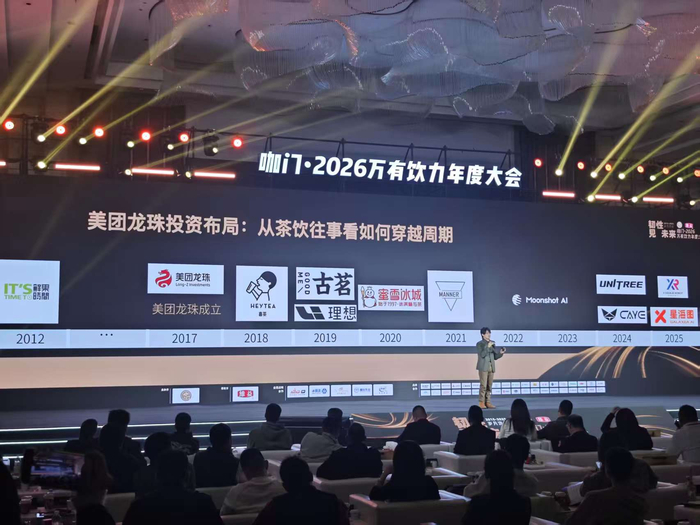
美团龙珠朱拥华:中国消费潜力超美国,奶咖赛道将催生新一批世界级公司
Guan Cha Zhe Wang· 2025-12-02 13:12
Core Insights - The conference "Kaimen 2026 Annual Conference" focused on the theme "Resilience Meets Future," gathering industry leaders to discuss the beverage sector's path through cycles and towards future growth [1] Group 1: Market Trends - The founder of Meituan Longzhu Fund, Zhu Yonghua, predicts that the tea and coffee sectors will see the emergence of approximately six new publicly listed companies in the next 5-10 years, with a combined market size potentially reaching one trillion yuan [1] - Zhu emphasizes that China's consumer capacity and potential surpass that of the United States, indicating a strong future for the domestic market [5] Group 2: Investment Insights - Zhu reflects on his investment journey, noting that the successful listing of Gu Ming has yielded significant returns, with an estimated profit of around 5 billion yuan for the fund [4] - The investment landscape has changed, with a notable decline in the number of projects being considered, dropping from around 1,000 annually to a much lower figure, attributed to decreased demand and cautious investor sentiment [5] Group 3: Recovery Signals - There are signs of recovery in the secondary market, which are beginning to influence the primary market, suggesting a potential resurgence in entrepreneurial confidence [6] - The long-term observation of the real estate market's recovery is seen as a key factor that could trigger a wave of economic benefits when combined with capital market strategies [7]


“中国消费潜力超美国,奶咖赛道将催生新一批世界级公司”
Guan Cha Zhe Wang· 2025-12-02 13:10
Core Insights - The conference "Kaimen 2026 Annual Conference" focused on the theme "Resilience Meets Future," gathering industry leaders to discuss the beverage sector's path through cycles and towards future growth [1] - Zhu Yonghua, a prominent investor, shared insights on the Chinese consumer market, predicting that the tea and coffee sectors will see the emergence of approximately six new publicly listed companies in the next 5-10 years, with a combined market size potentially reaching trillions [1][3] Investment Landscape - Zhu highlighted a significant decline in the number of investment opportunities, with the team reviewing around 1,000 projects annually but only investing in 2-3 since 2022, indicating a challenging market environment [5] - The market has shown signs of recovery, particularly with successful IPOs of companies like Gu Ming and Mi Xue Bing Cheng, which exceeded expectations and revitalized investor confidence [6] Consumer Behavior - The presentation emphasized changes in consumer spending patterns, particularly among middle-aged consumers (ages 35-50), who are reducing their dining frequency and opting for lower-priced options [8] - Young consumers (ages 18-30) exhibit different spending behaviors, focusing more on spiritual needs rather than traditional consumption, with a notable interest in IP products and experiences like concerts [10][12] Market Opportunities - The tea and coffee markets are identified as having the most significant growth potential, with the current market size for tea nearing 300 billion and coffee projected to reach 600 billion [12] - The combined tea and coffee market is expected to become a trillion-dollar market, with the potential for six additional companies to go public in the next five years [13]


比星咖啡完成B轮融资;Prada集团收购Versace交易将敲定
Sou Hu Cai Jing· 2025-12-02 06:47
Investment Dynamics - The coffee brand "Bixing Coffee" has completed a Series B financing round of several tens of millions, led exclusively by Suzhou Agricultural Development Industry Science and Technology Innovation Fund. The funds will be used for expanding offline stores and brand promotion [1][3] - The Snow League, a professional winter sports league founded by Shaun White, has raised $15 million in financing, with new investors including 359 Capital, BITKRAFT Ventures, and WISE Ventures. This funding will support the league's first season bonuses and athletes [5] - Zhejiang Ruiwei New Materials Technology Co., Ltd. has completed its third round of equity financing, with investment from the Beautiful Navigation Fund, co-established by L'Oréal and Tiantu Capital. The company focuses on biodegradable materials in the consumer sector [6][7] Brand Dynamics - Prada Group's acquisition of Versace is set to finalize on December 2, with a cash transaction based on a €1.25 billion valuation, which is only 1.33 times Versace's projected $1.03 billion revenue for FY2024, significantly lower than the typical luxury industry valuation of 3 to 5 times [8][10] - The founder of high-end sports fashion brand MooRER has repurchased a 25% stake from Joeone, regaining 100% ownership of the brand, which will now refocus on its high-end niche positioning [12][13] - Katjes Group is in talks to acquire Unilever's snack brand Graze for approximately £35 million, significantly lower than the £150 million Unilever paid in 2019 [14][16] - Nestlé plans to merge its infant nutrition business units in China, which is expected to create new growth opportunities by leveraging the strengths of both brands [18][19] - Beyond Meat has quietly closed its flagship stores on major e-commerce platforms in China, with its factory in Jiaxing ceasing production, primarily due to a small local vegetarian market and high product pricing [22] - Swire Group has laid off about 10% of its Hong Kong headquarters staff, affecting around 40 employees, as part of a restructuring to enhance efficiency [24] - Gao Xin Retail has appointed Li Weiping as the new CEO, marking the third CEO change in two years since the acquisition by Dehong [25][26]



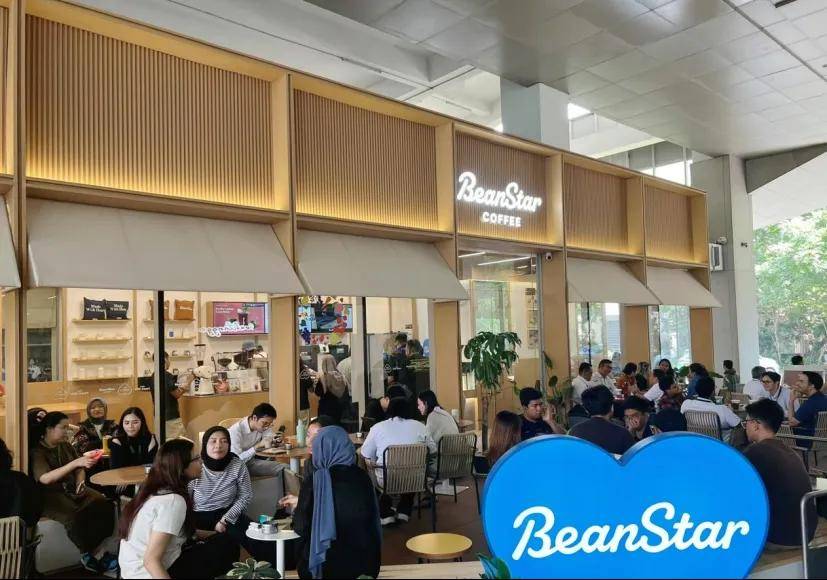
1年倒闭4万家!它凭什么逆势拿下千万融资、剑指1000家店?
Sou Hu Cai Jing· 2025-12-02 06:18
Core Insights - The coffee market in China is undergoing a significant transformation, with over 40,000 coffee shops closing in the past year, indicating a critical turning point for the industry [1][5] - Despite the downturn, the chain brand "Bixing Coffee" has successfully secured several million yuan in Series B financing and aims to expand from 300 to 1,000 stores [2][12] Industry Overview - The Chinese coffee market is in a deep reshuffle, with 62,000 new stores opening in 2024 but 45,000 closures, resulting in a net growth rate of only 27.21%, a sharp decline from 55% the previous year [5] - Major brands like Pacific Coffee and Seesaw Coffee are facing severe operational challenges, with Pacific Coffee's stores dropping from 185 to 71 and Seesaw closing over half of its locations [6][8] - International brands are also struggling, with Costa Coffee reducing its stores by 28 and Starbucks experiencing a 41.78% drop in new openings [10] Challenges in the Market - The market faces three main challenges: depletion of prime locations, imbalance between costs and profits, and intensified competition for franchise resources [10] - Rising rental costs in key areas and increased operational costs due to fluctuating coffee bean prices and labor costs are contributing to the industry's struggles [10] Bixing Coffee's Strategy - Bixing Coffee has differentiated itself by targeting the gap in the market for "premium coffee + franchise model," which is currently underserved [14][25] - The brand offers products priced between 15-25 yuan, using high-quality Arabica beans and cold storage milk, appealing to a demographic of 25-35-year-old women [15] - The small store model reduces expansion costs, with investments ranging from 200,000 to 400,000 yuan, focusing on locations like office buildings and universities [16] Supply Chain and Competitive Advantage - Successful brands in the current market, such as Luckin Coffee and Kenyue Coffee, have strong supply chain capabilities, which are essential for survival [18] - Bixing Coffee's recent financing will enhance its supply chain integration, allowing it to compete more effectively against established players [19][22] Future Outlook - Bixing Coffee's ability to achieve its goal of 1,000 stores will depend on its execution of the "premium coffee franchise" strategy, which is seen as a potential blue ocean in the current market [24][25]
卡皮巴拉“代言”阿拉比卡咖啡豆?瑞幸“巴西主题季”推原产地风味
Yang Zi Wan Bao Wang· 2025-12-02 00:56
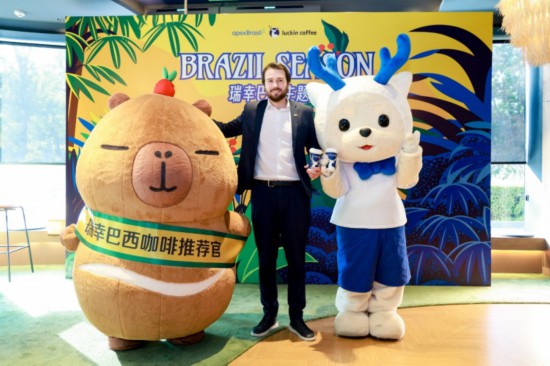
Core Insights - Luckin Coffee has launched a "Brazil Theme Season" featuring new products like Samba Deep Roasted Americano and Samba Deep Roasted Latte, emphasizing high-quality Arabica coffee beans and unique roasting techniques [1][2] - The initiative aims to strengthen the connection between core coffee-producing regions and Luckin, promoting economic cooperation and value co-creation within the supply chain [1][2] - The event has received support from Brazilian officials, with the introduction of a new IP character, "Arabica Capybara," symbolizing Brazilian culture and coffee [1][2] Economic Cooperation - Luckin Coffee signed a five-year memorandum with Brazil in November 2024 for the procurement of 240,000 tons of coffee beans, valued at 10 billion yuan [2] - The company has also collaborated with Brazilian officials to host a "Brazil Coffee Culture Festival," establishing a Brazilian coffee museum and four themed stores in China [2] Global Sourcing Strategy - Since 2023, Luckin has initiated a "Global Bean Sourcing Program," establishing partnerships in Brazil, Ethiopia, Indonesia, and Yunnan, China, to create a global supply chain network for key raw materials [3] - The "Drink Original Origin Festival," launched in September, aims to enhance consumer awareness of the value of global sourcing through regionally distinctive products [3] Industry Impact - Analysts suggest that Luckin's deep involvement in the global supply chain will drive the Chinese coffee industry towards high-quality and sustainable development [3] - As awareness of origin-based "flavor brands" increases, the integration of the supply chain is expected to foster product innovation and enhance consumer experiences [3]
巴西官方认证“巴西咖啡推荐官”亮相 瑞幸巴西主题季打响原产地风味
Huan Qiu Wang· 2025-12-01 09:21
Core Viewpoint - Luckin Coffee has launched a "Brazil Theme Season" to promote high-quality Brazilian coffee, emphasizing its commitment to original source flavors and strengthening ties with coffee-producing regions [1][4]. Group 1: Product Launch and Innovation - The "Brazil Theme Season" features new products like Samba Deep Roasted Americano and Samba Deep Roasted Latte, made from high-quality Arabica coffee beans using Luckin's proprietary high-temperature slow-roasting technique [1][4]. - The new IP character, "Arabica Capybara," combines elements of Brazilian culture and coffee, aiming to enhance consumer engagement and cultural appreciation [2][4]. Group 2: Strategic Partnerships and Cultural Exchange - The initiative has received support from the Brazilian government, with the Brazilian Export and Investment Promotion Agency (ApexBrasil) officially designating the new IP as "Luckin's Brazilian Coffee Ambassador" [2][4]. - Luckin Coffee has signed a five-year memorandum with Brazil for the procurement of 240,000 tons of coffee beans, valued at 10 billion yuan, highlighting the deepening economic ties between the two countries [4]. Group 3: Sustainable Development and Global Sourcing - Luckin's collaboration with Brazil is part of a broader strategy to engage with global coffee origins, including Ethiopia and Indonesia, through its "Global Bean Sourcing Program" [5][6]. - The company integrates sustainable development practices into its partnerships, supporting small coffee farmers and establishing high-quality planting bases to create a resilient and sustainable industry ecosystem [4][6].
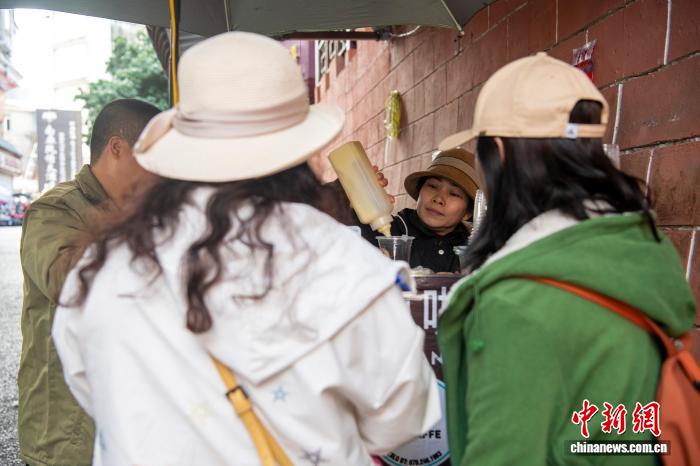
中越边城东兴塑新貌:烟火气中添“啡”凡滋味
Zhong Guo Xin Wen Wang· 2025-12-01 09:06
Core Viewpoint - The article highlights the transformation of Dongxing, a border city between China and Vietnam, showcasing the growth of cross-border trade and cultural exchange, particularly through the popularity of Vietnamese coffee among Chinese tourists [1][2]. Group 1: Economic Development - Dongxing City, located in Guangxi, is the only port city in China that is connected to Vietnam by land and water, benefiting from its unique geographical position and convenient transportation [4]. - The local government is actively promoting border tourism by developing cultural events and activities, such as the "Three March" festival and the Lantern Festival football friendship match, to enhance cross-border cultural exchanges [5]. Group 2: Cultural Exchange - Vietnamese coffee culture is rapidly entering the Chinese market, with local businesses like the Saigon Coffee shop demonstrating coffee-making techniques to tourists, indicating a growing interest in Vietnamese coffee [7]. - The establishment of the Friendship Square and the planned "Dongxing Ancient Port - World Memory Cultural Street" aims to deepen the cultural significance of border tourism, integrating various cultural elements from both countries [5]. Group 3: Business Opportunities - Entrepreneurs like Nguyen Thi Tam have successfully capitalized on the influx of tourists by selling affordable Vietnamese coffee, which has gained popularity and positive reviews on Chinese social media [1][2]. - The Saigon Coffee brand has expanded its operations from a small street shop to a standalone building, including a coffee museum and educational area, reflecting the increasing demand for Vietnamese coffee in China [7].
“不在中国也会在其他市场跟中企交锋,留下来才能紧跟创新步伐”
Guan Cha Zhe Wang· 2025-12-01 08:14
Core Insights - The article highlights the challenges faced by Western companies in the Chinese market, which has shifted from being a lucrative opportunity to a competitive battleground due to the rise of local brands and changing consumer behavior [1][2]. Group 1: Market Dynamics - China's consumer market is maturing, leading to more rational spending habits among consumers, which has intensified competition from local brands [1][5]. - Western companies are increasingly viewing China as an "innovation testing ground" and a "competitive gym" to adapt their strategies [1][11]. - A significant number of foreign brands are adjusting their strategies to cater to local tastes, accelerate product development, and lower prices to remain competitive [2][12]. Group 2: Competitive Landscape - Starbucks has sold a majority stake in its China operations to a local private equity firm, losing market share to local competitors like Luckin Coffee, which has surpassed Starbucks in sales and store numbers [5][12]. - A survey by the American Chamber of Commerce in Shanghai indicated that 63% of respondents identified local competition as their primary challenge, with local brands able to bring products to market more quickly [5][11]. - In the automotive sector, local brands like BYD have overtaken established foreign brands such as Volkswagen, which saw a 7% year-on-year decline in deliveries in China [5][9]. Group 3: Strategic Adjustments - Volkswagen is implementing a "China for China" strategy, focusing on developing products specifically for Chinese consumers, with a new model taking 30% less time to develop compared to previous efforts [9][10]. - Procter & Gamble has reported significant progress in its China operations after refocusing on products designed for local consumers, showcasing a whitening toothpaste specifically for the market [14]. - IKEA plans to lower prices on over 150 popular items and invest more than $22 million in the Chinese market, while also introducing over 1,600 new products tailored for local consumers [12][13]. Group 4: Success Stories - Some companies have managed to thrive despite the competitive landscape, with Ralph Lauren reporting over 30% year-on-year sales growth in China, and Estée Lauder seeing a 9% increase in revenue in the mainland [14]. - 3M has identified China as its fastest-growing region, launching a new product in just 10 months to keep pace with local demand [14].
广东省咖啡师职业技能大赛启动
Nan Fang Ri Bao Wang Luo Ban· 2025-12-01 07:55
Core Insights - The 2025 Guangdong Province Barista Skills Competition was launched in Jiangmen, attracting 23 teams and 68 participants from various cities and regions, including Hong Kong and Macau [1] - The event, themed "Coffee Gathering in the Overseas Chinese Town: Skills and Coffee in Guangdong," aims to foster discussions on industry development and create a platform for competition, innovation, and entrepreneurship among youth [1] Industry Overview - Jiangmen has a rich coffee culture rooted in over a century of overseas Chinese history, establishing a complete industry chain from "bean to cup" [1] - The upstream sector consists of 21 coffee enterprises with an annual production capacity exceeding 6,000 tons, accounting for over 20% of national exports [1] - The midstream sector includes over 300 equipment manufacturers with an annual output value exceeding 2 billion yuan, positioning Jiangmen as a global leader in coffee equipment production [1] - The downstream sector comprises more than 1,900 coffee businesses with annual sales exceeding 500 million yuan, ranking Jiangmen fifth in the nation for coffee shop density per 10,000 people [1] Certification and Evaluation - Jiangmen has pioneered the "One Test, Three Certificates" evaluation mechanism for baristas in the Guangdong-Hong Kong-Macau region, with 102 individuals obtaining certificates, including 47 from Hong Kong and Macau [1]