超市

Search documents
3小时交流收费50万元,于东来“办学”怎么越来越贵了
3 6 Ke· 2025-10-24 11:47
Core Insights - The founder of Pang Donglai, Yu Donglai, emphasizes the importance of understanding his retail business model, suggesting that even a partial understanding can help others escape the "death zone" of retail [1] - Yu Donglai is increasingly positioning himself as a mentor, launching high-priced educational programs for entrepreneurs, reflecting his confidence in the value of his insights [2][3] Educational Initiatives - Yu Donglai announced plans to charge 1 million yuan for a two-day entrepreneur exchange program and 50,000 yuan for a three-hour personal sharing session [2][3] - The Pang Donglai Open Day will start on November 1, allowing limited groups to visit and learn about the business for a fee of 20,000 yuan per person [4] - The Pang Donglai Commercial Research Institute offers various paid courses, including a "Seed Class" with fees of 50,000 yuan for the first year, and 30,000 yuan for the subsequent years [5][6] Business Performance - As of October 21, 2023, Pang Donglai Group reported a total sales revenue of 18.95 billion yuan, with an expected annual revenue of 22 billion yuan, up from approximately 17 billion yuan the previous year [7] - The success of Pang Donglai is attributed to its strong brand loyalty and efficient supply chain, which are difficult for other retailers to replicate [13] Industry Context - The retail industry is facing significant challenges, with major players like Yonghui Supermarket and Bubu Gao experiencing substantial losses and store closures [9][12] - Despite the struggles of other retailers, Pang Donglai's growth has made it a beacon of hope in the industry, leading to a growing admiration for Yu Donglai among other entrepreneurs [10] Limitations of the Model - The unique success of Pang Donglai is closely tied to its regional identity and consumer loyalty, which may not be applicable to other retailers operating in different markets [13] - While many retailers are attempting to adopt Pang Donglai's model, they often lack the core competitive advantages that drive its profitability [13][14] - The sustainability of the profitability of these adapted models remains uncertain, especially given the high costs associated with store renovations and the need for genuine consumer trust in new private label products [16]

中国超市,开到宇宙尽头
创业邦· 2025-10-24 10:13
Core Insights - The article discusses the global presence of Chinese supermarkets, highlighting their establishment in various regions, including remote areas like Savannah, Jamaica, and urban centers in Latin America [5][6]. - It emphasizes the role of familial and social networks in the migration and establishment of Chinese immigrants in the supermarket business, often leading to a proliferation of small, family-run stores in emerging markets [6][17]. - The challenges faced by these supermarkets, including theft and violence, are underscored, particularly in regions with high crime rates like Jamaica and Argentina [9][12][13]. Group 1: Distribution and Establishment - Chinese supermarkets can be found in diverse locations worldwide, from urban centers to remote areas, indicating a widespread and resilient business model [5][6]. - The migration patterns of Chinese immigrants often involve familial connections, where individuals are brought over by relatives to work in supermarkets, leading to a network of small businesses [6][17]. - In developed markets, larger chains like 99 Big Chinese Supermarket have emerged, while in emerging markets, small family-run stores dominate the landscape [6][20]. Group 2: Operational Challenges - Theft is a significant issue for Chinese supermarkets, with incidents occurring frequently, and the nature of theft varies widely among different demographics [8][9]. - In Jamaica, the local economy's reliance on illegal activities contributes to a culture where theft is normalized, complicating the operational environment for supermarkets [9][10]. - In Argentina, the economic instability, marked by a 211.4% inflation rate in 2023, exacerbates the risks of robbery and theft, impacting supermarket operations [12][13]. Group 3: Business Model and Strategy - The entry barrier for operating a supermarket is relatively low, requiring only initial capital and basic operational skills, making it accessible for many immigrants [17][20]. - Successful supermarket operations often rely on understanding local consumer needs and maintaining a steady supply of popular products, particularly during peak seasons like Christmas [19][20]. - The article notes that while traditional supermarkets may seem mundane, they provide a stable income for many Chinese immigrants, allowing them to lead a decent life in foreign countries [20][30]. Group 4: Social Dynamics and Community - The social networks among Chinese immigrants play a crucial role in business operations, with shared resources and information being vital for survival in competitive markets [25][29]. - Many Chinese supermarket owners prefer to remain low-profile and avoid conflicts, often resorting to paying off local authorities to ensure business continuity [13][29]. - The article highlights a tendency among Chinese immigrants to maintain a distance from local communities, often leading to a sense of isolation despite their significant contributions to local economies [29][31].

中百集团跌2.00%,成交额1.94亿元,主力资金净流出1157.04万元
Xin Lang Cai Jing· 2025-10-24 05:37
Core Viewpoint - Zhongbai Group's stock has experienced significant volatility, with a year-to-date decline of 43.88%, reflecting challenges in the retail sector and financial performance [1][2]. Financial Performance - As of September 30, Zhongbai Group reported a revenue of 4.618 billion yuan for the first half of 2025, a year-on-year decrease of 19.13%, and a net profit attributable to shareholders of -255 million yuan, down 79.50% year-on-year [2]. - The company has not distributed any dividends in the past three years, with a total payout of 919 million yuan since its A-share listing [3]. Stock Market Activity - On October 24, Zhongbai Group's stock price fell by 2.00% to 7.34 yuan per share, with a trading volume of 194 million yuan and a turnover rate of 3.99%, resulting in a total market capitalization of 4.863 billion yuan [1]. - The stock has appeared on the "Dragon and Tiger List" 18 times this year, with the most recent appearance on April 14, where it recorded a net purchase of 533.776 million yuan [1]. Shareholder Information - As of September 30, the number of shareholders for Zhongbai Group was 90,300, a decrease of 9.51% from the previous period, while the average circulating shares per person increased by 10.51% to 7,258 shares [2]. Business Overview - Zhongbai Group, established on January 9, 1990, and listed on May 19, 1997, is primarily engaged in commercial retail, operating large chain supermarkets and comprehensive department stores, with additional involvement in pharmaceuticals, logistics, property management, and import-export trade [1]. - The company's main business revenue composition includes 91.07% from merchandise sales and 8.93% from other income [1].

逆势坚守 正大集团重整在华零售业务
Bei Jing Shang Bao· 2025-10-23 16:21
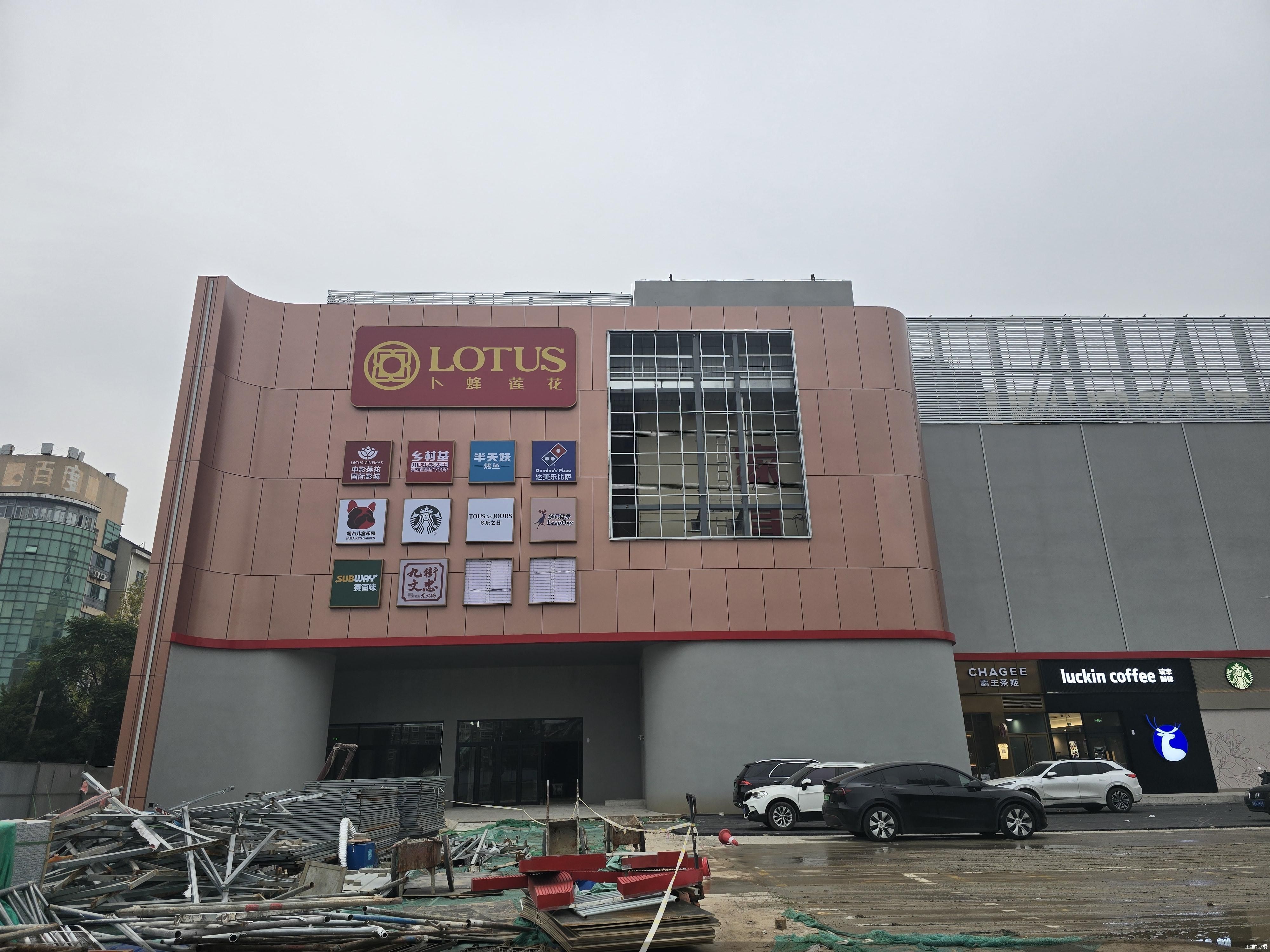
Core Insights - The article discusses the reopening of the CP Lotus supermarket in Tongzhou, Beijing, after a two-year hiatus, transitioning from a traditional supermarket to a community mall format, which reflects a broader trend in the retail industry towards adapting to changing consumer preferences [1][2][4]. Company Overview - CP Lotus, a retail brand under Charoen Pokphand Group, has been operating in Beijing since 2004 and has undergone significant changes, including a rebranding from "Easy Buy Lotus" to "CP Lotus" since 2007 [3]. - The Tongzhou store has been a key shopping destination for local residents for 20 years, and its transformation aims to enhance consumer interaction and diversify shopping experiences [2][3]. Industry Trends - The retail industry is witnessing a shift as traditional supermarkets face challenges, leading to closures among major international players like Walmart and Carrefour, indicating the end of the golden era for traditional supermarkets [4]. - There is a growing trend towards community-based retail formats, with CP Lotus's reopening highlighting a strategic pivot to meet local consumer needs and preferences [5][6]. Strategic Adjustments - CP Lotus's reopening signifies its commitment to the Chinese market, supported by its parent company's diverse business operations and local supply chain advantages [5]. - The company is focusing on optimizing product offerings and enhancing store experiences to improve competitiveness in a challenging retail environment [5][6]. Future Directions - The article emphasizes the importance of community stores, like "CP Fresh," which cater to daily consumer needs and are positioned as a key growth area for the future of retail [6]. - The integration of online and offline shopping experiences, along with personalized services, is expected to shape the future landscape of retail [6].
卜蜂莲花通州店“即将回归”背后: 外资超市升级应对国内竞争
Bei Jing Shang Bao· 2025-10-23 12:45
Core Insights - The article discusses the reopening of the CP Lotus supermarket in Tongzhou, Beijing, which is transitioning from a traditional supermarket to a community mall format, indicating a strategic shift in response to market changes [1][4][8] - CP Lotus, backed by the Charoen Pokphand Group, is leveraging its supply chain advantages to differentiate itself from other foreign supermarkets that are downsizing their operations in China [1][6][8] Company Overview - CP Lotus has been operating in Beijing since 2004 and has undergone significant changes, including a recent closure for renovations that lasted longer than initially planned [4][5] - The brand, originally known as "Easy Mart," has rebranded to "CP Lotus" since 2007 and has over 100 stores nationwide, although it has faced closures in recent years [5] Industry Trends - The article highlights a broader trend of foreign supermarket chains, such as Walmart and Carrefour, facing operational challenges and closing stores in China, marking the end of the traditional supermarket era [6][8] - There is a shift towards community-oriented retail formats, with CP Lotus adapting to consumer preferences for convenience and diverse shopping experiences [10] Strategic Adjustments - Experts suggest that supermarkets must reduce store sizes, enhance experiential services, and optimize inventory management to remain competitive in the evolving retail landscape [7][8] - CP Lotus's strategy includes focusing on local consumer needs and improving store experiences, supported by its parent company's extensive supply chain [8][10]
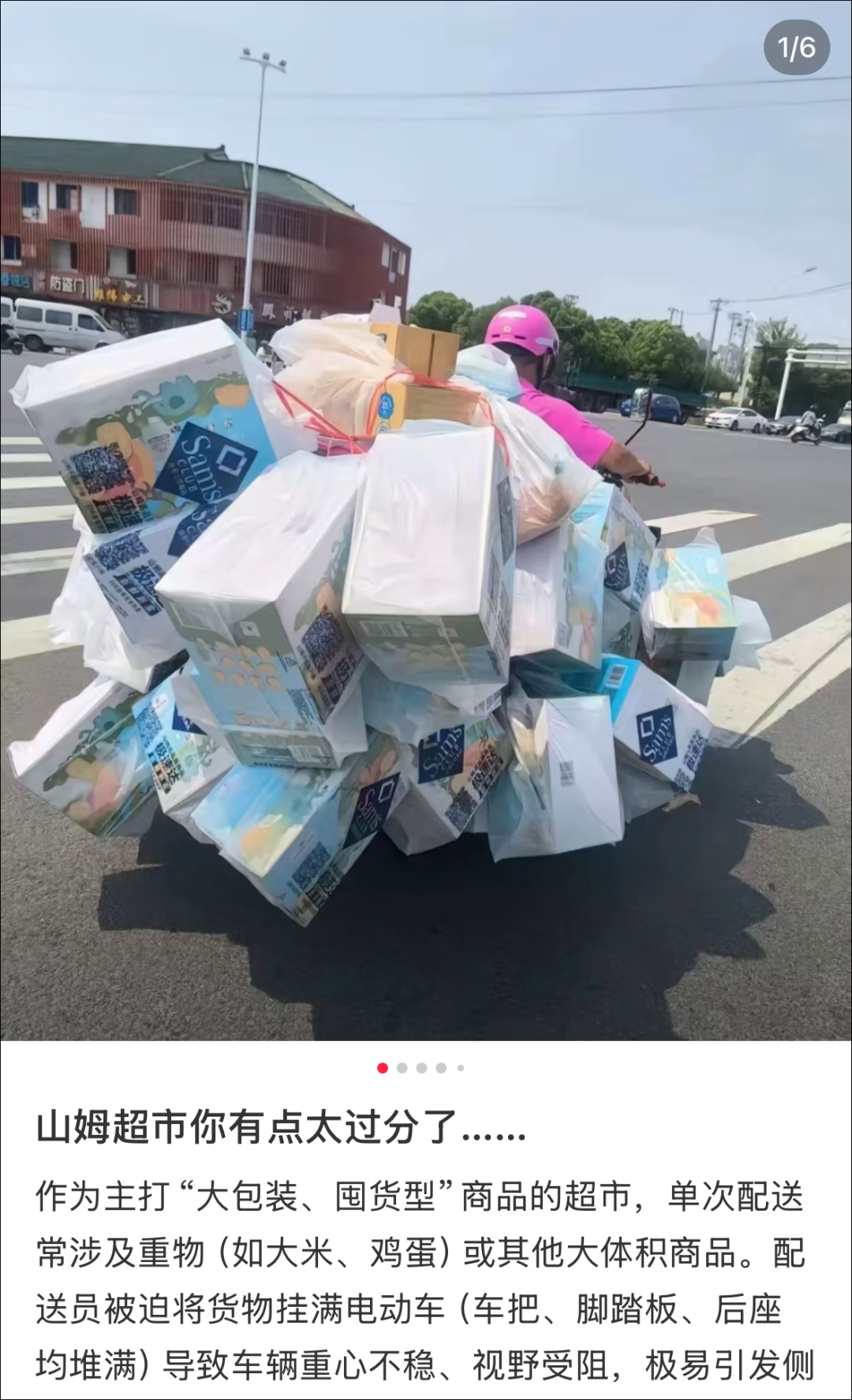
配送员电动车“堆积如山,摇摇晃晃”,山姆回应
凤凰网财经· 2025-10-23 12:43
Core Viewpoint - The article discusses the challenges faced by Sam's Club in China, particularly regarding its delivery system and market expansion strategy, amidst increasing competition and customer dissatisfaction with product selection [6][10][20]. Group 1: Delivery and Safety Concerns - Recent reports highlight safety issues with Sam's delivery personnel, who are seen overloading electric vehicles with goods, raising public safety concerns [6][10]. - In response to these issues, Sam's has announced measures to improve delivery safety by using three-wheeled or four-wheeled vehicles in certain areas, with plans to expand this initiative nationwide [6][8]. - The current delivery methods include "Express Delivery" (within 1 hour), "Citywide Delivery" (next-day delivery), and "Global Purchase," with partnerships including SF Express and Dada [8][9]. Group 2: Market Expansion Strategy - Sam's Club is shifting its strategy from targeting affluent suburban customers to expanding into urban centers and lower-tier cities, indicating a significant change in its market approach [6][16]. - The company plans to open 8 to 10 new stores annually starting in 2025, although this has not been officially confirmed [16]. - The rapid expansion has led to operational challenges, including issues with product selection that have sparked customer dissatisfaction, particularly with the introduction of more common brands [14][18]. Group 3: Competitive Landscape - Sam's Club is facing intensified competition from major players like Meituan, Alibaba, and JD, which have opened numerous discount stores in key regions [20]. - Despite the challenges, Sam's maintains a competitive edge in product selection and private label development, but must navigate increasing pressure from competitors [21]. - Analysts suggest that while Sam's may have a five-year window of opportunity, it must adapt its service capabilities to keep pace with its expansion efforts to maintain customer trust [21].


【活动】全国商超核心玩家齐聚上海,打通与供应链的最后一公里!
东京烘焙职业人· 2025-10-23 08:37
Group 1 - The core viewpoint of the article highlights the rise of "supermarket baking" as a new growth engine for retail brands, moving from a marginal presence to a central focus in the industry [1] - Major retail brands like Sam's Club and Hema are leveraging innovative products like mochi and durian mille-feuille to enhance their performance, while others like Yonghui and Wumart are exploring self-operated baking and factory collaborations [1] - The article raises questions about the transformation of the baking supply chain in new retail and the need for stable, standardized, yet innovative products for supermarkets [1] Group 2 - The "2025 Fresh Produce Grand Class" aims to address the challenges faced by the baking supply chain and provide new answers for the industry [1] - The event will feature discussions on various topics, including the operational strategies for baking areas, supply chain construction, and cost control, focusing on practical solutions rather than theoretical discussions [14] - The baking category is identified as a key area for structural growth within supermarkets, combining fresh attributes, ready-to-eat qualities, and emotional value [11][14] Group 3 - The event will host over 30 industry experts who are practical operators and creators of new models, providing insights into the growth potential of frozen baking in retail [10] - The forum is positioned as a resource connection platform, facilitating direct communication between baking factories and potential clients, which is crucial for business growth [8][17] - The discussions will emphasize the need to return to product fundamentals and reconstruct growth strategies, moving away from outdated retail models [9]

零售周报|LVMH三季度亚洲增2%;遇见小面、自然堂等拟港股上市
Sou Hu Cai Jing· 2025-10-23 02:03
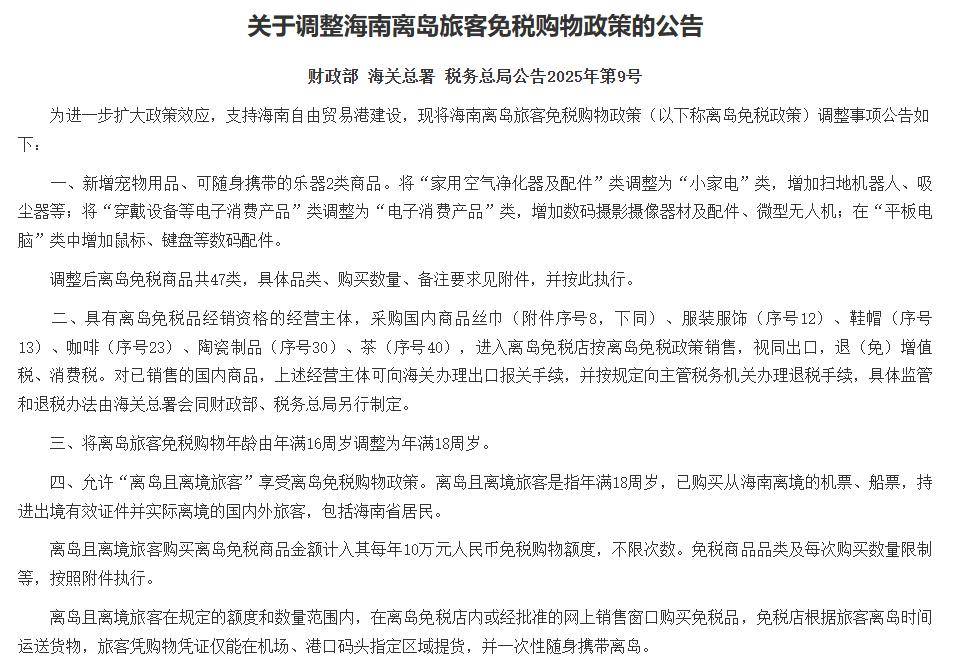
Group 1 - The Ministry of Finance, General Administration of Customs, and State Taxation Administration announced adjustments to Hainan's duty-free shopping policy, effective November 1 [2] - The range of duty-free goods will expand from 45 to 47 categories, including pet supplies, portable musical instruments, drones, and small appliances [2] - Domestic products such as clothing, ceramics, and tea will be allowed for sale in duty-free shops, with VAT and consumption tax exemptions [2] - The age limit for duty-free shopping will be raised from 16 to 18 years [2] - Travelers leaving the island can enjoy duty-free shopping, with purchases counting towards an annual limit of 100,000 RMB [2] - Local residents with island departure records can purchase duty-free items without limit within the same calendar year [2] Group 2 - Michelin Guide will include Shenzhen and Ningde for the first time, with the Shenzhen guide set to launch in 2026 [3] - The 2026 Michelin Guide for Shenzhen will be published alongside the Guangzhou guide [3] - A Michelin food festival will be held in Shenzhen from October 24 to 26, featuring chefs from Michelin-starred restaurants [3] Group 3 - ZARA plans to open a large flagship store in Shanghai on Huaihai Road, featuring five retail floors and innovative technology for consumer experience [6] - The flagship store is scheduled to open in the first half of 2026, following ZARA's global store optimization strategy [6] Group 4 - The brand PhiiB opened its first store in mainland China at Qingdao's Aeon Mall, focusing on high-quality wool fabric [8] - PhiiB promotes a philosophy of luxury based on comfort and structure rather than external symbols [8] Group 5 - The ancient gold brand Baowangfu plans to open its second store in Shanghai's IFC by the end of 2025 [9] - The new store will be the seventh luxury store for Baowangfu nationwide [9] Group 6 - Liverpool FC's official store opened its first location in Guangdong at K11, featuring a wide range of club merchandise [11] - The store design integrates Liverpool's club culture with Shenzhen's innovative spirit [11] Group 7 - LVMH reported a 1% increase in Q3 organic revenue to €18.28 billion, ending two consecutive quarters of decline [11] - The fashion and leather goods segment saw a 2% decline, while perfumes and cosmetics grew by 2% [11] - Revenue in the Asia region, including China, grew by 2% in Q3 [11] Group 8 - The beauty store JIANG TUN BEAUTY by Wushang Group achieved over 1,000 transactions within ten days of opening [15] - The store focuses on high-end cosmetics and aims to create an integrated shopping and experience space [15] Group 9 - Jiu Mao Jiu Group announced plans to exceed 200 new model restaurants by the end of the year, with positive sales trends [16] - The new model restaurants have received favorable responses since their launch [16] Group 10 - The tea brand Bawang Chaji opened its eighth store in Hong Kong within a year, continuing its expansion in the region [17] - The brand aims to cover more areas in Hong Kong with additional store openings planned [17] Group 11 - The bakery brand 85°C is closing over 40 stores in mainland China this year, marking its largest adjustment in five years [20] - The current number of operational stores stands at 659, with approximately 440 in mainland China [20] Group 12 - The Chinese beauty brand Natureroad submitted its IPO application to the Hong Kong Stock Exchange, aiming for a public listing [22] - Natureroad is the third-largest domestic cosmetics group in China based on projected 2024 retail revenue [22] Group 13 - Hailan Home announced plans to issue H-shares and list on the Hong Kong Stock Exchange to enhance its global strategy [25] - The company aims to accelerate overseas business development and improve its international brand image [25] Group 14 - Meili Tianyuan announced a strategic acquisition of 100% of Shanghai Siyuanli for 1.25 billion RMB, expanding its beauty service network [27] - After the acquisition, the total number of stores will reach 734, enhancing the company's market presence [27]
中国超市,开到宇宙尽头
36氪· 2025-10-22 23:59
Core Insights - The article discusses the phenomenon of "grassroots globalization" through Chinese supermarkets, highlighting their presence in various global locations, including remote areas [5][31]. - It emphasizes the role of family and social networks in the establishment and expansion of these supermarkets, often driven by immigrant experiences [6][22]. Group 1: Market Presence and Expansion - Chinese supermarkets can be found in diverse locations worldwide, from urban centers to remote areas like Savannah, Jamaica [5]. - In Argentina, there are approximately 10,788 Chinese supermarkets, with a notable concentration in Buenos Aires, where one can find a Chinese supermarket every two to three blocks [6]. - The expansion of Chinese supermarkets is often initiated by immigrants who are brought over by relatives, leading to a network of family-run businesses [6][22]. Group 2: Operational Challenges - Supermarkets in regions like Jamaica face significant challenges, including theft and violence, with local economic conditions contributing to these issues [9][12]. - In Jamaica, theft is common, with no specific profile for thieves, and even children are noted to steal frequently [9]. - In Argentina, the economic situation has led to a high inflation rate of 211.4% in 2023, exacerbating the risks of robbery and theft in supermarkets [12][13]. Group 3: Business Model and Strategy - The entry barrier for operating a supermarket is relatively low, requiring only initial capital and basic operational diligence [18][22]. - Successful supermarket operations often rely on understanding local demand, with products tailored to both Chinese expatriates and local consumers [21][22]. - The article notes that the business model of supermarkets is traditional and stable, providing a reliable income for many Chinese immigrants in developing countries [22]. Group 4: Social Dynamics and Community - Many Chinese supermarket owners prefer to remain low-profile and avoid conflicts, often relying on social networks for support and information sharing [14][26]. - The community dynamics among Chinese immigrants often lead to competition rather than collaboration, with price wars being a common occurrence [26]. - The article highlights the isolation felt by many supermarket owners, who often do not integrate into the local culture and maintain a distance from local communities [25][29]. Group 5: Future Outlook - The competitive landscape for Chinese supermarkets is evolving, with increasing pressure from larger chain stores and changing consumer preferences [30]. - The traditional model of overseas retailing is being overshadowed by newer business models like cross-border e-commerce, indicating a shift in how Chinese products are marketed abroad [30]. - Despite these challenges, the article asserts that Chinese supermarket owners play a crucial role in introducing Chinese goods and culture to global markets, forming a foundational aspect of grassroots globalization [31].
配送员电动车“堆积如山,摇摇晃晃”,山姆回应:将加入三轮或四轮车!“躺赚”多年后,山姆的日子为何没那么好过了?
Mei Ri Jing Ji Xin Wen· 2025-10-22 16:35
Core Viewpoint - The recent issues surrounding Sam's Club's delivery practices, particularly the overloaded electric vehicles used by delivery personnel, have sparked public concern regarding safety and have prompted a reevaluation of the company's market strategy in China [3][5]. Group 1: Delivery and Safety Concerns - Reports indicate that Sam's delivery personnel are overloading electric vehicles with goods, raising safety risks during transportation [1][3]. - In response to public outcry, Sam's has announced measures to improve safety, including the introduction of three-wheeled or four-wheeled vehicles for deliveries [3][4]. - The company is facing challenges in balancing rapid expansion with service quality, particularly in its last-mile logistics [3][6]. Group 2: Market Strategy and Competition - Sam's Club is shifting its strategy to penetrate lower-tier cities and urban areas, moving away from its previous focus on affluent suburban customers [3][9]. - The company has been criticized for its product selection, which has led to dissatisfaction among members, indicating potential misalignment with its core customer base [9][10]. - Increased competition from major players like Meituan, Alibaba, and JD.com is intensifying the pressure on Sam's, as these companies are rapidly opening discount stores in key markets [10][11]. Group 3: Financial Performance and Growth - Sam's Club has reported strong growth, with double-digit increases in transaction volume and the opening of new stores, indicating a robust demand for its offerings [7][9]. - The company continues to rely on a membership model and a selective product range to attract middle to high-income consumers, which is crucial for maintaining brand trust [7][9]. - Despite current growth, analysts suggest that Sam's must navigate its expansion carefully to avoid compromising service quality and customer trust [10][11].