
化工原料

Search documents
债市专题研究:成长向价值切换,做多波动率占优
ZHESHANG SECURITIES· 2026-03-15 12:23
1. Report Industry Investment Rating - Not provided in the given content 2. Core Viewpoints of the Report - The current convertible bond market risk preference tends to converge, and the overall valuation is at a high level. Portfolio operations should prioritize defense. Implement a style re - balance from growth to value within the dumbbell - type allocation framework, and adopt a trading strategy centered on long - volatility [1]. - The convertible bond market showed an oscillating downward trend last week. The core driving factor was the decline in the market's risk preference due to increased external uncertainties, which suppressed the valuation and price performance of convertible bonds. The dumbbell strategy may be advantageous in the short - term, and the style within the portfolio should be re - balanced [2][11]. - Most styles in the convertible bond market were under pressure last week. Strong - momentum varieties were cashed out, and many style factors became ineffective. Investors should focus on defense and avoid high - risk, high - deviation varieties [3][14]. - In the future, a trading strategy centered on long - volatility is recommended. The dumbbell strategy framework can be maintained, but the style should be re - balanced by reducing the growth - style positions and increasing value - type varieties. Industries with relatively low valuations such as coal, steel, and chemical can be considered for layout [4][19]. 3. Summary According to the Catalog 1. Convertible Bond Weekly Thinking - Last week (from March 9th to March 13th, 2026), the convertible bond market showed an oscillating downward trend. The decline in the overall market's risk preference due to external uncertainties suppressed the valuation and price of convertible bonds. The dumbbell strategy may be advantageous in the short - term, and the style within the portfolio should be re - balanced from the previous high - growth direction to the value style [11]. - The convertible bond market was comprehensively adjusted last week, with a significant contraction in risk preference. Most styles were under pressure, and strong - momentum varieties were cashed out, causing many style factors to become ineffective. Investors should focus on defense and transfer to hedging targets with better valuation protection or independent fundamental support [14]. - In the short - term, the growth style is in an unfavorable environment. The dumbbell strategy should prioritize defense in the short - term, focusing on the value style, and adhere to the growth direction in the long - term [16]. - In the future, a trading strategy centered on long - volatility is recommended. The dumbbell strategy framework can be maintained, but the style should be re - balanced by reducing the growth - style positions and increasing value - type varieties. Industries with relatively low valuations such as coal, steel, and chemical can be considered for layout [19]. 2. Convertible Bond Market Conditions 2.1 Convertible Bond Market Conditions - Not provided in the given content 2.2 Convertible Bond Individual Securities - Not provided in the given content 2.3 Convertible Bond Valuation - Not provided in the given content 2.4 Convertible Bond Price - Not provided in the given content
蛋氨酸专家电话会
2026-03-13 04:46
Summary of Methionine Industry Conference Call Industry Overview - The conference call focused on the methionine industry, particularly the solid methionine market, which has seen significant price fluctuations due to rising sulfur costs and geopolitical tensions in the Middle East [2][4][11]. Key Points and Arguments Price Dynamics - Sulfur costs surged from over 700 RMB/ton to 4,500 RMB/ton, leading to solid methionine prices increasing to 29.5 RMB/kg with limited supply [2][4]. - Current market prices for solid methionine range from 31 RMB/kg to 38 RMB/kg, with actual transactions occurring at lower prices due to limited supply [4][5]. - The domestic price of methionine has historically been higher than international prices, but recent trends show international prices, particularly in the Middle East, exceeding 50 RMB/kg [2][7]. Supply Constraints - Supply-side contraction is a core issue, with overseas factories like Evonik facing raw material supply disruptions due to geopolitical tensions [2][11]. - Domestic distributors have low inventory levels due to previous bearish market sentiment, leading to tight current supply conditions [6][11]. Competitive Landscape - The methionine market is characterized by an oligopolistic structure, with Evonik, New Hope Liuhe, and Ziguang being the top three suppliers in China [2][8]. - Liquid methionine, while having cost advantages, is limited by the volatility of solid methionine prices, affecting its market penetration [9]. Future Capacity Expectations - Confirmed future capacity increases include projects from Linsheng (expected by the end of 2026) and Adisseo in Quanzhou (expected by 2027) [2][14]. - Global methionine capacity is approximately 2.7 million tons, with a utilization rate of 59%-60% needed to meet demand [15]. Demand Elasticity - Downstream demand from feed manufacturers is elastic, with potential adjustments in formulation to reduce methionine usage as prices rise [3][12]. - The typical addition rate of methionine in feed ranges from 0.1% to 0.3%, with adjustments made based on price levels [17]. Market Trends and Observations - The current market sentiment is cautious, with manufacturers controlling supply to manage pricing effectively [5][21]. - The potential for price corrections exists, particularly if overseas production capacity is restored [16][11]. Export and Import Dynamics - Domestic methionine exports are primarily directed towards Europe, South America, Southeast Asia, and South Asia, with minimal exports to the U.S. [26][27]. - The export model is predominantly spot-based rather than long-term contracts, reflecting a preference for flexibility among domestic manufacturers [27]. Conclusion - The methionine market is currently experiencing significant price volatility driven by supply constraints and geopolitical factors. Future capacity expansions may alter the competitive landscape, but the immediate focus remains on managing supply and pricing strategies in response to market conditions [2][14][15].
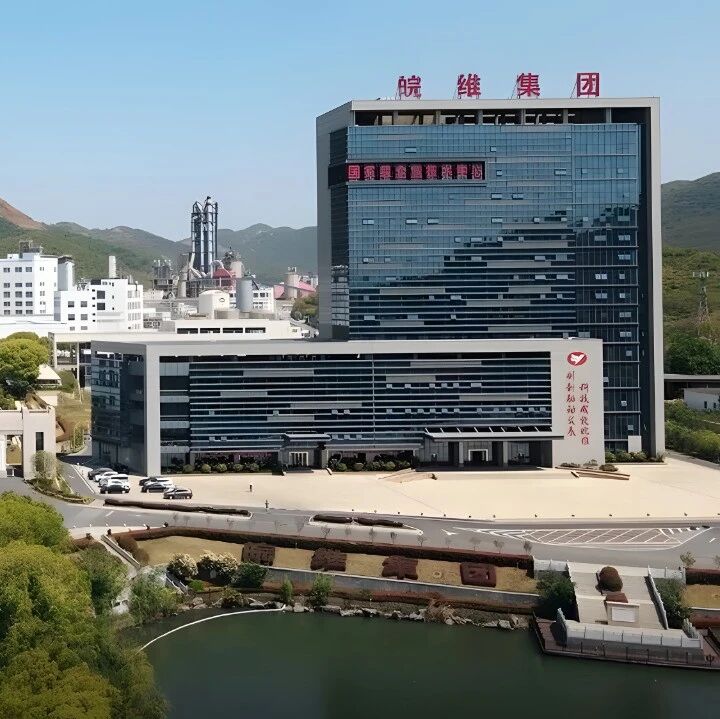
总投资6.61亿元,皖维高新加码PVA光学薄膜
WitsView睿智显示· 2026-03-12 09:28
Core Viewpoint - The company, Wanwei High-tech, plans to raise up to 3 billion yuan through the issuance of A-shares to fund two key projects: a 200,000 tons/year ethylene-based functional polyvinyl alcohol (PVA) resin project and a 30 million square meters/year high-generation panel PVA optical film project [2][5]. Group 1: Project Details - The total investment for the high-generation panel PVA optical film project is 661 million yuan, with 400 million yuan planned to be raised from the issuance [3]. - The total investment for the 200,000 tons/year ethylene-based functional PVA resin project is approximately 3.66 billion yuan, with 2.6 billion yuan to be raised from the issuance [4]. Group 2: Strategic Importance - The fundraising projects are crucial for the company to extend its main business chain and enhance its core competitiveness, facilitating a full industrial chain from basic chemical raw materials to high-end functional film materials [5]. - The ethylene-based PVA will serve as a key raw material for the high-generation panel PVA optical film project, promoting synergy with existing downstream businesses such as PVB resin and high-strength PVA fiber [5]. Group 3: Market Context - The company has recently raised the prices of all PVA products by 2,000 yuan per ton due to rising upstream raw material costs, which are closely linked to crude oil prices [6]. - The price increase in PVA is expected to influence the pricing of downstream products as well [6].


早间评论-20260311
Xi Nan Qi Huo· 2026-03-11 02:35
1. Report Industry Investment Ratings There is no information about industry investment ratings in the provided content. 2. Core Viewpoints of the Report - The macro - economic recovery momentum needs to be strengthened, and the monetary policy is expected to remain loose. The market is affected by factors such as the Iran situation and geopolitical conflicts, with significant volatility. Different industries have different trends and investment opportunities, and investors need to pay attention to risk control [5][8]. 3. Summary by Related Catalogs Bond Market - **Treasury Bonds**: On the previous trading day, the performance of treasury bond futures was divided. The central bank carried out 395 billion yuan of 7 - day reverse repurchase operations, with a net investment of 52 billion yuan. The macro - economic recovery momentum needs to be strengthened, and the treasury bond yield is at a relatively low level. It is expected that there will still be some pressure in the future, so it is necessary to be cautious [5]. Stock Index Futures - **Stock Index**: On the previous trading day, stock index futures rose and fell differently. The Shanghai Stock Exchange will increase the supply of institutional inclusiveness for technology - based enterprises. The domestic economic recovery momentum is not strong, but the asset valuation is at a low level, and the policy environment is favorable. However, due to the great uncertainty of the Iran situation, it is expected that the market volatility will increase significantly. It is recommended to take profits on previous long positions and wait for opportunities [7][8]. Precious Metals - **Precious Metals**: On the previous trading day, gold and silver futures rose. The global trade and financial environment is complex, which is beneficial to the allocation and hedging value of gold. However, due to the great uncertainty of the Iran situation, it is expected that the market volatility will increase significantly, so it is recommended to wait and see [10]. Steel and Iron - Related Products - **Steel (Rebar and Hot - Rolled Coil)**: On the previous trading day, rebar and hot - rolled coil futures fluctuated. In the short term, the Middle - East geopolitical conflict may affect the sentiment of futures prices, but has little impact on the actual supply - demand pattern. In the medium term, the price is dominated by industrial supply - demand logic. The demand for rebar is in a year - on - year decline, and the supply pressure is reduced. It is recommended that investors pay attention to low - position long - entry opportunities [13]. - **Iron Ore**: On the previous trading day, iron ore futures fluctuated. In the short term, the Middle - East geopolitical conflict may affect the sentiment of futures prices, but has little impact on the actual supply - demand pattern. The demand for iron ore is suppressed by steel mill production restrictions, and the supply is in a weak pattern. It is recommended that investors pay attention to low - position long - entry opportunities [15]. - **Coking Coal and Coke**: On the previous trading day, coking coal and coke futures fell sharply. In the short term, the Middle - East geopolitical conflict may affect the sentiment of futures prices, but has little impact on the actual supply - demand pattern. The supply of coking coal is gradually recovering, and the demand is weak. The supply of coke is stable, but the demand is under pressure. It is recommended that investors pay attention to low - position long - entry opportunities [17]. - **Ferroalloys**: On the previous trading day, manganese silicon and ferrosilicon futures fell. The cost of ferroalloys is at a low level and the downward space is limited. The production has been at a low level since 2026, and the overall surplus pressure continues. It is recommended to consider taking profits on long positions after a rapid short - term price rebound [19]. Energy and Chemical Products - **Crude Oil**: On the previous trading day, INE crude oil fell sharply. The increase in CFTC net long positions shows that US funds are optimistic about the future of crude oil. The limited opening of the Strait of Hormuz and Iran's consideration of laying mines support the oil price. It is recommended to pay attention to long - entry opportunities for the main crude oil contract [20][21]. - **Polyolefins**: On the previous trading day, the prices of polyolefins in the market fell. The downstream factories of polyolefins are resuming production, and the rigid demand for replenishment is increasing, which provides support for the price increase. It is recommended to pay attention to long - entry opportunities [23][24]. - **Synthetic Rubber**: On the previous trading day, the synthetic rubber futures fell. The cost of synthetic rubber is supported by the increase in crude oil prices and the expected maintenance of some devices in March. It is expected to be in a strong - side shock [26]. - **Natural Rubber**: On the previous trading day, natural rubber futures rose. The increase in crude oil prices drives up the cost of synthetic rubber, and the expected substitution demand for natural rubber increases. It is expected to be in a strong - side shock [29]. - **PVC**: On the previous trading day, PVC futures fell. The market is affected by the overseas geopolitical conflict and the domestic seasonal off - season. It is expected that the disk will be in a strong - side shock [31]. - **Urea**: On the previous trading day, urea futures fell. The market is affected by geopolitical conflicts and international supply - demand mismatches. The domestic supply - demand is in a tight balance, and it is expected to be in a strong - side shock in the short term [33]. - **PX**: On the previous trading day, PX futures fell. The PXN spread and short - process profit are slightly compressed, and the PX is expected to enter the de - stocking channel. It is recommended to operate cautiously and pay attention to the changes in oil prices and the situation [35]. - **PTA**: On the previous trading day, PTA futures fell. The PTA processing fee is adjusted, and the supply - demand drive is general. The cost - side support is slightly weakened. It is recommended to operate cautiously and pay attention to the demand resumption and inventory digestion [38]. - **Ethylene Glycol**: On the previous trading day, ethylene glycol futures fell. The short - term geopolitical situation is uncertain, and the cost - side changes may intensify. The high inventory may suppress the short - term trend. It is recommended to be cautious and pay attention to the geopolitical situation and the spring inspection rhythm [39]. - **Short - Fiber**: On the previous trading day, short - fiber futures fell. The short - fiber supply is gradually increasing, and the terminal factory inventory is basically maintained. The short - fiber inventory is at a low level and the cost is relatively strong, which may provide bottom support. It is recommended to pay attention to the geopolitical situation, device dynamics and downstream factory resumption [41]. - **Bottle Chips**: On the previous trading day, bottle - chip futures fell. The bottle - chip supply is expected to shrink, and the export growth rate is increasing. The main logic is still on the cost side. It is recommended to participate cautiously and pay attention to the restart of maintenance devices and cost changes [42]. - **Soda Ash**: On the previous trading day, soda - ash futures fell. The supply of soda ash is loose, the inventory is at a high level, and the downstream demand is general. The cost support is expected to weaken, and the disk is likely to return to the fundamental logic. It is recommended to control risks [44][45]. - **Glass**: On the previous trading day, glass futures fell. The glass industry is in the stage of active capacity reduction, the inventory is accumulating, and the demand recovery is slow. The cost support is expected to weaken, and the disk is in a high - position multi - empty game. It is recommended to control positions and pay attention to the Middle - East situation [47][48]. - **Caustic Soda**: On the previous trading day, caustic - soda futures fell. The supply of caustic soda is at a high level, the inventory is increasing, and the downstream demand is mainly rigid. The market may return to the fundamental logic, and the disk fluctuates greatly. It is recommended to control positions and pay attention to the price of liquid chlorine and export transactions [51]. - **Pulp**: On the previous trading day, pulp futures fell. The pulp inventory is not showing a de - stocking trend, the supply changes little, and the downstream demand is weak. It is recommended to pay attention to the trend of crude oil and commodities, the procurement rhythm of downstream paper mills and capital trends [53]. Non - Ferrous Metals - **Lithium Carbonate**: On the previous trading day, lithium carbonate futures rose. The global lithium resource supply - demand balance is being reshaped, the supply is in a tight balance, and the demand is improving. The price has short - term support, but the short - term volatility may increase [56]. - **Copper**: On the previous trading day, copper futures rose. The US - Iran situation is uncertain, and the supply elasticity of electrolytic copper is limited. The demand shows seasonal recovery, and the copper price is expected to be in a range - bound shock [57]. - **Aluminum**: On the previous trading day, aluminum futures rose, and alumina futures fell. The alumina market is in a supply - surplus pattern, and the cost support is strengthened. The domestic aluminum supply is increasing, but the inventory pressure is large. The aluminum price is expected to run strongly [58]. - **Zinc**: On the previous trading day, zinc futures rose slightly. The production of refined zinc is increasing moderately, the import is in a net inflow, the downstream consumption is expected to recover moderately, and the zinc price may be under pressure and in a shock [60]. - **Lead**: On the previous trading day, lead futures fell slightly. The supply - demand mismatch is conducive to the de - stocking of primary lead, and the lead price is expected to be in a consolidation state [61]. - **Tin**: On the previous trading day, tin futures rose. The supply of refined tin is in a tight pattern, the demand is supported by emerging fields, and the inventory is decreasing. The tin price has support below, but the overseas situation is uncertain, and the price volatility may increase [63]. - **Nickel**: On the previous trading day, nickel futures fell. The global nickel - mine supply is expected to be tight, the production cost is expected to rise, but the downstream consumption is not optimistic, and the refined nickel is in an oversupply pattern [64]. Agricultural Products - **Soybean Oil and Soybean Meal**: On the previous trading day, soybean - meal and soybean - oil futures fell. The export demand of soybeans is expected to improve, and the supply of soybeans is relatively loose. If the Middle - East conflict continues to rise, it is recommended to consider taking profits on long positions [66]. - **Palm Oil**: On the previous trading day, palm - oil futures fell. The production and export of Malaysian palm oil decreased in February, and the inventory decreased. The domestic palm - oil inventory is at a relatively high level. It is recommended to wait and see [68]. - **Rapeseed Meal and Rapeseed Oil**: On the previous trading day, rapeseed - meal and rapeseed - oil futures fell. The import policy of Canadian rapeseed and rapeseed products has changed, and the inventory of rapeseed and rapeseed meal is at a relatively high or low level. It is recommended to wait and see [70]. - **Cotton**: On the previous trading day, domestic cotton futures fluctuated. The USDA expects a reduction in global cotton production in the new year, and the domestic supply is expected to be tight in the long - term. The cotton price is expected to run strongly in the long - term [73]. - **Sugar**: On the previous trading day, domestic sugar futures fluctuated. India's sugar production is expected to decrease, which is favorable for the market. The domestic sugar production is expected to increase, and the supply is sufficient. It is recommended to pay attention to the impact of rising oil prices on commodities [77]. - **Apple**: On the previous trading day, apple futures fluctuated. The current inventory is low and the quality is poor, and the apple price is expected to run strongly in the long - term [80]. - **Pig**: On the previous trading day, pig futures fell. The national pig supply is relatively abundant, the consumption is weak, and the price is in a bottom - grinding state. It is recommended to wait for short - selling opportunities at high prices [82]. - **Egg**: On the previous trading day, egg futures fell. The egg supply in March is expected to remain at a relatively high level, and the feed - cost increase is expected. It is recommended to take partial profits on long - term short positions [84]. - **Corn and Starch**: On the previous trading day, corn and corn - starch futures fell. The domestic corn is basically in balance between production and demand, and the supply is expected to be released after the festival. The demand for corn starch has recovered slightly, and it is expected to follow the corn market [85]. - **Log**: On the previous trading day, log futures fell. The shipping cost support is expected to weaken, and the disk has cooled down. It is recommended to pay attention to the external - market quotation, shipping dynamics and downstream consumption [88].
华泰证券今日早参-20260311
HTSC· 2026-03-11 01:15
Group 1: Market Overview - The A-share market experienced significant fluctuations due to geopolitical disturbances, with capital outflows following a brief return after the holiday [2] - The financing balance remains high, with an average guarantee ratio above 290%, indicating potential market volatility [2] Group 2: Fixed Income Insights - The recent Middle East tensions have increased market volatility, with a focus on oil and high-dividend stocks as potential investment strategies [3] - The conflict is expected to evolve into either a "war of attrition" or a slight easing, impacting trading strategies and market sentiment [3] Group 3: Automotive Industry - The geopolitical situation, particularly the US-Israel-Iran conflict, is projected to suppress overall sales, with an estimated impact of around 300,000 vehicles in the Middle East market [4] - Despite potential declines in fuel vehicle demand, the growth of new energy vehicles is expected to partially offset these losses [4] Group 4: Export and Trade Data - In January-February 2026, exports increased by 21.8% year-on-year, significantly higher than the previous month's 6.6% [5] - The trade surplus reached $213.6 billion, reflecting a strong performance driven by seasonal factors [5] Group 5: Credit Bond Market - The behavior of institutional investors is closely linked to credit bond market performance, with expectations for a slight improvement in supply-demand dynamics in 2026 [7] - The report suggests a focus on short-term credit bonds for unstable institutions and opportunities arising from market adjustments [7] Group 6: Infrastructure Investment - The transition from "incremental" to "stock quality" investment in infrastructure is emphasized, with a focus on urban renewal and pipeline renovation as key investment opportunities [8] - Companies like China Liansu and Oriental Yuhong are recommended for their potential in this sector [8] Group 7: Chemical and Energy Sector - The geopolitical tensions have highlighted the resilience of China's energy and chemical supply chains, with an upward revision of Brent crude oil price forecasts to $78 per barrel for 2026 [10] - Companies with complete industrial chains, such as Sinopec and Hengli Petrochemical, are recommended for investment [10] Group 8: Steel Industry - The global steel supply-demand balance is expected to improve from 2025 to 2030, with a potential shift to a shortage by 2029 [11] - Domestic steel demand is stabilizing, with a significant reduction in reliance on real estate, suggesting a favorable outlook for leading steel companies [11] Group 9: Consumer Goods - The report highlights the growth potential of companies like Mingming Henmang in the snack retail sector, driven by innovative business models and efficient supply chains [13] - The company is projected to maintain a strong market position with a target price of HKD 535 [13] Group 10: Emerging Markets - Companies like Leshu Shi are positioned to benefit from growth opportunities in emerging markets, particularly in the hygiene products sector [15] - The report anticipates continued growth driven by market expansion and product diversification [15] Group 11: Lithium and Battery Materials - Tianqi Lithium is expected to benefit from tight supply conditions for lithium hexafluorophosphate (6F), with a strong outlook for revenue growth [20] - The company is maintaining a "buy" rating based on anticipated price increases and strong demand [20] Group 12: Travel and Tourism - Tuniu reported a strong performance in packaged travel products, with a year-on-year revenue increase of 35.3% [23] - The company is focusing on product differentiation and channel expansion to drive long-term growth [23]
美伊冲突扰动供给,PVC价格大幅拉升
Guo Mao Qi Huo· 2026-03-09 05:25
1. Report Industry Investment Rating - The investment view is bullish, suggesting a long - term positive outlook for PVC due to potential supply shortages caused by the US - Iran conflict and limited global capacity expansion [3]. 2. Core View of the Report - The US - Iran conflict has disrupted the supply of PVC, leading to a significant increase in prices. The supply - demand fundamentals of the domestic PVC market are under pressure, but in the long - term, the supply situation is expected to improve as capacity exits the market. The report recommends a long - term bullish investment strategy [3][6]. 3. Summary by Relevant Catalogs 3.1 Main Views and Strategy Overview - **Supply**: The supply situation is bearish. The domestic PVC spot market has a narrow adjustment, with an oversupply situation that is difficult to change in the short - term. The capacity utilization rate of PVC production enterprises decreased slightly, and the maintenance loss increased. The US - Iran conflict may cause raw material shortages in the ethylene - based process, leading to potential large - scale production halts [3]. - **Demand**: The demand situation is bearish. The pre - sales of PVC production enterprises decreased, and although the start - up rates of downstream industries such as pipes and profiles increased, the overall demand is still in the off - season [3]. - **Inventory**: The inventory situation is neutral. The social inventory increased, while the factory inventory decreased due to the resumption of logistics after the holiday [3]. - **Basis**: The basis is neutral, showing a weakening trend [3]. - **Profit**: The profit situation is neutral. The profit of the calcium carbide - based process increased, while that of the ethylene - based process decreased [3]. - **Valuation**: The valuation is bullish. The price is at a historical low, indicating a low valuation [3]. - **Macroeconomic Policy**: The macroeconomic policy is bullish. Geopolitical conflicts have intensified, increasing risk - aversion sentiment [3]. - **Investment View**: The investment view is bullish. In the long - term, due to limited global PVC capacity expansion and potential supply shortages caused by the US - Iran conflict, the outlook is positive [3]. - **Trading Strategy**: The trading strategy suggests going long on PVC at low prices and conducting a 5 - 9 positive spread arbitrage [3]. 3.2 Futures and Spot Market Review - **Market Trend**: The PVC powder market rose this week. The US - Iran conflict led to a shortage of ethylene supply, and ethylene - based factories may face large - scale production halts. The supply pressure increased, and the demand needs time to recover. The domestic PVC spot market is under pressure, and the impact of geopolitical conflicts on ethylene - based PVC should be monitored [6]. - **Price Spread**: The price spread widened, and PVC maintained a contango structure [9]. 3.3 PVC Supply - Demand Fundamental Data - **Production**: After the end of maintenance, the production in the northwest region is high. The output of different regions shows different trends [35]. - **Inventory**: The factory inventory increased, while the social inventory decreased [43]. - **Demand**: The downstream demand is in the off - season, and the start - up rates of downstream industries are at a relatively low level [61]. - **Export**: The export rush has slowed down. Although India's policies have a positive impact on exports, the approaching cancellation of export subsidies in April has led to a slowdown in export behavior [82].
能源价格上行背景下的MDI近况更新和展望
2026-03-09 05:18
Summary of MDI Industry Conference Call Industry Overview - The MDI (Methylene Diphenyl Diisocyanate) industry is currently experiencing a recovery phase, with global operating rates around 80% and orderly supply-side conditions [1][3] - The price of polymer MDI has been adjusted upwards from 16,000 CNY/ton to over 17,000 CNY/ton, reflecting an increase of approximately 3,000 CNY/ton compared to pre-holiday levels [1][2] Key Points Pricing and Cost Dynamics - Wanhua Chemical has a significant cost advantage with a tax-excluded cost of about 10,500 CNY/ton, which is approximately 2,000 CNY/ton lower than foreign competitors [1] - Foreign manufacturers like Dow and Huntsman are expected to face substantial losses by 2025, leading them to adopt contraction strategies, including extending maintenance and shutting down older facilities in Europe [1][4] - Domestic prices have risen from around 14,000 CNY/ton before the Spring Festival to approximately 15,200-15,300 CNY/ton, with plans to increase to 16,500 CNY/ton [2] Demand Forecast - China's MDI demand is projected to grow by about 5% in 2024, driven primarily by the appliance sector (+10%) and formaldehyde-free boards (+14%) [1][6] - Global demand growth is expected to be around 4%-5%, slightly above global GDP growth [1][6] Supply Chain and Inventory - Current finished product inventory levels are low, at about 15-20 days, with increased speculative stocking by agents [1][14] - The traditional peak season from March to May, combined with overseas supply disruptions, suggests a high likelihood of strong pricing in Q2 [1][2] Regional Cost Differences - MDI manufacturing costs in the U.S. are approximately 500 USD/ton higher than in China, which maintains the lowest manufacturing costs globally [3][4] - Foreign companies have been closing facilities in Europe and Southeast Asia due to cost pressures, while maintaining stability in China [4][5] Market Strategies - In Europe, the strategy is to maintain low operating rates rather than large-scale exits, with companies focusing on reducing capacity to cope with weak demand [5] - In contrast, the U.S. market is seen as more stable, with companies like BASF planning to expand capacity [5][6] Future Capacity and Production - Global MDI capacity is projected to be around 10.69 million tons in 2024, with significant expansions in the Asia-Pacific region [3][7] - Wanhua has plans for capacity expansions in Ningbo and Fujian, aiming to capture the annual demand increase of 200,000-300,000 tons [3][7] Trade and Procurement Behavior - There has been a slight increase in procurement urgency among end customers, but overall demand remains rational without panic buying [8][9] - Inventory structures show low levels for manufacturers and end-users, while agents have higher speculative inventories [8][14] Pricing Mechanisms - Monthly settlement pricing mechanisms are in place, with agents typically negotiating based on weighted averages and rebates [9] - The pricing strategy is influenced by market expectations and the timing of price increases, with agents balancing risks between price increases and potential downturns [9][10] Conclusion - The MDI market is poised for a strong Q2 due to seasonal demand and supply constraints, with prices expected to rise further if no significant disruptions occur [10][11] - The overall outlook for the MDI industry remains positive, with growth opportunities driven by domestic demand and strategic capacity expansions [1][6][7]

3月石化化工月度策略电话会议
2026-03-09 05:18
Summary of Key Points from the Conference Call Industry Overview - The conference call primarily discusses the petrochemical and chemical industries, focusing on the impacts of geopolitical tensions, particularly in the Middle East, on oil and gas prices, and the subsequent effects on various sectors within the chemical industry [1][2]. Core Insights and Arguments 1. **Oil Price Surge**: Geopolitical conflicts have disrupted transportation in the Strait of Hormuz, leading to a significant increase in oil prices, with expectations that prices may exceed $100 per barrel in the near term [1][2]. 2. **Natural Gas Price Increase**: European natural gas prices have surged to €60 per megawatt-hour, raising costs for European chemical producers, which benefits Chinese products like MDI, TDI, and urea due to their cost advantages [1][2]. 3. **Amino Acids Price Increase**: The price of methionine is expected to rise above ¥25,000 per ton due to raw material price surges and limited European production capacity [1][9]. 4. **Refrigerants Price Growth**: Seasonal demand has led to price increases of R32 and other refrigerants by ¥500-1,000, with leading companies projecting a 100%-150% increase in earnings by 2025 [1][7]. 5. **Phosphate Industry Dynamics**: The U.S. has classified phosphorus as a defense material, maintaining high prices for phosphate rock, while demand for fertilizers is expected to rise due to spring planting needs [1][5][6]. 6. **Palm Oil Export Tax Changes**: Indonesia has increased palm oil export taxes to 12.5%, benefiting companies with significant processing capacity in Indonesia [1][8]. 7. **SAF Demand Growth**: The global demand for sustainable aviation fuel (SAF) is projected to grow by 20% as Europe mandates its use, with China positioned as a key supplier [1][11]. Additional Important Insights 1. **Impact on Upstream Oil Companies**: Companies like China National Petroleum and CNOOC are expected to benefit directly from rising oil prices, which will also stimulate capital expenditures in the oil and gas sector [2][3]. 2. **Chemical Sector Vulnerabilities**: The rise in natural gas prices will significantly impact European chemical production costs, particularly for products like nitric acid, urea, and synthetic ammonia [3]. 3. **Olefins Market Trends**: The European ethylene market is under pressure due to high raw material costs, leading to the closure of less competitive production capacities [4]. 4. **Phosphate Fertilizer Pricing**: The price of monoammonium phosphate has increased significantly, reflecting strong demand and high production costs [6]. 5. **Refrigerant Supply Constraints**: The supply of refrigerants is tightly controlled by quota systems, which are expected to continue driving prices upward [7]. 6. **Palm Oil Processing Opportunities**: Companies like Zanyu Technology are well-positioned to capitalize on the increased palm oil processing capacity and favorable tax conditions in Indonesia [8]. Recommendations for Investment - Focus on companies with strong positions in the oil and gas sector, particularly those involved in upstream activities and oil services, such as CNOOC and China Oilfield Services [3][11]. - Consider investing in chemical companies that have cost advantages in the current market, particularly those producing MDI, TDI, and urea [1][3]. - Monitor developments in the phosphate sector, particularly companies with significant reserves and integrated operations, such as Yuntianhua and Chuanheng [6]. - Pay attention to the refrigerant market, especially leading companies like Juhua and Dongyue Group, which are expected to see substantial earnings growth [7].
江苏创新(02116) - 更改完成上市所得款项净额使用的预期时间
2026-03-06 12:03
香港交易所及結算所有限公司及香港聯合交易所有限公司對本公告的內容不負責任,對 其準確性或完整性亦不發表任何聲明,並明確表示,概不對因本公告全部或任何部份內 容而產生或因倚賴該等內容而引致的任何損失承擔任何責任。 Jiangsu Innovative Ecological New Materials Limited 江蘇創新環保新材料有限公司 (於開曼群島註冊成立的有限公司) (1) 上市所得款項淨額中的約42.8百萬港元,計畫用於升級宜興工廠,透過採購新的機 器、設備及分析儀器擴大產能及符合更加嚴格的強制性排放規定。升級後的宜興工 廠預計於二零一九年第一季度展開商業化生產。 (2) 上市所得款項淨額中的約53.9百萬港元,計劃用作興建生產設施,製造我們需要從 國外進口,生產柴油抗磨劑所需成本較低的妥爾油脂肪酸替代品高純度油酸。高純 度油酸生產設施預計於二零一九年第四季度展開商業化生產。 (3) 上市所得款項淨額中的約8.8百萬港元,計劃用作一般業務經營及營運資金。該8.8 百萬港元上市所得款項淨額於二零一八年用完。 (4) 上市所得款項淨額中的約5.2百萬港元,計畫用於償還我們到期日為二零一八年八月 二十三日 ...
需求端持续跟进,关注上游实际停车动态
Hua Tai Qi Huo· 2026-03-06 06:24
1. Report Industry Investment Rating - No industry investment rating is provided in the report. 2. Core View of the Report - The conflict between the US and Iran has not eased, and the supply of raw materials such as crude oil, methanol, and propane is uncertain. Domestic olefin enterprises may reduce their production, and the cost of propylene has increased significantly, which continues to boost the price. - Against the background of deepening losses in PDH profits, the peak of PDH maintenance may continue, and the reduction in supply will support the price. - After the holiday, the downstream start - up gradually recovers, the downstream buying is active, and the spot price has risen significantly. The new production capacity of butanol - octanol and acrylic acid is expected to be put into production, which may drive some demand growth, but the demand follow - up under the profit pressure of other downstream industries still needs to be observed. [2] 3. Summary by Directory 3.1 Market News and Important Data - **Propylene**: The closing price of the main propylene contract is 7085 yuan/ton (-3), the spot price in East China is 7350 yuan/ton (+350), and in North China is 7370 yuan/ton (+355). The basis in East China is 265 yuan/ton (+353), and in Shandong is 285 yuan/ton (+358). The operating rate is 73% (+1%), the difference between China's propylene CFR and Japan's naphtha CFR is 114 US dollars/ton (-29), the difference between propylene CFR and 1.2 propane CFR is - 119 US dollars/ton (-25), the import profit is - 355 yuan/ton (+231), and the factory inventory is 44640 tons (-330). [1] - **Propylene downstream**: The operating rate of PP powder is 27% (+3.67%), and the production profit is - 120 yuan/ton (-175); the operating rate of propylene oxide is 80% (+0%), and the production profit is - 580 yuan/ton (-25); the operating rate of n - butanol is 86% (+1%), and the production profit is 629 yuan/ton (+0); the operating rate of octanol is 95% (-2%), and the production profit is - 14 yuan/ton (-91); the operating rate of acrylic acid is 79% (-1%), and the production profit is 1132 yuan/ton (+302); the operating rate of acrylonitrile is 75% (-1%), and the production profit is - 1536 yuan/ton (-220); the operating rate of phenol - acetone is 88% (+0%), and the production profit is - 107 yuan/ton (+51). [1] 3.2 Market Analysis - **Supply side**: The conflict between the US and Iran has affected the supply of raw materials, and domestic olefin enterprises may reduce production. The loss of PDH profits has deepened, and the peak of PDH maintenance may continue. Some PDH devices are under maintenance or have maintenance plans, which will lead to a reduction in supply and support the price. [2] - **Demand side**: After the holiday, the downstream start - up gradually recovers, the downstream buying is active, and the spot price has risen significantly. The profit of butanol - octanol is still good, and the willingness to replenish inventory after the holiday may be strong. The new production capacity of butanol - octanol and acrylic acid is expected to be put into production, which may drive some demand growth, but the demand follow - up under the profit pressure of other downstream industries still needs to be observed. [2] 3.3 Strategy - **Unilateral**: Cautiously go long on hedging at low prices. - **Inter - period**: No strategy is provided. - **Inter - variety**: No strategy is provided. [3]