大模型

Search documents
美团收购叮咚买菜;阿里巴巴大模型品牌统一为“千问”|未来商业早参
Mei Ri Jing Ji Xin Wen· 2026-02-05 22:36
Group 1 - Xiaohongshu has implemented a ban on certain "real-time fund valuation bloggers" in response to regulatory compliance requirements, reflecting a strengthened focus on investor protection by regulatory authorities [1] - The regulatory body has emphasized the need for fund sales institutions and third-party platforms to conduct self-inspections and remove misleading features such as "real-time fund valuation" and "real trading rankings" [1] Group 2 - Meituan announced the acquisition of Dingdong Maicai's China business for approximately $717 million, with the overseas business being excluded from the transaction [2] - Dingdong Maicai, founded in 2017, is a leading fresh food instant retail platform in China, achieving a record quarterly revenue of 6.66 billion yuan and a net profit of 80 million yuan in Q3 2025 [2] - This acquisition marks a significant event in the consolidation of the instant retail industry, indicating a new phase of competition and development driven by market dynamics [2] Group 3 - Alibaba has unified its AI model branding under "Qwen," which includes both foundational and specialized models, to eliminate confusion caused by multiple names [3] - This branding unification is part of Alibaba's strategic effort to enhance its AI commercialization and strengthen its competitive position in the increasingly crowded domestic AI market [3] - By consolidating its brand, Alibaba aims to better integrate internal resources and focus on the development and application of foundational and specialized models, thereby improving its competitiveness in both consumer and business markets [3]

宜信好望角:双轨并行,谁能率先跑通大模型闭环
Jin Tou Wang· 2026-02-03 08:30
Core Insights - The financial details and business models of two leading domestic large model companies, Zhipu AI and MiniMax, have been publicly revealed through their IPO filings, showcasing distinct paths in monetization despite operating in a high-growth, high-investment, and unprofitable industry phase [1][2] Group 1: Zhipu AI - Zhipu AI adopts a "technology-driven" approach, focusing on the B2B market, with revenue primarily derived from localized deployment projects for large enterprises and cloud-based API MaaS services for a broader range of small and medium clients [1] - The company's high gross margin is supported by its business model, although the overall gross margin is projected to decline from 64.6% in 2023 to approximately 50% by mid-2025 due to the increasing share of cloud services [1] - Zhipu AI's B2B strategy is built on strong technical barriers and industry understanding, leading to relatively stable and predictable growth, particularly in the current market emphasizing security and control [1] Group 2: MiniMax - MiniMax's C2B approach is characterized by greater imagination and uncertainty, with the potential for rapid scale and network effects if the product meets user needs, but it also faces intense competition from major internet companies and similar startups [2] - The company must continuously create hit products and excel in product iteration, user operations, and ecosystem development to succeed in the competitive landscape [2] - Both companies highlight their market positions in their IPO filings, with Zhipu AI focusing on its share in the domestic large language model development platform market, while MiniMax emphasizes its global ranking based on model revenue [2] Group 3: Market Implications - The IPOs represent only the initial challenge for both companies; Zhipu AI must demonstrate its platform services can achieve scalable growth while maintaining profitability, whereas MiniMax needs to prove its C2B applications can surpass profitability thresholds and establish a sustainable product matrix [2] - The paths taken by these companies will not only determine their own futures but also provide a clearer roadmap for the commercialization of large models for future entrants in the industry [2] - The evolving technology and market landscape indicates that there are multiple pathways to success, with the capital market's scrutiny just beginning [2]
筑牢质量防线 港股IPO活力持续释放
Zhong Guo Zheng Quan Bao· 2026-02-02 20:44
Group 1 - The Hong Kong IPO market has seen increased activity in 2023, with a shift towards new economy sectors such as artificial intelligence, biotechnology, semiconductors, and new consumption [1][2] - As of February 2, 2023, 13 companies have gone public in Hong Kong, showing an increase compared to the same period last year [1] - International capital shows strong interest in high-quality Chinese assets, indicating the attractiveness and vitality of the Hong Kong market [1] Group 2 - Goldman Sachs' Asia (excluding Japan) co-head of equity capital markets, Wang Yajun, anticipates more AI companies will list in Hong Kong by 2026, including those in related industries like communications and semiconductors [2] - The Hong Kong Stock Exchange (HKEX) has made its listing conditions more flexible, particularly for unprofitable biotech and hard tech companies, facilitating their access to international financing [2][3] - The industry structure of Hong Kong IPOs has improved, with technology, biotechnology, and new consumption sectors becoming the main contributors to listings [2][3] Group 3 - Institutional investors remain enthusiastic about the new consumption sector, as evidenced by the listing of "Mingming Hen Mang," which saw a subscription rate exceeding 1500 times [3] - Most companies waiting to list in Hong Kong are concentrated in technology and pharmaceuticals, aligning with the supportive policies of the HKEX [3] - The participation of foreign capital continues to rise, highlighting Hong Kong's role as a gateway for high-tech investments [3] Group 4 - The increase in IPO applications has led to concerns about the quality of listings, prompting regulatory scrutiny [4][5] - The Hong Kong Securities and Futures Commission has introduced measures to address quality issues, focusing on resource management and ensuring that sponsors do not overextend themselves [4] - HKEX has emphasized that quality must not be compromised, signaling a commitment to maintaining high standards in the IPO process [4][5] Group 5 - Market participants remain optimistic about the Hong Kong IPO market, expecting a dual enhancement of market activity and regulatory oversight [5] - The market is moving towards a "quantity and quality" improvement, with more high-quality new economy companies expected to join [5] - The ongoing development of the regulatory framework is expected to strengthen Hong Kong's position as a bridge between mainland China and global capital markets [5]
致敬行业领军人物 新浪财经“为中国经济点赞——企业家之夜”圆满落幕
Zheng Quan Ri Bao Wang· 2026-01-30 11:33
Group 1: Core Themes - The event "Praise for China's Economy - Entrepreneur Night" highlighted the achievements of entrepreneurs in driving high-quality economic development in China [1] - The three chapters of the event focused on innovation, dedication, and foundational industries, showcasing the diverse contributions of various sectors [1] Group 2: Innovation and Technology - Liu Debing, chairman of Zhipu, emphasized the company's vision of "making machines think like humans" and its leading position in the global AI model market with the launch of GLM-4.7 in 2025 [1] - The company aims to continue its focus on AGI (Artificial General Intelligence) and long-term technological missions [1] - Wu Xiangdong, chairman of Zhenjiu Lidou Group, expressed intentions to expand the international market for Chinese liquor, with 20% of exports currently going to South Korea [1] Group 3: Industry Insights - Han Wei from LeKe Sports indicated a focus on product services in 2026 after a challenging 2025, aiming to surpass international competitors [2] - Zhao Yan from Huaxi Biological shared plans to integrate AI into their operations, focusing on aging intervention and tissue regeneration [2] - Du Hua from Lehua Entertainment discussed the company's transformation into a comprehensive entity combining machines, AI, and trendy toys [2] Group 4: Foundational Industries - Chen Jinghe, founder of Zijin Mining, shared the company's growth from a startup with 10,000 yuan to a trillion-yuan international enterprise, emphasizing the importance of mining for industrial development [3] - Cold Youbin, chairman of China Feihe, highlighted the company's 64-year commitment to the dairy industry, achieving 20% market share in China through a focus on maternal milk research [3] - Ma Changhai, chairman of Weichai Power, discussed the company's evolution into a multinational group with significant R&D investments and advancements in diesel engine efficiency [4]

1月盘点:成都投资机构收获众多IPO捷报
Sou Hu Cai Jing· 2026-01-30 10:54
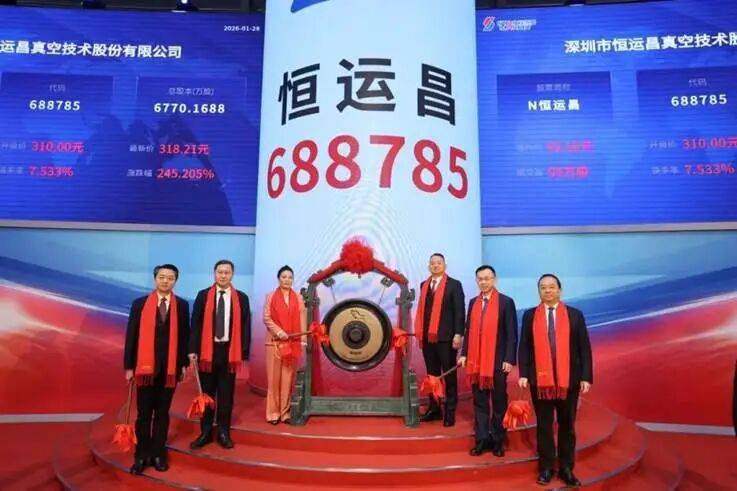
Group 1 - Chengdu-based companies such as Hengyun Chang, Tianshu Zhixin, and Zhipu have recently gone public, marking a successful period for local venture capital institutions like Ciyuan Capital and Sichuan Xingchuan [1][3][5] - Hengyun Chang, listed on January 28, 2026, focuses on advanced vacuum technology and has developed a plasma radio frequency power supply system that competes with international leaders, achieving domestic substitution and filling a market gap [1] - Tianshu Zhixin, which went public on January 8, 2026, is the first domestic company to achieve mass production of general-purpose GPUs, serving over 290 clients across key industries and demonstrating significant commercial progress [3] Group 2 - Zhipu, known as the "first global large model stock," debuted on January 8, 2026, with a market value exceeding HKD 57 billion, leading the independent general-purpose large model developers in China by revenue [5] - Baidu, a company specializing in spherical alumina, was listed on the New Third Board on January 19, 2026, and holds a global market share of approximately 15% in this sector, ranking first in China and second globally [7] - Dapu Microelectronics received approval for its IPO registration on January 23, 2026, becoming the first unprofitable company to gain such approval on the ChiNext board, focusing on SSD products for data centers [9] Group 3 - Chengdu NiuRuiTe Medical Technology Co., Ltd. completed its IPO counseling registration on January 29, 2026, specializing in medical isotopes and drug innovation, with a strong talent pool and industry experience [13] - Investment from various funds, including Sichuan Chuangtou and Chengdu Jizhuan, has been pivotal in supporting NiuRuiTe's growth and development [13]

港股收盘 | 恒生指数一月大涨近7% AI与消费引领结构性行情
Xin Lang Cai Jing· 2026-01-30 08:36
Market Performance - The Hong Kong stock market indices collectively rose this month, with the Hang Seng Index increasing by 6.85% to close at 27,387.11 points, the Hang Seng Tech Index rising by 3.67% to 5,718.18 points, and the China Enterprises Index up by 4.53% to 9,317.09 points [2] - The Hang Seng Index showed resilience, climbing from a low of 26,498.35 points at the beginning of the month to a recent high of 28,056.10 points before a slight pullback [3] Sector Performance - High-performing sectors this month included AI, consumer goods, and real estate, driven by favorable policies and strong earnings [4] - Notable stock performances included: - Zhizhu (02513.HK) surged by 94.66%, recognized as the "first global large model stock" with strong market confidence in its AGI technology [4] - Woan Robotics (06600.HK) also rose by 94.67%, benefiting from AI and smart manufacturing policies [4] - Mingming Hen Mang (01768.HK) increased by 73.71%, supported by impressive revenue growth of 75.2% year-on-year [4][5] - Changfei Optical Fiber (06869.HK) saw a 61.90% increase, driven by rising demand for optical fiber due to AI computing infrastructure [5] Declining Stocks - Declining stocks included: - Zhu Feng Gold (01815.HK), which fell by 22.13% due to fluctuations in international gold prices [8] - Ganfeng Lithium (01772.HK) decreased by 16.46% as lithium carbonate futures prices dropped significantly [9] Institutional Insights - Institutional perspectives suggest a continuation of the spring market rally, focusing on dual drivers of policy and earnings [10] - Everbright Securities noted that the Hong Kong market is transitioning from being driven by funds to being driven by earnings, with a structural rebound expected in Q1 [10] - CITIC Securities highlighted three key investment directions: "14th Five-Year Plan" policies, sectors benefiting from policy reversals, and areas likely to gain from the spring rally [10] Education and Technology Sector - The education sector saw significant gains, with China Spring (01969.HK) rising by 22.76% due to AI integration in educational applications [11] - Longfei Optical Fiber (06889.HK) also experienced a slight increase, reflecting ongoing high demand for computing power [13] Commodity Market Impact - The commodity market faced volatility, with gold and other precious metals experiencing significant price fluctuations, impacting related stocks negatively [15][18] - The Chicago Mercantile Exchange announced margin adjustments to curb excessive speculation, which may further influence market stability [17]

科创板七载深耕启新程!金融界“科创汇”重磅启幕,赋能硬科技高质量发展
Jin Rong Jie· 2026-01-29 10:46
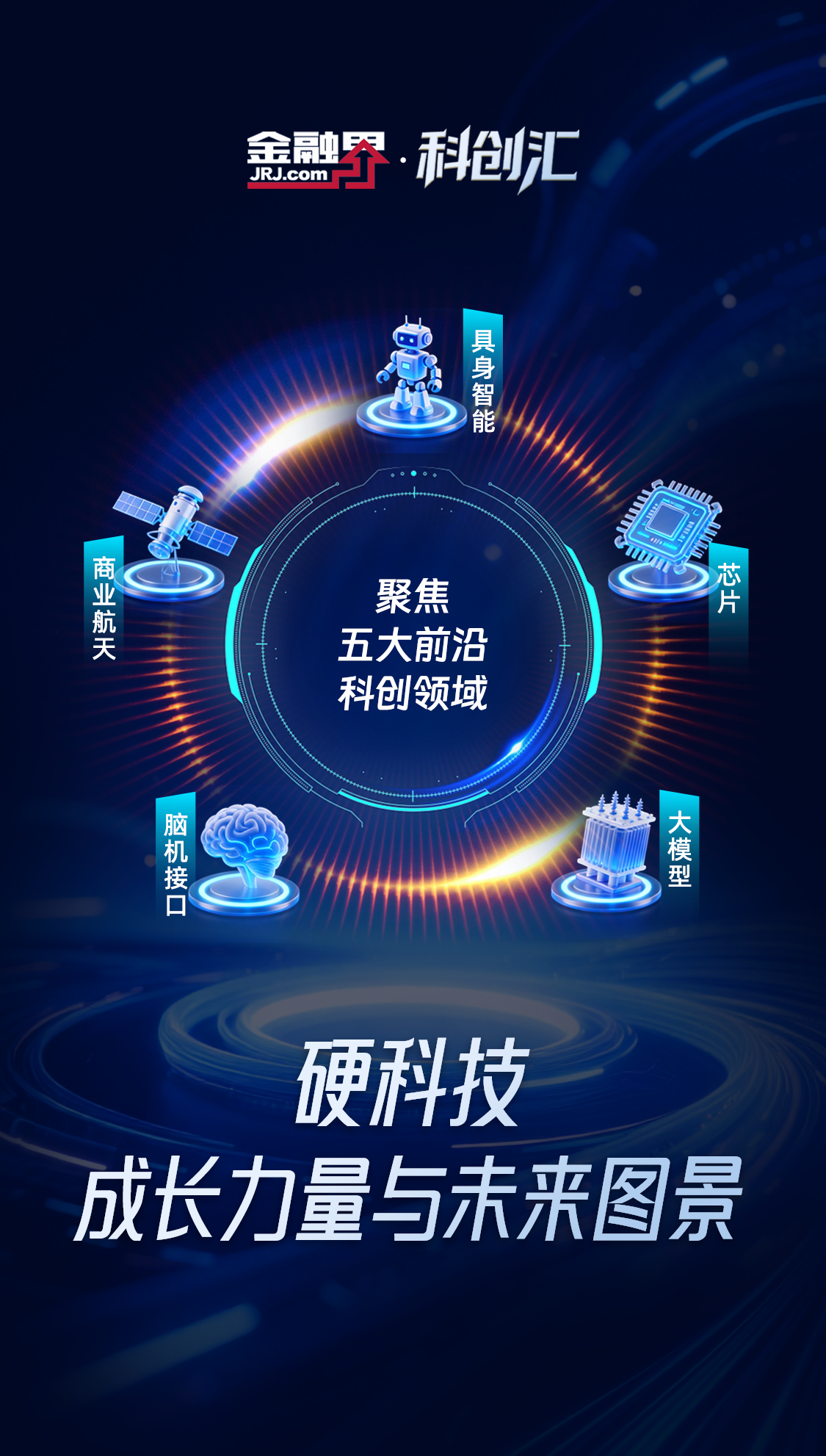
Core Insights - The Sci-Tech Innovation Board (STAR Market) has achieved significant milestones in its seven years of operation, with over 600 listed companies and a total market capitalization exceeding 10 trillion yuan, raising over 1.1 trillion yuan through IPOs and refinancing [1] - The "Sci-Tech Exchange" initiative aims to address industry development challenges and promote a virtuous cycle of technology, industry, and capital by connecting various stakeholders [1][2] Group 1: STAR Market Achievements - The STAR Market has become a core platform for nurturing new productive forces and promoting technological self-reliance, characterized by high levels of innovation, technology, and capital [1] - The board's reforms have expanded the scope of the fifth set of standards to include cutting-edge fields such as embodied intelligence, chips, large models, brain-computer interfaces, and commercial aerospace [1][5] Group 2: Sci-Tech Exchange Initiative - The "Sci-Tech Exchange" initiative focuses on four core objectives: value discovery, benchmark establishment, resource linking, and ecosystem co-construction [2] - The initiative will conduct in-depth analysis and research on five key cutting-edge fields, ensuring a comprehensive approach to industry chain integrity and technological innovation [5] Group 3: Communication and Impact - The initiative will utilize a multi-format communication strategy, including text, video, live broadcasts, and offline events, to enhance its influence and reach [6] - A comprehensive research campaign will be conducted from February to June 2026, covering major innovation hubs in China to showcase the vitality of the country's sci-tech industry [6]
1.28犀牛财经早报:2026年黄金珠宝行业或加速洗牌
Xi Niu Cai Jing· 2026-01-28 01:33
Group 1: Gold and Jewelry Industry - Gold prices have reached historical highs, with spot gold and futures surpassing $5,100 per ounce and 1,150 RMB per gram respectively, marking increases of over 16% and 15% since 2026 [1] - The sustained high gold prices are expected to accelerate the reshaping of the traditional jewelry industry, shifting from a "price war" to a "value war," favoring high-quality development practitioners [1] - Industry players are responding to rising raw material costs and suppressed demand by innovating processes, adjusting product structures, and optimizing channels for transformation [1] Group 2: Chip Industry and ETFs - The first domestic ETF focused on chips has reached a scale of 503.43 billion RMB, marking significant growth and becoming the largest in the market [2] - The growth of the ETF reflects ongoing investment trends in sectors like gold and chips, with over 18 ETFs exceeding 500 billion RMB in size this year [2] - The performance of the semiconductor industry remains strong, driven by AI and domestic substitution trends, with companies actively expanding production [4] Group 3: Banking and Wealth Management - The banking wealth management market is undergoing significant restructuring, with over 10 billion RMB in self-managed wealth management products being reduced, particularly among small and medium-sized banks [3] - A trend towards licensed and standardized wealth management practices is emerging, leading to the exit of non-licensed institutions from the self-managed market [3] Group 4: Performance of Listed Companies - A total of 1201 A-share companies have disclosed their 2025 performance forecasts, with 107 companies expecting to double their net profits year-on-year [5] - Notable sectors with improved performance include non-ferrous metals, automotive, chemicals, and semiconductors, with leading companies showing strong results [5] - China Gold International has provided production guidance for 2026, estimating copper production between 140 million to 149 million pounds and gold production between 70,732 to 75,554 ounces [5] Group 5: Market Trends and Economic Indicators - The U.S. stock market showed mixed results, with the Dow Jones down 0.83% while the Nasdaq and S&P 500 saw gains [11] - Consumer confidence in the U.S. has weakened, and bond yields have reached new lows, indicating potential economic challenges ahead [11] - Gold has continued to set historical highs, reflecting ongoing investor interest amid geopolitical risks [11]
杨德龙:2026年做好大类资产配置至关重要
Xin Lang Cai Jing· 2026-01-27 03:08
Group 1 - Current international gold prices are at historical highs, and a short-term pullback is considered normal. If risk aversion decreases, some funds may exit the gold market to seek other asset allocation directions [1][8] - Compared to overvalued US stocks, A-shares and Hong Kong stocks remain undervalued in the global capital market. The CSI 300 index has a price-to-earnings ratio of only 15 times, which is below historical averages, indicating significant room for growth [1][8] - Recent technological breakthroughs in China, particularly in large models, semiconductor chips, and big data, have enhanced global capital confidence in Chinese technological innovation, reversing some pessimistic expectations about the Chinese economy [1][8] Group 2 - Since 2025, market expectations for economic recovery have increased, leading to a shift towards equity assets, which has significantly boosted the stock market. This trend is expected to continue into 2026, attracting more investors [2][9] - Approximately 50 trillion RMB of fixed deposits will mature in 2026, with previous rates around 3% now dropping to about 1%. This situation compels funds to reconsider their allocation between low-interest deposits and potentially more lucrative equity or bond markets [2][9] - In 2025, new fund sales in China exceeded 1 trillion units, with over half being equity funds, contrasting sharply with the previous year dominated by fixed-income funds, indicating a growing interest in equity asset allocation [2][9] Group 3 - The current market is characterized as a slow bull market rather than a fast bull market, suggesting that investors should maintain a stable stock-bond allocation ratio and hold positions for several years without frequent adjustments [3][10] - Equity funds are more volatile and suitable for risk-tolerant investors, while bond funds, although generally stable, can still experience fluctuations due to interest rate changes and liquidity issues [3][10] - The performance of different asset classes is showing significant divergence, with the real estate market experiencing a downturn, leading to a shift in investment strategies towards quality stocks and funds as the primary vehicles for wealth growth [4][11] Group 4 - The slow bull market provides a unique opportunity for investors to choose industries, stocks, and funds, allowing them to share in market growth without the pressure of rapid fluctuations [5][12] - Investors are advised to align their portfolios with the economic transformation and focus on sectors that align with national development strategies, avoiding industries that are gradually being phased out [6][12] - Continuous learning and improving financial literacy are essential for investors to navigate the stock market effectively, as the quality of individual stocks can vary significantly [6][12]
马化腾回应AI焦虑,希望重现当年微信红包盛况/遭点名质疑后,豆包手机助手回应/千问最强模型深夜发布
Sou Hu Cai Jing· 2026-01-27 02:50
Group 1 - Tencent plans to distribute 1 billion yuan in red envelopes during the Spring Festival, emphasizing user rewards over marketing expenses [2][4][70] - Tencent's CEO Ma Huateng highlighted the company's steady approach to AI development, focusing on long-term product competitiveness and user experience [4][5] - The CSIG (Cloud and Smart Industry Group) achieved significant profitability in its cloud business last year [4] Group 2 - StepFun, a large model startup, secured over 5 billion yuan in financing, marking the largest single financing round in the large model sector in the past year [7][8] - The company aims to enhance its AI and terminal strategy with the new funding, and has established partnerships with major smartphone brands [8][9] - StepFun's models have been integrated into over 42 million devices, serving approximately 20 million users daily [8] Group 3 - The PCG (Platform and Content Group) is actively exploring AI integration capabilities, with new features allowing Android apps to run seamlessly on Windows [5] - The company is also enhancing its QQ platform with AI capabilities, enabling users to generate images from uploaded materials [5] Group 4 - Microsoft confirmed that a Windows 11 patch caused boot issues for some devices, requiring manual recovery steps [14][15] - The patch has led to multiple significant failures, raising concerns about the overall quality of Windows updates [16] Group 5 - The UK has experienced the highest net job losses due to AI among major economies, with an 8% reduction in jobs over the past year [44][47] - Despite a productivity increase of 11.5% due to AI, UK companies have been reducing their workforce, contrasting with job growth in the US [47][48] Group 6 - Porsche plans to reduce its dealer network in China from 114 to approximately 80, focusing on cost reduction and network optimization [29][31] - The company aims to enhance its competitiveness through a strategy that prioritizes quality over quantity [31] Group 7 - The music data scraping incident involving 300TB of data has led to lawsuits from multiple record companies against the shadow library site [34][35] - Spotify and major record labels are pursuing legal action for copyright infringement related to the unauthorized distribution of protected works [34] Group 8 - TrendForce reported that the prices of key components like CPUs and memory are rising, leading to a projected 14.8% decline in global laptop shipments in Q1 [36][39] - The report indicates that brands are facing significant pressure due to rising costs and supply chain challenges [39]