
手机制造

Search documents
从11月份开始,国内或将迎来5大降价潮,建议大家提前做好准备!
Sou Hu Cai Jing· 2025-11-07 17:12
Price Trends Overview - Starting from 2025, many essential consumer goods are expected to see price increases, including cooking oil, household paper, and toiletries, leading to higher shopping costs [2] - However, a price reduction trend has begun in November, particularly in the real estate and automotive sectors [2] Real Estate Market - The average price of second-hand residential properties in 100 cities has decreased to 13,381 yuan per square meter, a year-on-year decline of 7.38%, marking 41 consecutive months of month-on-month price drops [2][3] - Factors contributing to the anticipated price drop in the second-hand housing market include: 1. A four-year decline in property prices has led many speculators to sell off properties, increasing downward pressure on prices [3] 2. The domestic economy is in a deflationary cycle, with many individuals experiencing reduced incomes or unemployment, making it difficult to sustain high property prices [3] 3. Post-pandemic, consumers are more rational in their purchasing decisions, focusing on actual needs rather than impulsive buying [3] Automotive Market - Numerous domestic and international automotive brands have announced price cuts, with some models seeing reductions of 15,000 yuan or more [5] - The automotive price war is driven by: 1. Brands aiming to boost year-end sales and reduce inventory through price promotions [5] 2. Increased competition between traditional fuel vehicles and a surge of new energy vehicles [5] 3. Entry of tech companies like Xiaomi and Huawei into the automotive market, leading to oversupply and necessitating price cuts for cash flow [5] Mobile Phone Market - The mobile phone market is experiencing a price reduction trend, with significant discounts on popular models such as the iPhone and Huawei [8] - Reasons for the price decline include: 1. Rapid product turnover necessitating discounts to clear old stock [8] 2. High levels of product homogeneity among brands, forcing them to lower prices to boost sales [8] 3. Decreased consumer purchasing power leading to reduced demand for new phones [8] Pork Market - Domestic pork prices have been on a downward trend, currently ranging from 17 to 18 yuan per kilogram, with expectations of continued declines [10] - Contributing factors include: 1. Increased supply due to capital influx into pig farming, resulting in oversupply [10] 2. Shifts in consumer preferences towards lower-fat meats, reducing demand for pork [10] Rental Market - Rental prices across various cities have shown significant declines, with examples of reductions in major cities [13] - The decline in rental prices is attributed to: 1. Difficult job markets and high living costs prompting many workers to return to their hometowns [13] 2. Decreased incomes making it challenging for residents to afford current rental prices [13]


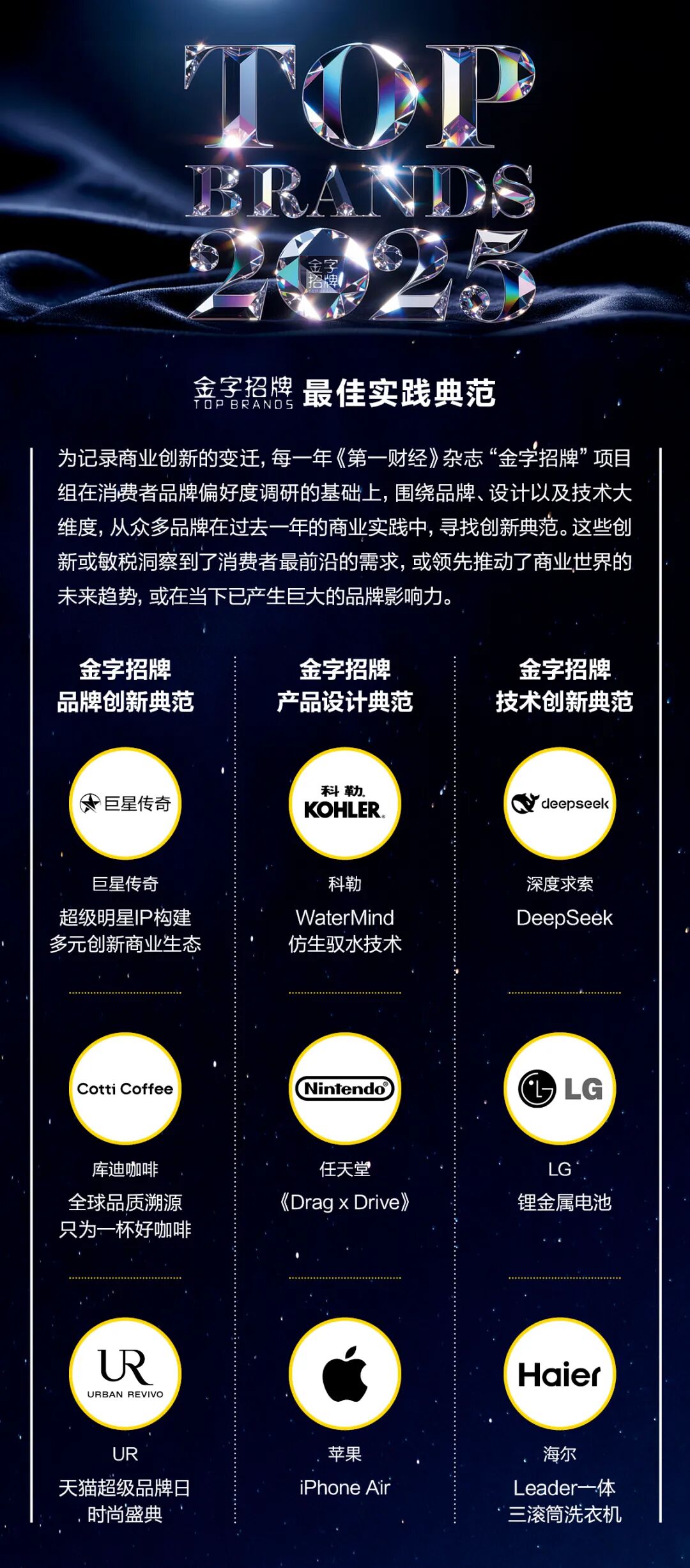
2025金字招牌最佳实践典范
Di Yi Cai Jing· 2025-10-30 04:04
Group 1: Brand Innovation - The "Gold Signboard" project by "First Financial" magazine annually identifies innovative brands based on consumer preference surveys, focusing on brand, design, and technology dimensions [1] - Successful brands are breaking traditional product boundaries by emphasizing experience and emotional appeal, leading to innovative consumption scenarios and diverse experiences [6][9] - The "Zhou Tongxue" IP by Juxing Legend has generated over 1 billion yuan in sales through collaborations with over 200 brands across five core sectors since its launch in 2019 [6] Group 2: Food and Beverage Sector - Kudi Coffee, one of the fastest-growing global restaurant brands, has won multiple gold and platinum awards at the IIAC International Coffee Tasting Competition from 2023 to 2025, including seven gold awards in 2024 [7] - Kudi Coffee has established a global supply chain base covering over 400,000 square meters, ensuring automated production to meet domestic and international demands [7] Group 3: Fashion Industry - UR has introduced a new model in the fashion industry that allows consumers to participate in fashion shows, achieving a transaction volume of 168 million yuan, a 49% year-on-year increase [8] - The brand's collaboration with Tmall created a full-link closed loop for online and offline sales, resulting in over 3.2 billion exposures globally [8] Group 4: Technology and Home Appliances - Kohler has developed a bionic water control technology to address common issues in traditional shower experiences, enhancing water flow consistency and reducing water waste [10] - Haier's Lead three-tub washing machine innovatively addresses user needs by allowing separate washing for different types of clothing, significantly reducing washing time by over 50% [14] Group 5: Gaming and Entertainment - Nintendo's "Drag x Drive" game redefines sports gaming by focusing on wheelchair basketball and promoting inclusivity for disabled athletes, setting a new standard for innovation in the gaming industry [11] Group 6: Telecommunications - Apple's launch of the iPhone Air, the thinnest phone to date at 5.6mm, has accelerated the adoption of eSIM technology in China, with major telecom companies planning to roll out eSIM services by the end of 2025 [12] Group 7: Artificial Intelligence - DeepSeek, an AI model developed by Hangzhou Deep Research, has significantly reduced the cost of AI development and application, impacting the global AI landscape [13] - LG Energy and the Korea Institute of Science and Technology have developed a new lithium battery technology that addresses dendrite issues, enabling electric vehicles to charge in 12 minutes and achieve a range of 804 kilometers [13]
全国年均废旧手机超4亿部 回收率低
Jing Ji Guan Cha Wang· 2025-10-27 01:50
Core Insights - In the first eight months of this year, China's mobile phone production reached 961 million units, with 758 million units being smartphones [1] - The stockpile of discarded mobile phones is also increasing, with an estimated annual generation of over 400 million old phones in China [1] - Approximately 60% of these discarded phones are kept by consumers at home, while less than 40% enter the market, and only 5% are processed through formal channels [1] Industry Overview - The production of mobile phones, particularly smartphones, is on the rise, indicating a robust manufacturing sector [1] - The growing stockpile of waste mobile phones presents both a challenge and an opportunity for the recycling and circular economy sectors in China [1] - The low percentage of discarded phones processed through formal channels highlights a significant gap in waste management practices [1]
炸裂!网友扒出国内通讯行业30年隐秘内幕,每一条都跟你相关
Xin Lang Cai Jing· 2025-10-26 14:24
Core Viewpoint - The article highlights the historical challenges faced by the Chinese telecommunications industry, emphasizing how profit motives and patent control have hindered technological advancement and consumer experience in the mobile phone market [1][10]. Group 1: Historical Context - Before 2009, domestic mobile phones lacked WiFi functionality, not due to technical limitations but because of high licensing fees demanded by a company holding WiFi patents [3][4]. - The prevalence of "watered-down" phones, such as imported versions that could connect to WiFi, was a direct response to the inability of domestic manufacturers to provide this basic feature [5]. Group 2: Impact of Standards and Patents - The 3G era in China was marked by a struggle over standards, with companies prioritizing market share and policy benefits over technological advancement, resulting in poor user experiences [7][8]. - The ongoing battle over patents and standards continues to affect the 5G rollout, with some companies profiting from patents while others face barriers to innovation [9][13]. Group 3: Consumer Experience - Consumers have suffered due to the industry's focus on profit and control rather than user needs, leading to missed opportunities for earlier adoption of technologies like WiFi and 3G [14][15]. - The article argues that the current technological landscape should prioritize open and fair ecosystems centered around user experience, rather than being dictated by a few powerful entities [15][16].
“无卡时代”离我们越来越近 运营商不主动就要被竞争“毒打”
Bei Jing Shang Bao· 2025-10-24 01:36
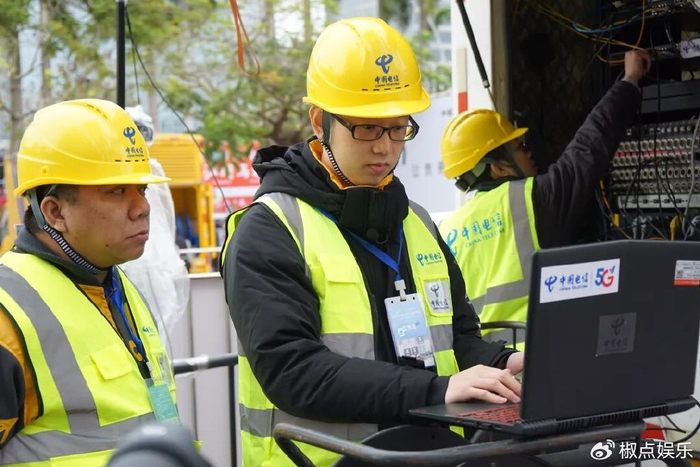
Core Viewpoint - The telecommunications industry is experiencing a significant shift towards eSIM technology, driven by consumer demand for flexibility and convenience, although challenges remain for large-scale adoption [1]. Group 1: Industry Trends - The approval of eSIM mobile service trials and the launch of Apple's iPhone Air are pivotal moments that signal the approach of a "cardless era" [1]. - eSIM technology allows for remote programming of mobile devices, which enhances user choice and simplifies the process of changing carriers compared to traditional SIM cards [4]. - The trend towards "cardless" technology is not limited to mobile phones but extends to a broader range of devices, including wearables, automobiles, and home appliances, promoting a more interconnected ecosystem [2]. Group 2: Stakeholder Perspectives - Mobile and chip manufacturers are highly motivated to promote eSIM technology as it aligns with their goals of creating thinner and more versatile devices by eliminating physical SIM card slots [2]. - Telecommunications operators have mixed feelings about eSIM; while it offers new opportunities, it also threatens their traditional business models that rely on physical SIM cards and customer visits to stores [4]. - The shift to eSIM will intensify competition among operators, as they will need to enhance their cloud capabilities and improve service transparency to retain customers in a more dynamic market [4][5]. Group 3: Market Dynamics - The transition to eSIM technology represents a significant opportunity for operators to tap into the larger Internet of Things (IoT) market, potentially revitalizing their business models [4]. - The competitive landscape will change, with operators needing to adapt quickly or risk being outpaced by more proactive players in the industry [5].
【西街观察】eSIM,运营商不主动就要被竞争“毒打”
Bei Jing Shang Bao· 2025-10-23 15:10
Core Viewpoint - The telecommunications industry is experiencing a significant shift towards eSIM technology, driven by consumer demand for flexibility and convenience, although challenges remain for large-scale adoption [1]. Group 1: Industry Trends - The approval of eSIM mobile service trials and the launch of Apple's iPhone Air are pivotal moments that signal the approach of a "cardless era" [1]. - eSIM technology allows for remote programming of mobile devices, which enhances user choice and simplifies the process of changing carriers or numbers, potentially disrupting traditional business models of telecom operators [4]. Group 2: Stakeholder Perspectives - Device manufacturers, including mobile and chip makers, are motivated to promote eSIM due to the desire for sleeker designs and the elimination of physical SIM card slots, which aligns with broader trends of simplifying device functionality [2]. - Telecom operators have mixed feelings about eSIM; while it offers new opportunities, it also threatens their long-standing business models that rely on physical SIM cards and customer visits to stores [4]. Group 3: Market Dynamics - The transition to eSIM is expected to intensify competition among telecom operators, as the ease of switching carriers will require them to enhance their service offerings and transparency [4]. - The rise of eSIM technology is not just limited to mobile phones but is also anticipated to expand into wearables, automotive, and home appliances, promoting a more interconnected ecosystem [2]. Group 4: Challenges and Opportunities - The shift to eSIM presents both opportunities and challenges for various stakeholders in the industry, with those who do not adapt likely facing significant competitive disadvantages [5].
日本专家评价中国手机“再给日本三年也做不到”
Xin Jing Bao· 2025-10-23 02:03
Group 1 - The core viewpoint of the article highlights the impressive self-sufficiency of China's semiconductor industry, particularly in the context of domestic smartphone production, as noted by industry expert Hiroshi Shimizu [1] - Shimizu expressed surprise at the high chip self-sufficiency rate in China, suggesting that Japan would struggle to produce smartphones using only domestically developed chips for at least three years [1] - Japanese netizens commented on the need for Japan to acknowledge China's advancements and to avoid blind arrogance [1]

当手机用上eSIM,会带来哪些连锁反应?
Xin Jing Bao· 2025-10-16 08:42
Core Insights - The three major telecom operators in China, China Telecom, China Mobile, and China Unicom, have received approval from the Ministry of Industry and Information Technology for the commercial trial of eSIM mobile services, marking the official launch of eSIM services across 31 provinces and regions in China [1][3] - The introduction of eSIM technology signifies a shift towards a "cardless era," where the functionality of physical SIM cards is integrated into the phone's internal chip, enhancing user convenience and potentially transforming the mobile industry [1][2] Impact on Mobile Industry - The removal of physical SIM card slots allows for more streamlined and compact phone designs, aligning with trends pursued by manufacturers like Apple and Huawei towards fully sealed devices [2] - eSIM technology will simplify the manufacturing process by eliminating the need for SIM card slots and related components, potentially affecting hundreds of small suppliers in the industry [2] - The integration of eSIM will lead to a redesign of mobile phone motherboards, enhancing the dominance of chip manufacturers like Qualcomm and MediaTek in communication control [2] Changes in Operator Dynamics - The activation and management of eSIMs through cloud services may diminish the traditional advantages held by telecom operators, as consumers will no longer need to visit physical stores [3] - Mobile manufacturers could gain more influence over the customer experience, potentially sharing user data with operators and altering the competitive landscape [3] - The transition to eSIM technology may facilitate easier number portability for users, prompting operators to focus more on service quality and transparency rather than customer retention through binding contracts [3] Regulatory Considerations - The cautious rollout of eSIM services in China highlights the need for a new regulatory framework to address data security and identity management, given the unique context of mobile numbers in China [4] - The transition from physical SIM cards to eSIMs poses significant challenges in terms of data security, necessitating robust mechanisms to prevent identity theft and data breaches [4] - The eSIM initiative is not just a technological advancement but also a critical step in the evolution of China's digital identity system, requiring a balance between convenience and security [4]



vivo印尼公司助力当地产业链绿色、协同发展 印尼合作伙伴表示——“期待与中国企业深化合作,实现互利共赢”(第一现场)
Ren Min Ri Bao· 2025-09-29 21:53
Core Insights - Chinese smartphone brands have gained significant market share in Indonesia, with four out of the top five brands being Chinese, accounting for nearly 70% of the market [1][8] - Vivo has established a strong presence in Indonesia with nearly 50 million users and has built a local manufacturing facility since 2016, enhancing its service network [2][3] Market Strategy - Vivo's strategy includes extensive local manufacturing, with approximately 14,000 sales and service points and nearly 130 after-sales service centers across Indonesia [2] - The company has introduced various customer service initiatives, such as free repairs and quick service options, to enhance customer satisfaction [2] Cultural Integration - Vivo has successfully integrated local cultural elements into its products, launching limited edition models that resonate with Indonesian consumers [3] - The company has optimized its products for local preferences, particularly in photography features, which has led to strong brand loyalty among young consumers [3] Technological Advancements - Vivo's manufacturing facility in Indonesia features advanced automation, with over 50% automation coverage and a production rate of one complete phone every 11.4 seconds [4] - The company employs rigorous quality control measures, including over 200 testing procedures to ensure product reliability in Indonesia's climate [4] Sustainability Efforts - Vivo's production processes emphasize sustainability, achieving significant reductions in water and energy consumption, as well as CO2 emissions [5] - The factory has implemented eco-friendly practices, such as using recyclable packaging materials, contributing to Indonesia's sustainable development goals [5] Local Talent Development - Vivo has established a comprehensive training system for local employees, with over 96% of its workforce being local talent [7] - The company collaborates with local suppliers to enhance the local supply chain, achieving a 35% localization rate for components [7] Industry Impact - Chinese smartphone brands, including Xiaomi and OPPO, have also made significant investments in local production, contributing to job creation and local industry growth [8] - The collaboration between Chinese companies and Indonesian industries is seen as a model for mutual benefit and economic development [8]
关于eSIM,谁是受益者?
Hu Xiu· 2025-09-14 03:27
Core Viewpoint - The release of Apple's iPhone 17 has made eSIM a hot topic, particularly due to the changing stance of domestic telecom operators regarding eSIM support [1][2]. Group 1: Beneficiaries of eSIM - The primary beneficiaries of eSIM technology are mobile manufacturers, as it provides an opportunity to drive new phone sales by leveraging network upgrades [5][6]. - Device manufacturers also stand to gain, as the current market is highly competitive, and eSIM upgrades can provide a stable revenue stream without intense competition [11][10]. - End customers benefit from eSIM, but the extent of this benefit is limited due to various operational complexities and security concerns associated with switching carriers [14][15][19]. Group 2: Telecom Operators' Perspective - Telecom operators view eSIM as a double-edged sword; while it may facilitate customer acquisition, it also lowers the barriers for customers to switch providers [22][24]. - The competitive landscape may intensify as all operators adopt eSIM, leading to a focus on service quality and pricing rather than technological differentiation [27][28]. - Operators may face increased costs and resource allocation to support eSIM, similar to the impact of number portability, without significant gains in market share or profitability [29][28]. Group 3: Media and Investors - Media outlets, particularly self-media, benefit from the hype surrounding eSIM, as it generates traffic and potential advertising revenue [32][33]. - Investors in the stock market can capitalize on the fluctuations caused by eSIM-related news, even if the underlying companies are on a downward trend [37][38]. - The promotion of eSIM often generates more value through media coverage than the technology itself, highlighting the disparity between perception and reality [39].
