
核聚变

Search documents
聚变资本第一城 合肥的“耐心资本”与“未来期权”
Xin Lang Cai Jing· 2026-01-21 08:03
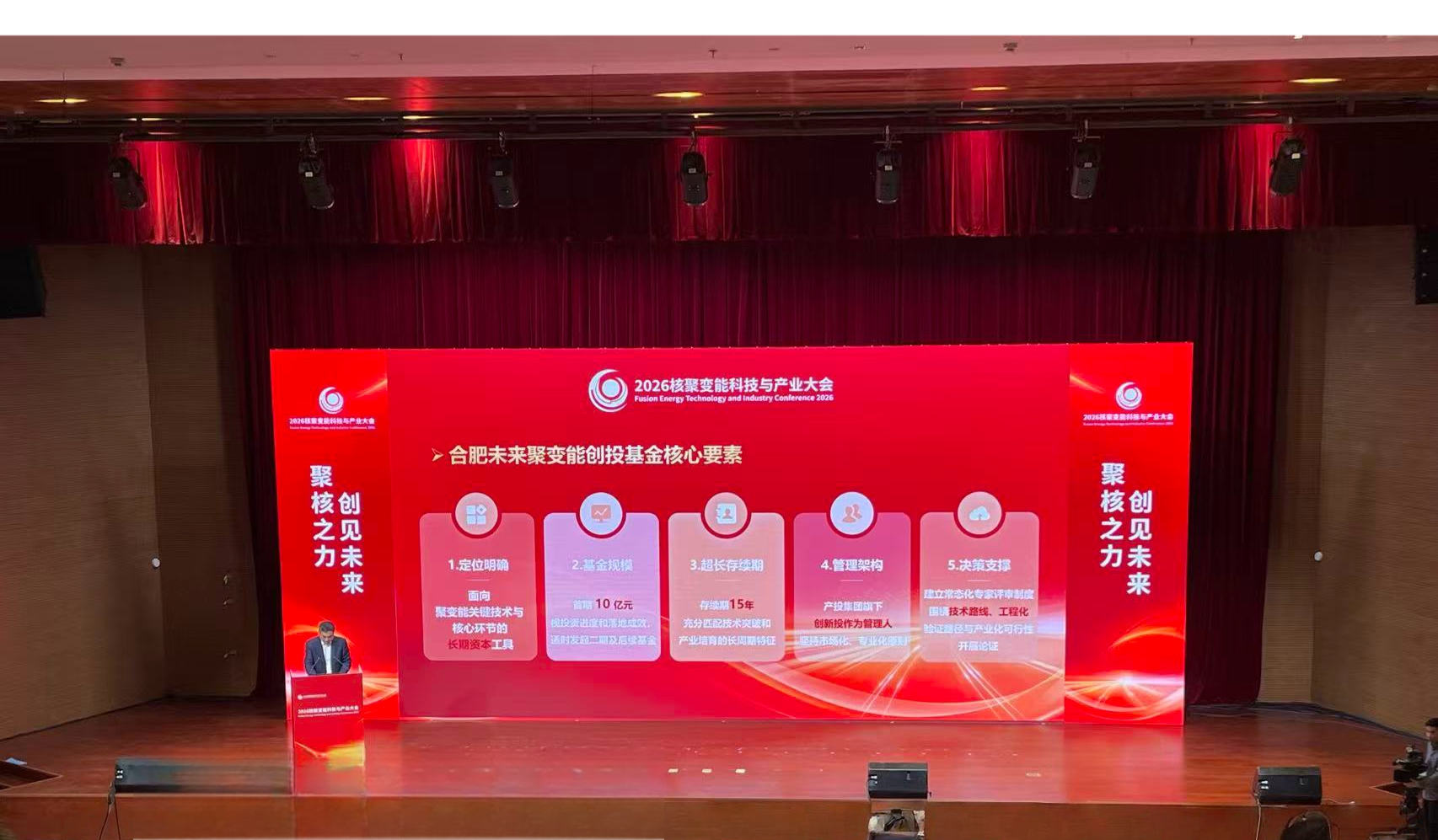
Core Viewpoint - Hefei is emerging as a capital hub for the domestic nuclear fusion industry, attracting technology, talent, and investment through a collaborative capital ecosystem [2][4] Group 1: Investment and Capital Structure - The Hefei Future Fusion Energy Venture Capital Fund was launched with an initial scale of 1 billion yuan, aimed at supporting key technologies and core aspects of the fusion energy sector [2][4] - The investment strategy focuses on three areas: investing in frontier technologies with original breakthrough potential, supporting key systems with high technical barriers, and enhancing the efficiency and reliability of engineering validation [4][8] - Hefei's state-owned capital has strategically invested in the first national fusion enterprise in Anhui, holding a 25% stake in Fusion New Energy (Anhui) Co., Ltd [4][8] Group 2: Financial Services and Ecosystem - The establishment of the Fusion Financial Institutions Alliance aims to create a comprehensive financial service network covering the entire lifecycle of the industry, involving 15 founding institutions and 130 quality financial investment organizations [7][8] - Regular activities such as financial salons and project roadshows will facilitate efficient connections between industry and capital [7][8] Group 3: Talent Development and Future Options - A talent fund has been established to support doctoral students and postdoctoral researchers engaged in magnetic confinement fusion research, focusing on key technological breakthroughs and high-level talent cultivation [8][9] - The investment logic in the primary market is viewed as purchasing future options, emphasizing the potential for future valuation adjustments rather than current value [8][9] Group 4: Industry Growth and Collaboration - The Anhui Provincial Fusion Industry Association has been formed, gathering over 200 enterprises, universities, and research institutions to accelerate the establishment of a collaborative innovation ecosystem [9] - Hefei is positioned to become a significant player in the global fusion landscape, supported by a robust scientific infrastructure and diverse capital systems [9]

技术突破叠加政策红利 核聚变产业入机构法眼
Zheng Quan Shi Bao· 2026-01-19 18:12
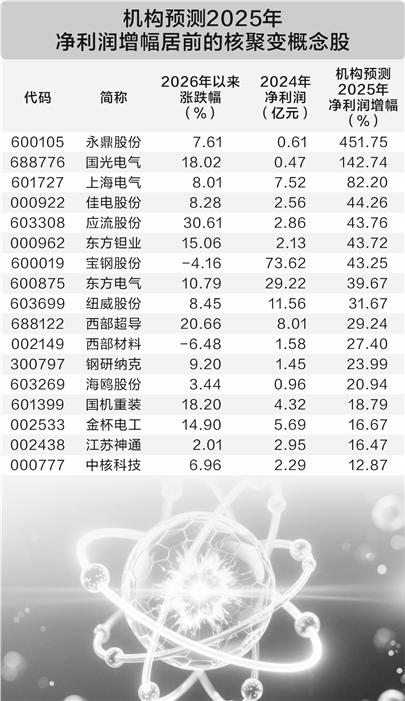
Group 1 - The core viewpoint of the news highlights significant advancements in the controlled nuclear fusion industry, which has become a national strategic focus in China, with substantial growth potential anticipated in the coming years [4][5] - The "14th Five-Year Plan" suggests a forward-looking layout for future industries, promoting hydrogen and nuclear fusion energy as new economic growth points [4] - The first fundamental law in China's nuclear energy sector, the "Atomic Energy Law," was enacted on January 15, 2023, encouraging scientific research and technological development in controlled thermonuclear fusion [4] Group 2 - Energy Singularity announced a breakthrough in high-temperature superconducting Tokamak technology, achieving a stable long pulse plasma operation of 335 seconds in its 5609th experiment [3] - The company has been focusing on the development of compact high-temperature superconducting Tokamak devices and their operational control software since its establishment in 2021 [3] - The nuclear fusion energy engineering in China has entered a substantial and systematic phase of industrial collaborative efforts, with multiple joint laboratories being established to focus on key technologies [3] Group 3 - According to CITIC Securities, the nuclear fusion industry has vast growth potential, driven by significant events and orderly domestic capital expenditures, with expectations for overseas progress to exceed forecasts [5] - The market size for nuclear fusion is projected to reach $496.55 billion by 2030, with the potential to create a trillion-dollar industrial cluster by 2050 [5] - As of January 16, 2026, there are 12 nuclear fusion concept stocks with net inflows exceeding 100 million yuan, with Western Superconducting, Western Materials, and Dongfang Electric leading the rankings [5] Group 4 - 20 nuclear fusion concept stocks are expected to see profit growth in 2025, with notable predictions for Yongding Co. and Guoguang Electric, expecting profit increases of 451.75% and 142.74% respectively [7] - Shanghai Electric is forecasted to have a profit increase of over 80%, while several other companies are expected to see growth rates exceeding 40% [7] - The controlled nuclear fusion sector is experiencing a surge in investment opportunities, particularly in the mid-to-upstream segments, driven by technological breakthroughs and policy support [5][6]





长三角议事厅·周报|沪苏杭“人工智能+”从竞速走向协同
Xin Lang Cai Jing· 2026-01-19 10:21
Core Insights - The integration of "Artificial Intelligence+" is becoming a new competitive advantage for cities in China, particularly in the Yangtze River Delta region, with Suzhou, Shanghai, and Hangzhou each playing distinct roles in the AI industry chain [1][2][3] Group 1: City Roles in AI Development - Shanghai serves as the upstream "source" of the AI industry, with 394 AI enterprises and an industry scale of 435.49 billion yuan by the end of 2025, supported by a strong R&D investment of approximately 4.35% [2] - Suzhou acts as the "largest workshop" for AI applications, with an expected industrial output value of 4.89 trillion yuan in 2025, leveraging its dense manufacturing environment and nearly 2,500 AI-related enterprises [2] - Hangzhou functions as the "product accelerator," rapidly transforming cutting-edge technologies into marketable products, with the number of high-tech enterprises increasing from 2,844 in 2017 to 16,000 by 2024 [3] Group 2: Challenges and Bottlenecks - Shanghai faces challenges in converting strong research capabilities into market-ready products, requiring better collaboration between research institutions and enterprises [4] - Suzhou needs to evolve from strong applications to robust platform capabilities, focusing on creating reusable industrial data systems and AI models [5] - Hangzhou's limitation lies in its reliance on external support for hard technology supply chains, necessitating improvements in precision manufacturing and key component production [5] Group 3: Collaborative Framework for AI Advancement - The transition from a "division of labor" to a "collaborative network" is essential, with Shanghai needing to enhance its product transformation capabilities, Suzhou to build platform strengths, and Hangzhou to strengthen its hard technology support [6] - Effective collaboration requires institutional design to facilitate shared resources, including computational power, data flow, and talent development across cities [7][8][9]
核聚变资本开支,已超千亿
3 6 Ke· 2026-01-19 07:29
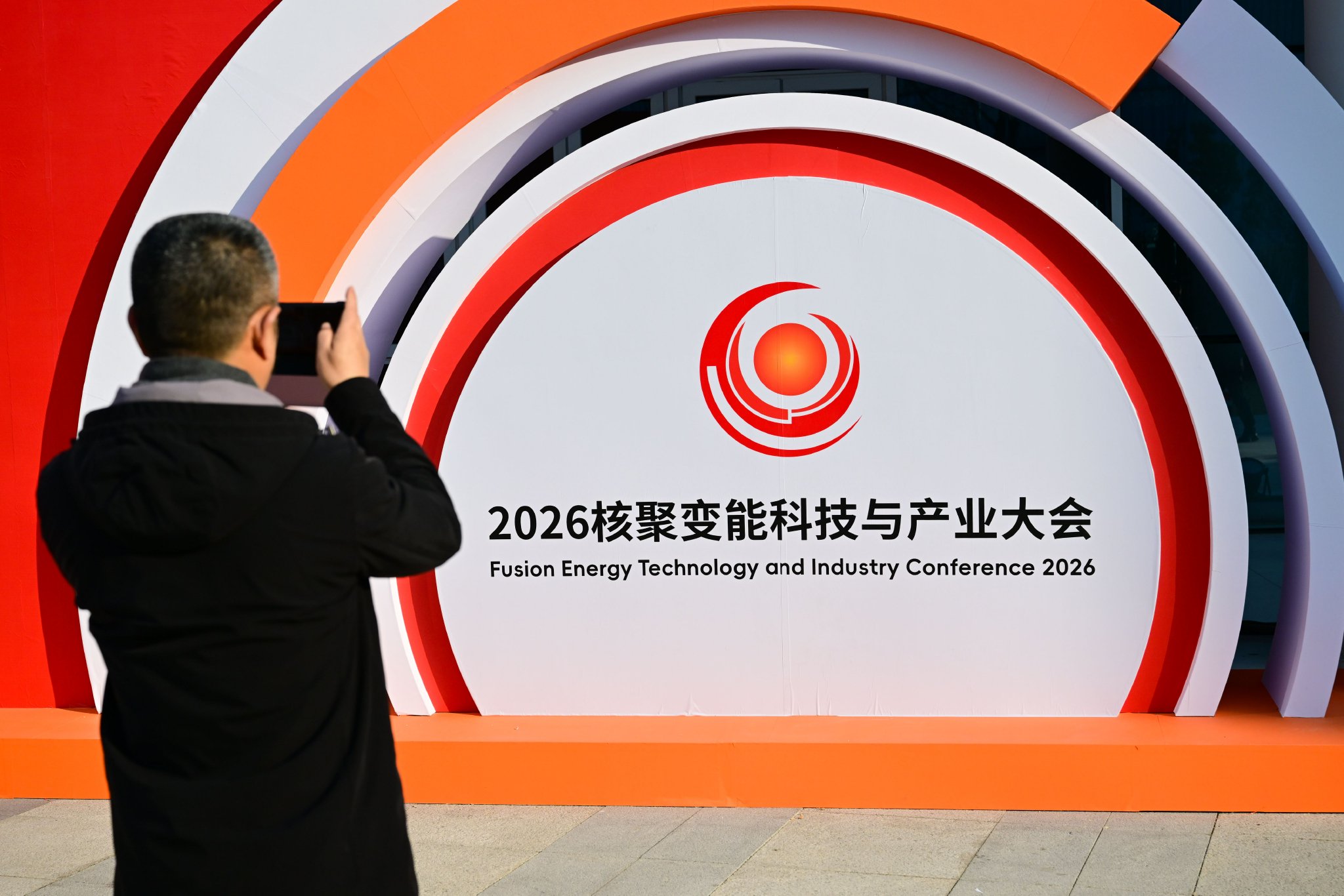
Core Insights - The nuclear fusion industry is transitioning from laboratory research to engineering validation, with signs of large-scale commercial application emerging [1][2] - The total capital expenditure for announced nuclear fusion projects has approached 200 billion yuan, indicating a growing market potential as commercial reactors are developed [1][6] - The next five years are expected to see significant order conversion opportunities as multiple large fusion projects enter the engineering implementation and equipment bidding phases [1][6] Industry Developments - The "2026 Nuclear Fusion Energy Technology and Industry Conference" held in Hefei attracted over 1,500 professionals from academia, research institutions, and industry, highlighting the collaborative efforts in the sector [2][3] - Key innovations presented at the conference include advancements in high-performance magnets, radiation-resistant materials, and high-power heating systems, with several already in prototype or initial application stages [3][4] - The integration of AI technology is accelerating the development and application of nuclear fusion energy, marking a historical turning point for the industry [3] Investment Landscape - The global financing scale for nuclear fusion over the past decade is approximately 9 billion USD, with nearly 90% sourced from private capital, particularly in North America [5][6] - In China, government funding primarily supports large national research projects, while private capital is increasingly involved in smaller, flexible device routes [5][6] - Analysts predict a significant increase in market attention towards nuclear fusion by 2025, with new funds estimated at 70 billion yuan entering the sector, driving up related stock prices [6] Market Opportunities - Investment focus should be on core components and subsystems such as magnet systems, vacuum chamber structures, and heating systems, which are closely tied to project timelines and profitability [6][7] - Companies with core technological advantages in superconducting materials, superconducting magnets, and power systems are expected to have substantial trading value [7] - The domestic nuclear fusion projects are primarily led by the Chinese Academy of Sciences and China National Nuclear Corporation, making them key players in the market [7]
固态电池迈向工程化验证关键期
Zhong Guo Neng Yuan Wang· 2026-01-19 04:57
Market Performance - The electric equipment and new energy sector increased by 0.79% this week, with industrial automation rising by 4.19%, the new energy vehicle index up by 1.44%, the photovoltaic sector up by 0.87%, and the nuclear power sector up by 0.66%. Conversely, the power generation equipment fell by 2.27%, the lithium battery index decreased by 3.55%, and the wind power sector dropped by 4.74% [1][3]. Industry Insights - In the new energy vehicle sector, global sales are expected to grow rapidly, with projections of 16.49 million units sold in 2025, a year-on-year increase of 28.2%, and 19 million units in 2026, a 15.2% growth [4]. - The domestic power battery cumulative installation is projected to reach 769.7 GWh by 2025, reflecting a 40.4% year-on-year growth [4]. - The solid-state battery technology is approaching a critical engineering verification phase, with companies like BYD bidding for GWh-level solid-state battery equipment [4]. - The photovoltaic sector is expected to benefit from regulatory measures aimed at controlling upstream silicon material prices, which may enhance profitability in downstream battery components [2][4]. - Wind power demand is anticipated to continue growing, with government support for new projects [2][4]. Company Highlights - Tianji Co. expects a net profit of 70 million to 105 million yuan in 2025, marking a return to profitability [5]. - Siyuan Electric anticipates a net profit of 3.163 billion yuan in 2025, a 54.35% increase year-on-year [5]. - TCL Zhonghuan forecasts a net loss of 8.2 billion to 9.6 billion yuan in 2025 and plans to invest in new energy to accelerate its integrated strategy [5]. - Rongbai Technology signed a procurement agreement with CATL for lithium iron phosphate materials, with total sales expected to exceed 120 billion yuan [5].

投资前瞻(1.19—1.25)|时隔两年,融资保证金比例回归100%;多家光伏上市公司预亏
Sou Hu Cai Jing· 2026-01-18 10:54
Macro and Financial - The central bank has injected medium-term liquidity into the market through reverse repos for the eighth consecutive month [2] - The State Grid's fixed asset investment plan for the "15th Five-Year Plan" period is set at 4 trillion yuan, a 40% increase from the "14th Five-Year Plan" [9] - The financing margin ratio has returned to 100% after two years, but historical data shows that changes in this ratio do not significantly impact market trends [2][17] - Several photovoltaic listed companies are expected to report losses [22] Capital Market - The China Securities Regulatory Commission is seeking public opinion on the first derivative trading supervision regulations [13] - Over 460 billion yuan in market value of restricted shares will be unlocked next week, with the largest unlocks from companies like Xingtu Measurement and Shanxi Coking Coal [18] - Three new stocks will be issued next week, including Zhenstone Co., Ltd. and Nongda Technology [18] - The first annual report for 2025 will be released by WoHua Pharmaceutical, projecting a net profit of 80 million to 115 million yuan, a year-on-year increase of 119.76% to 215.90% [19] Business and Industry - A record financing of 1 billion yuan was completed by a private nuclear fusion company, Xinghuan Jieneng [20] - Strong Brain Technology is rumored to have secretly submitted an IPO application to the Hong Kong Stock Exchange [20] - The sixth batch of high-value medical consumables centralized procurement has been opened, with 202 companies' products expected to be selected [21] - China's automotive production and sales are projected to exceed 34 million units in 2025, with new energy vehicles accounting for over 50% of domestic sales [21] - Multiple photovoltaic companies, including Tongwei Co., Ltd. and Longi Green Energy, are expected to report significant losses in 2025, with estimated losses of 9 to 10 billion yuan and 6 to 6.5 billion yuan, respectively [23]





投资前瞻(1.19—1.25)|时隔两年,融资保证金比例回归100%;多家光伏上市公司预亏
和讯· 2026-01-18 10:16
Macro and Financial - The central bank has injected medium-term liquidity into the market through reverse repos for the eighth consecutive month [2] - The "15th Five-Year" period's investment plan for the power grid has increased by 40% compared to the "14th Five-Year" plan, leading to a strong performance in power grid equipment stocks last week [2][10] - The financing margin ratio has returned to 100% after two years, but historical data shows that changes in the financing margin ratio do not significantly impact the market trend [2][20] - Several photovoltaic listed companies are expected to report losses [2][31] Government Investment Fund - A new guideline has been issued to strengthen the planning and guidance of government investment funds, focusing on efficiency and market order [3][4] - The guideline emphasizes supporting the construction of a modern industrial system and key core technologies, while avoiding blind competition and supporting small and specialized enterprises [4] Trade Data - December's import and export data significantly exceeded expectations, with exports increasing by 6.6% year-on-year, while imports rose by 5.7% [5][6] - The trade data indicates a shift in trade dynamics, with increased exports to countries involved in the Belt and Road Initiative [6] Capital Market - The China Securities Regulatory Commission has opened public consultation on the first derivative trading regulations, aiming to enhance risk management and support the real economy [16] - A significant amount of restricted shares, valued at approximately 464.99 billion yuan, will be unlocked next week [21] - Three new stocks are set to be issued next week, with specific details on their issuance prices and codes [22] Industry Developments - The domestic nuclear fusion company has set a record for financing with a 1 billion yuan A-round investment [24] - The automotive industry in China is projected to achieve record production and sales in 2025, with a strong emphasis on new energy vehicles [27]
电力设备与新能源行业1月第2周周报:固态电池迈向工程化验证关键期-20260118
Bank of China Securities· 2026-01-18 08:17
Investment Rating - The report maintains an "Outperform" rating for the power equipment and new energy industry [1] Core Insights - The global sales of new energy vehicles are expected to grow rapidly in 2026, driving demand for batteries and materials [1] - The solid-state battery technology is entering a critical phase of engineering validation, with a focus on related materials and equipment companies [1] - The photovoltaic sector is expected to benefit from regulatory oversight on polysilicon prices, which may enhance profitability in downstream battery components [1] - The demand for wind power is projected to continue growing, with government initiatives supporting significant new projects [1] - The energy storage sector remains highly prosperous, with recommendations to focus on energy cell and large-scale storage integration manufacturers [1] - Hydrogen energy is anticipated to open new demand avenues, particularly in green hydrogen applications [1] Industry Dynamics - The power equipment and new energy sector saw a 0.79% increase this week, outperforming the Shanghai Composite Index [10] - The automotive industry anticipates 16.49 million new energy vehicle sales in 2025, a 28.2% year-on-year increase, with projections of 19 million units in 2026 [23] - The domestic power battery cumulative installation is expected to reach 769.7 GWh by 2025, reflecting a 40.4% year-on-year growth [23] - The second-generation high-power components from Longi Green Energy have entered the delivery phase, achieving a peak power of 680W and a conversion efficiency of 25.2% [23] Company Updates - Tianji Co. expects a net profit of 70 million to 105 million yuan in 2025, marking a turnaround [25] - Siyuan Electric anticipates a net profit of 3.163 billion yuan in 2025, a 54.35% increase year-on-year [25] - TCL Zhonghuan forecasts a net loss of 8.2 to 9.6 billion yuan in 2025 and plans to invest in new energy to accelerate its integration strategy [25] - Rongbai Technology signed a procurement agreement with CATL for lithium iron phosphate cathode materials, with a total sales amount exceeding 120 billion yuan [25]
【财经分析】 “人造太阳”照进现实还有多远?
Zhong Guo Jin Rong Xin Xi Wang· 2026-01-18 01:51
Core Insights - Controlled nuclear fusion is transitioning from laboratory research to engineering and commercialization, with expectations to see the first operational fusion energy by around 2030 [1][10] - The core of fusion commercialization lies in finding a feasible and economically viable technological path, with a unique collaborative structure in China's fusion sector involving state-owned enterprises and private companies [1][3] Group 1: Technological Developments - Advanced Tokamak devices like the "East" (EAST) and "China Fusion Engineering Test Reactor" (CFETR) are leading the scientific exploration in China's fusion energy sector [3] - The construction of key facilities for fusion technology research and verification is underway, aiming for operational demonstration by 2030 [3] - Private enterprises are diversifying technological routes in fusion, with companies like Xinghuan Energy and Xineng Xuanguang focusing on innovative solutions [3] Group 2: Industry Collaboration - The collaboration between state-owned and private enterprises is enhancing the efficiency of technological iterations and advancing the fusion industry chain from sporadic research to systematic construction [3][4] - Major scientific advancements are driving demand in upstream industries such as superconducting materials and vacuum equipment [4] - Cross-domain collaboration is effectively integrating research resources and industrial needs, significantly improving engineering progress [6] Group 3: Talent Development - The establishment of specialized educational institutions, such as the Fusion Science and Engineering College at Hefei University of Technology, is fostering a diverse talent pool for the fusion industry [7] - Companies are enhancing practical capabilities through major projects, while innovation funds are being set up to support young researchers [7] Group 4: Financial Support - Financial institutions are increasingly supporting the fusion industry, with the establishment of a fusion financial alliance and investment funds aimed at aligning financial services with industry needs [9] - A tailored investment evaluation system is being developed to support the unique characteristics of the fusion industry [9]
联讯仪器科创板IPO过会 字节跳动领投自变量完成10亿元融资
Xin Lang Cai Jing· 2026-01-18 00:30
Policy - The People's Bank of China has increased the loan quota for technological innovation and technological transformation from 800 billion to 1.2 trillion yuan, expanding support to private small and medium-sized enterprises with high R&D investment levels [1] - The Ministry of Industry and Information Technology has issued an action plan for the high-quality development of industrial internet platforms, aiming for over 450 influential platforms by 2028, with a resource connection capability enhancement and over 120 million industrial devices connected [1] Industry Development - Shanghai aims to achieve large-scale implementation of high-level autonomous driving application scenarios by 2027, establishing a competitive smart connected vehicle industry cluster with international influence [2] - Zhejiang Province plans to accelerate breakthroughs in large-scale intelligent computing clusters and support the construction of space computing facilities, enhancing the use of domestic computing chips [3] IPO - Suzhou Lianxun Instrument Co., Ltd. has received approval for its IPO on the Sci-Tech Innovation Board, aiming to raise approximately 1.711 billion yuan [4] Primary Market - Zivariable Robotics has completed a 1 billion yuan A++ round of financing, with investments from major firms including ByteDance, Meituan, and Alibaba [5] - Supermagnetic Energy has announced the completion of several hundred million yuan in angel round financing, primarily for R&D investment [6] - INMO has completed a C1 round of financing, raising nearly 500 million yuan over three rounds within a year [7] - Shanghai Shuli Intelligent Technology Co., Ltd. has completed a B+ round of financing, focusing on brain-computer interface products [8] - Luanqi Technology has completed nearly 100 million yuan in B round financing for production expansion and R&D [9] - Far East Excellence has completed several tens of millions in A round financing for facility expansion and market development [10] - Noumena has completed several tens of millions in Pre-A round financing [11] Secondary Market - Baiwei Storage's second-largest shareholder plans to reduce its stake by up to 2% [12] - Yongxi Electronics plans to invest up to 2.1 billion yuan in a semiconductor packaging and testing facility in Malaysia [13] - Bluetech Optical plans to raise up to 1.055 billion yuan through a private placement for various projects [14]