
能源电力

Search documents
刘煜辉2026年最新策略:押注未来中国时代的两根支柱
Xin Lang Cai Jing· 2026-01-07 15:28
Group 1 - The current global narrative is centered around great power competition, with the recent events in Venezuela impacting the U.S. national balance sheet by adding a significant 3.1 billion barrels of strategic oil resources [3][13] - In the short term, this event has led to a temporary boost in U.S. national fortune, reflected in the rise of various risk assets including U.S. stocks and cryptocurrencies [14][16] - Long-term concerns remain regarding the credibility of the U.S. dollar system, as evidenced by a nearly $2000 increase in gold prices over the past year, indicating a lack of confidence in traditional fiat systems [4][20] Group 2 - The recommended investment strategy is the "barbell strategy," which involves allocating assets to high-dividend stocks as a stabilizing force while also investing in growth and national fortune [5][25] - Specific investment focuses include adjusting AI investment from supply-side to end-side, leveraging China's manufacturing capabilities to dominate the AI ecosystem [6][30] - There is a strong outlook for gold and commodities, based on the assessment of issues within the dollar system, as well as a focus on the high-quality transformation of the Chinese economy through energy and technology sectors [7][36] Group 3 - China's renewable energy installations account for 80% of its new power capacity, with an annual installation rate nine times that of the U.S., showcasing its strategic energy transition [9][42] - The development of a circular economy is seen as a strategic pivot, aiming to transform oil from a non-renewable to a renewable resource, which is crucial for China's competitive positioning [46][50] - The establishment of a fully independent high-tech system, particularly in semiconductors, is critical for reducing reliance on Western technology and enhancing China's strategic capabilities [51][58]

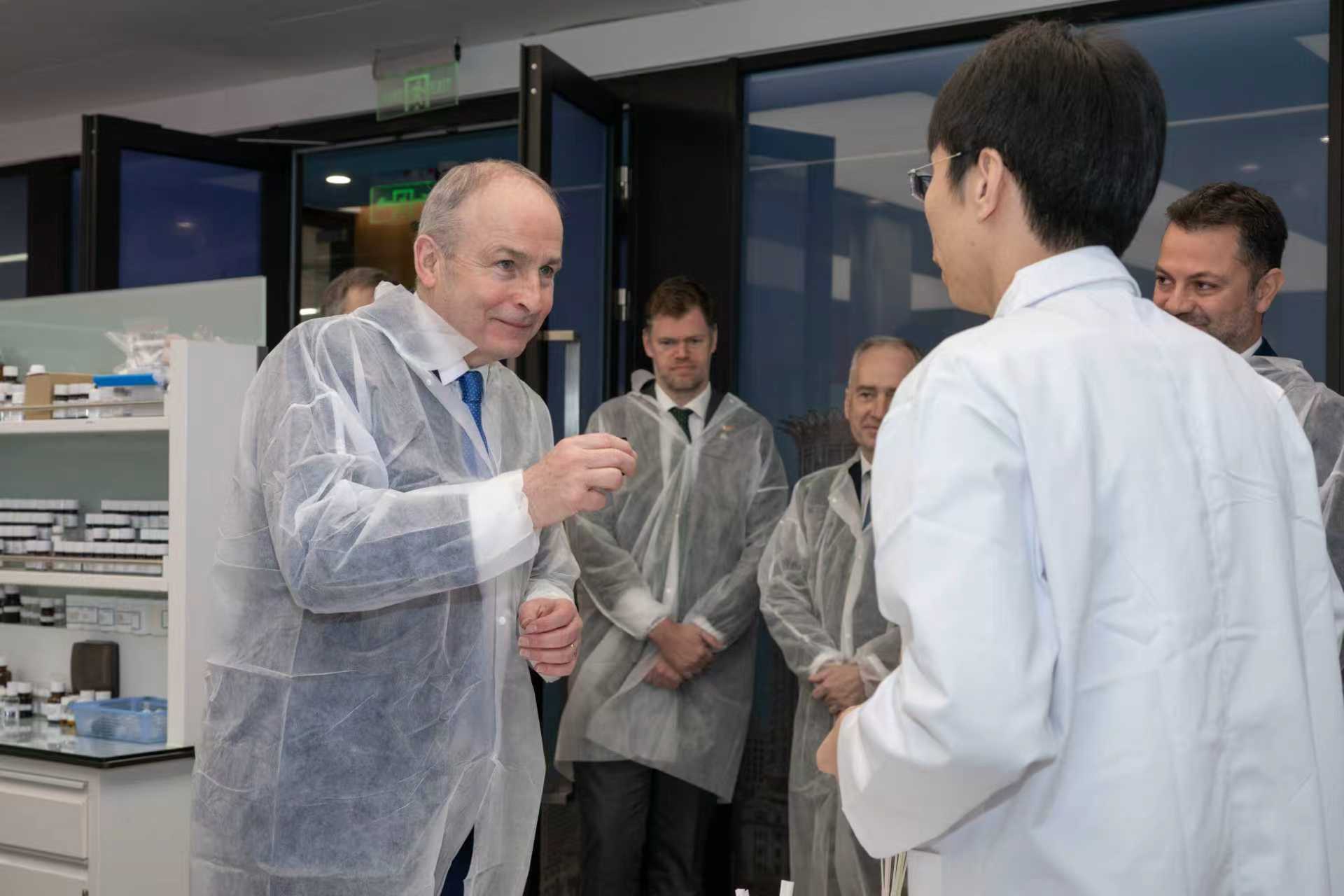
爱尔兰总理时隔14年访华,“探路”新时代中欧关系
2 1 Shi Ji Jing Ji Bao Dao· 2026-01-07 12:24
Group 1: Overview of the Visit - Irish Prime Minister Martin's visit to China from January 4 to 8 marks a significant moment in Sino-European relations, being the first visit by a European leader to China in 2023 and the first by an Irish Prime Minister in 14 years [2][3] - The visit aims to deepen bilateral cooperation between China and Ireland, particularly in trade and investment, while also serving as a demonstration of stabilizing Sino-European relations during a period of structural adjustment [2][5] Group 2: Economic Cooperation - China and Ireland are looking to expand cooperation in various sectors, including aircraft leasing, insurance, healthcare, green energy, digital economy, artificial intelligence, and life sciences [2][3] - The bilateral trade volume between China and Ireland has reached approximately €46 billion, with Ireland maintaining a trade surplus with China for several years [6][7] - In 2023, Chinese direct investment in Ireland amounted to $380 million, with a total stock of direct investment reaching $2.04 billion by the end of the year [7] Group 3: Education and Cultural Exchange - Education is a key area of focus, with both countries emphasizing the importance of higher education and continuing education as pillars of cooperation [8][9] - As of July 2025, there are expected to be 110 cooperative educational institutions and projects between China and Ireland, with over 12,000 students enrolled [9] - The signing of new cooperative education projects between Irish and Chinese universities highlights the ongoing commitment to educational collaboration [8][9]
事关国产算力!国家发改委答证券时报记者问
Zheng Quan Shi Bao· 2025-12-31 03:11
Group 1 - The National Development and Reform Commission (NDRC) emphasizes the continuous improvement of domestic computing power to support the AI industry, driven by the "Artificial Intelligence +" initiative and rapid growth in demand for various computing chips [1] - Domestic chip products are accelerating adaptation in different scenarios, with significant application results, particularly through the development of "super node" cluster interconnection technology, which provides opportunities for domestic computing power to catch up with international standards [1] Group 2 - The NDRC has announced the early batch of "two重" (two heavy) construction project lists and central budget investments for 2026, totaling approximately 295 billion yuan, aimed at accelerating the pace of fund allocation and usage [2] - Approximately 220 billion yuan is allocated for "two重" construction projects, supporting 281 projects in areas such as urban underground pipelines and high-standard farmland, highlighting the strategic and forward-looking nature of these initiatives [2] - Over 75 billion yuan is designated for central budget investments in 2026, focusing on public sectors that require concentrated efforts, supporting 673 projects in urban renewal, water conservancy, ecological protection, and pollution control [3] Group 3 - Recent approvals by the NDRC for projects such as the new Guangzhou airport and various infrastructure projects total over 400 billion yuan, aimed at enhancing China's modern infrastructure system and providing strong support for the 14th Five-Year Plan [4] Group 4 - The NDRC plans to conduct special actions to strictly regulate illegal activities such as fraudulent subsidies, with a focus on optimizing fund distribution, balancing fund implementation, and rigorously enforcing regulations [5]
2025年电鸿生态大会在京举行
Ren Min Ri Bao· 2025-12-30 22:07
Core Viewpoint - The conference emphasized the importance of developing a self-controllable energy IoT operating system and building an open-source shared industrial ecosystem to drive the digital transformation of the energy sector and cultivate new productive forces in the industry [1] Group 1: Event Overview - The 2025 Electric Hong Ecosystem Conference and media meeting was held in Beijing on December 30, focusing on the theme of "Building the Electric Hong Ecosystem and Painting the Future of Power IoT" [1] - The event was hosted by China Southern Power Grid Co., Ltd., with the Southern Power Grid Digital Grid Group Co., Ltd. and the Southern Power Grid Digital Grid Research Institute Co., Ltd. as organizers [1] Group 2: Strategic Collaborations - To enhance the influence of the Electric Hong ecosystem, a strategic cooperation was established between the Southern Power Grid Digital Grid Group Co., Ltd. and China Energy News Agency for the "Enterprise-Media Co-construction of Electric Hong Ecosystem" digital brand promotion [1] Group 3: Industry Implications - The co-construction and mutual prosperity of the Electric Hong ecosystem provide a practical path for solidifying the digital foundation of the energy and power industry, enabling the construction of a new power system, and ensuring national energy security [1]
12月30日重要资讯一览
Zheng Quan Shi Bao Wang· 2025-12-30 13:52
Group 1 - The National Development and Reform Commission and the Ministry of Finance have allocated 62.5 billion yuan for the first batch of special long-term bonds to support the consumption of old goods replacement in 2026 [2] - The new policy will expand support for equipment updates in various sectors, including elderly care facilities and fire rescue equipment, to better meet public needs [2] - The Ministry of Industry and Information Technology aims to enhance the digital transformation of the automotive industry by 2027, with significant improvements in manufacturing capabilities and productivity [5] Group 2 - The Ministry of Finance and the State Taxation Administration announced a new VAT policy for personal housing sales, effective January 1, 2026, with a 3% tax rate for properties sold within two years and exemption for those sold after two years [4] - The Beijing Municipal Health Commission has introduced measures to support the innovation and development of the AI industry in healthcare, aiming to establish a comprehensive AI support system by 2027 [6] - Companies like Tianpu Co. have seen significant stock price increases, with a reported rise of 718.39% from August 22 to December 30, leading to a stock suspension for verification [8]
协鑫能科及实控人被批评 广发基金及其管理社保持股
Zhong Guo Jing Ji Wang· 2025-12-30 08:08
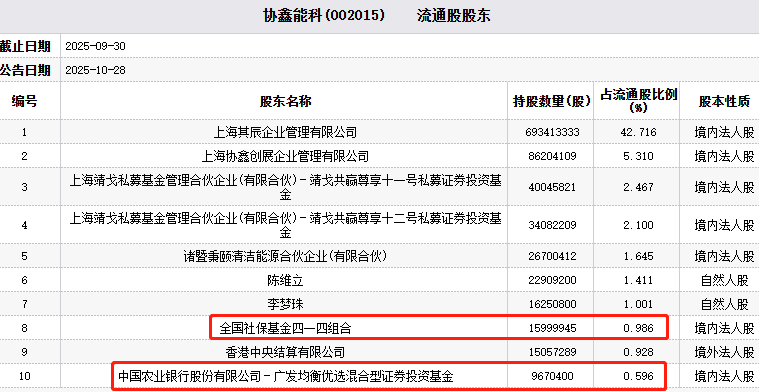
Core Viewpoint - GCL-Poly Energy Technology Co., Ltd. (协鑫能科) has faced regulatory actions from the China Securities Regulatory Commission and the Shenzhen Stock Exchange due to violations related to fund usage and information disclosure, leading to penalties for the company and its executives [1][2]. Group 1: Regulatory Violations - From June 2023 to October 2024, GCL-Poly made advance payments for fuel procurement to third parties, which ultimately benefited related parties under the same control, constituting non-operational fund occupation by the controlling shareholder [1][8]. - The company failed to timely fulfill the review procedures and information disclosure obligations regarding these transactions [1][9]. - Between March 2023 and March 2024, GCL-Poly engaged in related party transactions for photovoltaic components without proper disclosure and review, violating regulatory requirements [1][9]. Group 2: Penalties and Accountability - The Shenzhen Stock Exchange issued a public reprimand to GCL-Poly and its actual controller, Zhu Gongshan, along with other key executives for their roles in the violations [2][8]. - The company’s former financial directors and board secretary were also held accountable for failing to perform their duties diligently, contributing to the regulatory breaches [2][10]. - The violations will be recorded in the company's integrity file, impacting its reputation in the market [2][8]. Group 3: Fund Management Issues - GCL-Poly was found to have used raised funds for cash management beyond the approved period without proper review and disclosure, violating relevant regulations [6][10]. - The company reported inaccuracies in its special reports on the use of raised funds for multiple periods, further compounding its regulatory issues [7][10].

攒足发展“硬支撑”底气!借助重大工程“拼图”看经济发展澎湃“硬核”动力
Yang Shi Wang· 2025-12-29 03:26
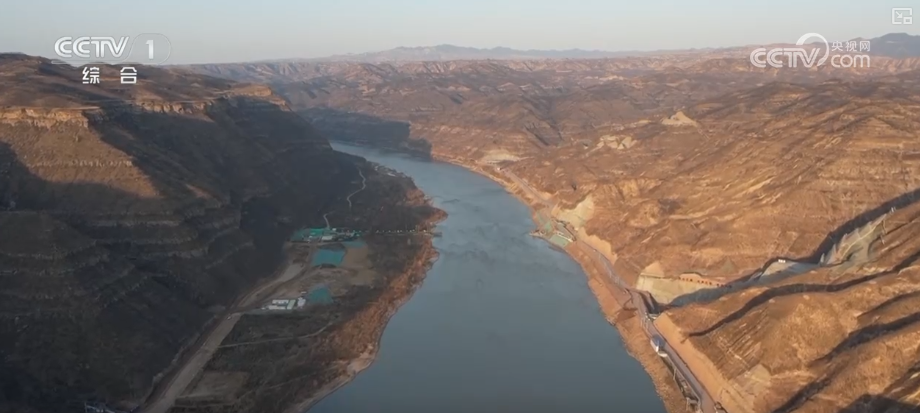
Core Viewpoint - Recent significant progress in major projects across water conservancy, energy, and transportation sectors in China highlights the country's economic vitality [1] Water Conservancy - The Yellow River Guxian Water Conservancy Hub's diversion tunnel successfully completed, marking a major milestone in the project aimed at enhancing flood control and disaster reduction capabilities [5] - The Nanning Pumped Storage Power Station, part of the "14th Five-Year Plan," has been fully operational, representing Guangxi's first pumped storage power station with a total investment of approximately 8 billion yuan and a capacity of 1.2 million kilowatts [19][22] Energy - The first domestically developed 30-megawatt pure hydrogen gas turbine has achieved pure hydrogen power generation, reducing carbon emissions by over 200,000 tons annually compared to conventional power generation [8][41] - The Xinjiang Oilfield's carbon capture and storage project has become China's first oilfield to inject over 1 million tons of carbon annually, marking a significant step in carbon capture and utilization [35][38] Transportation - The Guangdong Yangchun to Xinyi Expressway has officially opened, reducing travel time between the two cities from 4 hours to 1.5 hours, enhancing connectivity between the Guangdong-Hong Kong-Macao Greater Bay Area and the Guangxi Beibu Gulf Economic Zone [10] - The Nanjing Metro Line 4's second phase underwater tunnel has successfully completed, representing the deepest underwater metro tunnel in the Yangtze River Delta region [13] - The Dongyang Expressway has been completed, achieving "county-to-county" expressway connectivity in Liaocheng, Shandong Province [15] Natural Gas Infrastructure - The Sichuan section of the "West-to-East Gas Transmission" project has been fully operational, expanding the natural gas resource export channel from the Sichuan-Chongqing region [30][32]
新华财经早报:12月24日
Zhong Guo Jin Rong Xin Xi Wang· 2025-12-23 23:51
转自:新华财经 •住房城乡建设部:要因城施策控增量、去库存、优供给,结合城市更新、城中村改造盘活利用存量用地 •商务部:坚决反对美针对无人机领域增列"不可信供应商清单" •北京发放首批L3级高速公路自动驾驶车辆专用号牌 自动驾驶车辆已由测试示范进展到正式量产 •中央企业负责人会议12月22日至23日在京召开。中共中央政治局常委、国务院总理李强出席会议并讲话。李强指出,中央企业要在推进重大基础设施建设 中提供强力保障,加快传统基础设施更新和数智化改造,适度超前开展新型基础设施建设。要在实现产业链供应链自主可控中当好担纲主力,结合主责主业 发展新兴产业和未来产业,保障能源资源供应,增强产业链韧性。要在推进高水平科技自立自强中强化基础支撑,加强应用基础研究,提升关键共性技术供 给质量。(新华社) •12月22日至23日,全国住房城乡建设工作会议在北京召开。住房和城乡建设部部长倪虹表示,要因城施策控增量、去库存、优供给,结合城市更新、城中 村改造盘活利用存量用地,推动收购存量商品房用作保障性住房、安置房、宿舍、人才房等。优化和精准实施保障性住房供应,实施房屋品质提升工程,有 序推进"好房子"建设。(新华财经) •商务 ...

中国能建锻造能源新质生产力
Zhong Guo Jing Ji Wang· 2025-12-23 14:44
Core Insights - The "Qing Hydrogen No. 1" project, the world's largest integrated green hydrogen and ammonia project, has officially commenced production, marking a significant step in China's energy transition and decarbonization efforts [1] - China Energy Engineering Group (China Energy) is focusing on deepening reforms and enhancing productivity through innovation and optimization of business layouts, aiming to become a leader in energy revolution and water resource security [1][2] - The company has achieved substantial revenue growth in its core energy and water sectors, with a year-on-year increase of 16.76% in revenue and 18.42% in total profit for the first three quarters of 2025 [3] Group 1 - The "Qing Hydrogen No. 1" project is transforming abundant wind and solar resources into green hydrogen energy, contributing to global energy transition [1] - China Energy's strategic focus includes integrating energy with transportation, construction, and digital industries to foster high-quality development [2] - The company has established a comprehensive industrial layout, optimizing resource allocation across its core responsibilities in energy and water [2] Group 2 - China Energy's investment in traditional industries is driving intelligent, green, and integrated transformation, exemplified by major projects like the Longdong carbon capture demonstration and the Dashi Gorge water conservancy project [3] - The company prioritizes technological innovation, with significant investments in R&D, aiming for a budget of 14.6 billion yuan in 2024, nearly double that of 2020 [4] - China Energy is recognized as a key player in national strategic technology, with multiple projects and enterprises selected for government innovation and demonstration programs [5]

AI+能源,如何“+”出新未来?
Zhong Guo Dian Li Bao· 2025-12-23 03:18
Core Insights - The digital transformation of China's energy and power industry has progressed from "direction exploration" to "system practice" under the guidance of the "dual carbon" goals and the strong drive for a new power system [1] - Experts emphasize the need for collaboration among government, industry, academia, research, and application sectors to overcome challenges in data, algorithms, computing power, talent, standards, and more [1] Group 1: Digital Transformation and AI Integration - Digital technologies have deeply integrated into every aspect of the energy sector, transitioning from reliance on "human resources" to "data intelligence" [3] - Major energy companies like China Huadian and Three Gorges Group have established comprehensive digital systems covering the entire lifecycle from construction to intelligent operation and maintenance [3] - AI applications in the power grid have evolved from basic inspections to complex decision-making processes, enhancing reliability management and power prediction accuracy [4] Group 2: Challenges in AI and Data Utilization - The energy sector faces structural and foundational challenges in AI integration, particularly regarding data sharing mechanisms, standardization, and model reliability [6] - Data quality issues persist, with high-value data being scarce and costly to label, hindering the depth of AI applications [6][7] - The fragmented development of AI technologies leads to resource redundancy and barriers within the industry, limiting overall efficiency and sustainable growth [7] Group 3: Future Directions and Ecosystem Development - A systematic approach is needed to transition AI in the energy sector from "empowerment" to "enabling," focusing on innovation and ecosystem support [9] - The National Development and Reform Commission and the National Energy Administration aim to promote the deep application of over five professional large models and explore numerous empowering scenarios by 2027 [9] - Building an open and collaborative industrial ecosystem and standard system is essential for supporting technology implementation and promotion [9] Group 4: Talent Development and Policy Support - The energy sector requires a significant number of skilled professionals, with a projected talent gap exceeding 1 million in the renewable energy field [10] - Strategies such as industry-academia cooperation and establishing training bases are necessary to address the talent shortage [10] - Policies must be refined to encourage innovation and establish clear safety boundaries and ethical standards for AI applications in the energy sector [10]