
低空经济

Search documents
以成都试点带动全省赋能,加快构建“五区共兴”的全域要素协同配置格局 打造更多“四川样板成都经验”
Si Chuan Ri Bao· 2026-01-14 00:45
Core Insights - The pilot program aims to address three major challenges: inefficient flow of factors, low allocation efficiency, and insufficient collaborative capacity [5] - The initiative is tasked with creating new pathways for factor supply to cultivate new productive forces, exploring new paths for factor allocation in mega cities, and developing factor-driven strategies for regional coordinated development [6] Pilot Measures - The program will leverage provincial comprehensive planning and coordination, while city-level organizations will implement innovative and exploratory measures, focusing on significant reform tasks and small-scale reform projects [3][4] - Chengdu will concentrate on key areas such as technology, labor, and land, planning a series of "integrated supply" reform measures around its advantageous industries like biomedicine and low-altitude economy [4] Background and Necessity - The pilot is driven by national directives and the specific needs of Sichuan and Chengdu to overcome new challenges and expand economic development [2] - Chengdu initiated reforms in spatial planning and land policy to support the rapid development of new industries and business models [3] Implementation Strategy - A collaborative approach between provincial and city levels will transform the proposed "blueprint" into tangible outcomes, with a focus on strong leadership and coordinated efforts across departments [4] - The city aims to establish a comprehensive policy framework that integrates various departments and levels of government to enhance the effectiveness of the pilot [4] Expected Outcomes - The pilot is expected to generate replicable and scalable experiences that can benefit the entire province, enhancing the overall factor allocation and coordination across regions [6]
六大经济部委释放2026关键信号 两大市场要稳,这些产业要飞
2 1 Shi Ji Jing Ji Bao Dao· 2026-01-13 23:16
Group 1: Economic Policy Signals - The Chinese government is focusing on four key policy signals for 2026: stabilizing growth, expanding domestic demand, supporting technological innovation, and stabilizing the real estate and stock markets [1][2] - Various ministries are actively promoting early policy implementation to ensure a smooth start to 2026, including the early issuance of project lists and investment plans [1][2] Group 2: Fiscal and Monetary Policy - The 2026 fiscal policy will continue to be proactive, with an expanded fiscal spending plan and optimized government bond tools to enhance effectiveness [2][3] - The People's Bank of China will maintain a moderately loose monetary policy, with expectations of a 25-50 basis point reduction in the reserve requirement ratio and a 10-20 basis point decrease in the 7-day reverse repo rate [3][4] Group 3: Consumption and Investment - Measures to boost consumption include optimizing the trade-in policy for consumer goods and expanding service consumption, while investment will be supported through various government funding initiatives [5][6] - The government plans to implement a consumption upgrade policy, providing subsidies for trade-ins of automobiles, home appliances, and digital products [6] Group 4: Real Estate Market Stability - The 2026 strategy includes stabilizing the real estate market through targeted policies, such as controlling new supply and utilizing existing housing stock for affordable housing [11][12] - Major cities are expected to further relax housing purchase restrictions and lower mortgage costs to stimulate housing demand [12] Group 5: Emerging Industries Development - The government aims to enhance technological innovation capabilities and support the growth of emerging industries such as integrated circuits, new materials, and biomedicine [8][9] - A new venture capital fund has been established to attract investment in high-tech sectors, with an expected total investment scale exceeding one trillion yuan [9] Group 6: Innovation-Driven Growth - The focus for 2026 will be on building an innovation-driven growth model, emphasizing the integration of short-term policies with long-term structural reforms [10]
上证早知道|机构逆势买入AI应用;事关工业互联网 重要方案印发
Shang Hai Zheng Quan Bao· 2026-01-13 23:10
Group 1 - The State Council's Tariff Commission decided to continue imposing anti-dumping duties on imported solar-grade polysilicon from the US and South Korea for five years starting January 14, 2026, due to potential harm to China's polysilicon industry [4] - The railway system in China will implement a new train operation schedule starting January 26, 2025, increasing the number of scheduled passenger trains to 12,130 and freight trains to 23,748, enhancing transportation capacity and efficiency [2] - The Ministry of Industry and Information Technology released an action plan for the high-quality development of industrial internet platforms from 2026 to 2028, aiming for over 450 influential platforms and a significant increase in industrial equipment connectivity [6] Group 2 - Japan's corporate bankruptcy cases reached a new high since 2013 in 2025, with 10,300 cases involving debts over 10 million yen, marking a 2.9% increase from the previous year [3] - The second China eVTOL Innovation Development Conference will be held on January 15-16, 2026, focusing on technological breakthroughs and commercialization in the electric vertical takeoff and landing aircraft sector [7] - Companies like TCL Technology and Dazhu CNC are projecting significant profit increases for 2025, with TCL expecting a net profit of 4.21 billion to 4.55 billion yuan, a year-on-year growth of 169% to 191% [8]


从技术验证迈向量产交付 硬科技龙头企业开启“规模化元年”
Zhong Guo Zheng Quan Bao· 2026-01-13 22:16
Core Insights - The year 2026 is projected to be a pivotal year for emerging industries in China, particularly in the low-altitude economy and robotics sectors, as they transition from pilot testing to mass production and ecosystem development [1][2][7] Group 1: Robotics Industry - UBTECH aims to achieve an annual production capacity of 10,000 humanoid robots in 2026, following the delivery of over 500 units of its "Walker S2" model in 2025 [2] - The humanoid robot market in China is expected to reach a production scale of 100,000 to 200,000 units in 2026, driven by companies like Zhiyuan Robotics and strategic partnerships [2] - The application of robots is anticipated to expand from hazardous and monotonous jobs to broader industrial and commercial services, eventually reaching household use [5] Group 2: Low-altitude Economy - The low-altitude economy is expected to experience significant growth in 2026, with companies like XPeng Heitech planning to deliver their flying car, "Land Aircraft Carrier," in the same year [3] - The market penetration of industrial-grade drones is increasing, with companies like United Aircraft Group expecting to double their revenue as they achieve key milestones in product certification [3] - Cloud Saint Intelligent's products are projected to expand coverage in urban governance, potentially doubling their reach in 2026 [3] Group 3: Commercial Aerospace - A surge in IPO activities is anticipated in the commercial aerospace sector, driven by the demand for reusable medium to large rockets, with companies like Blue Arrow Aerospace and Star Glory actively pursuing public offerings [4] - The focus in commercial aerospace is on reducing costs through reusable rocket technology, while long-term success will depend on market applications [7] - The industry is facing challenges related to infrastructure and commercial viability, necessitating policy support and cross-departmental collaboration [7] Group 4: Market Competition - The emergence of a "scale year" in 2026 will intensify competition among emerging industries, with companies needing to focus on customer needs and continuous innovation to maintain their competitive edge [7] - The development of new infrastructure and unified management systems is crucial for the low-altitude economy and commercial aerospace sectors [7] - The overall environment for hard technology enterprises is improving, driven by policy guidance, technological breakthroughs, and market demand [7]

阳江“十四五”连跨三个百亿台阶,跻身广东第一电力能源大市
Sou Hu Cai Jing· 2026-01-13 21:23
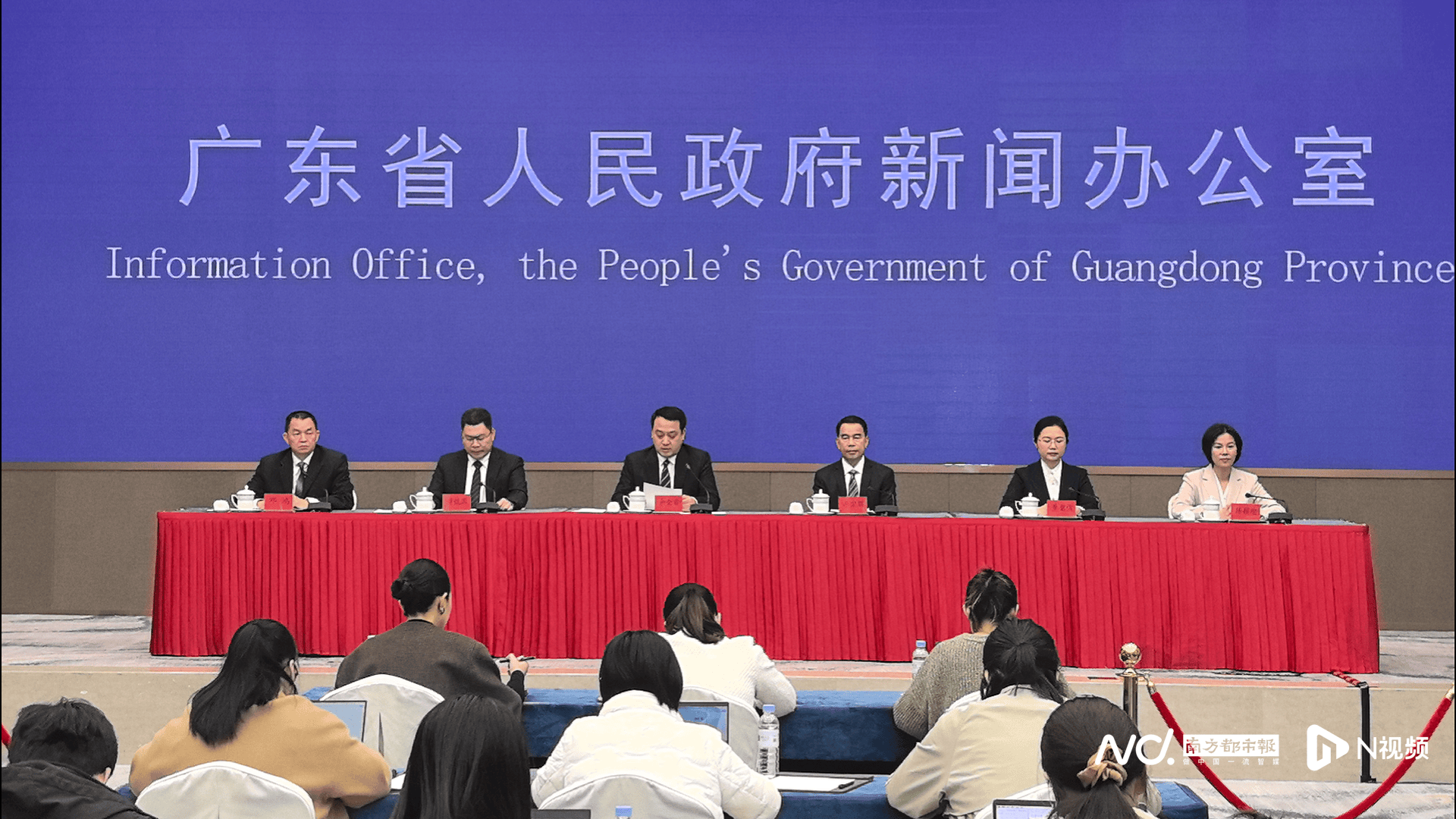
Core Viewpoint - The press conference highlighted the significant achievements of Yangjiang during the "14th Five-Year Plan" period, focusing on economic growth, industrial development, and social progress, positioning Yangjiang as a key player in the Guangdong-Hong Kong-Macao Greater Bay Area [3][4]. Economic Development - Yangjiang's economic total has crossed the milestones of 140 billion, 150 billion, and 160 billion yuan during the "14th Five-Year Plan" [4] - Fixed asset investment growth has ranked first in the province for three consecutive years, with a cumulative investment increase of over 30% compared to the "13th Five-Year Plan" [4] - By 2025, local general public budget revenue is expected to exceed 10 billion yuan, with a cumulative increase of 38.6% compared to the "13th Five-Year Plan" [4] Industrial Growth - The city's industrial added value and industrial investment have grown annually by 7.3% and 14.6%, respectively, during the first four years of the "14th Five-Year Plan" [4] - Yangjiang has become the leading power energy city in the province, with an installed capacity exceeding 24.29 million kilowatts, accounting for about one-tenth of the province's total [4] - The number of hundred-billion-level industrial enterprises has increased to seven, and the number of specialized and innovative enterprises has grown nearly 12 times compared to the end of the "13th Five-Year Plan" [4] Infrastructure Development - The total railway mileage has reached 425.4 kilometers, and the total road mileage has surpassed 11,000 kilometers, achieving high-speed rail access to all counties and 30-minute highway access to all towns [4] - The city has established a modern transportation network integrating airports, high-speed rail, and major ports to enhance connectivity within the Greater Bay Area [8] Social Progress - Nearly 80% of fiscal expenditure is allocated to people's livelihoods, and the city has been recognized as one of the "most livable cities in China" [9] - Over 90,000 new urban jobs have been created in five years, and the average life expectancy has exceeded 83 years [9] - The city has built or renovated 74 schools, adding 124,000 public school places, achieving full coverage of undergraduate, master's, and doctoral education [9] Environmental Initiatives - Yangjiang has completed forest optimization over 350,000 acres and forest nurturing over 620,000 acres, achieving a forest coverage rate of 57.8% [8] - The city has been recognized as a national forest city and an international garden city, with continuous excellent water quality for five years [8]

硬科技龙头企业开启“规模化元年”
Zhong Guo Zheng Quan Bao· 2026-01-13 20:46
Core Viewpoint - The year 2026 is anticipated to be a pivotal year for emerging industries in China, particularly in the fields of humanoid robotics and low-altitude economy, as they transition from pilot testing to mass production and ecosystem development [1][3]. Industry Developments - Companies like UBTECH aim to produce 10,000 humanoid robots in 2026, following a successful delivery of over 500 units in 2025 [2]. - The low-altitude economy is expected to see significant growth, with companies like XPeng aiming to deliver their flying car by 2026, and the industrial drone market experiencing increased penetration [2][3]. - The market for humanoid robots in China is projected to reach between 100,000 to 200,000 units in 2026, indicating robust demand [2]. Technological Advancements - The rapid iteration of technology in emerging industries is facilitating clearer commercialization paths, with robots expected to transition from hazardous jobs to broader industrial and commercial applications [3][4]. - Companies are leveraging AI and smart technologies to enhance their products and expand their market reach, as seen with Ninebot's participation in CES showcasing various innovative transportation solutions [4]. Market Competition - The arrival of the "scale year" in 2026 is expected to intensify competition among emerging industries, necessitating a customer-centric approach and continuous innovation to maintain market leadership [5]. - In the commercial aerospace sector, the focus is on reducing costs through reusable rocket technology, while long-term success will depend on application development in a trillion-dollar market [5]. Infrastructure and Policy Support - The development of new infrastructure and unified management systems is crucial for the low-altitude economy and commercial aerospace sectors, as current gaps in coverage and control systems pose challenges [5]. - There is a growing expectation for policy support to address the challenges faced by hard-tech companies, fostering a more favorable environment for innovation and growth in emerging industries [5].


万亿元消费城市之争 中部不再“缺位”
Mei Ri Jing Ji Xin Wen· 2026-01-13 17:24
Core Insights - Wuhan's GDP is projected to grow by approximately 6% by 2025, marking the highest growth rate in four years, with retail sales expected to exceed 900 billion yuan, indicating progress towards a trillion yuan consumption target [1][2] - The city is emerging as a competitive player in the consumption market, alongside Hangzhou and Nanjing, with retail sales rebounding to 700 billion yuan in 2023 and expected to surpass 900 billion yuan in 2025 [2][3] Economic Growth and Consumption - Wuhan's government aims for a retail sales target of over 1.07 trillion yuan by 2027 as part of its action plan to establish itself as an international consumption center [1] - The retail sales growth reflects a shift in consumer behavior and market dynamics, with Wuhan's consumption market showing new momentum [2] Emerging Trends and Cultural Impact - The rise of "internet celebrity" products, such as the "Garlic Bird," has provided Wuhan with a unique opportunity to enhance its cultural and consumption appeal, achieving over 1 million yuan in sales in a single month [3][4] - The cherry blossom season has become a significant draw for tourism, with over 1 million visitors in 2025, indicating a blend of cultural and commercial activities that enhance consumer engagement [4][8] Tourism and External Consumption - A significant portion of visitors during the cherry blossom season are from outside Wuhan, contributing to local economic growth, with external tourists generating approximately 1.2 billion yuan in direct consumption [8][9] - Wuhan's tourism revenue reached 217.04 billion yuan during the 2025 National Day and Mid-Autumn Festival, showcasing its position as a leading economic city [8][9] Retail and E-commerce Growth - Wuhan's online retail sales grew by 9.51% to 268.06 billion yuan in the first eight months of 2025, indicating a shift towards digital consumption [11] - The transformation of traditional retail spaces, such as Han Zheng Street, into hubs for live-streaming commerce has significantly boosted sales, with clothing revenue surpassing 100 billion yuan [11] Challenges and Opportunities - Despite strong growth, Wuhan's per capita tourism spending remains lower than that of Nanjing and Hangzhou, highlighting potential for further development in local consumption [12][14] - The city is focusing on enhancing local consumer spending through initiatives aimed at increasing disposable income and promoting new consumption trends, such as outdoor camping and electric vehicles [12][15] Strategic Positioning - Wuhan's geographical advantage as a transportation hub allows it to connect with surrounding provinces, enhancing its role as a consumption center [10] - The city's focus on emerging industries, including new energy vehicles and technology sectors, positions it to capture future consumer trends and drive economic growth [15]
六大部委释放四大关键信号 这些产业要飞
2 1 Shi Ji Jing Ji Bao Dao· 2026-01-13 15:42
Core Viewpoint - The Chinese government is focusing on stabilizing economic growth and expanding domestic demand in 2026, marking the beginning of the "14th Five-Year Plan" period, with key policies aimed at supporting technological innovation and stabilizing the real estate and stock markets [1] Group 1: Economic Policy Signals - Key ministries, including the National Development and Reform Commission, Ministry of Finance, and others, have released four major policy signals for 2026: stabilizing growth, expanding domestic demand, supporting technological innovation, and stabilizing the real estate and stock markets [1] - The year 2026 is seen as crucial for achieving a good start to the "14th Five-Year Plan" [1] Group 2: Investment in Emerging Industries - The National Venture Capital Guidance Fund is set to officially operate by December 26, 2025, with an expected investment scale exceeding 1 trillion yuan, focusing on "hard technology" sectors such as integrated circuits, quantum technology, biomedicine, brain-computer interfaces, and aerospace [1] - The Ministry of Industry and Information Technology plans to implement actions to develop and strengthen emerging industries, targeting key areas like integrated circuits, new displays, new materials, aerospace, low-altitude economy, and biomedicine [1] Group 3: Artificial Intelligence Initiatives - The Beijing Municipal Development and Reform Commission has announced an action plan for building an artificial intelligence innovation hub, aiming to add over 10 listed companies and more than 20 unicorns in the AI sector within two years [1]
10个经济大省竞逐三大关键产业
21世纪经济报道· 2026-01-13 12:42
中央经济工作会议于2025年12月10日至11日在北京举行。会议在部署2026年经济工作重点任 务时提到,要"支持经济大省挑大梁"。 从GDP排名来看,2025年前三季度,广东、江苏、山东、浙江、四川、河南、湖北、福 建、上海和湖南位列全国前十。2024年, 这些经济大省以占全国近两成的面积,贡献全 国超六成的GDP。 面向2026年,经济大省在产业发展上有哪些亮点、重点和趋势?从这十个省份经济工作会议等 方面的部署来看, 人工智能、机器人、低空经济是三大关键产业。 国家发展改革委2025年8月提到,未来一到两年要汇聚全社会资源力量推动"人工智能+"打开 局面,取得实效。进 入2026年,"全面"则成为多个经济大省部署人工智能的一个关键词。 例 如,广东省提出,推进人工智能产业高质量发展和全域全时全行业高水平应用。浙江省提出, 加快推动人工智能创新发展高地建设,全面实施"人工智能+"行动。根据2026年浙江省经信工 作会议,浙江省将加快发展AI计算机、AI手机、智能穿戴设备等人工智能终端,全面推进人 工智能赋能新型工业化"五个百项"工程。 另外,面向2026年, 低空经济、机器人等成为多个省份共同部署的重点产 ...

谁是云南下一个千亿产业?“十五五”产业强省行动计划出炉
Xin Lang Cai Jing· 2026-01-13 12:34
Core Viewpoint - The Yunnan Provincial Government has issued an "Action Plan" aimed at accelerating the construction of a modern industrial system, targeting an industrial output value exceeding 2 trillion yuan by 2027, with a focus on enhancing the proportion of non-tobacco and non-energy industries in the overall industrial structure by approximately 3 percentage points [1] Group 1: Resource-based Industries - The plan emphasizes strengthening resource-based industries, particularly in green aluminum, silicon photovoltaic, phosphorus chemical, and non-ferrous and precious metals sectors [2] - By 2027, the aluminum alloy rate is expected to reach around 80%, with the green aluminum industry chain's output value projected to be approximately 250 billion yuan [2] - The phosphorus chemical industry aims for an output value of 100 billion yuan, with a target of over 80% for the comprehensive utilization rate of phosphogypsum [2] - The non-ferrous metal industry is projected to exceed 550 billion yuan in output value, with a production target of over 10 million tons for 10 types of non-ferrous metals by 2027 [2] Group 2: Characteristic Advantage Industries - The plan identifies five key sectors for enhancing characteristic advantage industries: highland characteristic agriculture, cultural tourism, green energy, tobacco, and modern logistics [3] - By 2027, the total output value of agriculture, forestry, animal husbandry, and fishery is expected to exceed 720 billion yuan [3] - The tourism sector aims for total spending of 1.4 trillion yuan, with the tourism industry's added value accounting for over 8% of regional GDP [3] - The green energy sector targets an installed power capacity of 180 million kilowatts, with clean energy accounting for 90% of the total [3] - The tobacco industry aims for an output value of 192 billion yuan by 2027 [3] - The logistics sector targets over 220 national A-level logistics enterprises and a total social logistics volume of around 6 trillion yuan [3] Group 3: Strategic Emerging and Future Industries - The plan outlines the development of six strategic emerging industries: biomedicine, new materials, advanced equipment manufacturing, digital economy, low-altitude economy, and biomanufacturing [4] - The biomedicine sector aims for revenue of 350 billion yuan by 2027 [4] - The new materials industry is projected to exceed 120 billion yuan in output value [4] - The renewable battery sector targets an output value of over 40 billion yuan, while advanced equipment manufacturing (excluding electronics) aims for over 100 billion yuan [4] - The digital economy's core industry revenue is expected to reach 320 billion yuan [4] - The low-altitude economy is projected to achieve a scale of over 20 billion yuan by 2027 [4] Group 4: Policy Measures - The action plan proposes policy measures focusing on strengthening technological empowerment, optimizing the development environment, deepening open cooperation, and enhancing support and guarantees [5] - It emphasizes the need for region-specific development of local advantages and characteristic industries while accelerating breakthroughs in non-tobacco and non-energy industries [5]