
新茶饮

Search documents
从“宁王”到吉利,内地巨头纷纷涌向港股上市
Hua Xia Shi Bao· 2025-05-24 13:05
华夏时报(www.chinatimes.net.cn)记者 陶炜 南京报道 到港股上市,似乎突然变成了国内龙头企业眼中的香饽饽。 5月23日,福瑞泰克(浙江)智能科技股份有限公司向港交所重新递交招股书,拟在香港主板上市,该公司是吉利 旗下从事智能驾驶解决方案的公司,在中国L2级及L2+级智能驾驶解决方案市场排名第三。而这在近期申请港股 上市的内地企业中,并不是最有来头的企业。 餐饮界的"雪王"蜜雪集团(2097.HK)、动力电池界的"宁王"宁德时代(300750.SZ)都在近期于港交所挂牌。就 在5月22日,工程机械行业龙头三一重工也向港交所递交了上市申请。 "A+H是现阶段A股主要趋势之一,既满足国内优质资产出海需求,又提升香港国际金融中心地位及港交所吸引 力。"国内某头部财经公关公司的高管对《华夏时报》记者说。 港交所方面,早在去年10月份,港交所就优化了港股IPO审批流程。今年5月6日,香港证监会与香港交易所又宣 布,推出"科企专线",以进一步便利特专科技公司及生物科技公司申请上市,并允许这些公司可以选择以保密形 式提交上市申请。香港特区政府财政司司长陈茂波近日则在网上公开表示:"我们正不断加强'金融+ ...



外卖大战,带飞新茶饮
Xin Lang Cai Jing· 2025-05-24 07:43
Core Viewpoint - The biggest winners in the recent food delivery war are tea and coffee brands, which have seen a surge in sales and stock prices due to aggressive subsidies from major delivery platforms [1][6]. Group 1: Impact on Sales and Stock Prices - The stock prices of leading new tea brands have skyrocketed, with Mixue Ice City surpassing HKD 200 billion in market value, Gu Ming reaching HKD 64 billion, and Cha Bai Dao at HKD 15.5 billion [1]. - Since the launch of the subsidy wars in April, Mixue Ice City's stock has increased by over 9%, Gu Ming by 10%, and Cha Bai Dao by over 20% [1][5]. - On May 22, Mixue Ice City's stock hit a high of HKD 563, closing at HKD 535.5, with a total market value of HKD 203.29 billion [1]. Group 2: Consumer Behavior and Market Dynamics - The price of tea and coffee has dropped significantly, with some drinks available for as low as 2.9 yuan, leading to a surge in consumer orders [2][3]. - The competition has led to a dramatic increase in sales for brands like Kudi Coffee, which saw a tenfold increase in sales during promotional events [4]. - The overall market for tea drinks has become highly competitive, with many brands lowering prices to attract consumers [6][8]. Group 3: Industry Challenges and Future Outlook - The rapid growth of new tea brands is facing challenges as the market approaches saturation, with a decline in the number of tea shops reported [9]. - Major brands are experiencing growth bottlenecks, with Mixue Ice City and Gu Ming reporting declines in key operational metrics [9][10]. - The ongoing price wars may not be sustainable, and brands will need to find new strategies to maintain competitiveness once subsidies are reduced [10][11].
新茶饮行业白皮书
Zhuo Shi Zi Xun· 2025-05-22 03:20
Investment Rating - The report indicates a high investment interest in the new tea beverage industry, with significant market capitalization growth for companies like Mixue Ice City and Gu Ming since their IPOs [10][11]. Core Insights - The new tea beverage industry in China is rapidly evolving, driven by rising consumer spending power and a shift towards quality and scalability since 2010. The industry is characterized by innovation in product quality, digitalization, and consumer experience [4][5]. - The market is projected to reach approximately 5,466 billion RMB in retail sales by 2028, with significant growth in both the ready-to-drink and retail tea segments [19][21]. - The industry is also contributing to national rural revitalization strategies, enhancing brand image and competitiveness through support for upstream supply chains [16]. Market Dynamics - The new tea beverage market is experiencing a shift towards high-quality, cost-effective products as high-end brands seek to penetrate the mass market due to saturation in tier-one cities [6]. - The expansion of franchise models is a key strategy for brands to tap into the vast market potential, with a notable increase in the number of franchise stores [6][49]. - The report highlights a significant increase in IPO filings for new tea beverage companies, indicating a growing interest from investors [13]. Consumer Trends - There is a rising demand for personalized beverage options, with brands offering customizable sweetness and texture to cater to individual preferences [5]. - The report notes a trend towards healthier ingredients, with an increasing use of natural sweeteners and high-quality raw materials [29][32]. Supply Chain and Raw Materials - The raw materials market for ready-to-drink tea is expected to exceed 1,300 billion RMB by 2028, driven by the demand for fresh fruits, dairy, and refined tea [24][25]. - The report emphasizes the importance of quality and stability in raw material supply, with companies increasingly extending their operations upstream to ensure better sourcing [26][44]. Future Growth Opportunities - The report identifies significant growth potential in lower-tier cities, which are expected to see the fastest growth in store openings and market penetration over the next five years [46]. - The global market for ready-to-drink beverages is projected to grow rapidly, with China and Southeast Asia being key drivers of this growth [57].
鸭屎香,真的比鸭屎香
3 6 Ke· 2025-05-21 00:48
Core Insights - The new tea beverage industry is redefining the concept of tea, altering its functions, aesthetic appreciation, and geographical significance, particularly among younger consumers [1][3][20] - New tea drinks are positioned as lighter and healthier alternatives to traditional beverages, appealing to the fast-paced lifestyle of the younger generation [3][6][16] Industry Transformation - The emergence of new tea drinks has led to the popularity of previously obscure ingredients, such as "Duck Shit Aroma" and "Oil Gan," which are now favored in urban markets [1][7][10] - Brands like Heytea and Nai Xue's Tea have successfully implemented a business model that combines quality tea with innovative flavors and immediate consumption experiences [5][6][12] Consumer Behavior - The younger generation shows less interest in traditional tea culture's complexities, preferring simpler, more enjoyable drinking experiences [6][14] - New tea drinks are designed to meet the emotional and experiential needs of consumers, focusing on taste and health benefits rather than traditional tea's rigorous standards [13][14][20] Market Dynamics - The traditional tea market's authority is diminishing as smaller, lesser-known ingredients gain traction, driven by storytelling and emotional value [10][12][16] - The new tea beverage sector is characterized by a shift towards health-conscious products, with brands launching low-calorie and functional drinks to cater to modern consumer demands [13][14] Cultural Shift - New tea drinks represent a cultural shift where traditional tea is no longer seen as a rigid heritage but as a flexible material for innovation and creativity [18][20] - The global popularity of new tea beverages signifies a challenge to established beverage norms, driven by a younger demographic seeking novel taste experiences [20]


港股延续反弹趋势 机构建议布局三大主线
Zhong Guo Zheng Quan Bao· 2025-05-20 21:47
● 本报记者 胡雨 在宁德时代等明星企业持续赴港上市等诸多积极因素带动下,今年以来港股一二级市场均保持旺盛活 力,新股融资规模暂时高居全球首位,恒生指数、恒生科技指数今年以来累计涨幅均已超过2024年全 年。 在业内人士看来,内地与香港监管层携手发力市场制度建设,推动港股市场生态环境发生改变,在提升 市场承接力和IPO竞争力同时,也吸引了包括南向资金在内的增量资金持续流入,从而进一步提振市场 表现。展望后市,从中期视角看,依然看好港股市场相对表现,投资上建议关注科技、消费、红利等主 线的投资机遇。 部分股指涨幅超去年全年 作为今年以来港股募资规模最大的IPO项目,5月20日,宁德时代正式登陆港股,上市首日公司H股股价 大涨16.43%,A股股价也上涨逾1%。从港股市场整体表现看,5月20日,恒生指数、恒生中国企业指 数、恒生香港中资企业指数、恒生科技指数等主要股指均上涨逾1%,整体上延续了4月8日以来的反弹 趋势。 得益于一系列利好因素持续释放,港股市场自2024年2月以来进入了新一轮上涨周期,到2025年涨势不 减。Wind数据显示,截至5月20日收盘,恒生指数、恒生中国企业指数、恒生香港中资企业指数、恒生 ...
新茶饮市场规模化扩张加速 分级市场策略驱动理性增长丨新经济观察
Sou Hu Cai Jing· 2025-05-20 11:40
封面新闻记者 付文超 2025年,中国新茶饮市场在消费升级与数字化赋能的双重驱动下,正加速迈向规模化扩张的新阶段。 值得一提的是,在扩张路径上,茉莉奶白聚焦"理性增长"内核,通过分级市场策略实现精准落地。在一线及新一线城市,品牌以标杆门店强化形象认知, 其中深圳中洲湾茶坊等主题店,通过特色场景打造成为区域消费热点;在二三线城市,则依托大数据分析优化选址模型,确保门店运营效率。 据介绍,此次百店同开活动中,全国新店订单销量持续增长,线下打卡活动人气高涨。从预热期的宣传到爆发期的转化,再到长尾期的热度延续,活动有 效提升了门店曝光与销售。 有业内人士认为,通过规模化布局与数字化升级的深度融合,品牌为行业打造出协同发展的创新样本。规模化的扩张不仅通过集中资源形成规模效应,引 发市场强烈关注,更为品牌带来了声量与销量的双重爆发。 据中商产业研究院数据显示,2025年中国现制茶饮市场规模预计突破3689亿元,其中中式新茶饮细分赛道规模突破2000亿元,年复合增长率达15%。这一 增长背后,是新茶饮品牌通过分级市场策略实现的精准布局与效率提升。 5月20日,记者获悉,新茶饮品牌茉莉奶白于5月16日-18日开启全国百店同开 ...
新茶饮消费进入旺季多家品牌加速扩张 茉莉奶白三天开业百家门店
Zheng Quan Shi Bao Wang· 2025-05-19 13:40
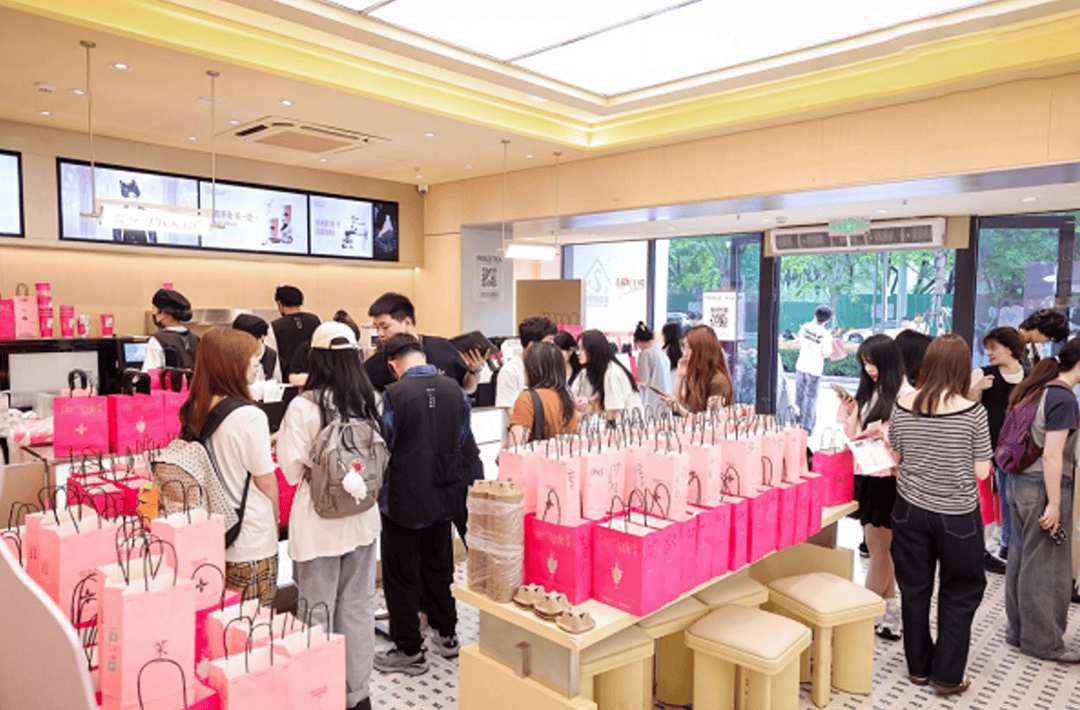
Group 1: Market Trends - The new tea beverage market is experiencing significant growth as the weather warms up, leading to increased consumer demand and brand expansion [1] - Multiple new tea brands are actively expanding, with Jasmine Milk White opening 100 new stores simultaneously across 68 cities [1] - The overall market remains stable despite intensified competition, with brands optimizing supply chains and innovating products to capture market share [1] Group 2: Company Performance - Jasmine Milk White reported over 460,000 cups sold and total sales exceeding 10 million yuan within three days of opening new stores, with an average sales per store surpassing 100,000 yuan [1] - The brand has expanded to over 1,300 stores nationwide since its first store opened in Shenzhen in 2021, covering 193 cities [1] - Tea Baidao, another leading brand, opened its first store in Macau, experiencing long queues and strong sales during the recent holiday period [2] Group 3: Seasonal Demand - The "May Day" holiday saw a significant increase in sales for new tea products, with some stores reporting sales growth of over 300% compared to pre-holiday levels [2][3] - Jasmine Milk White's nationwide sales exceeded 5 million cups during the holiday, with a single-day record of 21 million yuan in sales [3] - The demand for summer-themed beverages, such as fruit and matcha drinks, has surged, with search volumes increasing by 110% week-on-week [3]
新茶饮夏日“狂飙”:港股走高下的消费新机遇
Huan Qiu Wang· 2025-05-19 10:13
Group 1 - The core viewpoint of the articles highlights the strong performance and growth potential of the new tea beverage industry in Hong Kong, driven by increasing consumer demand and market optimism [1][3] - The new tea beverage brands are significant contributors to China's tea consumption, accounting for nearly 10% of the total tea production, indicating their importance in the market [1] - The inclusion of brands like Biluok, Guming, and Mixue Group in the Hang Seng Composite Index reflects the growth and influence of the new tea beverage sector [1] Group 2 - As summer approaches, there is a surge in consumer demand for refreshing and healthy beverages, with beverage orders leading the restaurant sector since April 20 [3] - The introduction of new products by leading brands such as Luckin, Heytea, KFC, and Nayuki has driven significant growth in group purchase orders, with a 110% week-on-week increase in searches for summer-themed drinks [3] - The trend towards low-sugar and low-calorie fruit and vegetable tea products is rising, with a nearly 30% increase in the number of tea merchants launching new group purchase products compared to the previous month [3] Group 3 - The new tea brand Tianlala has successfully launched summer limited products, such as the "Watermelon Cool Bucket," which sold over 1 million cups within seven days, showcasing effective product innovation [4] - The success of Tianlala's products is attributed to a combination of cultural relevance, product quality, and an efficient supply chain that ensures freshness [4] - The brand's strategy emphasizes the association of fruit buckets with summer social experiences, enhancing customer engagement through limited-time offerings and collaborations [4] Group 4 - The new tea beverage sector is expanding not only through product innovation but also by diversifying consumption scenarios and meeting varied consumer needs [5] - As consumers increasingly prioritize health and quality, new tea brands are expected to continue focusing on product innovation, supply chain optimization, and cultural branding to deliver high-quality, personalized products [5]

港股概念追踪|新茶饮赛道上演资本市场“敲钟潮” 头部品牌发展势头强劲(附概念股)
智通财经网· 2025-05-19 06:43
Group 1 - The HuRun Research Institute released the "2025 HuRun China New Tea Beverage Brand TOP 20," featuring brands like Mixue Ice City, Gu Ming, and Heytea [1] - Chinese companies account for over half of the 47 food and beverage enterprises on the global unicorn and future unicorn list, with 26 brands, including new tea beverage brands [1] - The new tea beverage industry has deeply integrated into the Chinese tea industry chain, with the tea used by these brands accounting for nearly 10% of China's total tea production [1] Group 2 - The global ready-to-drink beverage market is expected to grow at a compound annual growth rate (CAGR) of 7.2% from 2023 to 2028, reaching a market size of $1,103.9 billion by 2028 [1] - China and Southeast Asia are projected to be the fastest-growing markets during 2023-2028, with respective CAGRs of 17.6% and 19.8%, contributing nearly 40% of the global market growth [1] - On May 8, Heytea successfully listed on the Hong Kong Stock Exchange, while Green Tea Group initiated its IPO on the same day, indicating a trend of mainland restaurant companies pursuing dual strategies of opening stores and listing in Hong Kong [1] Group 3 - Notable brands like Mixue Group, Haidilao, and Green Tea Group are among those aiming for IPOs in Hong Kong, leveraging the market for international experience and capital [2] - Mixue Ice City has established its leading position in the competitive ready-to-drink beverage market through supply chain scale effects and a strong brand image [2] Group 4 - Relevant companies in the tea beverage industry listed on the Hong Kong Stock Exchange include Mixue Group (02097), Cha Bai Dao (02555), Heytea (02589), Gu Ming (01364), Nai Xue's Tea (02150), and Green Tea Group (06831) [3]
胡润研究院:新茶饮品牌所使用的茶叶量已占到中国茶叶总产量的近10%
news flash· 2025-05-19 02:59
Core Insights - The new tea beverage brands are significantly impacting the Chinese tea industry, utilizing nearly 10% of the total tea production in China [1] Group 1: Industry Overview - The HuRun Research Institute released the "2025 HuRun China New Tea Beverage Brand TOP 20" list, featuring brands such as Mixue Ice City, Gu Ming, Ba Wang Tea Ji, Heytea, Hu Shang Ayi, Cha Bai Dao, and Nayuki [1] - Chinese companies represent over half of the 47 food and beverage enterprises listed in the HuRun Global Unicorn and Future Unicorn rankings, totaling 26 companies [1] - The new tea beverage sector is a significant component of the overall tea industry chain in China [1]