新茶饮

Search documents
破解中企出海的人才困境,需要你填写这份问卷
吴晓波频道· 2025-05-18 16:40
Core Viewpoint - Despite the complex international economic and trade environment, Chinese companies are steadfast in their overseas expansion efforts, exemplified by Mixue Ice Cream's significant investment plans in Brazil [1][2]. Group 1: Company Expansion and Strategy - Mixue Ice Cream plans to invest over 4 billion RMB in Brazil over the next 3-5 years, establishing supply chain factories and opening stores, which is expected to create 25,000 local jobs [1]. - The company has rapidly expanded to over 50,000 stores globally within 7 years, maintaining its position as the leader in the "new tea beverage" sector [2]. - To meet globalization demands, Mixue has enhanced its overseas talent and organizational strategies, focusing on both expatriate and local talent adjustments [2][3]. Group 2: Talent Development and Challenges - The demand for international talent is increasing, with 59,000 Chinese companies needing to recruit overseas talent, and a projected need for 4.5 million expatriate professionals by 2026, leading to a market size of 8.4 billion USD [5]. - There is a significant gap between the demand for international talent and the available supply, with employers seeking candidates with comprehensive skills and international perspectives [5]. - Companies face three major challenges in talent acquisition: finding qualified leaders with international experience, bridging cultural gaps, and ensuring a sustainable talent pipeline [10][11][12]. Group 3: Globalization and Organizational Development - Successful global companies typically establish robust talent selection and training systems, as seen in firms like General Electric, which emphasizes global management training for its leaders [2]. - The evolution of international teams in companies often progresses through three stages: initial deployment of a task force, transitioning to localized hiring, and achieving a global talent and business cycle [8][9]. - As companies expand, the synchronization of organizational capabilities and talent strategies becomes crucial for development [3].


3377倍神话!最强夫妻档揭秘:年轻人的钱,正在撑起港股消费牛市
Sou Hu Cai Jing· 2025-05-18 06:23
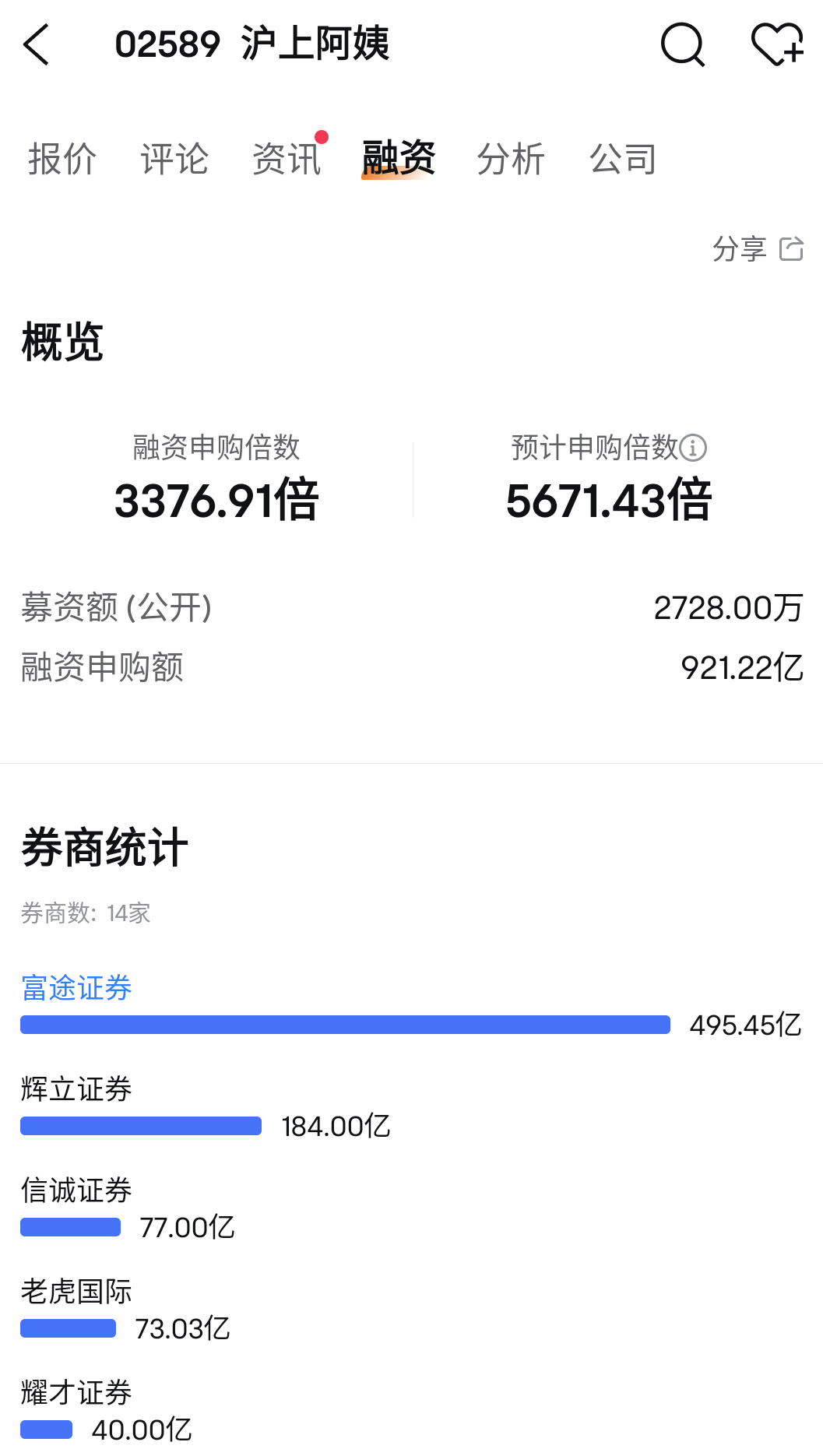
Group 1 - The core viewpoint of the article highlights the resurgence of the Hong Kong capital market, particularly in the new tea beverage sector, with significant IPO activities and investor interest [1][7][9] - The new tea beverage companies, including Hu Shang A Yi, have seen overwhelming subscription rates, with Hu Shang A Yi's IPO achieving a subscription rate of 3377 times and raising 272.8 million HKD [1][7] - The market has witnessed a wave of new listings from various consumer companies, indicating a trend where many brands are opting for Hong Kong as their listing destination [9][19] Group 2 - Hu Shang A Yi, founded by a couple in Shanghai, has expanded rapidly from a single store to over 9,176 stores by the end of 2024, driven by a focus on lower-tier cities [10][12][15] - The company is projected to generate revenue of 3.28 billion RMB in 2024, with nearly half of its income coming from third-tier cities and below [15] - The new tea beverage sector had previously experienced a lull in IPO activities, but recent successful listings have reignited investor interest and confidence in the market [16][19] Group 3 - The article discusses the changing consumer landscape, where younger consumers are driving new trends and preferences, leading to a shift in valuation logic for companies [20][23] - The success of companies like Mi Xue Bing Cheng and the emergence of new players have set valuation benchmarks, encouraging more consumer companies to pursue IPOs [26] - Policy changes favoring consumer companies in Hong Kong, such as lower profitability requirements for listings, have attracted many businesses to the market [27][28]
中美博弈新阶段,这个“热带中国”火了
吴晓波频道· 2025-05-17 17:05
Core Viewpoint - The article discusses the recent developments in Chinese companies entering the Brazilian market, highlighting the significant investments and the challenges they face in navigating the complex business environment in Brazil [2][4][31]. Group 1: Investment and Expansion - Meituan announced plans to invest approximately $1 billion over the next five years to establish an instant delivery network across Brazil, marking its entry into the Brazilian market [5][7]. - Mixue Ice Cream plans to procure no less than 4 billion RMB worth of agricultural products over the next 3-5 years and will open its first store in Brazil this year [6][7]. - GAC Group has also announced the establishment of a research and development center in Brazil, indicating a commitment to local production [8]. Group 2: Trade Relations - Brazil is China's ninth-largest trading partner, with China being Brazil's largest trading partner for 15 consecutive years [11][12]. - The article emphasizes the strengthening of bilateral relations, particularly through the "Belt and Road" initiative, which has fostered deeper economic ties [11][12]. Group 3: Challenges in the Brazilian Market - The article highlights significant challenges for Chinese companies in Brazil, particularly regarding labor and tax issues. Labor conditions and cultural differences pose obstacles for companies like Meituan and Mixue Ice Cream [20][21]. - Brazil's tax system is described as complex, with numerous taxes that can significantly increase the cost of doing business. The article mentions that there are up to 58 different taxes that can apply to imported goods [21][22]. Group 4: Market Potential - Despite the challenges, Brazil's large population and high urbanization rate make it an attractive market for Chinese companies. The article notes that Brazil has a population of 216 million, a median age of 33, and a high internet penetration rate of 81% [22][23]. - The demand for Brazilian agricultural products, particularly coffee, is highlighted, with significant procurement agreements being made by companies like Luckin Coffee [38][40]. Group 5: Historical Context and Future Outlook - The article provides historical context regarding Brazil's industrial decline and the current push for re-industrialization, which aims to attract foreign investment while protecting local industries [45][46]. - The future of Sino-Brazilian relations is framed as a journey filled with challenges, requiring companies to bridge tariff barriers and cultural differences to succeed in the Brazilian market [47].



年入32亿!70后夫妇卖奶茶,干出一家上市企业
东京烘焙职业人· 2025-05-15 06:57
Core Viewpoint - The new tea beverage industry has seen a wave of listings, with the successful IPO of "沪上阿姨" marking a significant milestone, indicating a competitive landscape that is far from over [4][22][23]. Company Overview - "沪上阿姨" officially listed on the Hong Kong Stock Exchange on May 8, 2025, becoming the fourth new tea beverage company to go public after "古茗", "蜜雪冰城", and "霸王茶姬" [4][22]. - The initial offering price was HKD 113.12 per share, with the stock price surging by 68% at one point, closing at HKD 158.4, giving it a market capitalization of HKD 166.07 billion [4][5]. Business Model and Expansion - The company has rapidly expanded from 3,000 stores in early 2021 to an expected 9,176 stores by the end of 2024, primarily through a franchise model [7][17]. - As of the end of 2024, 99.7% of its stores are franchises, contributing significantly to its revenue, which was reported at RMB 32.85 billion for the year [17][19]. Revenue Structure - The majority of revenue comes from franchise-related income, which accounted for 96.5% of total revenue in 2024, with sales to franchisees being the largest contributor [17][19]. - The company operates three brand concepts: "沪上阿姨", "沪咖", and "轻享版", with the main brand generating the bulk of the income [12][19]. Market Positioning - "沪上阿姨" has strategically focused on the northern market, with over 50% of its stores located in northern China, capitalizing on the popularity of its hot five-grain tea products during colder months [20][21]. - The brand has established itself as a leader in the mid-priced tea beverage segment in northern China [20]. Future Outlook - The successful IPO provides "沪上阿姨" with additional capital for expansion and operational improvements, including supply chain upgrades and digital transformation [23][25][26]. - The new tea beverage industry is expected to continue evolving, with companies likely to pursue international expansion and enhance their supply chain capabilities [24][26].

新茶饮江湖风云再起:洗牌、突围与未来之战!
市值风云· 2025-05-14 12:53
Investment Rating - The report indicates a slowdown in the expansion of the new tea beverage industry, with a net decrease of 17,000 stores in the past year, highlighting a significant market consolidation [1][2]. Core Insights - The new tea beverage market in China has grown rapidly, with the market size increasing from RMB 187.8 billion in 2018 to RMB 517.5 billion in 2023, reflecting a CAGR of 22.5% [2]. - The competition among new tea brands is evolving from scale and price wars to a more complex, multifaceted competition focusing on product innovation and brand differentiation [1][2]. - The top five brands in the ready-to-drink tea market have increased their market share from 38.5% in 2020 to 46.8% in 2023, indicating a trend towards market concentration [1]. Summary by Sections Product Innovation and Marketing - New tea brands are focusing on health-oriented product innovations, with companies like沪上阿姨 launching over 100 new products annually [4][6]. - The marketing strategies of brands are diversifying, with successful collaborations and IP creations enhancing brand recognition and consumer engagement [8][15]. - The demand for healthier and higher-quality options is driving the evolution of ready-to-drink tea products, with brands prioritizing differentiation [7][19]. Franchise and Supply Chain Dynamics - The franchise model is becoming increasingly important, with 56.1% of tea beverage stores being part of a chain as of 2023, projected to rise to 72% by 2028 [17][20]. - The initial investment cost for opening a new store under沪上阿姨 is approximately RMB 275,000, which is lower than the industry average, making it attractive for potential franchisees [18]. - A robust supply chain is critical for maintaining product quality and customer loyalty, with沪上阿姨 achieving extensive national coverage for fresh ingredient delivery [21][19]. Market Trends and Future Outlook - The report highlights that the fastest growth in the ready-to-drink tea market is occurring in third-tier and lower cities, with沪上阿姨 having 49.4% of its stores in these areas as of 2023 [28][31]. - The overall revenue for沪上阿姨 in 2024 is projected to be RMB 3.28 billion, with 48.2% of this revenue coming from third-tier and lower cities [31]. - The industry is expected to continue evolving, with brands that can innovate and differentiate themselves likely to thrive, while those lacking in these areas may face significant challenges [39].
消费类企业扎堆赴港上市 加速全球化布局
Zheng Quan Ri Bao Wang· 2025-05-14 11:48
Core Viewpoint - The Hong Kong IPO market is experiencing a surge in activity, particularly among consumer companies, indicating a rapid capitalizing process and a strategic ambition for global expansion [1][3]. Group 1: New Tea Beverage Companies - New tea beverage brands such as Mixue Ice City and Gu Ming have successfully listed on the Hong Kong Stock Exchange, with significant fundraising potential to accelerate business expansion and enhance competitiveness [2][5]. - The listing of new tea brands is seen as a major milestone that boosts confidence among franchisees and investors, thereby improving brand image [2]. Group 2: Restaurant Sector - Restaurant brands like Lao Xiang Ji and Yu Jian Xiao Mian are also in the process of listing, with Lao Xiang Ji having previously attempted to list on A-shares unsuccessfully [2][3]. - The restaurant sector is emerging as a key player in the IPO wave, following the new tea beverage companies [2]. Group 3: Market Dynamics - The preference of Hong Kong investors for consumer stocks and the strategic push for domestic consumption are driving the trend of consumer companies seeking overseas listings [3][4]. - The flexibility of the Hong Kong market and its ability to connect with global investors are significant factors attracting consumer companies to list there [3][4]. Group 4: Global Expansion Strategies - Listing abroad is not only a financing avenue but also a crucial step for consumer companies in their global expansion strategies [4]. - Companies like Mixue Ice City plan to open over 500 new overseas stores by 2025, focusing on markets in Belt and Road countries, North America, and Europe [4]. - Green Tea Group has initiated its overseas expansion plan, with plans to open 28 new restaurants abroad between 2025 and 2027 [4]. Group 5: Market Reception - Investor recognition of consumer companies is on the rise, with Mixue Ice City achieving a market capitalization of HKD 76.3 billion and receiving over HKD 1.84 trillion in subscription amounts [5]. - The opening price of Mixue Ice City was HKD 262.00 per share, reflecting a 29.38% increase from the issue price, while Hu Shang A Yi saw a 68.49% increase on its first trading day [5].
打新赚钱效应显著提升港股新股有望持续受资金关注
Zhong Guo Zheng Quan Bao· 2025-05-13 21:49
Group 1 - The core viewpoint is that the Hong Kong IPO market is experiencing a significant increase in the profitability of new stock listings, with all five new stocks listed since April 14 showing gains on their first trading day [1][2] - The first five new stocks listed since April 14 include Zhengli New Energy, Ying'en Biotechnology-B, Boleton, Junda Co., and Hu Shang Ayi, with first-day price increases of 1.45%, 116.70%, 38.33%, 20.09%, and 40.03% respectively [1] - The overall rate of new stocks breaking their issue price is gradually decreasing, with a break rate of 23.81% for 21 new stocks listed in 2025, compared to 34.29% for the entire year of 2024 [2] Group 2 - The Hong Kong IPO market remains active, with 154 companies currently in the IPO application queue, of which 151 are applying for the main board and 3 for the growth enterprise board [3] - Among the 154 companies, 88 are making their first application in 2025, representing over 57% of the total [3] - The IPO market is characterized by a dual drive of "technology + consumption," with emerging consumer sectors and advanced technology fields being the focus [3]
新茶饮的"鱿鱼游戏":为什么所有品牌都在2025年抢着上市?
3 6 Ke· 2025-05-13 02:13
Core Viewpoint - The new tea beverage industry is experiencing a significant IPO boom in 2025, with multiple brands like Hu Shang A Yi, Mi Xue Bing Cheng, and Ba Wang Cha Ji successfully listing on stock exchanges, marking a shift from rapid expansion to efficiency-driven competition [4][6][15]. Group 1: IPO Trends - 2025 is referred to as the "Year of New Tea Beverage IPOs," with four major brands completing their listings in just four months [4]. - Hu Shang A Yi's stock opened 68% higher than its issue price, while Mi Xue Bing Cheng saw a subscription rate of 1145 times [1][4]. - The IPO wave is a response to slowing industry growth and tightening financing conditions, making public offerings a strategic necessity for these companies [6][12]. Group 2: Market Dynamics - The growth rate of China's new tea beverage market is projected to decline from 18.8% in 2023 to around 12% in 2024, with the total number of stores reaching 464,000 and over 20,000 closures [6]. - The industry is shifting from expansion through new store openings to competition based on existing market share, leading to a focus on operational efficiency [6][20]. - The financing environment has become challenging, with only 18 investment events in 2024, prompting companies to seek IPOs as a vital funding source [6][10]. Group 3: Company Performance - Hu Shang A Yi reported a revenue of 3.348 billion yuan in 2023, with a growth rate of 52.3%, but faced a decline to 3.285 billion yuan in 2024, marking a 1.9% decrease [16]. - Ba Wang Cha Ji achieved a GMV of 30 billion yuan in 2024, with rapid store expansion, indicating ongoing growth despite market challenges [17]. - Mi Xue Bing Cheng's revenue for 2024 was 24.829 billion yuan, a 22.3% increase, but its income heavily relies on franchisee purchases rather than direct consumer sales [18][25]. Group 4: Competitive Challenges - The industry faces severe homogenization and a slowdown in innovation, with new product introduction rates decreasing from an average of 6.2 days per item in 2023 to 7.2 days in 2024 [22]. - The reliance on franchise models has led to disparities in profitability among stores, with some locations struggling to generate sufficient revenue [20][25]. - Increased competition has resulted in franchisee dissatisfaction, with many facing challenges in profitability and market saturation [25]. Group 5: Future Directions - Companies are encouraged to focus on deepening market penetration and enhancing operational efficiency, particularly in lower-tier cities [27]. - Supply chain management is identified as a critical competitive advantage, with companies like Mi Xue Bing Cheng and Ba Wang Cha Ji optimizing their supply chains to reduce costs [29]. - The future of the new tea beverage industry will depend on balancing efficiency with brand loyalty and consumer engagement, moving beyond mere price competition [31].
新茶饮第一股,“换装”自救?
虎嗅APP· 2025-05-12 10:51
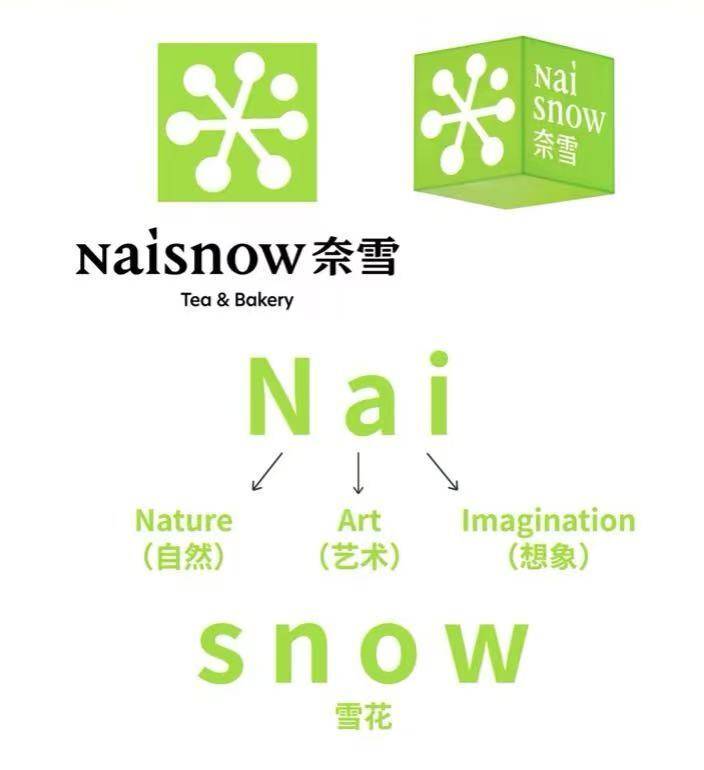
Core Viewpoint - The article discusses the challenges faced by Nayuki, a prominent player in the new tea beverage industry, highlighting its recent rebranding efforts and the underlying issues of declining performance and market competitiveness [3][5][11]. Brand Rebranding - Nayuki has changed its brand logo and name as part of its "internationalization strategy" for its 10th anniversary, simplifying its name from "Nayuki's Tea" to "Nayuki" and altering its English representation to "Naìsnow" [3][5]. - The rebranding has not been well received by consumers, with negative feedback on social media and a significant drop in stock price, reducing its market value to less than 1% of its peak [5][6]. Financial Performance - In 2024, Nayuki reported revenue of 4.92 billion yuan, a year-on-year decline of 4.7%, and an adjusted net loss of 919 million yuan, with average daily sales per store dropping below 10,000 yuan [5][7]. - Since its IPO, Nayuki has struggled with profitability, only briefly returning to profit in 2023 with a net income of 13 million yuan [5][7]. Operational Challenges - Nayuki's direct sales model, which aims to replicate Starbucks' "third space" experience, has faced severe cost control challenges, with employee costs at 29.2% and raw material costs at 36.8% [7][11]. - The average daily order volume per store has decreased from 363 orders in 2018 to 270 orders in 2024, and the average transaction value has dropped from 32.4 yuan to 26.7 yuan [7][11]. Market Positioning - Nayuki primarily targets women aged 20-35 but faces competition from brands like Chayan Yueshu and Hushang Ayi, which have increased their market share by offering products priced below 10 yuan [7][11]. - The market share of products priced above 30 yuan has fallen to 12%, while those priced between 10-20 yuan account for 58% of the new tea beverage market [7][11]. Competitive Landscape - The new tea beverage industry has entered a phase of rapid expansion, with franchise models becoming crucial for efficiency. Nayuki has only 345 franchise stores compared to competitors like Mixue Ice City, which has 23,000 stores [8][11]. - Nayuki's market presence is diminishing, with a total of 1,798 stores as of the end of 2024, including a reduction of 121 direct stores [8][11]. Strategic Adjustments - Nayuki is attempting to adjust its strategy by closing underperforming stores, launching "Nayuki Green" light food outlets, and lowering franchise investment costs from 980,000 yuan to 580,000 yuan [10][11]. - The company is also exploring international markets, having opened several stores in Southeast Asia, but faces challenges due to limited market capacity and cultural differences in Western markets [10][11]. Industry Trends - The article indicates a fundamental shift in the new tea beverage industry, moving away from capital-driven growth to a focus on efficiency and differentiation [11]. - Brands that fail to establish a unique market position risk being pushed out of the market as competition intensifies [11].

新茶饮第一股,“换装”自救?
Hu Xiu· 2025-05-12 09:39
Core Viewpoint - Naixue's rebranding effort, aimed at internationalization, has not resonated with consumers and has led to a decline in market value, reflecting deeper issues within the new tea beverage industry [1][3][9] Financial Performance - In 2024, Naixue reported revenue of 4.92 billion yuan, a year-on-year decline of 4.7%, with an adjusted net loss of 919 million yuan [3] - Since its IPO, Naixue has only briefly returned to profitability in 2023, with a profit of 13 million yuan [3] - The company's market capitalization has plummeted over 93% from 34 billion yuan at IPO to approximately 1.995 billion yuan [6][8] Market Position and Strategy - Naixue's direct sales model, which aims to replicate Starbucks' "third space" experience, has faced significant cost challenges, with employee costs at 29.2% and raw material costs at 36.8% [5] - The average daily sales per store have decreased from 12,700 yuan in 2018 to 8,900 yuan in first-tier cities by 2024 [5] - Naixue's focus on a premium pricing strategy has led to a disconnect with the market, as competitors have successfully captured the lower price segments [5][6] Competitive Landscape - The new tea beverage industry is shifting towards a franchise model, with competitors like Mixue Ice Cream leading with 23,000 stores and a net profit of 4.45 billion yuan in 2024 [6] - Naixue has only 345 franchise stores, significantly lagging behind competitors, and has seen a reduction in direct stores [6][7] - The market is increasingly dominated by brands that offer lower prices and greater efficiency, with Naixue struggling to maintain its market share [8] Brand and Product Development - Naixue's recent rebranding has been criticized for lacking clarity and failing to address underlying performance issues [1][3] - The company is attempting to pivot towards health-oriented products, but faces challenges with high costs and low repeat purchase rates [7] - The introduction of new store formats and reduced franchise fees are part of Naixue's strategy to regain market traction, but their effectiveness remains uncertain [7][9]