
航运业

Search documents
全线拉升!原因,找到了!
中国基金报· 2025-06-23 07:57
【导读】市场回暖,低开高走 中国基金报记者 泰勒 兄弟姐妹们啊,今天的市场低开高走,情绪回暖,一起看看发生了什么事情。 A股低开高走 6月23日,亚洲市场早盘遭遇些许恐慌情绪, 中东战火蔓延以及石油供应中断将对东亚石油进口国造成冲击 ,但 随后情绪转 暖, 股市投资者似乎并不太担心。 A股市场全天低开高走,三大指数集体上涨。截至 收盘沪指涨0.65%,深成指涨0.43%,创业板指涨0.39%。 银行股继续走强,工商银行、建设银行等多股创新高。 为何今天市场低开高走?有分析指出,美国加入以色列和伊朗之间的战争,乍看之下似乎是一个会引发市场暴跌的地缘政治热 点。然而,投资者对此次局势升级基本不以为意,许多策略师认为冲突是可控的,甚至对某些风险资产而言可能是利好。 市场共4446只个股上涨,84只个股涨停,844只个股下跌。 | 880005 涨跌家数 | | | --- | --- | | 其中 涨停 | 84 | | 涨幅 > 7% | 150 | | 涨幅 5-7% | 163 | | 涨幅 3-5% | 629 | | 涨幅 0-3% | 3504 | | 跌幅 0-3% | 776 | | 跌幅 3-5% ...


平台、低空、海商、渔业“四大经济”:法律修改将有大动作
2 1 Shi Ji Jing Ji Bao Dao· 2025-06-23 04:48
Group 1: Legislative Changes Overview - The 16th meeting of the 14th National People's Congress Standing Committee will be held from June 24 to 27, 2023, in Beijing, focusing on various legal drafts including the Anti-Unfair Competition Law, Maritime Law, Fisheries Law, and Civil Aviation Law [1] - The revisions to the Anti-Unfair Competition Law aim to address issues related to platform economy, low-altitude economy, maritime economy, and fisheries economy [1] Group 2: Anti-Unfair Competition Law Revisions - The draft includes provisions to enhance the fair competition review system and address "involution" competition among platforms [4][5] - It clarifies the responsibilities of market regulatory authorities in combating unfair competition [5] - The obligations of platform operators to manage unfair competition among their internal operators are specified [6] - Standards for identifying confusion-related unfair competition behaviors, such as using others' trademarks as business names, are further defined [6] - The draft specifies the elements constituting unfair competition, including data rights infringement and malicious trading [7] Group 3: Civil Aviation Law Revisions - The draft aims to promote the development of civil aviation, particularly in manufacturing and low-altitude economies [10] - It includes measures to enhance the safety of civil aviation and improve passenger rights protection [12][13] - The draft proposes to align compensation responsibilities of carriers with international conventions [14] Group 4: Maritime Law Revisions - The draft seeks to protect the labor rights of seafarers and align with international standards [18] - It proposes to unify the legal application for domestic and international maritime transport [19] - The draft includes provisions for electronic transport records to support the digitalization of shipping [19] Group 5: Fisheries Law Revisions - The draft introduces regulations for supporting the employment and entrepreneurship of fishermen transitioning to other industries [21][22] - It emphasizes the importance of safety in fisheries production and the quality of aquatic products [23] - The draft outlines measures for the management of fishing gear and the establishment of fishing bans [26][27]
国际金融市场早知道:6月23日
Xin Hua Cai Jing· 2025-06-23 00:00
【资讯导读】 ·日本大幅削减超长期国债发行规模 ·美国参众两院联手限制总统战争权力 ·英国零售销售环比暴跌创最大跌幅纪录 ·国际油轮运费飙升部分航线涨幅达2.5倍 【市场资讯】 ·美国参众两院发起决议,旨在限制总统发动战争的权力。由共和党与民主党议员共同提出,强调国会 权威,并指出当前美国未面临紧急威胁,同时批评了在国会休会期间未向议员通报情况的做法。 ·美国最高法院拒绝加快处理对特朗普关税政策的法律挑战,维持原定30天回复期限,而非申请中要求 的更短时间。 ·一名联邦法官发布初步禁令,暂停特朗普政府禁止哈佛大学招收国际学生的决定,确保哈佛大学在此 案审理期间仍可继续接收国际学生。 ·美联储:劳动力市场稳健,继续观望政策 ·日本核心CPI连续45个月上升,5月同比上涨3.7%,其中粳米价格同比翻倍以上增长。 ·英国零售销售5月环比下降2.7%,远低于预期,创下自2023年12月以来最大跌幅。 ·波罗的海重油油轮指数显示,过去一周国际平均运费上涨12%,部分航线运费涨幅高达2.5倍。 【全球市场动态】 ·道琼斯工业指数上涨0.08%报42206.82点,标准普尔500指数下跌0.22%报5967.84点,纳斯达 ...
刚刚!霍尔木兹海峡,重磅突发!
券商中国· 2025-06-22 14:02
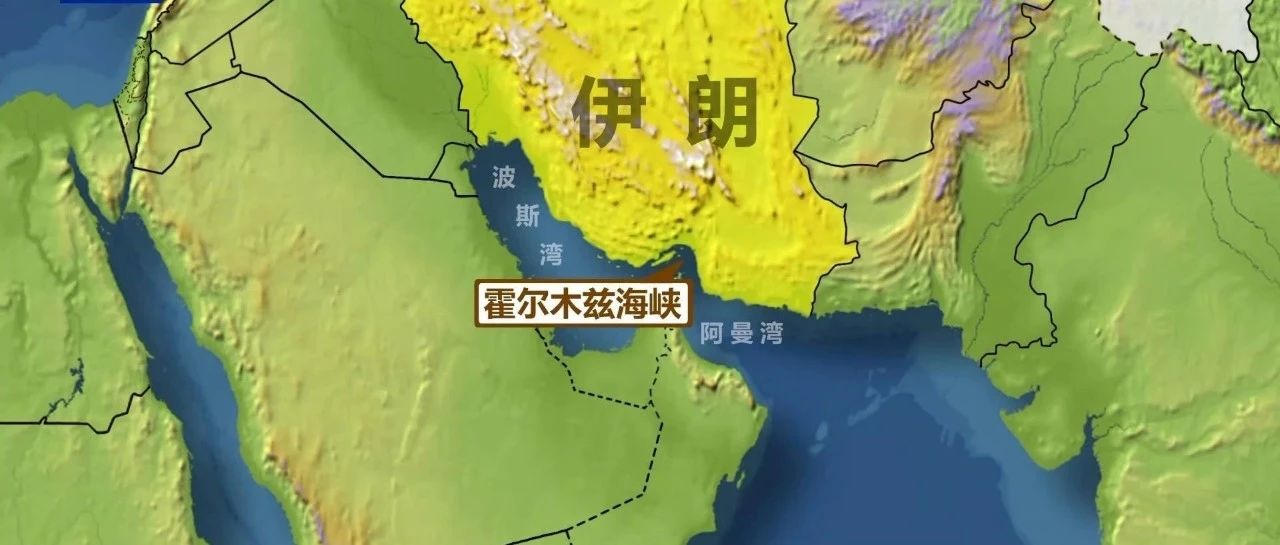
Core Viewpoint - The article discusses the potential closure of the Strait of Hormuz by Iran, which could significantly impact global oil prices and supply chains, as it is a critical maritime route for oil transportation. Group 1: Strait of Hormuz and Oil Supply - The Iranian parliament has expressed support for closing the Strait of Hormuz, a vital passage for approximately one-third of the world's maritime oil trade [2][3][4] - If the Strait is closed, oil prices could surge past $120 per barrel, leading to increased transportation costs and severe supply delays [4] - The closure could be seen as a last resort, with significant military actions required to enforce it, potentially taking weeks or months to reopen [4] Group 2: Impact on Shipping Industry - The ongoing conflict between Israel and Iran has caused anxiety within the shipping industry, leading to a decrease in the number of vessels passing through the Strait of Hormuz [5][6] - Major shipping associations have noted that the threat of conflict is sufficient to disrupt shipping operations significantly [6] Group 3: Military and Political Context - The situation is characterized by high uncertainty, with potential military actions from Iran against U.S. and Israeli interests being a possibility [7][8][9] - Following U.S. airstrikes on Iranian nuclear facilities, there is heightened security and vigilance in the U.S. regarding potential retaliatory actions from Iran [10][11][12] - The political landscape in the U.S. is tense, with criticism directed at President Trump for unilateral military actions without congressional approval [13]
新华财经晚报:市场监管总局今年将对164种产品开展国家监督抽查
Zhong Guo Jin Rong Xin Xi Wang· 2025-06-21 10:20
Domestic News - The State Administration for Market Regulation will conduct national supervision and sampling inspections on 164 products, with a total of over 16,000 batches to be sampled, focusing on children's products, power banks, electric bicycles, and gas appliances, among others [2] - The Shanghai Shipping Exchange reported a continued adjustment in the export container transportation market, with the comprehensive index dropping by 10.5% to 1869.59 points [3] - The China-Europe Railway Express has surpassed 1,000 trips since its first launch on October 26, 2022, with an average cargo value per container being 41% higher than other trains, primarily transporting high-value products like solar panels and marine engine parts [3] - In Xi'an, from January to May, the industrial added value increased by 13.0% year-on-year, while fixed asset investment grew by 0.6% [3] - The 9th South China Expo signed 21 projects with an investment amount exceeding 22 billion yuan, focusing on renewable energy and digital technology [4] International News - The Chinese Embassy in New Zealand announced new visa policies for Chinese citizens, allowing easier entry into New Zealand starting November 2025, which will enhance travel and trade relations [5] - President Putin emphasized the need for a new global development model that considers the interests of all countries to ensure sustainable development for the global south [6]

港股收盘(6.20) | 恒指收涨1.26% 内银、内险全天走强 德翔海运(02510)放量大涨
智通财经网· 2025-06-20 09:06
Market Overview - The Hong Kong stock market showed a rebound with all three major indices in the green, particularly the Hang Seng Index which rose by 1.26% to close at 23,530.48 points, with a total turnover of HKD 222.42 billion [1] - Citigroup raised its target price for the Hang Seng Index, citing minimal impact from the Middle East situation and clearer tariff developments, predicting better earnings growth for Hong Kong stocks next year [1] Blue-Chip Stocks Performance - Li Ning (02331) led blue-chip stocks with a 4.8% increase, closing at HKD 15.72, contributing 2.68 points to the Hang Seng Index [2] - Other notable performers included China Life (02628) up 4.74% and Sunny Optical Technology (02382) up 3.99%, while Xinyi Glass (00868) and PetroChina (00857) saw declines [2] Sector Performance - The banking sector showed strength with notable gains from banks like Minsheng Bank (01988) and Industrial and Commercial Bank of China (01398) [3][4] - The insurance sector also performed well, with China Life and New China Life (01336) both seeing significant increases [4] Shipping Sector Insights - The shipping sector experienced a strong performance, particularly due to rising tensions in the Middle East, with companies like Derun Shipping (02510) seeing a substantial increase of 35.68% [6][7] - Rental prices for oil tankers have surged, with rates for supertankers doubling from USD 19,998 per day to USD 47,609 per day [6] Solar Industry Developments - The solar sector faced challenges with reports of potential production cuts of 10%-15% in the third quarter, alongside stricter controls on below-cost sales [8] - Despite the negative sentiment, some industry players maintain optimistic pricing expectations, although analysts caution against this outlook [8] Notable Stock Movements - Non-Farm Holdings (00933) significantly increased its stake in Li Ning, leading to a 17.65% rise in its stock price [9] - China Duty Free Group (01880) saw a moderate increase of 2.19%, supported by favorable macroeconomic policies promoting tourism and consumption [11]

突然!利好,来了
中国基金报· 2025-06-20 07:55
Market Overview - The A-share market experienced a slight decline on June 20, with the Shanghai Composite Index down by 0.07%, the Shenzhen Component Index down by 0.47%, and the ChiNext Index down by 0.84% [2] - A total of 1542 stocks rose, 53 stocks hit the daily limit up, while 3647 stocks fell [3] Stock Performance - The total trading volume reached 10,917.40 billion, with a total of 54,21 stocks traded [4] - Notable gainers included Ningbo Marine (10.10%), Xingtong Co. (9.97%), and Baoshui Technology (9.93%) [5] - Bank stocks continued to perform well, with Xiamen Bank rising by 2.89% and Hangzhou Bank by 2.63% [6][7] Sector Analysis - The oil and gas sector saw a collective decline, with stocks like Beiken Energy hitting the daily limit down [8] - The IP economy concept stocks faced adjustments, with Yuanlong Yatu dropping by 10% [10][11] Consumer Sector - The consumer sector received positive news, with liquor stocks like Huangtai Liquor hitting the daily limit up [12] - Other liquor stocks such as Yingjia Gongjiu and Jinzhongzi Liquor also saw significant gains [13] - The home appliance and furniture sectors showed strong performance, with Midea Group and Gree Electric rising by 1.47% and 1.27% respectively [14][15] Policy Impact - Recent comments from Xinhua emphasized the importance of distinguishing between normal dining and violations of regulations, indicating that the crackdown on excessive dining should not hinder normal consumption [16][17] - The government is set to continue its "old for new" consumption policy, with a total of 3000 billion in central government bonds allocated to support this initiative [18]







“中证中国银行-中国人保航运发展主题指数”发布,旨在反映航运产业链核心企业表现
news flash· 2025-06-19 05:30
在2025年陆家嘴论坛上,由中国银行、中国人保共同向中证指数有限公司申请定制开发的"中证中国银 行-中国人保航运发展主题指数"正式发布。 该指数选取水路运输、港口运营、船舶制造、集装箱制造、港口机械制造、空中运输、空港运营等领域 的上市公司证券,可综合反映航运业行业景气繁荣程度,是体现航运企业的管理水平、盈利能力以及市 场的供需情况的指标。 "中证中国银行-中国人保航运发展主题指数"旨在精准反映航运产业链中核心企业的整体表现,进一步 增强航运、造船、港口、物流等航运产业链主体的融资便利性,吸引更多投资者参与上海国际航运中心 建设,提升上海国际航运中心的规模经济与集聚效应,助力上海全面建成现代航运服务体系。 ...


海事金融加强区域联动 推动资源高效流通
Jin Rong Shi Bao· 2025-06-18 03:20
Core Insights - The maritime finance sector is crucial for the integration of shipping and finance, significantly impacting regional economic growth and enhancing competitiveness in the international shipping landscape [1] - Maritime finance encompasses various activities such as ship financing, shipping insurance, trade settlement, and port finance, requiring a solid foundation in physical assets like ships and ports while being influenced by international shipping regulations and maritime legal systems [1] - The development of maritime finance in regions like Tianjin Dongjiang is focused on "regional linkage + institutional breakthroughs" to overcome traditional barriers and enhance the efficient coupling of shipping elements and financial resources [1] Regional Collaboration - Tianjin Dongjiang has made significant strides in cross-regional collaboration, launching the Tianjin-Hebei Free Trade Zone cross-regional processing initiative in 2024, which allows shipping companies to handle various maritime services without geographical constraints [2] - The East Jiang Maritime Bureau has expanded the range of services available for cross-regional processing, including ship bareboat leasing registration and nationality certificate renewal, facilitating quicker and more accessible service for shipping enterprises [2] - Currently, there are 11 services available for cross-regional processing, aiming to create a new model of integrated governance and a "zero-distance" service ecosystem in the Bohai Sea region [2] Innovation and Efficiency - The regional linkage in maritime finance extends beyond administrative service collaboration to include cross-regional financial product innovation, risk management, and ecosystem co-construction, driven by market collaboration and digital technology platforms [3] - The trend indicates that the integration of data elements into maritime finance services is essential for enhancing industry efficiency, with traditional operational models evolving towards "data penetration + credit enhancement + information sharing + internal and external collaboration" [3] - Improving the efficiency of ship production and operation, along with simplifying processing procedures, will lead to faster capital turnover, attracting more investment into key areas such as ship acquisition and operation, thereby promoting the expansion and innovation of maritime financial services like ship leasing and mortgage loans [3]
国际金融市场早知道:6月18日
Xin Hua Cai Jing· 2025-06-18 00:02
Group 1 - The ongoing military conflict between Israel and Iran is causing a decline in the number of vessels passing through the Strait of Hormuz, leading to increased shipping costs due to heightened regional security concerns [1][2] - The U.S. Senate has passed a significant cryptocurrency legislation aimed at promoting growth in the digital asset industry, marking a historic lobbying victory for cryptocurrency companies [2] - The European Union plans to phase out imports of Russian pipeline natural gas (PNG) and liquefied natural gas (LNG) by the end of 2027, alongside a complete halt to Russian oil imports [4] Group 2 - The Bank of Japan has decided to maintain its policy interest rate at around 0.5% and will slow the reduction of government bond purchases starting from April 2026, reducing the purchase amount from 4 trillion yen to 2 trillion yen per quarter [5] - A survey by the World Gold Council indicates that 95% of central banks believe they will continue to increase their gold holdings in the next 12 months, the highest percentage since the survey began in 2019 [5] - The International Energy Agency (IEA) forecasts that global oil production will increase by 1.8 million barrels per day to 104.9 million barrels per day by 2025, while demand is expected to be 103.8 million barrels per day, leading to a supply surplus [5]